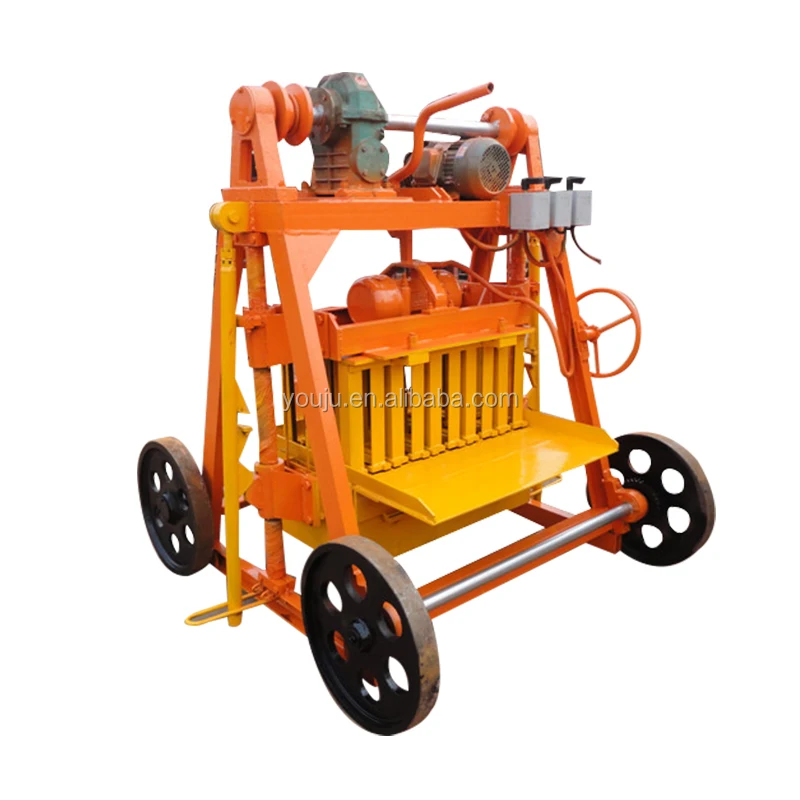
Description
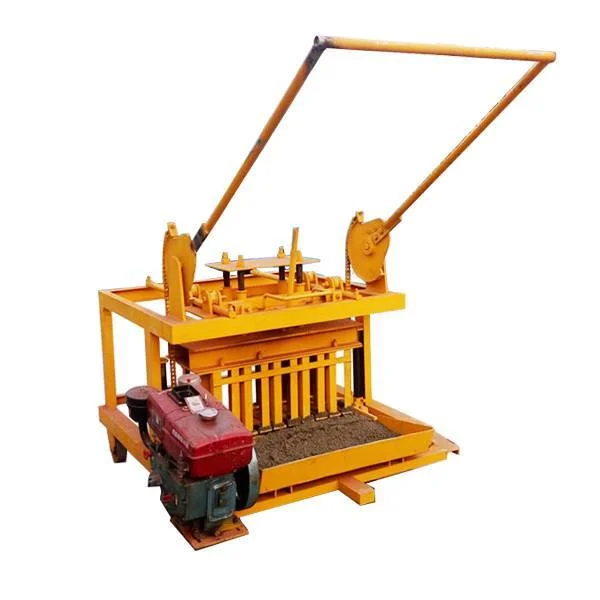
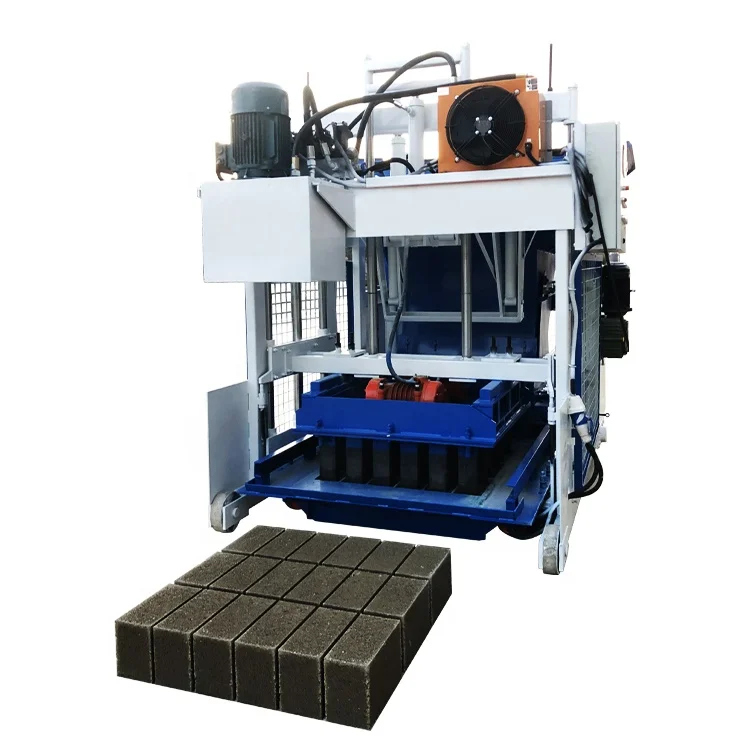
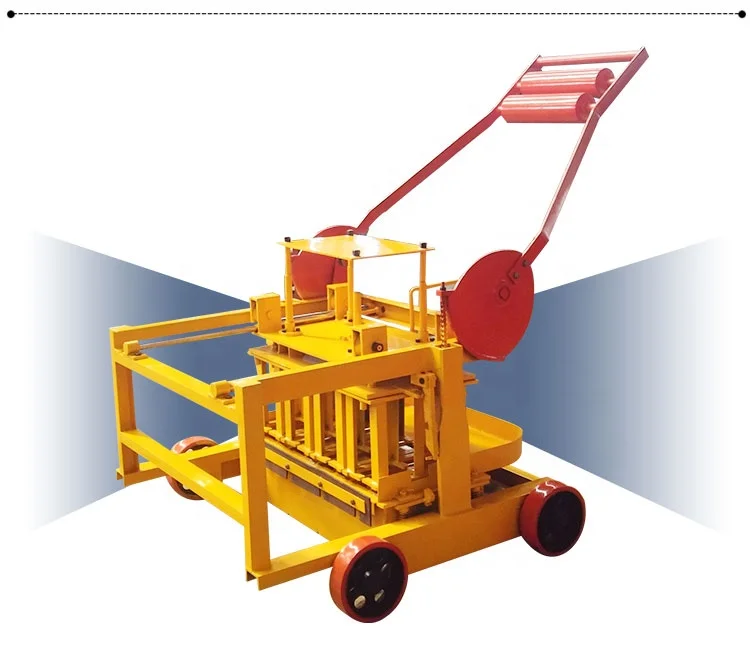
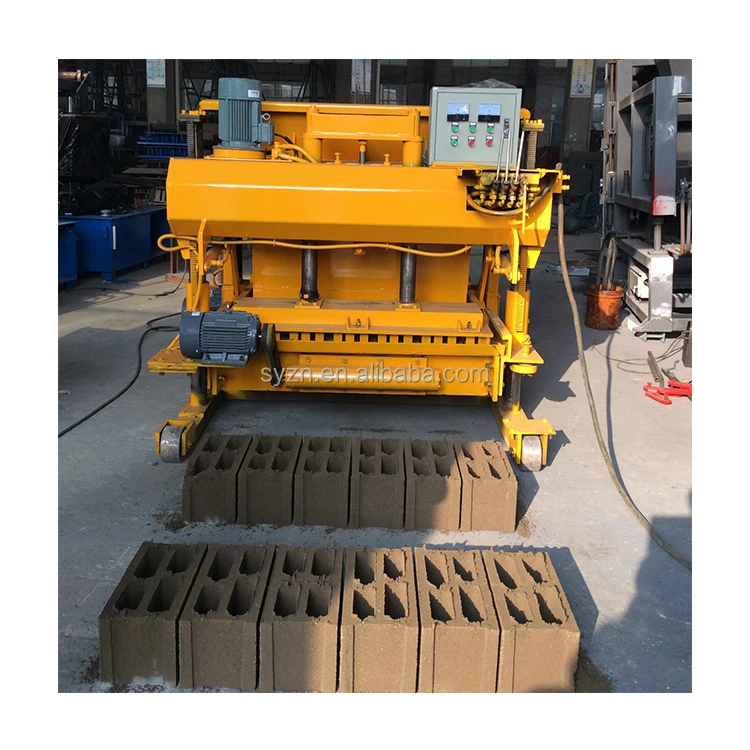
Integrated System Engineering — Every QMJ4-45 mobile block machine is configured as one matched system where vibration frequency, molding cycle, and engine power work together to deliver consistent density across multiple hollow block formats.
Technical Specifications
| Parameter | Value |
|---|---|
| Model | QMJ4-45 |
| Product Type | Mobile Egg-Laying Block Making Machine |
| Molding Capacity | 4pcs/mold (400×200×200mm) / 5pcs/mold (400×150×200mm) / 6pcs/mold (400×120×200mm) |
| Vibration Frequency | 2400 r/m |
| Molding Cycle | 40-45 seconds |
| Daily Productivity | 3000pcs/day for 400×200×200mm hollow blocks (8 hours basis) |
| Hydraulic Method | Mold vibration |
| Demold Method | Manual |
| Turning Method | Manual |
| Total Power | 6KW |
| Power Resource | Diesel/Petrol engine |
| Key Features | Twice-vibration molding, egg-laying design, off-grid engine operation |
Application Suitability
| Application | Material or Output |
|---|---|
| On-site housing project block production | Hollow blocks from crushed stone and cement laid directly on prepared ground |
| Remote development project production | Mobile concrete block manufacturing without fixed plant infrastructure |
| First-time block entrepreneur setup | Small-scale hollow block production with minimal initial investment |
| Existing cement working site expansion | Supplemental block production using current site conditions |
What "3000 Pieces per Day" Actually Means on Site
The QMJ4-45 achieves rated output only when block format, cycle timing, and local mix design align with real site conditions.
When contractors order mobile block machines, they often see daily capacity numbers without understanding which block size that figure assumes. A machine producing 400×200×200mm hollow blocks will deliver different throughput than one running 400×120×200mm formats, yet both might carry the same model designation. The automatic QMJ4-45 mobile block machine addresses this by specifying output per format: 3000 pieces daily for the larger 200mm width block versus 4500 pieces for the narrower 120mm version, both calculated on an 8-hour production window [NEED_CITE: daily output calculation standards for mobile block machines].
Consistent Vibration Cycles Replace Manual Guesswork
The twice-vibration molding system in the QMJ4-45 delivers controlled compaction that manual tamping cannot match. Rather than relying on operator judgment for vibration duration, the 40-45 second cycle ensures each block receives identical treatment. This consistency matters when blocks must meet structural density requirements across an entire building project. The PLC controlled mobile egg layer maintains this timing regardless of operator fatigue or shift changes.
Engine Power for Sites Without Grid Access
Remote construction sites and rural development projects often lack reliable electrical infrastructure. The diesel/petrol engine configuration eliminates dependency on grid voltage while providing the 6KW total power needed for both vibration motors and control systems. Field operators can refuel from standard site equipment rather than arranging temporary power connections that delay production startup [NEED_CITE: off-grid power requirements for mobile construction equipment].
Understanding the Specification Choices That Determine Real Output
The 2400 r/m vibration frequency combined with the 40-45 second molding cycle creates a specific compaction profile suited to standard hollow block mixes. Higher frequencies might achieve faster cycles but risk segregation in coarser aggregate blends. The manual demold and turning methods mean production speed depends partly on operator coordination—blocks must be moved before the next cycle begins. For the 400×200×200mm format yielding 4 pieces per mold, the 8-hour daily output assumes continuous operation with material ready at the machine and curing space available for freshly laid blocks. Local aggregate characteristics affect how well the mix flows into the mold cavities and how quickly blocks can be released without corner damage.
The Hidden Cost of Skipping Voltage and Language Confirmation
When a mobile block machine arrives on site with control panel text in the wrong language, the first day of production vanishes into remote troubleshooting and emergency firmware updates. Voltage mismatches between engine starter circuits and local auxiliary power create similar delays. These issues compound when projects have fixed completion deadlines and penalty clauses for delayed delivery [NEED_CITE: commissioning delays from unconfirmed control specifications].
Why This Configuration Approach Works for Site Production
The QMJ4-45 is specified as a complete system where engine power, vibration characteristics, and molding capacity are balanced rather than sourced from separate suppliers and assembled ad-hoc. Configuration decisions start with your actual block format requirements and local aggregate properties, not a generic catalog entry. Custom mold design accommodates the specific hollow block dimensions your market demands. The automation level allows starting with manual pallet handling and upgrading to semi-automatic feeding if production scales. Installation support includes operator training on engine maintenance and vibration cycle troubleshooting for your specific site conditions.
Documentation & Verification
- Factory test record demonstrating molding cycle consistency on your specified block format
- Machine specification sheet with engine power and vibration frequency confirmed per order
- Mold drawing showing cavity dimensions for your target hollow block size
- Voltage and control language confirmation document before shipment
- Operation manual covering engine maintenance schedules and troubleshooting procedures
- Wear parts list identifying vibration motor components and replacement intervals
Installation, Commissioning & Support
- Site preparation requires level ground surface for egg-laying operation without pallet infrastructure
- 6KW engine power source eliminates need for dedicated electrical circuit installation
- Diesel/petrol fuel system requires standard construction site storage and handling protocols
- Initial commissioning includes control panel language verification and vibration cycle testing
- Operator training covers 40-45 second cycle timing and manual demold coordination
- Spare vibration motor and mold wear parts available for ongoing site operation
Requesting a Configuration That Fits Your Project
To receive a QMJ4-45 setup matched to your requirements, specify the exact hollow block dimensions your market sells, the local aggregate source and cement type you use, and whether your site has auxiliary power for control systems or needs fully independent engine operation. Confirm the control panel language your operators read and the environmental conditions—dust levels, humidity, temperature ranges—where the machine will run. If you plan future production expansion, indicate which automation additions you might need beyond the current manual demold configuration.
Frequently Asked Questions
Q: How does the twice-vibration system improve block consistency compared to manual tamping?
A: The controlled 40-45 second vibration cycle delivers identical compaction energy to each mold fill, eliminating the variation that occurs when different operators judge tamping duration by feel. This produces blocks with uniform density throughout the production run, which matters when structural testing requires consistent compressive strength across batches from the same project.
Q: What is the realistic daily output for 400×200×200mm hollow blocks under actual site conditions?
A: The specification states 3000 pieces per 8-hour day for this format, assuming continuous material supply, operators ready to demold and move blocks each cycle, and adequate curing space. Real site output depends on your mix workability, how quickly material reaches the machine, and whether you maintain the 40-45 second cycle without interruptions.
Q: Does the machine require a specific pallet type or can it lay directly on the ground?
A: The egg-laying design deposits blocks directly onto prepared ground surfaces without pallets, which is why it suits sites without pallet handling infrastructure. The ground must be level and firm enough to support fresh blocks without settling, and you need space to move completed rows before the machine advances to the next position.
Q: How do I maintain the diesel/petrol engine in dusty construction environments?
A: Air filter cleaning intervals shorten significantly in cement and aggregate dust compared to clean environments. The operation manual specifies filter service schedules, but daily visual inspection of air intake condition prevents dust ingestion that causes premature engine wear. Fuel filtration also requires attention when refueling from site storage tanks.
Q: What automation upgrades are available if production scales up from this mobile unit?
A: If your volume grows beyond manual demold capacity, you can transition to semi-automatic systems with pallet feeding and mechanical block handling. The configuration approach allows planning this upgrade path from the start, specifying control systems that accommodate future automation additions rather than requiring complete machine replacement.