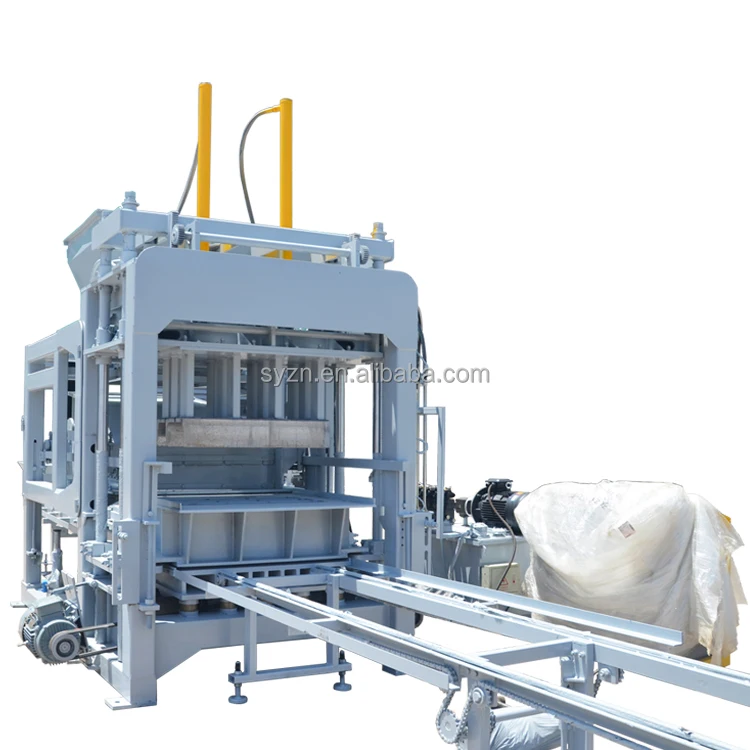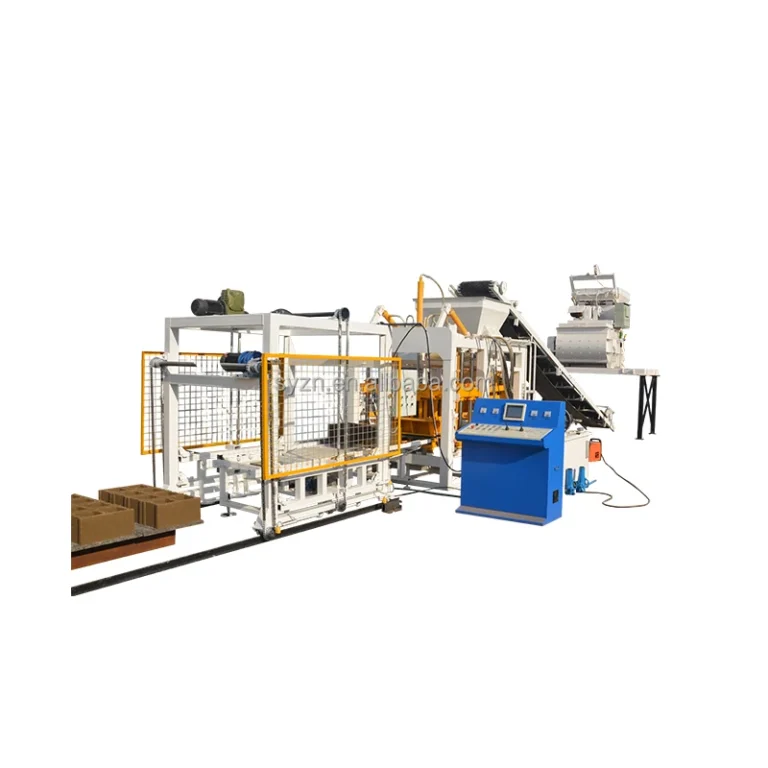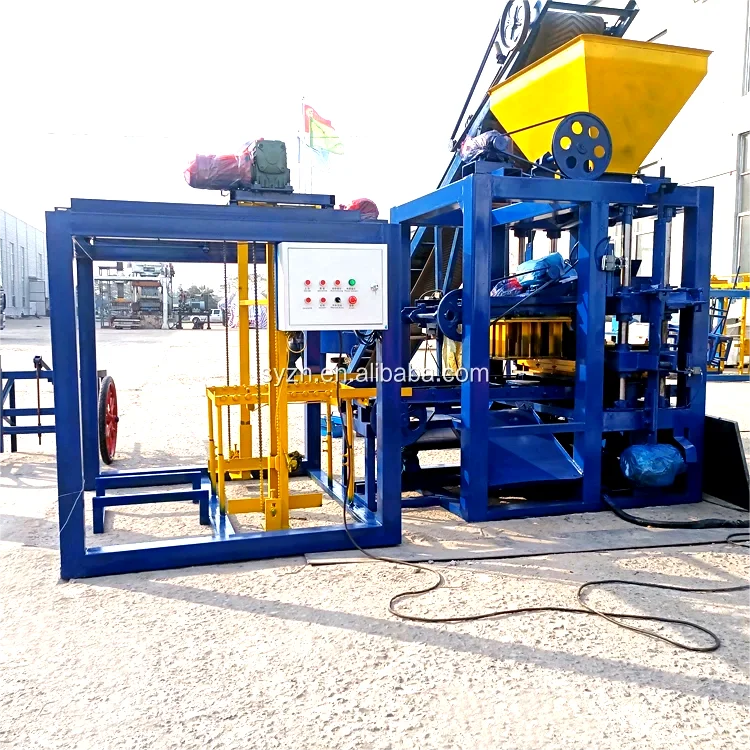
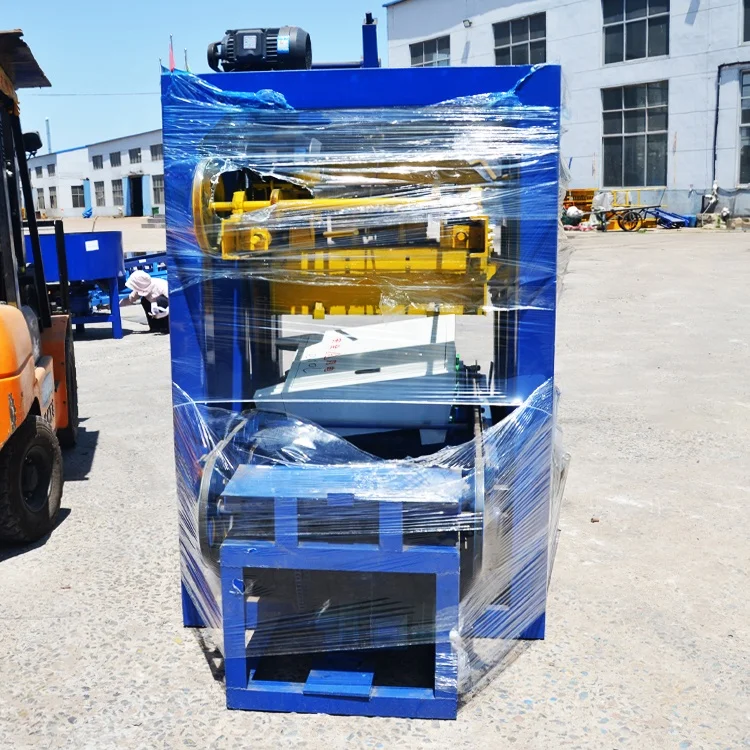
Description
Configured control systems — Voltage, frequency, and PLC display language are confirmed in writing before the QTJ4-26 enters production, preventing commissioning delays caused by mismatched electrical standards or unreadable operator interfaces.
Technical Specifications
| Parameter | Value |
|---|---|
| Model | QTJ4-26 |
| Product Type | Semi-Automatic Concrete Block Making Machine |
| Rated Power | 11.95 kW |
| Overall Dimensions (L×W×H) | 2060 × 1730 × 2580 mm |
| Net Weight | 1800 kg |
| Molding Cycle | 26 s |
| Vibration Frequency | 4200 r/min |
| Exciting Power (Vibration Force) | 35.5 kN |
| Pallet Size | 850 × 450 × 20 mm |
| Mixer Model | JQ350 |
| Automation Level | Semi-automatic |
| Guide System | Four guide pillars |
| Mould Movement | Automatic |
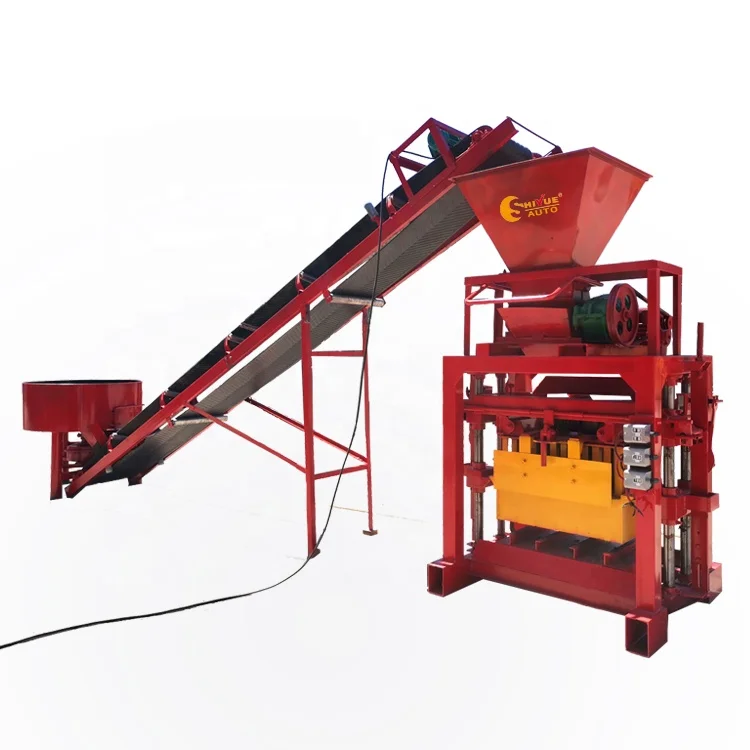
| Vibration Configuration | Dual vibrating motors under mould, direct vertical vibration combined with upper mould pressing |
| Output Capacity — Hollow Block 390×190×190 mm | 480 pcs/h, 3800 pcs/8hr (4 pcs/mould) |
| Output Capacity — Hollow Block 400×150×200 mm | 600 pcs/h, 4800 pcs/8hr (5 pcs/mould) |
| Output Capacity — Solid Brick 240×115×53 mm | 2100 pcs/h, 17000 pcs/8hr (18 pcs/mould) |
| Applicable Raw Materials | Crushed stone, sand, cement, dust, fly ash |
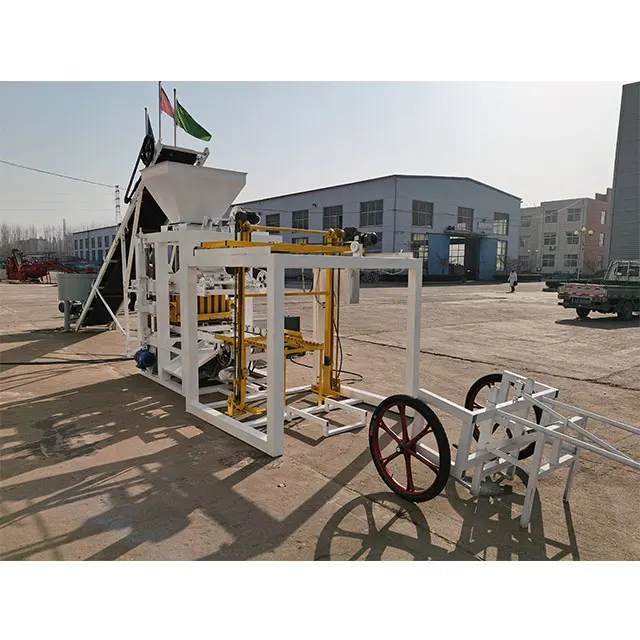
| Assembly State | Fully assembled |
| Voltage & Frequency | Configurable — confirm target market requirements |
| Control System / PLC Language | Configurable — confirm buyer requirement |
Application Suitability
| Application | Material or Output |
|---|---|
| Small-scale hollow block production | 8 inch and 6 inch hollow blocks from crushed stone, sand, and cement |
| On-site solid brick manufacturing | Solid bricks 240×115×53 mm from concrete or cement-based mixes |
| Housing project block supply | Hollow and solid blocks produced locally using available aggregates |
| Fly ash brick production | Bricks incorporating fly ash, cement, and local sand |
| First plant setup for entrepreneurs | Controlled semi-automatic output without full-line complexity |
Why the PLC Language Question Should Come Before the Price
An automatic QTJ4-26 block machine sitting idle for weeks because the operator cannot read the display is a preventable and surprisingly common failure mode.
When buyers focus negotiation entirely on price and lead time, electrical and control details slip to the final checklist. The machine ships, arrives at the port, clears customs, and sits on the foundation — then the electrician discovers the voltage does not match the local grid, or the operator stares at a control panel in a language they do not read. Commissioning stalls. [NEED_CITE: voltage and frequency standards by export market]
I have seen this pattern repeat across multiple export markets. A PLC controlled semi-automatic block making machine is only as reliable as the clarity of its interface to the people running it eight hours a day.
Control Configuration as Part of the Matched System
The QTJ4-26 operates through a semi-automatic control sequence where mould movement is automated while pallet handling remains manual. This division of labour defines the operator’s interaction with the machine throughout every shift. The control system must be specified to match the operator’s working language and the site’s electrical infrastructure before production begins, not after the automatic QTJ4-26 block machine has been crated.
Vibration Control and Batch Consistency
The dual vibrating motors deliver 35.5 kN of exciting force at 4200 r/min, combined with upper mould pressing to compact the mix from both directions. Consistent block density depends on the vibration cycle being repeatable across every moulding stroke. When the PLC controlled semi-automatic block making machine is configured with a control system the operator understands, cycle parameters remain stable and deviation is caught early rather than after a full pallet of under-strength blocks has been stacked. [NEED_CITE: CE machinery directive requirements for industrial equipment]
Reading the Specification Sheet Against Local Conditions
The 26-second molding cycle produces different output depending on the block format loaded into the mould. For a 390×190×190 mm hollow block, the QTJ4-26 delivers 480 pieces per hour based on 4 pieces per mould. For a 400×150×200 mm hollow block, output reaches 600 pieces per hour based on 5 pieces per mould. Solid brick output at 240×115×53 mm is rated at 2100 pieces per hour based on 18 pieces per mould. These figures assume a standard mix and uninterrupted pallet supply — the actual daily throughput depends on pallet handling speed, curing logistics, and raw material feed continuity.
The Hidden Cost of Leaving Control Details to Chance
When voltage and frequency are assumed rather than confirmed, the consequences extend beyond a tripped breaker. Motors wound for the wrong frequency run at incorrect speeds, altering vibration force and cycle timing. A control panel display in the wrong language forces operators to rely on memory and guesswork, which increases the likelihood of parameter drift going unnoticed. These are not theoretical risks — they appear regularly in post-shipment service calls that could have been resolved with a single confirmation email before production started. [NEED_CITE: common commissioning failures in exported industrial machinery]
Why Buyers Source the QTJ4-26 Through This Configuration Process
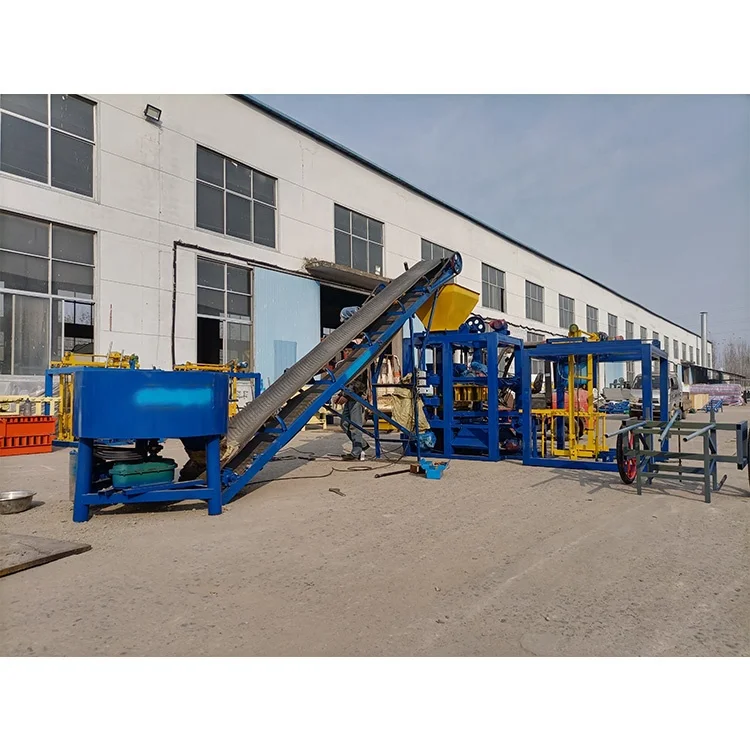
Block machinery is the single production focus here, which means the machine, mould, pallet, and handling equipment are specified as one matched system. The QTJ4-26 configuration is set against the buyer’s actual mix design and local aggregate rather than a catalogue default.
Mould design covers the formats the buyer’s market actually sells, with custom drawings available for non-standard sizes. The automation level is selectable — a buyer can start with the semi-automatic QTJ4-26 and plan an upgrade path to automatic pallet feeding and stacking when volume justifies it. Installation support includes on-site commissioning and operator training so the control system is understood from the first production run.
Documentation & Verification
- Line layout and capacity calculation stating the block format assumed for the QTJ4-26
- Machine specification sheet with voltage, frequency, and control language confirmed
- Mould drawing and format list matching buyer’s local market block dimensions
- Factory test record showing actual cycle times with the buyer’s target mix
- Hydraulic and electrical schematic for on-site maintenance reference
- Operation and maintenance manual in the operator’s confirmed language
Installation, Commissioning & Support
- Foundation plan sized to the QTJ4-26 footprint of 2060 × 1730 mm with vibration isolation
- Dedicated power circuit matching confirmed voltage and the 11.95 kW rated load
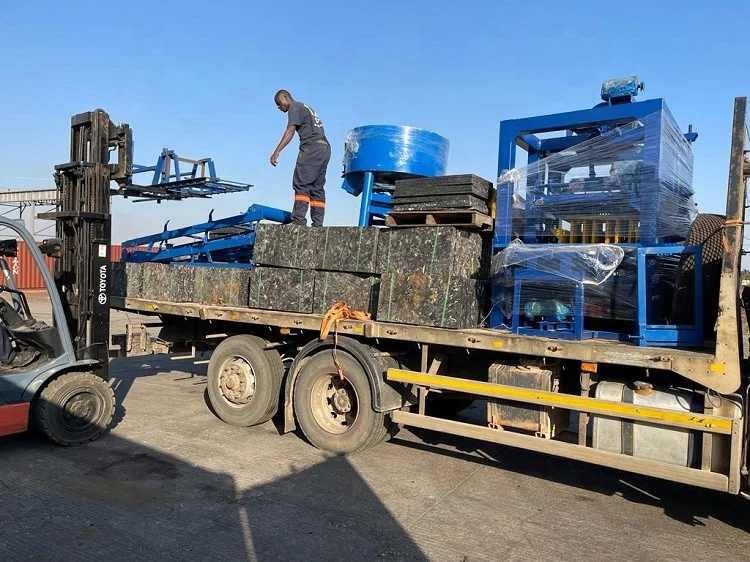
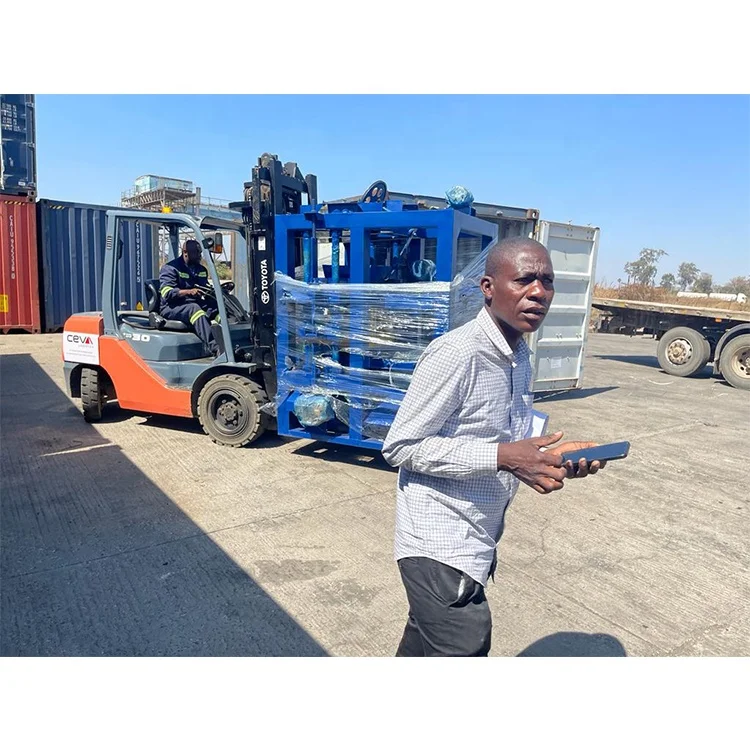
- Machine arrives fully assembled — position, level, and connect to begin commissioning
- First-run parameter setting with the buyer’s actual raw material mix on site
- Operator training covering mould change, cycle adjustment, and daily maintenance routines
- Wear parts list and mould inventory recommendation for the first replacement cycle
What to Prepare Before Requesting a Quotation
Share the specific block formats your market demands, including dimensions and daily volume targets. Confirm the local voltage, frequency, and the language your operators need on the PLC display. Provide a sample or description of your available aggregate — sand source, stone size, whether fly ash is part of your mix — so the vibration and pressure settings can be evaluated against your actual material before the QTJ4-26 is built.
Frequently Asked Questions
Q: How is the QTJ4-26 output capacity calculated per block format?
A: Output is stated per specific block size with the mould cavity count declared. For example, 480 hollow blocks per hour is based on a 390×190×190 mm format with 4 cavities per mould at a 26-second cycle. Capacity calculations for your target format are documented in the proposal so you can plan curing space and pallet logistics accurately.
Q: Can the PLC display language be set to match our operators?
A: Yes. The control system language is confirmed in writing before the QTJ4-26 enters production. This covers the PLC display text, alarm messages, and parameter labels. Confirming this early prevents commissioning delays caused by operators unable to read cycle settings or fault codes on the panel.
Q: What voltage and frequency options are available for the QTJ4-26?
A: The electrical system is configured to match the buyer’s local grid. Voltage and frequency must be confirmed before production so that motors, heaters, and control components are wound and rated correctly. This confirmation is documented in the specification sheet and verified during the factory test before shipment.
Q: How does the 35.5 kN vibration force work with different aggregate types?
A: The dual vibrating motors produce direct vertical vibration under the mould, combined with upper mould pressing to compact from both directions. How this force translates into block density depends on your aggregate grading, cement ratio, and moisture content. Providing your local material profile allows the vibration parameters to be evaluated against your actual mix before the machine is finalized.
Q: Is there an upgrade path from this semi-automatic configuration?
A: The QTJ4-26 can serve as the starting point for a line that grows with your production volume. Automatic pallet feeding, stacking, and cubing stations can be added when daily output and labour conditions justify the investment. The machine’s mould and vibration platform remain the core press while peripheral automation is layered in around it.