
Description
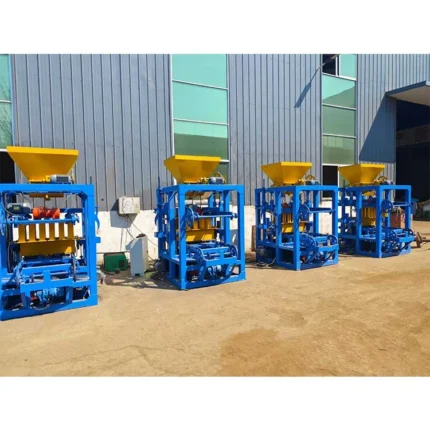
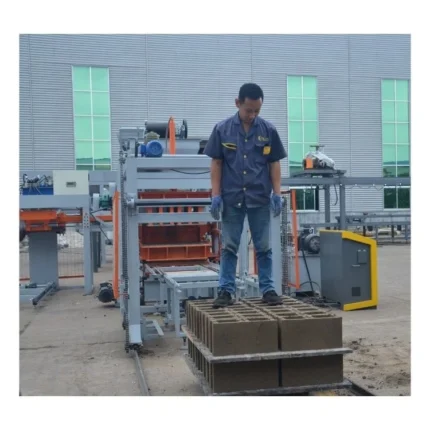
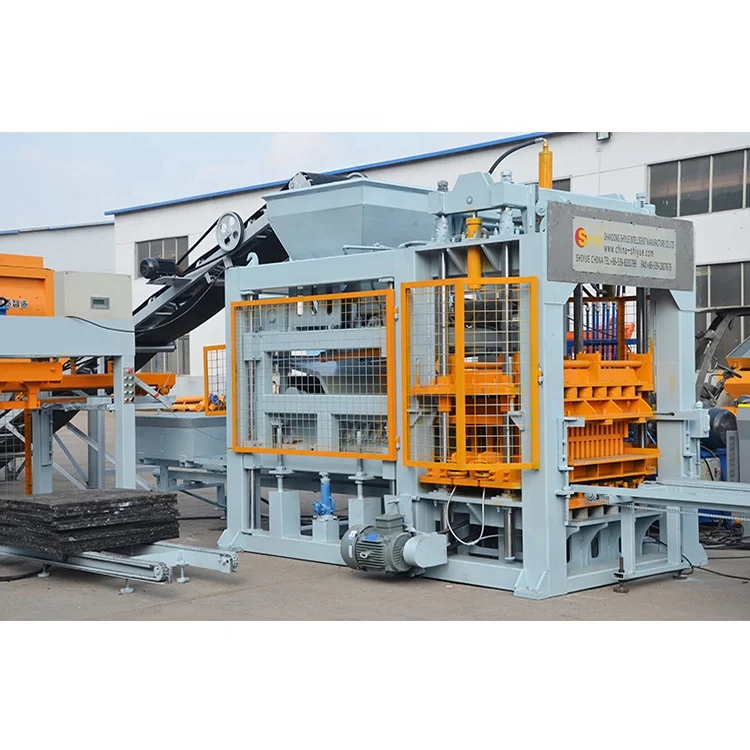
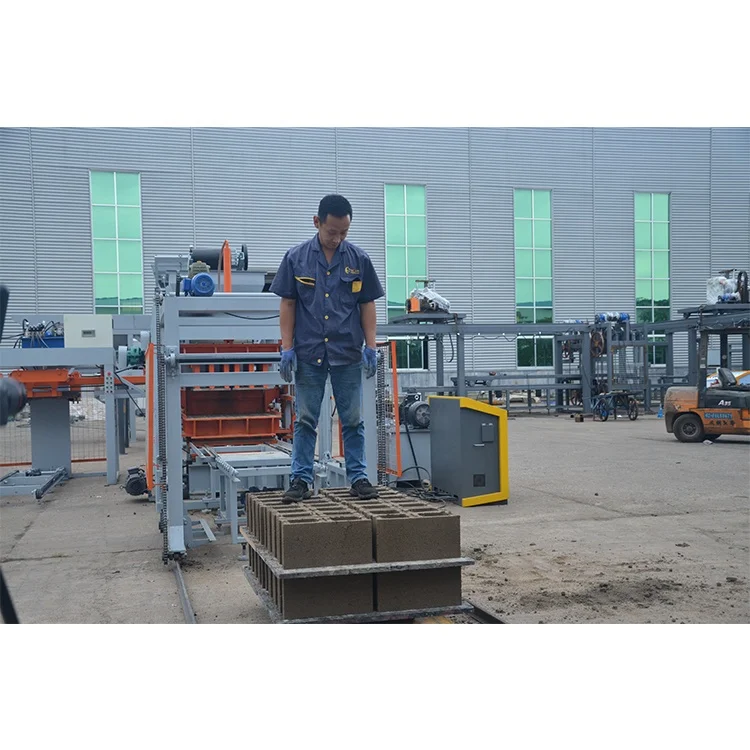
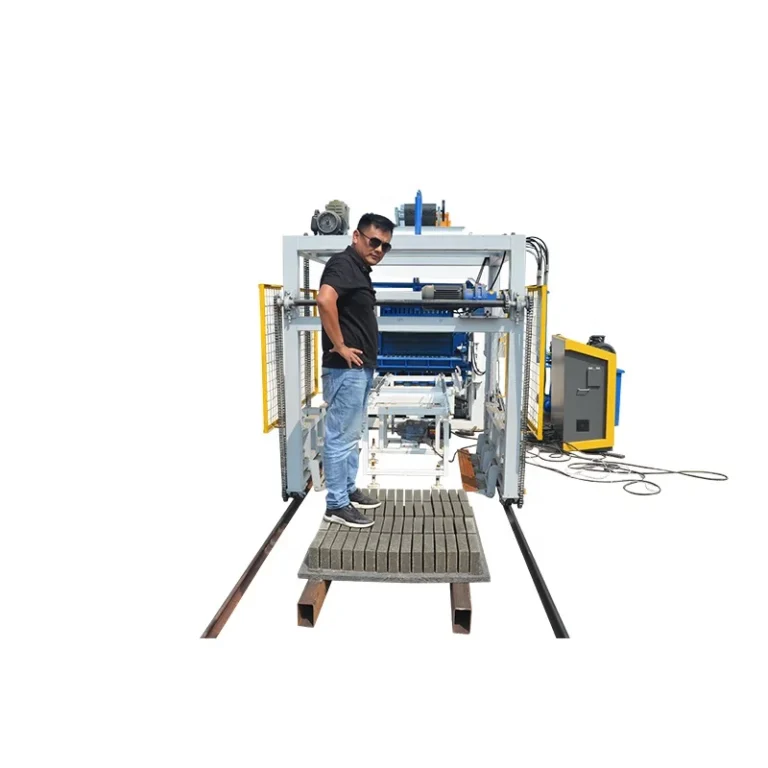
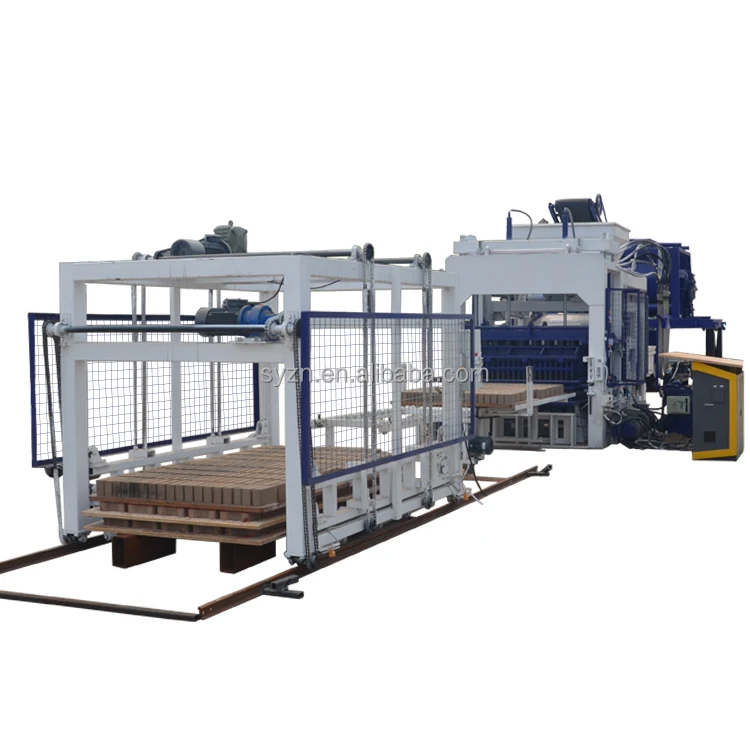
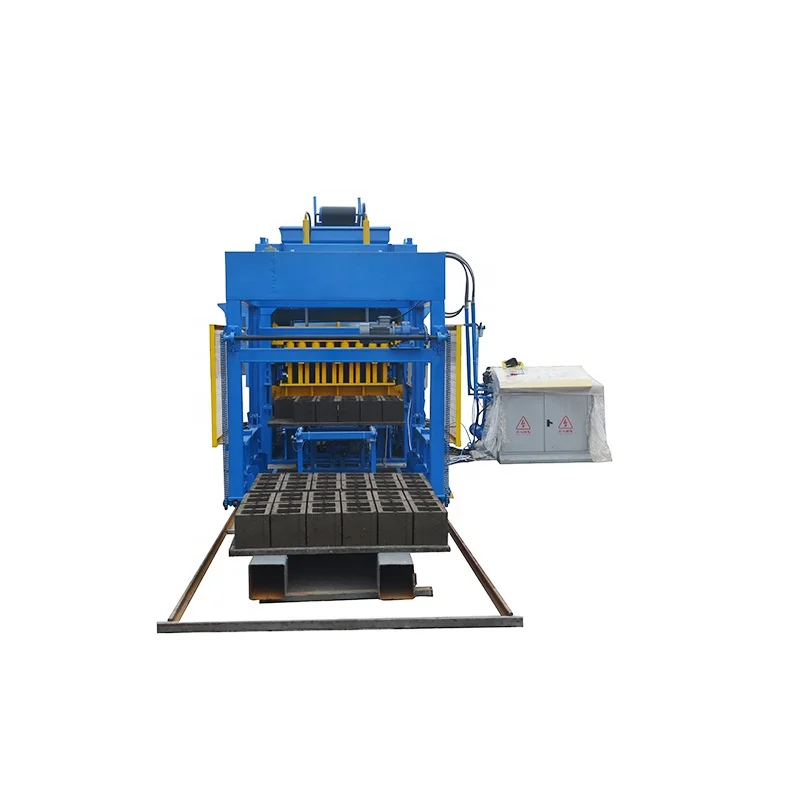
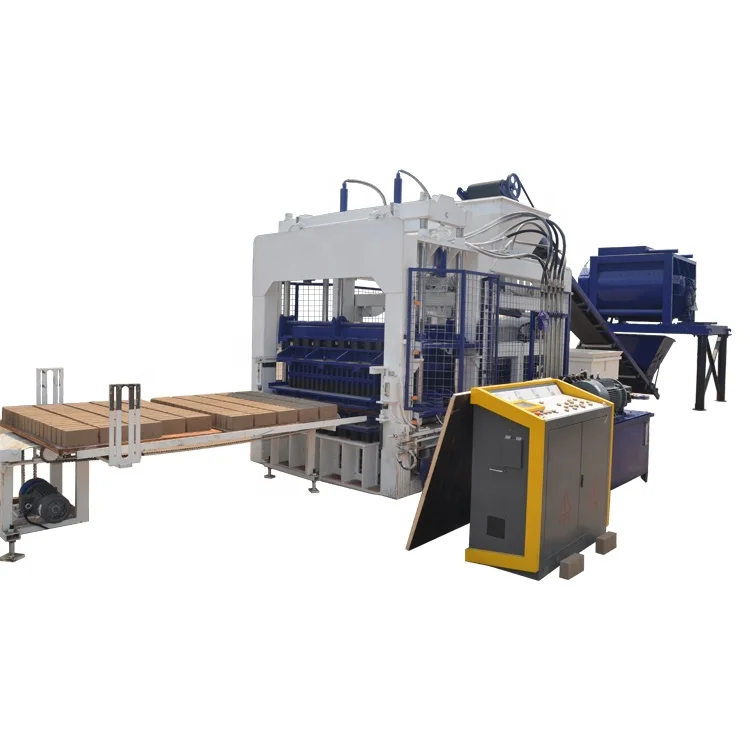
Automated Cycle Management — the PLC controls every step from pallet feed to stacking, so the operator monitors instead of manually timing each action on this automatic QT12-15 block making machine.
Technical Specifications
| Parameter | Value |
|---|---|
| Model | QT12-15 |
| Product Type | Concrete Block Making Machine Line |
| Total Power | 62 kW |
| Pallet Size | 1300 × 900 mm |
| Moulding Cycle | 15–30 seconds (basis not stated in source — confirm block format / material / thickness) |
| Vibration Type | Table vibration (four-axis configuration) |
| Vibration Force | 120 kN (source lists as vibration frequency — verify against manufacturer catalog) |
| Voltage | Customized to local industrial voltage and frequency |
| Control System | PLC-based automation (brand and display language configurable) |
| Mould Compatibility | Customized to buyer’s block format |
| Key Features | Frequency conversion control, static table stop device, 360° rotating press-in arch breaker |
Application Suitability
| Application | Material or Output |
|---|---|
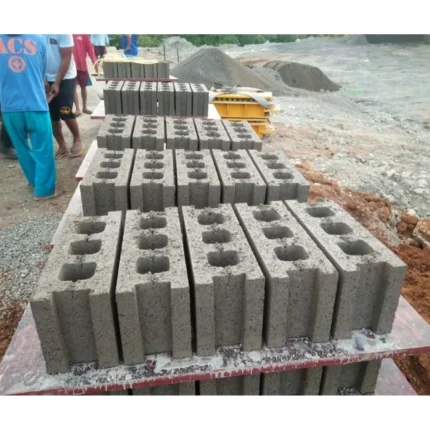
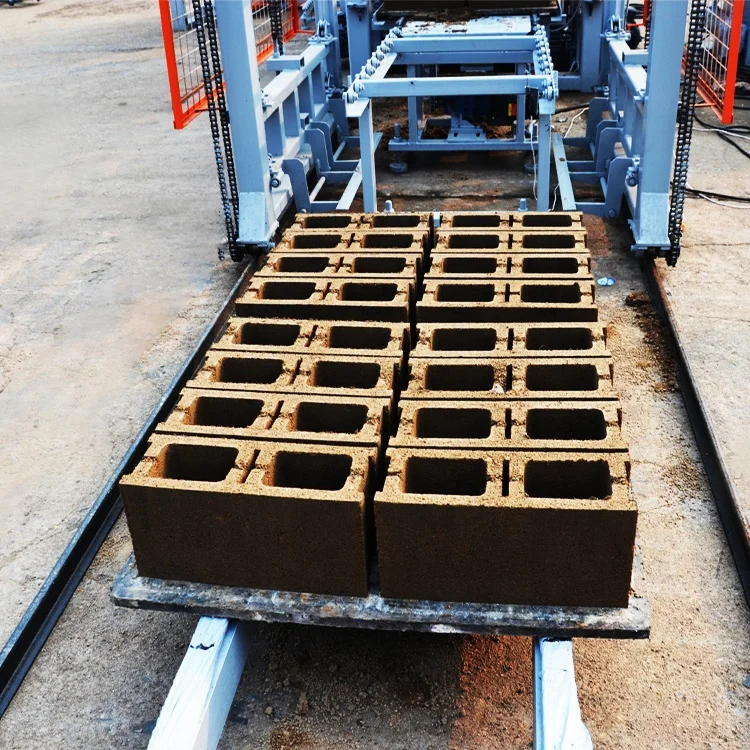
| Hollow block production for load-bearing walls | Crushed stone, cement, sand aggregate mixes |
| Solid block manufacturing for masonry | Fly ash, cement, gravel blends |
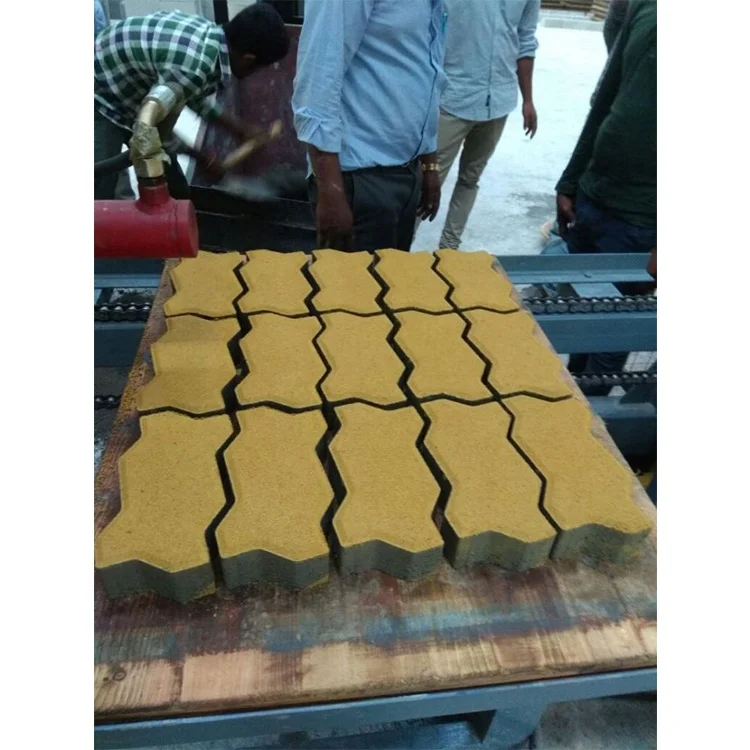
| Paving brick production for roads and walkways | Fine aggregate with cement binder |
| Interlocking brick forming for retaining walls | Graded stone dust and cement |
| Kerbstone and slope protection brick output | Coarse aggregate with high cement ratio |
| Porous brick production for permeable surfaces | Open-graded aggregate and cement |
Why the PLC Language Matters Before the Price Tag
Confirm the control panel language and voltage in writing before the automatic QT12-15 block making machine enters production.
I once watched a commissioning stall for two weeks because a 380V motor was wired to a 415V supply on-site, and the PLC display was in a language the local operator could not read. The machine itself was fine — the paperwork had skipped the details that matter once the crate is opened [NEED_CITE: voltage and frequency standards by export market]. A PLC controlled concrete block machine only reduces labour if the operator can actually read what the screen says and the local electrician can service the panel without waiting for a factory visit.
What the PLC Removes from the Operator
On a semi-automatic line, the operator times each press cycle by eye, feeds pallets by hand, and stacks wet blocks manually — introducing variation in every step. The PLC controlled concrete block machine changes that relationship entirely. The controller manages the feed sequence, vibration duration, hydraulic pressure application, and pallet advance, holding each cycle to the same parameters from the first block of the shift to the last. The operator’s role shifts from timing and lifting to monitoring and quality checking.
Consistency Across Batches and Shift Changes
When a plant runs multiple block formats across a working day, recipe storage in the PLC means the vibration profile, press-in time, and feed volume for each mould can be recalled rather than relearned. This matters when a second shift takes over or when a paver run follows a hollow block run. Without stored recipes, each changeover depends on whoever is running the machine that day. With them, batch-to-batch consistency becomes a function of the program, not the person [NEED_CITE: PLC recipe management in concrete block production].
Reading the Spec Sheet Against Real Output
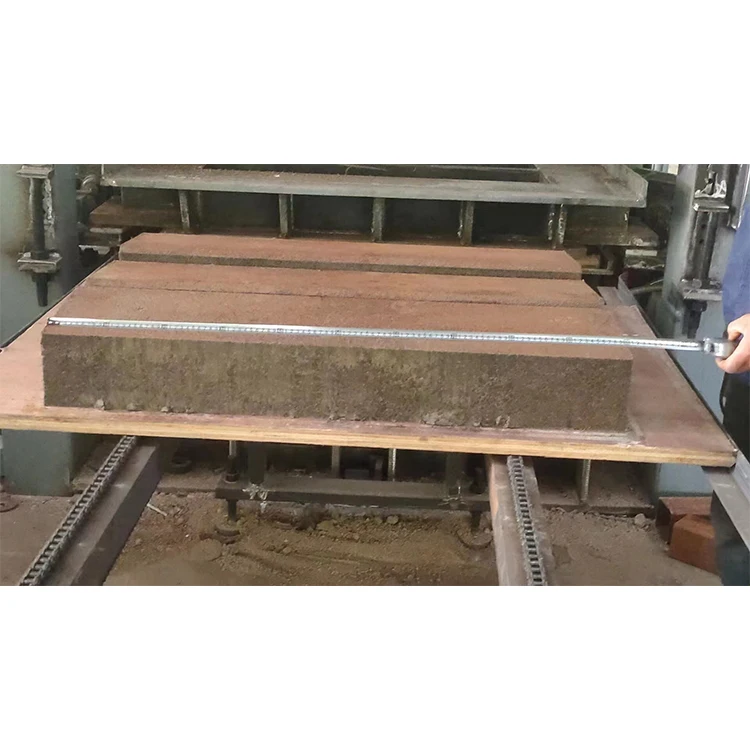
The QT12-15 lists a moulding cycle of 15–30 seconds, but that range only becomes meaningful once you name the block format. A thin paving brick cycles faster than a tall hollow block, and local aggregate gradation affects how quickly the 360° arch breaker fills each cavity evenly. The four-axis table vibration delivers 120 kN of excitation force, which must be matched to the mix design — too aggressive on a lean mix cracks the green block, too gentle on a rich mix leaves voids. Pallet size at 1300 × 900 mm also dictates the curing rack dimensions and forklift capacity you need downstream, so confirming the full line layout before ordering prevents a bottleneck at the stacking station.
When the Wrong Configuration Follows You for Years
A buyer who accepts a default PLC language and assumes the voltage matches their grid will discover the gap on commissioning day. Mismatched frequency drives run hot and fail early, and an unreadable HMI turns a simple fault code into a production halt [NEED_CITE: CE machinery directive requirements for industrial equipment]. Similarly, specifying a pallet size without checking the existing curing racks means buying new racks or living with manual restacking — a cost that shows up every single day the line runs.
Why This Line Is Configured as a System
The machine, mould, pallet, and handling stations are specified together so cycle times match across each transfer point — the press does not sit idle waiting for a pallet. Configuration is set against your actual mix design and target block format, not a catalog default. The automation level is selectable, meaning a buyer can start with automatic pressing and manual stacking, then add automatic cubing later without replacing the press. Mould design covers the formats your market actually sells, with custom drawings available. Electrical schematics and PLC documentation are supplied so your local team can maintain the control panel independently [NEED_CITE: industrial PLC service documentation standards].
Documentation & Verification
- Factory test record run on your specified block format before dispatch
- Electrical schematic matching confirmed voltage and frequency
- PLC program sheet showing stored recipes per mould type
- Mould drawing and format list for every block in your quotation
- Pallet specification matched to your curing rack and forklift dimensions
- Operation and maintenance manual in your operator’s language
Installation, Commissioning & Support
- Foundation plan sized to the QT12-15 vibration table load and pallet line length
- Dedicated 62 kW power circuit with voltage and frequency confirmed before wiring
- PLC panel configured to local display language prior to shipment
- Commissioning includes cycle tuning against your actual aggregate and mix design
- Operator training covers recipe recall, fault reading, and daily maintenance routines
- Wear parts list with mould and hydraulic component reorder references included
What to Share When You Open the Conversation
Tell us the exact block formats you sell, the daily volume your market demands, and the raw materials you source locally. Share your site voltage, frequency, and preferred PLC display language. If you have existing curing racks, forklifts, or upstream mixers, send their dimensions and capacities so the automatic QT12-15 block making machine line is configured around what you already have, not against it.
Frequently Asked Questions
Q: How is the PLC control configured — which brand is used and can I store multiple block format recipes?
A: The PLC brand is selected based on what is serviceable in your region, and the display language is confirmed in writing before production. Multiple recipes for different moulds — hollow block, paver, solid block — are stored so operators recall settings rather than re-entering them at each changeover, keeping batch-to-batch output consistent across shifts.
Q: What automation level does the QT12-15 ship with, and which stations can be added later?
A: The core press ships with PLC-controlled cycling, automatic feed, and frequency conversion vibration. Pallet stacking and cubing can be configured at order or added as a later upgrade without replacing the press, letting you match automation spend to your current labour and throughput needs.
Q: How do you confirm voltage, frequency, and control panel language before production?
A: We collect your site electrical specifications and preferred operator language during the inquiry stage, then confirm them on the machine specification sheet you sign off before manufacturing begins. This prevents commissioning delays caused by mismatched supply or an unreadable HMI screen.
Q: What is the realistic daily output for my specific block format?
A: Daily output is calculated against the exact block dimensions, mould cavity count, and your local aggregate mix — not a generic cycles-per-hour claim. We state the assumed format in the quotation so you can compare the figure directly against your production target and market demand.
Q: Do you provide remote diagnostics on the PLC, and what happens when a component needs replacement?
A: The PLC can support remote connection where site network conditions allow, enabling fault review without a factory visit. A full electrical schematic and component list ship with the machine, so your local electrician can source standard replacements and restore production quickly.