

Description
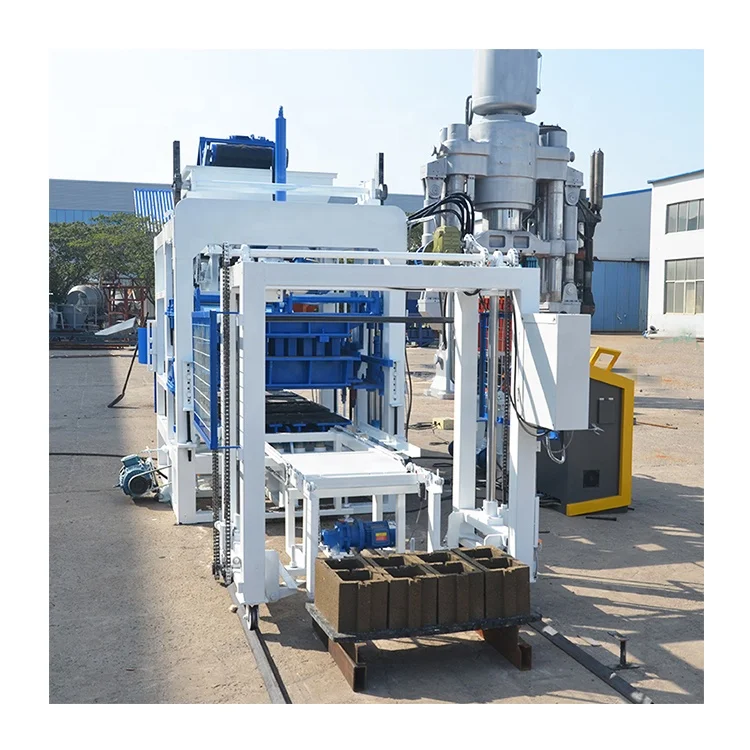
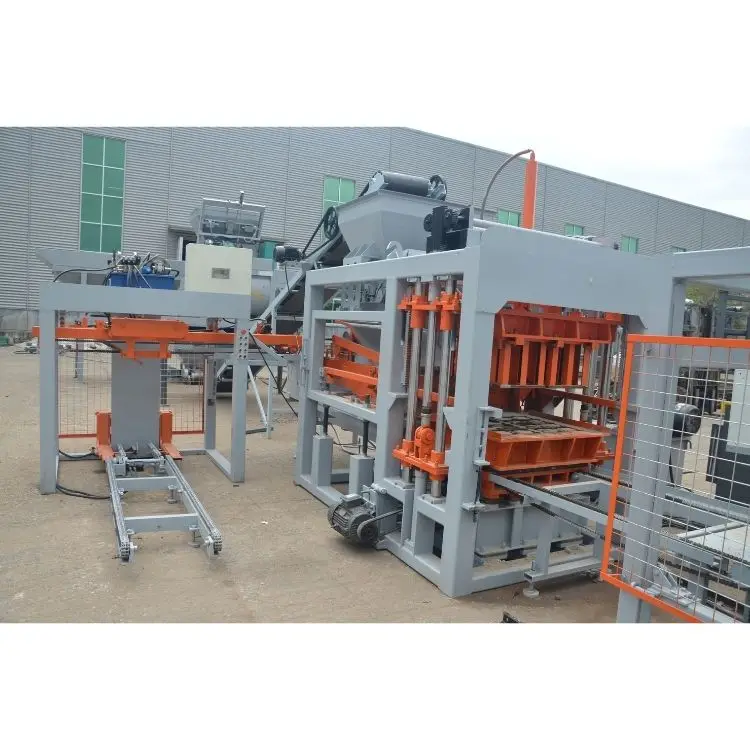
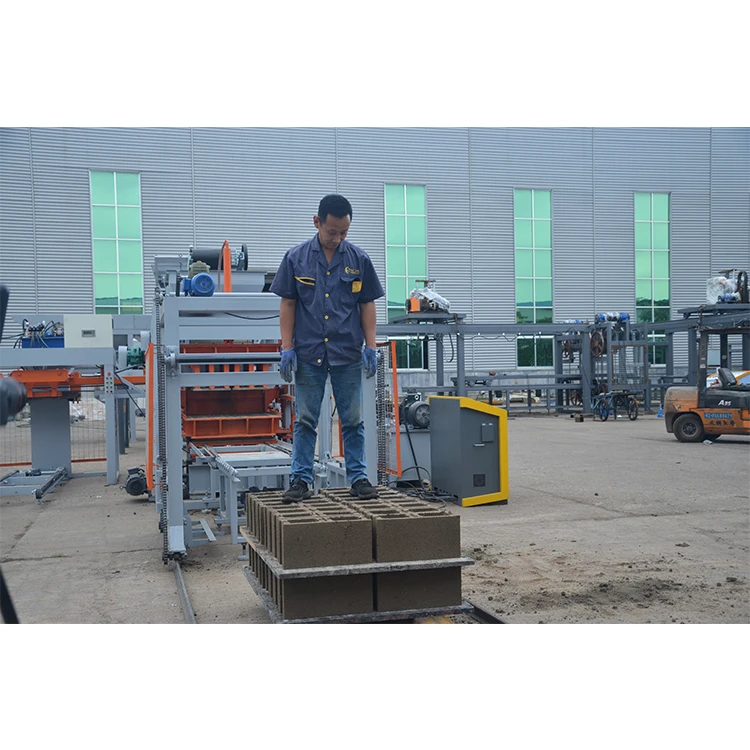
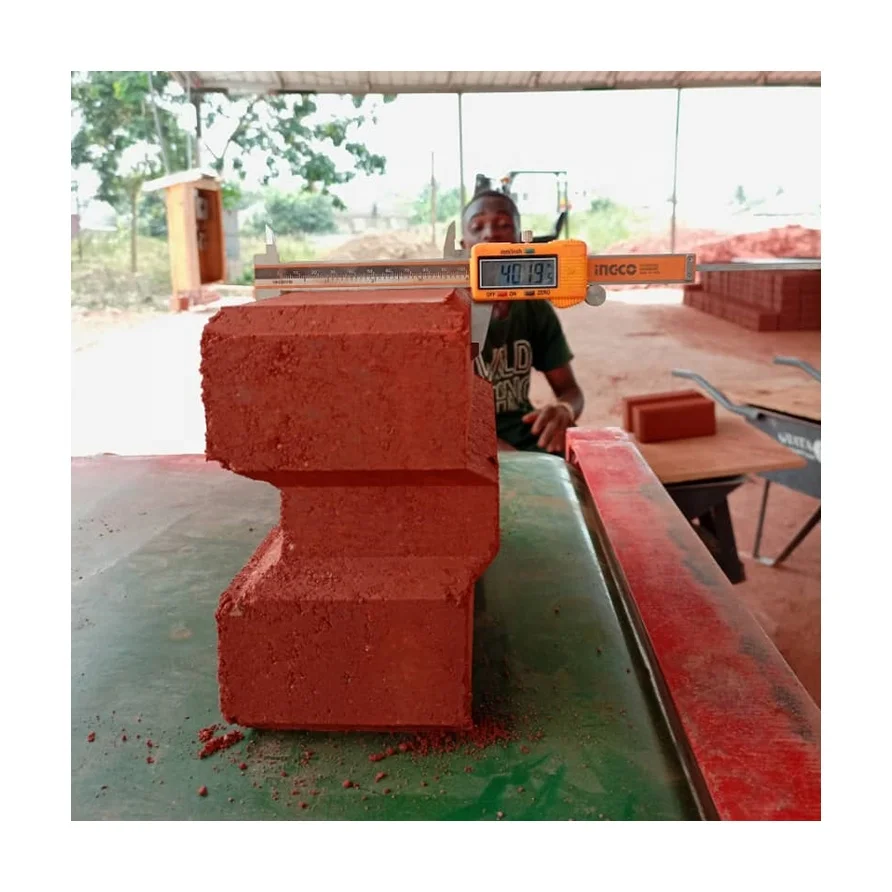
Matched Control Configuration — the LY4-10 semi-automatic cycle is set against the buyer’s actual clay-cement mix and target interlocking profile, so hydraulic pressure and moulding rhythm stay consistent from the first press to the last.
Technical Specifications
| Parameter | Value |
|---|---|
| Model | LY4-10 |
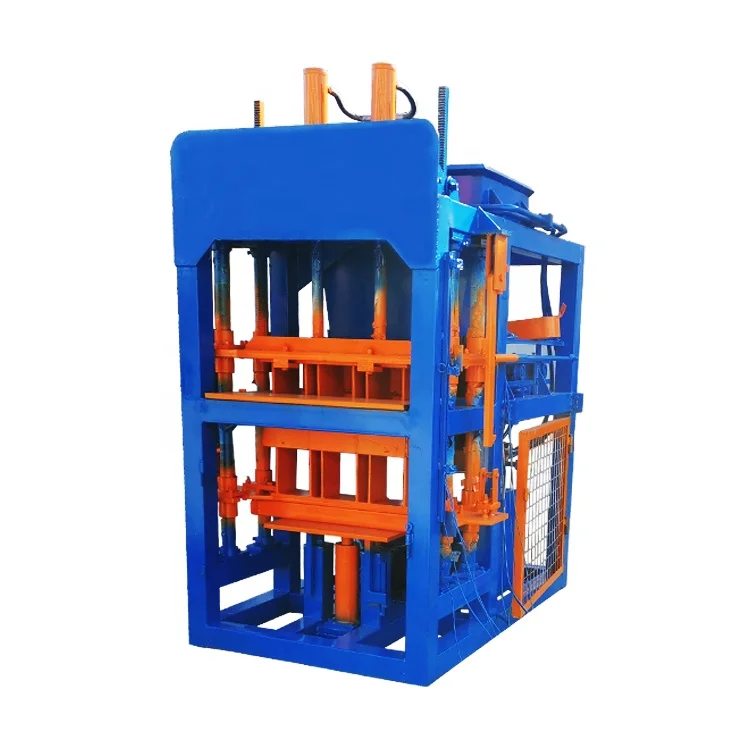
| Product Type | Semi-Automatic Interlocking Clay Brick Making Machine |
| Rated Power | 11 kW |
| Voltage & Frequency | Customized to buyer’s local supply (exact V/Hz to be confirmed before production) |
| Control System | Semi-automatic — automatic material feeding, mould pressing, and mould lifting |
| Hydraulic Pressure | 25–32 MPa |
| Moulding Cycle Time | 7–10 seconds (basis not stated in source — confirm block format, material, and thickness) |
| Pieces per Moulding | 4 pcs |
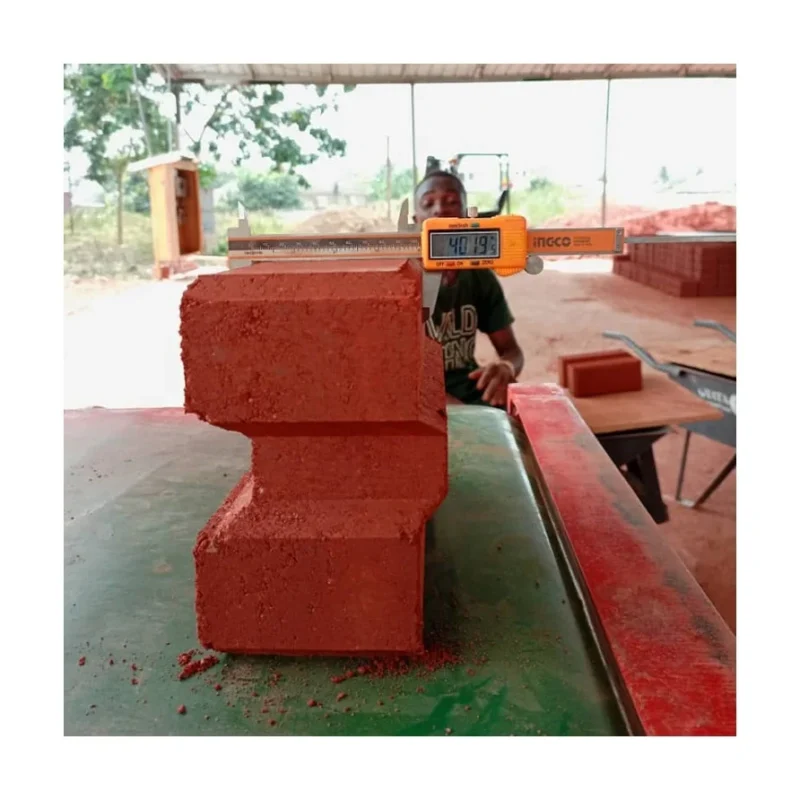
| Mould Format | Interlocking clay brick (specific dimensions to be confirmed) |
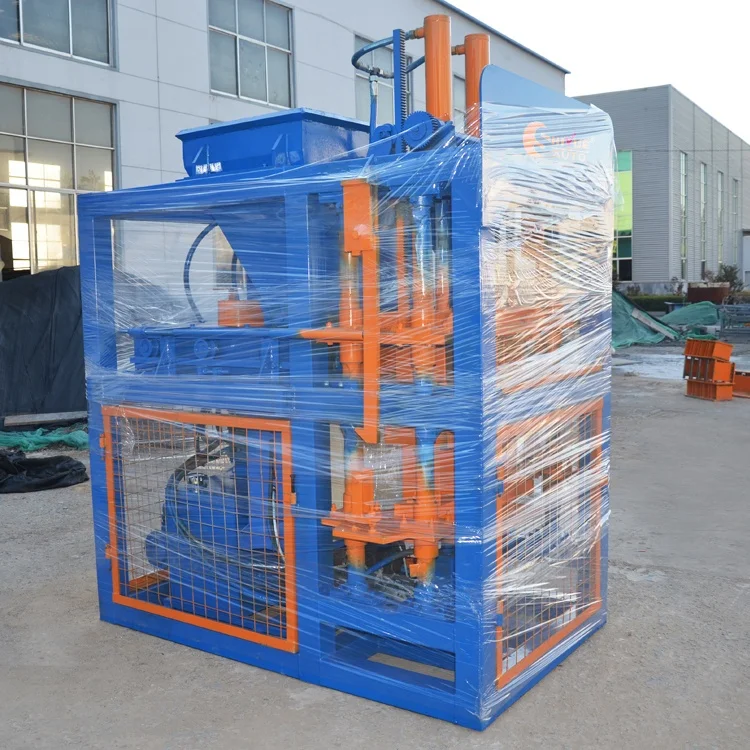
| Overall Dimensions (L×W×H) | 2260 × 1500 × 2380 mm |
| Net Weight | 1500 kg |
| Automation Level | Semi-automatic (automatic feeding, pressing, lifting; manual pallet handling) |
| PLC Display Language | Configurable before dispatch (to be confirmed) |
| Warranty | 1 year (excluding wearing parts) |
Application Suitability
| Application | Material or Output |
|---|---|
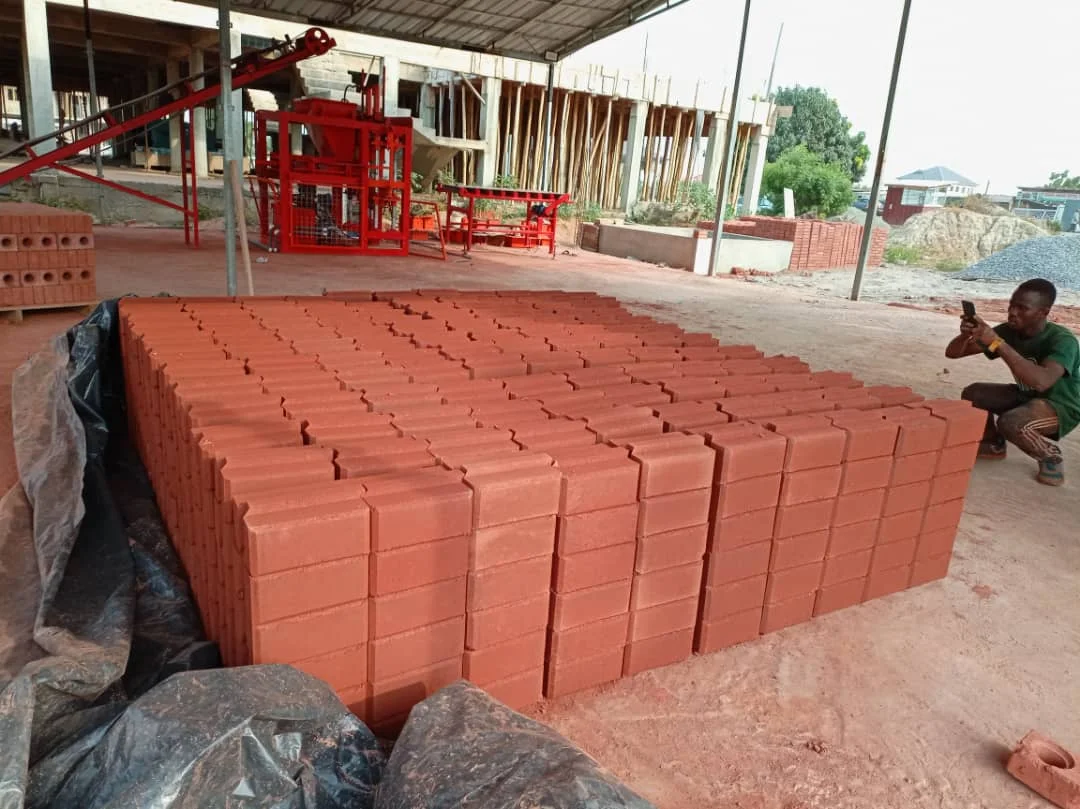
| Interlocking clay brick production | Clay-cement mix compressed into interlocking profiles for wall construction |
| Compressed earth block (CEB) manufacturing | Local soil blended with stabiliser for load-bearing and infill blocks |
| Ecological brick projects | Low-cement earth mixes for sustainable housing and community builds |
| On-site contractor production | Interlocking blocks pressed at the building site to eliminate transport |
Why the Control Language Question Must Come Before the Price
A PLC panel the operator cannot read turns a semi-automatic machine into a manual one.
I spent nearly a week on a remote call walking a crew through an English-only interface that should have been in their language from day one. The automatic interlocking clay brick machine PLC controlled cycle was ready to run, but every alarm message and parameter label was unreadable to the people standing in front of it. Voltage mismatch is another silent delay — a 380 V motor on a 415 V supply overheats within the first shift, and a 50 Hz machine on 60 Hz power runs the hydraulic pump outside its designed curve [NEED_CITE: voltage and frequency standards by export market]. Confirming these details in writing before production starts costs nothing; fixing them after the crate arrives costs weeks.
What the Semi-Automatic Cycle Actually Removes
The LY4-10 takes the three steps that create the most variation between operators — material feeding into the mould cavity, hydraulic pressing, and mould lifting — and runs them on a timed sequence. The crew still places and retrieves pallets by hand, but the press stroke and fill depth no longer depend on whoever happens to be pulling the lever that shift. This keeps brick density within a narrow band across a full production day, which matters when interlocking profiles must fit together on a wall without shimming.
Where Consistency Breaks Down Without Proper Setup
Hydraulic pressure alone does not guarantee uniform bricks. If the clay-cement ratio shifts because the local clay moisture changes after rain, the same 25–32 MPa range will produce a softer block until the mix is corrected. The automatic interlocking clay brick machine PLC controlled system holds the press cycle steady, but it cannot compensate for a feed material that no longer matches the original recipe. That is why the first step in commissioning is always a test batch with the actual site soil, adjusting water and stabiliser until the pressed sample reaches the target density [NEED_CITE: compressed earth block mix design and stabiliser ratio guidelines].
Reading the Numbers That Matter
The 25–32 MPa hydraulic pressure range is wide enough to cover most clay-cement and CEB mixes, but the exact setting depends on the interlocking profile depth and the percentage of sand or laterite in the blend. A deeper interlock channel needs higher pressure to fill the mould corners completely. The 11 kW rated power drives both the hydraulic pump and the vibration motor, so the electrical supply must hold stable voltage under load — a common issue on generator-fed sites where voltage dips during the press stroke. Overall dimensions of 2260 × 1500 × 2380 mm mean the machine fits inside a standard 20 ft container for shipping but requires a level concrete pad with clearance on at least two sides for pallet access and mould changes.
The Cost of Skipping Configuration Checks
A machine wired for the wrong voltage does not simply fail to start — it runs, but the hydraulic pump wears prematurely and the PLC board suffers intermittent faults that are difficult to trace. Buyers who skip the language confirmation discover the problem only when the first error code appears and nobody on site can read it. Pallet size is another overlooked detail: if the curing racks already on site were built for a different dimension, every pallet has to be cut or replaced before production begins [NEED_CITE: common pallet size mismatch issues in block plant setup].
Why Buyers Source This Machine Here
Block machinery is the single focus of this operation, so the LY4-10 is specified alongside its mould, pallet, and handling requirements as one matched set rather than assembled from separate vendors. The hydraulic pressure and cycle timing are configured against the buyer’s confirmed mix design and target interlocking profile, not pulled from a catalogue default. Mould design covers the interlocking formats the buyer’s local market actually builds with, and custom profile drawings are accepted. Automation level is selectable, so a buyer running semi-automatic today can plan a future move to automatic pallet feeding and stacking without replacing the press. Installation support includes on-site commissioning and operator training so the crew is self-sufficient before the engineer leaves.
Documentation & Verification
- Machine specification sheet stating confirmed voltage, frequency, and PLC display language
- Mould drawing with interlocking profile dimensions matched to buyer’s market
- Factory test record on buyer’s specified clay-cement mix before dispatch
- Hydraulic and electrical schematic for local maintenance teams
- Wearing parts and mould spare list for the first replacement cycle
- Operation and maintenance manual in confirmed operator language
Installation, Commissioning & Support
- Level concrete pad sized to 2260 × 1500 mm footprint with side clearance for pallet handling
- Dedicated electrical circuit matching confirmed voltage and frequency for the 11 kW rated load
- Machine shipped partially assembled; press frame and hydraulic unit bolted on site
- First-run test batch with local clay to set hydraulic pressure within the 25–32 MPa range
- Operator training on PLC interface, mould change procedure, and daily maintenance points
- Wearing parts kit shipped with machine covering the first scheduled replacement interval
What to Include in Your Inquiry
Send the exact interlocking brick profile dimensions your market demands, the type of clay or soil available locally, and your target daily output so the cycle calculation has a real basis. Confirm your site voltage, frequency, and preferred PLC display language in writing. If you already have pallets or curing racks, share their dimensions so the machine is configured around what is already on the ground.
Frequently Asked Questions
Q: How is output capacity calculated, and which block format is the 7–10 second cycle based on?
A: The 7–10 second cycle time is published without a stated block format or mix basis, so it should not be taken as a guaranteed daily output figure. A realistic capacity calculation requires the specific interlocking profile dimensions, mould cavity count, and expected uptime per shift. Request this calculation in writing once your block format is confirmed.
Q: Can the voltage, frequency, and control display language be configured for my country before shipment?
A: Yes. Voltage and frequency are customised to the buyer’s local supply, and the PLC display language is set before dispatch. Both must be confirmed in writing during the order stage so the electrical panel and control board are built to the correct specification from the start.
Q: What automation level does the LY4-10 provide, and is there an upgrade path?
A: The LY4-10 runs material feeding, mould pressing, and mould lifting automatically while pallet placement and retrieval remain manual. Buyers who later want to reduce crew size further can discuss adding automatic pallet feeding or stacking modules, depending on the line layout and available floor space around the press.
Q: How does the hydraulic pressure range match different clay-cement mix designs?
A: The 25–32 MPa range covers most interlocking clay brick and compressed earth block mixes, but the ideal setting depends on the stabiliser ratio, soil type, and moisture content. A test batch with the buyer’s actual local material during commissioning establishes the correct pressure for consistent brick density and interlock definition.