

Description
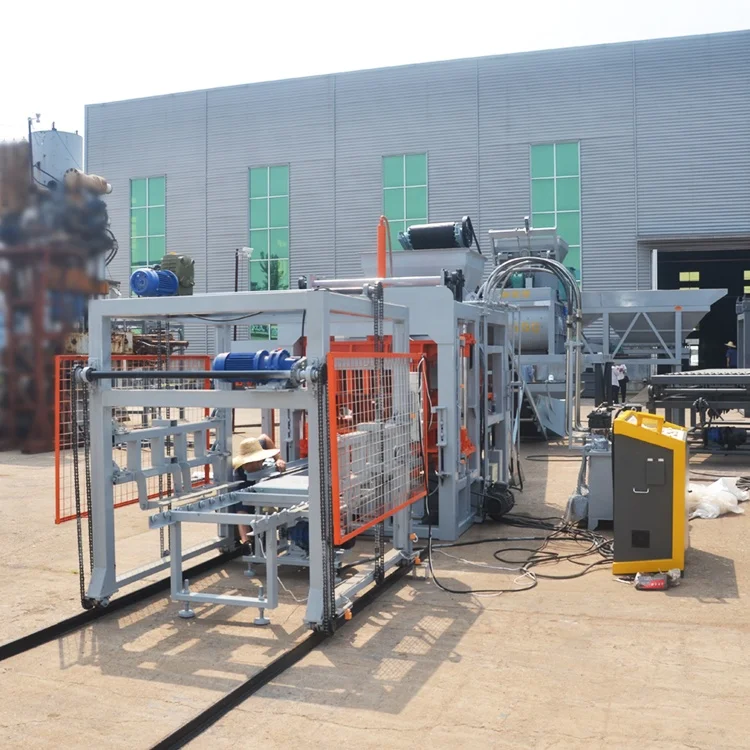
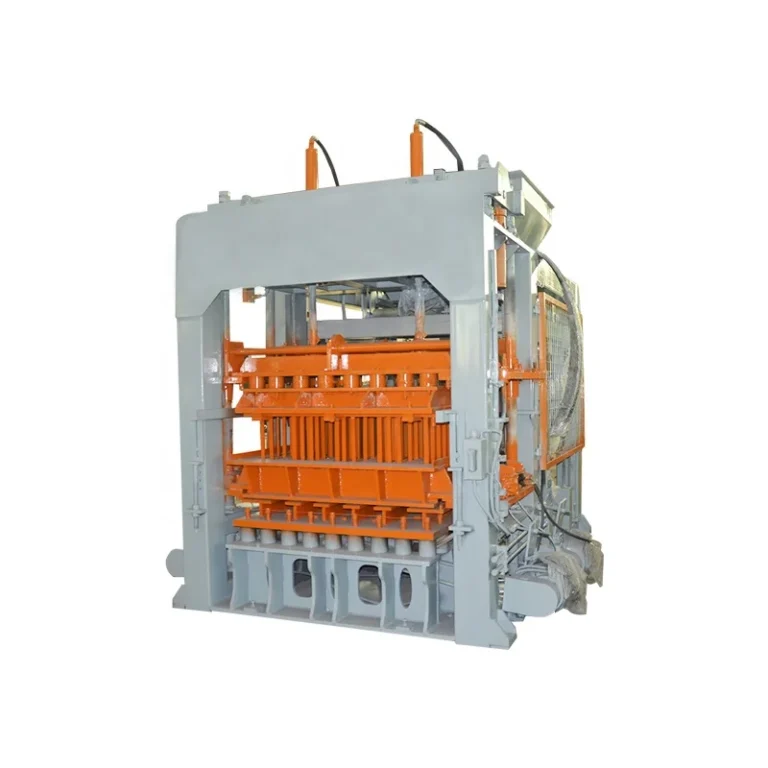
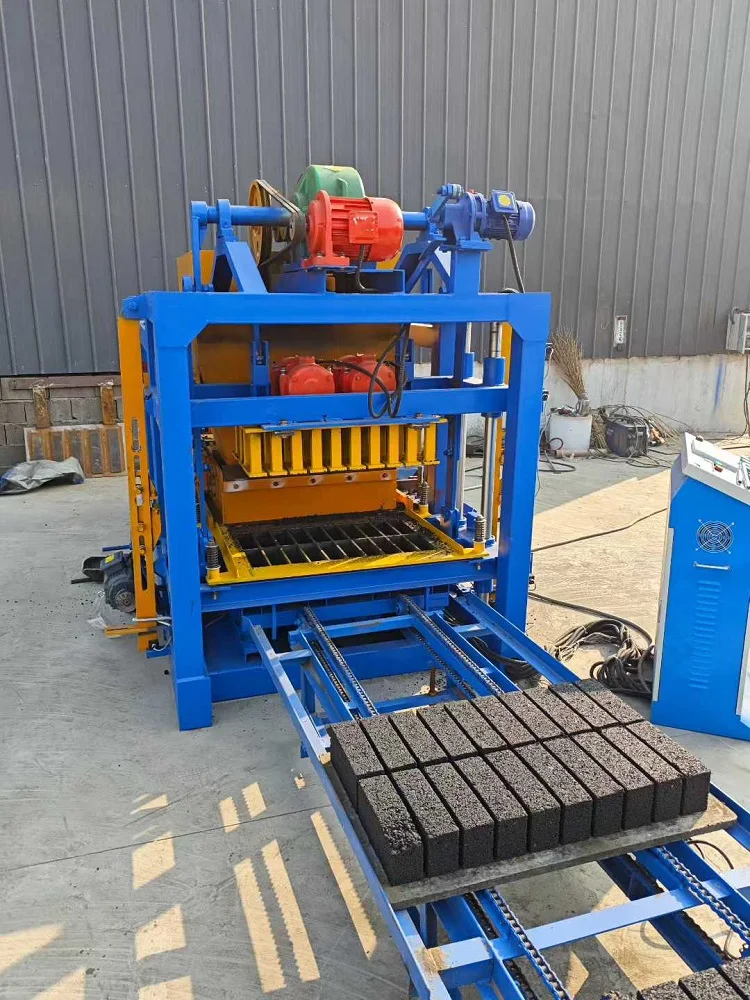
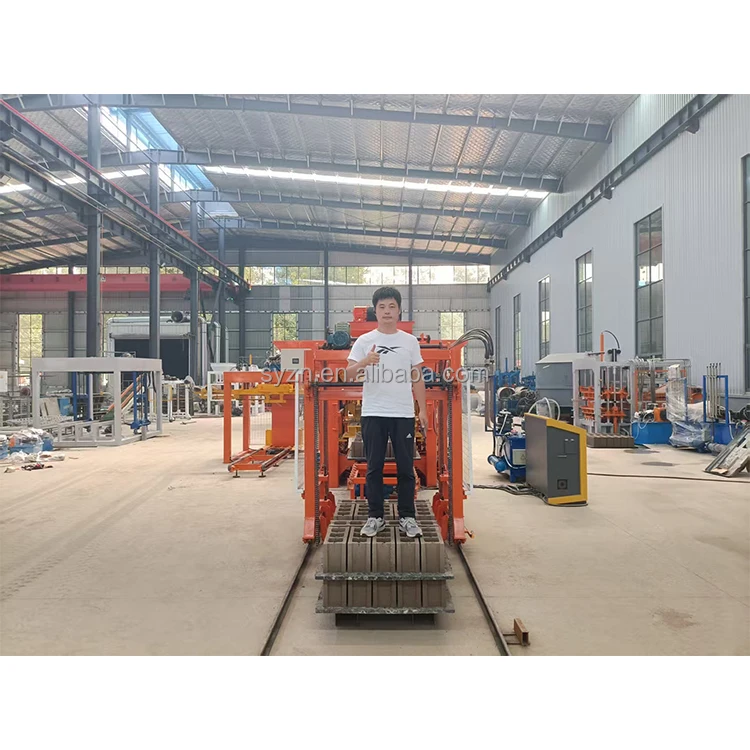
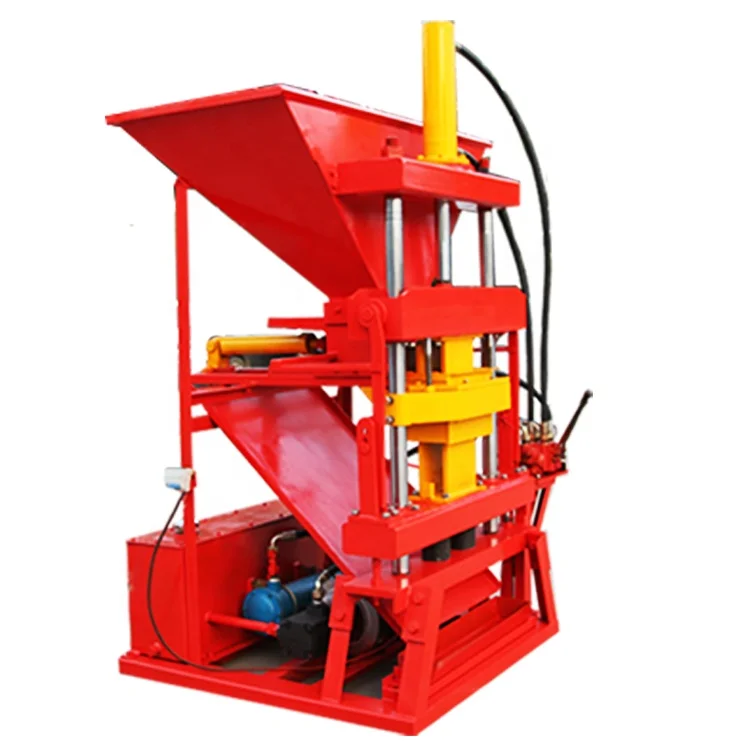
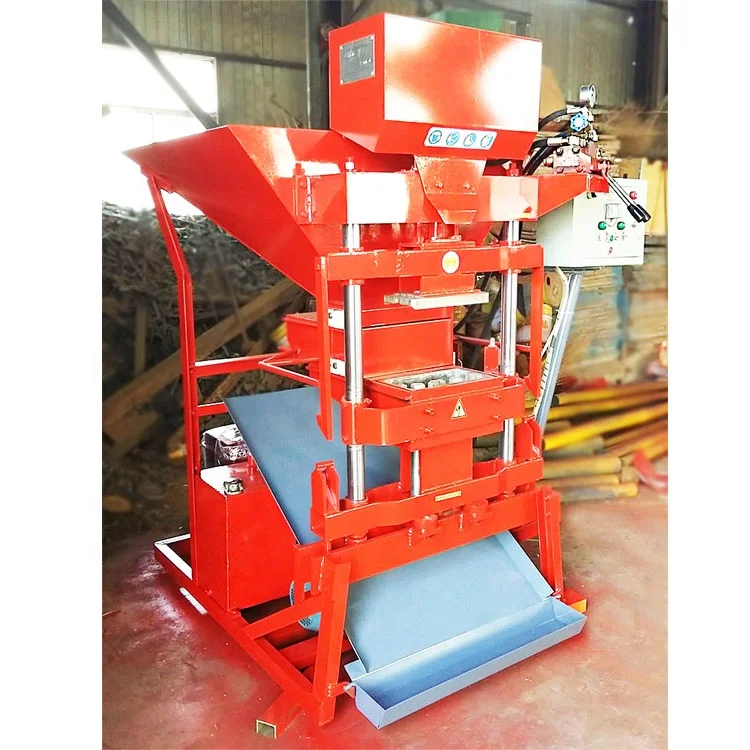
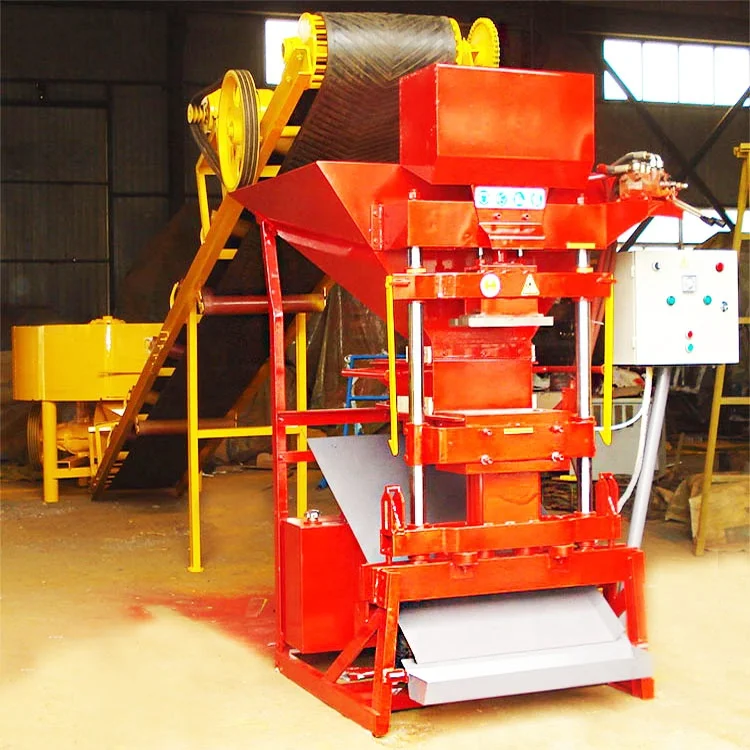
Configuration Matched to Control Logic — the ECO2700 manual interlock brick machine is supplied with a documented upgrade path from manual operation to PLC-controlled pallet feeding and stacking, so automation grows with your output needs rather than forcing a full line replacement.
Technical Specifications
| Parameter | Value |
|---|---|
| Model | ECO2700 |
| Product Type | Manual Interlock Brick Machine |
| Forming Way | Hydraulic press |
| Forming Cycle | 10–15 s |
| Overall Dimensions (L×W×H) | 1600 × 1300 × 2400 mm |
| Net Weight | 900 kg |
| Power Source | Electric motor |
| Control System | Manual operation (PLC-controlled interlock brick machine upgrade available) |
| Operating Staff | 1–2 workers |
| Productivity (250×125×100 mm interlock block) | 240 pcs/hour, 2400 pcs/day (basis: 8-hour shift) |
| Productivity (300×150×100 mm interlock block) | 240 pcs/hour, 2400 pcs/day (basis: 8-hour shift) |
| Output Capacity | 3000–4000 blocks per day (basis not stated in source — confirm block format / material / thickness) |
| Mould Format | Interlock blocks, paver (as customer requirement) |
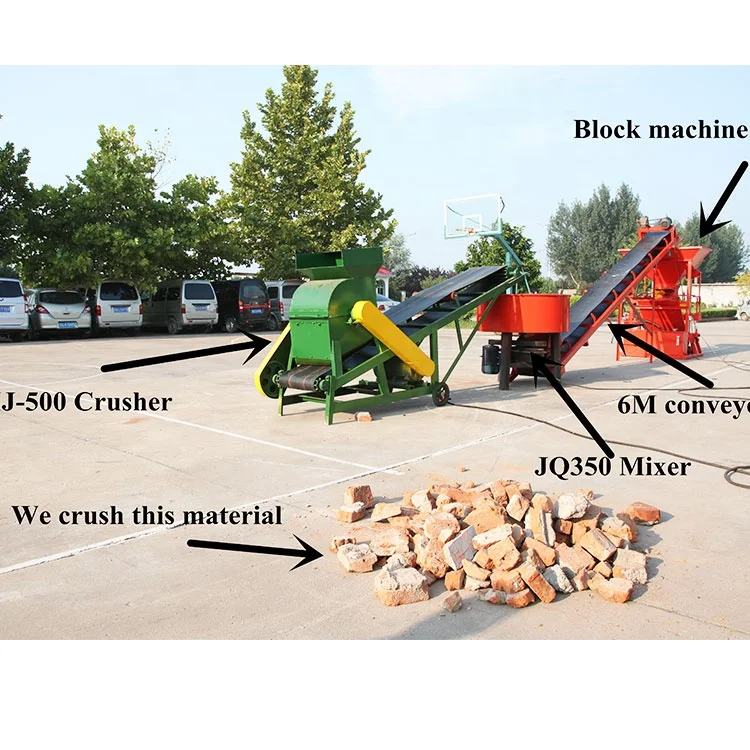
| Raw Material | Clay, soil, cement or other construction dregs |
| Automation Level | Manual (semi-automatic and full PLC options selectable) |
| Features | Easy operation, hydraulic press, easy transportation |
Application Suitability
| Application | Material or Output |
|---|---|
| Small-scale interlock block production | Clay, soil, and cement blends for local housing and compound walls |
| On-site block making for contractors | Construction dregs and site-available aggregate pressed into interlock format |
| Workshop-level paver production | Cement and sand mixes for driveways, walkways, and yard paving |
| Low-investment brick plant start-up | Locally sourced soil and cement for rural construction markets |
What "Manual Operation" Really Costs Beyond the Purchase Price
Many buyers choose a manual interlock brick machine for the lower upfront outlay, only to discover that pallet handling, block stacking, and mould changes consume most of the shift — leaving the press idle while workers move product by hand. An automatic interlock block machine upgrade path keeps the ECO2700 frame but replaces the bottleneck with PLC-controlled pallet feeding and stacking. [NEED_CITE: labour allocation in small block plants running manual presses]
The real cost is not the machine — it is the shift hours spent doing what a PLC and conveyor should handle.
In workshops across West Africa and South Asia, I have watched two workers spend half a day carrying pallets from the press to the curing area while the hydraulic ram sits idle between cycles. The 10–15 s forming cycle is only meaningful when a pallet is already in position and the finished block is cleared. Without that flow, the rated 240 pcs/hour productivity on a 250×125×100 mm interlock block becomes a number on paper rather than a shift reality.
From Hand-Lever to HMI: How the Control Upgrade Works
The ECO2700 ships in manual configuration where an operator actuates the hydraulic press and places pallets by hand. For buyers planning a PLC controlled interlock brick machine conversion, the same frame accepts a control cabinet, sensor array, and pallet feeder without structural modification. The HMI display language is confirmed before shipment, so the operator on your site reads instructions in a language they understand from the first hour of commissioning.
Batching Consistency Through Controlled Cycles
In manual mode, cycle-to-cycle variation depends entirely on operator timing — how long they hold the press, how quickly they swap pallets, whether the feed hopper is topped up. A PLC-controlled system locks the forming cycle at the proven 10–15 s window and sequences pallet infeed with press return. The result is a batch of interlock blocks with uniform density and edge definition, shift after shift, regardless of who is on the controls. [NEED_CITE: effect of cycle consistency on compressive strength variance in hydraulic-pressed blocks]
Reading the Specs That Determine Automation Readiness
The 1600 × 1300 mm footprint sets the physical envelope for any upstream feeder or downstream stacker added later. A PLC-controlled interlock brick machine conversion must respect this footprint so the machine fits the same floor space it occupied in manual mode. The hydraulic press forming method is the foundation: it delivers the pressure needed to densify clay-soil-cement mixes into load-bearing interlock blocks, and that pressure must be matched to the mix design rather than assumed from a catalogue default. Mould format flexibility — interlock blocks and pavers produced on the same machine — means the PLC programme must store cycle parameters for each mould so a format change does not require re-tuning the press manually. Operating staff listed at 1–2 workers in manual mode can remain the same headcount in semi-automatic mode but shift their role from physical handling to quality monitoring. [NEED_CITE: hydraulic pressure and vibration force matching to local aggregate in block production]
The Hidden Cost of Skipping the Voltage Conversation
I once stood on a site in Nigeria where a brand-new press sat silent because the control cabinet was wired for 50 Hz and the local grid ran 60 Hz. The PLC locked out on a frequency fault and no one on site had the parameter sheet to override it. That delay lasted days. When the ECO2700 is ordered with a PLC-controlled interlock brick machine upgrade, the voltage, frequency, and HMI language must be locked in before the cabinet is assembled — not discovered at commissioning. Buyers who treat electrical confirmation as paperwork end up paying for it in idle cranes and waiting crews.
Why Procurement for This Machine Works Differently Here
The machine, mould, and pallet are specified as one matched system rather than sourced from separate suppliers and forced to communicate on site. Configuration is set against your actual mix design and target interlock format, not a catalogue default that assumes a material you cannot source locally. Automation level is selectable at order, so you can start the ECO2700 in manual mode and add PLC-controlled pallet feeding and stacking on the same frame later. The PLC brand, I/O count, and HMI display language are confirmed in writing before the cabinet is wired, eliminating the language-barrier failures I have seen stall commissioning across multiple African sites. Mould design covers the interlock formats your market actually sells, with custom drawings available when standard options do not match local demand.
Documentation & Verification
- Line layout showing ECO2700 footprint with automation upgrade stations marked
- PLC wiring diagram and I/O list matched to confirmed voltage and frequency
- Factory test record on buyer-specified interlock mould before dispatch
- HMI language confirmation sheet signed off prior to cabinet assembly
- Mould drawing and format list with cycle time per block size
Installation, Commissioning & Support
- Foundation pad sized to 1600 × 1300 mm footprint with anchor bolt plan
- Dedicated circuit rated to confirmed kW draw at buyer-specified voltage and frequency
- Machine shipped as single skid unit with control cabinet pre-wired for on-site connection
- PLC parameter load and cycle verification against buyer mould on first power-up
- Operator training on HMI navigation, fault reset, and daily maintenance checklist
- Wear parts list and hydraulic seal kit supplied with first shipment
What We Need to Configure Your ECO2700 Correctly
Tell us the interlock block format your market sells, the raw material blend you can source locally, and the voltage and frequency at your site. Confirm the HMI display language your operators read. If you plan to add automatic pallet feeding or stacking later, let us know so the frame and wiring are provisioned at the factory.
Frequently Asked Questions
Q: What automation level does the ECO2700 ship in, and what is the upgrade path?
A: The ECO2700 ships in manual configuration with hydraulic press actuation by operator. The same frame accepts a PLC control cabinet, pallet feeder, and stacking station as an automatic interlock block machine upgrade, added at order or retrofitted later without replacing the press or moulds.
Q: How does PLC-controlled batching and pallet feeding improve block consistency?
A: The PLC locks the 10–15 s forming cycle and sequences pallet infeed with press return, removing operator timing variation. Each block receives identical hydraulic pressure duration and material fill, producing uniform density and interlock fit across the full shift.
Q: Can the control system display be set to the buyer’s local language?
A: Yes. The HMI display language is confirmed and loaded before the control cabinet leaves the factory. This is treated as a critical configuration step, not an afterthought, based on commissioning delays I have witnessed when language was overlooked.
Q: What is the realistic daily output once automatic stacking is added?
A: With the 250×125×100 mm interlock mould, the ECO2700 produces 240 pcs/hour (2400 pcs/day based on an 8-hour shift). Automatic stacking removes manual pallet handling delays, helping sustain this rate throughout the shift rather than losing cycles to hand-carrying.
Q: How are voltage and motor specifications confirmed before shipment?
A: Voltage, frequency, and motor rating are confirmed against the buyer’s site electrical supply during the proposal stage. The control cabinet is then wired and tested at those values, with a wiring diagram supplied for on-site connection.