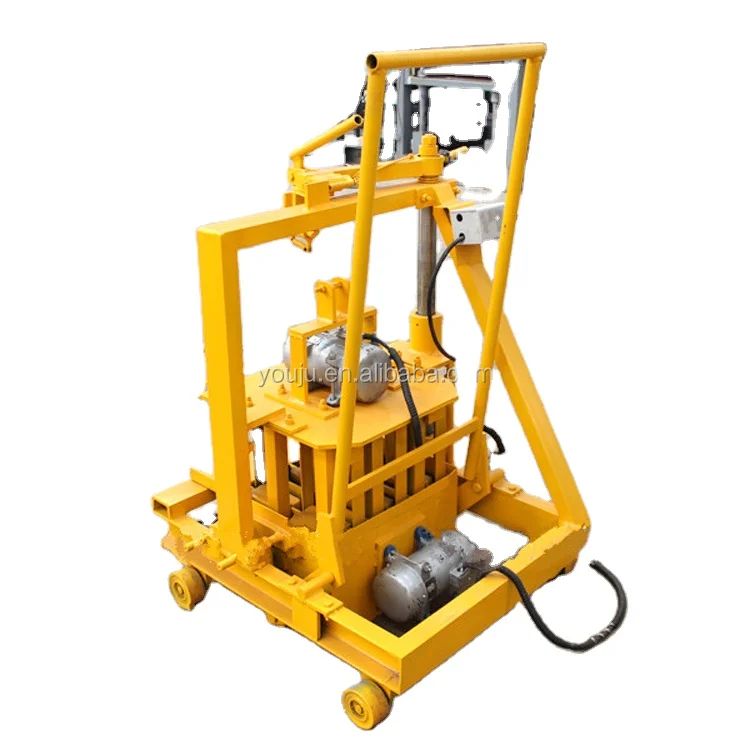
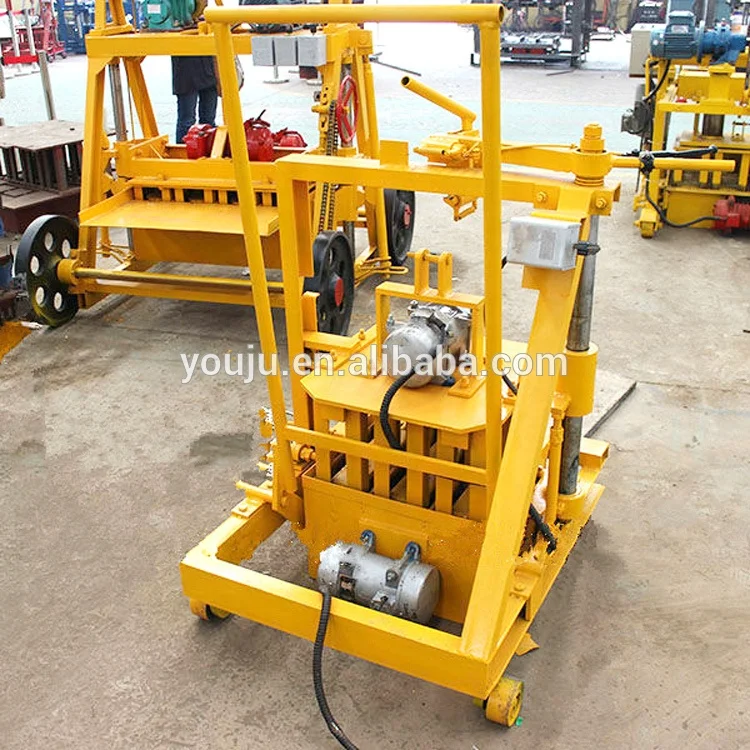
Description
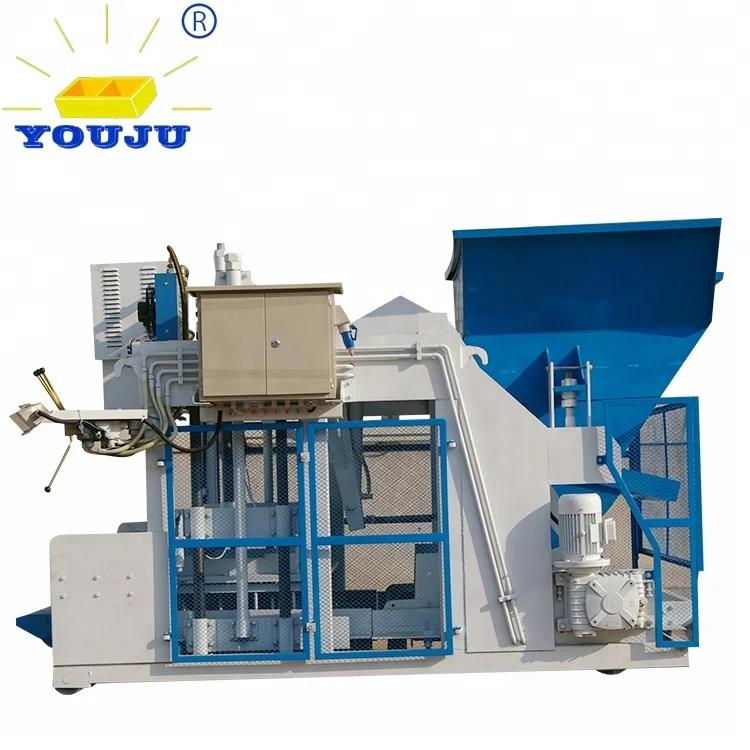
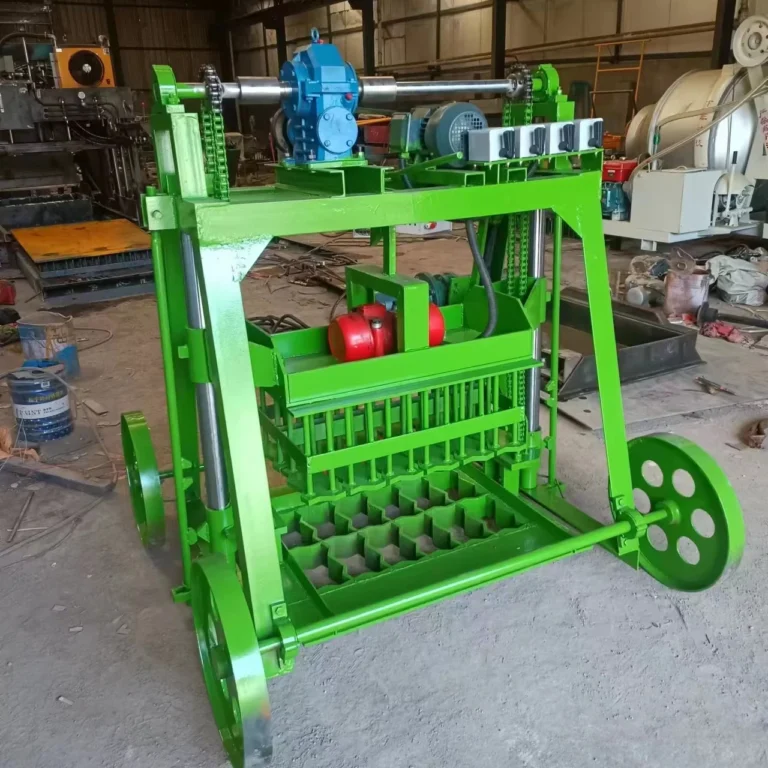
Configuration Matched to Local Conditions — the QMJ2-45 mobile block machine is set up against your actual voltage, frequency and control language before dispatch, avoiding commissioning delays that I have witnessed repeatedly on African and South Asian job sites.
Technical Specifications
| Parameter | Value |
|---|---|
| Model | QMJ2-45 |
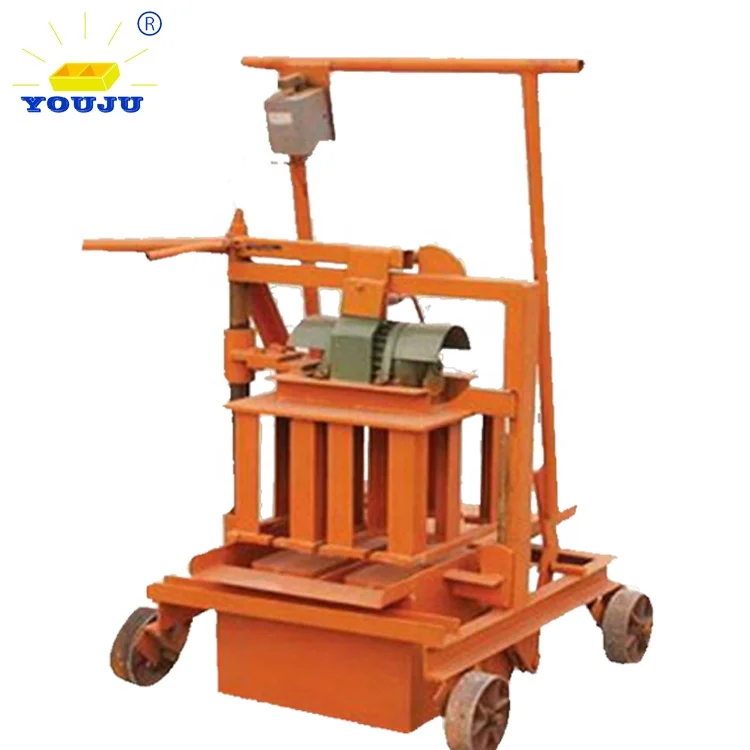
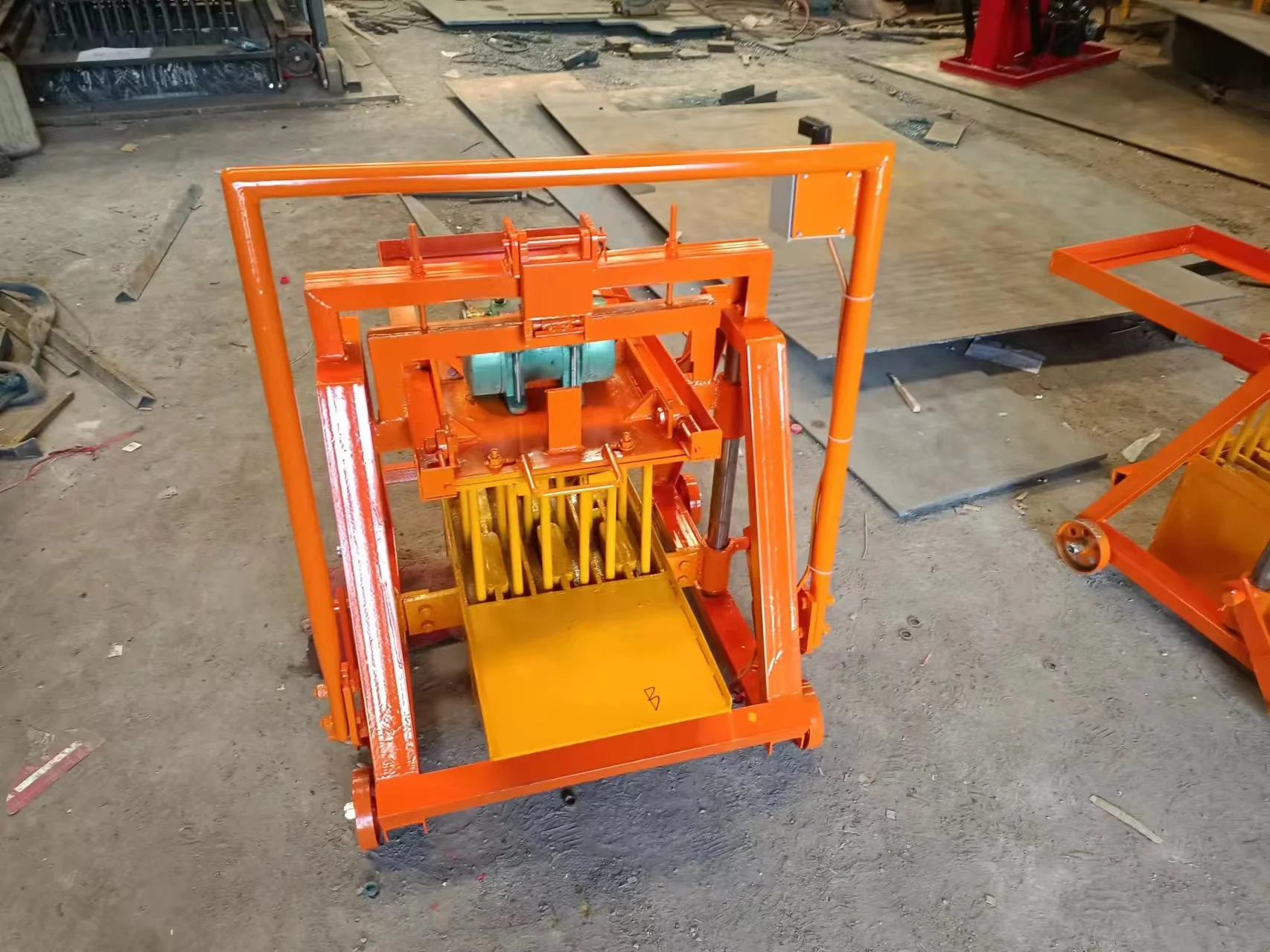
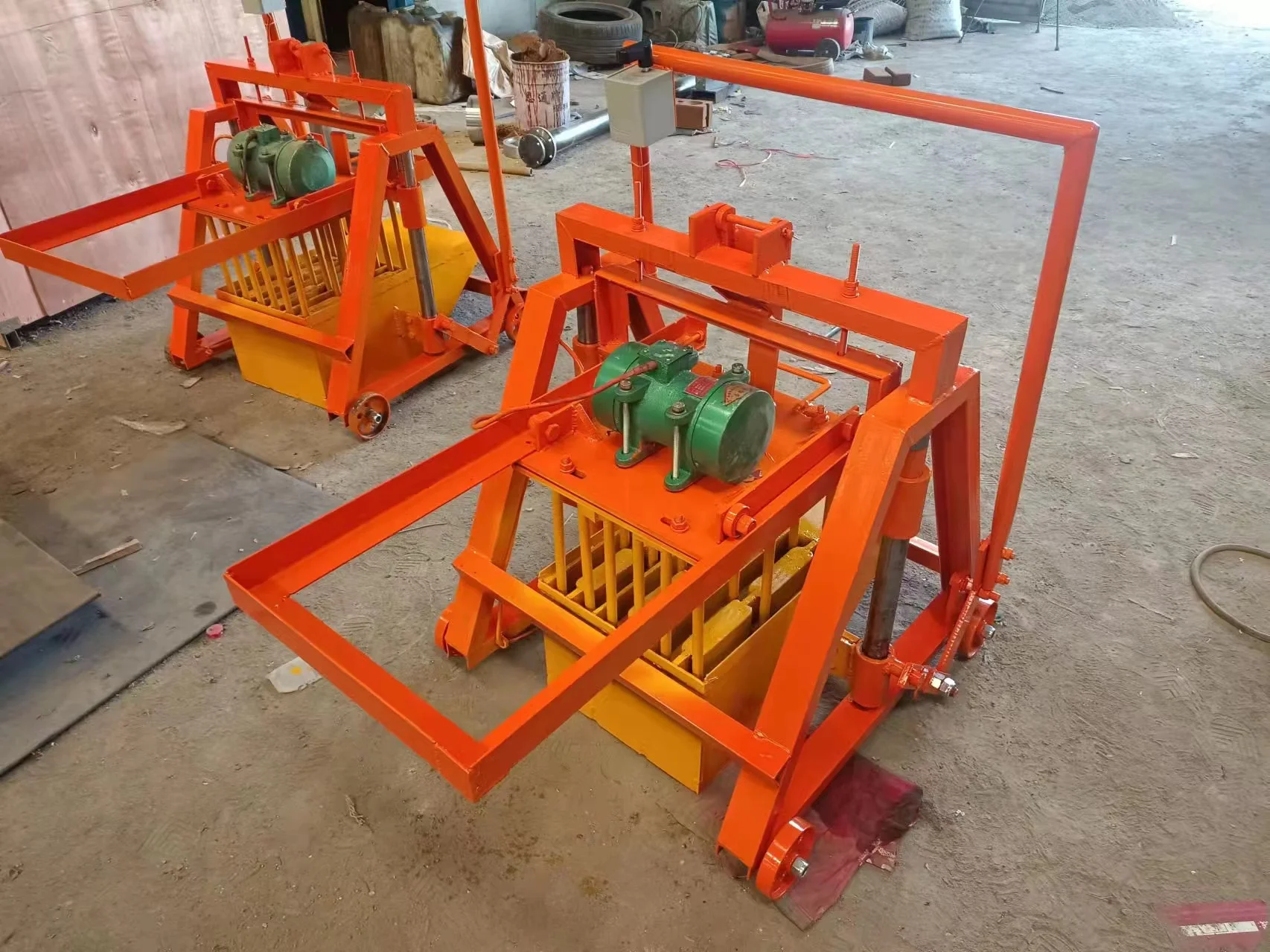
| Product Type | Mobile Block Making Machine |
| Machine Operation | Hand-pushed, egg-laying |
| Power Source | Electric motor |
| Pallet Requirement | None |
| Labor Requirement | 1 to 3 workers |
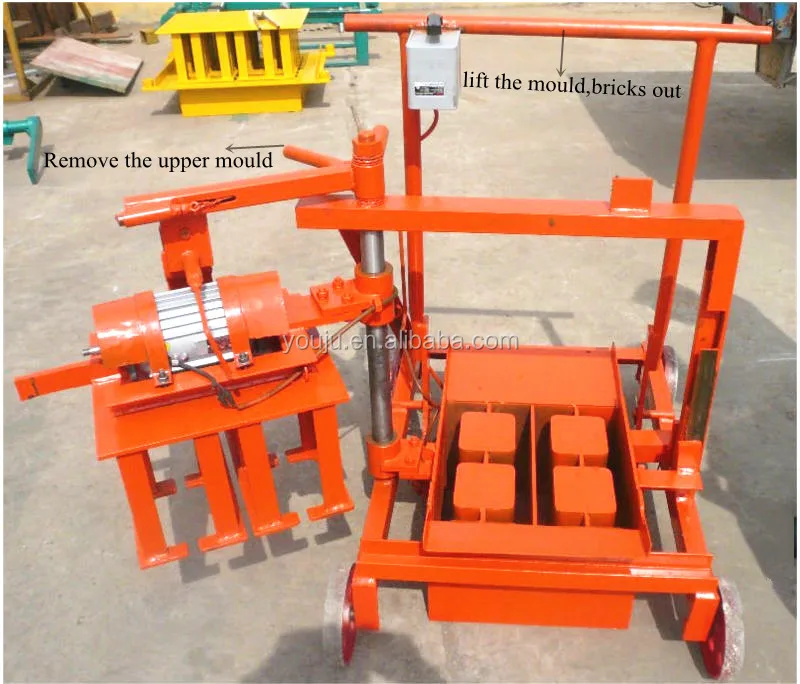
| Mould Change | Manual swap, multiple hollow brick formats |
| Output Capacity | 160 pcs/h based on 400×200×200mm hollow brick, 2 pcs/mould |
| Output Capacity | 240 pcs/h based on 400×150×200mm hollow brick, 3 pcs/mould |
| Output Capacity | 320 pcs/h based on 400×100×200mm hollow brick, 4 pcs/mould |
| Output per 8hr Shift | 1,280 pcs based on 400×200×200mm hollow brick |
| Output per 8hr Shift | 4,800 pcs based on 400×150×200mm hollow brick |
| Output per 8hr Shift | 2,560 pcs based on 400×100×200mm hollow brick |
| Molding Cycle | 25–30 seconds |
| Mobility | Free-moving, no fixed plant required |
| Automation Level | Manual, upgradeable to PLC control |
| Hydraulic Pressure | Not applicable — mechanical vibration type |
| Standards | ISO 9001, CE |
Application Suitability
| Application | Material or Output |
|---|---|
| On-site block production for local construction | Hollow bricks from cement, crushed stone and sand |
| Small-scale manufacturing for community housing | Multiple hollow brick sizes from a single mobile unit |
| Entrepreneur-led first block plant | Low-investment hollow brick output without fixed infrastructure |
| Remote or off-grid project sites | Production where pallet handling systems are unavailable |
| Multi-format output for local building markets | Format changes by swapping moulds on the same machine |
Why the Voltage Question Must Come Before the Quotation
I locked my first rule after a 380V machine sat idle for three weeks on a 220V grid in West Africa.
When sourcing an automatic mobile block making machine, buyers often focus on cycle time and output figures while leaving electrical compatibility for the shipping stage. On job sites across Nigeria, Kenya and Pakistan, I have seen machines arrive with the wrong voltage configuration or a control panel displaying in a language the operator cannot read. The result is a unit that sits under a tarp while electricians source transformers and the project schedule slips [NEED_CITE: voltage and frequency standards by export market]. The QMJ2-45 is available with configurable voltage, frequency and PLC display language, but these parameters must be confirmed before production begins, not after the container is unpacked.
Removing the Operator Bottleneck from Mobile Production
A mobile, egg-laying machine is only as consistent as the person pushing it. The QMJ2-45 starts as a hand-pushed unit requiring one to three workers, but its control architecture is selectable. Buyers who plan to scale can specify PLC control from the outset, replacing relay logic with programmable cycles that hold molding parameters constant across every shift. An automatic mobile block making machine with PLC oversight removes the guesswork from vibration duration and feed timing, which directly affects block density and compressive strength from the first piece to the last.
Format Flexibility Without Losing a Shift
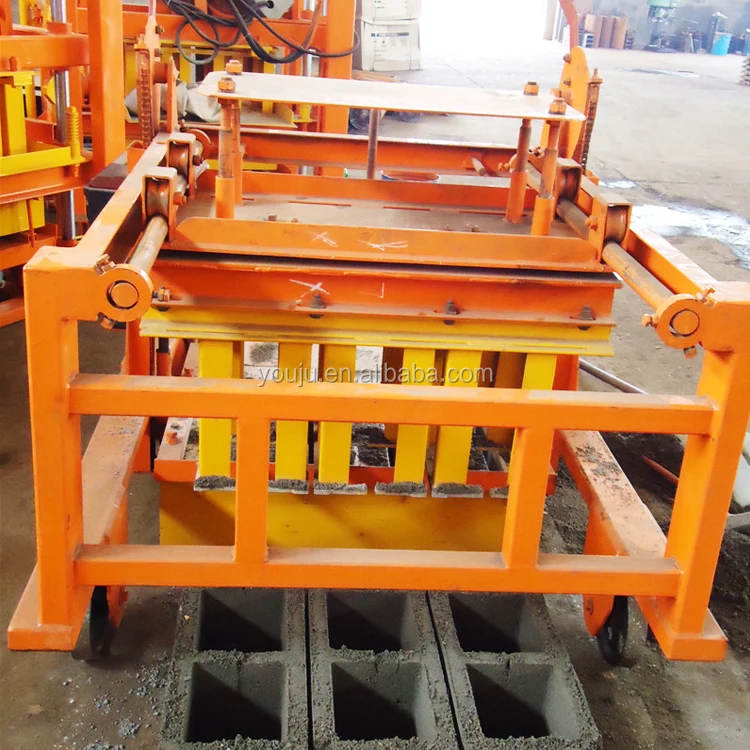
The QMJ2-45 produces multiple hollow brick formats by changing moulds — 400×200×200mm at two pieces per cycle, 400×150×200mm at three, and 400×100×200mm at four. The mould swap itself is a manual procedure on the base configuration, but quick-change tooling can be specified to reduce format changeover time. For buyers who sell two or three hollow brick sizes to local contractors, this means a single machine covers the product range without requiring a second press [NEED_CITE: typical mould changeover practices in mobile block production].
What the Specs Actually Mean on the Ground
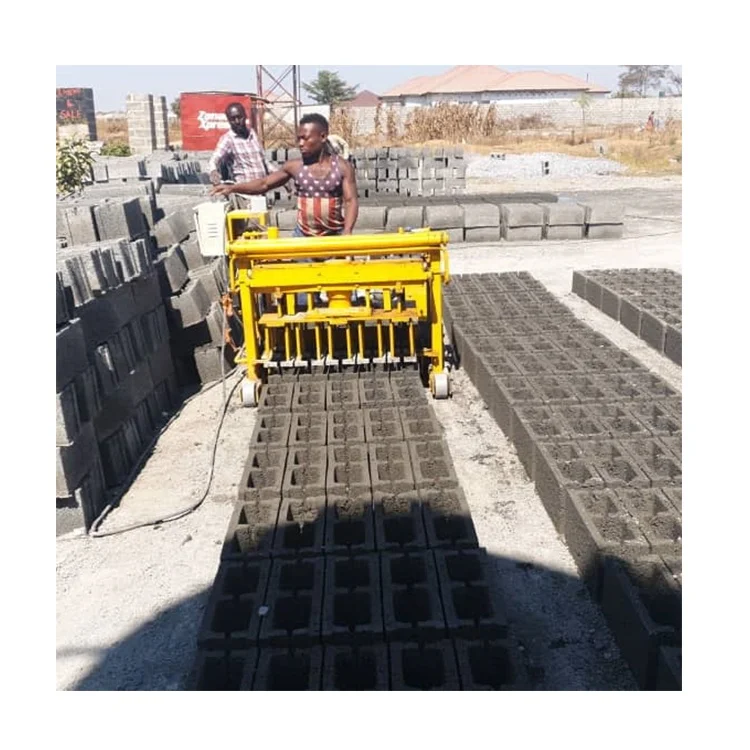
The 25–30 second molding cycle applies across all listed hollow brick formats, so output scales with the number of cavities per mould rather than a change in cycle speed. At 160 pieces per hour on the 400×200×200mm format, a full eight-hour shift yields 1,280 blocks — a realistic figure that accounts for continuous operation with material feeding and machine repositioning. Because the QMJ2-45 is an egg-laying design, it leaves each block on the ground where it was formed, eliminating pallet feeding, pallet return and curing rack handling from the workflow. This simplification is the reason the machine can operate in remote sites where no pallet infrastructure exists. The mechanical vibration system, rather than hydraulic pressure, compacts the mix — so local aggregate gradation and cement content must be matched to the vibration force available [NEED_CITE: relationship between vibration force and aggregate size in block compaction].
The Hidden Cost of Skipping Electrical Confirmation
A mobile block machine configured for the wrong voltage does not simply underperform — it can damage the motor winding on first start-up. In my experience across South Asian sites, the cost of rewinding a burnt motor is minor compared to the project delay while a replacement is shipped. Buyers who skip voltage and frequency confirmation also face control panel language mismatches, which force operators to rely on memory rather than reading fault codes. These commissioning setbacks turn what should be a straightforward start-up into a multi-week troubleshooting exercise [NEED_CITE: common commissioning failures in exported industrial machinery].
Why Buyers Source This Machine Through Us
Block machinery is our single focus, so the QMJ2-45 is specified as part of a matched system rather than a standalone catalogue item. Every configuration is set against the buyer’s actual mix design and local aggregate, not a generic default. Mould design covers the hollow brick formats that sell in the buyer’s market, with custom drawings available for non-standard sizes. Voltage, frequency and control language are confirmed during the order stage and verified in the factory test. Installation support includes on-site commissioning and operator training, so the crew knows the machine before the technician leaves.
Documentation & Verification
- Capacity calculation sheet stating output per specific hollow brick format
- Mould drawing and format list for each ordered cavity size
- Voltage, frequency and PLC language confirmation record before production
- Factory test record on your aggregate and mix design before dispatch
- Operation and maintenance manual in the confirmed control language
Installation, Commissioning & Support
- Flat, compacted ground surface required — no fixed foundation or plant structure needed
- Electrical supply confirmed to match ordered voltage and frequency before motor start-up
- Machine arrives assembled; only mould mounting and electrical connection on site
- First-run parameter setting for vibration duration adjusted to buyer’s mix design
- Operator training on mould change procedure, daily greasing points and motor inspection
- Wear parts list and mould spares provided with initial shipment
What to Include in Your Inquiry
To configure the QMJ2-45 for your site, share the hollow brick formats you sell locally, your target daily output and the cement-to-aggregate ratio you plan to use. Confirm your site voltage, frequency and preferred control panel language so these are locked before production. If you already operate a curing area or plan to add stacking equipment downstream, describe your layout so the no-pallet egg-laying workflow can be planned around it.
Frequently Asked Questions
Q: How is the capacity figure calculated, and which block format does it assume?
A: Every output figure for the QMJ2-45 is stated per specific block format. For example, 160 pieces per hour assumes the 400×200×200mm hollow brick at two pieces per mould with a 25–30 second cycle. Shift totals are calculated on eight hours of continuous operation. Ask for a capacity table that lists each format you plan to produce so there is no ambiguity about what the machine delivers.
Q: What automation options are available for this mobile machine?
A: The base QMJ2-45 runs with manual control and hand-pushed operation. Buyers can specify PLC control to automate cycle parameters and improve batch consistency. The control system is configurable for voltage, frequency and display language. Stacking and pallet handling do not apply to this egg-laying design, as blocks are formed directly on the ground surface.
Q: Can voltage, frequency and panel language be set for my market before shipment?
A: Yes, and this confirmation is a required step before the QMJ2-45 enters production. The buyer supplies the local voltage, frequency and preferred control language during the order stage. The factory test record verifies these settings, so the machine arrives ready for commissioning without transformer delays or panel relabelling on site.
Q: How does the no-pallet design affect curing and stacking downstream?
A: Because the QMJ2-45 lays blocks directly on the ground, no pallet feeding or return system is needed. Blocks cure in place and are collected once they reach sufficient strength. This simplifies the production flow but requires a flat, cleared area large enough to hold a full shift of output before the blocks are moved to a stacking zone.