

Description
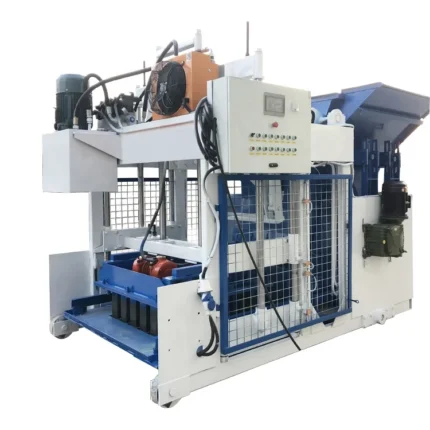
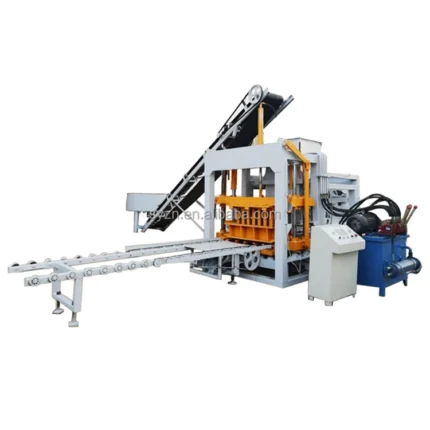
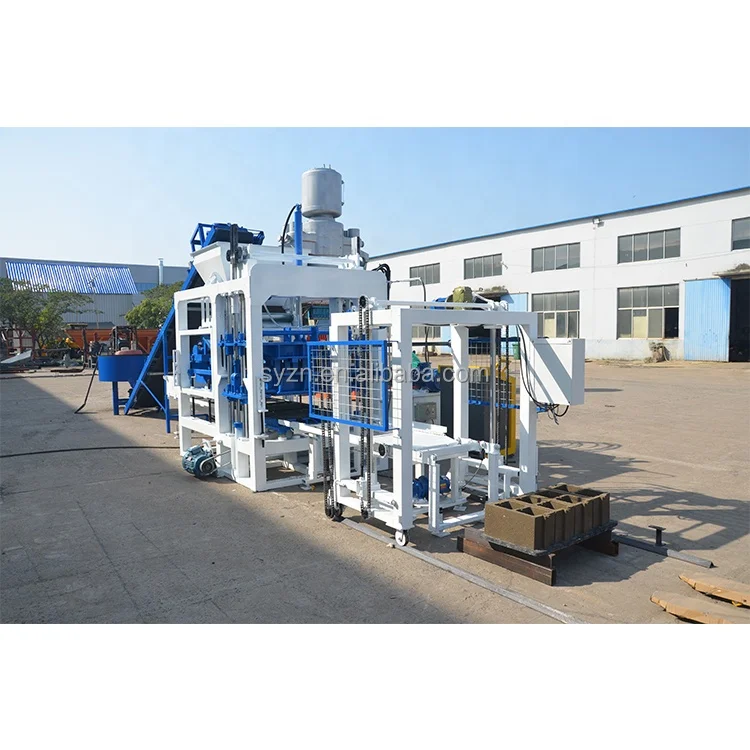
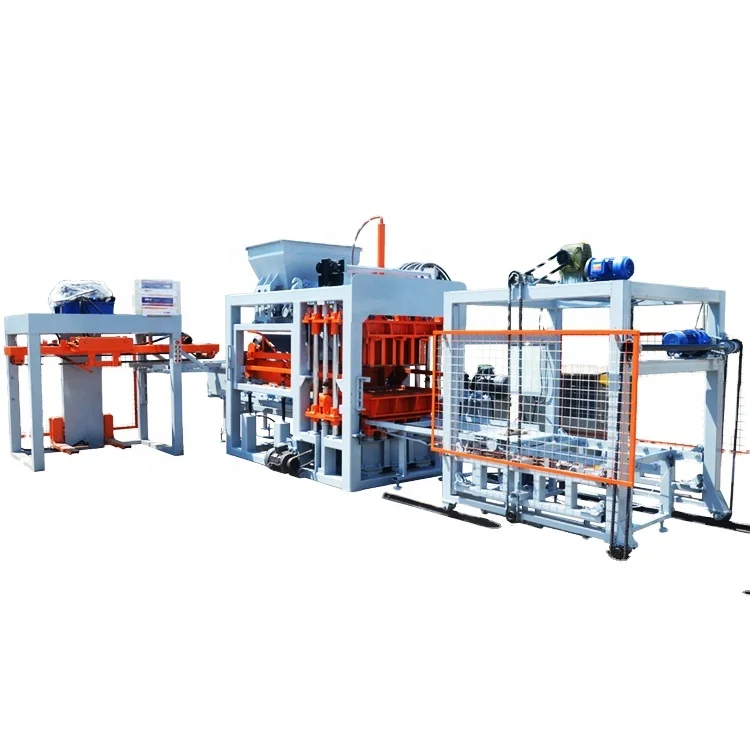
Matched System Integrity — The QT10-15 is specified as one coordinated unit where vibration, feeding, mould, and control are tuned together rather than assembled from mismatched components, removing the operator guesswork that causes shift-to-shift inconsistency.
Technical Specifications
| Parameter | Value |
|---|---|
| Model | QT10-15 |
| Product Type | Hydraulic Block Making Machine |
| Vibration Technology | Dynamic and static table with frequency conversion control, four-axis vibration system |
| Vibration Acceleration | Up to 20g |
| Feeding System | Press-in arch breaker with 360° rotation |
| Wear Protection | Replaceable cloth platform wear-resistant plate |
| Vibration Damping | Flexible pressure head damping + adjustable pressure air bag in mold box |
| Control System | Frequency conversion motor drive, PLC controlled |
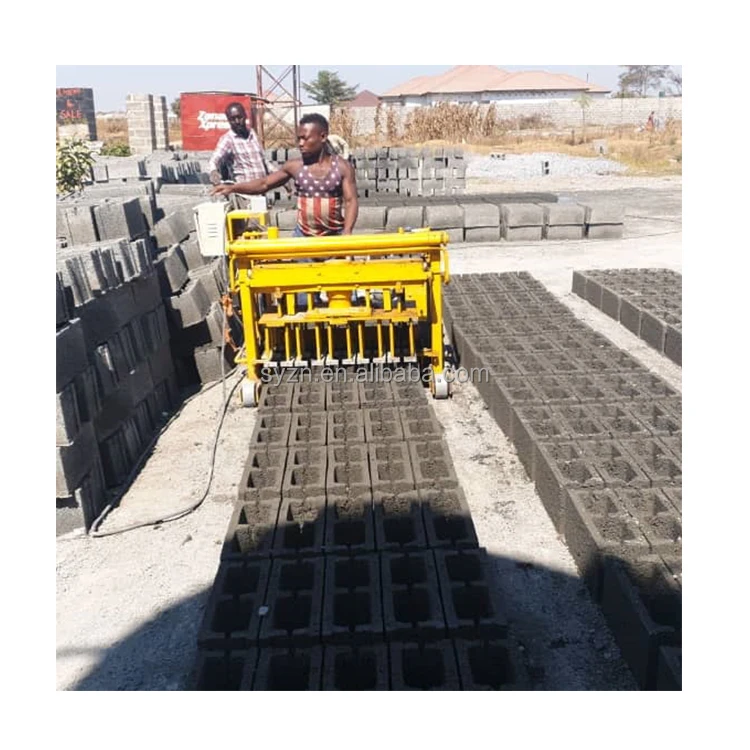
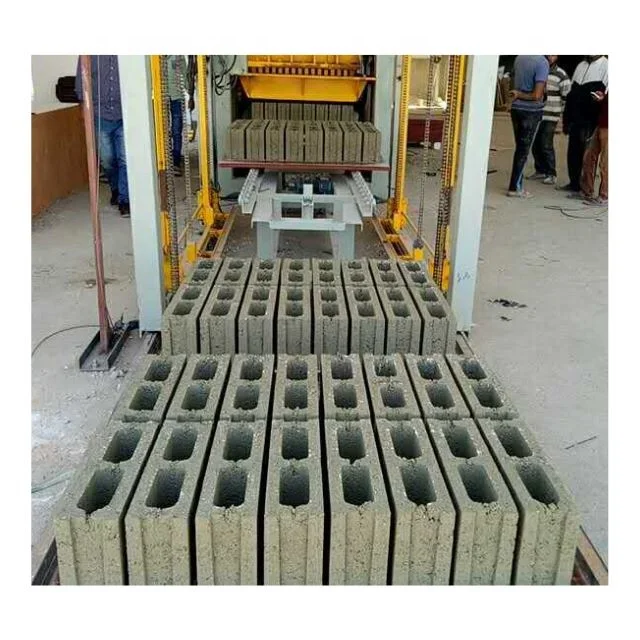
| Mould Adaptability | Hollow blocks, porous bricks, pavement bricks, slope protection bricks |
| Output Capacity | basis to be confirmed — depends on block format, material, and thickness |
| Cycle Time | basis to be confirmed |
| Hydraulic Pressure | basis to be confirmed |
| Pallet Size | basis to be confirmed |
| Mould Change Time | basis to be confirmed |
| Voltage & Frequency | basis to be confirmed |
| Overall Dimensions | basis to be confirmed |
| Net Weight | basis to be confirmed |
Application Suitability
| Application | Material or Output |
|---|---|
| Hollow wall block production | Crushed stone, cement, and sand aggregate mixes |
| Porous brick manufacturing | Lightweight aggregate blends with controlled moisture |
| Pavement brick production | High-density concrete mixes with fine aggregate |
| Slope protection brick forming | Coarse aggregate and cementitious binder compositions |
| Multi-format plant operations | Format changeover across hollow, porous, and paving lines |
What "Cycles per Hour" Leaves Out About the automatic block making machine PLC controlled
Output numbers mean nothing without naming the exact block format they assume.
I once watched a plant in Colombia celebrate a machine rated for an impressive cycle rate, only to discover that figure assumed a thin pavement brick while their actual product was a thick hollow block requiring nearly double the press time. Their daily volume fell to roughly half the quoted figure. The QT10-15 capacity calculation must state the block format, material mix, and thickness for every output number presented [NEED_CITE: block format assumptions in capacity ratings]. When a supplier quotes cycles per hour without naming the format, the buyer is purchasing a number that will not appear on the production floor.
How PLC Control Removes Operator Guesswork
The frequency conversion motor drive on the QT10-15 allows vibration profiles to be adjusted per mould format and mix design. An operator running hollow blocks in the morning and pavement bricks after lunch selects the stored profile rather than manually tuning frequency and amplitude. This automatic block making machine PLC controlled configuration keeps batch consistency across shifts without depending on one experienced operator who may leave or call in sick.
Damping That Adapts to the Mould, Not the Other Way Around
The adjustable pressure air bag inside the mould box lets the vibration damping be tuned to each format’s mass and geometry. A heavy hollow block mould transmits force differently than a lightweight paver mould, and fixed damping either wastes energy or accelerates wear. With tunable damping, the QT10-15 extends both mould and machine service life while reducing noise transmission through the plant floor [NEED_CITE: vibration damping and mould wear correlation]. This matters most in plants running multiple formats across a single shift.
Reading the Specs That Actually Matter
The four-axis vibration system delivering up to 20g acceleration ensures uniform density across the full pallet surface — blocks at the corners receive the same compaction force as those at the center. The 360° press-in arch breaker feeding system rotates material into the mould cavity from all directions, preventing under-filled corners that produce weak blocks rejected during curing. The replaceable cloth platform wear-resistant plate means the highest-wear surface can be swapped without replacing the entire cloth platform, keeping maintenance cost and downtime contained. The frequency conversion control lets the automatic block making machine PLC controlled system match vibration energy to whatever aggregate and moisture level the local mix requires, rather than forcing the buyer to reformulate their mix to suit a fixed machine setting.
The Cost of Configuring Without Your Local Mix
I have seen plants in Latin America receive machines configured for standard river sand, then spend days attempting to compact local volcanic aggregate that required different vibration frequency and hydraulic pressure settings. The QT10-15 frequency conversion system can adapt, but only if the buyer’s actual aggregate sample and mix proportions were used during configuration. When voltage and frequency are not confirmed before production, commissioning delays follow arrival — a 380V/50Hz machine in a 440V/60Hz region will not run, and the buyer waits weeks for a transformer or motor replacement [NEED_CITE: voltage and frequency mismatch in export machinery]. Mould change time left unaddressed during ordering means format flexibility exists on paper but takes most of a shift in practice.
Why Procurement Here Differs
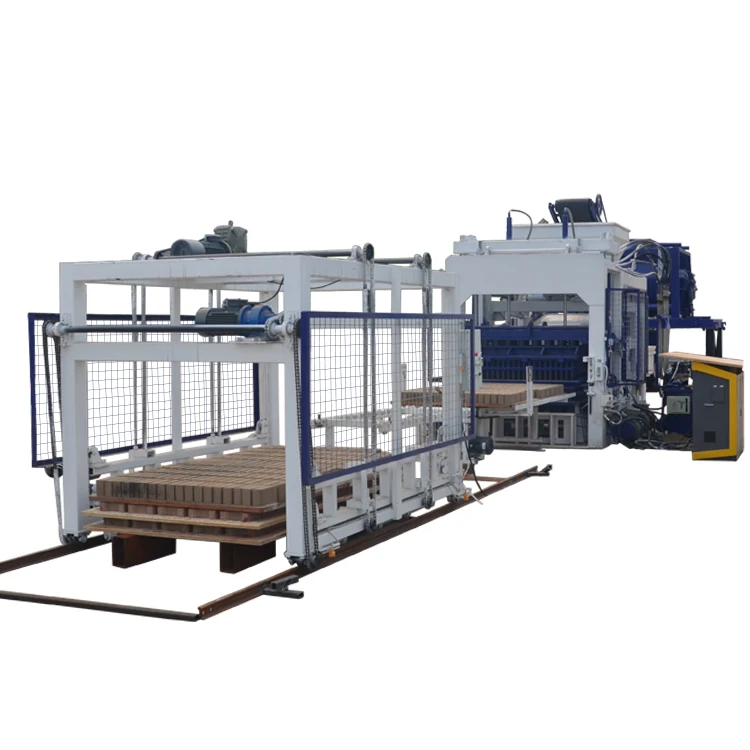
The QT10-15 is specified against the buyer’s actual mix design, local aggregate, and target block format rather than a catalogue default. Mould design covers the formats the buyer’s market actually sells, including custom drawings when standard formats do not match local demand. Machine, mould, pallet, and handling equipment are specified as one matched system, so pallet size aligns with the buyer’s existing curing racks and forklifts. The automation level on this automatic block making machine PLC controlled platform is selectable, allowing a buyer to begin with a simpler configuration and add automatic stacking or cubing later. Installation support includes operator training so the local team can run the machine independently after commissioning [NEED_CITE: block machine installation and commissioning standards].
Documentation & Verification
- Capacity calculation stating the exact block format and mix design assumed for each output figure
- Hydraulic and electrical schematics enabling local maintenance teams to service independently after warranty
- Factory test record with measured cycle times per mould format, not catalogue defaults
- Voltage, frequency, and PLC display language confirmation document signed before production begins
- Mould drawing and format list matching the block types the buyer’s market sells
Installation, Commissioning & Support
- Foundation requirements and footprint layout matched to QT10-15 vibration force and dynamic load
- Voltage and frequency confirmation tied to the buyer’s local power supply before electrical assembly
- Mould installation and vibration profile calibration per block format during on-site commissioning
- PLC language and HMI configuration set to the operator’s local language before machine startup
- Wear parts inventory list covering the replaceable cloth platform plate and hydraulic seals
- Operator training on frequency conversion adjustment for different mix designs and aggregate types
What to Prepare Before Requesting a Quotation
Provide your target block formats with dimensions, the daily output you need per format, and your local aggregate type with a sample if possible. Confirm your site voltage, frequency, and preferred PLC display language. If you already have curing racks, pallets, or forklifts in place, share their dimensions so the QT10-15 line is configured around your existing infrastructure rather than forcing new equipment purchases.
Frequently Asked Questions
Q: How is the QT10-15 output capacity calculated and which block format is assumed?
A: Every capacity figure on the QT10-15 is stated per specific block format, including dimensions, mix design, and material type. A hollow block cycle differs significantly from a pavement brick cycle, so we provide a separate calculation for each format the buyer intends to produce rather than a single headline number.
Q: What PLC brand is used and can the HMI language be set to our local language?
A: The PLC brand and HMI language are confirmed with the buyer before production begins. The display language is set to the operator’s preference so the QT10-15 automatic block making machine PLC controlled interface is readable from day one without requiring translation manuals on the production floor.
Q: How does the frequency conversion vibration system adjust to different mould formats?
A: The four-axis vibration system stores profiles for each mould format. When switching from hollow blocks to pavers, the operator selects the corresponding profile and the frequency conversion motor adjusts vibration energy automatically. This allows the QT10-15 to match different mix densities without manual retuning.
Q: What is the mould change procedure and realistic changeover time?
A: Mould changeover on the QT10-15 involves releasing the clamping system, lifting out the current mould, and seating the replacement. The realistic time depends on mould size and whether quick-release fittings are specified. We confirm expected changeover minutes per format during the proposal stage.
Q: What automation upgrade path exists if we start with a simpler configuration?
A: The QT10-15 platform supports adding automatic pallet feeding, stacking, and cubing modules as the plant grows. The automatic block making machine PLC controlled architecture allows these additions without replacing the core press or rewriting the control program.