

Description
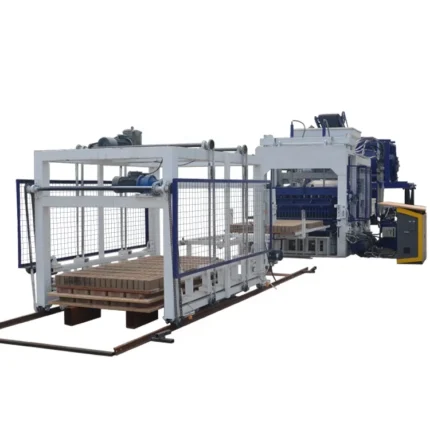
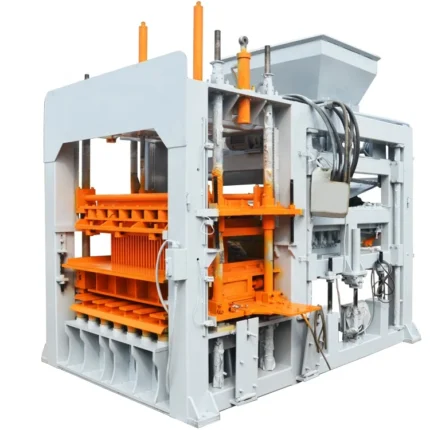
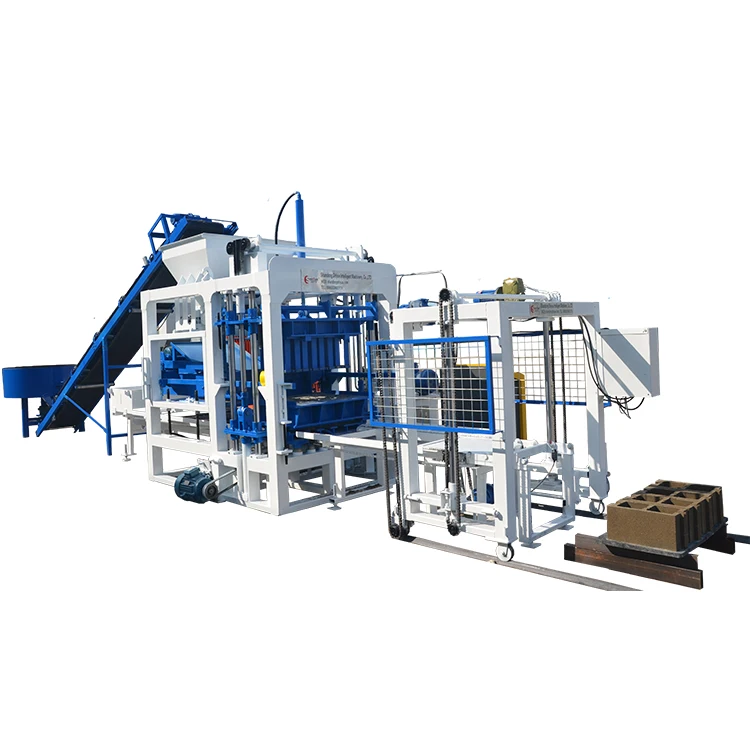
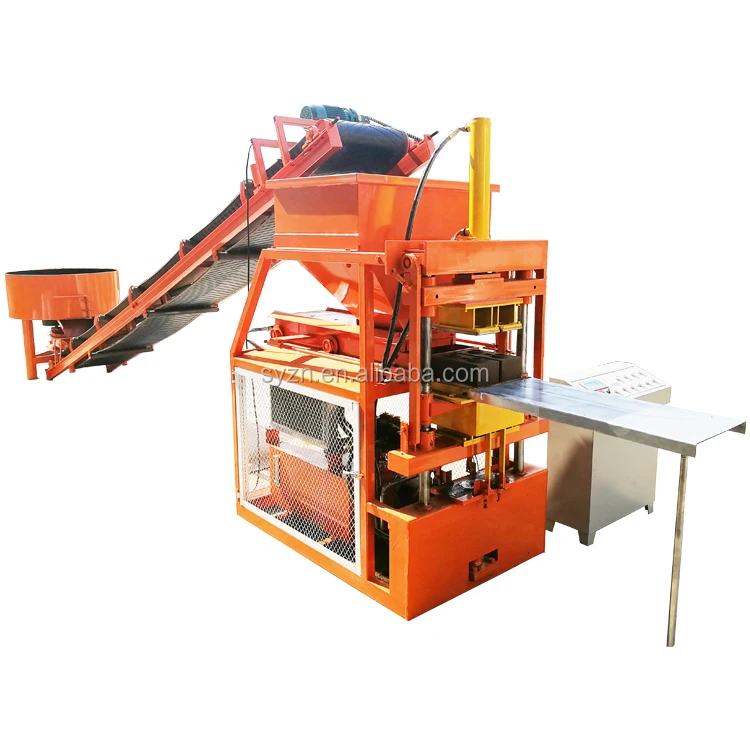
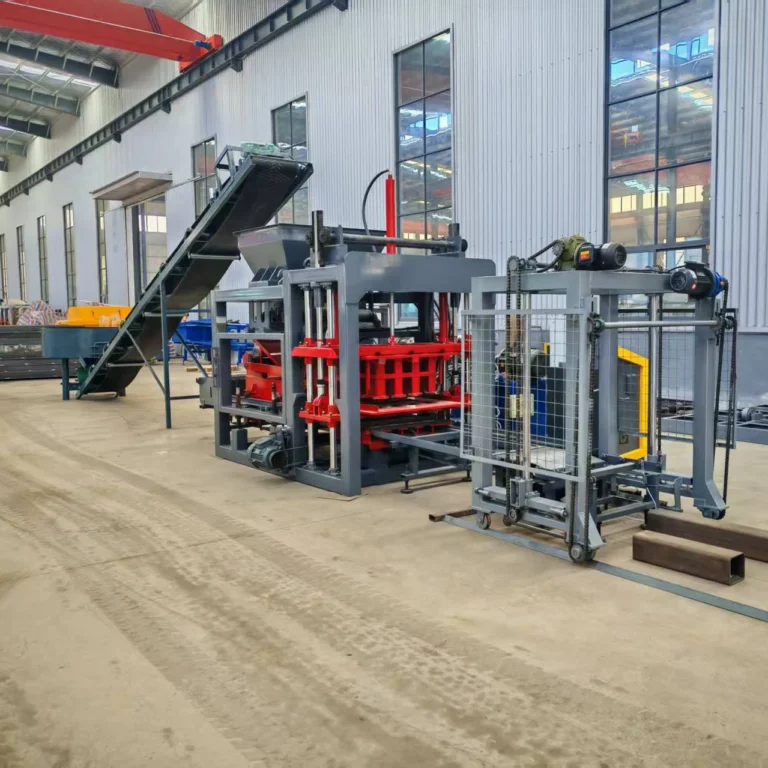
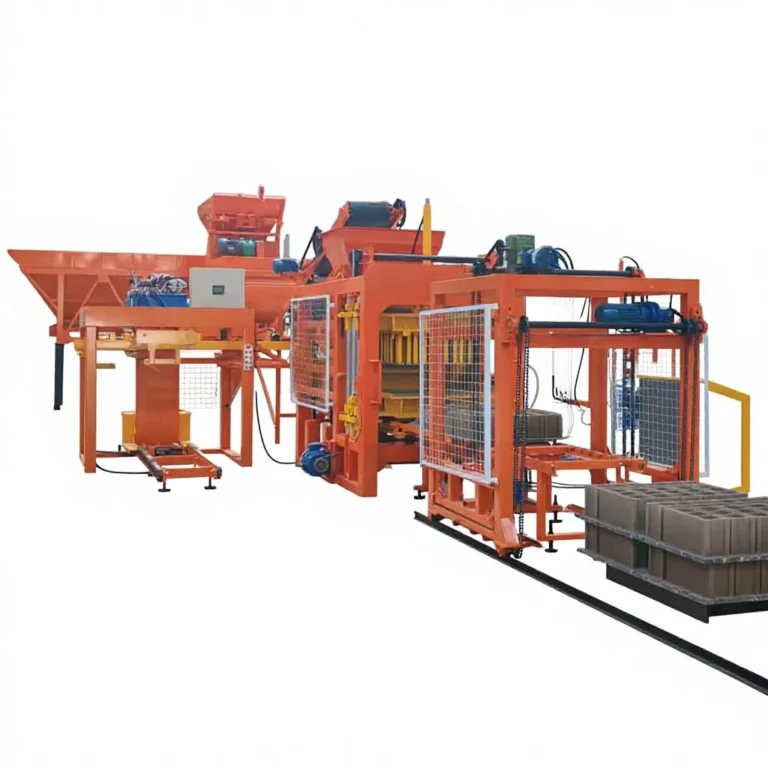
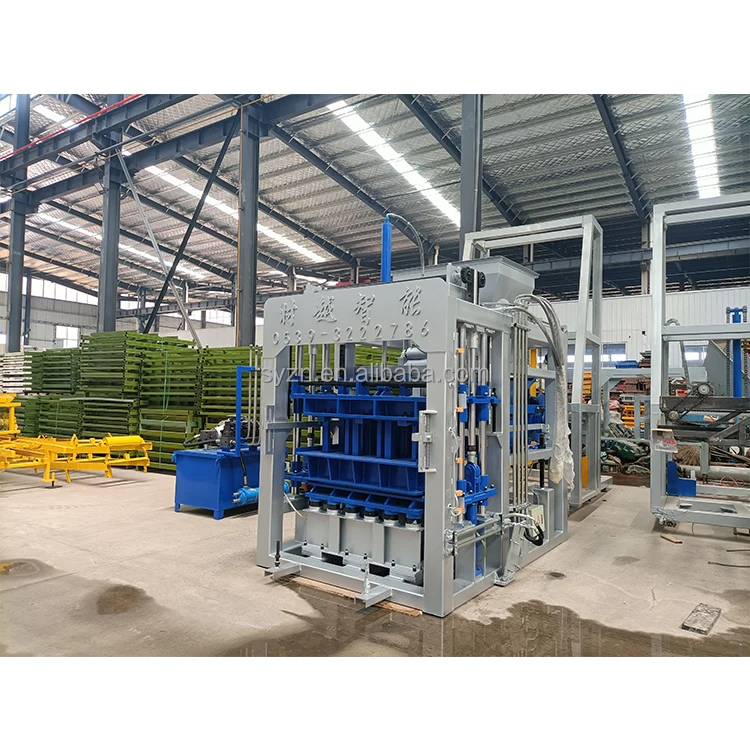
Configured System Matching — the QT10-15 automatic hydraulic block making machine is specified as one matched line, with pallet feed, PLC logic, and hydraulic pressure set to your local aggregate rather than a catalogue default.
Technical Specifications
| Parameter | Value |
|---|---|
| Model | QT10-15 |
| Product Type | Automatic Hydraulic Block Making Machine |
| Control System | PLC control cabinet |
| Hydraulic System | Independent integrated hydraulic station |
| Mould Change System | Quick replacement (multi-function with one machine) |
| Vibration Mode | Vertical station mode resonance with automatic FM-AM |
| Automation Level | Automatic (pallet feed, PLC controlled) |
| Components Included | Pallet feed machine, block making machine, storage hopper, conveyor, hydraulic unit, PLC control cabinet |
| Output Capacity (Hollow Block 400×200×200mm) | 1,800–2,400 pcs/h (basis: 10 pcs/mould, 15–20s cycle) |
| Output Capacity (Hollow Block 400×150×200mm) | 2,160–2,880 pcs/h (basis: 12 pcs/mould, 15–20s cycle) |
| Output Capacity (Solid Brick 240×115×53mm) | 8,928–11,160 pcs/h (basis: 62 pcs/mould, 15–20s cycle) |
| Output Capacity (Paver 200×100×60mm) | 5,184–6,480 pcs/h (basis: 27 pcs/mould, 20–25s cycle) |
| Output Capacity (Paver 225×112.5×60mm) | 4,032–5,040 pcs/h (basis: 24 pcs/mould, 20–25s cycle) |
| Cycle Time (Hollow Blocks) | 15–20s |
| Cycle Time (Pavers) | 20–25s |
| 8-Hour Output (Hollow Block 400×200×200mm) | 14,400–19,200 pcs |
| 8-Hour Output (Paver 200×100×60mm) | 41,472–51,840 pcs |
| Warranty | 1 year (whole machine, excluding spare parts) |
| Rated Power | (basis not stated in source — confirm with manufacturer) |
| Voltage & Frequency | (basis not stated in source — confirm target market) |
| Overall Dimensions | (basis not stated in source — confirm with manufacturer) |
| Net Weight | (basis not stated in source — confirm with manufacturer) |
| Pallet Size | (basis not stated in source — confirm pallet specification) |
| Hydraulic Pressure | (basis not stated in source — confirm with manufacturer) |
| Vibration Force | (basis not stated in source — confirm with manufacturer) |
| PLC Language Options | (basis not stated in source — confirm display language) |
| Key Features | Quick mould change, automatic FM-AM vibration, independent hydraulic station, multi-format production |
Application Suitability
| Application | Material or Output |
|---|---|
| Hollow block production plants | Crushed stone, sand, cement, fly ash aggregates |
| Paving brick manufacturing | River sand, granite chips, cement blends for interlocking and standard pavers |
| Solid brick production lines | Local aggregate mixes for standard 240×115×53mm masonry units |
| Multi-cellular brick facilities | Lightweight aggregate or standard concrete mixes for partition blocks |
| On-site construction block making | Project-specific raw materials for contractor-produced masonry |
| Concrete product range expansion | Existing producers adding paver or solid brick formats to hollow block output |
What "Automatic" Really Means for Your Daily Output
The automatic QT10-15 block making machine PLC controlled system manages pallet sequencing, material feed timing, and press cycling so the operator monitors rather than paces each step.
I watched a Middle East producer lose half their expected daily output on a fully automatic line because the control system was running factory-default cycle times against high-clay aggregate that needed longer vibration. The machine was automatic, but the configuration was blind. Automation without material-specific tuning is just expensive inconsistency. The QT10-15 addresses this by linking PLC cycle parameters to the independent hydraulic station and vertical resonance vibration, allowing both frequency and amplitude to adjust to what is actually in the hopper. [NEED_CITE: PLC parameter tuning for varying aggregate moisture content]
PLC Logic That Manages the Entire Pressing Sequence
The PLC control cabinet on the QT10-15 governs pallet feed timing, storage hopper discharge, conveyor material delivery, and the press cycle as one continuous sequence. This removes the manual coordination errors that cause incomplete fills or double-feeds when operators try to match upstream material flow to downstream pallet availability. The automatic QT10-15 block making machine PLC controlled architecture means a single fault in the sequence halts the line cleanly rather than producing a string of substandard blocks.
Independent Hydraulic Station Away from the Vibration Zone
The integrated hydraulic station sits physically separated from the press vibration area. On machines where the hydraulic unit mounts directly on the press frame, continuous shock loading degrades valve seals and contaminates the fluid reservoir over time. The QT10-15 configuration keeps hydraulic reliability intact across extended production runs, because the station is not absorbing the same vertical resonance forces that compact the concrete. [NEED_CITE: hydraulic component degradation rates in vibrating press environments]
Reading the Specs That Actually Determine Block Strength
Vertical station mode resonance with automatic FM-AM is not simply a vibration label. Frequency and amplitude together determine how thoroughly the concrete mix settles into the mould cavity. A higher frequency with lower amplitude suits fine-sand paver mixes, while lower frequency with higher amplitude works for coarse-aggregate hollow blocks. The QT10-15 adjusts both parameters automatically, so switching from 400×200×200mm hollow blocks to 200×100×60mm pavers does not require the operator to guess which vibration setting to dial in. The independent hydraulic station provides consistent pressing force across each cycle, meaning the compaction pressure does not drift as the shift progresses. Pallet size must match both the mould footprint and the curing rack spacing in your yard, and the quick mould change system lets you switch formats without losing an entire shift to retooling.
The Cost of Ignoring Configuration Before Shipment
Buyers who confirm price before confirming voltage and PLC language regularly face commissioning delays that stretch weeks after the machine arrives. The control panel displays in a language the operators cannot read, the motor windings are wound for a frequency that does not match the local grid, and the automation level delivered stops at pallet feed because stacking and cubing were never specified. Each of these gaps turns what should be a straightforward start-up into a negotiation conducted after the container has already been unloaded. [NEED_CITE: commissioning delays caused by unconfirmed electrical specifications]
Why Sourcing This Line Here Makes Sense
Block machinery is our single focus, which means the QT10-15 is not assembled from a press vendor, a separate pallet feed supplier, and a third-party PLC integrator. Every station is specified as a matched system. Configuration is set against your actual mix design, local aggregate, and target block format rather than a catalogue default, so the cycle time you see in the proposal reflects the block you will actually produce. Mould design and supply covers the formats your market sells, including custom drawings when standard cavities do not match. The automation level is selectable, so starting semi-automatic and upgrading later is a planned path, not a retrofit afterthought. Installation support includes operator training that covers PLC parameter adjustment for your specific material conditions.
Documentation & Verification
- Line layout drawing showing pallet feed, press, and stacking positions with capacity per block format
- Machine specification sheet stating vibration force and hydraulic pressure matched to your aggregate
- PLC programming confirmation with operator display language before production begins
- Factory test record running your target mould with local material sample
- Voltage and frequency confirmation document signed before electrical assembly
- Operation and maintenance manual covering hydraulic station servicing and mould change procedure
Installation, Commissioning & Support
- Foundation plan detailing load points for the QT10-15 press and pallet feed machine footprint
- Dedicated power circuit specification matching the confirmed voltage and frequency for the independent hydraulic station
- Dismantled shipment configuration with reassembly sequence for the PLC cabinet and conveyor sections
- On-site PLC parameter tuning using your actual aggregate mix during first production run
- Operator training covering automatic FM-AM adjustment and quick mould change procedure
- Wear parts list with hydraulic valve and vibration component replacement intervals
What to Include in Your Inquiry
Provide your target block formats with daily volume requirements so the capacity calculation reflects what you will actually produce. Confirm the local voltage, frequency, and the control display language your operator team needs. If you have existing pallets, curing racks, or forklifts on site, share those dimensions so the pallet feed system and line layout match your current yard setup.
Frequently Asked Questions
Q: How is the PLC configured and what language does the display support?
A: The PLC control cabinet on the QT10-15 is programmed for your target block formats and cycle sequences before shipment. The display language is confirmed during the specification stage so your operators read the interface in their working language. This confirmation is documented and signed off before electrical assembly begins, preventing commissioning delays caused by unreadable control panels.
Q: What automation level is included and is stacking part of the line?
A: The standard QT10-15 configuration includes automatic pallet feed and PLC-controlled press cycling. Pallet stacking, curing rack handling, and cubing stations are selectable additions. The quotation states exactly which stations are included so you know whether blocks leave the press automatically or require manual transfer to the curing area.
Q: How do I upgrade from semi-automatic to fully automatic later?
A: The QT10-15 line is designed with a defined upgrade path. Starting with semi-automatic pallet handling and adding automatic stacking or cubing later uses the same PLC architecture and pallet specifications, so the upgrade adds stations rather than replacing the control system. This is confirmed during the initial proposal stage.
Q: How is vibration matched to my local aggregate and mix design?
A: The vertical station mode resonance with automatic FM-AM adjusts both vibration frequency and amplitude to the material in the mould. During commissioning, PLC parameters are tuned using your actual aggregate sample and cement ratio, so compaction force matches your mix rather than a factory default setting tested on different material.
Q: What is the realistic cycle time for my target block format?
A: Cycle time depends on the block size, mould cavity count, and your material characteristics. For example, hollow blocks at 400×200×200mm run on a 15–20s cycle with 10 pcs per mould, while pavers at 200×100×60mm require 20–25s with 27 pcs per mould. The quotation states the assumed format and cycle time so daily capacity is verifiable.