

Description
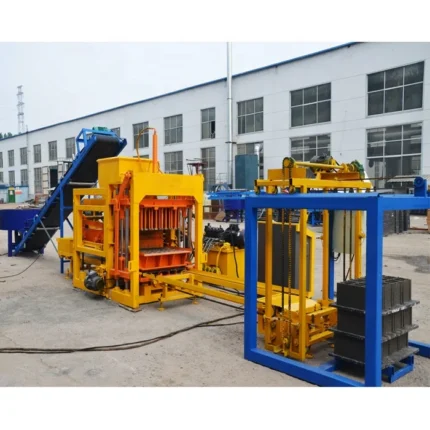
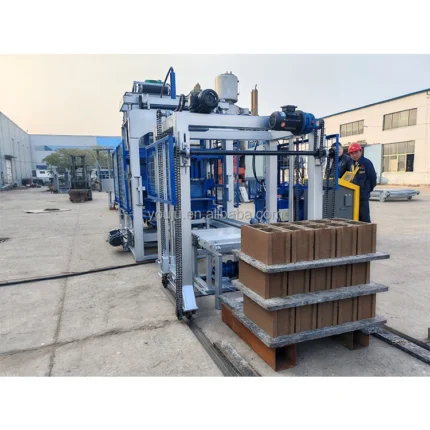
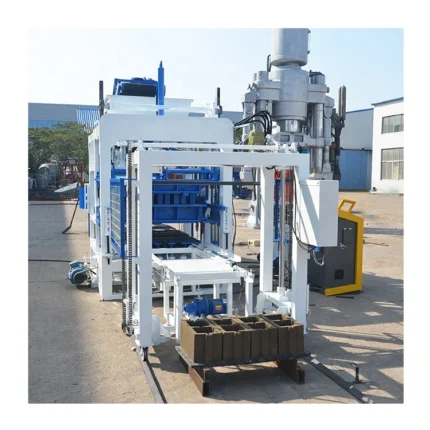
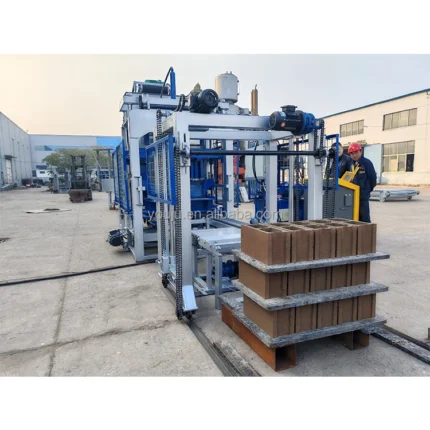
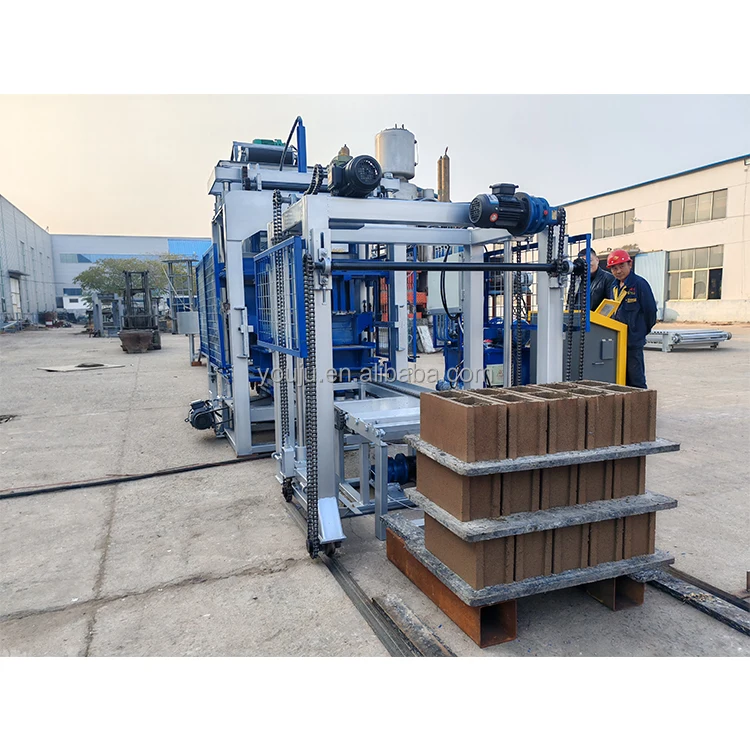
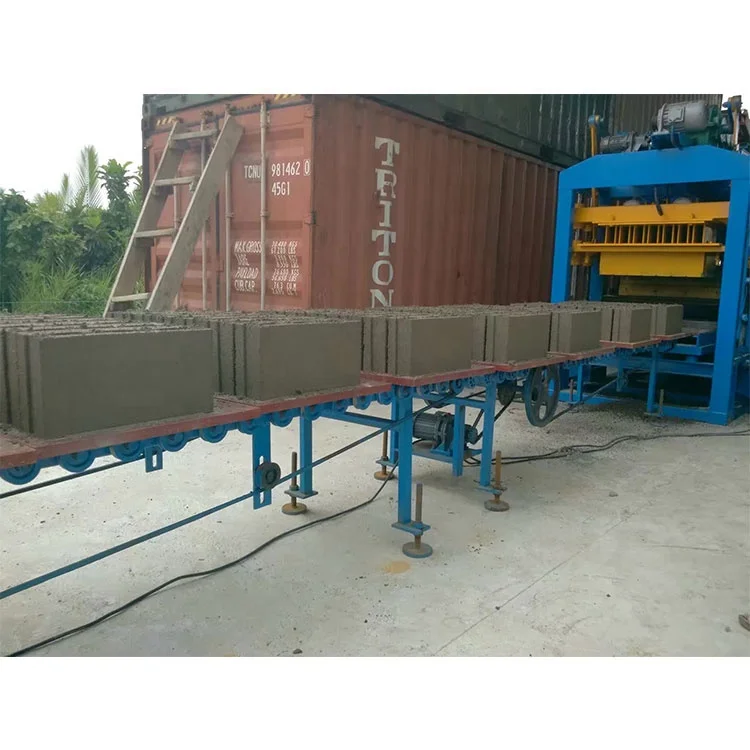
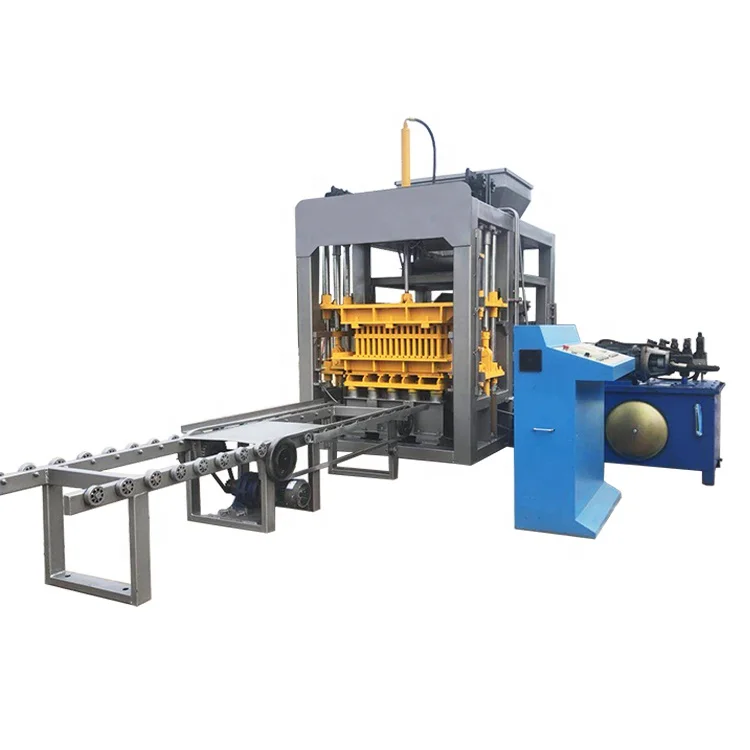
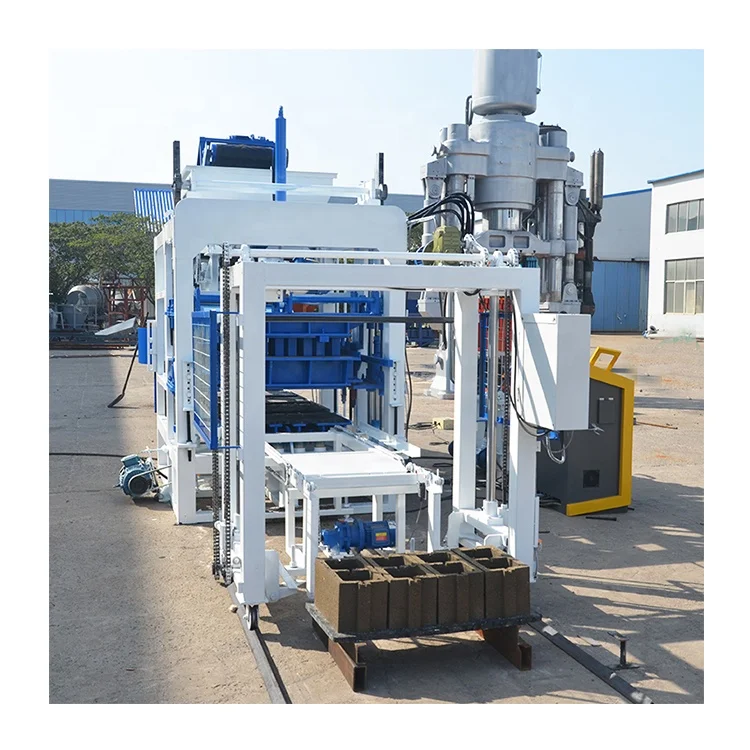
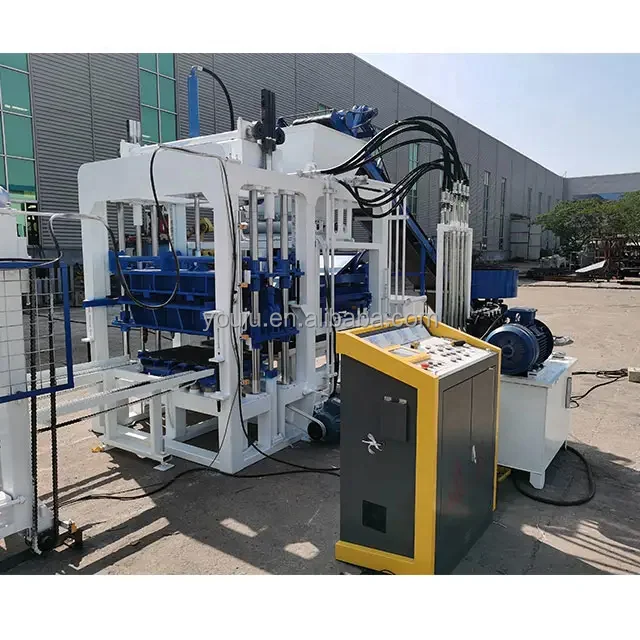
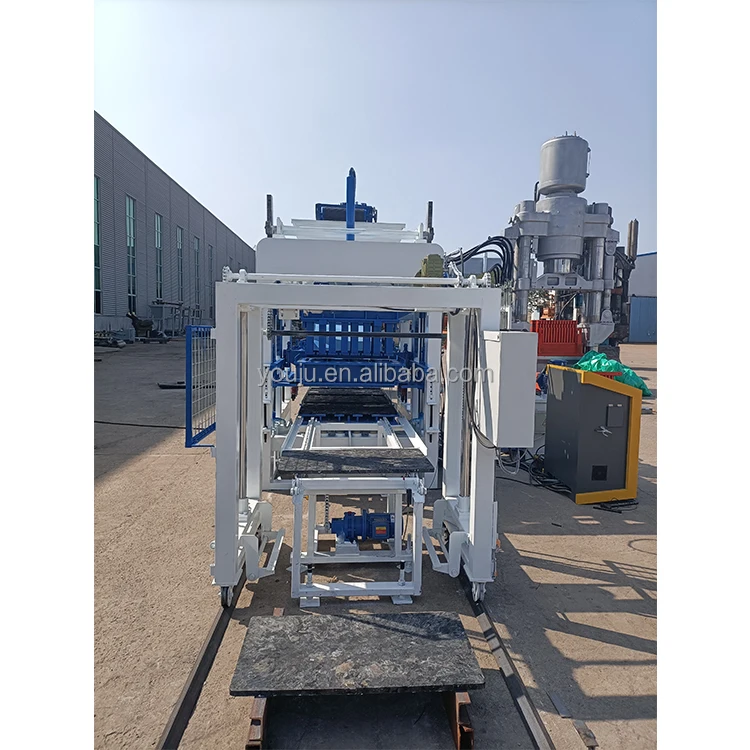
Matched System Logic — the QT4-18 is specified as one coordinated unit where press cycle, pallet feed rate and downstream stacking logic are locked together before production, preventing the common failure where automation components arrive from separate suppliers and refuse to synchronize.
Technical Specifications
| Parameter | Value |
|---|---|
| Model | QT4-18 |
| Product Type | Automatic Hydraulic Block Making Machine |
| Rated Power | 27.5 kW (host machine) |
| Voltage & Frequency | 380 V (50/60 Hz to be confirmed) |
| Control System | PLC (brand and display language to be confirmed) |
| Overall Dimensions (L×W×H) | 7100 × 1600 × 2610 mm |
| Net Weight | 5 T (host machine) |
| Vibration Force | 40 kN |
| Hydraulic Pressure | Rating to be confirmed |
| Pallet Size | 1020 × 570 mm |
| Pallet Material | Wood / bamboo / steel (to be confirmed) |
| Moulding Cycle | 15 s (basis not stated in source — block format and material to be confirmed) |
| Output Capacity | Value per block format to be confirmed |
| Mould Format | Hollow blocks, solid blocks, paving blocks |
| Mould Change Time | To be confirmed |
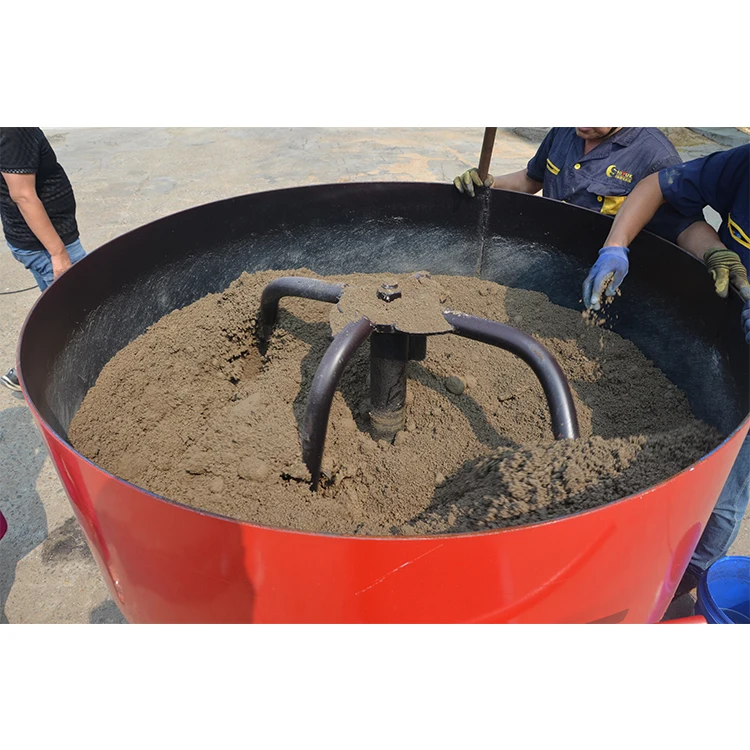
| Mixer Model | JS500 |
| General Water Consumption | 4 T / day |
| Workers Required | 3–4 |
| Workshop Area | 150 m² |
| Automation Level | Automatic (scope of pallet feeding, stacking and cubing to be confirmed) |
Application Suitability
| Application | Material or Output |
|---|---|
| Hollow block production for masonry walls | Crushed stone, cement, sand, fly ash |
| Solid block manufacturing for load-bearing structures | Dense aggregate, cement, fine sand |
| Paving block production for walkways and driveways | Pigmented concrete, fine aggregate |
| On-site block production for housing projects | Locally sourced aggregate, cement |
| Building material distributor adding formats | Multiple mix designs, quick mould change |
Why the PLC Language Question Should Come Before the Quotation
An automatic block making machine PLC controlled is only as intelligent as the operator who can read its screen.
I watched a commissioning stall for three days in a Middle East block plant because the PLC display arrived in a language the local crew could not read. The machine was electrically sound, the moulds were on-site, the raw material was staged — and the entire line sat idle while the program was reflashed. That delay cost the buyer a full production week and eroded confidence in automation before the first block was ever pressed. When you are sourcing an automatic block making machine PLC controlled, the display language is not a cosmetic detail. It is the interface through which your operators will set cycle parameters, diagnose faults and confirm batch counts every single shift. [NEED_CITE: PLC display language configuration requirements for exported industrial machinery]
Synchronizing the Press with Upstream and Downstream Stations
The QT4-18 press completes a 15 s moulding cycle (basis to be confirmed per block format), which means the JS500 mixer must deliver a fresh batch to the hopper within that window, and the pallet feeder must index the next pallet before the press opens. An automatic block making machine PLC controlled handles this sequencing through timed interlocks — if the mixer is late, the press waits; if the pallet is missing, the cycle halts. This is not a standalone press with a timer bolted on. The control logic coordinates feeding, pressing, pallet advancement and stacking as one continuous sequence.
Automation Level Is a Spectrum, Not a Switch
The automation scope on the QT4-18 is selectable. A buyer can start with semi-automatic pallet handling — where a worker manually transfers cured pallets to the rack — and later add automatic stacking and cubing modules without replacing the press or the PLC cabinet. This matters for plant owners who are transitioning from manual production and want to spread capital investment over two phases. The control platform supports the upgrade path because the base program already contains the routines for downstream handling; the upgrade involves wiring additional sensors and actuators, then enabling the corresponding program blocks. [NEED_CITE: automation upgrade paths in stationary block making equipment]
Reading the Specifications That Actually Affect Block Quality
The 40 kN vibration force and the hydraulic pressure rating work together to compact the concrete mix into the mould cavity. Vibration settles the aggregate particles, while hydraulic pressure from the tamper head squeezes out trapped air and forces the cement paste into voids. If either value is mismatched to the buyer’s local aggregate gradation or cement ratio, block strength drops or surface finish becomes inconsistent. The 1020 × 570 mm pallet size determines how many blocks fit per cycle — and must match the curing rack dimensions the buyer already has on-site, otherwise pallets cannot stack in the existing curing area. The JS500 mixer delivers a batch volume aligned with the hopper capacity of the QT4-18, so the press is never starved mid-cycle. The 380 V supply must be confirmed against the destination market’s grid, and the PLC display language must be locked in writing before the cabinet is wired.
The Cost of Getting the Control Specification Wrong
A PLC configured for 60 Hz running on a 50 Hz grid will cycle slower than programmed, and the operator will override timing parameters trying to compensate — introducing inconsistency that defeats the purpose of automation. A buyer who did not specify stacking in the quotation ends up paying four workers to hand-stack output every shift, which negates the labour reduction the automation was supposed to deliver. Mould change routines that are not pre-loaded in the PLC mean the operator must manually step through the sequence, turning a procedure that should take minutes into a half-shift exercise. [NEED_CITE: frequency mismatch effects on PLC-controlled industrial equipment]
Why Sourcing Through This Channel Makes Sense
Block machinery is the single focus here, so the QT4-18 is not shipped as a standalone press and then paired with an unrelated mixer and pallet system on arrival. The configuration is set against the buyer’s actual mix design and local aggregate, not pulled from a default catalogue. The mould is designed for the specific block formats the buyer’s market sells, with custom drawings available. Voltage, frequency and PLC display language are confirmed in writing before production starts — because that lesson was learned the hard way on a real jobsite. The automation level is selectable and upgradeable, so the investment matches where the plant actually is today.
Documentation & Verification
- Line layout showing QT4-18 position relative to JS500 mixer and pallet feeder
- Capacity calculation stating the exact block format behind the 15 s cycle
- Hydraulic and electrical schematic for 380 V configuration
- PLC program documentation with display language confirmed
- Factory test record on buyer’s target block format before dispatch
- Pallet specification matched to curing rack and forklift dimensions
Installation, Commissioning & Support
- Foundation plan for 7100 × 1600 mm footprint and 5 T static load
- Dedicated 380 V circuit with breaker rating matching 27.5 kW draw
- Dismantling state confirmed for container loading and on-site reassembly
- PLC program language verified with operators on commissioning day
- Mould change procedure trained to target changeover time
- Hydraulic wear parts list with reorder intervals supplied at handover
- JS500 mixer blade inspection schedule aligned with local aggregate abrasiveness
What to Include in Your Inquiry
Tell us the exact block formats your market sells and the daily volume you need per format. Confirm your local voltage, frequency and the PLC display language your operators require. Share your current pallet size and curing rack dimensions so the pallet handling system is sized correctly from the start.
Frequently Asked Questions
Q: How is the 15 s moulding cycle verified, and for which block format?
A: The 15 s cycle figure must be confirmed against a specific block format, wall thickness and mix design. Before shipment, a factory test runs the QT4-18 on the buyer’s target format and records the actual cycle time. The capacity calculation document then states output per format, so the buyer knows realistic daily production for each block type rather than a single blanket number.
Q: What automation scope is included in the standard quotation?
A: The automation level is selectable. The base quotation must itemize exactly which stations are included — pallet feeding, automatic stacking, cubing, curing rack handling. Any station not listed defaults to manual operation. This prevents the common situation where a buyer assumes full automation is included and discovers pallet handling was never quoted.
Q: Can the PLC display language and voltage be set before shipment?
A: Yes, and this is confirmed in writing before the control cabinet is wired. The buyer specifies the destination grid voltage, frequency and the required PLC display language. The program is flashed and tested at the factory, so the commissioning engineer does not arrive on-site to find an unreadable interface.
Q: What is the upgrade path to higher automation later?
A: The QT4-18 control platform contains routines for downstream handling modules. Upgrading involves wiring additional sensors and actuators for stacking or cubing, then enabling the corresponding PLC program blocks. The press and PLC cabinet do not need replacement, which spreads capital investment across phases.
Q: How does the press synchronize with the mixer and pallet feeder?
A: The PLC coordinates the JS500 mixer output, pallet indexing and press cycle through timed interlocks. If the mixer is late or a pallet is missing, the press waits rather than cycling empty. This prevents wasted material, mould damage and inconsistent block quality caused by out-of-sequence operation.