
Description
Matched System Integration — The QT5-15 pairs PLC logic, hydraulic pressure, and vibration frequency as one coordinated control system rather than leaving each to operate independently.
Technical Specifications
| Parameter | Value |
|---|---|
| Model | QT5-15 |
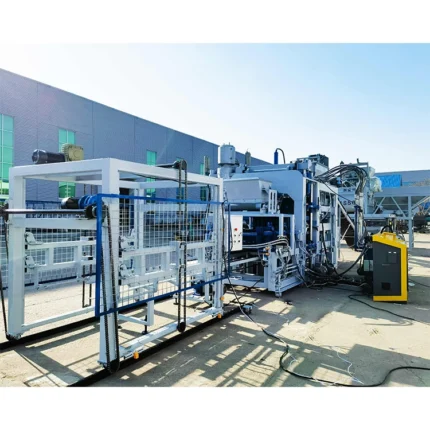
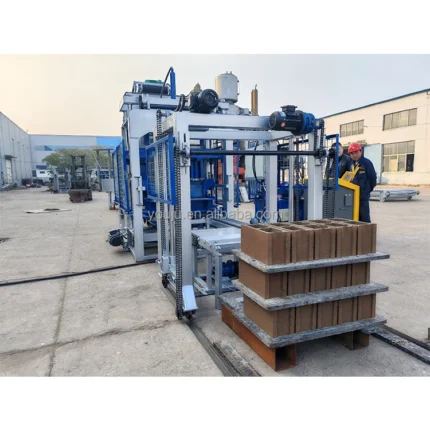
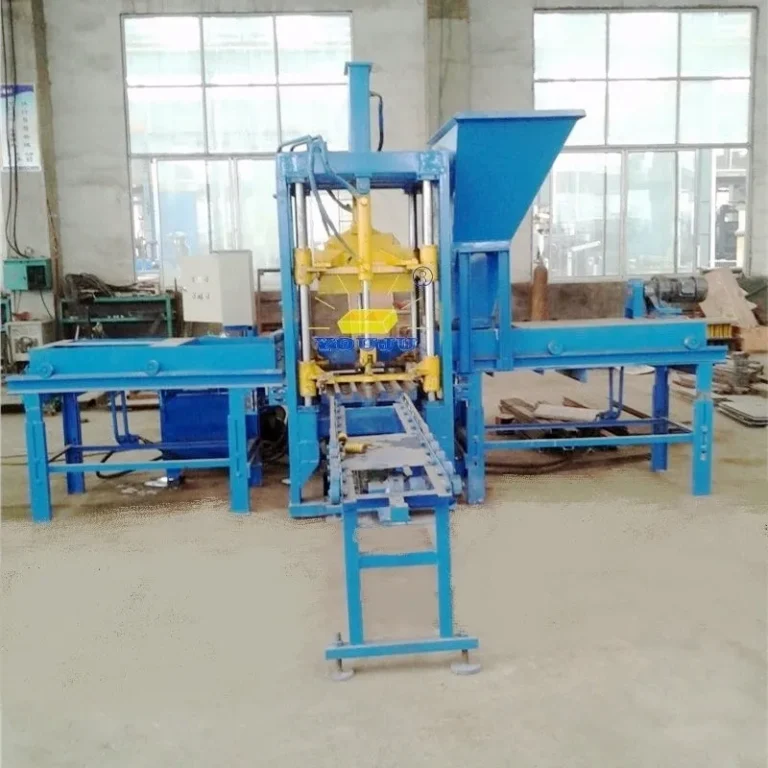
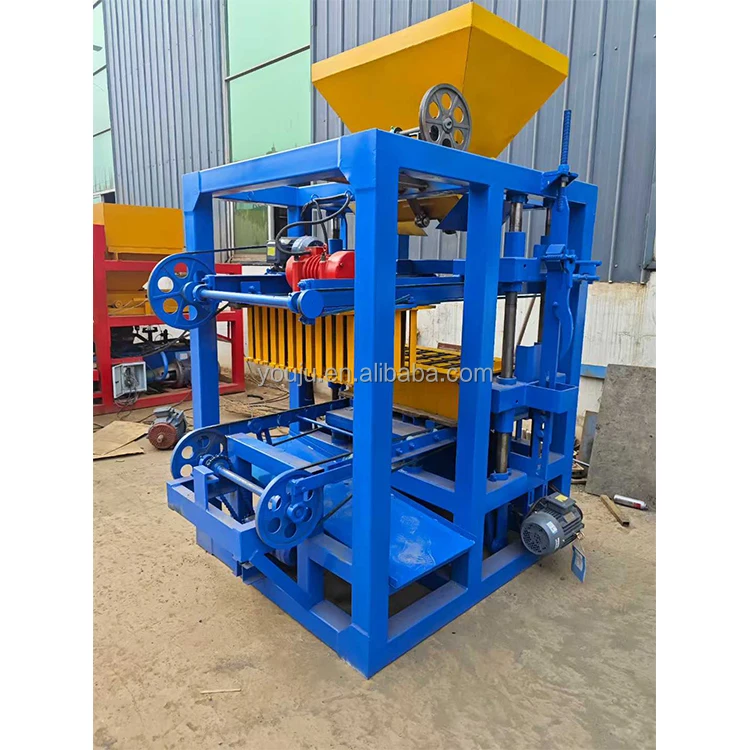
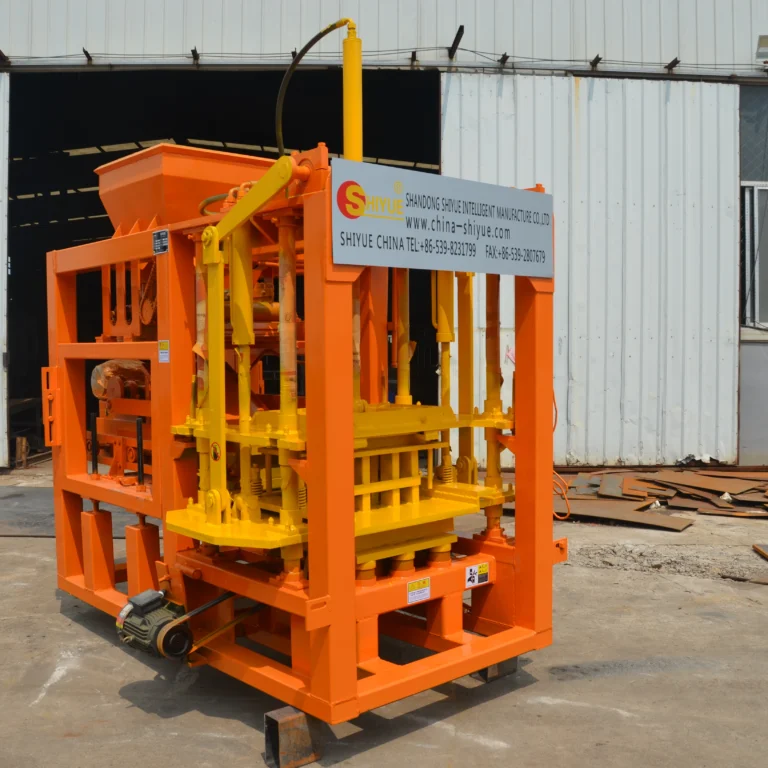
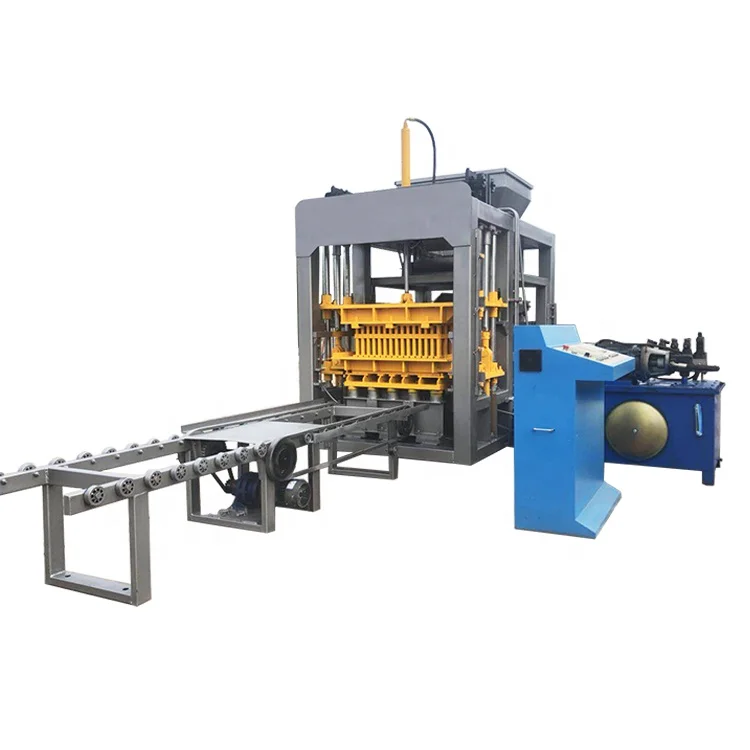
| Product Type | Automatic Hydraulic Concrete Block Making Machine |
| Overall Dimensions (L×W×H) | 7400×1950×2800 mm |
| Rated Hydraulic Pressure | 21 MPa |
| Main Vibration Form | Hydraulic platform vibration |
| Vibrating Frequency | 2800–4500 rolls/min |
| Cycle Time | 15–20 seconds (basis to be confirmed) |
| Motors Power | 26.5 kW |
| Pallet Size | 1100×550 mm |
| Net Weight | 6 T |
| Voltage & Frequency | Configured to buyer needs |
| Control System | PLC with fault diagnosis and long-distance controlling |
| Automation Level | Full automatic |
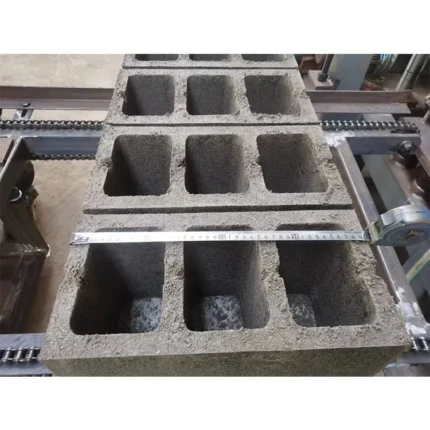
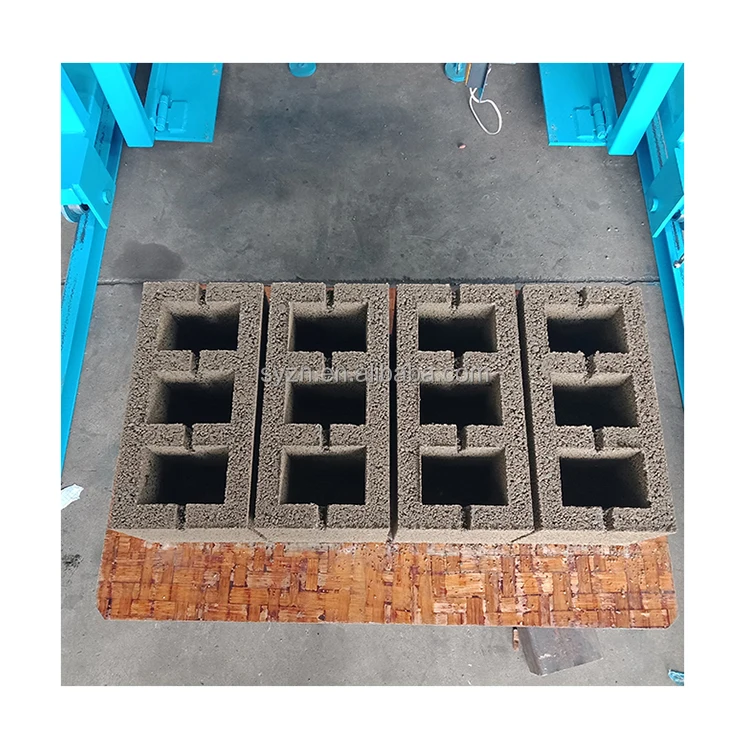
| Output — Hollow Block 400×200×200 mm | 7,200–9,600 pcs/8h (5 pcs/mould, 15–20s cycle) |
| Output — Solid Brick 240×115×90 mm | 23,040–28,800 pcs/8h (16 pcs/mould, 15–20s cycle) |
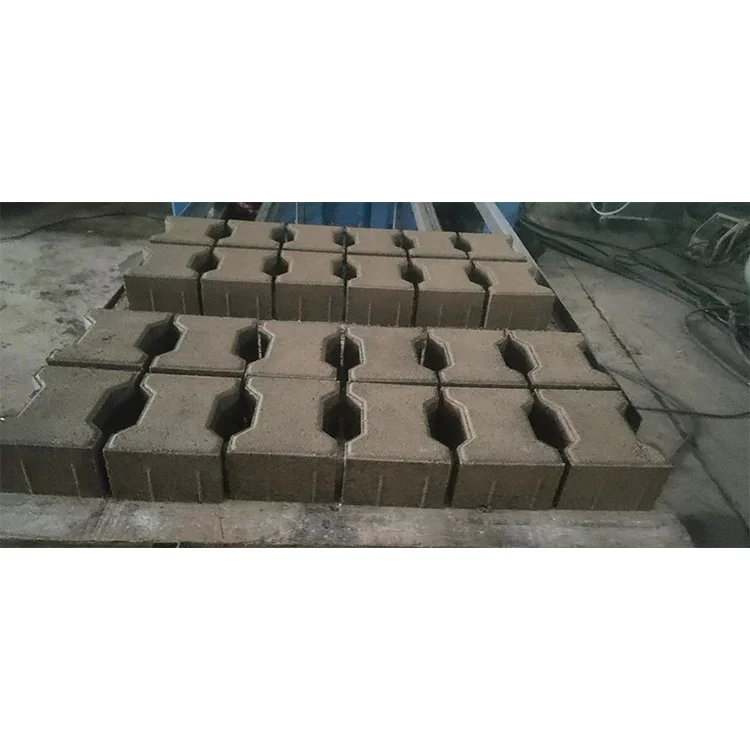
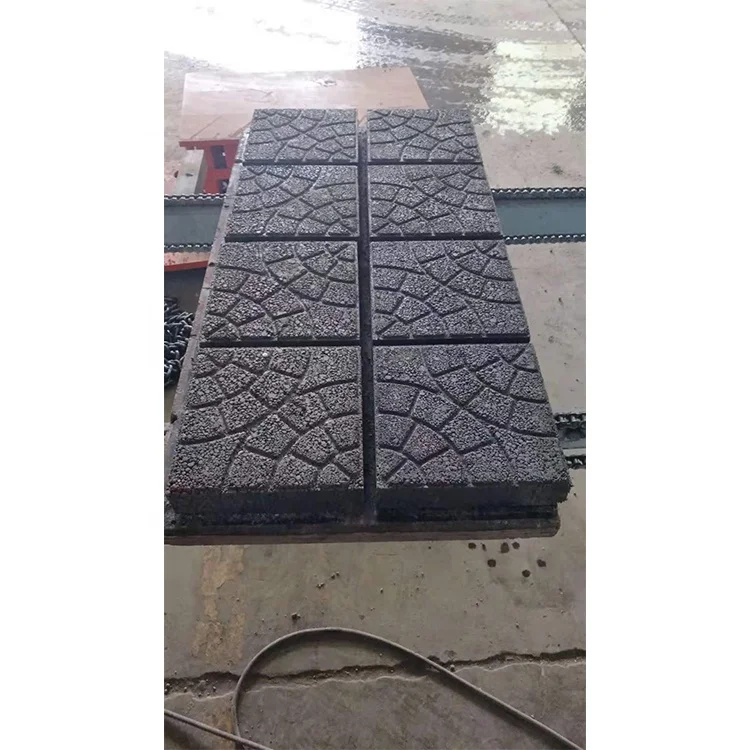
| Output — Paving Brick 400×115×53 mm | 61,440–70,400 pcs/8h (32 pcs/mould, 15–20s cycle) |
| Stacking Method | Verify against manufacturer catalog |
| Mould Change Time | Verify against manufacturer catalog |
| Warranty | One year for the whole machine |
Application Suitability
| Application | Material or Output |
|---|---|
| Hollow block production | Crushed stone, cement, sand and local aggregate |
| Solid brick manufacturing | Fly ash, slag, gravel and cement blends |
| Paving brick and interlocking paver runs | Fine aggregate with colour oxide additives |
| Stationary block plant setups | Pallet-based curing workflow across mid-tier daily volumes |
What "15–20 Seconds Cycle Time" Actually Means for Your Plant
A cycle time figure is meaningless unless it states the block format, mix design, and vibration profile assumed.
Most quotations I review list a single cycle time across all formats. On site, a 400×200×200 mm hollow block and a thin paving brick demand completely different vibration frequencies and compaction durations. When the PLC program treats every mould the same, the press either over-presses light pavers or under-compacts tall hollow blocks, and block strength drifts across the shift. [NEED_CITE: vibration frequency and compaction time requirements across block formats]
This automatic PLC controlled concrete block making machine stores separate recipes for each mould. The operator selects the format from the PLC interface, and the system adjusts vibration frequency, pressure hold time, and feed cycle to match — removing the guesswork that causes inconsistent batches when operators manually override parameters.
Recipe Management Through the PLC Interface
Each mould installed on the QT5-15 corresponds to a stored recipe in the PLC. The recipe controls vibration ramp-up, dwell time under pressure, and demould speed as one sequence. When the operator changes from hollow block to paving brick, the system loads the correct parameters automatically, so the automatic PLC controlled concrete block making machine delivers the same density from the first pallet to the last.
Fault Diagnosis That Catches Drift Before It Reaches the Curing Yard
The built-in fault diagnosis monitors hydraulic pressure and vibration motor response in real time. If pressure drops below the recipe threshold or a vibration motor draws outside its normal range, the PLC halts the cycle and displays the fault on screen. This prevents an entire pallet of under-compacted blocks from entering the curing racks — a problem I have seen go unnoticed for hours on machines without automated monitoring.
Remote Scrutiny for Commissioning and Ongoing Oversight
The long-distance controlling capability allows a control engineer to connect to the QT5-15 PLC remotely. During commissioning, this means recipe parameters can be adjusted while watching live cycle data without requiring the engineer on site permanently. After handover, the same link supports troubleshooting when an unfamiliar fault code appears, cutting response time from days to hours. [NEED_CITE: remote PLC diagnostics in industrial block production]
Reading the Specs That Matter for Block Density
The 21 MPa rated hydraulic pressure sets the maximum compaction force available at the press head. On a machine of this class, that pressure works together with the adjustable vibration frequency (2,800–4,500 rolls/min) to consolidate the mix. Lower frequency during the feed phase prevents material segregation, while higher frequency during compaction drives fine particles into voids between aggregate. The 1,100×550 mm pallet size determines how many blocks sit on each board — and must align with the curing rack slot width and forklift tine spacing the buyer already has in place. The 26.5 kW motor power covers both vibration and hydraulic pump loads simultaneously, which matters when sizing the dedicated circuit at the plant.
The Hidden Cost of Unconfirmed Electrical and Control Specs
I once spent three days on a West African site because the PLC display arrived in a language the local operators could not read. The machine itself was fine, but commissioning stalled until the interface language file was reloaded. When voltage and frequency are assumed rather than confirmed against the local grid, the hydraulic pump motor can overheat within the first week, and warranty claims follow for faults that were entirely preventable. [NEED_CITE: electrical specification mismatches in exported industrial machinery]
Confirming the PLC display language, rated voltage, and frequency before production begins eliminates these delays. The QT5-15 documentation package includes a voltage and control language confirmation sheet specifically to close this gap before steel is cut.
Why Source This Machine Through a Matched-Line Approach
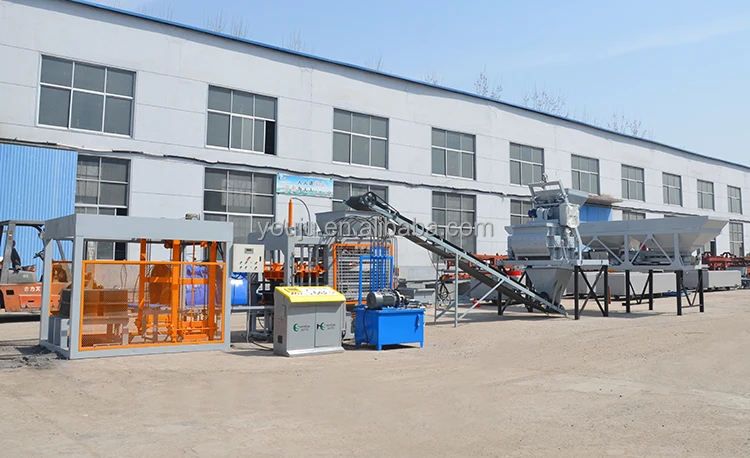
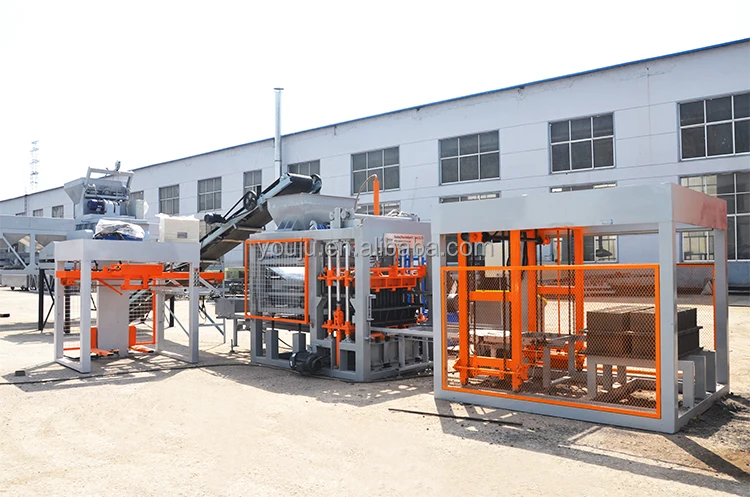
The QT5-15 is specified as part of a complete press system — mould, pallet, and handling equipment are sized together so cycle times at each station align. Capacity calculations are stated per block format rather than as a single headline figure, so the buyer knows what to expect on the product they actually sell. Automation level is selectable, allowing a plant to start with core press automation and add pallet stacking later. Mould design covers the formats the local market demands, including custom drawings when a standard mould does not fit. Installation support includes operator training on the PLC interface and recipe setup.
Documentation & Verification
- Line layout and capacity calculation stating the block format assumed for each output figure
- Hydraulic and electrical schematic matched to confirmed voltage and frequency
- PLC fault code list with language confirmation before dispatch
- Factory test record run on buyer’s specified block format
- Operation and maintenance manual covering recipe setup and mould change procedure
- Wear parts and mould list with reorder references
Installation, Commissioning & Support
- Foundation pad sized to 7,400×1,950 mm footprint with vibration isolation provisions
- Dedicated circuit rated for 26.5 kW total motor load at confirmed voltage
- PLC language file loaded and tested against buyer confirmation before shipment
- Recipe parameters set for buyer’s block format during on-site commissioning
- Operator training covering fault diagnosis response and mould change sequence
- Wear parts list and hydraulic seal kit supplied for first-year maintenance
What to Include in Your Inquiry
To configure the QT5-15 for your plant, provide the target block formats with dimensions, the local aggregate type and mix proportions you intend to use, and the daily output volume you need per format. Include your site voltage, frequency, and preferred PLC display language. If you have existing curing racks or forklifts, share their dimensions so the 1,100×550 mm pallet can be verified against your handling setup.
Frequently Asked Questions
Q: How is real daily output verified for each block format on the QT5-15?
A: Output figures are calculated from the mould cavity count and the 15–20 second cycle time range. The QT5-15 is rated at 7,200–9,600 hollow blocks per 8-hour shift based on 5 cavities at 400×200×200 mm, and 23,040–28,800 solid bricks based on 16 cavities at 240×115×90 mm. Actual output depends on confirmed cycle time for your specific mix.
Q: How do I confirm voltage, frequency, and PLC language before shipment?
A: A voltage and control language confirmation sheet is issued before production. The buyer reviews and signs off on rated voltage, frequency, and PLC display language. The factory test then runs under these confirmed settings, and the electrical schematic is updated to match.
Q: What automation level is standard, and can stacking be added later?
A: The QT5-15 ships as a full automatic press with PLC-controlled cycling, pallet feeding, and fault diagnosis. Automatic stacking and cubing are separate modules that can be added to the line. The PLC architecture supports this upgrade path without replacing the main control unit.
Q: How does the PLC fault diagnosis work during and after commissioning?
A: The system monitors hydraulic pressure and vibration motor current continuously. When a parameter falls outside the recipe threshold, the PLC halts the cycle and displays the fault code with a description. Remote scrutiny capability allows off-site engineers to connect and assist with diagnosis without travelling to the plant.
Q: How is vibration matched to my local aggregate before the machine is built?
A: The vibrating frequency range of 2,800–4,500 rolls/min is adjustable per recipe. During commissioning, the frequency profile is tuned to the buyer’s mix design and aggregate gradation. The PLC stores this profile so the automatic PLC controlled concrete block making machine reproduces it consistently on every subsequent shift.