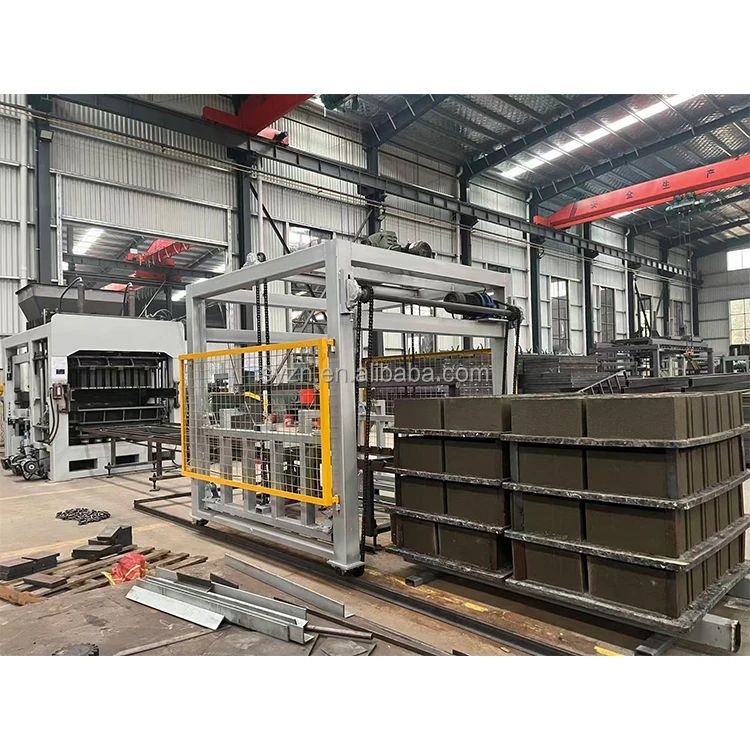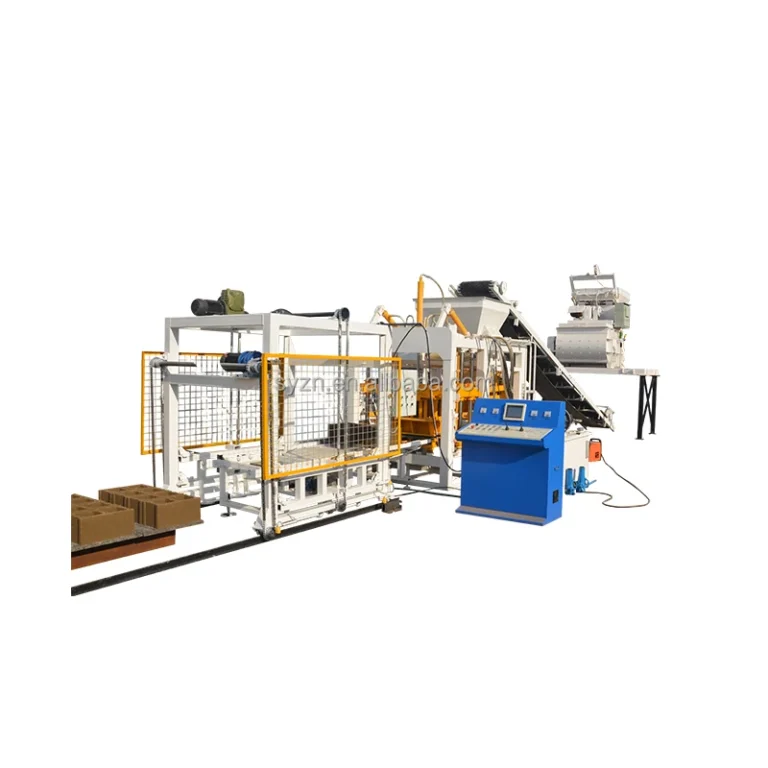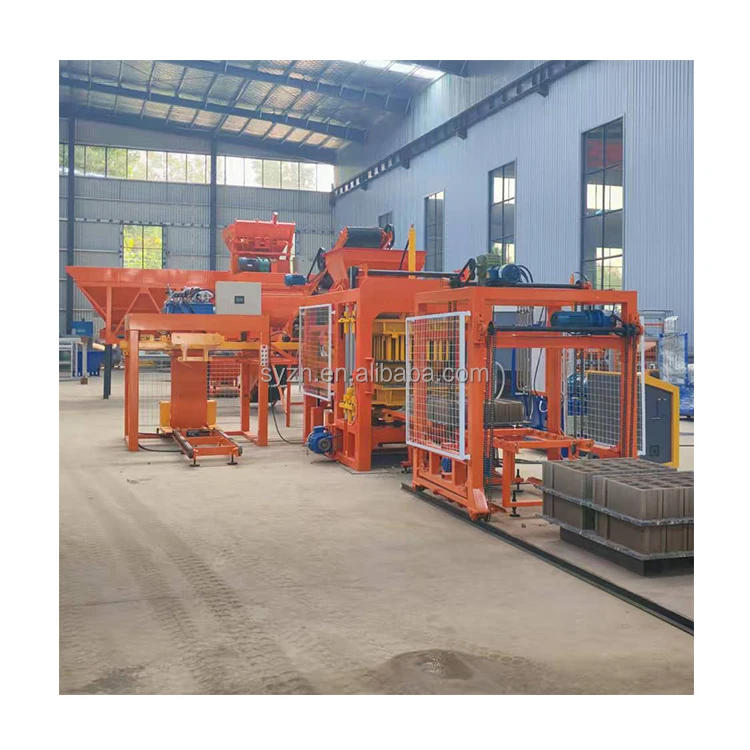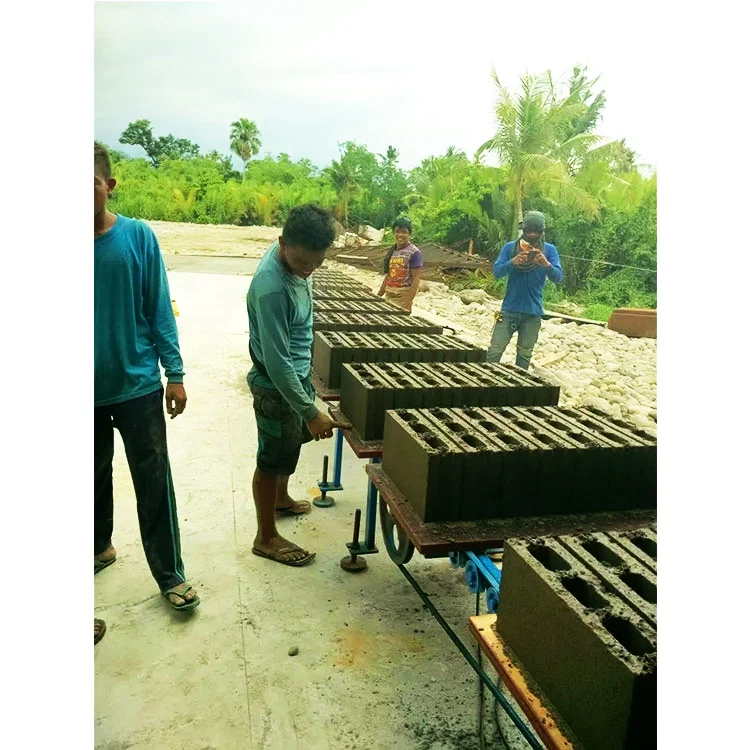
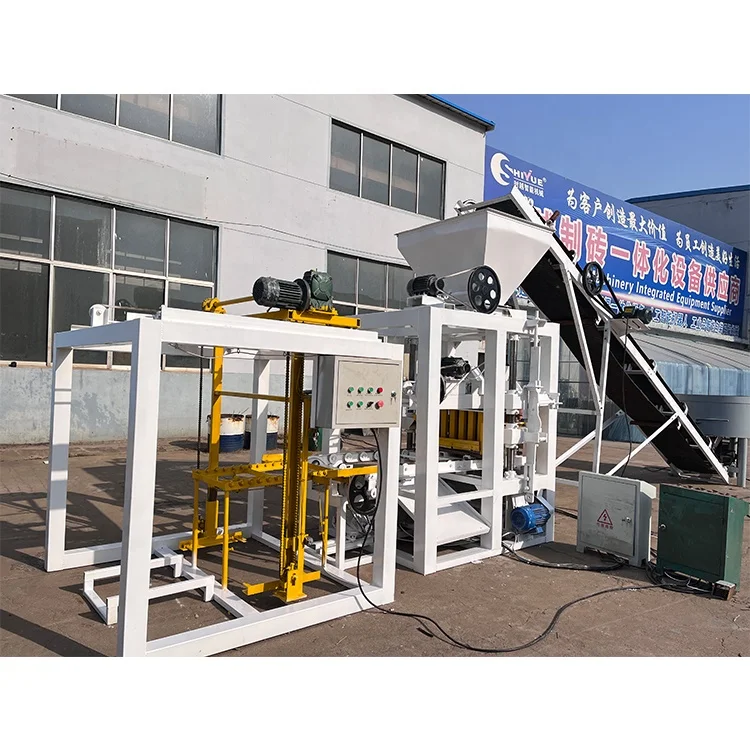
Description
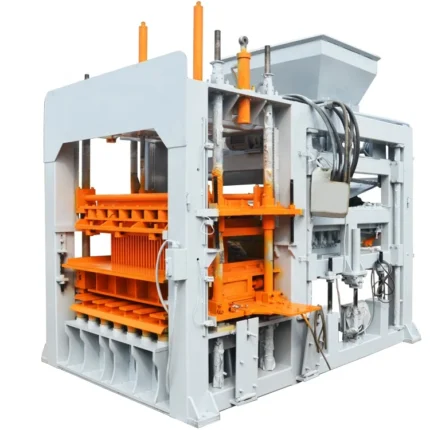
Matched Control System — The QTJ4-24 is configured against the buyer’s actual block format and local mix, so semi-automatic electrical interlocks become a known baseline for future automation stages rather than an untested starting point.
Technical Specifications
| Parameter | Value |
|---|---|
| Model | QTJ4-24 |
| Product Type | Semi-Automatic Concrete Block Making Machine |
| Main Machine Power | 11.95 kW |
| Overall Dimensions (L×W×H) | 3600 mm × 1700 mm × 2560 mm |
| Total Mass | 3.5 T |
| Pallet Size | 900 mm × 450 mm |
| Molding Cycle | 24–26 s |
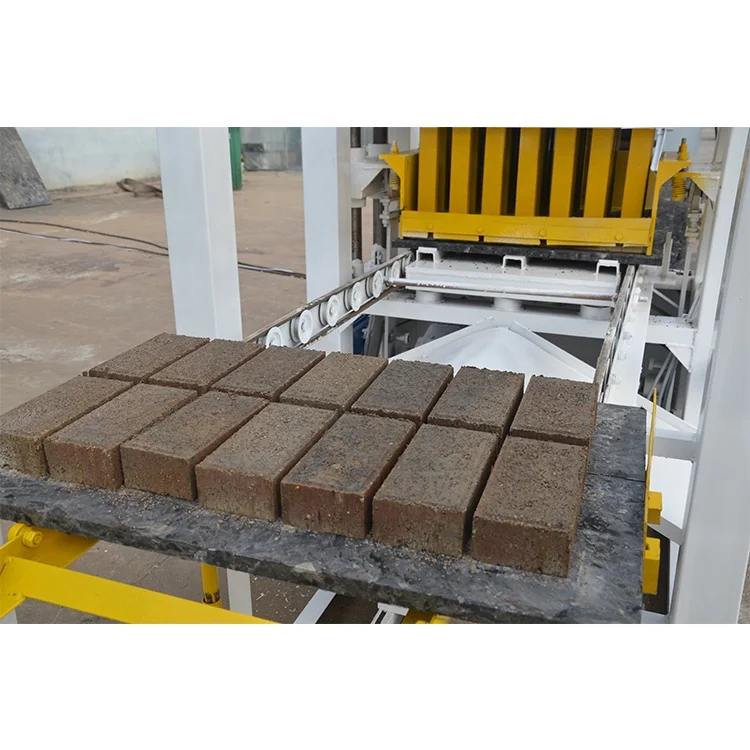
| Mould Formats & Pieces per Mould | 400×200×200 mm (4 pcs), 390×240×190 mm (3 pcs), 390×120×190 mm (6 pcs), 240×115×53 mm (21 pcs) |
| Vibration Type | Table vibration feeding, fluctuation vibration molding |
| Feeding Method | Manual feeding (two feed-way options) |
| Automation Level | Semi-automatic (mechanical + manual operation, electrical control interlock) |
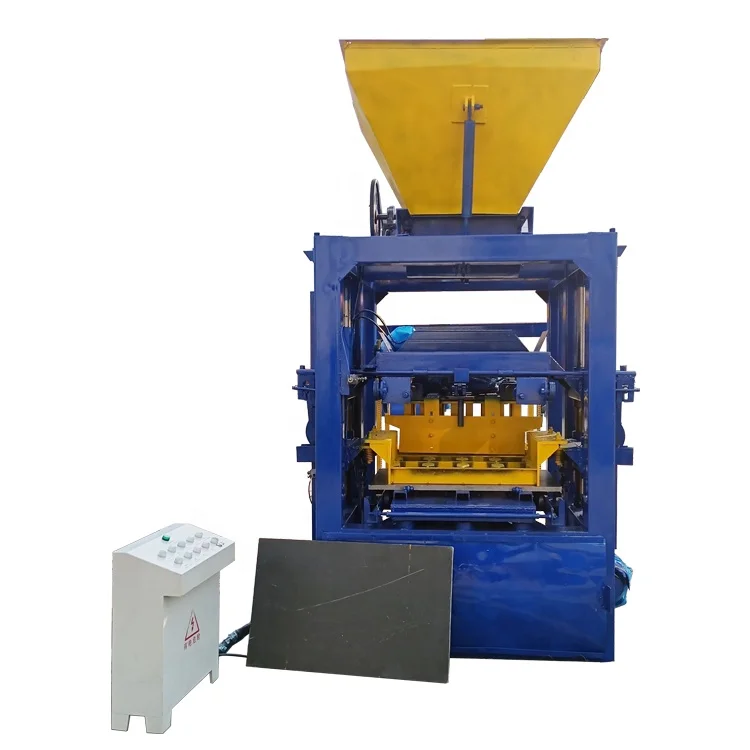
| Control System | Electrical control cabinet with interlock (PLC available as upgrade option) |
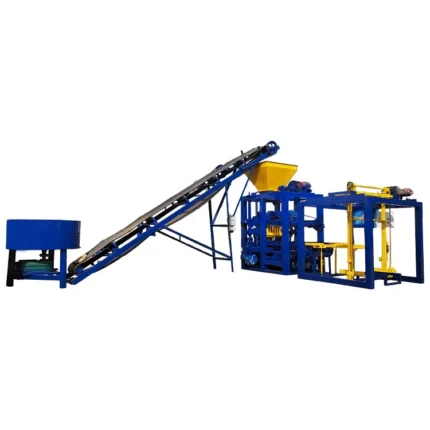
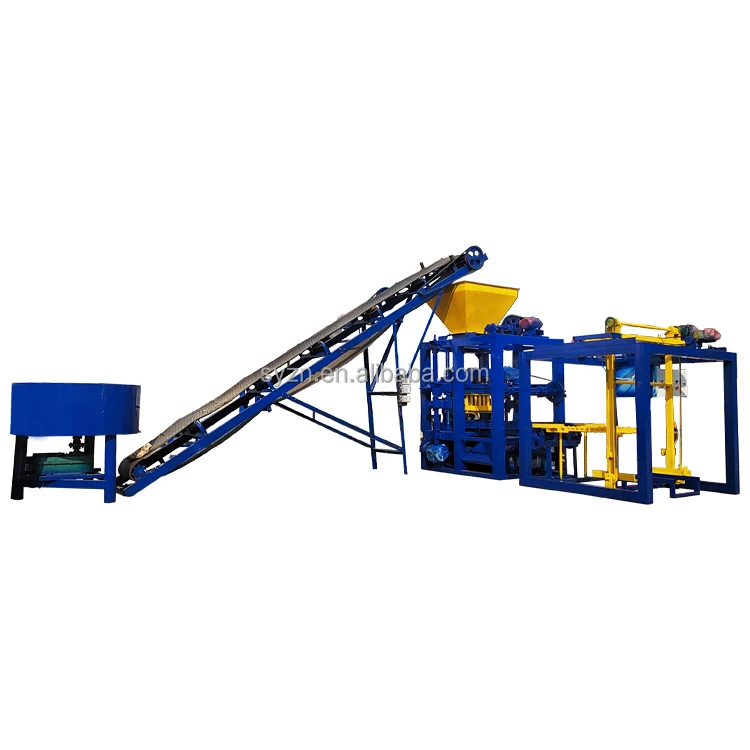
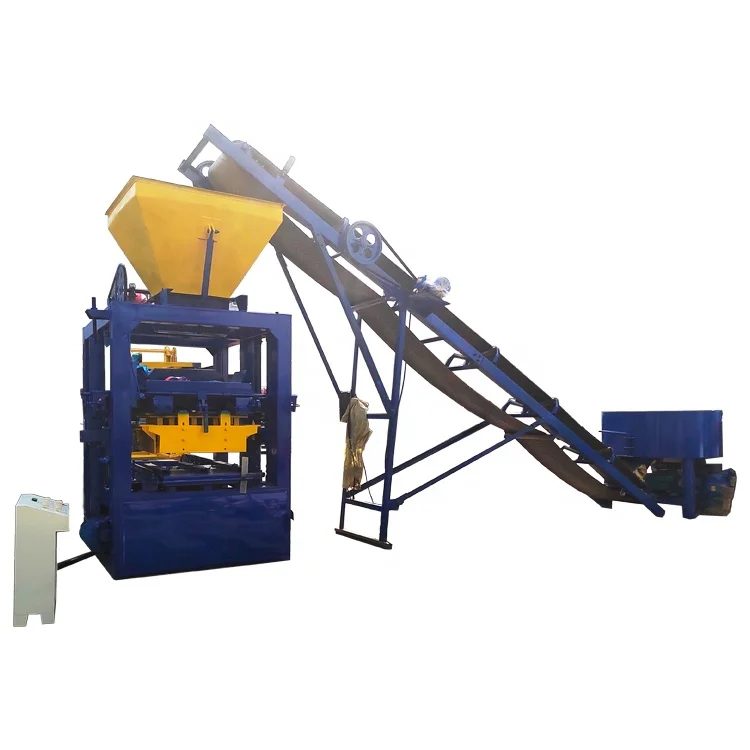
| Recommended Companion Equipment | J350 or JQ350 / JQ500 vertical mixer, 6 m or 8 m belt conveyor |
| Warranty | 1 year for the whole machine (excluding spare parts) |
Application Suitability
| Application | Material or Output |
|---|---|
| Hollow block production | Crushed stone, river sand, and cement blends for structural masonry |
| Solid block production | Dense aggregate mixes for load-bearing walls and foundations |
| Paving brick production | Fine sand and cement for walkways, driveways, and yard surfaces |
| Standard brick production | Clay替代 mixes for 240×115×53 mm facing and partition bricks |
| Small-scale block plants | Start-up operations with limited capital and manual labour availability |
What "Semi-Automatic" Actually Means on the Shop Floor
The term defines what the control cabinet handles, not what the operator still does by hand.
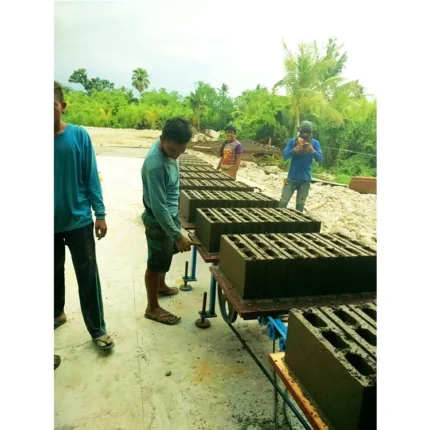
Many buyers see "semi-automatic" and assume pallet feeding or stacking is included, only to find out on arrival that the cycle stops after molding. The automatic QTJ4-24 block machine designation refers to the electrical interlock that sequences upper and lower vibrators with mechanical movements, preventing out-of-order operation that damages the press. Manual feeding, pallet handling, and stacking remain operator tasks at this tier. Understanding this boundary is the difference between a line that runs as planned and one that requires three extra bodies on day one [NEED_CITE: semi-automatic vs automatic definitions in concrete block machinery].
Where the Control Cabinet Draws the Line
The QTJ4-24 uses an electrical control cabinet with interlocks rather than a full PLC-controlled block machine upgrade. This means the press will not fire the upper vibrator if the mould box is out of position, and the feeder will not advance if the pallet is missing. What it does not do is automate the material feed, pallet circulation, or wet product stacking. Every cycle depends on an operator placing the pallet, pulling the feed lever, and moving the green block off the table. The semi-automatic scope is real, but it is narrower than the term suggests to first-time buyers.
The Upgrade Path from Interlock to Programmable Logic
Plant owners who start with electrical interlock controls and later want batch-to-batch consistency typically move to a PLC-controlled block machine upgrade that adds automatic batching, pallet indexing, and stacking. The QTJ4-24 sits at the entry point of that path. Its mechanical frame and vibration system remain the same; what changes is the control layer, the pallet handling system, and the addition of sensors that remove timing from the operator’s hands. Knowing this architecture before purchase means the machine can be specified with future sensor mounting points and conduit routes already in place [NEED_CITE: PLC retrofit requirements for semi-automatic block presses].
Reading the Specs That Determine Block Strength
The vibration system combines table vibration feeding with fluctuation vibration molding. Table vibration settles the mix into the mould cavity, while fluctuation vibration applies compaction force during the press stroke. Together they determine how densely the aggregate packs and, consequently, the block’s compressive strength. The 24–26 second molding cycle is the baseline for a standard hollow block format; smaller solid brick formats complete faster, and larger paver formats may require longer dwell. The 11.95 kW main machine power drives both vibrators and the mechanical feed, so voltage stability at the site directly affects whether full vibration force reaches the mould on every cycle. The 900 mm × 450 mm pallet size must match the curing rack spacing and forklift tine width the buyer already operates.
The Cost of Ignoring What Remains Manual
When buyers treat semi-automatic as a synonym for "mostly automated," they under-budget for labour and overestimate daily output. A QTJ4-24 running with manual pallet handling typically needs one operator at the feed, one at the mould release, and one stacking at the curing area. If the curing yard is fifty metres away and no conveyor or trolley is planned, the bottleneck shifts from the press to the walk. Pallet return becomes the limiting factor, not the 24–26 second cycle. This mismatch does not show up in the quotation; it shows up in the first week when the crew cannot keep the press fed [NEED_CITE: labour allocation in semi-automatic block plants].
Why Buyers Stay With This Configuration
- Block machinery as a single focus means the QTJ4-24, its moulds, pallets, and companion mixer are specified as one matched system rather than assembled from separate suppliers.
- The vibration force and hydraulic pressure — where applicable — are set against the buyer’s actual mix design and local aggregate, not a catalogue default.
- Mould design covers the formats the buyer’s market sells, including custom drawings for non-standard block sizes.
- Automation level is selectable, so a buyer can start with the QTJ4-24’s electrical interlock and add PLC-controlled block machine upgrade stages as volume grows.
- Installation includes operator training on the specific control cabinet supplied, not a generic video.
Documentation & Verification
- Line layout showing QTJ4-24 placement with pallet return route and curing area dimensions
- Capacity calculation stated per block format, not a single cycles-per-hour figure
- Electrical schematic of the interlock cabinet with voltage and frequency marked
- Mould drawing and format list for all four stated mould sizes
- Factory test record on the buyer’s specified block format before dispatch
- Operation and maintenance manual with wear parts list and mould change procedure
Installation, Commissioning & Support
- Precast concrete foundation required; overall dimensions 3600×1700×2560 mm must fit within workshop bay
- Dedicated circuit for 11.95 kW main power; confirm site voltage and frequency before production
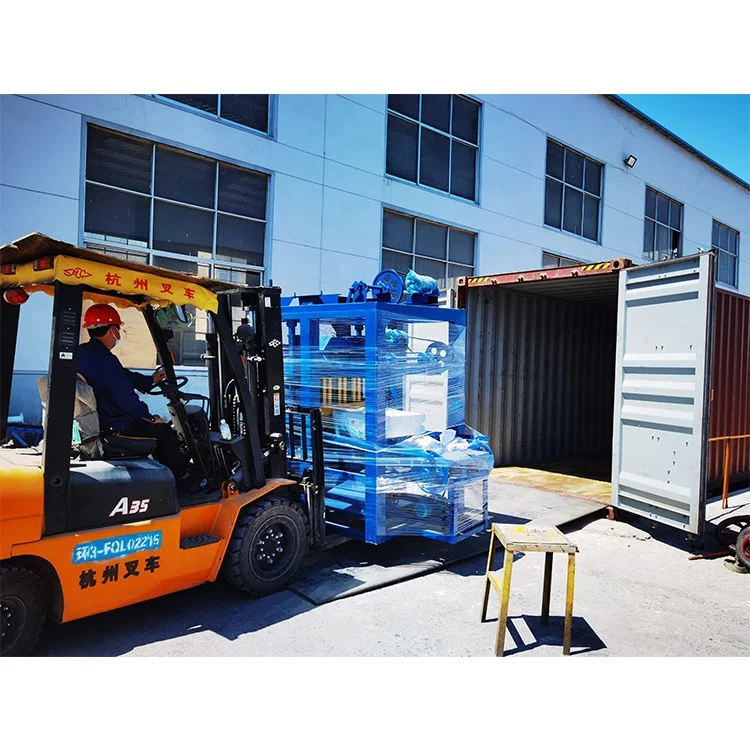
- Machine ships as a stationary unit; companion mixer and belt conveyor arrive separately and bolt on site
- First-day commissioning includes vibration timing adjustment against the buyer’s mix sample
- Operator training covers interlock cabinet fault diagnosis and manual pallet change sequence
- Wear parts list provided at handover with recommended reorder intervals for vibration springs and mould liners
Before You Request a Quote
Confirm your target block format and the daily volume you actually need to sell, not the peak you hope to reach. Provide your local raw material source — river sand, crushed stone, or fly ash — and whether you have tested the mix on any existing press. State your workshop voltage, frequency, and the language your operators read on a control display. If you already run pallets of a specific size in your curing yard, share those dimensions so the 900×450 mm pallet can be validated against your existing racks and forklifts.
Frequently Asked Questions
Q: What automation stages does the QTJ4-24 include, and which remain manual?
A: The QTJ4-24 includes electrical control interlocks that sequence the upper and lower vibrators with mechanical movements, preventing out-of-order operation. Manual tasks include placing the pallet on the vibration table, pulling the feed lever, and stacking green blocks onto curing racks. Automatic pallet feeding, stacking, and cubing are not part of this configuration and would require an upgrade to a higher automation tier.
Q: How does the control system language and voltage get confirmed before shipment?
A: Voltage, frequency, and display language must be stated before production begins. The electrical control cabinet is built to the confirmed specification, and the factory test runs on that voltage before dispatch. If the buyer’s site voltage differs from the order, the cabinet may require transformer adjustment or rewiring, which delays commissioning.
Q: What is the realistic cycle time per block format, and how is daily output calculated?
A: The stated molding cycle of 24–26 seconds applies to the 400×200×200 mm hollow block format at four pieces per mould. Smaller formats such as the 240×115×53 mm brick complete faster, and daily output depends on shift length, pallet return speed, and operator count. A capacity calculation per format should be requested rather than a single hourly figure.
Q: Can the QTJ4-24 be upgraded to full PLC-controlled automatic stacking and cubing later?
A: The mechanical frame and vibration system remain compatible with a PLC-controlled block machine upgrade that adds automatic pallet feeding, stacking, and cubing. The upgrade requires replacing the electrical interlock cabinet with a PLC unit, adding sensors and actuators, and installing the pallet handling system. Planning sensor mounting points at the initial purchase simplifies the later transition.
Q: How do vibration force and compaction method affect block strength consistency across batches?
A: The QTJ4-24 uses table vibration feeding to settle the mix and fluctuation vibration molding to compact it. Consistency depends on maintaining the same mix ratio, moisture content, and aggregate grading across batches. If the local sand source changes without adjusting the vibration timing or feed volume, block strength can drift outside the required range.