Description
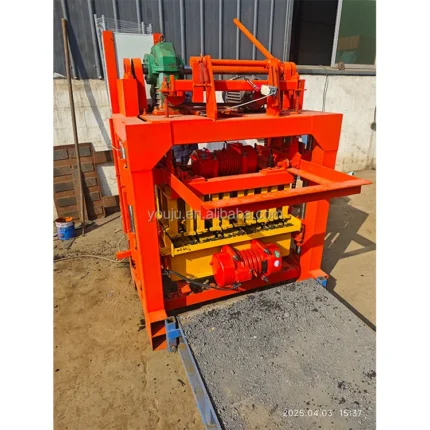
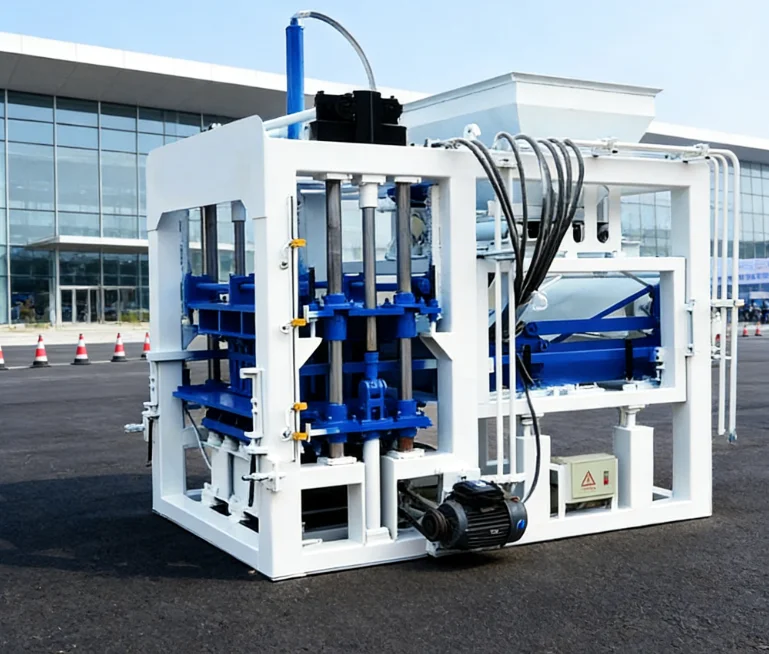
Single Focus, Configured for Your Local Material — The QTJ4-35 block machine is specified against your actual mix design and target block format, with automation components selectable as a matched system rather than a catalogue default.
Technical Specifications
| Parameter | Value |
|---|---|
| Model | QTJ4-35 |
| Product Type | Stationary Block Making Machine |
| Overall Dimensions (L×W×H) | 2050 × 1660 × 1900 mm |
| Rated Vibration Force | 35 kN |
| Vibration Form | Platform Vibration |
| Vibration Frequency | 2800 r/min |
| Pallet Size | 850 × 450 mm |
| Molding Cycle | 35 s (basis to be confirmed per block format and mix) |
| Overall Power | 9.7 kW |
| Net Weight | 1500 kg |
| Demolding Method | Vibration |
| Recommended Factory Area | 260 m² |
| Automation Level | Semi-automatic with manual pallet handling; upgrade path available |
| Voltage & Frequency | Configurable; confirm local supply before production |
| Control System | PLC or MCC control available depending on automation tier |
Application Suitability
| Application | Material or Output |
|---|---|
| Small-scale hollow block production | Crushed stone, sand, cement, fly ash |
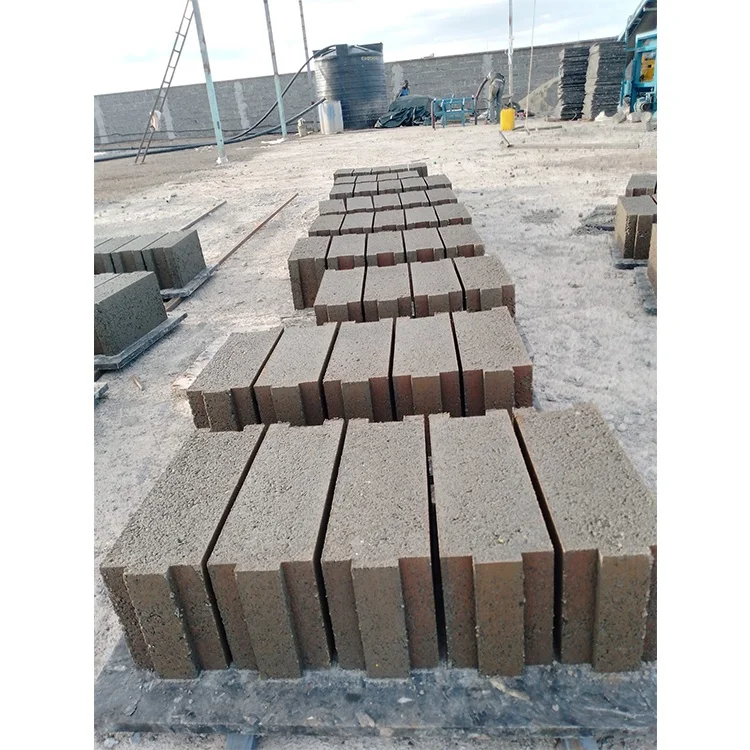
| Solid block manufacturing for local construction | Gravel, sand, cement blends |
| Interlocking paver production | Colored concrete mixes with fine aggregates |
| Curbstone and kerbstone for infrastructure | High-density concrete with coarse aggregate |
| On-site block production for contractors | Locally sourced sand, dust, slag, and cement |
Why "35-Second Cycle" Means Different Things to Different Buyers
A cycle time only matters when tied to a specific block format, pallet handling method, and local raw material.
When I first started installing block machines in West Africa, a buyer ordered a semi-automatic press based on a quoted cycle number alone. The machine arrived, ran fine on test day, and then daily output dropped sharply because the local river sand carried high clay content, forcing longer vibration to achieve acceptable density. The press was not at fault — the cycle had simply never been matched to that material [NEED_CITE: effect of clay content on concrete block vibration time]. With the QTJ4-35, we confirm your block format, pallet handling method, and aggregate source before the molding cycle is finalized, so the capacity calculation reflects your actual conditions rather than a laboratory sample. This is especially critical for buyers evaluating an automatic QTJ4-35 block machine configuration, where downstream pallet feeders and stackers must match the true press cycle to avoid bottlenecks.
What Automation Actually Removes from the Operator
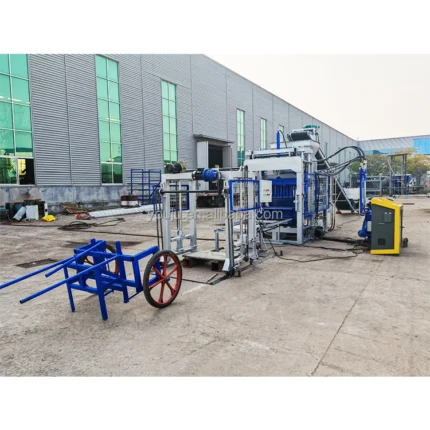
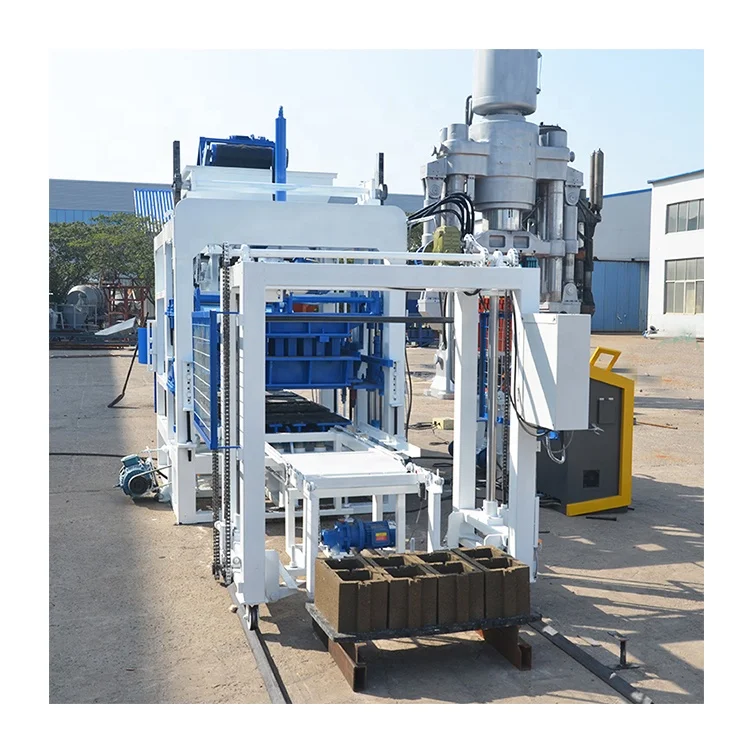
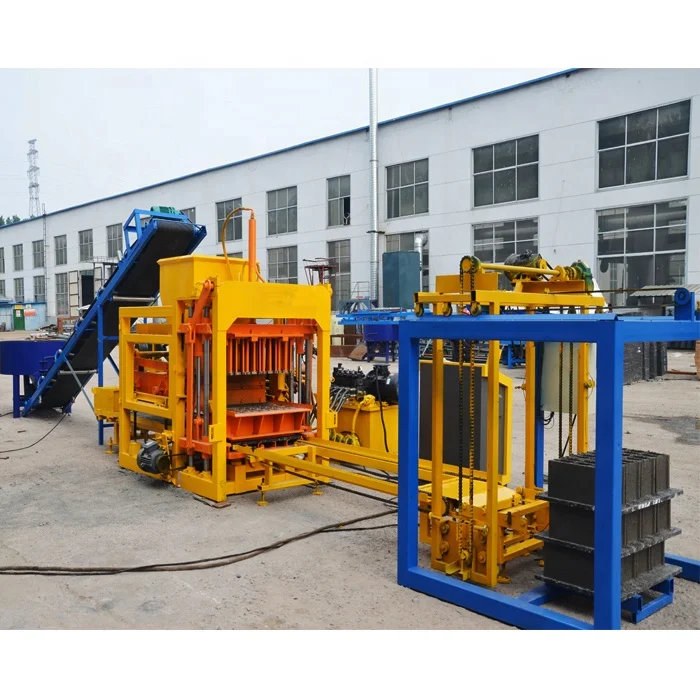
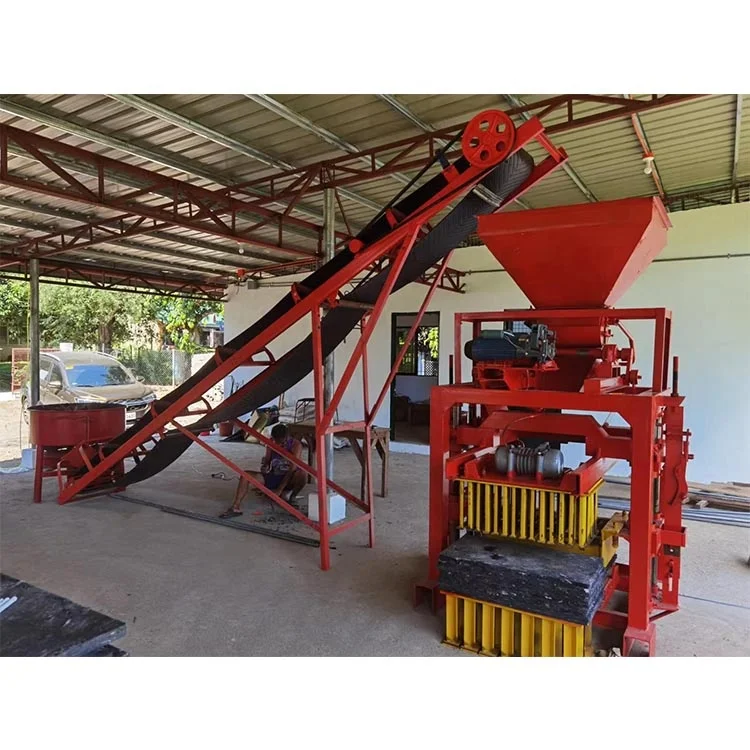
The base QTJ4-35 operates as a semi-automatic press with manual pallet handling, meaning an operator feeds empty pallets and removes loaded ones after each cycle. For a first-time plant owner, this keeps the initial investment contained while the block format and local market demand are still being established. As volume grows, the line can accept an automatic pallet feeder, a stacker, and eventually a cubing station — each added as a separate module rather than requiring a full press replacement. The PLC controlled block machine configuration becomes relevant at this stage, tying batching accuracy, pallet indexing, and press cycling into a single control loop that removes timing errors between stations.
Where the Control System Earns Its Keep
Consistency across batches is where a PLC controlled block machine separates itself from manual operation. The control system stores vibration duration, pressure hold time, and feed volume for each block format, so switching from a 150 mm hollow block to a 60 mm interlocking paver does not depend on operator memory. In markets where a single plant supplies multiple block types across a construction season, this format recall reduces the scrap that accumulates during changeovers [NEED_CITE: scrap rates in multi-format block production]. The QTJ4-35 supports configurable control languages on the PLC display, which avoids the situation I have encountered where a commissioning engineer spent the first two days translating error codes for the local operator before any blocks were produced.
Reading the Specs That Actually Affect Your Output
The 35 kN rated vibration force and 2800 r/min frequency define the energy delivered to the concrete mix during compaction. Higher force is not always better — a fine sand mix with low cement content can segregate under excessive vibration, leaving weak zones in the finished block. The platform vibration form on the QTJ4-35 directs energy upward through the pallet, which suits standard hollow and solid block formats. The 850 × 450 mm pallet size determines how many blocks are produced per cycle and must align with the curing rack spacing and forklift capacity already present at the buyer’s site. The 9.7 kW overall power rating means the machine can run on a standard three-phase industrial supply in most export markets, but voltage and frequency must be confirmed — I have seen a 50 Hz press arrive at a 60 Hz site, where the vibration motor ran overspeed until the winding failed within the first week. The 1500 kg net weight provides a stable base for the vibration force without requiring a deep foundation, though a level concrete pad within the recommended 260 m² factory area is necessary for consistent demolding.
The Cost of Skipping the Voltage Conversation
When voltage, frequency, and control display language are not confirmed before production, the problems surface after the machine arrives. A PLC that displays fault codes in a language the operator cannot read turns a minor sensor issue into a multi-day outage. A motor wound for the wrong frequency runs at the wrong speed, altering vibration force and producing blocks that fail strength tests [NEED_CITE: motor frequency mismatch consequences in industrial equipment]. These are not manufacturing defects — they are specification gaps that could have been resolved during the quotation stage. Every buyer of an automatic QTJ4-35 block machine should request written confirmation of these three parameters before the production order is placed.
What Makes This Supply Relationship Different
Block machinery is our single focus, which means the press, mould, pallet, and handling equipment are specified as one system rather than sourced from separate suppliers and assembled on site. The QTJ4-35 configuration is set against your actual mix design and local aggregate, not a catalogue default that assumes materials you cannot obtain. Mould design covers the formats your market actually sells, with custom drawings accepted when standard formats do not match local demand. The automation level is selectable, so you can commission a semi-automatic line today and add pallet feeding or stacking modules as your output requirement grows. Installation includes operator training focused on your specific block formats and mix, not a generic startup procedure. Spare moulds and hydraulic wear parts are documented before shipment so that the first replacement does not become a sourcing problem.
Documentation & Verification
- Machine specification sheet listing confirmed voltage, frequency, and PLC language
- Mould drawing and format list covering your ordered block types
- Pallet specification matched to your curing area dimensions
- Hydraulic and electrical schematic for local maintenance teams
- Factory test record on your block format before dispatch
- Operation and maintenance manual in your operator’s language
Installation, Commissioning & Support
- Level concrete pad required within the 260 m² recommended area before the QTJ4-35 arrives
- Three-phase power supply at confirmed voltage with dedicated circuit for the 9.7 kW load
- Machine shipped as a single unit; vibration platform and hopper assembled on site
- Commissioning includes cycle timing validation against your actual mix and block format
- Operator training covers PLC navigation, mould change procedure, and daily maintenance checkpoints
- Wear parts list provided at shipment with reorder lead times for your region
What We Need to Quote Accurately
To configure the QTJ4-35 for your site, we need to know which block formats you plan to produce and the daily volume target for each. Share your local aggregate type and any available mix design data, along with the voltage and frequency at your facility. If you have existing curing racks or forklifts, their dimensions help us select the correct pallet size and handling equipment.
Frequently Asked Questions
Q: How is daily output calculated, and which block format does the cycle time assume?
A: The 35-second molding cycle is a baseline that varies depending on block format, mix design, and pallet handling method. We calculate daily output per specific block type — for example, a 400 × 200 × 200 mm hollow block yields a different figure than a 60 mm interlocking paver. The capacity sheet you receive will state the format assumed so you can compare it against your actual production plan.
Q: What automation upgrades are available from the base semi-automatic configuration?
A: The QTJ4-35 supports staged upgrades starting with an automatic pallet feeder, followed by a stacking station and eventually a cubing system. Each module integrates with the existing PLC, so you do not replace the press when adding automation. We scope the upgrade path during initial quotation so electrical and mechanical interfaces are already in place.
Q: Is the voltage, frequency, and control language confirmed before production?
A: Yes. We require written confirmation of your site voltage, supply frequency, and preferred PLC display language before the machine enters production. This prevents commissioning delays caused by motor rewinding or control panel modifications after the machine has arrived at your facility.
Q: How is the vibration force matched to my local aggregate and block strength requirement?
A: The 35 kN rated force and 2800 r/min frequency are adjusted during commissioning based on your mix design and target block density. A high-clay sand requires different vibration duration than clean crushed stone. We validate the setting during the factory test using your confirmed material data before the machine ships.
Q: What mould formats are available, and how long does a mould change take?
A: Standard moulds cover hollow blocks, solid blocks, interlocking pavers, and curbstones in sizes common to your market. Custom moulds are produced to your drawings when standard formats do not match local demand. Mould change time depends on the format and whether quick-release clamps are specified in your configuration.