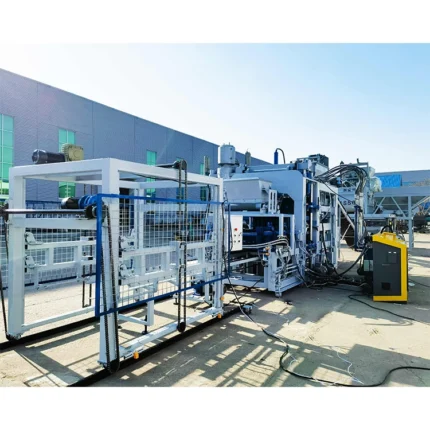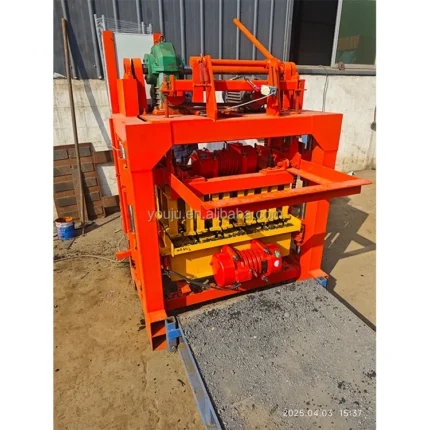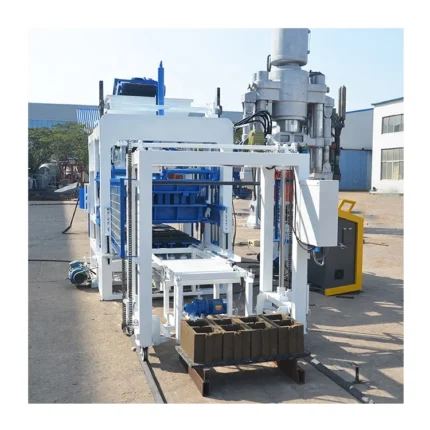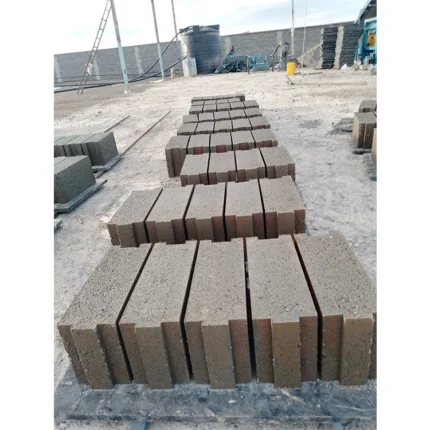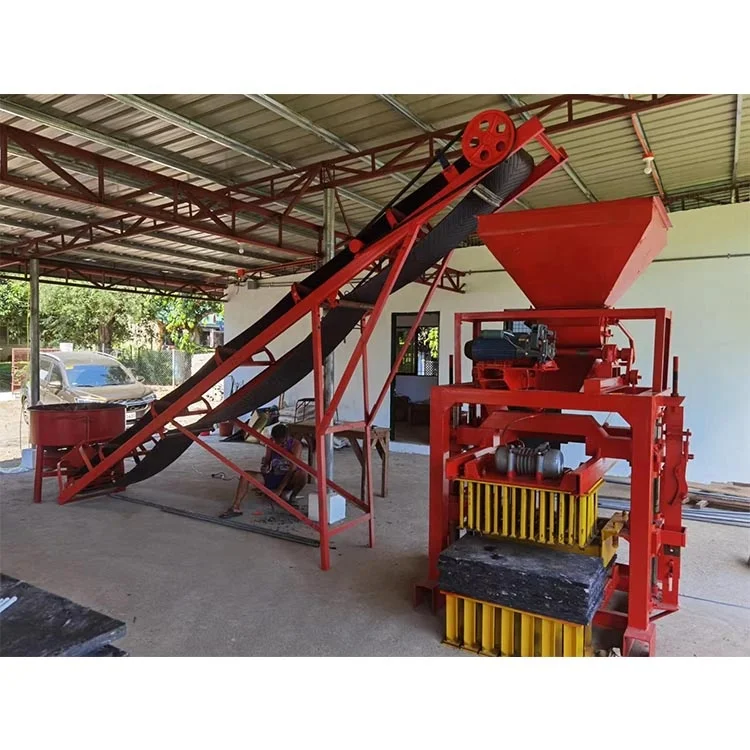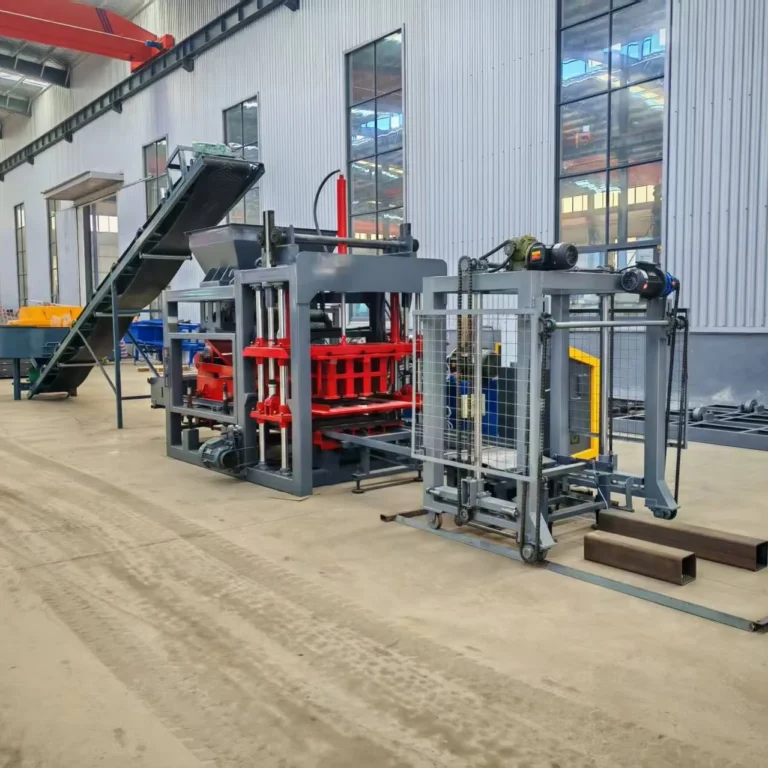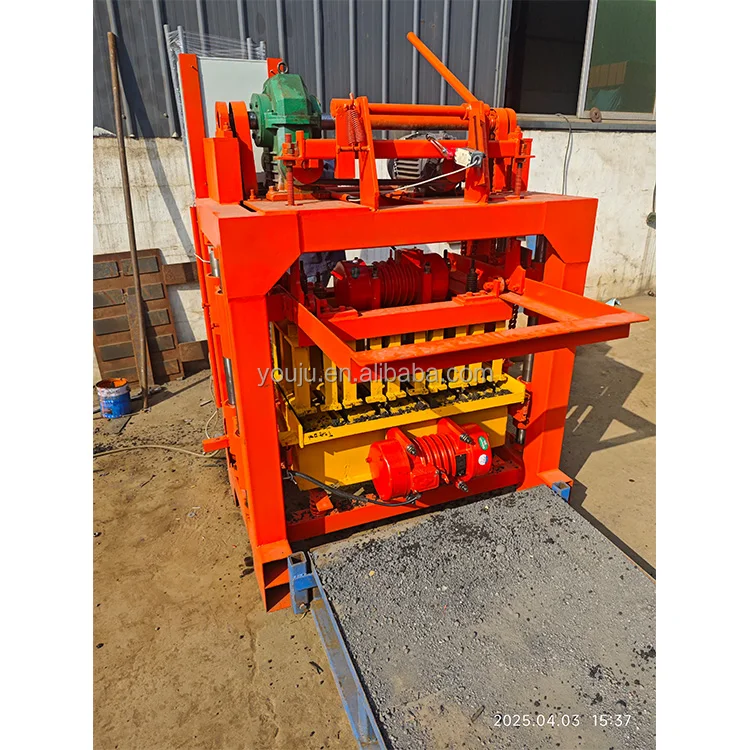


Description
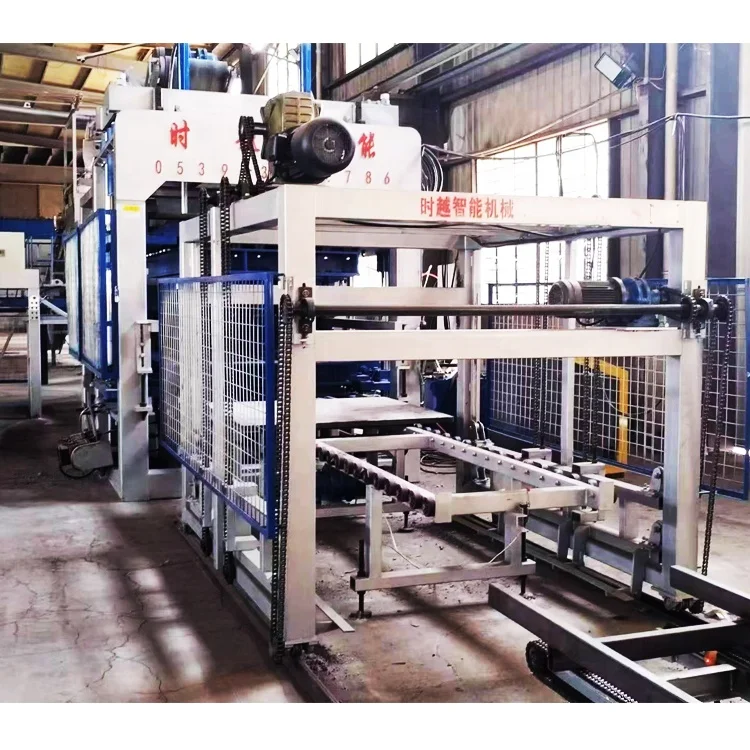
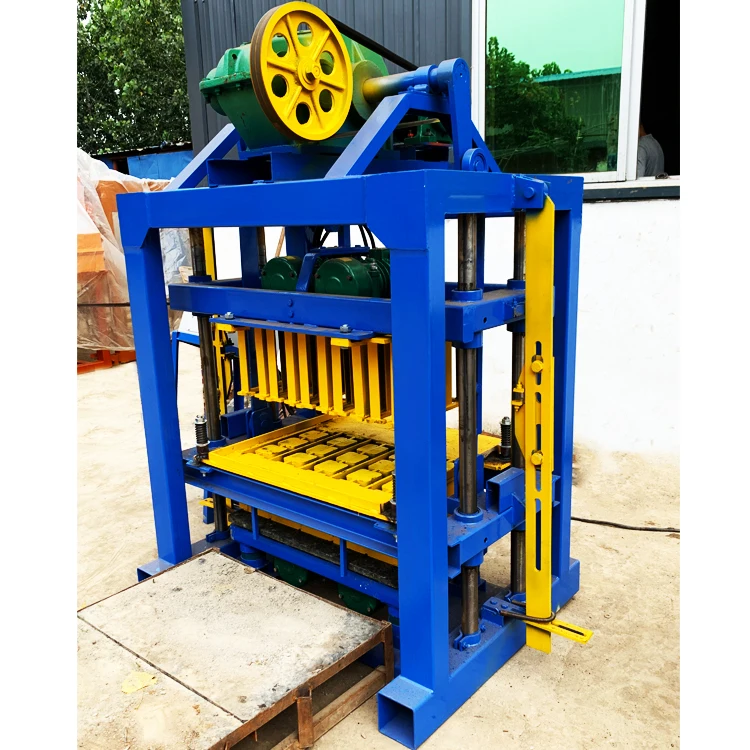
Upgrade-path engineering — the QTJ4-40 press is delivered with semi-automatic controls as standard and accepts future pallet-feeding and stacking modules without a frame swap, so automation grows with your market demand.
Technical Specifications
| Parameter | Value |
|---|---|
| Model | QTJ4-40 |
| Product Type | Semi-Automatic Concrete Block Making Machine |
| Overall Dimensions (L×W×H) | 1350×1460×1800 mm |
| Net Weight | 1.2 T |
| Rated Power | 10.4 kW |
| Molding Cycle | 40 s |
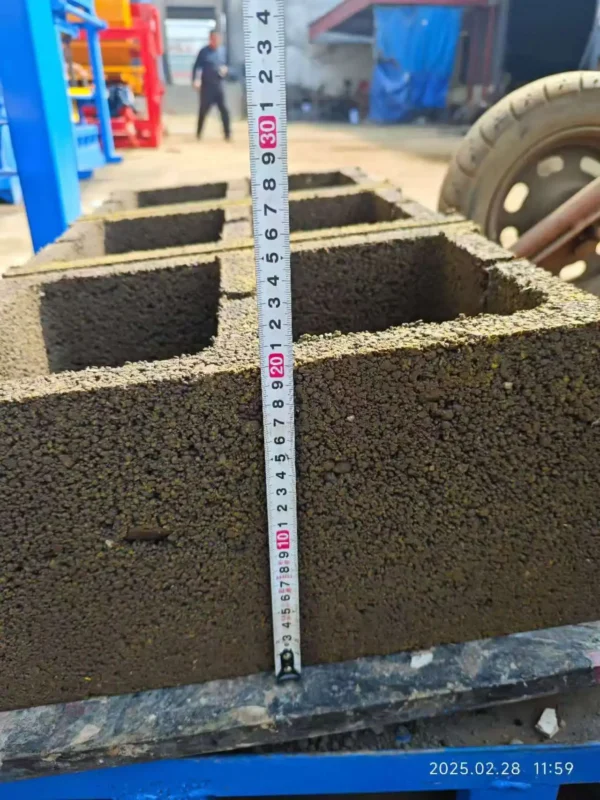
| Output Capacity (Hollow 400×200×200 mm) | 4 pcs/mould, 360 pcs/hour, 2880 pcs/day |
| Output Capacity (Hollow 400×150×200 mm) | 5 pcs/mould, 450 pcs/hour, 3600 pcs/day |
| Output Capacity (Solid 225×112.5×60 mm) | 9 pcs/mould, 800 pcs/hour, 6400 pcs/day |
| Pallet Size | 850×450×20 mm |
| Vibration System | Bed mould vertical vibration + upper mould compression vibration |
| Automation Level | Semi-automatic (upgrade path available for pallet feeding and stacking) |
| Control System | Semi-automatic (PLC / MCC configurable to buyer’s requirement) |
| Voltage | Configurable to buyer’s local voltage, frequency and phase (to be confirmed before production) |
| Mould Formats | Hollow, solid, paver (8", 6", 5", 4" and custom sizes on request) |
| Raw Materials | Concrete, sand, cement, fly ash, lime, gypsum |
| Assembly State | Host machine + mixer + mould + pallets (mixer and pallets optional) |
Application Suitability
| Application | Material or Output |
|---|---|
| Small-to-medium hollow block plant | Concrete and fly ash mixes for 8", 6", 5", 4" hollow formats |
| On-site solid block production for building contractors | Cement, sand and local aggregate blends for load-bearing walls |
| Paver production for housing and landscaping projects | Fine aggregate and cement mixes for interlocking and rectangular pavers |
| First block plant for entrepreneurs | Semi-automatic start with hollow and solid format flexibility |
What "2,880 Pieces per Day" Leaves Out When the PLC Is Not Specified
Block-to-block consistency depends on whether the vibration sequence and compression timing are locked in software or left to operator judgement.
I have watched crews in Southeast Asia run semi-automatic machines like the QTJ4-40 for weeks before anyone noticed that the operator was shortening the vibration phase whenever the mixer fell behind. The blocks looked fine on the pallet, but crush strength dropped below what the site engineer required, and a full batch had to be culled before the masonry foreman accepted them. That kind of drift is invisible until it costs you a rejection [NEED_CITE: common causes of concrete block strength variability in small-plant operations].
The automatic QTJ4-40 block making machine removes that variable by holding the vibration and compression intervals at programmed values for every cycle. When the aggregate moisture changes or the cement delivery is delayed, the press keeps the same rhythm; only the raw material needs adjustment.
How the Control Sequence Removes Batch-to-Batch Drift
The PLC-controlled semi-automatic block machine stores one cycle profile per mould format, so switching from a 400×200×200 hollow block to a 225×112.5×60 solid brick recalls the exact vibration amplitude and compression hold time that the factory test validated. Operators cannot trim seconds off the cycle to chase a quota, because the timer does not release the upper mould until the programmed sequence finishes. That discipline matters most when the same plant runs two shifts with different crews; the control system is the only constant between them.
Where Automation Stops and Where It Can Continue
In its baseline configuration, the QTJ4-40 handles moulding and vibration automatically while the operator feeds pallets and stacks cured blocks by hand. That split is deliberate: it keeps the investment low for a first plant while leaving mechanical and electrical interface points for an automatic pallet feeder, a stacker, and eventually a cubing station. When the market justifies the next step, the upgrade bolts onto the existing frame and the PLC program expands to cover the new stations, so the press itself does not become obsolete [NEED_CITE: typical automation upgrade stages for stationary concrete block plants].
Reading the Numbers That Actually Matter on Site
The 40-second molding cycle is the baseline for the standard hollow and solid formats listed above; denser paver mixes may require a longer vibration phase that the PLC can accommodate without a hardware change. Rated power at 10.4 kW covers the vibration motors, upper mould compression, and the mixer drive when the standard pan mixer is included, so the total connected load for the basic line stays within a modest supply transformer. The 850×450×20 mm pallet size must match your existing curing racks and forklift tine spacing before the order is placed — a mismatch here forces manual repalletising after every cycle. Vibration force and hydraulic pressure values are set during commissioning against your specific aggregate and mix design, not fixed at a catalogue default, because a high-clay sand will absorb energy differently from clean crushed granite.
What Happens When Control Details Are Skipped at Order Time
Arriving on site to find the PLC display in a language the crew cannot read, or the motor wired for 380 V when the local grid supplies 220 V three-phase, means weeks of idle capital while rewinding motors and sourcing new HMI faceplates. Voltage and control language are the two specifications most often left to assumption, and they are the two that stop commissioning entirely when they are wrong [NEED_CITE: export machinery commissioning delays caused by unconfirmed electrical specifications].
Why Procurement Conversations Start Here
Machine, mould, pallet and handling equipment are specified as one matched system so the vibration force, pallet dimensions and curing rack spacing are internally consistent. Configuration is set against your actual mix design and local aggregate, not a catalogue default, which means the commissioning team adjusts parameters on material you will actually run. Mould design covers the hollow, solid and paver formats your market sells, with custom drawings accepted for non-standard profiles. Automation is selectable in stages, so a buyer can start semi-automatic and add pallet feeding, stacking or cubing as volume grows. Installation includes on-site commissioning with operator training and a documented wear-parts list for the first replacement cycle.
Documentation & Verification
- Capacity calculation sheet stating the exact block format and cycle time assumed for the QTJ4-40
- Electrical schematic showing confirmed voltage, frequency and PLC display language for your site
- Factory test record with dimensional measurements on the ordered mould format before dispatch
- Pallet specification matched to your curing rack spacing and forklift tine dimensions
- Mould drawing and format list for every block profile included in the purchase order
Installation, Commissioning & Support
- 10.4 kW rated load requires a dedicated circuit with confirmed voltage and frequency before energising the QTJ4-40 control panel
- 1350×1460 mm footprint needs a level concrete plinth with anchor points aligned to the vibration bed mounting holes
- Pallet size 850×450 mm verified against your existing curing rack slots and forklift carriage width during pre-shipment review
- Commissioning includes cycle timing adjustment on your local aggregate and mix design, not a generic trial mix
- Operator training covers PLC parameter limits so crews understand which values are locked and which can be tuned
- Wear parts list identifies mould liners and vibration springs with reorder quantities for the first year of production
What to Include With Your Enquiry
Send the target block formats with exact dimensions, the daily output you need per format, and a sample analysis of your local aggregate so the vibration profile can be matched before the machine ships. Confirm your site voltage, frequency and phase, plus the PLC display language your operators will use. If you already have curing racks or forklifts on site, include the pallet dimensions they accept so the 850×450 mm pallet can be validated or adjusted before production begins.
Frequently Asked Questions
Q: How is output capacity calculated per block format, and what cycle time is assumed?
A: Each capacity figure above is based on the 40-second molding cycle with the stated mould cavity count. The hollow 400×200×200 mm figure uses four cavities, the 400×150×200 mm uses five, and the solid 225×112.5×60 mm uses nine. Denser mixes or paver formats may extend the cycle, and the PLC can store a separate profile for each.
Q: What PLC and control language options are available for the HMI?
A: The automatic QTJ4-40 block making machine can be supplied with PLC and HMI configured to your preferred display language, confirmed in writing before production. Language files are loaded at the factory, and the electrical schematic reflects the chosen configuration so on-site electricians have a matching reference during commissioning.
Q: What is the upgrade path from semi-automatic to automatic pallet handling?
A: The semi-automatic baseline leaves mechanical mounting points and PLC I/O capacity for an automatic pallet feeder and stacker. When volume justifies the investment, the modules bolt to the existing frame and the PLC program is expanded to control them, so the press does not need replacement.
Q: How does the vibration system maintain consistency across different mix designs?
A: Dual vibration — bed mould vertical vibration combined with upper mould compression vibration — is stored as a profile per mould format in the PLC. When aggregate moisture or cement content shifts, the operator adjusts the mix, not the timer, because the control system holds the vibration sequence constant across every cycle.
Q: What voltage configurations are supported, and how are they confirmed before shipment?
A: The QTJ4-40 is wound and wired to your site voltage, frequency and phase, confirmed on a written specification sheet before production begins. The factory test record includes an energisation check at the ordered voltage so no rewinding or transformer changes are needed on arrival [NEED_CITE: export machinery voltage and frequency confirmation procedures].