Description
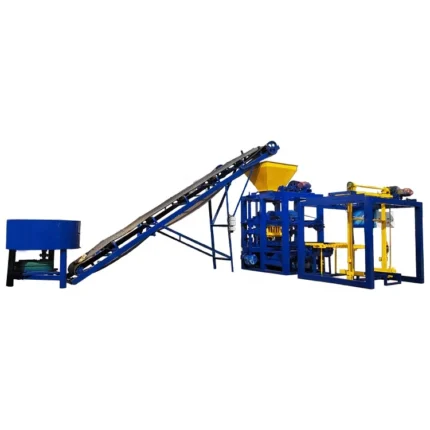
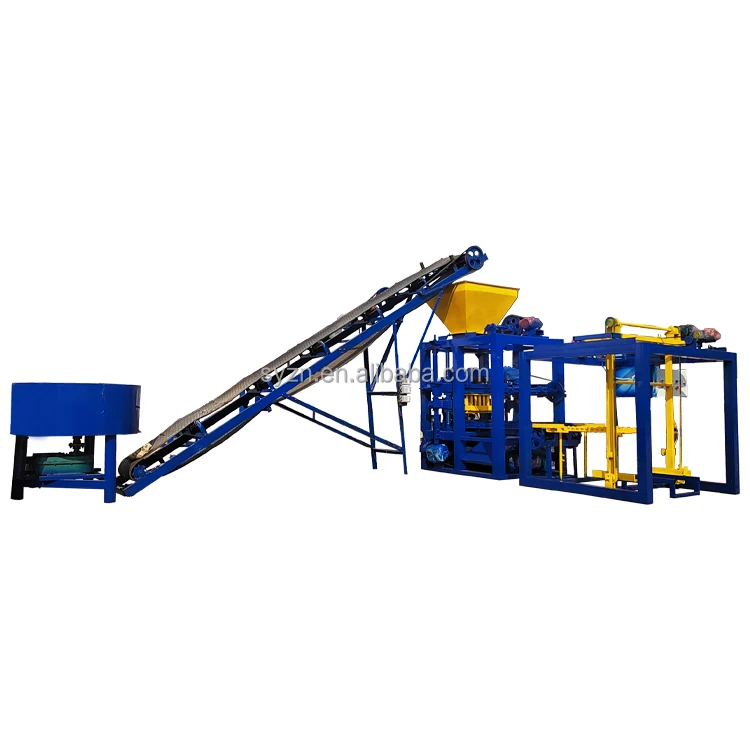
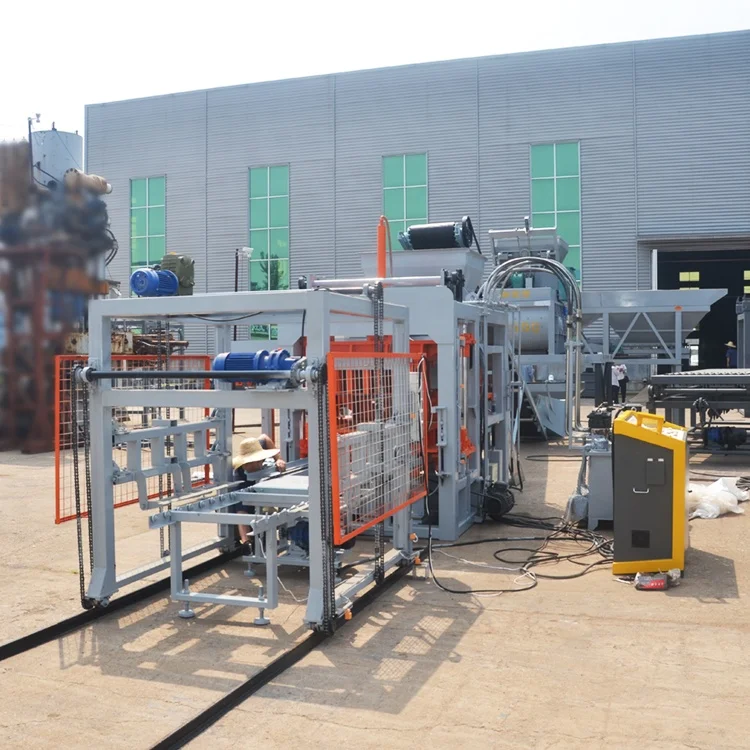
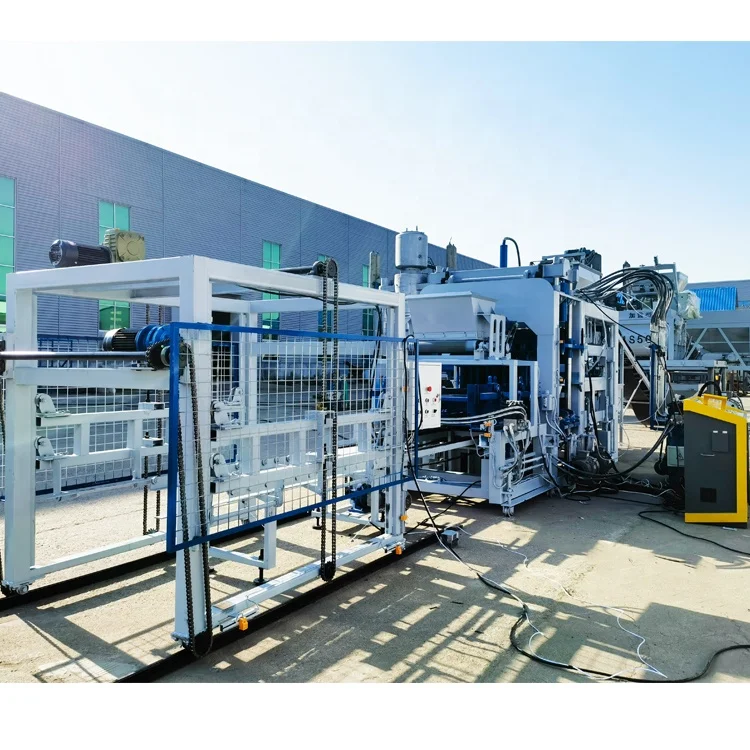
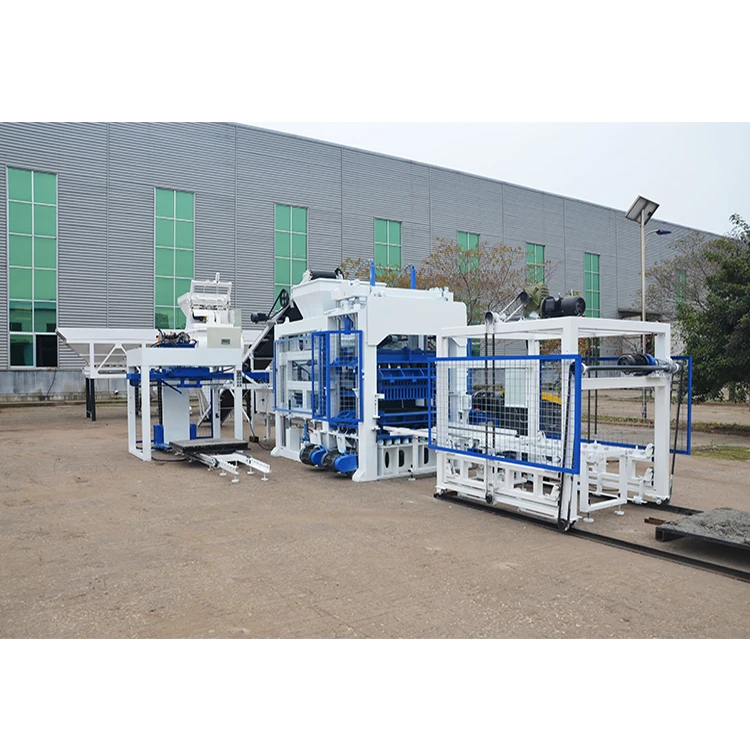
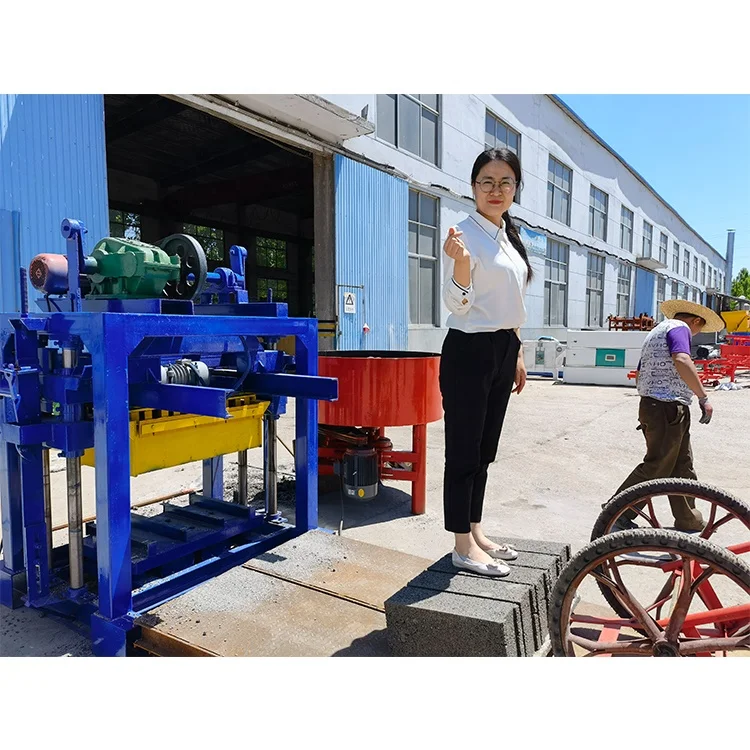
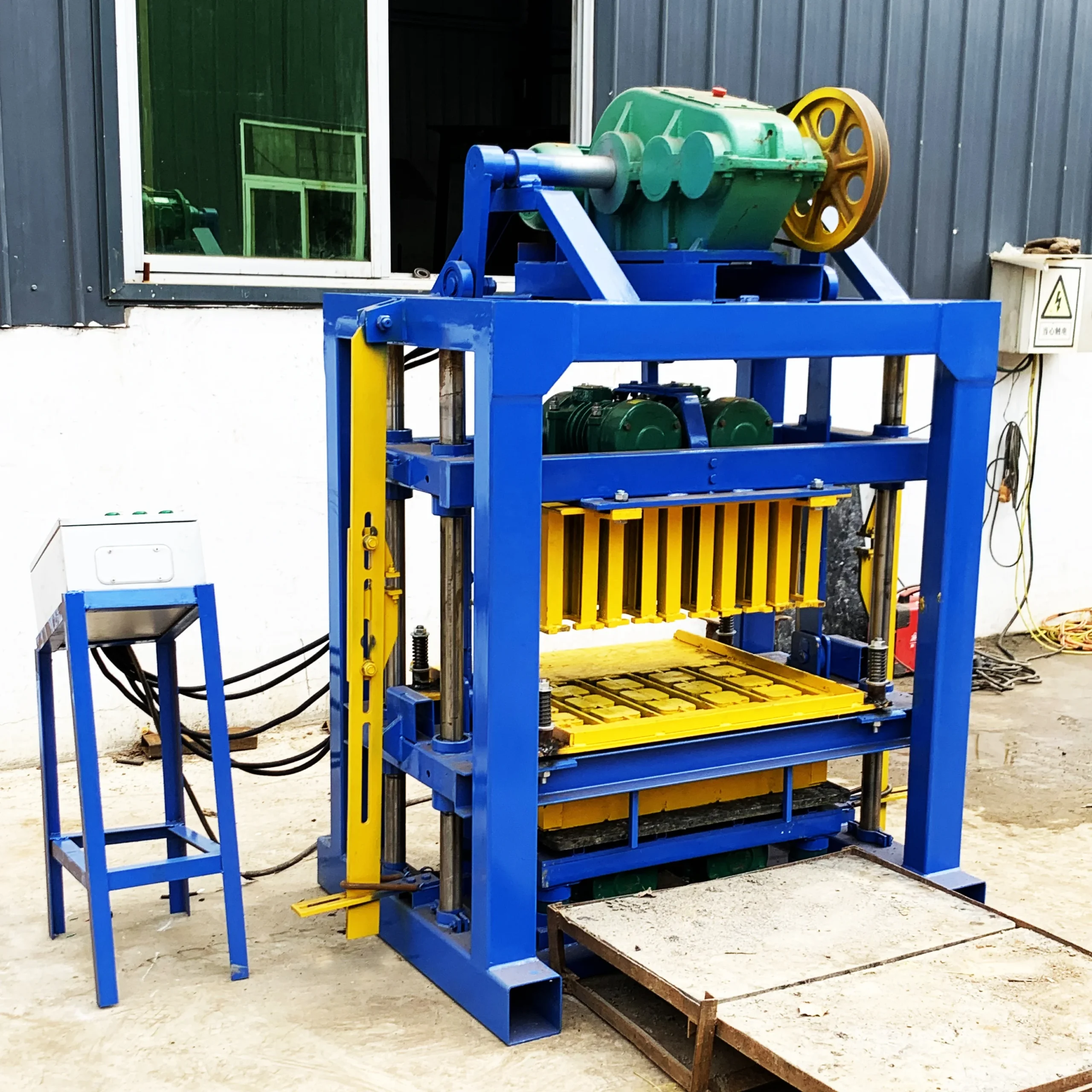
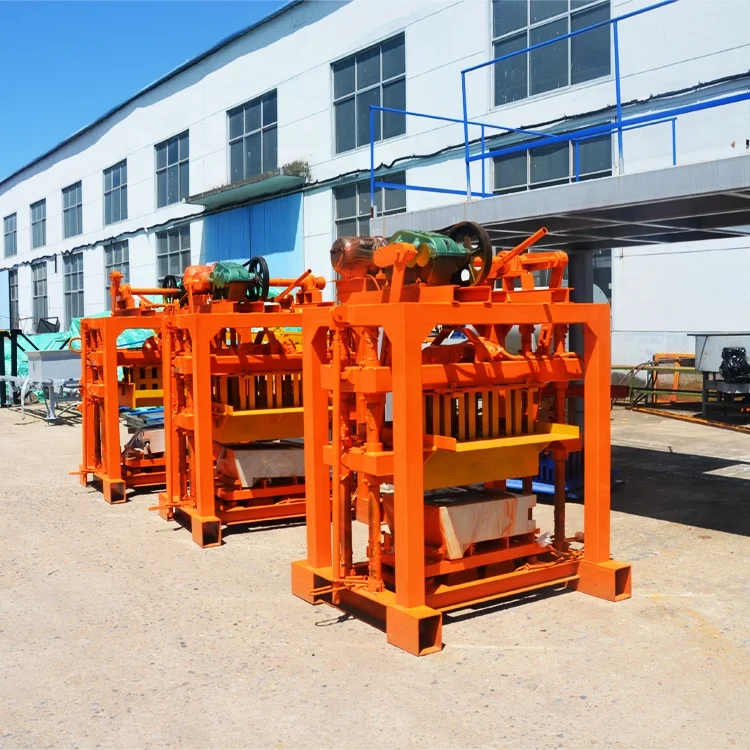
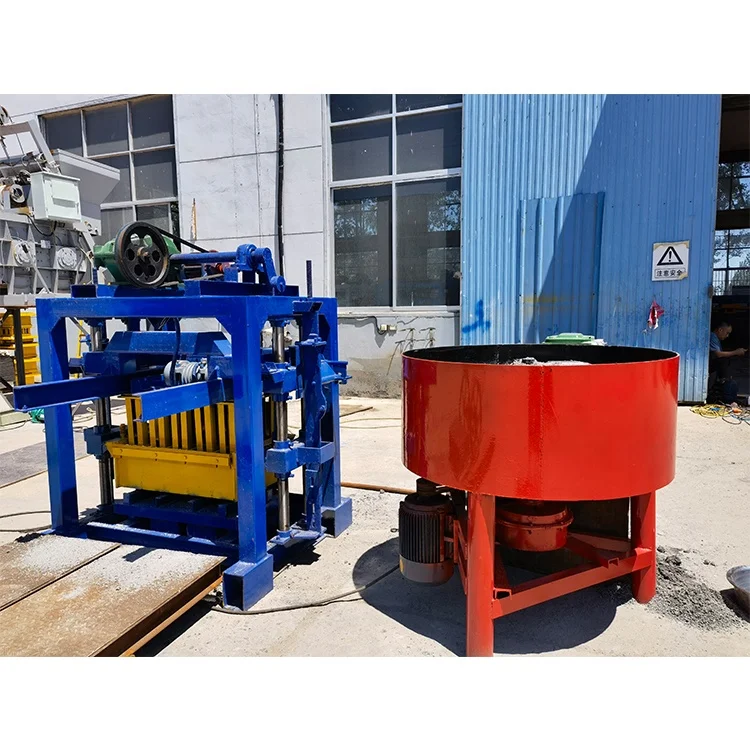
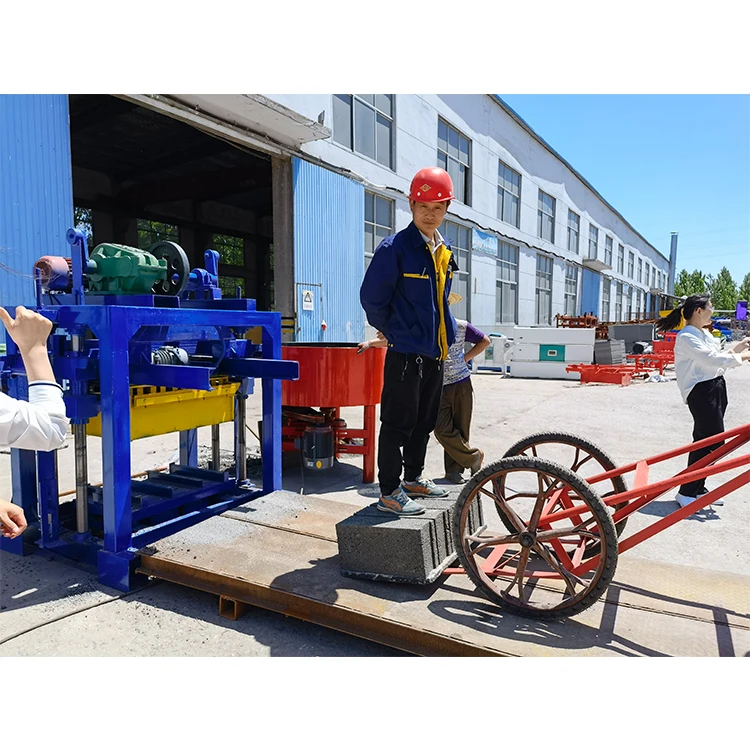
Matched System Design — The QTJ4-40 semi-automatic block machine is specified alongside its pallet size, mould formats, and vibration profile as one coherent unit, so buyers avoid assembling mismatched components from separate vendors.
Technical Specifications
| Parameter | Value |
|---|---|
| Model | QTJ4-40 |
| Product Type | Semi-Automatic Concrete Block Making Machine |
| Machine Power | 10.4 kW |
| Molding Cycle | 40 s |
| Theoretical Output (400×200×200 mm hollow block) | 4 pcs/mould, 360 pcs/h, 2800 pcs/day |
| Theoretical Output (400×150×200 mm hollow block) | 5 pcs/mould, 450 pcs/h, 3600 pcs/day |
| Theoretical Output (225×112.5×60 mm solid/paver) | 9 pcs/mould, 800 pcs/h, 6400 pcs/day |
| General Output Capacity | 2000–2500 pcs / 8 hours (basis not stated in source — confirm block format, material and thickness) |
| Raw Material Compatibility | Concrete, sand, cement, fly ash, lime, gypsum |
| Machine Weight | 1 T (source value — verify against final configuration) |
| Overall Dimensions (L×W×H) | 1350 × 1460 × 1800 mm |
| Pallet Size | 850 × 450 mm |
| Voltage | Configurable to local voltage and frequency |
| Control System | Semi-automatic (top die push-pull, automatic scraper, dual vibration) |
| Mould Formats | Hollow block, solid block, paver |
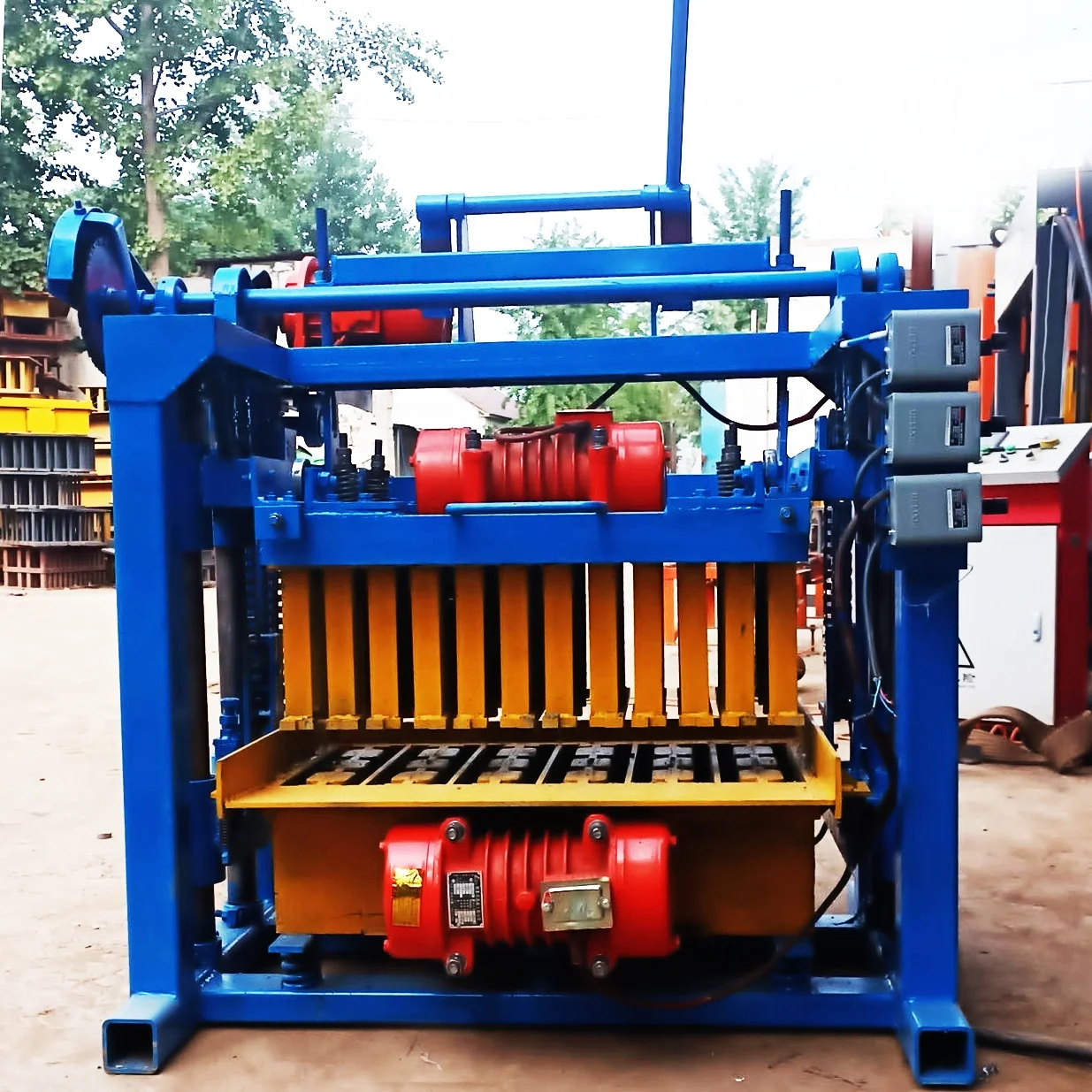
| Key Features | Bed mould vertical vibration + upper mould compression vibration |
Application Suitability
| Application | Material or Output |
|---|---|
| Small block production plant | Hollow blocks from crushed stone, sand and cement |
| On-site contractor production | Solid blocks for housing project walls |
| First-time plant entrepreneur | Pavers and kerbstones from fly ash and cement mixes |
| Distributor adding formats | Interlocking bricks from local aggregate blends |
| Development project supply | Porous blocks using lime and gypsum-based mixes |
What "2800 Blocks per Day" Actually Assumes
The daily capacity figure only holds if you run the exact 400×200×200 mm hollow block mould at a steady 40-second cycle with no interruptions.
Many buyers I have worked with in Shandong workshops receive a single headline number and assume it applies to every block format they plan to produce. The reality is that switching to a smaller solid paver mould changes the pieces-per-cycle count, and the 40-second cycle time must be validated against your specific mix design and local aggregate. Without this per-format breakdown, the automatic QTJ4-40 block machine output you plan around on paper never matches what your operators actually produce on the floor [NEED_CITE: capacity calculation methods for concrete block machines by format].
What the QTJ4-40 Automates and What It Leaves to You
The QTJ4-40 takes the most physically demanding steps out of the operator’s hands. The top die push-pull mechanism moves automatically, and the scraper clears the mould surface without manual intervention. This means the pressing cycle itself runs with consistent timing, which is where block density uniformity starts.
What remains manual is pallet handling. Your operator feeds pallets into position and removes loaded pallets after each cycle. For a first-time plant owner or a contractor producing blocks on a project site, this keeps the initial investment lower while still removing the pressing variables that cause inconsistent block strength. The PLC controlled semi-automatic block machine sits at the entry point of the automation spectrum — it handles the forming, you handle the logistics.
The Dual Vibration Architecture Explained
Block density depends on two forces working together: vibration that settles the mix into the mould cavity, and compression that packs it tight. The QTJ4-40 uses bed mould vertical vibration combined with upper mould compression vibration to address both.
The bed vibration fluidises the concrete mix so aggregate particles settle into voids, while the upper compression forces material downward during the cycle. This dual approach reduces the air pockets that cause weak spots, particularly in hollow block walls where structural load matters. The effectiveness of this system depends entirely on whether your local aggregate gradation and cement ratio match the vibration profile — a mix that works in one region may need adjustment when the machine arrives at your site [NEED_CITE: vibration force and mix design matching for concrete block production].
Reading the Specs That Matter for Your Production Floor
The 10.4 kW motor rating tells you the total power draw across vibration, hydraulic, and drive systems. Before ordering, confirm your site has a dedicated circuit that can handle this load plus starting surge, especially in regions where voltage fluctuation is common.
The 850 × 450 mm pallet size is a fixed constraint that affects everything downstream. Your curing racks, forklift tines, and storage area must accommodate this dimension. I have seen buyers receive machines only to discover their existing pallet racking was sized for a different standard, forcing them to replace their entire curing setup.
The 40-second moulding cycle is the baseline for capacity planning, but cycle time varies by block thickness and mix workability. A thicker solid block may require extended vibration to achieve full compaction. The automatic QTJ4-40 block machine specifications should be validated against your target format before the production order is locked in.
The Cost of Skipping Configuration Confirmation
When voltage, frequency, and control language are left unspecified, the machine arrives and sits idle while electricians source transformers and operators struggle with unfamiliar display text. I remember a shipment to Zimbabwe where the control panel arrived in Chinese — the local crew could not run a single cycle until we sent a technician with translated overlay sheets. That delay cost the buyer weeks of lost production on a housing project with fixed deadlines.
Pallet mismatches create a different kind of waste. If your curing area and handling equipment were not checked against the 850 × 450 mm pallet footprint, you end up moving blocks by hand or rebuilding racks. These are costs that never appear on the machine quotation but hit your operating budget immediately [NEED_CITE: commissioning delays caused by unconfirmed electrical specifications in export machinery].
Why Buyers Source This Machine Here
Block machinery is the single focus of this operation, meaning the QTJ4-40 is not assembled from a press, a pallet supplier, and a mould vendor who have never spoken to each other. The machine, moulds, and pallets are specified as one matched system.
Configuration is set against your actual mix design and local aggregate rather than a catalogue default. If your region uses fly ash instead of sand, or crushed granite instead of river gravel, the vibration settings and mould tolerances are adjusted accordingly.
Mould design covers the formats your market actually buys, including custom drawings when standard sizes do not match local building codes. The automation level is selectable — you can start with the semi-automatic QTJ4-40 and plan an upgrade path to automatic pallet feeding and stacking as volume grows. Installation support includes operator training so your team understands cycle timing, mould change procedure, and daily maintenance before the first production run.
Documentation & Verification
- Capacity calculation sheet stating the specific block format and cycle time assumed
- Machine specification with voltage, frequency, and PLC display language confirmed before production
- Mould drawing and format list showing all producible block sizes on the QTJ4-40
- Pallet specification matched to 850 × 450 mm dimensions with material and load rating
- Hydraulic and electrical schematic for your maintenance team before shipment
- Factory test record run on your specified block format before dispatch
Installation, Commissioning & Support
- Foundation pad sized to 1350 × 1460 mm footprint with vibration isolation considerations
- Dedicated electrical circuit rated for 10.4 kW plus starting surge at confirmed local voltage
- Machine arrives as a single compact unit suitable for standard container loading
- First-cycle commissioning includes vibration timing calibration against your specific mix
- Operator training covers the 40-second cycle sequence, mould change, and daily lubrication points
- Wear parts list for mould liners and hydraulic seals provided with initial spare quantities
Planning Your Inquiry
To move from general interest to a confirmed configuration, we need your target block format with exact dimensions, the daily output you are planning for that specific format, and details on your local raw materials including aggregate type and cement source. Share your site voltage and frequency, the language your operators will need on the control display, and whether your curing area already has pallet racking in place. If you are replacing an existing machine, let us know the current pallet size and handling equipment so the QTJ4-40 integrates without downstream rework.
Frequently Asked Questions
Q: How do I verify real daily output for my specific block format?
A: The theoretical capacity figures assume specific mould configurations — 4 pcs per mould for 400×200×200 mm hollow blocks, for example. Request a per-format capacity calculation that states the exact block size, cycle time, and pieces per mould your target format will produce. This gives you a planning number tied to what you will actually sell, not a generic headline figure.
Q: What does the semi-automatic system automate versus what remains manual?
A: The automatic QTJ4-40 block machine handles the pressing cycle itself — top die push-pull, automatic scraper movement, and dual vibration are all controlled. Pallet feeding and removal remain manual operations. This removes the most labour-intensive forming steps while keeping pallet logistics in your operator’s hands.
Q: Can I upgrade from semi-automatic to full automation later?
A: The PLC controlled semi-automatic block machine sits at the start of an upgrade path. Automatic pallet feeding, stacking, and cubing stations can be added as your production volume grows. The sequence typically follows your bottleneck — if pallet handling is slowing you down, that station is added first.
Q: Why must voltage and control language be confirmed before production?
A: If these are left to assumption, the machine arrives with a panel your operators cannot read and a motor that does not match your grid. Commissioning stalls until transformers are sourced or overlays are shipped. Confirming voltage, frequency, and display language upfront prevents weeks of idle time on site.
Q: How does the mould change process work on this machine?
A: Format switching on the QTJ4-40 involves removing the current mould set and fitting the replacement, then adjusting vibration timing for the new block thickness. The time this takes depends on operator familiarity and whether your plant runs one format continuously or switches multiple times per shift.