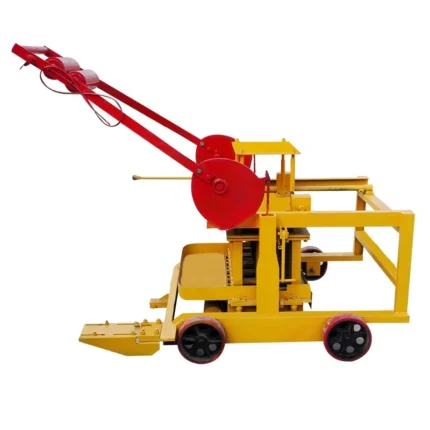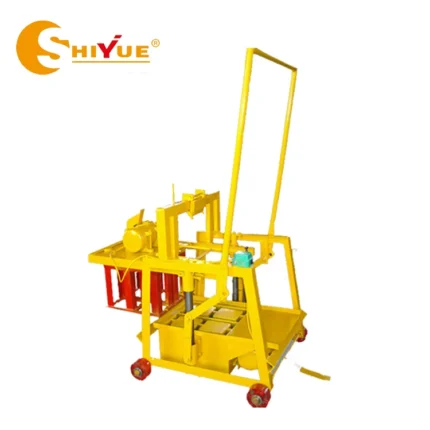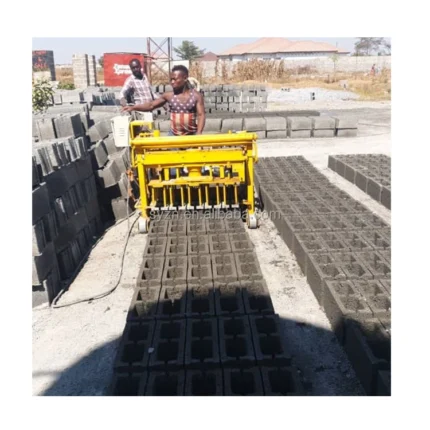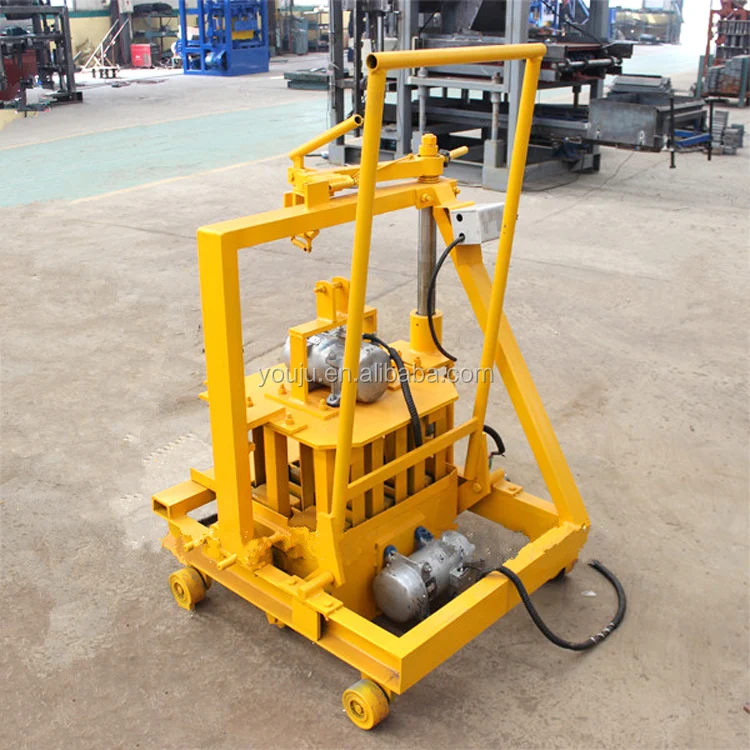
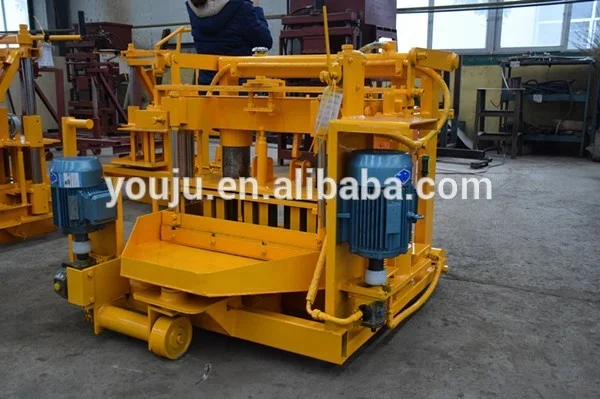
Description
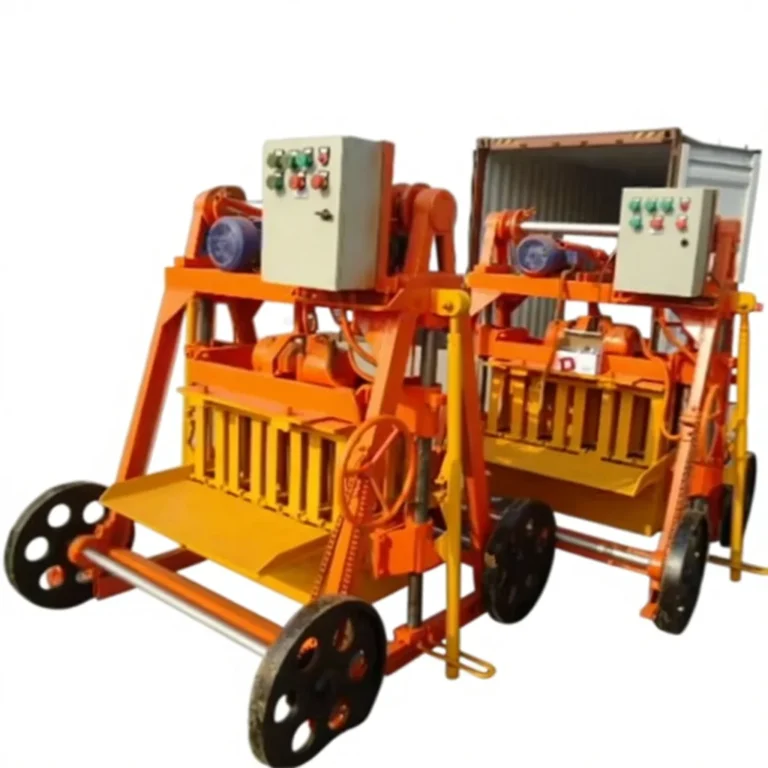
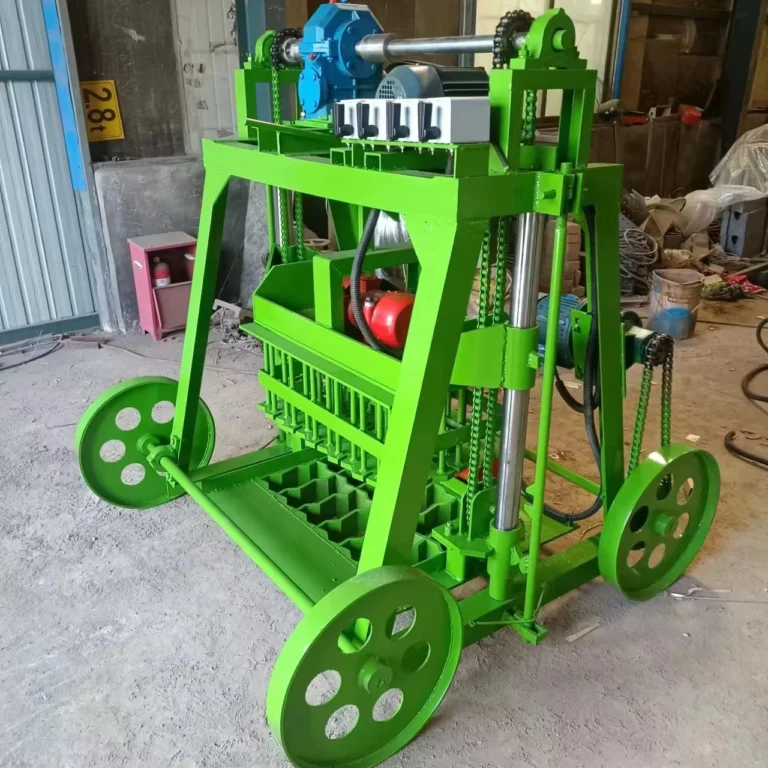
Upgradable control foundation — The QMY4-30 ships as a manual egg-laying unit, yet its mechanical frame and hydraulic circuit leave clear mounting points for adding PLC control and automatic batching when production demands grow.
Technical Specifications
| Parameter | Value |
|---|---|
| Model | QMY4-30 |
| Product Type | Mobile Concrete Block Making Machine |
| Rated Power | 5 kW |
| Voltage & Frequency | Configurable to destination market (basis to be confirmed) |
| Control System | Manual operation baseline |
| Overall Dimensions | 1200 × 1200 × 1100 mm |
| Net Weight | 950 kg |
| Cycle Time | 30 seconds |
| Output Capacity | 480 pcs/h based on 400×200×200 mm hollow block (4 pcs/mould) |
| Output Capacity | 600 pcs/h based on 400×150×200 mm hollow block (5 pcs/mould) |
| Output Capacity | 840 pcs/h based on 400×100×200 mm hollow block (7 pcs/mould) |
| 8-Hour Shift Output | 3,840 / 4,800 / 6,720 pcs depending on block format |
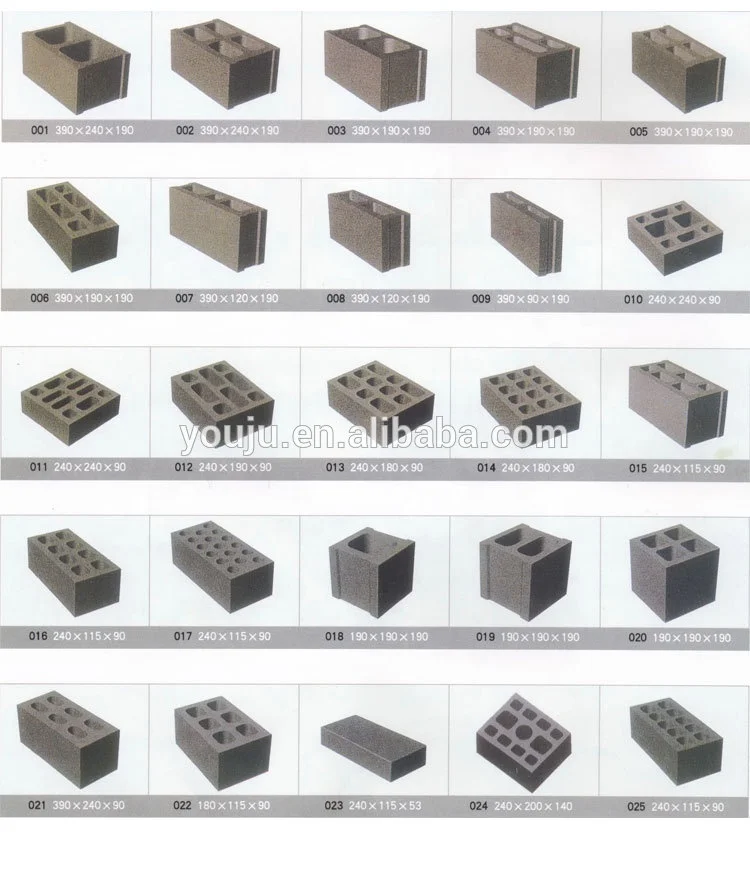
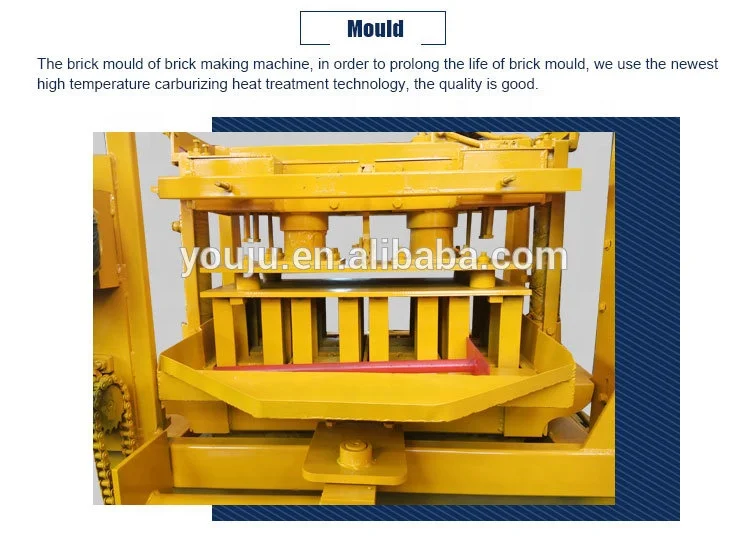
| Mould Format | Hollow block and solid brick, moulds changeable |
| Pallet Size | Not applicable — blocks laid directly on ground |
| Stacking Method | On-ground curing, egg-laying type |
| Raw Materials | Cement, sand, crushed stones, slag |
| Assembly State | Fully assembled mobile unit |
Application Suitability
| Application | Material or Output |
|---|---|
| On-site housing project construction | Hollow blocks from local river sand and cement |
| First-time block plant startup | Solid bricks from crushed stone and cement blend |
| Remote construction sites without fixed plant | Hollow and solid formats from slag-based mix |
| Contractor self-production on job site | Multiple block sizes via quick mould change |
Why "30-Second Cycle" Needs a Format Qualifier
The cycle time stays at 30 seconds, but your real daily output depends entirely on which block format the mould is producing.
I spent years on the assembly floor before moving into technical support, and the most common complaint I hear is not about machine failure — it is about output falling short of what the buyer expected. A buyer sees "840 pieces per hour" and assumes that number applies to every block they plan to make. It does not. That figure belongs to the 400×100×200 mm hollow block, the smallest format in the QMY4-30 mould range. Switch the mould to a 400×200×200 mm block and you are looking at 480 pieces per hour, nearly half. An automatic mobile block machine only delivers predictable output when the capacity calculation states the exact format assumed. [NEED_CITE: block format impact on hourly output in mobile machines]
Manual Baseline with a Defined Automation Path
The QMY4-30 starts as a manually operated mobile unit, which keeps the initial investment low and the learning curve short for first-time operators. The 30-second cycle is paced by the operator controlling the hydraulic press and vibration sequence by hand. For a small contractor producing blocks at a single job site, this is often sufficient.
Where the PLC controlled mobile brick machine direction becomes relevant is the upgrade path. The hydraulic circuit and vibration motor are already wired through a central junction box. When production volume justifies it, a PLC panel can replace the manual push-button station, locking in consistent cycle timing and reducing the operator’s role from pacing every press to simply monitoring the sequence. [NEED_CITE: PLC retrofit options for manual block machines]
Consistency Starts with Pressure and Vibration Matching
Block strength inconsistency is rarely a machine defect — it is almost always a mismatch between the hydraulic pressure, vibration force, and the buyer’s actual mix design. The QMY4-30 uses a hydraulic press combined with vibration to compact the concrete into the mould. If the vibration force is too low for a coarse aggregate mix, the block comes out with weak corners. If the hydraulic pressure is set too high for a fine sand mix, the block cracks during ejection.
Before we ship, I always ask for a sample of the buyer’s local sand and aggregate. We run test presses at the factory with that material and record which pressure and vibration settings produce blocks that meet the target strength. This step is not optional in my view — I once saw an entire batch of hollow blocks shipped to a Middle East project site fail compression testing because the hydraulic pressure was set for clean silica sand while the local river sand had a high clay content.
How Key Specifications Shape Real Production
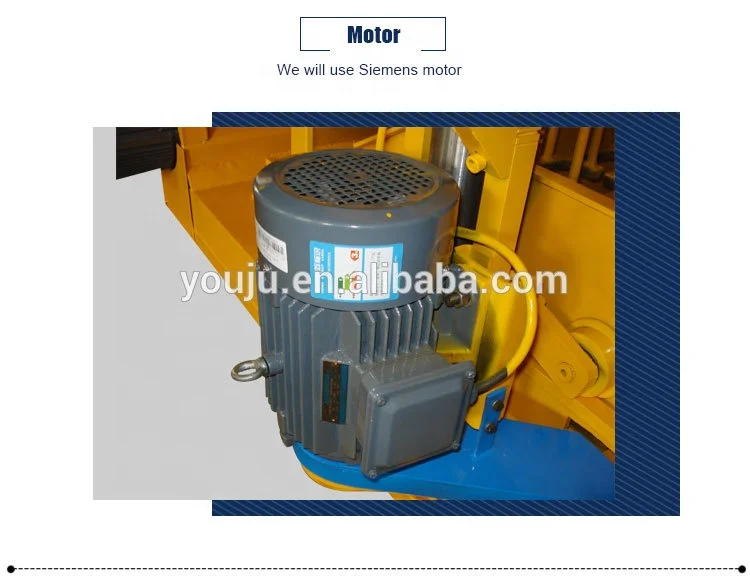
The 5 kW rated power covers both the hydraulic pump motor and the vibration motor running simultaneously, which is typical for a machine in this mobile class. The power draw stays within the range of a standard portable generator, meaning the QMY4-30 can operate on sites without grid power — a practical advantage for remote housing projects.
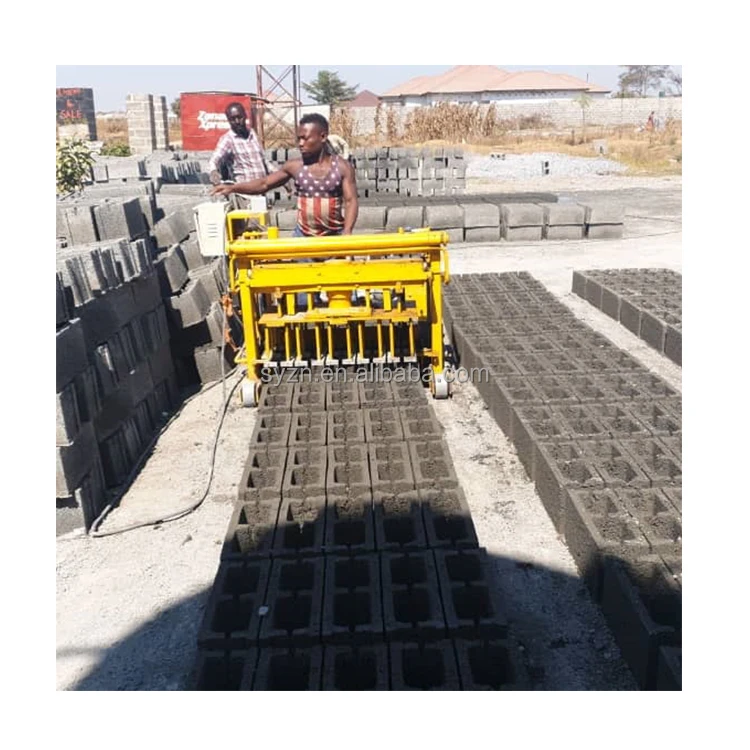
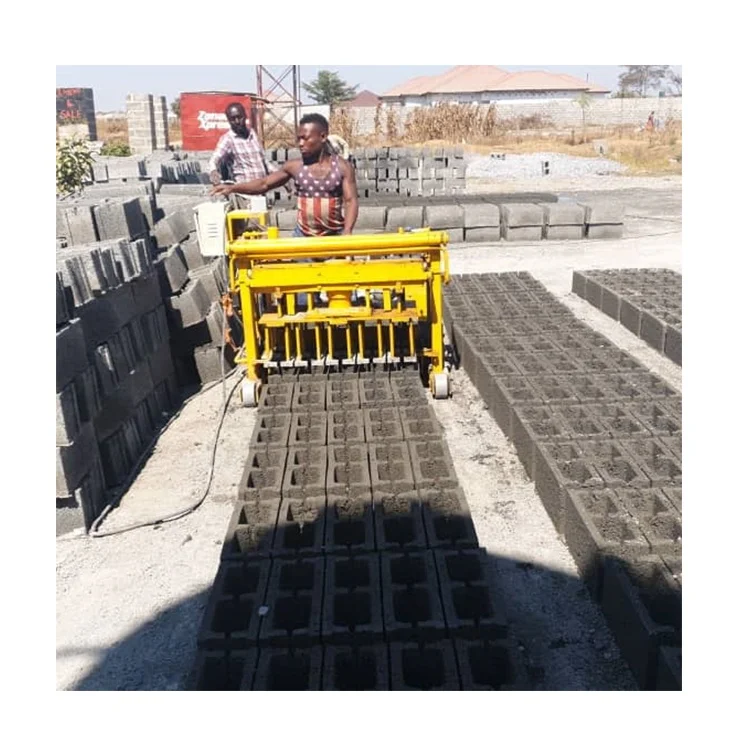
The 1200 × 1200 × 1100 mm footprint and 950 kg weight mean the unit can be loaded onto a flatbed truck and relocated between job sites without a crane. The compact dimensions also limit the working radius, so the operator feeds raw material from one side and the machine lays blocks in a straight line behind it, eliminating the need for pallets and a dedicated curing rack system.
Mould change time is not stated in the current specification sheet, so confirm this with the manufacturer before committing to a multi-format production plan. A quick-change system matters when you need to produce hollow blocks in the morning and solid bricks in the afternoon on the same site. [NEED_CITE: mould change time standards for mobile block machines]
The Cost of Skipping Voltage Confirmation
Voltage and frequency mismatches remain one of the most frequent causes of commissioning delays for exported machinery. A 5 kW motor wound for 380V/50Hz will not start correctly on a 220V/60Hz supply, and rewinding it on site is costly and time-consuming. Buyers sometimes focus so heavily on production capacity that they leave voltage confirmation until the machine is already in the container. The QMY4-30 must be ordered with the destination market’s voltage and frequency specified upfront, along with the control panel language the operator will read every day. [NEED_CITE: voltage and frequency standards by export market]
Why Source This Machine Through Our Configuration Process
Block machinery is our single focus, so the QMY4-30 is specified as a matched system — machine, mould, and ground-curing layout — rather than assembled from unrelated component suppliers.
Configuration is set against your actual mix design and local aggregate, not pulled from a catalogue default, which means hydraulic pressure and vibration force are adjusted before the machine leaves the factory.
Mould design covers the formats your market actually sells, including custom drawings if your buyers need a block size outside the standard hollow and solid range.
The automation level is selectable: start with the manual QMY4-30 now and add PLC control and batching automation later when volume demands it.
Installation and commissioning support includes operator training on-site, so the crew knows how to set pressure, time the cycle, and change moulds before the first production shift begins.
Documentation & Verification
- Factory test record using your local aggregate sample before dispatch
- Machine specification sheet with voltage and frequency confirmed per destination
- Mould drawing and format list covering every block size included
- Hydraulic and electrical schematic for on-site troubleshooting
- Operation and maintenance manual in the operator’s language
- Packing photographs showing dismantling and container loading state
Installation, Commissioning & Support
- Level compacted ground required; the 1200 × 1200 mm base needs a flat surface for consistent block laying
- Confirm 5 kW power supply voltage and frequency before the machine ships to avoid motor rewinding on site
- Fully assembled on arrival — no structural reassembly, only electrical connection and hydraulic fluid top-up
- First-day commissioning covers hydraulic pressure calibration and vibration timing for your specific mix design
- Operator training includes mould change procedure and daily greasing points on the hydraulic press guides
- Wear parts list provided with the first mould set so replacements are available before the initial set wears through
What to Include with Your Inquiry
When you reach out, include the block formats you plan to produce and the target daily output for each. Share a sample or lab report of your local sand and aggregate so we can match hydraulic pressure and vibration settings before building. Confirm your site’s voltage, frequency, and the control language your operators need.
Frequently Asked Questions
Q: Is the 30-second cycle time consistent across all hollow block formats?
A: The 30-second cycle applies to the press and vibration sequence, but total output varies by format. A 400×200×200 mm mould produces 4 pieces per cycle while a 400×100×200 mm mould produces 7 pieces per cycle. The rhythm stays the same, but the hourly count reflects how many blocks each mould cavity holds.
Q: Can the QMY4-30 be upgraded with PLC control later?
A: Yes. The hydraulic circuit and vibration motor are wired through a central junction box designed to accept a PLC panel retrofit. The upgrade locks in consistent cycle timing and reduces the operator’s role from manually pacing every press to monitoring the automated sequence.
Q: What voltage and frequency configurations are available?
A: The motor and control panel can be wound and configured for your destination market’s standard supply. Specify voltage, frequency, and the required display language at the inquiry stage so the correct components are installed before the machine ships.
Q: How do vibration force and hydraulic pressure affect block strength?
A: Vibration compacts the mix into the mould corners while hydraulic pressure determines overall density. If either is mismatched to your local aggregate — for example, high clay sand or oversized crushed stone — blocks can crack or fail compression testing. We test with your material sample to set both parameters before dispatch.