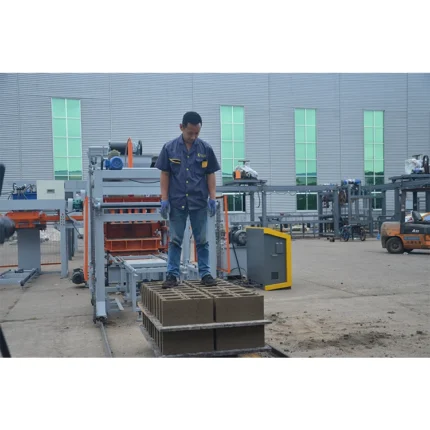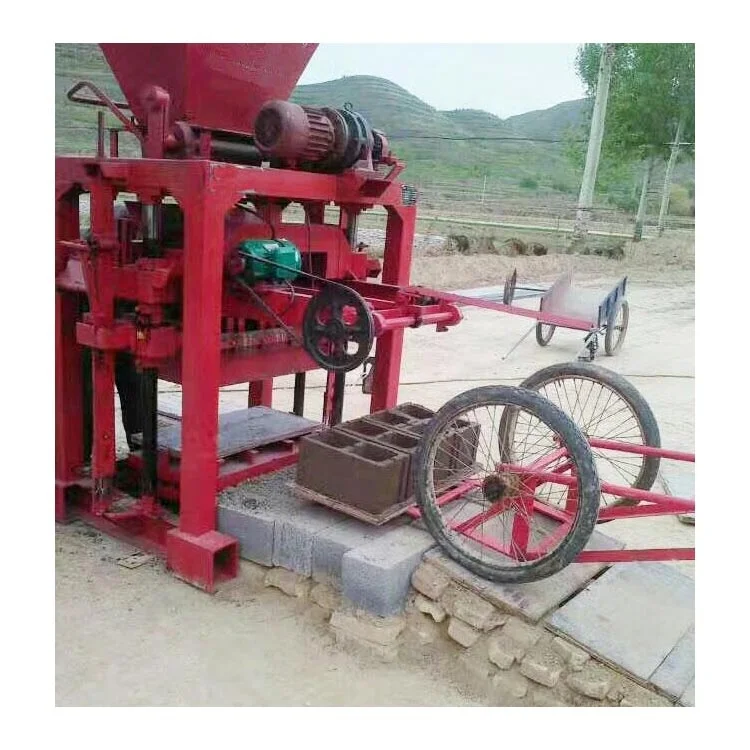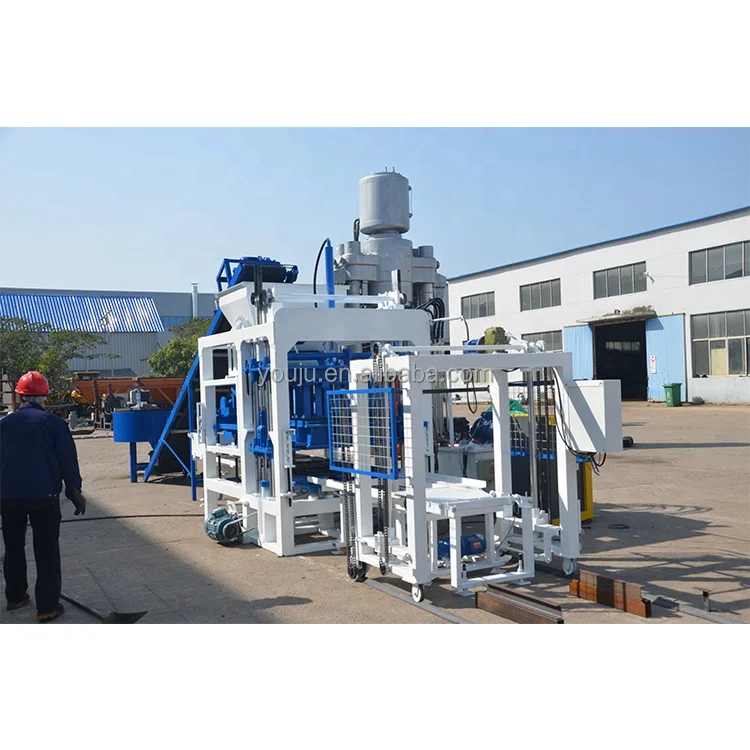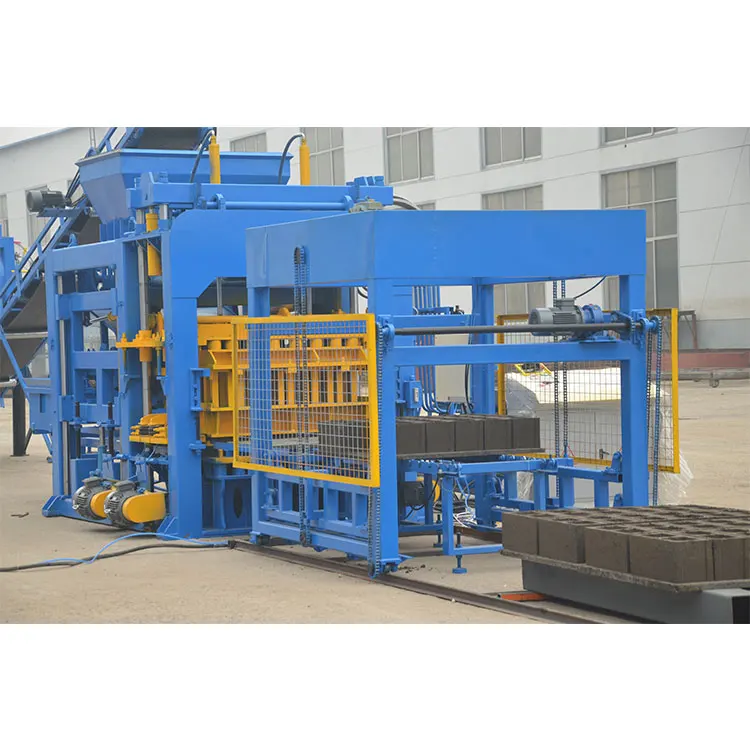


Description
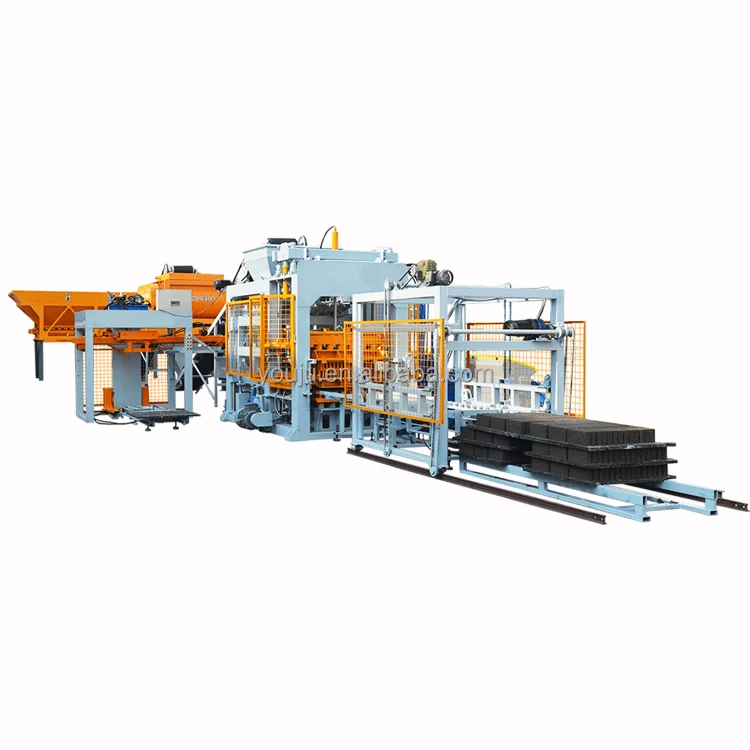
Control-First Architecture — Every cycle on the QT4-15A is governed by a PLC electronic console, ensuring pallet feed, material dosing, vibration, and hydraulic pressing stay synchronized without relying on operator timing.
Technical Specifications
| Parameter | Value |
|---|---|
| Model | QT4-15A |
| Product Type | Automatic Hydraulic Concrete Block Making Machine |
| Overall Dimensions | 7100 x 1600 x 2610 mm |
| Rated Hydraulic Pressure | 16 MPa |
| Vibration Form | Platform Vibration |
| Pallet Size | 1020 x 570 mm |
| Molding Cycle | 15–25 s (basis not stated in source — confirm block format, material, and thickness) |
| Overall Power | 27.5 kW |
| Control System | PLC electronic console |
| Hydraulic Station | Included |
| Material Feeder | Hopper, feeding box, feeding platform, conveyor system |
| Pallet Feeder | Hydro-cylinder driven |
| Mixer (Support Equipment) | JQ500 concrete pan mixer |
| Belt Conveyor | 8 m standard (6 m optional) |
| Block Receiver | Frame, conveyor, idler wheels with motor + reducer |
| Stacker | Layer-by-layer stacking |
| Mould Change Method | Manual bolt removal (M24 side bolts, upper mould bolts) |
Application Suitability
| Application | Material or Output |
|---|---|
| Concrete hollow block production | Cement, crushed stone, sand, and water mix |
| Solid block manufacturing | Dense aggregate blends for load-bearing walls |
| Paving block and kerbstone forming | Fine aggregate surface mix with coarse base |
| Interlocking brick production | Soil-cement or concrete blends for dry-stack walls |
| Porous brick forming | Lightweight aggregate and permeable concrete mixes |
| On-site contractor block production | Locally sourced sand and gravel with bagged cement |
What the PLC Actually Removes from the Operator’s Day
An automatic concrete block making machine PLC controlled setup eliminates the timing drift that causes half the defects on a manual line.
When a plant runs semi-automatic or fully manual, the operator decides when the feeder box traverses, when the vibration stops, and when the hydraulic head descends. Shift fatigue, distraction, and differing habits between morning and evening crews produce blocks with inconsistent density and uneven height. On the QT4-15A, the PLC electronic console sequences every sub-action within the 15–25 s cycle, holding each dwell time and pressure peak identical across thousands of repetitions [NEED_CITE: PLC control impact on concrete block dimensional consistency]. That repeatability matters most when a buyer supplies multiple block formats to a single construction project and cannot afford strength variation between batches. I have watched lines in South Asia lose an entire curing rack to under-pressed blocks because the operator shortened the vibration window to chase output numbers — a mistake the PLC simply does not allow.
Sequencing Every Station Around the Press
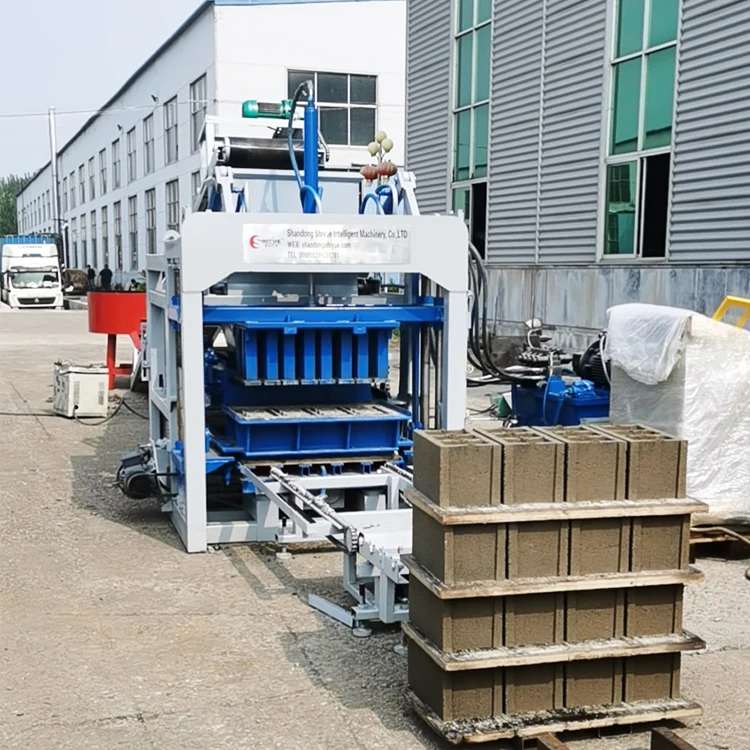
The QT4-15A is not only a press; the surrounding stations must deliver on time or the press sits idle. The hydro-cylinder-driven pallet feeder pushes a fresh pallet into position and ejects the finished block in a single stroke, cutting dead time between molding cycles. The material feeder — comprising a hopper, feeding box, and conveyor — traverses the mould cavity on a fixed timer set through the PLC, ensuring each cavity fills uniformly before the hydraulic head descends. If any station lags, the PLC holds the press rather than producing a partial fill, which would yield underweight blocks that fail compressive strength tests on the construction site.
Planning the Upgrade Path Before You Need It
Many entrepreneurs purchase their first block line at a semi-automatic level, handling pallets manually from the stacker to the curing yard. The QT4-15A’s architecture supports a later upgrade to automatic stacking and cubing without replacing the press itself [NEED_CITE: block plant automation upgrade paths in emerging markets]. The PLC console already contains the logic routines for downstream automation; adding sensors and drives to the stacker and pallet return conveyor activates those routines. This approach lets a buyer match initial capital outlay to current demand while preserving the option to reduce labour per shift as order volumes grow.
How Pressure, Vibration, and Mix Design Intersect
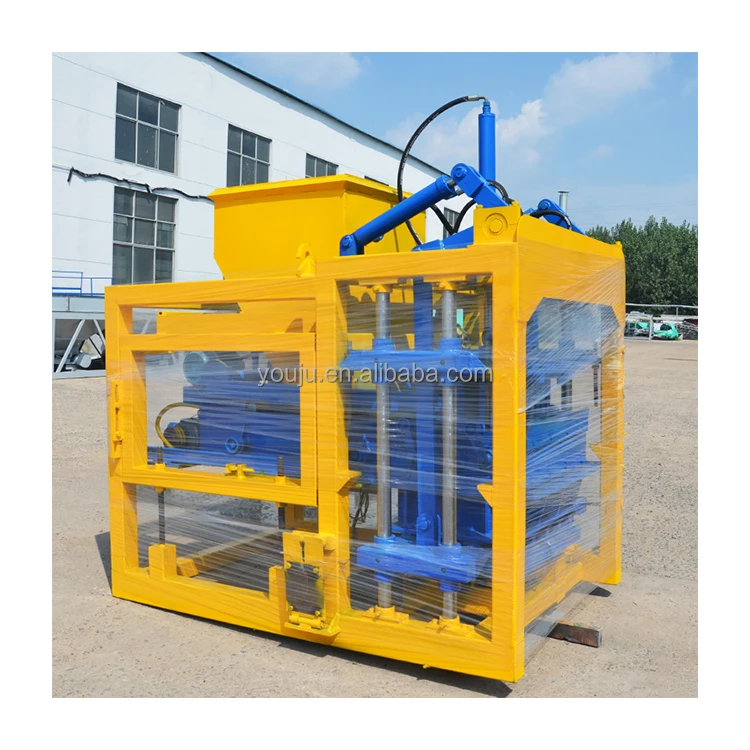
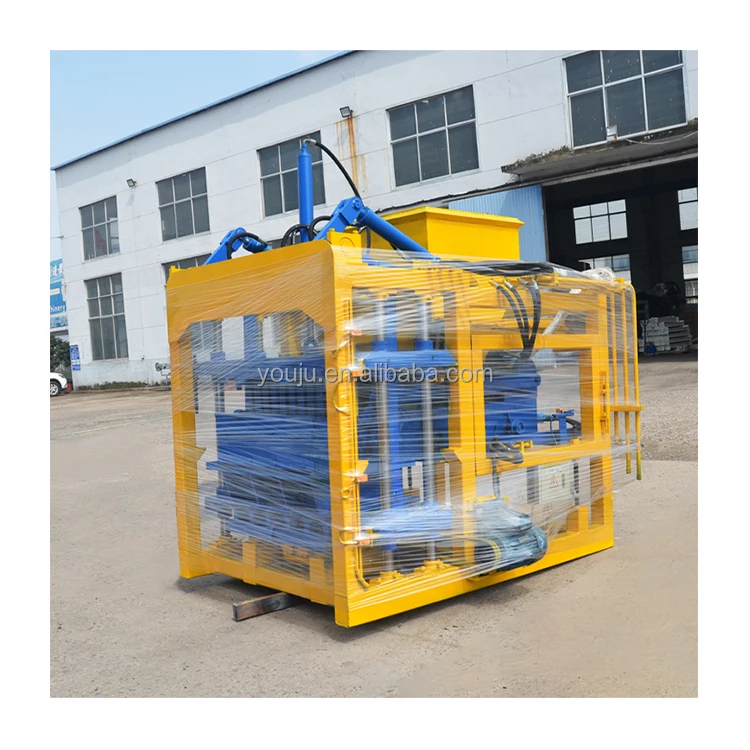
The 16 MPa rated hydraulic pressure works in tandem with platform vibration to compact the concrete mix inside the mould cavity. Vibration fluidises the mix so it flows into every corner of the mould, while the hydraulic head applies downward force to expel trapped air and increase particle packing density. The balance between these two forces must match the buyer’s actual aggregate gradation and cement content; a mix rich in fine sand requires a different vibration duration than one loaded with coarse crushed stone. The JQ500 pan mixer prepares a homogeneous blend before the material feeder delivers it to the hopper, reducing the chance that pockets of dry cement reach the mould. Mould cavities are sized to the 1020 x 570 mm pallet, so buyers must confirm that their curing racks and forklifts accommodate this footprint before ordering.
When the Wrong Configuration Reaches the Site
A machine set to a catalogue default rather than the buyer’s real mix design will produce blocks that look acceptable on day one but crumble under handling stress after curing. I have seen plants in West Africa wait weeks for a replacement transformer because the voltage and frequency were never confirmed before the machine left the factory [NEED_CITE: electrical grid compatibility for industrial machinery imports]. The PLC display language, if not specified in advance, forces the operator to navigate menus in an unfamiliar script, slowing troubleshooting during the critical first production runs. Mould change procedures, when poorly documented, consume most of a shift — negating the format flexibility the buyer invested in.
Why Sourcing This Machine Here Reduces Site Surprises
Block machinery is the single focus of this supply operation, so the press, mould, pallet, and handling equipment are specified as one matched system rather than assembled from unrelated vendors. Each configuration is set against the buyer’s actual mix design, local aggregate, and target block format, not pulled from a generic catalogue. Mould design covers the formats the buyer’s market sells, including custom drawings for non-standard interlocking profiles. The automation level is selectable, letting a buyer begin with manual pallet handling and add automatic stacking later. Installation support includes on-site commissioning and operator training, so the crew understands the PLC menu structure before the first production day ends.
Documentation & Verification
- Line layout and capacity calculation stating the exact block format assumed for the 15–25 s cycle
- Hydraulic and electrical schematics matching the as-built QT4-15A configuration
- Voltage, frequency, and PLC display language confirmation sheet signed before production
- Factory test record showing the machine running with your specified mould and pallet size
- Wear parts and mould list with part numbers for future reorder
- Operation and maintenance manual in the confirmed control language
Installation, Commissioning & Support
- Foundation pad sized for the 7100 x 1600 mm footprint with anchor bolt template supplied before arrival
- Dedicated power circuit matching confirmed voltage and the 27.5 kW total draw, separate from other plant loads
- Machine shipped partially assembled; hydraulic station and PLC console connected on site during commissioning
- First-run parameter tuning of vibration time and hydraulic dwell against your local aggregate and cement blend
- Operator training covering PLC menu navigation, mould change with M24 bolts, and daily lubrication points
- Wear parts list provided at handover so reorder can happen before the first replacement is urgent
What to Include in Your First Inquiry
Send the target block formats, required daily output, and the compressive strength your market demands. Detail the local raw materials — sand type, aggregate size, cement grade — and whether cement will be bagged or silo-fed. State the site voltage, frequency, preferred PLC display language, and the curing yard dimensions you already have so pallet and stacker configuration can be matched from the start.
Frequently Asked Questions
Q: How is the cycle time and daily output verified, and which block format does it assume?
A: The 15–25 s cycle is a range that shifts depending on block height, mix stiffness, and vibration duration. We provide a capacity calculation sheet that names the exact block format, mould cavity count, and assumed mix used for the estimate. Without that sheet, any hourly output figure is speculative and should not drive your purchasing decision.
Q: What PLC control language options are available, and how is voltage confirmed?
A: The PLC display can be set to the language your operators read, confirmed in writing before production starts. Voltage and frequency are verified against your local grid specification at the same stage. This prevents the three-week transformer delay I once saw on a West African site where the parameters were left to assumption.
Q: How long does a mould change actually take on the QT4-15A?
A: The procedure involves removing M24 side bolts and upper mould bolts manually, then lifting the mould set with a hoist. With the documented step-by-step guide and the right tools staged beforehand, a trained crew completes the swap within a defined window. We specify the exact tools and lifting points so the change does not consume half a shift.
Q: Can I start semi-automatic and add full stacking later?
A: Yes. The QT4-15A ships with layer-by-layer stacking and a trolley for manual pallet transport. The PLC already contains routines for automatic stacking and cubing; adding the downstream sensors and drives activates those routines later without replacing the press or rewriting the control program.
Q: How is hydraulic pressure matched to my local raw material?
A: The 16 MPa rated pressure is the system ceiling; actual working pressure is tuned during commissioning against your aggregate gradation and cement content. We request a sample mix description before building the machine so the hydraulic valve settings and vibration duration are pre-configured for your target block strength rather than left at a factory default.