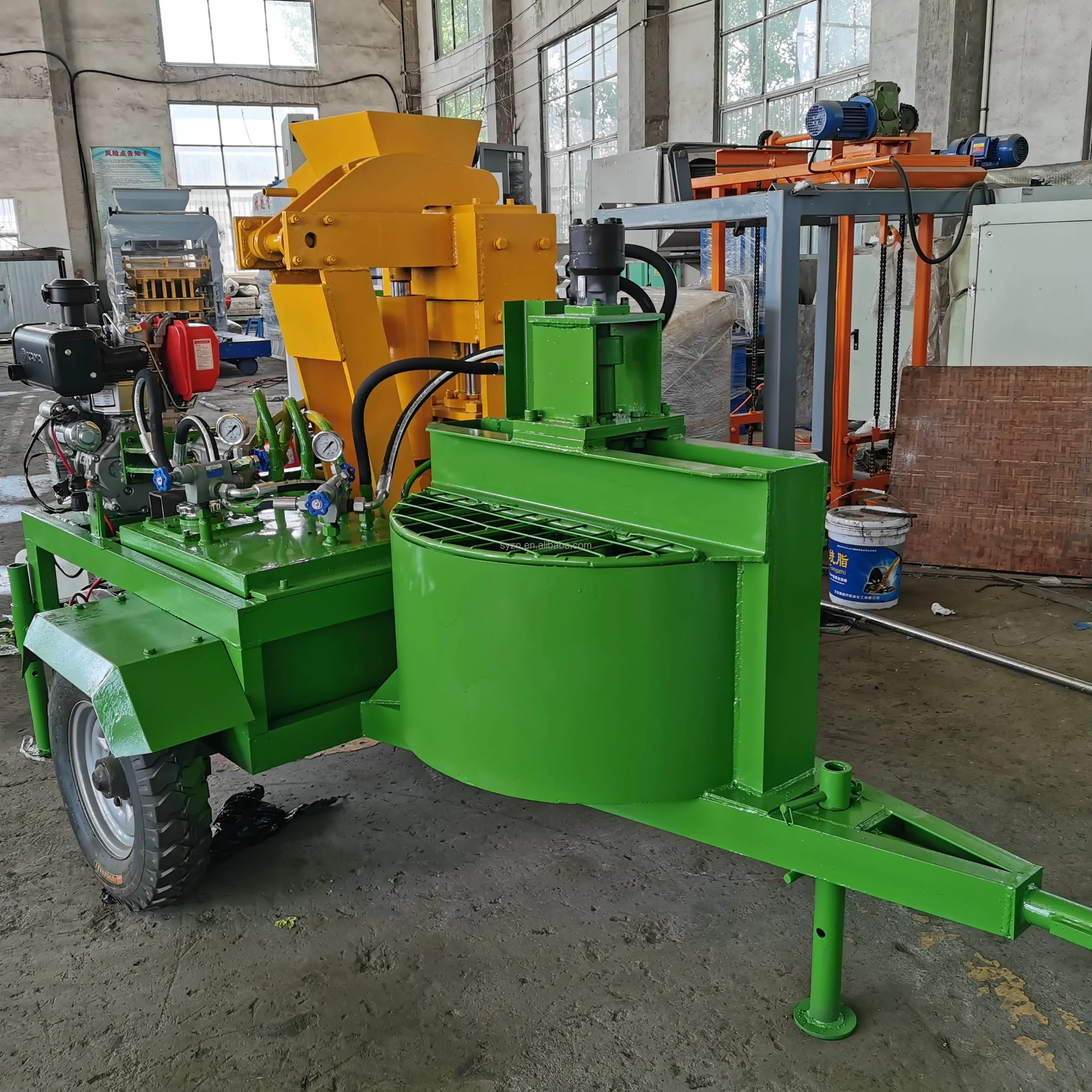
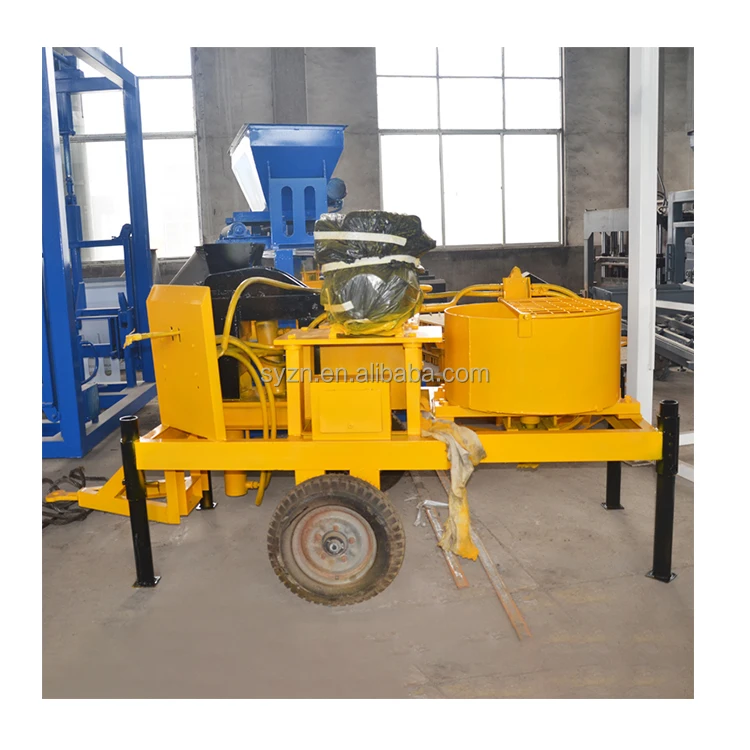
Description
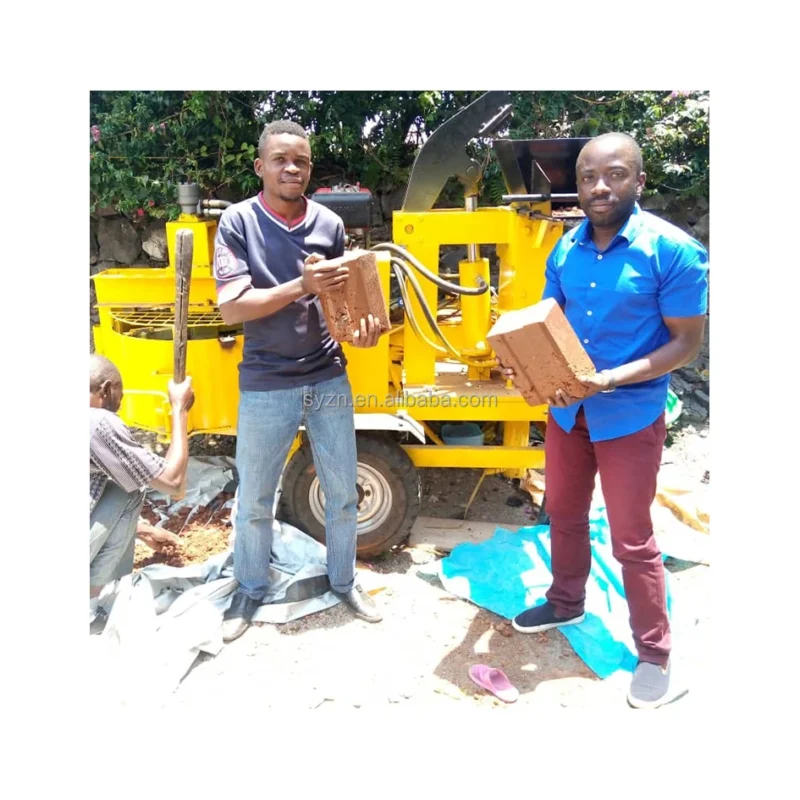
Consistent Off-Grid Control — The M7MI keeps hydraulic pressure steady at 16 MPa and cycle time within 15–20 seconds through mechanical regulation, so operators on remote sites can hold interlocking block dimensions without grid electricity or a PLC cabinet.
Technical Specifications
| Parameter | Value |
|---|---|
| Model | M7MI |
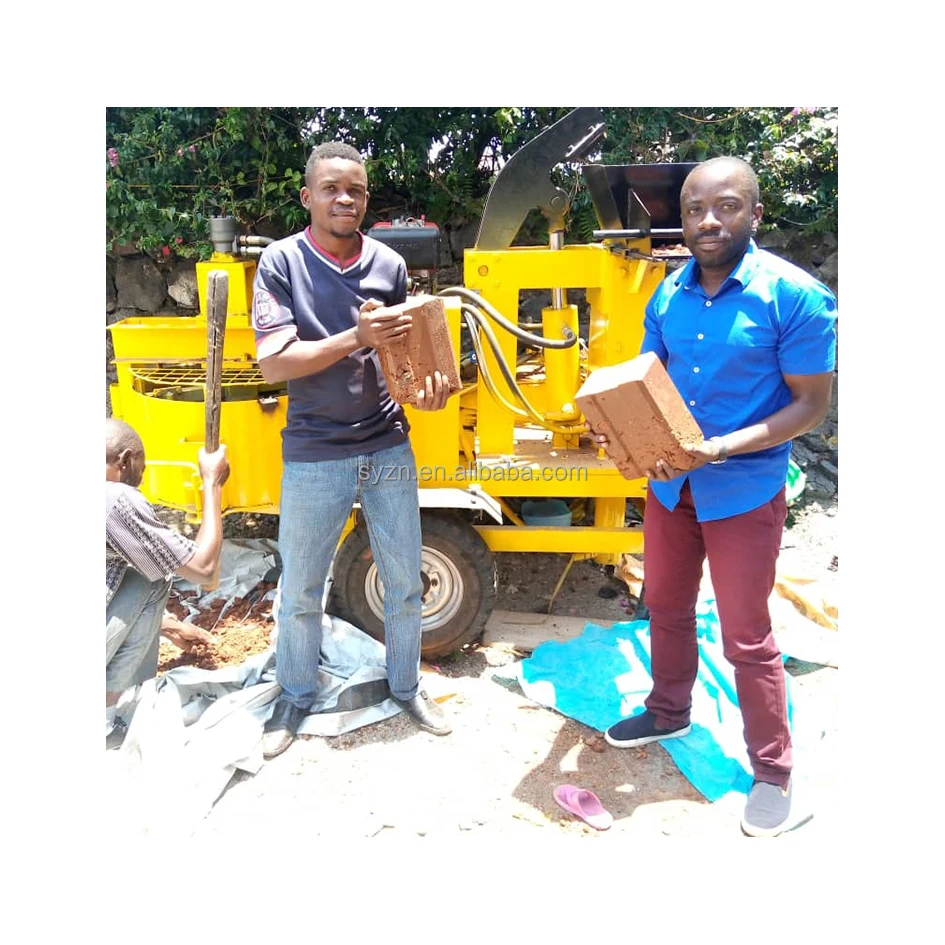
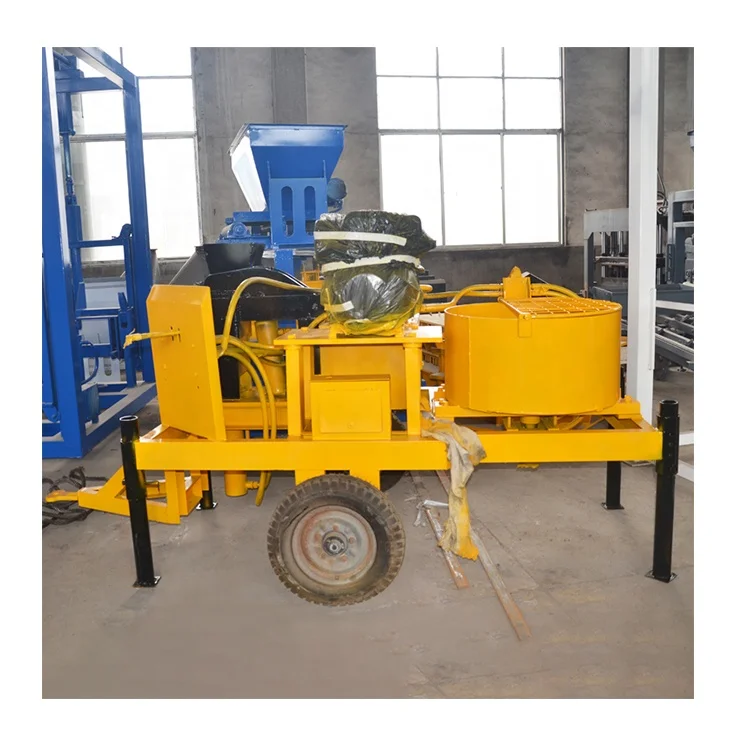
| Product Type | Mobile Hydraulic Interlocking Clay Block Making Machine |
| Engine | Diesel Engine |
| Rated Power | 7.5 kW |
| Hydraulic Pressure | 16 MPa |
| Overall Dimensions (L×W×H) | 3200×1100×1500 mm |
| Net Weight | 1100 kg |
| Mould Format | Interlocking clay block (300×150×100 mm) |
| Cycle Time | 15–20 s (basis: 300×150×100 mm interlocking block, 1 pc/mould) |
| Output Capacity | 1600 pcs/8 hr (basis: 300×150×100 mm interlocking block) |
| Qty/Mould | 1 pc |
| Qty/Hour | 200 pcs (basis: 300×150×100 mm interlocking block) |
| Mould Change System | Manual mould change |
| Automation Level | Mobile / manual operation |
| Pallet Size | N/A (mobile egg-laying type, no pallet required) |
| Control System | Mechanical / hydraulic (PLC not stated) |
| Voltage & Frequency | N/A (diesel engine driven) |
| Raw Materials | Clay, soil, concrete |
| Assembly State | Skid-mounted mobile unit |
| Certification | CE (per company profile; verify applicability to M7MI) |
Application Suitability
| Application | Material or Output |
|---|---|
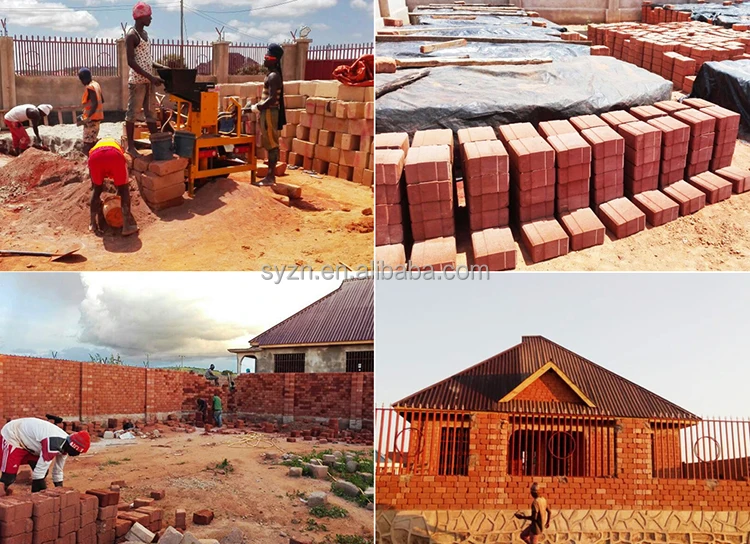
| Remote housing projects without grid power | Local clay and soil blended on-site for interlocking blocks |
| Small-scale contractor block yards | Soil-cement mix for 300×150×100 mm interlocking format |
| Development sites needing immediate block supply | Clay or concrete feed, single-format daily runs |
| First-plant entrepreneurs with limited capital | Interlocking blocks from locally sourced earth materials |
What "2200 Pieces per Day" Actually Means for Your Site
Headline output numbers drop the moment the block format or material changes.
I have watched buyers sign off on a daily capacity figure, then arrive on site to find the number assumed a block size their market does not buy. With the M7MI, the 1600 pcs/8 hr figure holds only when the press is running 300×150×100 mm interlocking blocks from a consistent clay-soil mix. Switch to a larger interlocking profile or a denser concrete blend and the cycle stretches. Before you compare this automatic interlocking clay block making machine against another supplier’s quote, ask each one to state the exact block format, material, and shift length behind their number [NEED_CITE: capacity calculation standards for mobile block machines].
Diesel Throttle as a Control Variable
On a grid-tied press, the electric motor holds a constant speed and the hydraulic pump delivers predictable flow. The M7MI replaces that with a diesel engine, which means the operator controls throttle position directly. A steady throttle keeps the hydraulic pump output close to the 16 MPa working pressure, which in turn holds block density from the first piece of the morning to the last. Drift in throttle means drift in pressure, and interlocking faces that do not seat cleanly. This PLC controlled mobile block machine leaves that regulation in the operator’s hands rather than an electronic governor.
Mould Change and Format Flexibility
The manual mould change system means switching from one interlocking profile to another requires unbolting the current mould, lifting it clear, and seating the replacement. There is no quick-release cassette or tool-free swap on this platform. For a site running a single interlocking format across an entire housing project, that is acceptable. For a contractor who needs hollow, paving, and interlocking from one press, the change time will eat into the shift [NEED_CITE: mould change procedures on mobile egg-laying machines]. Confirm which interlocking profiles are available and what the documented change procedure looks like before committing.
Reading the Pressure and Cycle Specs
The 16 MPa hydraulic pressure is the force that compacts clay or soil into a block dense enough to interlock without mortar. At this pressure level, a 300×150×100 mm block achieves enough green strength to stand on its own immediately after the mould lifts. The 15–20 second cycle time reflects the sequence of feed, compress, and lift for a single cavity. Because the M7MI is mechanical-hydraulic with no stated PLC, cycle repeatability depends on the operator holding a consistent rhythm on the control levers. A skilled operator will land near the lower end of that range; a new one will push toward 20 seconds or beyond.
The Cost of Skipping the Control Conversation
Buyers who treat a mobile press as a simple tool often discover halfway through a project that block dimensions have drifted. The cause is usually a worn hydraulic seal dropping pressure below 16 MPa, or a diesel engine running at the wrong RPM for the ambient temperature. Without any electronic monitoring on this machine, the only warning is blocks that start crumbling at the interlocking lip. Replacing seals on site is straightforward if you have spares; waiting for them from overseas is not [NEED_CITE: hydraulic seal replacement intervals for mobile block presses].
Why Source the M7MI Through This Line
Block machinery is the single focus here, so the M7MI is specified as part of a matched system — mould, raw material prep, and handling — rather than a standalone press bolted to whatever the buyer already owns. Configuration is set against your actual clay type and local soil, not a catalogue default. Mould design covers the interlocking profiles your market actually sells, with custom drawings available. The automation level is selectable, so a buyer starting with the M7MI’s manual platform can plan a path toward semi-automatic or fully automatic lines later. Installation support includes on-site commissioning and operator training so the throttle-to-pressure relationship is understood before the first production day.
Documentation & Verification
- Line layout and capacity calculation stating 300×150×100 mm interlocking block as the basis
- Hydraulic schematic with 16 MPa working pressure and gauge calibration record
- Mould drawing and interlocking format list before order confirmation
- Factory test record on your specified clay-soil mix before dispatch
- Operation and maintenance manual covering diesel engine and hydraulic servicing
- CE declaration applicability confirmation for the M7MI model
Installation, Commissioning & Support
- Skid-mounted 3200×1100×1500 mm unit requires level compacted ground, no fixed foundation
- Diesel engine start-up and throttle-to-pressure calibration performed on arrival
- Manual mould change procedure demonstrated with your chosen interlocking profile
- Operator training covers cycle rhythm for consistent 15–20 second press sequences
- Hydraulic seal and wear parts list provided with first-shipment spares recommendation
- Daily maintenance checklist tied to the 7.5 kW rated engine and 16 MPa pump
Before You Send the Inquiry
To size the M7MI correctly, share the interlocking block profile your market demands, the type of clay or soil available on site, and whether any grid power exists for a possible electric motor variant. State your target daily output and the shift length you plan to run. If you already operate curing racks or handling equipment, describe those so the mobile output flow can be planned around them.
Frequently Asked Questions
Q: How are the 2200 pcs/day and 1600 pcs/8 hr figures calculated?
A: The 1600 pcs/8 hr figure is based on running 300×150×100 mm interlocking blocks at a sustained cycle. The 2200 pcs/day figure appears in some listings without a stated basis and should be confirmed against your specific block format, material blend, and shift length before treating it as a planning number.
Q: Can the M7MI be upgraded with PLC control later?
A: The M7MI platform as configured is mechanical-hydraulic with no stated PLC. If electronic control and batch consistency regulation are priorities, discuss whether an electric motor variant with PLC is available or whether a different machine in the range better suits an upgrade path.
Q: What happens if I prefer an electric motor over diesel?
A: An electric motor version would require confirmed voltage, frequency, and control language matching your site supply. This must be verified before production, the same way we photograph site transformer nameplates for every line we ship to avoid mismatched electrical specifications.
Q: Does the 16 MPa hydraulic pressure hold across a full shift?
A: Sustained pressure depends on hydraulic oil temperature, seal condition, and diesel engine RPM consistency. Request a pressure drop curve or factory test record that documents 16 MPa performance over a multi-hour run on your specified mix before final acceptance.
Q: Which interlocking formats are available and how long does a mould change take?
A: Available interlocking profiles and their mould drawings should be confirmed before order. The change is manual and requires tools, so ask for a documented mould change procedure with the time estimate for your specific format switch.