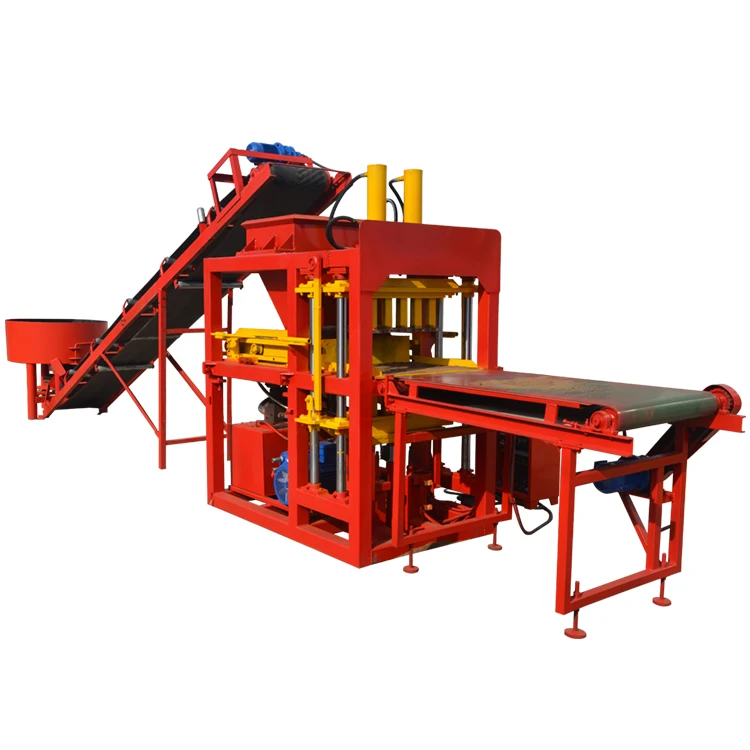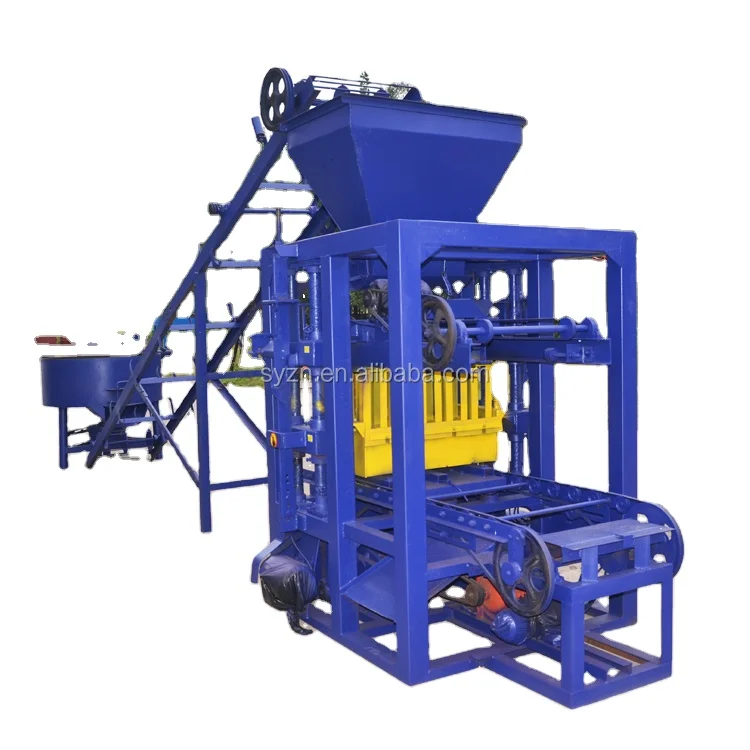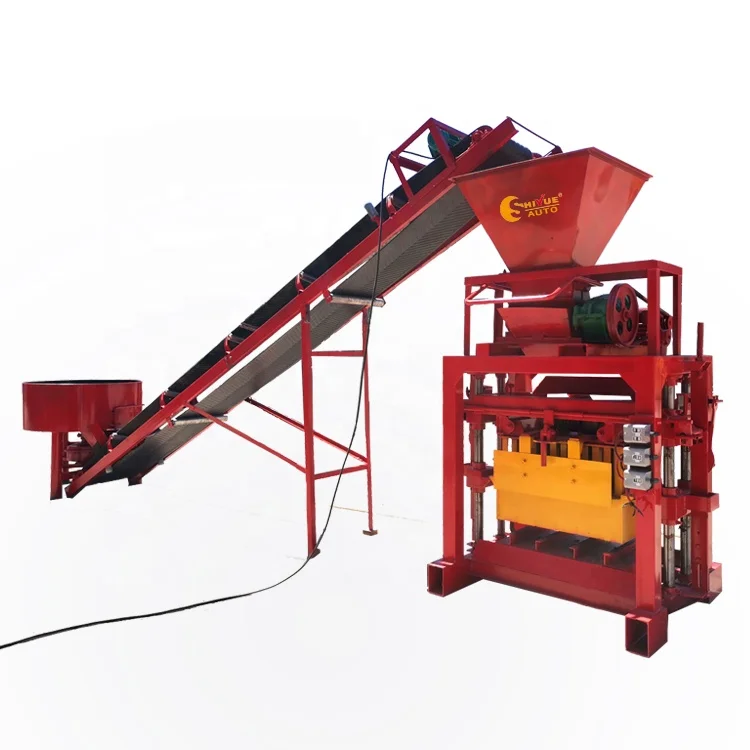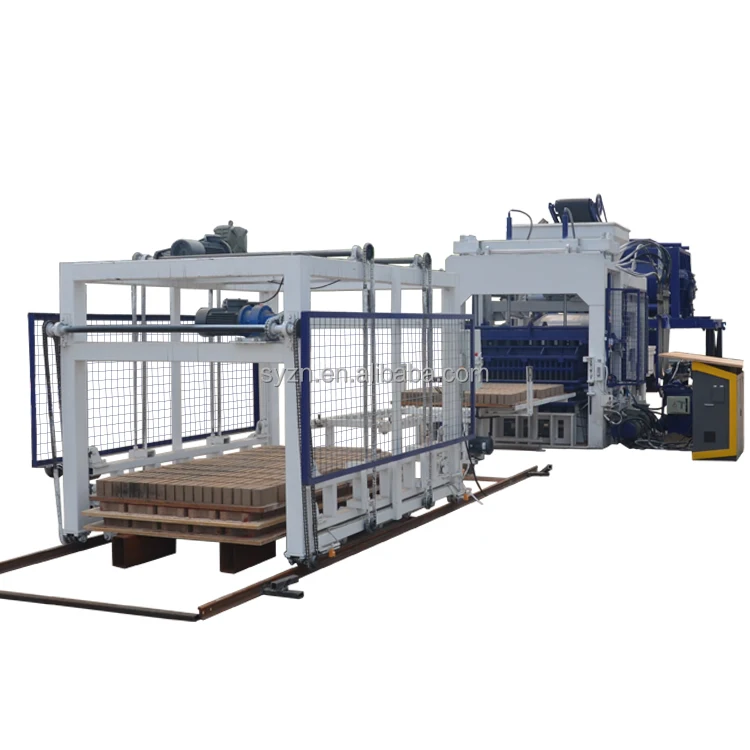
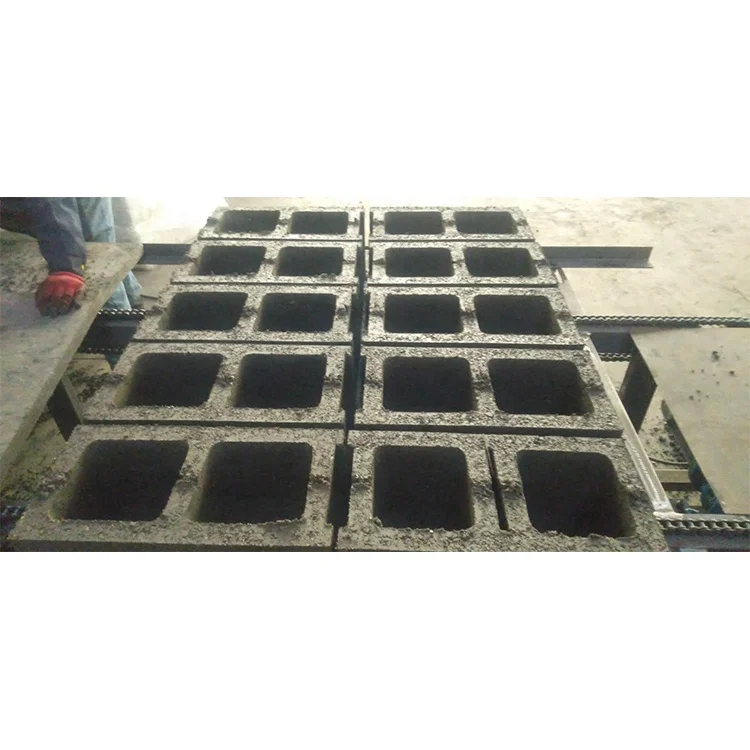
Description
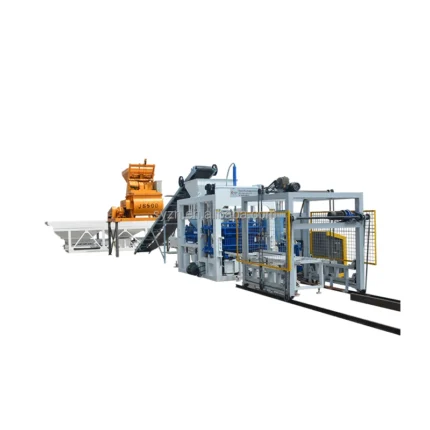
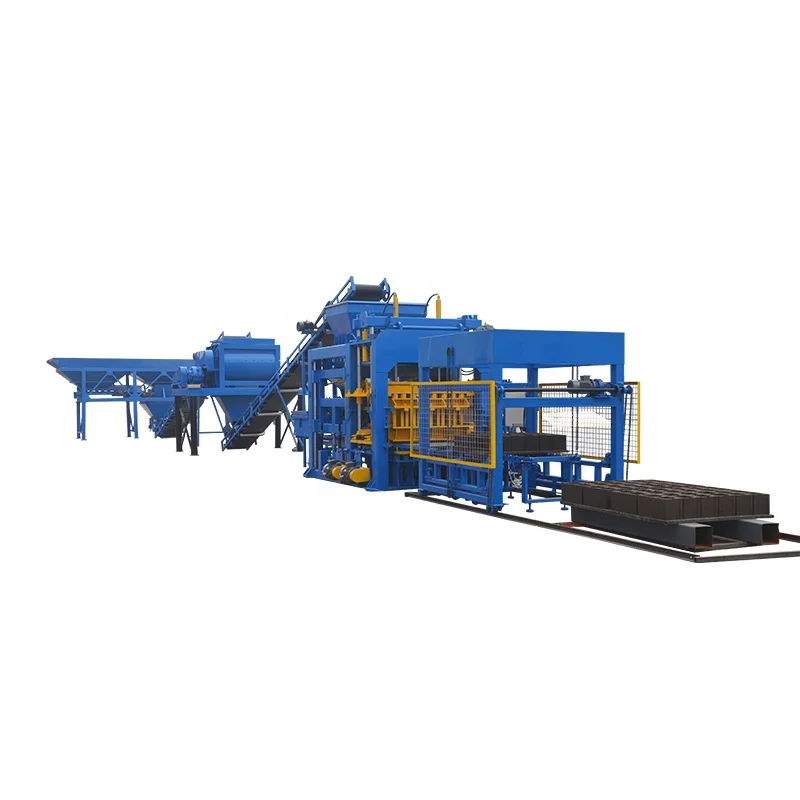
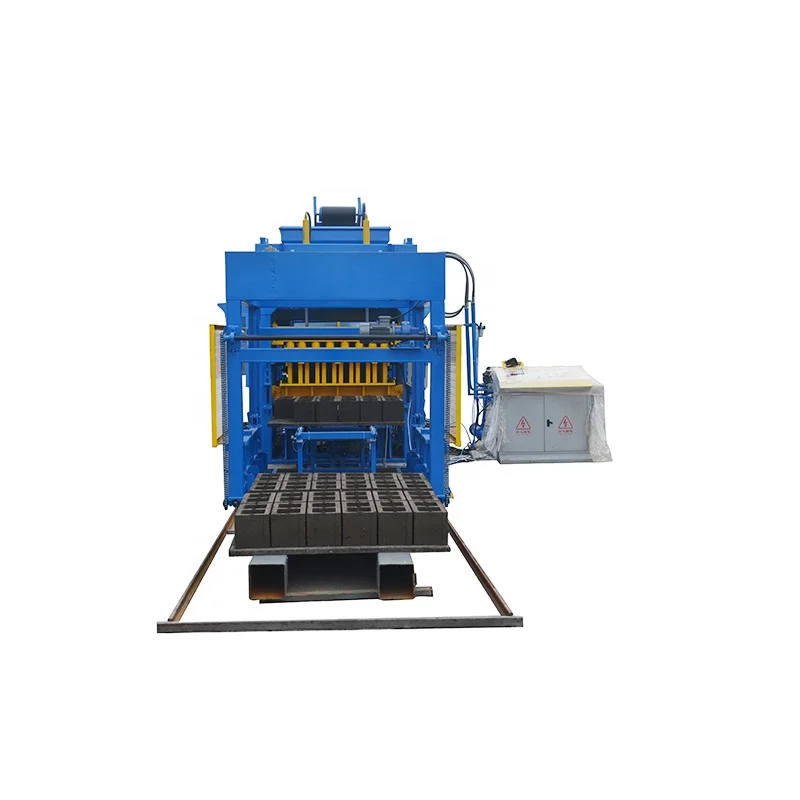
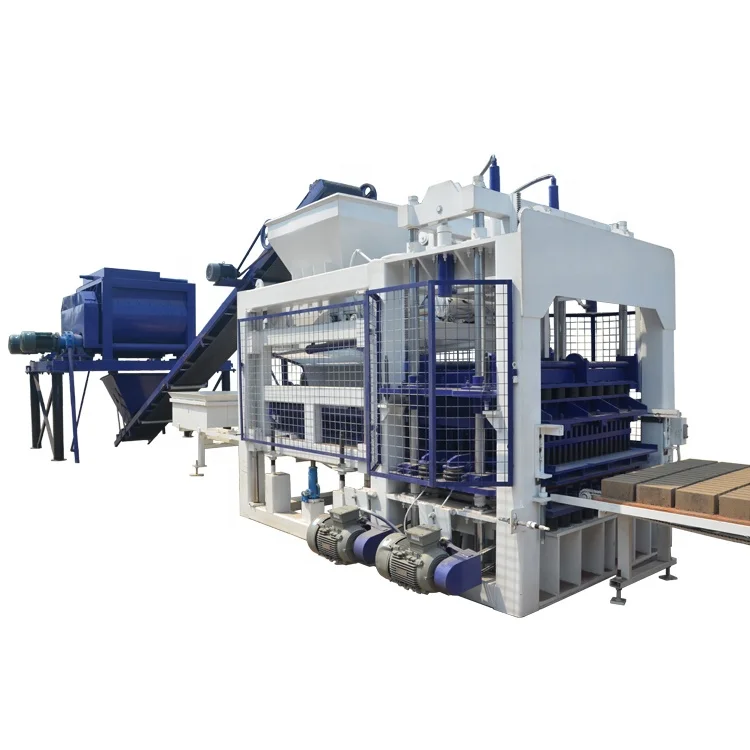
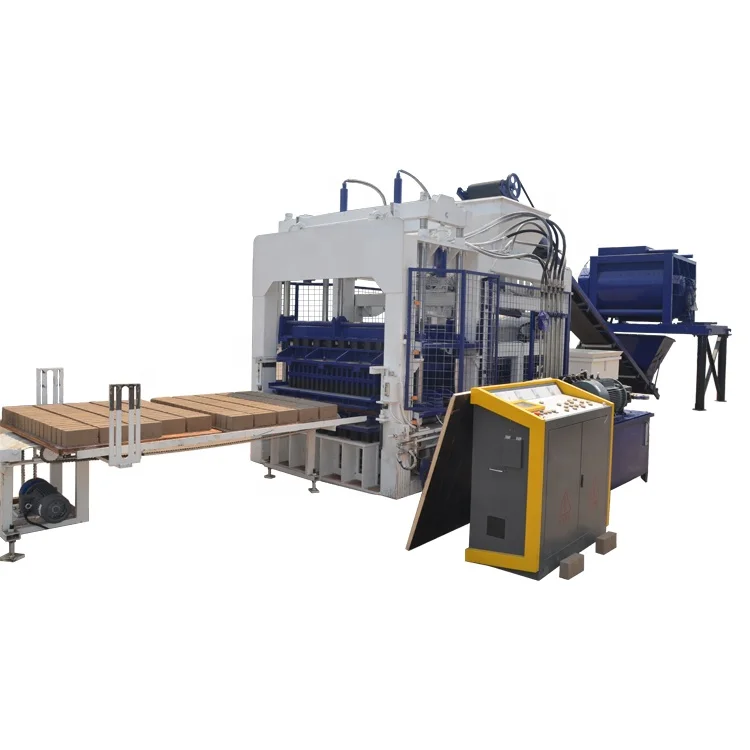
System Integration Expertise — We configure the automatic QT12-15 block making machine PLC controlled system against the buyer’s actual mix design, local aggregate, and operator language, ensuring the press, mould, pallet, and handling equipment function as one matched production line rather than assembled components.
Technical Specifications
| Parameter | Value |
|---|---|
| Model | QT12-15 |
| Product Type | Hydraulic Block Making Machine |
| Rated Power | 62 kW |
| Voltage & Frequency | Customized according to local industrial voltage (basis to be confirmed) |
| Control System | PLC with configurable display language (basis to be confirmed) |
| Pallet Size | 1300 x 900 mm |
| Moulding Cycle | 15–30 seconds (basis not stated in source) |
| Vibration Type | Table vibration |
| Vibration Force | 120 kN (source value — verify against manufacturer catalog) |
| Vibration Acceleration | 20g |
| Feeding System | Press-in arch breaker with 360° rotation |
| Wear Plate | Replaceable cloth platform wear-resistant plate |
| Noise Reduction | Flexible vibration reduction on pressure head; adjustable pressure air bag on mold box |
| Mould Configuration | Customized to buyer’s block format requirements |
| Compatible Formats | Wall blocks, porous bricks, pavement bricks, slope protection bricks |
| Certification | CE (applicable per company profile; verify for specific unit) |
Application Suitability
| Application | Material or Output |
|---|---|
| Hollow and solid wall block production | Crushed stone, sand, cement, and local aggregate blends |
| Paver and pavement brick manufacturing | Fine aggregate mixes with pigment integration for coloured pavers |
| Porous brick production for permeable surfaces | Graded aggregate with controlled cement content for water permeability |
| Slope protection brick forming | Heavy-duty concrete mixes requiring high compaction density |
| Kerbstone and interlocking format runs | Standard concrete masonry mixes with mould-specific compaction profiles |
Why "Cycle Time" Means Nothing Without Block Format Context
A 15-second cycle on a thin paver is a different machine than a 15-second cycle on a 200 mm hollow block.
The QT12-15 carries a moulding cycle range of 15 to 30 seconds, but that span exists because block height, mix stiffness, and required compaction density each pull the cycle in opposite directions. I have watched plant owners in Latin America sign contracts based on a single cycles-per-hour number, only to discover their daily output of hollow blocks fell well short of projections because the quoted figure assumed a thinner paver format [NEED_CITE: block cycle time calculation standards by format and mix design]. When the automatic QT12-15 block making machine PLC controlled system is configured, the PLC stores separate recipes for each mould — vibration duration, pressure head descent, feed rotation count — so operators recall the correct profile rather than guessing. Without that per-format programming, every mould change becomes a commissioning exercise on the factory floor.
How PLC Automation Removes Operator-Dependent Variation
On a manual or semi-automatic line, the operator decides when the feed box retracts, how long vibration runs, and when the pressure head lifts. Batch-to-batch consistency then depends on one person’s rhythm across a ten-hour shift. The automatic QT12-15 block making machine PLC controlled system replaces those decisions with stored parameters: feed time, vibration frequency ramp, hydraulic pressure hold duration, and demoulding speed are all locked per recipe. What the PLC removes from the operator is variation; what it adds is a documented baseline that lets the plant owner trace a strength failure back to a specific parameter set rather than a specific shift worker.
Remote Diagnostics and the Language Barrier on Site
In Peru, I once stood next to a block press where the PLC alarm displayed in a language the operators could not read, and the stacker nearly collided with a curing rack before someone found a supervisor who could interpret the code. Commissioning delays from unconfirmed PLC display language and voltage mismatches remain among the most common reasons a new block line sits idle after arrival [NEED_CITE: industrial equipment commissioning delays caused by language and voltage configuration]. The automatic QT12-15 block making machine PLC controlled configuration must have its display language, alarm text, and voltage-frequency setting locked before the machine enters production. Remote diagnostics only function when the control system speaks the language of both the local electrician and the remote support engineer reading logs from another time zone.
Reading the Specs That Actually Determine Block Density
Vibration force and hydraulic pressure work together to compact concrete into the mould cavity, and neither spec alone tells the full story. The QT12-15 lists 120 kN of vibration force and 20g acceleration — the acceleration figure matters because it describes how aggressively the mix particles rearrange under vibration, while the force rating indicates the energy transmitted through the table into the pallet and mould. The 360° rotating press-in arch breaker ensures the mould cavity fills evenly before vibration begins; uneven fill means vibration compacts one end of the block more than the other, producing density variation across a single pallet. The adjustable pressure air bag on the mold box dampens vibration transmission into the frame, extending mould life and reducing structural noise — a practical concern when the curing area sits adjacent to the press. Pallet size at 1300 x 900 mm must align with the buyer’s existing curing racks and forklift capacity, because mismatched pallets create a bottleneck that no amount of press speed can solve [NEED_CITE: pallet sizing and curing rack compatibility in block plant layout].
The Hidden Cost of Skipping Configuration Verification
When voltage and frequency are left unconfirmed, the machine arrives with a motor wound for a supply the site does not have, and rewinding takes weeks. When the PLC language defaults to one the operators cannot read, every alarm becomes a mystery and every parameter adjustment a risk. When the mould is specified by catalogue number instead of the buyer’s actual block drawing, the format may not match what the local market purchases. These are not defects — they are configuration gaps that turn a delivery into a delay [NEED_CITE: configuration verification best practices for imported block making machinery]. The cost is never just the rewinding invoice; it is the idle crew, the missed project deadline, and the reputation damage with the buyer’s own customer.
Why Buyers Source This Line Through Shiyue
The QT12-15 is specified as a matched system — press, mould, pallet, and handling equipment are selected together against the buyer’s target block format and local aggregate, not assembled from separate catalogue pages. Mould design follows the buyer’s market requirements, including custom drawings when standard formats do not match local demand. Automation level is selectable, so a plant owner can commission the QT12-15 at semi-automatic with manual pallet handling and upgrade to full automatic stacking and cubing as production volume justifies the investment. Factory testing runs the buyer’s specified mould with recorded parameters before dispatch, not a generic test block. Installation support includes operator training on the PLC recipe system so the local crew can manage mould changes and parameter recalls independently from day one.
Documentation & Verification
- Line layout showing QT12-15 footprint with pallet flow and curing rack spacing
- Capacity calculation stating the specific block format assumed for cycle time
- Mould drawing and format list matched to your confirmed block dimensions
- Hydraulic and electrical schematic with confirmed voltage and frequency values
- PLC display language and alarm text confirmation before production release
- Factory test record on your specified mould and mix design before dispatch
Installation, Commissioning & Support
- Foundation must support the QT12-15 vibration load and pallet handling system weight
- Dedicated electrical circuit sized for 62 kW rated power plus feeder and mixer loads
- Machine arrives in dismantled state; assembly sequence provided with pallet alignment checkpoints
- First-run commissioning includes PLC recipe programming for each confirmed block format
- Operator training covers mould change procedure, recipe recall, and alarm response protocols
- Wear parts list identifies replaceable cloth platform plate and hydraulic seal intervals
What We Need to Configure Your Line
To prepare a configuration proposal for the QT12-15, provide your target block formats with dimensions, the daily output you need per format, and the local aggregate and cement types available at your site. Confirm your site voltage, frequency, and the PLC display language your operators require. If you have existing curing racks, forklifts, or pallet inventory, share the dimensions so the pallet specification aligns with your current handling equipment.
Frequently Asked Questions
Q: How is the QT12-15 cycle time verified per block format, and what daily output can I expect?
A: Cycle time depends on block height, mix stiffness, and target density. We run a factory test on your specified mould and record the actual cycle per format. The capacity calculation we provide states the block format assumed, so daily output projections match your production plan rather than a generic catalogue figure.
Q: What automation level does the QT12-15 ship with, and can I upgrade later?
A: Automation is selectable from semi-automatic pallet handling through to full automatic stacking and cubing. The PLC recipe system is present at every level, so upgrading later involves adding mechanical handling stations without replacing the control architecture or reprogramming stored mould parameters.
Q: How does the PLC store and recall parameters when switching between block formats?
A: Each mould format has a stored recipe containing vibration duration, pressure hold time, feed rotation count, and demoulding speed. Operators select the recipe from the PLC display before a mould change, eliminating manual parameter entry and ensuring batch-to-batch consistency across shifts and operators.
Q: Can voltage, frequency, and PLC language be confirmed before the machine ships?
A: Yes — these are confirmed during the quotation stage and locked before production begins. The electrical schematic and PLC configuration document are shared for approval so the machine arrives matching your site supply and operator language, avoiding commissioning delays.
Q: What remote diagnostics does the PLC offer for reducing unplanned downtime?
A: The PLC logs operational parameters, alarm history, and cycle counts. Remote support engineers can read these logs to diagnose faults without visiting the site, and parameter trends alert the plant owner to drift before it produces out-of-spec blocks or triggers a mould collision.