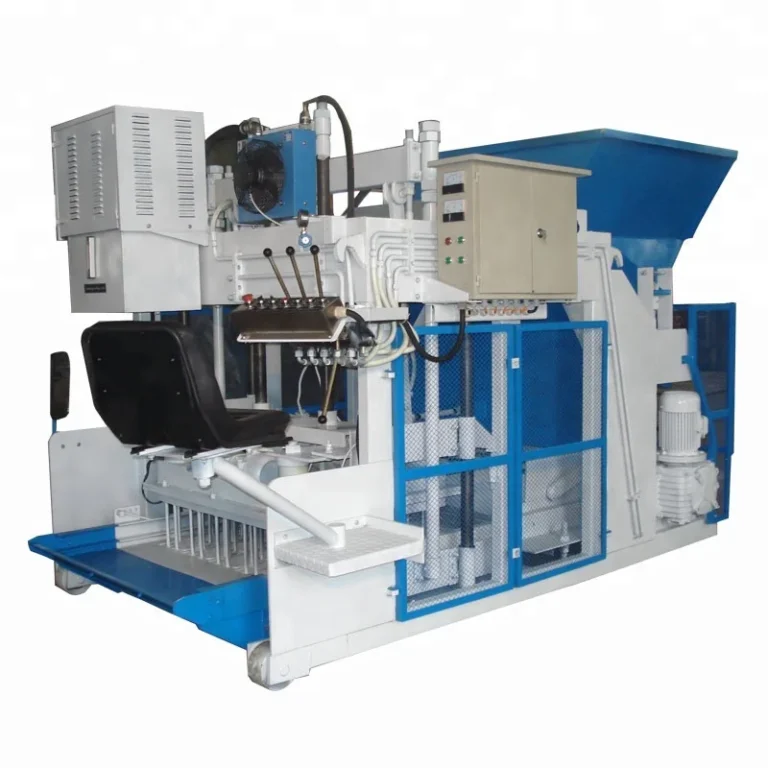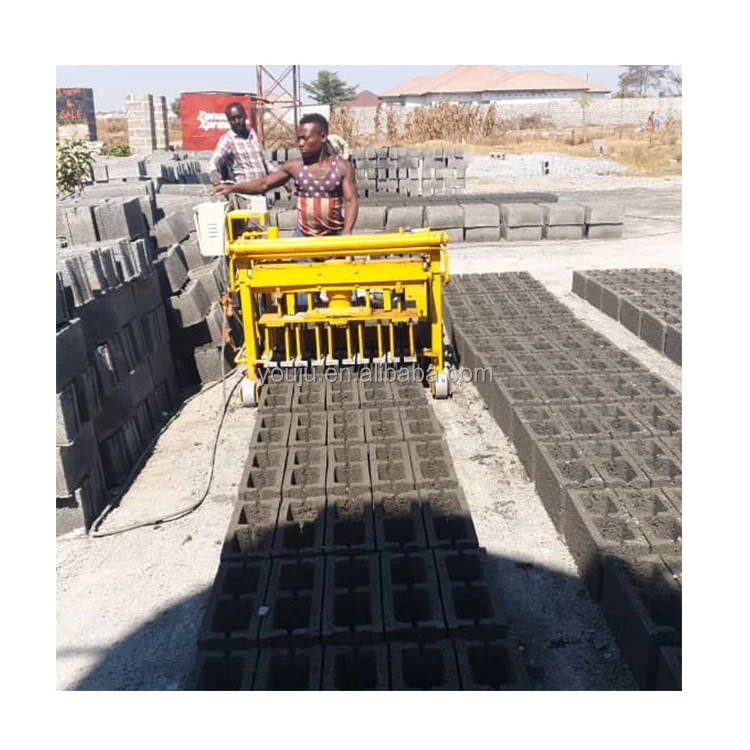
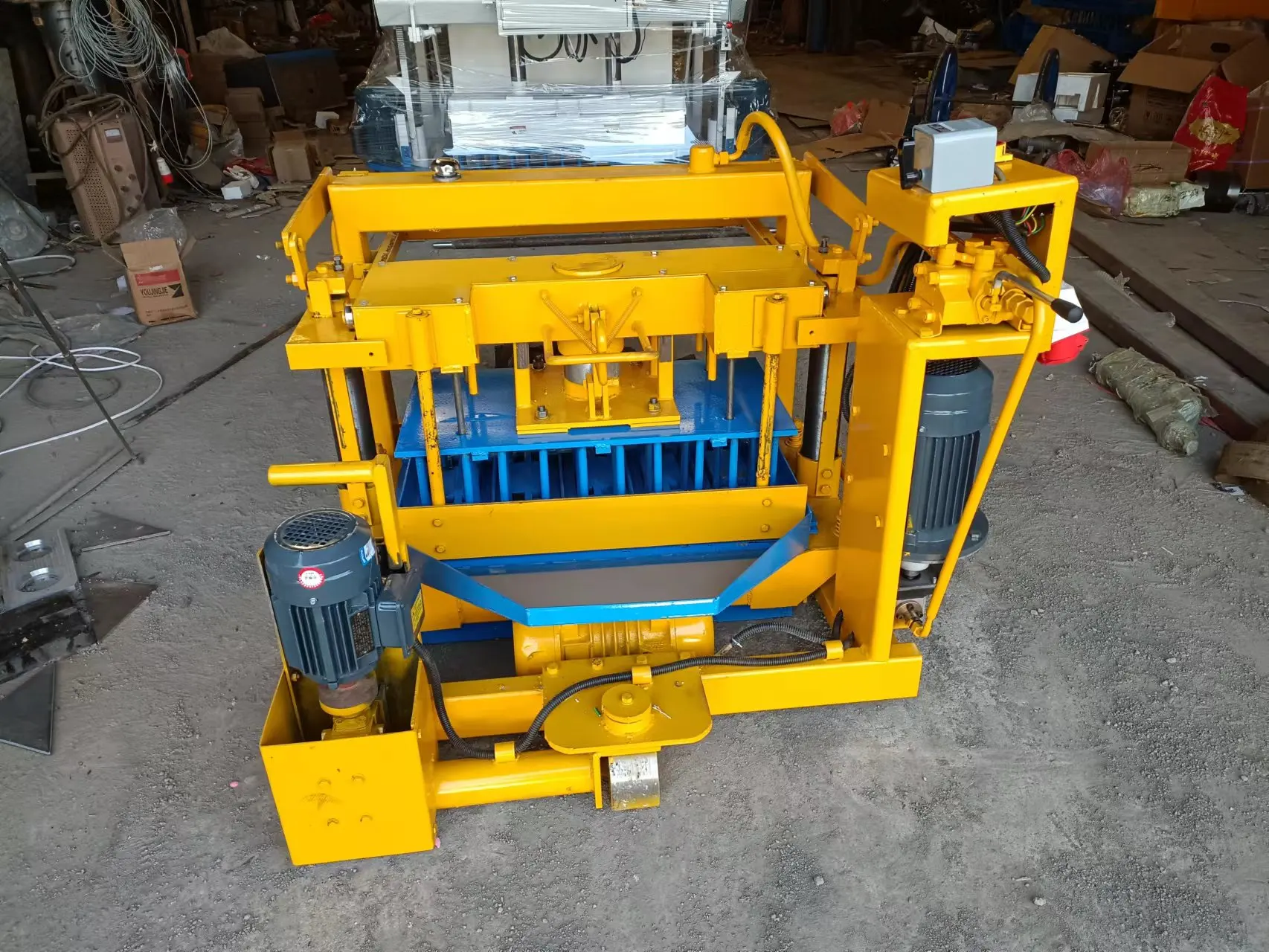
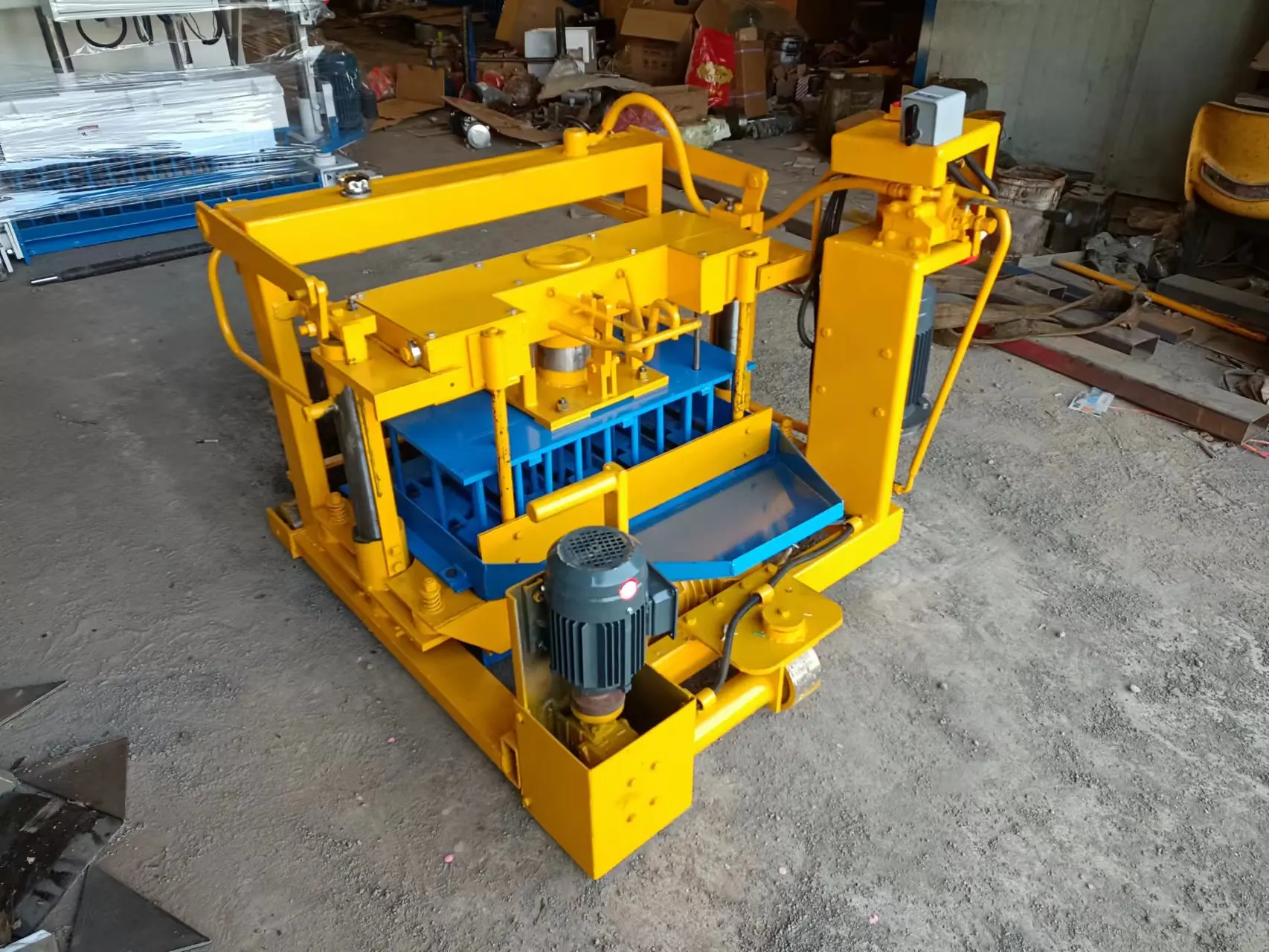
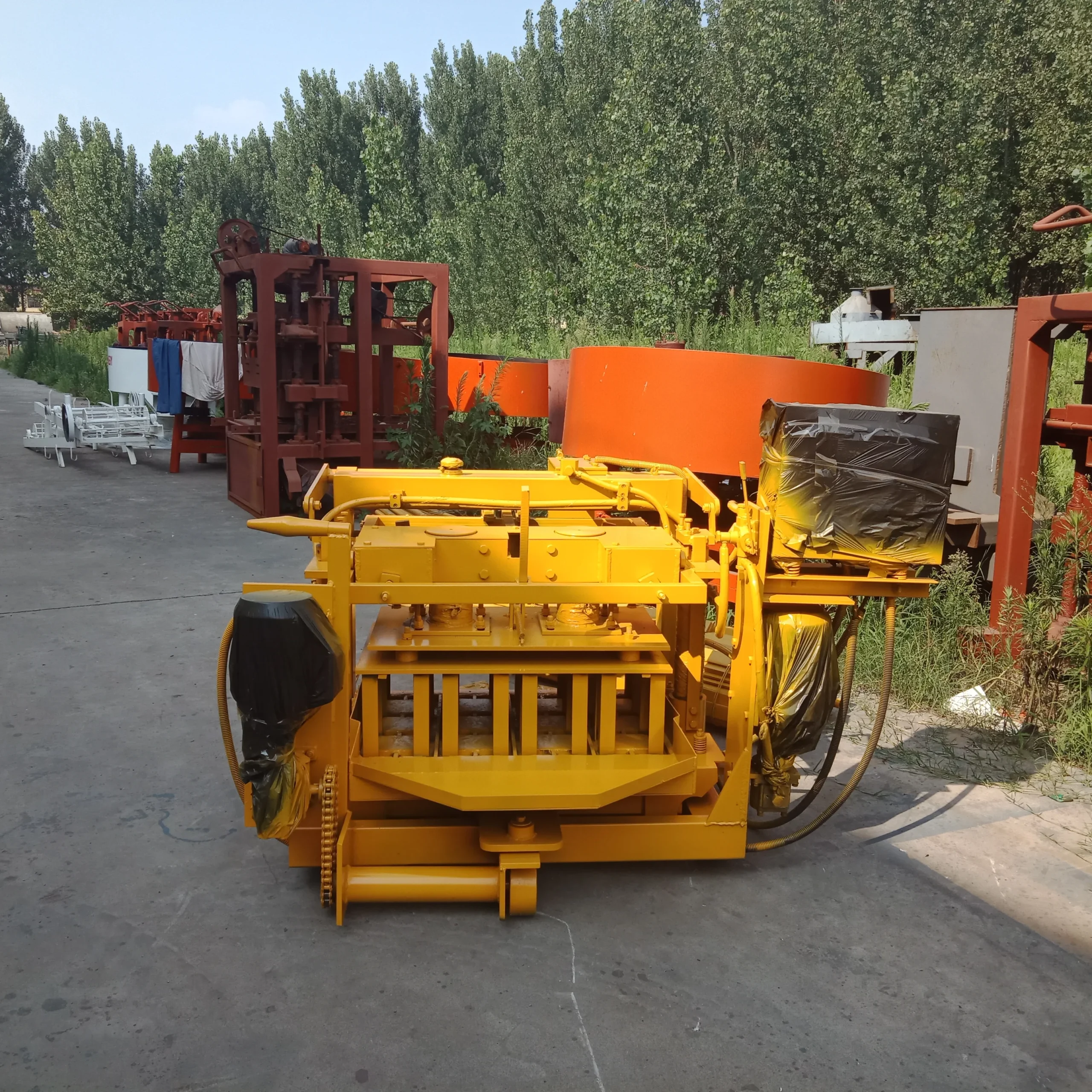
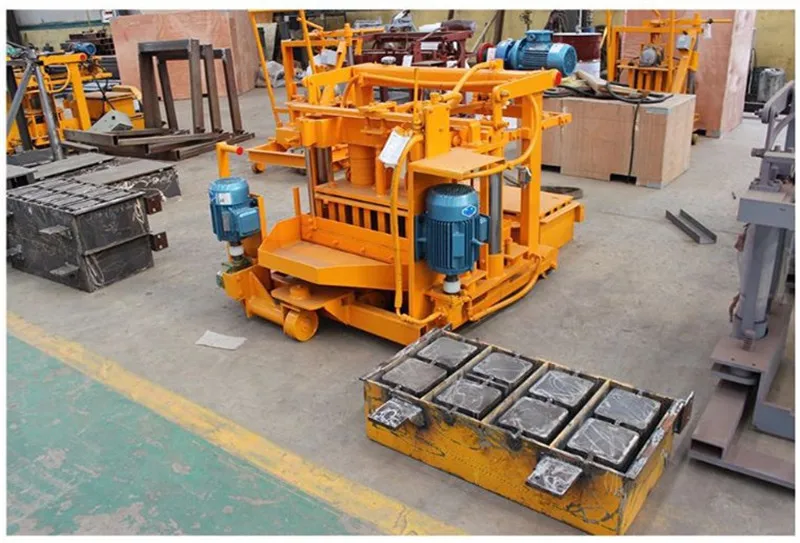
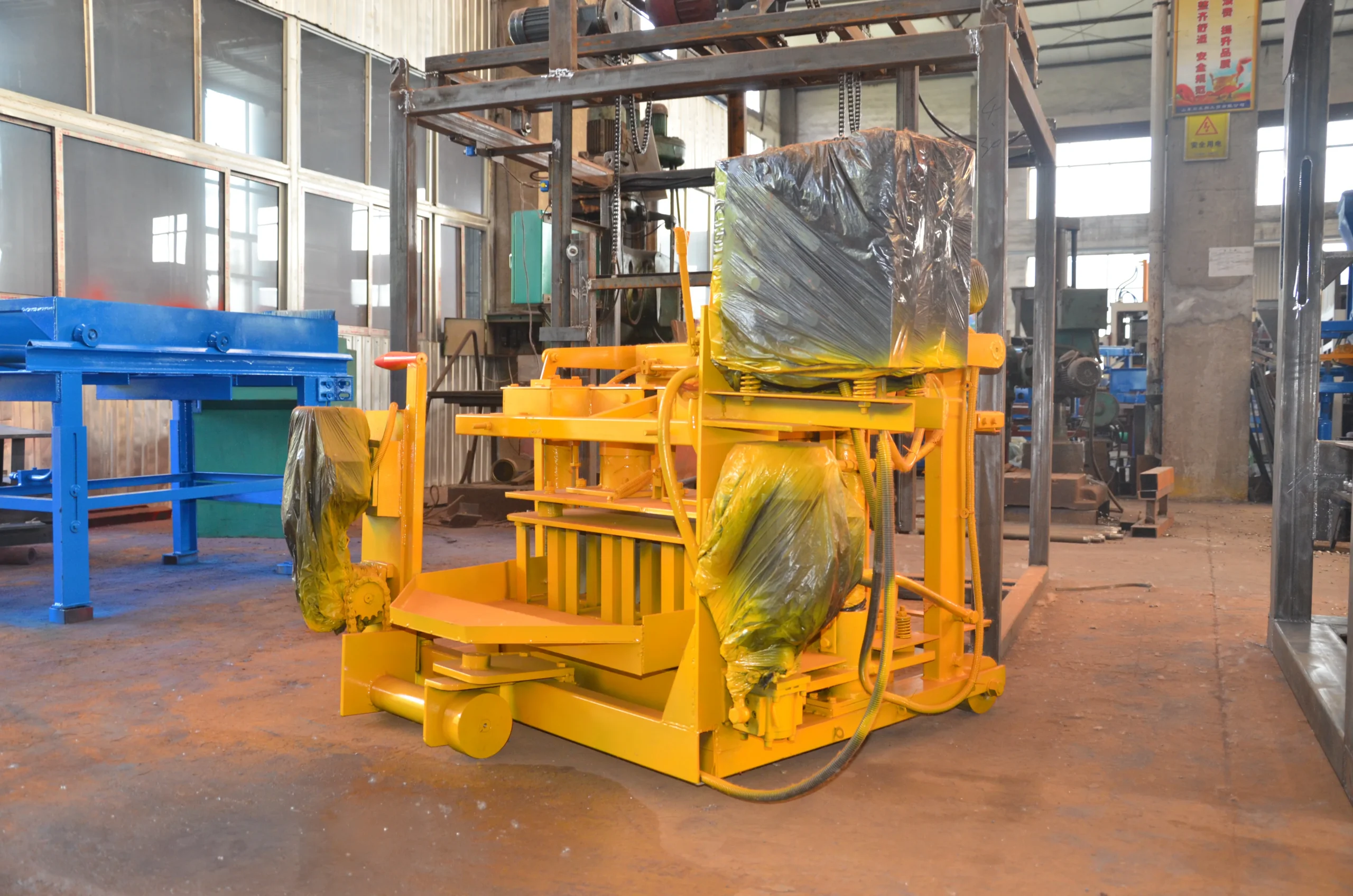
Description
Cycle Repeatability — The QMY4-30 holds a fixed 30-second moulding cycle across hollow block and solid brick formats, removing operator guesswork from every drop.
Technical Specifications
| Parameter | Value |
|---|---|
| Model | QMY4-30 |
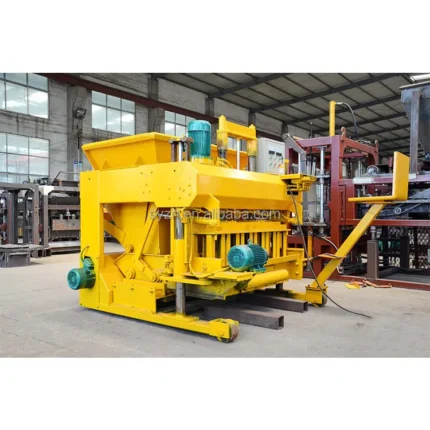
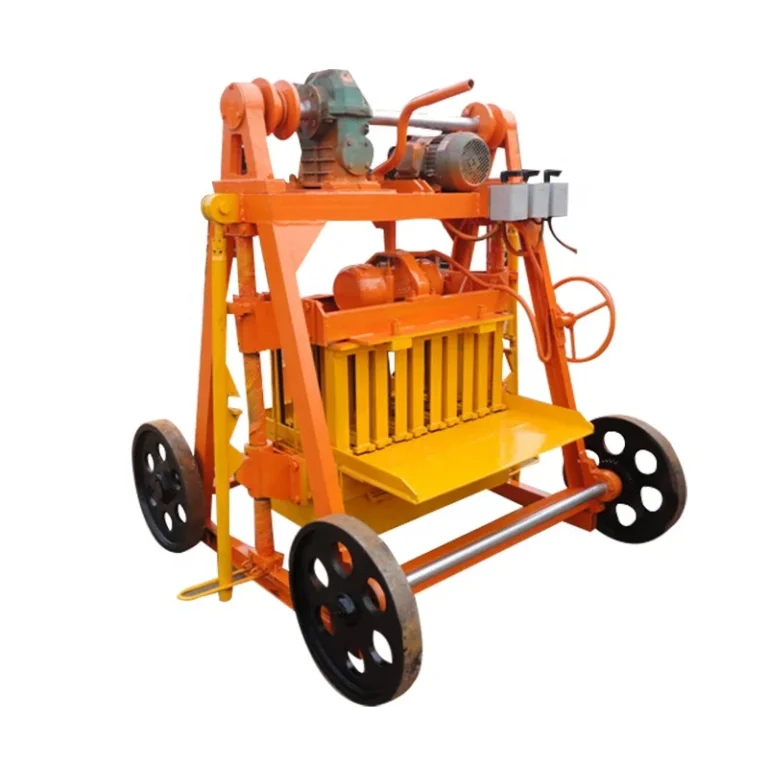
| Product Type | Mobile Egg-Laying Block Making Machine |
| Rated Power | 5 kW |
| Overall Dimensions (L×W×H) | 1200 × 1200 × 1100 mm |
| Net Weight | 950 kg |
| Molding Cycle Time | 30 seconds |
| Mould Format Options | Hollow block, solid brick (standard sizes) |
| Output (400×200×200 mm hollow block) | 4 pcs/mould, 480 pcs/h, 3840 pcs/8h |
| Output (400×150×200 mm hollow block) | 5 pcs/mould, 600 pcs/h, 4800 pcs/8h |
| Output (400×100×200 mm hollow block) | 7 pcs/mould, 840 pcs/h, 6720 pcs/8h |
| Raw Materials | Cement, sand, crushed stones, slag |
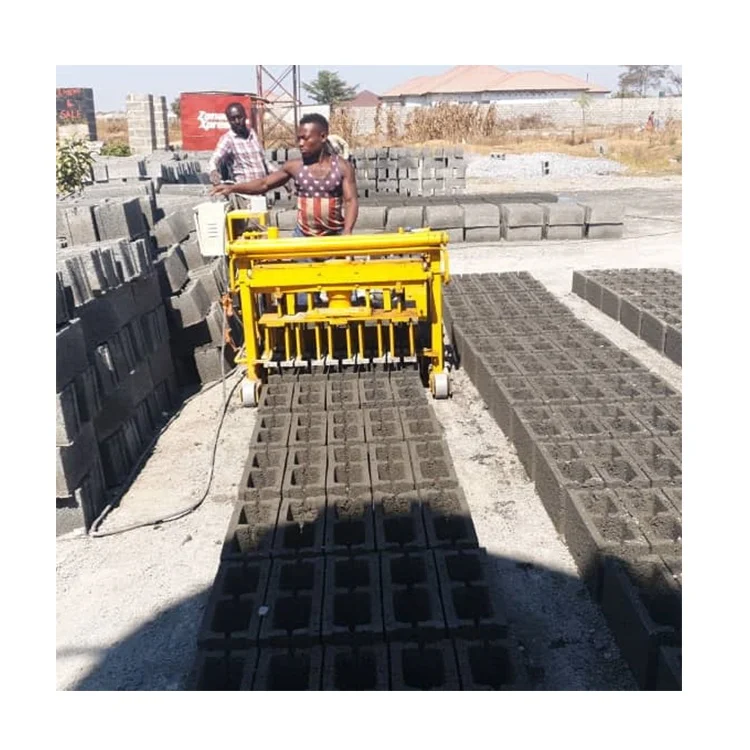
| Machine Type | Mobile / egg-laying (no pallet required) |
| Automation Level | Semi-automatic with manual handling |
| Voltage & Frequency | Configurable to buyer’s site supply (basis to be confirmed) |
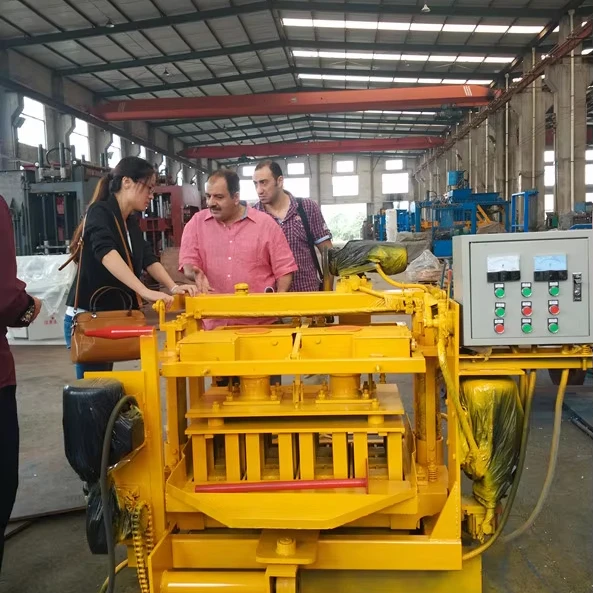
| Control System | PLC or relay logic (basis to be confirmed) |
| Hydraulic Pressure | Per manufacturer catalog (basis to be confirmed) |
| Vibration Force | Per manufacturer catalog (basis to be confirmed) |
Application Suitability
| Application | Material or Output |
|---|---|
| On-site hollow block production for housing projects | Cement, river sand, crushed stone |
| Small-scale solid brick manufacturing | Cement, sand, slag blends |
| First block plant for entrepreneurs | Standard hollow and solid formats |
| Contractor-owned production at remote project sites | Locally sourced aggregate with cement binder |
Why the Control System Matters More Than the Nameplate Output
A fixed cycle time only delivers consistent blocks when the control system enforces it on every single press.
I once watched a mobile egg-laying machine run hollow blocks on a site in Southeast Asia where the operator manually timed each cycle by counting seconds in his head. The vibration duration drifted from 15 seconds on one block to 25 on the next. The result was a pallet of blocks where half crumbled under their own weight before curing finished. The automatic mobile block making machine eliminates that variance by locking vibration, hydraulic pressure, and cycle timing into a repeatable sequence [NEED_CITE: PLC control standards for concrete block forming equipment].
What the 30-Second Cycle Actually Controls
The QMY4-30 enforces a 30-second moulding cycle that covers feeding, vibration, compression, and demoulding in sequence. For an automatic mobile block making machine operating without pallets, this repeatability is what separates usable output from scrap. Each hollow block and solid brick format runs through the same timed stages, so the operator does not decide when to stop vibrating or when to lift the mould.
Configuring Automation to Match Plant Growth
Starting with a semi-automatic baseline means the QMY4-30 handles moulding and demoulding while the operator manages material feeding and block movement. As output demand grows, batching accuracy and pallet handling can be introduced incrementally [NEED_CITE: automation upgrade paths for small-scale block plants]. The PLC controlled egg-laying block machine configuration allows the control language and display to be set before the machine leaves the factory, avoiding commissioning delays once it reaches the site.
Reading the Specification Sheet Against Your Mix Design
Hydraulic pressure and vibration force must match the buyer’s actual aggregate and cement ratio, not a default catalog setting. A mix with high clay content in the sand requires different vibration intensity than clean crushed stone. The 5 kW rated power must also align with the site’s available supply, especially in regions where voltage fluctuation is common. Pallet size is irrelevant here since the egg-laying design deposits blocks directly on the ground, but the curing area must be level and sized to receive the daily output the machine produces.
The Cost of Skipping Voltage and Control Confirmation
When voltage, frequency, and PLC display language are not confirmed in writing before production, the machine arrives with a control panel the operator cannot read and a motor rated for a supply the site cannot provide. Commissioning stalls while transformers are sourced or panels are rewired [NEED_CITE: voltage and frequency standards by export market]. On a mobile machine intended for immediate deployment at a project site, that delay can push block production weeks behind the construction schedule.
Why This Machine Is Specified as a System
The QMY4-30 is configured against the buyer’s actual mix design and local aggregate rather than shipped with default settings. Moulds are selected for the block formats the buyer’s market actually sells, with custom drawings available for non-standard sizes. The machine, mould, and handling equipment are specified together so the press is not left waiting on upstream mixing or downstream curing. Installation includes operator training so the 30-second cycle is understood, not just set. Documentation covers factory test records on the buyer’s specified block format before dispatch.
Documentation & Verification
- Machine specification sheet stating output per block format with mould size assumed
- Mould drawing and format list matching buyer’s market requirements
- Voltage, frequency, and control language confirmation signed before production
- Factory test record on buyer’s specified hollow block or solid brick format
- Operation and maintenance manual with wear parts and mould replacement list
Installation, Commissioning & Support
- 1200 × 1200 mm footprint requires level concrete surface for egg-laying operation
- 5 kW rated power demands dedicated circuit matching confirmed voltage and frequency
- Machine ships assembled or SKD depending on container loading requirements
- First startup includes cycle timing verification against specified mould format
- Operator training covers 30-second cycle stages and mould change procedure
- Wear parts list provided for planning first replacement of vibration and hydraulic components
What to Include in Your Inquiry
Send the block format you plan to produce, your daily output target, and the local raw materials you intend to use. Include your site voltage, frequency, and preferred control panel language. If you have an existing mixer or plan to add one, note its capacity so the feeding rate can be matched.
Frequently Asked Questions
Q: How is the 30-second cycle time verified across different block formats?
A: The cycle covers feeding, vibration, compression, and demoulding. Each format runs through factory testing before dispatch, and the test record states the actual time per block type. Cycle repeatability depends on the control system enforcing the same sequence regardless of format.
Q: What automation upgrades are available from the semi-automatic baseline?
A: Batching accuracy, automatic material feeding, and remote diagnostics can be added as the plant scales. The PLC controlled egg-laying block machine configuration supports these additions without replacing the core press. Each upgrade is specified against the buyer’s actual production flow.
Q: How are voltage, frequency, and control language confirmed before shipment?
A: The buyer provides site electrical details and preferred display language during the inquiry stage. These are confirmed in writing before production begins, so the control panel and motor arrive matched to the site supply. This prevents commissioning delays.
Q: What is the mould change procedure and how does it affect daily output?
A: Mould change involves releasing the current mould, fitting the new one, and adjusting the cycle parameters for the new format. The time required depends on the specific mould design and should be confirmed with the manufacturer. Planning format changes at shift breaks minimizes lost production time.
Q: How does the QMY4-30 integrate with upstream mixers and downstream curing?
A: The automatic mobile block making machine deposits blocks directly on the ground, so the curing area must be level and sized for daily output. Upstream mixer capacity should match the machine’s feeding rate to avoid the press waiting for material. Both are addressed during line configuration.