
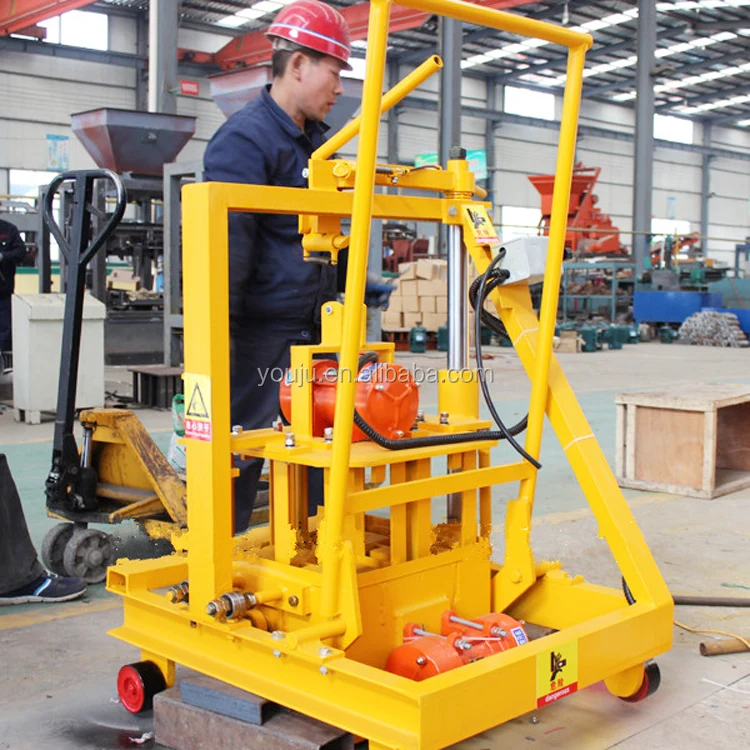


Description
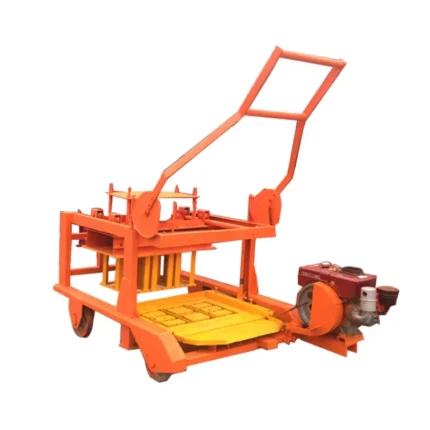
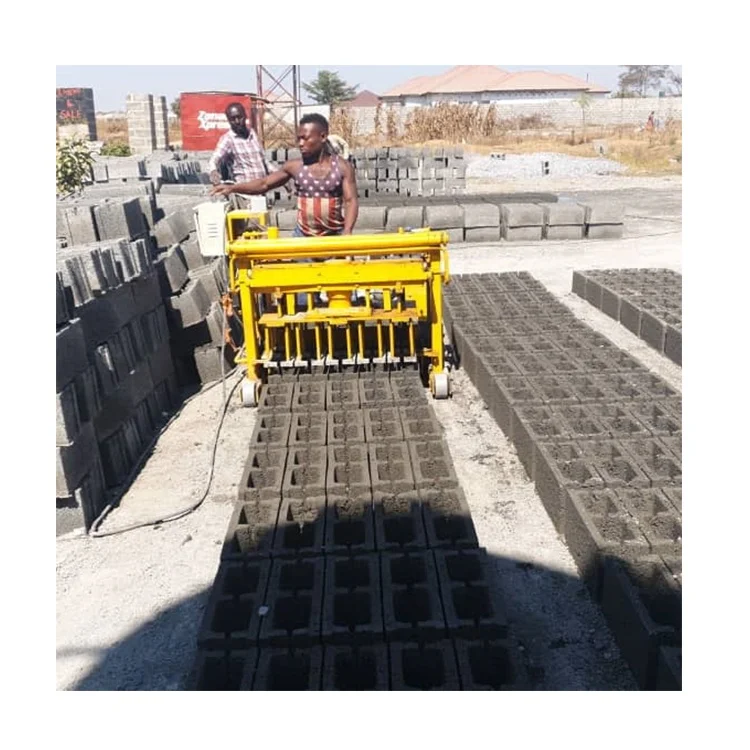
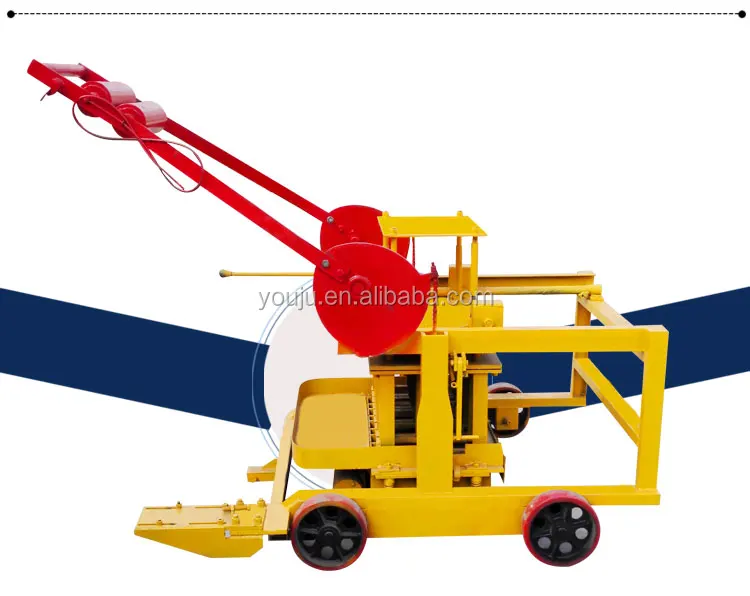
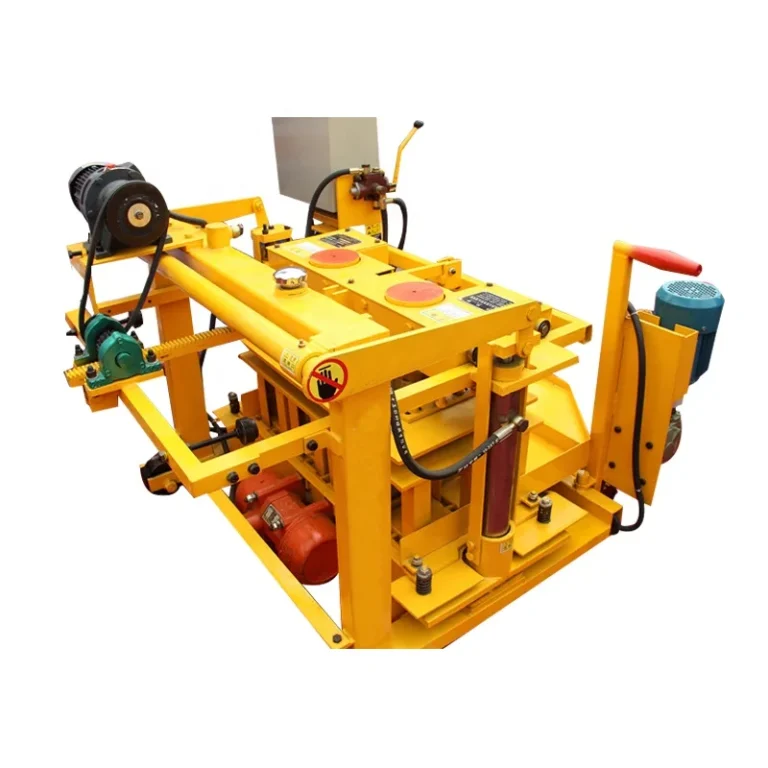
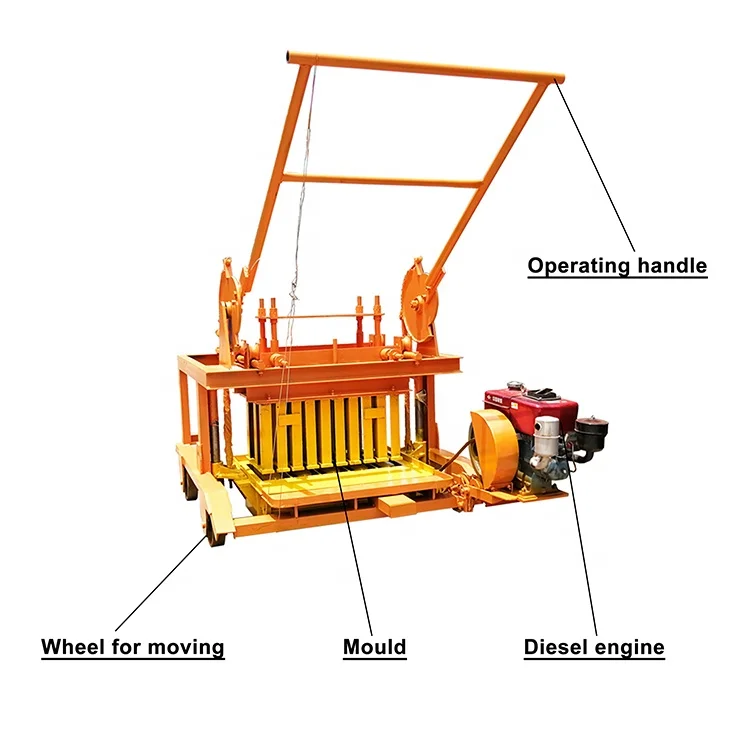
Controlled Cycle Timing — The QMJ2-45 mobile block machine tightens its 25–30 second moulding cycle through selectable automation, moving consistency from the operator’s hands into a repeatable control loop.
Technical Specifications
| Parameter | Value |
|---|---|
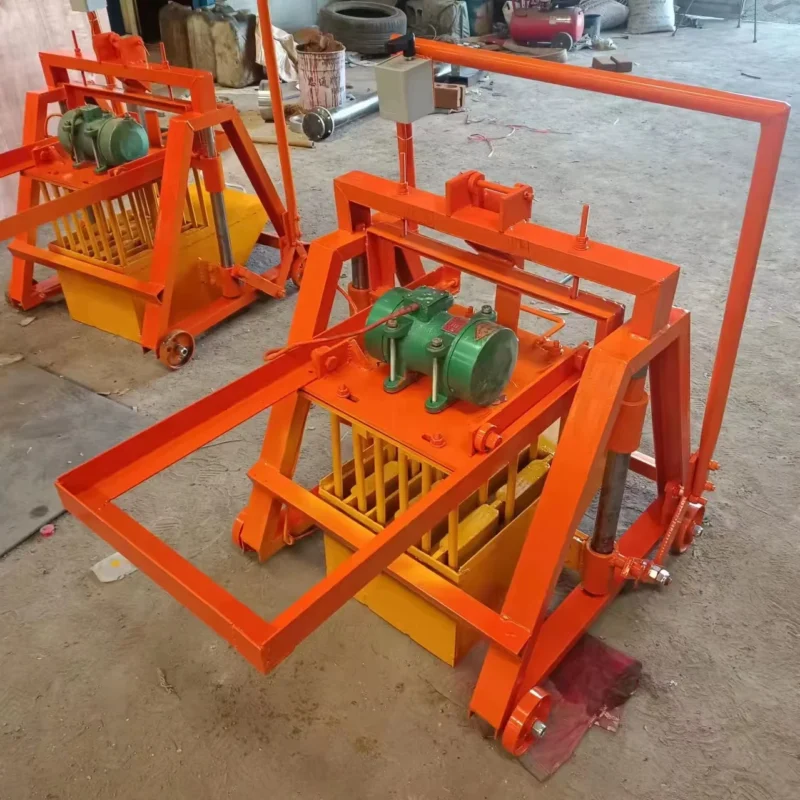
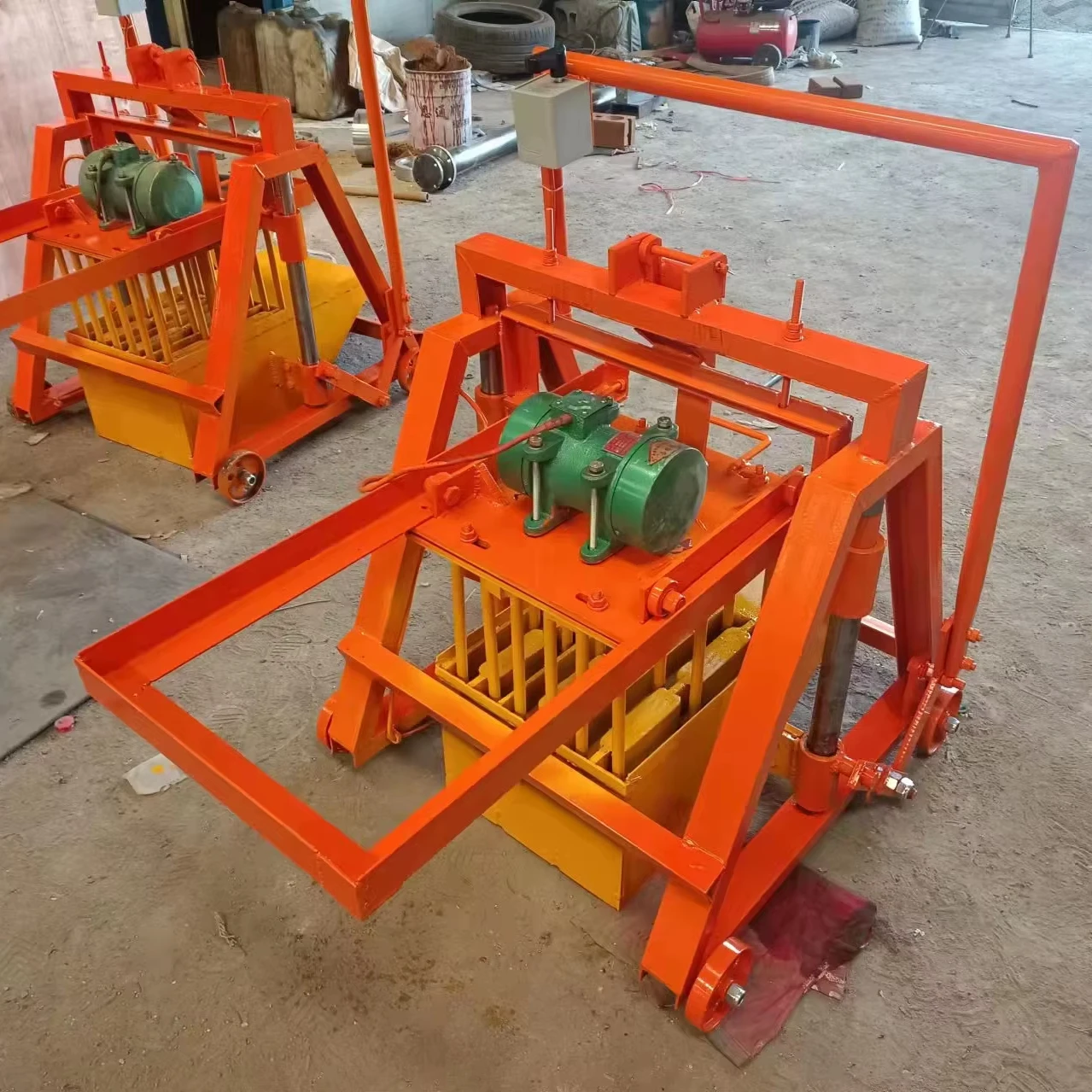
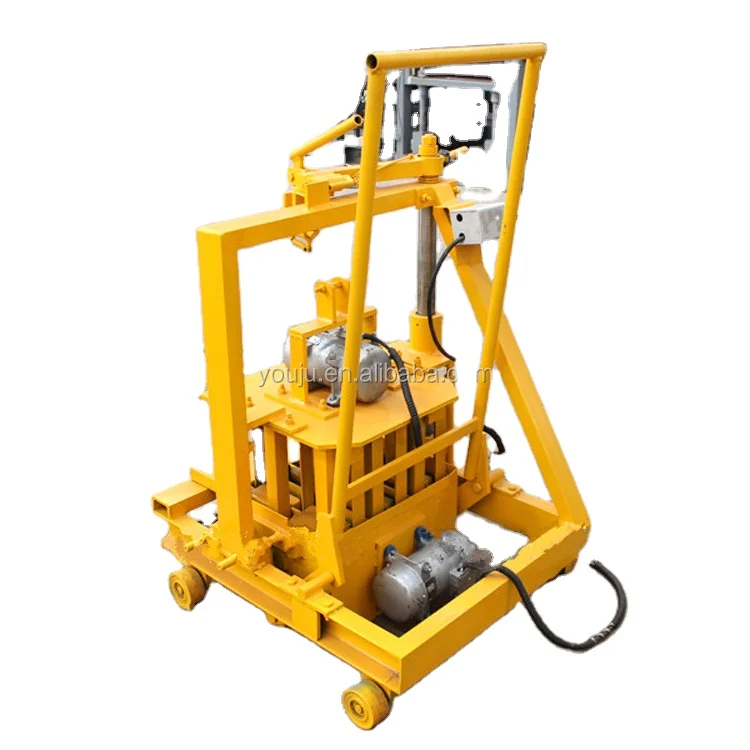
| Model | QMJ2-45 |
| Product Type | Mobile Concrete Block Making Machine |
| Moulding Cycle | 25–30 seconds |
| Hollow Brick Capacity (400×200×200mm) | 2 pcs/mould, 160 pcs/hour, 1280 pcs/8hr |
| Hollow Brick Capacity (400×150×200mm) | 3 pcs/mould, 240 pcs/hour (basis to be confirmed) |
| Hollow Brick Capacity (400×100×200mm) | 4 pcs/mould, 320 pcs/hour, 2560 pcs/8hr |
| Pallet Requirement | None (egg-laying operation) |
| Labor Requirement | 1 to 3 workers |
| Mobility | Free movement across flat production surface |
| Mould Change | Interchangeable moulds for multiple hollow formats |
| Standards | ISO 9001:2000, CE |
| Automation Options | Manual operation, optional PLC control integration |
Application Suitability
| Application | Material or Output |
|---|---|
| On-site hollow block production for building contractors | Crushed stone, river sand, cement mixes |
| Small-scale block yards with limited footprint | Local aggregate and cement blends |
| Entrepreneur-led first block plants | Standard concrete hollow formats |
| Project-based production without fixed infrastructure | Site-sourced sand and gravel mixes |
| Format diversification for existing manual producers | Multiple hollow brick dimensions through mould change |
Why the Voltage Question Comes Before the Machine Price
A mobile block machine that arrives with the wrong voltage or undocumented control language sits idle until an electrician rewires the panel.
I have watched contractors in West Africa lose entire commissioning weeks because the motor was wound for 380V/50Hz while the site generator delivered 440V/60Hz. The QMJ2-45 can be specified for different voltage and frequency combinations, but only if those parameters are confirmed before production begins. When a PLC controlled mobile block making machine is part of the configuration, the display language must also be locked in — otherwise the operator cannot read fault codes during the first critical production runs [NEED_CITE: voltage and frequency standards by export market].
What Automation Actually Removes From the Operator
A manual mobile block machine depends entirely on the operator to time each cycle, control feed volume, and judge when the mould is fully compacted. The QMJ2-45 in its base configuration follows this pattern, with cycle times varying between 25 and 30 seconds depending on operator rhythm. Adding PLC control to this class of automatic mobile block machine standardizes the feed duration, vibration window, and demould sequence so that the 500th block of the shift matches the first.
Batch Consistency When the Aggregate Changes
In one project outside Accra, a contractor switched from river sand to a laterite-heavy mix mid-run. Without controlled timing and vibration, every block produced after the change cracked during curing. An automatic mobile block machine with PLC control allows the operator to adjust vibration duration and compaction pressure from the panel rather than guessing by hand, which is exactly the kind of adjustment that keeps block strength within tolerance when local materials shift [NEED_CITE: effect of laterite aggregate on concrete block compressive strength].
Reading the Specs Against Your Actual Block Format
The QMJ2-45 produces 2 pieces per mould at 400×200×200mm, yielding 160 blocks per hour under the stated cycle time. At 400×100×200mm the mould holds 4 pieces, reaching 320 per hour. These figures assume uninterrupted operation with material pre-mixed and fed manually — a condition that holds only when the team is disciplined and the mix station keeps pace. The 400×150×200mm capacity listed at 240 pieces per hour does not align cleanly with the 8-hour total in available documentation, so buyers should treat that figure as provisional until confirmed against the specific mould and cycle timing. Mould change on this platform is manual, meaning format flexibility depends on how quickly the team can swap and realign the mould box.
The Cost of Skipping the Control Specification
Buyers who order a mobile machine without confirming the control configuration often discover that the PLC display defaults to a language their operators cannot read, or that the motor starter is incompatible with local power protection standards. The result is a machine that produces blocks but cannot communicate fault conditions, leaving maintenance to guesswork. In markets where grid voltage fluctuates through the day, running a PLC-controlled system without specifying surge protection or voltage monitoring means the control board takes damage before the first mould replacement is due [NEED_CITE: CE machinery directive requirements for industrial equipment].
What This Configuration Actually Delivers
The QMJ2-45 is specified as a matched system: machine, mould options, and automation level are selected together rather than assembled from unrelated suppliers. Capacity calculations are stated per block format, so you see exactly what 400×200×200mm production looks like before committing. The automation path is selectable — start with manual operation and add PLC control as your team grows into consistent production routines. Mould design is available for the hollow formats your local market actually buys, not just the catalogue defaults. Voltage, frequency, and control language are confirmed before production, not discovered at commissioning.
Documentation & Verification
- Machine specification sheet listing capacity per hollow block format with cycle assumptions
- Mould drawing and format list for all ordered hollow brick dimensions
- Voltage, frequency, and PLC display language confirmation sheet before dispatch
- Factory test record using your specified mix ratio and block format
- Operation and maintenance manual covering manual and PLC-controlled operation modes
- Hydraulic and electrical schematic matching your confirmed voltage configuration
Installation, Commissioning & Support
- Flat concrete surface required; no fixed foundation bolts for the QMJ2-45 mobile chassis
- Power connection matched to confirmed voltage and frequency before motor wiring
- First-run parameter setting for vibration duration and cycle timing against your mix
- Operator training on mould change sequence and PLC fault code reading
- Wear parts list covering mould liners, vibration springs, and hydraulic seals
- Routine maintenance schedule based on daily cycle count and local dust conditions
Before You Request a Quote
Send the hollow block dimensions your market sells, along with the local aggregate type and cement ratio you plan to use. Confirm your site voltage, frequency, and whether you need PLC control with a specific display language. If you have an existing mix station or plan to feed material by hand, state that so the automation level matches your actual workflow.
Frequently Asked Questions
Q: What automation levels are available for the QMJ2-45, and can I add PLC control later?
A: The QMJ2-45 ships as a manual mobile block machine with the option to integrate PLC control. The upgrade path depends on the base electrical configuration chosen at order, so specify your automation target upfront. Retrofitting PLC onto a purely manual panel requires rewiring the motor starters and adding sensors, which is feasible but more involved than ordering it from the start.
Q: How does PLC control improve block strength consistency compared to manual operation?
A: Manual operation leaves vibration duration and feed timing to the operator, introducing variation across a shift. PLC control standardizes these parameters so each cycle follows the same sequence regardless of operator fatigue. This matters most when your aggregate source changes or when multiple shifts produce blocks, because the control loop holds the timing constant while manual rhythm drifts.
Q: What voltage and control language details must be confirmed before shipment?
A: Your site voltage, frequency (50Hz or 60Hz), and phase must be confirmed so the motor and control panel are built correctly. If you select PLC control, the display language — English, French, Spanish, or others — must also be locked before production. Arriving with the wrong combination delays commissioning by days or weeks [NEED_CITE: common commissioning delays from voltage mismatch].
Q: How does the mould change process differ between manual and semi-automatic setups?
A: On the QMJ2-45, mould change is a manual process involving bolt release, mould box removal, and alignment of the replacement mould. Semi-automatic configurations on larger machines may include guided rails or quick-release mechanisms. For this mobile platform, changeover speed depends on operator familiarity and the condition of the alignment surfaces.
Q: What is the realistic cycle time, and does automation tighten the 25–30 second range?
A: The stated 25–30 second cycle reflects manual operation where the operator controls each step. With PLC control integrated, the lower end of that range becomes the standard cycle rather than the exception, because the system does not pause between steps. Actual throughput still depends on how quickly material is fed and how the team manages block curing space behind the machine.