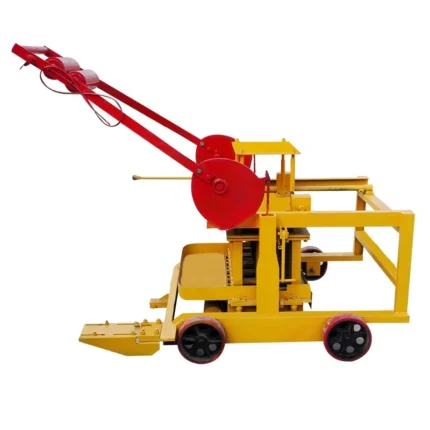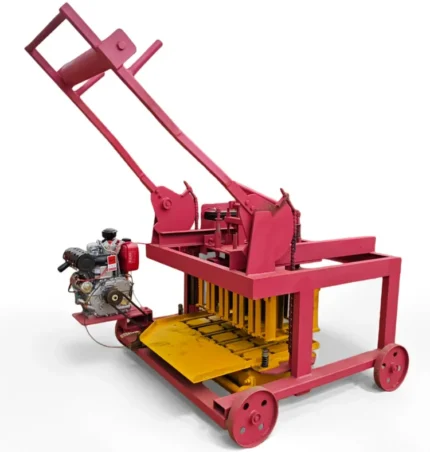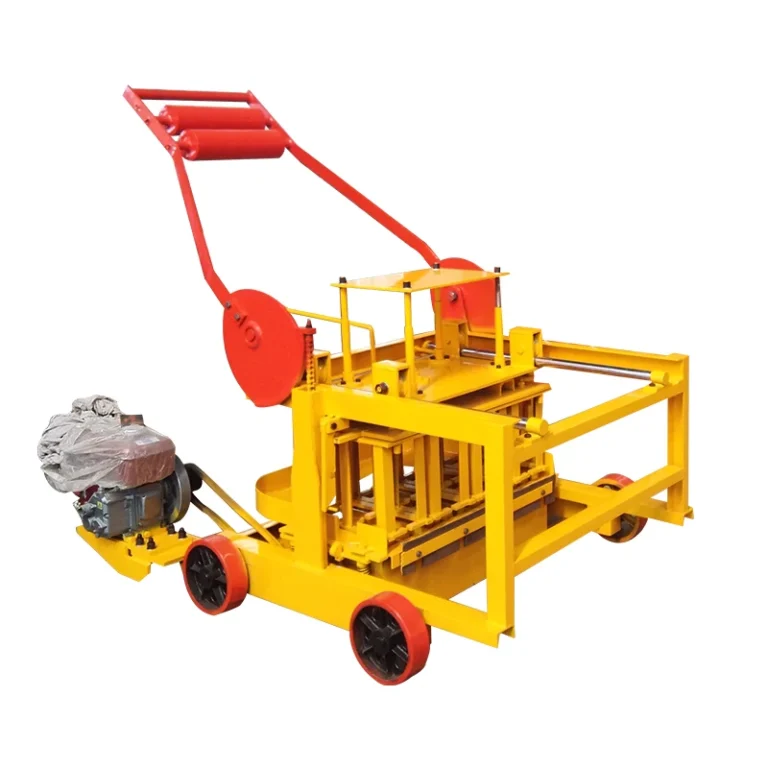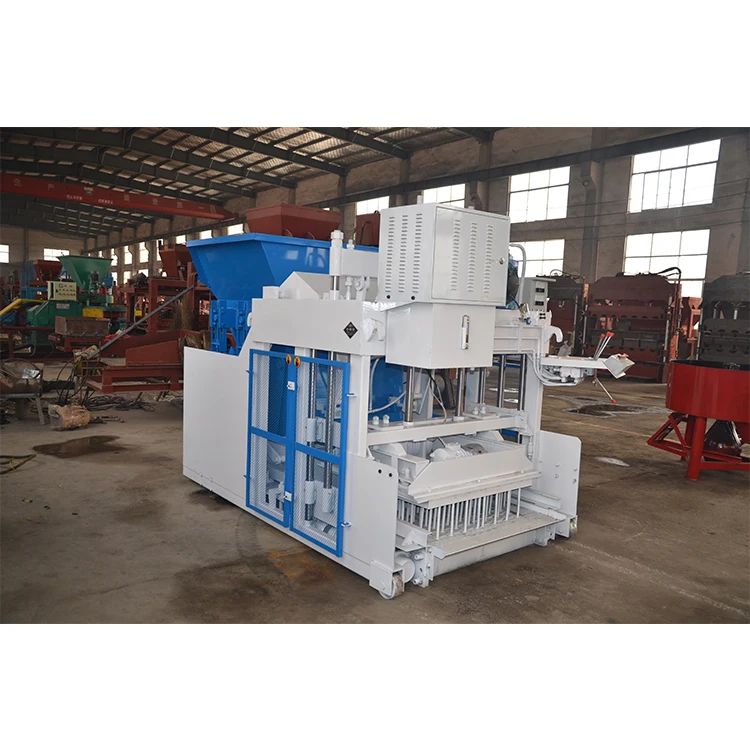
Description
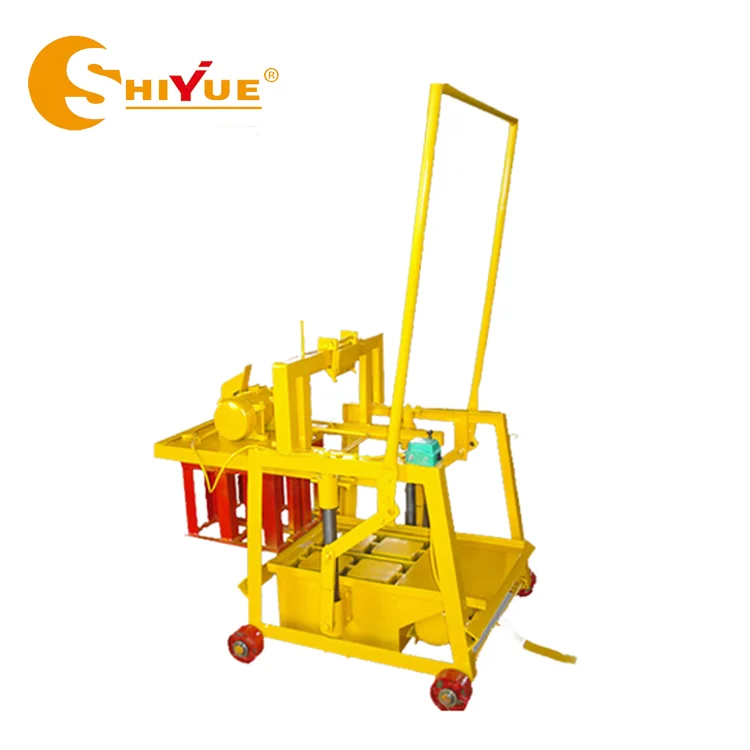
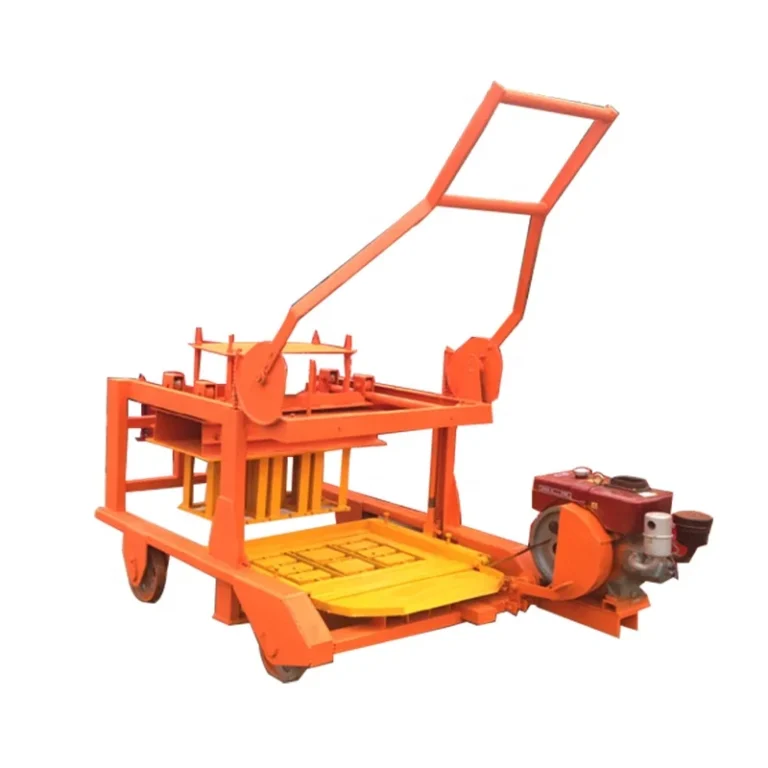
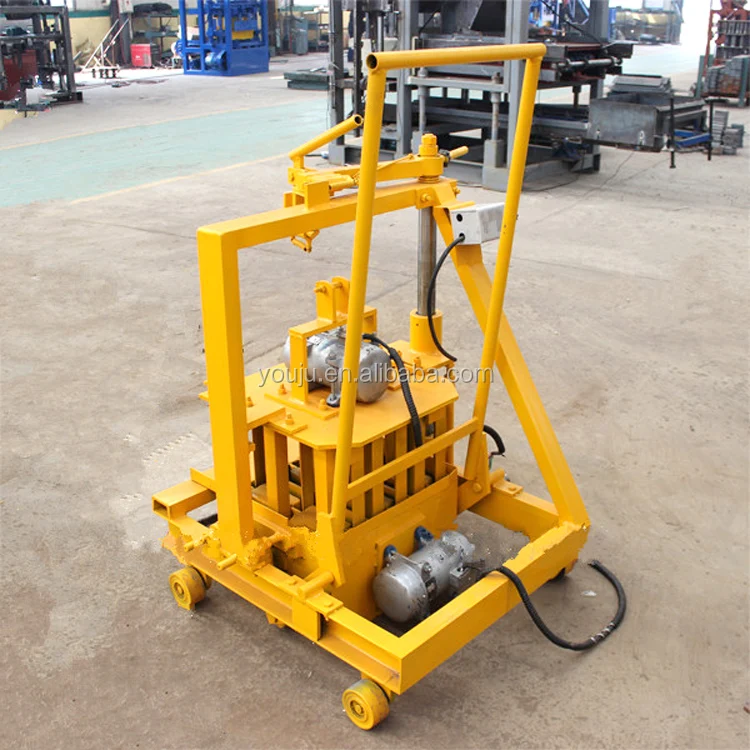
Single Focus — Machine, mould and handling specified together for the QMJ2-45, with automation upgrades mapped before the machine leaves the factory rather than improvised on site.
Technical Specifications
| Parameter | Value |
|---|---|
| Model | QMJ2-45 |
| Product Type | Mobile Block Making Machine |
| Machine Category | Manual mobile block making machine (egg-laying type) |
| Forming Method | Hydraulic static pressure |
| Mould Compatibility | Interchangeable hollow brick moulds |
| Cycle Time per Format | 25-30s |
| Output Capacity (Hollow 400×200×200mm) | 160 pcs/h (2 pcs per cycle) |
| Output Capacity (Hollow 400×150×200mm) | 240 pcs/h (3 pcs per cycle) |
| Output Capacity (Hollow 400×100×200mm) | 320 pcs/h (4 pcs per cycle) |
| Daily Output at 8hr (400×200×200mm) | 1280 pcs |
| Daily Output at 8hr (400×150×200mm) | 4800 pcs |
| Daily Output at 8hr (400×100×200mm) | 2560 pcs |
| Pallet Requirement | None (egg-laying / mobile type) |
| Labour Requirement | 1 to 3 workers |
| Mobility | Free movement on site, no fixed plant required |
| Power Source | Electric engine |
| Automation Level | Manual / mobile (upgrade path available) |
| Stacking Method | N/A (blocks laid on ground) |
| Standards | ISO 9001:2000, CE |
Application Suitability
| Application | Material or Output |
|---|---|
| On-site hollow block production | Crushed stone, sand, cement, water |
| Remote or space-constrained project sites | No fixed plant infrastructure required |
| Entrepreneur first block plant | Low initial investment, mobile setup |
| Contractor direct-to-site manufacturing | Hollow bricks laid on prepared ground |
What "160 Pieces per Hour" Leaves Out When Planning Automation
Capacity figures on a mobile block machine only hold true if the automation upgrade path accounts for the curing area, mix consistency, and labour rhythm.
I have worked with contractors in Latin America who read a brochure capacity and planned their site logistics around it, only to find that manual feeding and ground-curing created a bottleneck the machine itself could not solve. When the goal is to eventually integrate a PLC controlled mobile block making machine, the baseline cycle time of 25-30s must be evaluated against the speed of your manual operators and the space you have allocated for curing. An automatic mobile block machine upgrade requires knowing exactly what you are producing today so the control system can be pre-wired for tomorrow’s batching accuracy. [NEED_CITE:]
The Automation Ceiling for a Pallet-Free Press
The QMJ2-45 operates as an egg-laying mobile unit, depositing hollow bricks directly onto the ground. This eliminates the need for a pallet return system, which simplifies the initial footprint. However, if you plan to transition to an automatic mobile block machine upgrade later, the ground-curing layout must eventually accommodate automatic stacking or cubing equipment. The absence of pallets means the control logic for a future PLC controlled mobile block making machine must focus entirely on mix batching consistency and press cycling, rather than pallet feeding synchronization.
Mapping the Upgrade Sequence
A typical path begins with PLC-controlled batching to stabilize block strength, followed by automated material feeding to reduce the physical load on the 1–3 workers currently required. Remote diagnostics can then be layered in once the electrical infrastructure supports the control panel. Because the QMJ2-45 uses hydraulic static pressure rather than high-frequency vibration, the electrical draw remains manageable for sites with limited grid capacity. [NEED_CITE:]
Reading the Specs for Long-Term Integration
The 25-30s cycle time is the mechanical baseline; automation will not make the press cycle faster, but it will ensure the mix entering the mould is identical every time. When evaluating the mould formats — 400×200×200mm, 400×150×200mm, and 400×100×200mm — consider that a PLC controlled mobile block making machine upgrade allows you to store mix recipes for each format, switching the batching parameters automatically when the mould is changed. The hydraulic static pressure system relies on consistent material flow, making automated feeding a high-value addition for block strength uniformity.
The Cost of Ignoring Site Voltage
A common failure point for mobile equipment in remote project sites is voltage fluctuation damaging the control components. If the QMJ2-45 is later fitted with a PLC and automatic batching sensors, the local power supply must be verified for both voltage and frequency before the control panel is built. A fried PLC on a remote site can halt production for weeks while replacement parts are shipped. [NEED_CITE:]
Why Procurement Focus Matters Here
Block machinery is our single focus, meaning the QMJ2-45 is not assembled from unrelated supplier catalogs but specified as a matched system. The configuration is set against your actual mix design and local aggregate, not a generic default. Moulds are designed for the formats your market sells, with custom drawings available. The automation level is selectable, allowing you to start manual and upgrade the batching and feeding stations as volume justifies the investment. Documentation includes upgrade path mapping so you know which modules are compatible.
Documentation & Verification
- Line layout showing block format assumed in capacity calculation
- Machine specification sheet with hydraulic pressure ratings
- Mould drawing and format list matching your target market
- Voltage and control language confirmation prior to assembly
- Upgrade path documentation listing compatible automation modules
Installation, Commissioning & Support
- Ground preparation requirements for egg-laying mobility and curing area layout
- Electrical circuit verification for hydraulic static pressure motor and future PLC load
- Assembly of interchangeable moulds and hydraulic lines on arrival
- First-run testing on local aggregate to confirm block strength consistency
- Operator training covering manual rhythm and future automation handover points
- Wear parts list for hydraulic seals and mould contact surfaces
Defining the Configuration Before Shipment
To size the QMJ2-45 and map the correct automation path, we need your target block format, daily output requirement, and local raw material characteristics. Please confirm your site voltage, frequency, and preferred PLC display language. If you have an existing curing area or plan to add automatic stacking later, provide the dimensions so the upgrade sequence can be planned around your physical constraints.
Frequently Asked Questions
Q: How is the output capacity verified for the QMJ2-45?
A: Output is stated per specific block format and cycle time. The 160 pcs/h figure assumes a 400×200×200mm hollow brick at 25-30s per cycle with 2 pieces per mould. Capacity for other formats scales based on the number of cavities and the same cycle rhythm, so planning must be tied to the format you actually sell.
Q: What automation stations can be added to this manual mobile block machine?
A: The typical sequence begins with PLC-controlled raw material batching to improve mix consistency, followed by automated feeding to the press hopper. Automatic stacking is complex for egg-laying machines due to ground curing, so the focus usually remains on upstream automation and remote diagnostics for the control system.
Q: How does PLC-controlled batching improve block strength?
A: Manual mixing often leads to inconsistent water-cement ratios and aggregate distribution, causing variable block density. A PLC system meters each ingredient precisely, ensuring the hydraulic static pressure acts on a uniform mix. This reduces the number of blocks that fail compression testing due to weak spots from poor blending.
Q: What electrical details must be confirmed before the machine ships?
A: You must confirm the local voltage, frequency (50Hz or 60Hz), and the preferred language for the PLC display if automation is included. Mismatched voltage can damage the electric engine or control components, while incorrect frequency affects motor speed and cycle timing.
Q: Can the QMJ2-45 be upgraded without replacing the press?
A: Yes, the hydraulic static pressure press and mould system remain in place while upstream stations are automated. The batching plant, feeding conveyor, and control panel are added as modular units, allowing you to spread the investment over time as production volume justifies the additional automation.