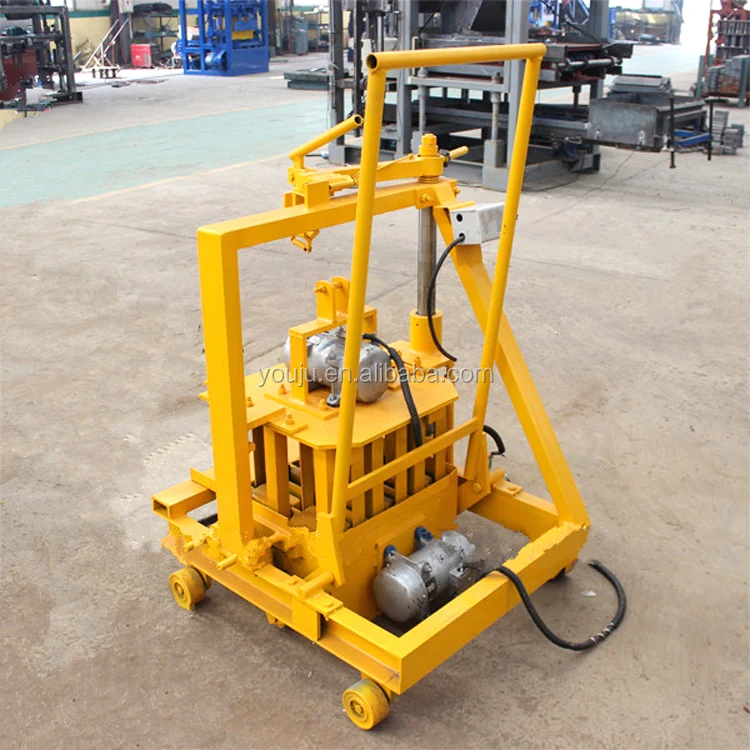
Description
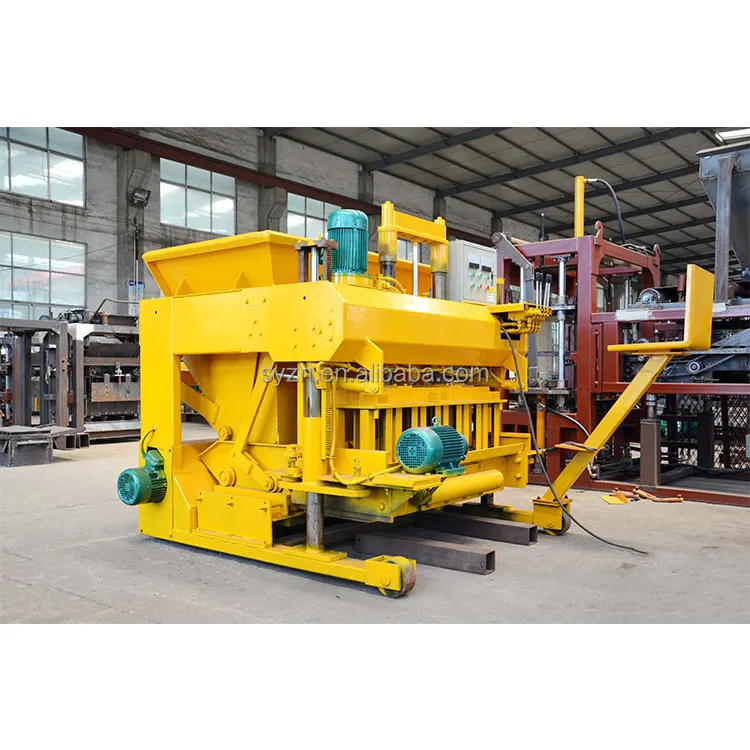
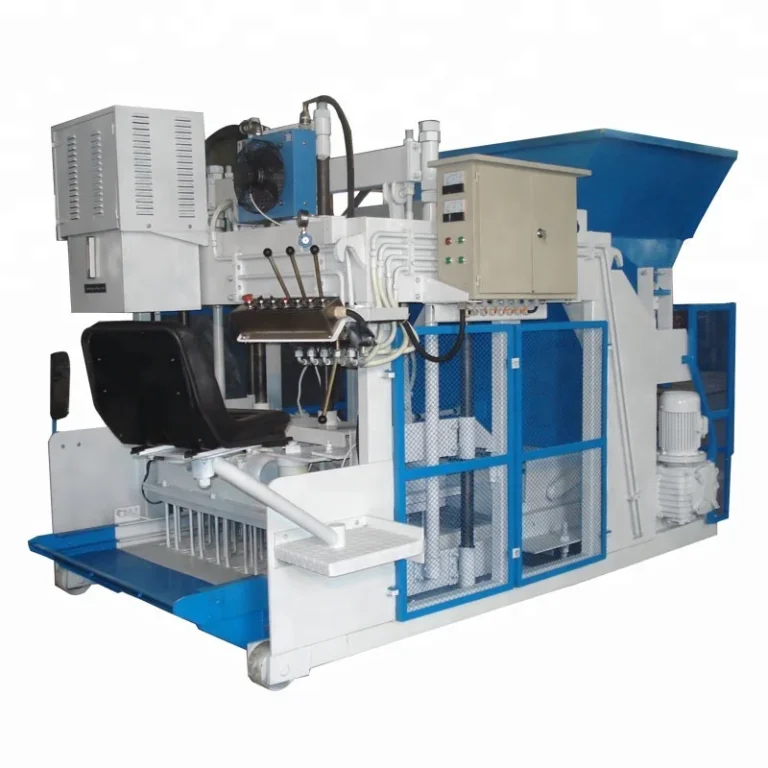
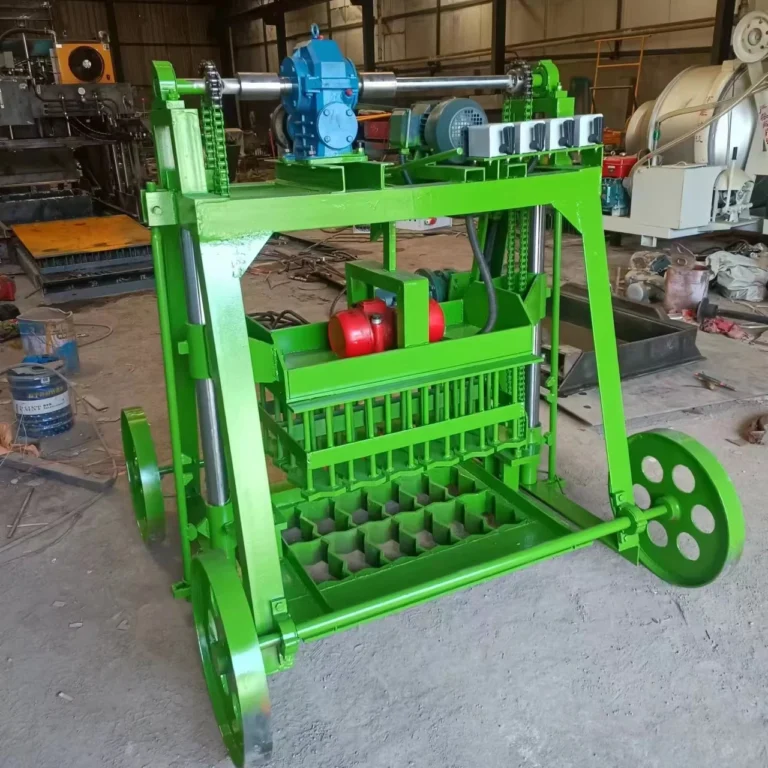
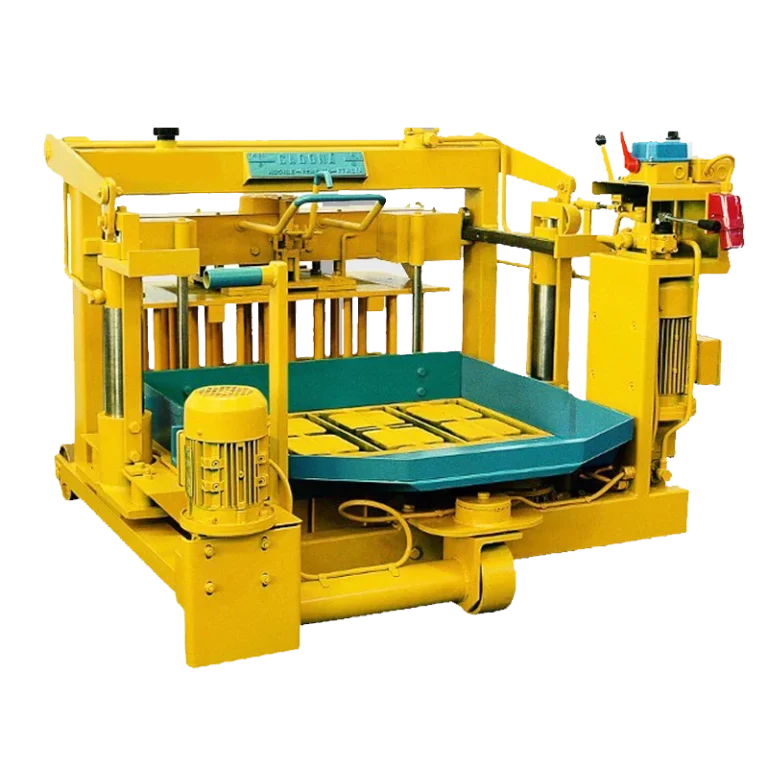
Integrated Line Logic — the QMJ2-45 egg-laying press is specified alongside its mould formats, manual cycle sequence, and site mobility so buyers see the production reality rather than a catalogue promise.
Technical Specifications
| Parameter | Value |
|---|---|
| Model | QMJ2-45 |
| Product Type | Mobile Egg-Laying Concrete Block Making Machine |
| Machine Type | Mobile / egg-laying (pallet-free) |
| Power Source | Diesel engine (source states "no diesel energy and other power limit" — verify with manufacturer) |
| Hydraulic Pressure | Present (exact MPa not stated in source) |
| Control System | Manual operation |
| Automation Level | Manual |
| Labor Requirement | 1 to 3 workers |
| Pallet Size | N/A (egg-laying design) |
| Mould Formats Listed | 400×200×200mm / 400×150×200mm / 400×100×200mm hollow brick |
| Mould Change | Interchangeable moulds for different hollow brick formats |
| Cycle Time | 25-30s (basis not stated in source — confirm whether per mould or per machine stroke) |
| Output Capacity (400×200×200mm) | 160 pcs/h (2 pcs/mould) |
| Output Capacity (400×150×200mm) | 240 pcs/h (3 pcs/mould) — source lists 4800 pcs/8hr which is inconsistent; verify with manufacturer |
| Output Capacity (400×100×200mm) | 320 pcs/h (4 pcs/mould) |
| Operating Space | Small space compatible |
| Mobility | Free-moving on site |
| Standards | ISO 9001:2000, CE (verify certificate validity and scope) |
Application Suitability
| Application | Material or Output |
|---|---|
| On-site hollow block production | Crushed stone, sand, cement, water — mixed locally and fed manually |
| Small-scale block production for contractors | 400×200×200mm and 400×150×200mm hollow blocks for wall construction |
| Entrepreneur first block plant | Low initial investment entry with 400×100×200mm partition blocks |
| Project-based local manufacturing | Mobile operation across building sites without fixed plant infrastructure |
What "25-30 Seconds per Cycle" Actually Means on a Manual Machine
Cycle time on a manual egg-laying press is a machine stroke, not a finished-block count.
The 25-30s figure listed for the QMJ2-45 does not state whether it includes the operator repositioning the machine, clearing the previous block, and aligning the next stroke. On a manual mobile unit, the human rhythm between strokes often doubles the effective cycle versus what the press alone can deliver. Buyers who size their daily output on the raw stroke time will find real production falls short [NEED_CITE: cycle time measurement standards for manual block presses]. The PLC controlled mobile block making machine alternatives eliminate this variable by automating the advance-and-lay sequence.
Where Manual Mobility Fits in a Growth Plan
The QMJ2-45 serves contractors who need hollow blocks directly on a building site without investing in a fixed plant. Its egg-laying design means no pallets, no curing racks, and no forklift — blocks cure on the ground where they fall. This works when volumes are modest and the site surface is flat concrete or compacted earth. For buyers planning to scale beyond what one to three workers can sustain, this automatic mobile block machine category represents the entry rung before stepping up to a PLC-controlled stationary line.
The Automation Gap Between Stroke and System
A manual mobile press delivers blocks one stroke at a time, with the operator controlling feed, vibration duration, and machine advance. Batch-to-batch consistency depends entirely on that operator’s discipline [NEED_CITE: consistency factors in manual versus PLC-controlled block production]. PLC-controlled systems remove the operator from these repetitive decisions, regulating vibration force and cycle length to produce uniform block density across a full shift. The question is whether your current daily volume justifies the labour cost of manual operation or whether an automated line pays for itself through consistency alone.
Reading the Capacity Table Against Your Block Format
The three mould formats listed — 400×200×200mm, 400×150×200mm, and 400×100×200mm — each yield a different piece count per stroke: two, three, or four respectively. Hydraulic pressure and vibration force together determine whether those blocks reach the compressive strength your local building code requires, but the source does not state the exact MPa or kN ratings for this model. Mould change is described as interchangeable, yet the time required is not stated; a change that takes most of a shift cancels the format flexibility you paid for. Buyers must confirm the 400×150×200mm row shows 240 pcs/h but 4800 pcs/8hr — these are mathematically inconsistent and need manufacturer clarification.
When the Wrong Configuration Costs You a Project Deadline
A mobile machine configured for a mix you cannot source locally forces a costly material change mid-project. If the vibration force was not matched to your aggregate’s particle shape, block strength will vary across batches and may fail site inspection [NEED_CITE: aggregate compatibility with block press vibration settings]. Ground surface matters equally: egg-laying machines require flat, cured concrete or compacted earth — uneven soil causes blocks to crack during the lay-down stroke, producing waste that does not appear in any capacity calculation.
Why Procurement Here Differs from Catalogue Ordering
Block machinery as a single focus means the machine, mould, pallet specification, and handling are discussed as one matched system rather than assembled from separate suppliers. Configuration is set against the buyer’s actual mix design, local aggregate, and target block format — not a catalogue default. Mould design covers the formats the buyer’s market sells, including custom drawings when standard formats do not match local demand. The automation level is selectable, so a buyer can start with the manual QMJ2-45 and plan a defined upgrade path to PLC-controlled operation. Installation support includes operator training on the specific mould formats delivered, and wear parts lists are provided so the first replacement does not leave the machine idle.
Documentation & Verification
- Capacity calculation stating the block format assumed for each output figure
- Mould drawing and format list matching the three hollow brick sizes specified
- Voltage and power source confirmation clarifying diesel engine versus any electrical components
- Factory test record on your specified mould format before dispatch
- Operation and maintenance manual with mould change procedure documented
- Hydraulic and electrical schematic where applicable
Installation, Commissioning & Support
- Flat concrete or compacted earth surface required for egg-laying operation without pallets
- Power source confirmation needed — diesel engine unit may have electrical components requiring voltage specification
- Assembly state at arrival to be confirmed with manufacturer for site preparation
- First-day commissioning with mould alignment and vibration force verification on your mix
- Operator training covering manual cycle rhythm and mould change procedure for all delivered formats
- Wear parts and mould list provided to prevent idle time at first replacement
Before You Request a Quote
To size the QMJ2-45 against your actual production need, share the hollow block formats your market sells, the daily output target per format, and the local aggregate you plan to use. Confirm whether your site has flat concrete available for egg-laying curing, or whether compacted earth is the only option. State your power source availability — diesel, electrical voltage and frequency — so the configuration matches what is actually on site. If you anticipate scaling within a defined timeframe, mention that growth plan so the upgrade path to an automatic mobile block machine can be discussed from the start.
Frequently Asked Questions
Q: How is the 25-30s cycle time measured — per mould stroke or including manual repositioning?
A: The source states 25-30s but does not clarify whether this includes the operator repositioning the machine between strokes. On manual egg-laying presses, the human rhythm between strokes often doubles the effective cycle versus the press stroke alone. Buyers should request confirmation of what the figure includes before sizing daily output expectations.
Q: Can the QMJ2-45 be upgraded with PLC control, or is the upgrade path to replace with an automatic machine?
A: The QMJ2-45 is a manual mobile unit. PLC-controlled alternatives exist within the automatic mobile block machine range as separate models rather than retrofit upgrades. Buyers planning growth should discuss a defined transition point where replacing the manual press with a PLC-controlled system becomes justified by volume and consistency requirements.
Q: What block formats beyond the three listed hollow bricks can this machine produce with additional moulds?
A: The source lists 400×200×200mm, 400×150×200mm, and 400×100×200mm hollow bricks as available mould formats. Whether additional formats — solid blocks, pavers, or non-standard hollow sizes — are compatible with this machine’s frame and hydraulic capacity requires manufacturer confirmation against your specific market demand.
Q: What site conditions are required for egg-laying operation without pallets?
A: Egg-laying machines require flat, firm surfaces — cured concrete slabs or well-compacted earth — so blocks lay evenly without cracking during the advance-and-lay stroke. Uneven ground produces waste blocks and inconsistent curing. The curing area must be large enough to accommodate daily output left in place until blocks reach handling strength [NEED_CITE: site preparation standards for mobile block production].