Description
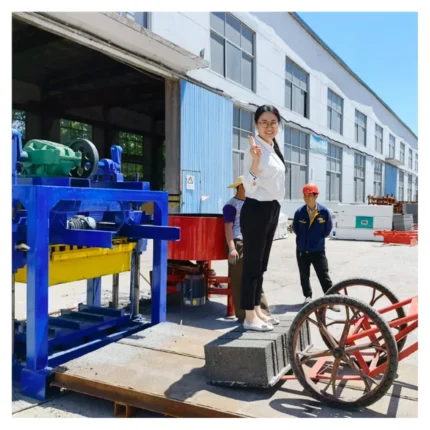
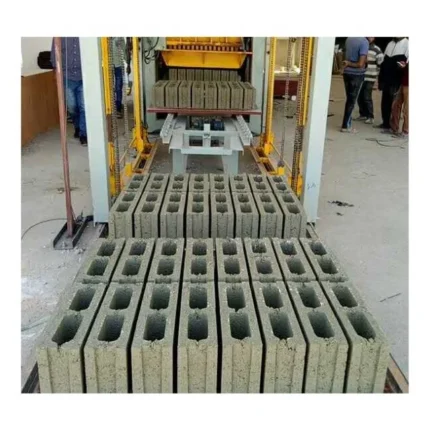
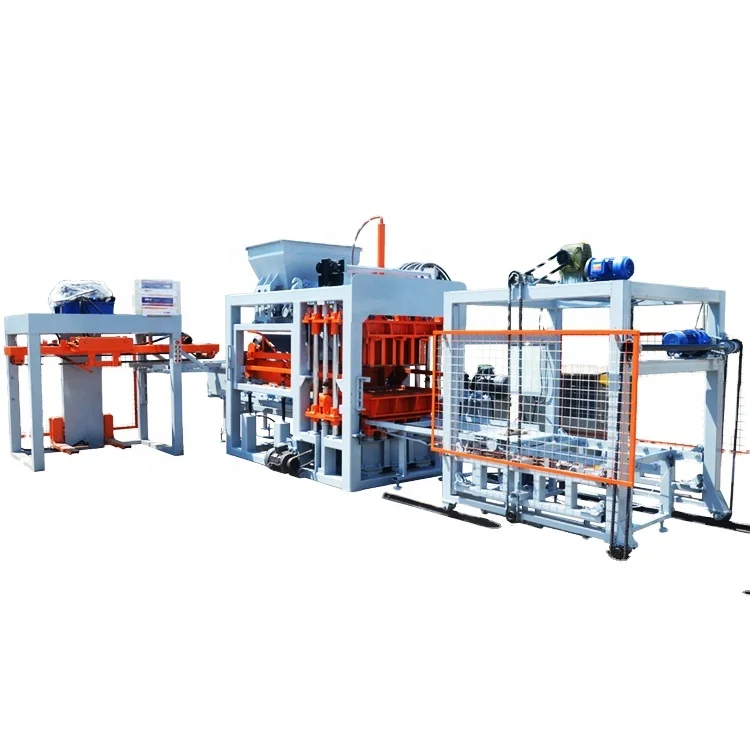
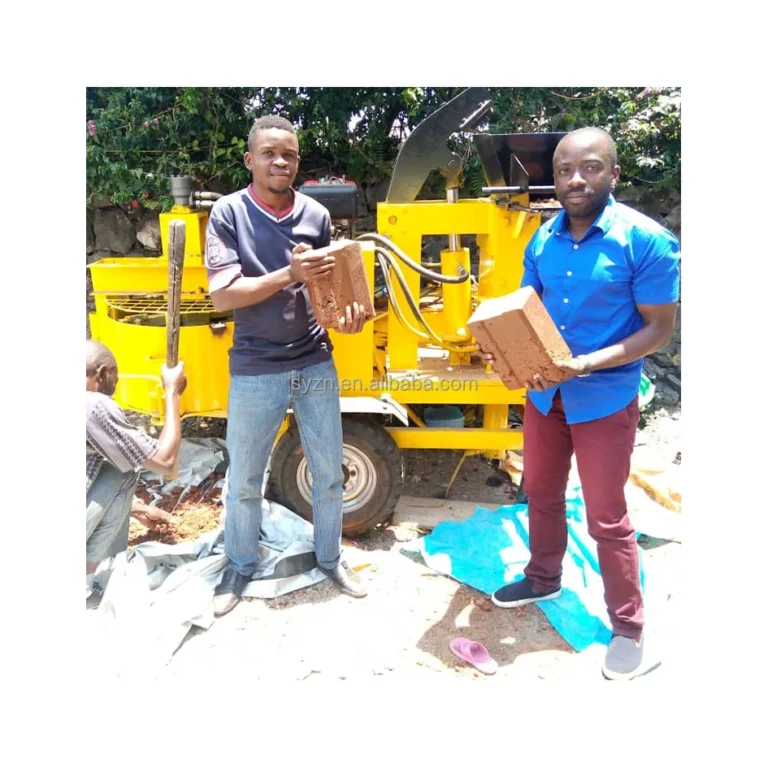
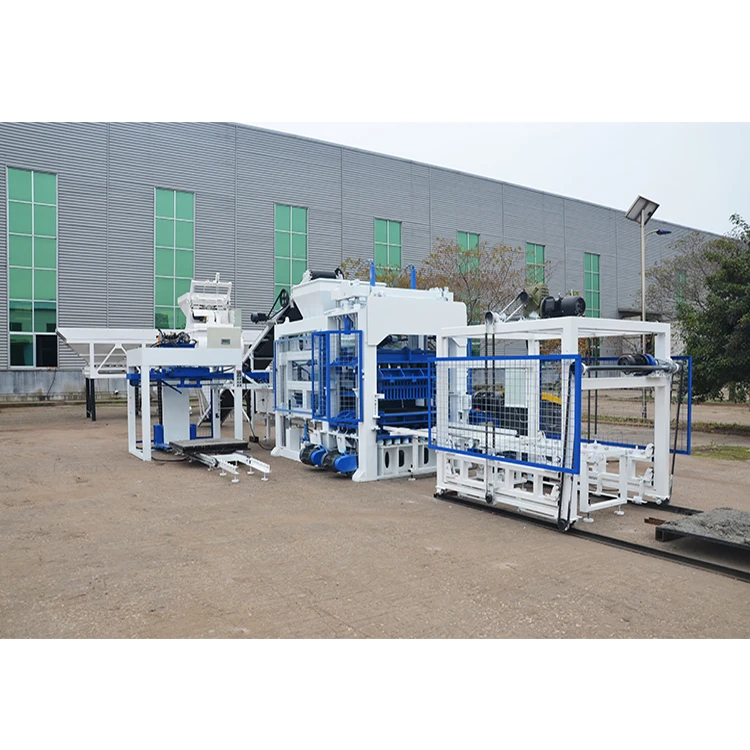
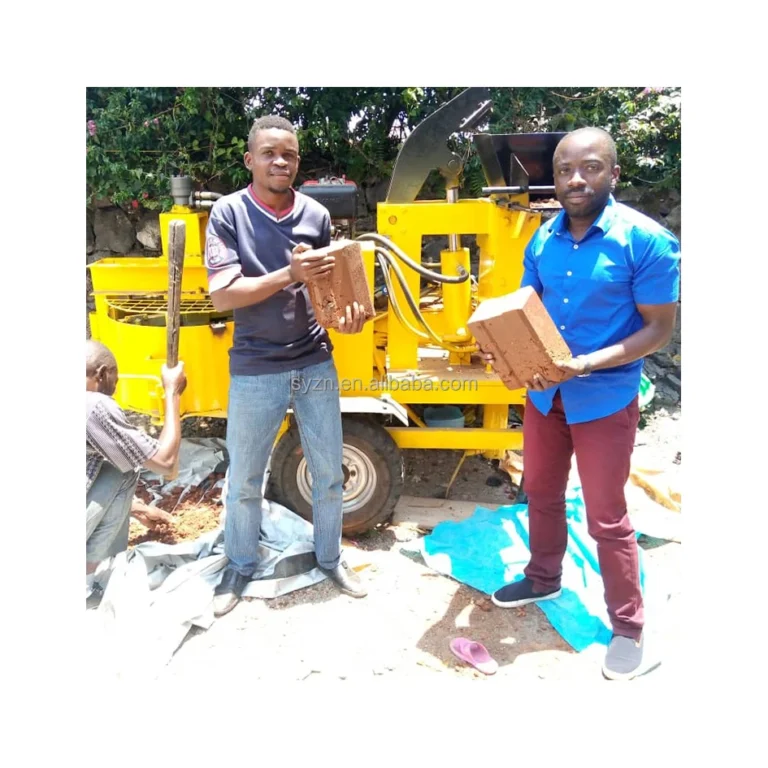
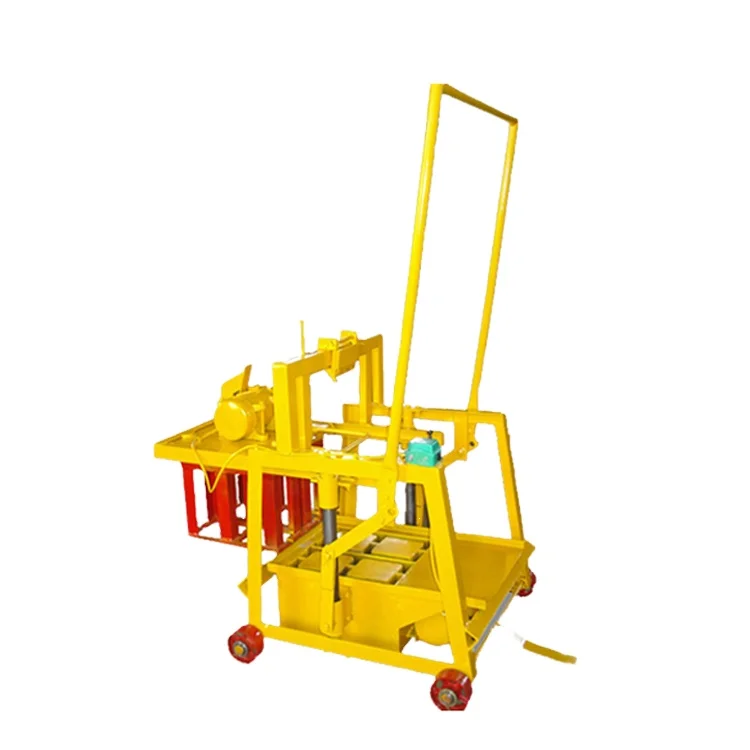
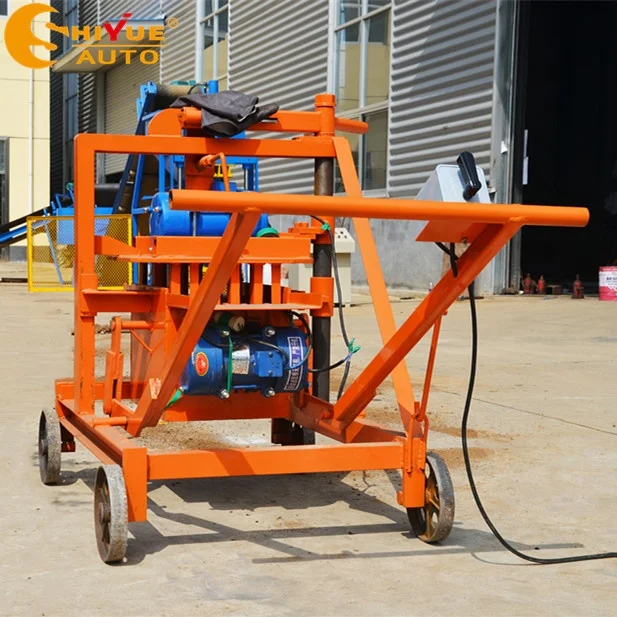
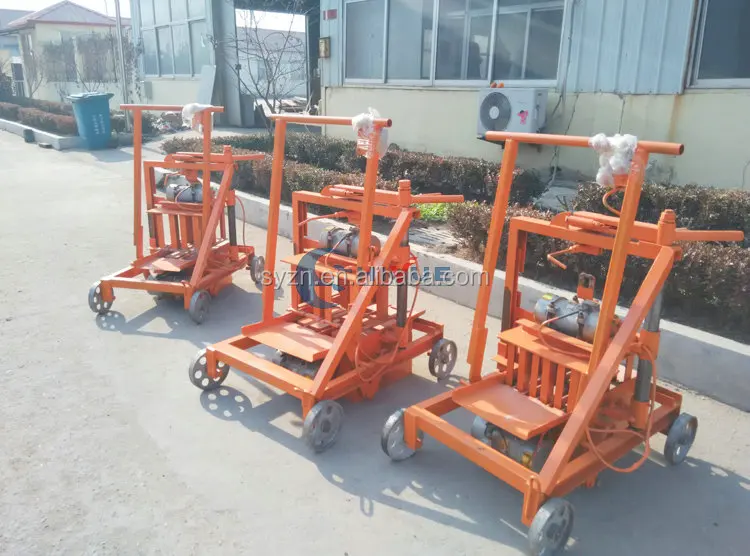
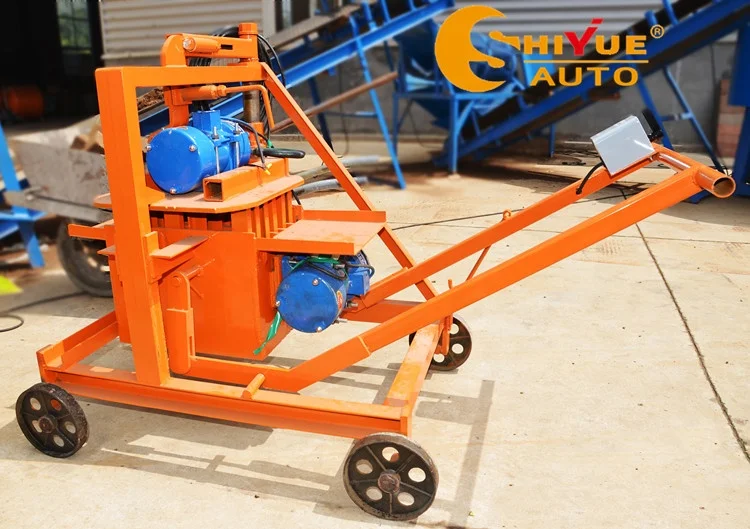
Single-Focus Block Line Supplier — the QMJ2-45 mobile egg laying block machine is specified as one matched system with moulds and pallet handling, not assembled from disconnected catalog pages.
Technical Specifications
| Parameter | Value |
|---|---|
| Model | QMJ2-45 |
| Product Type | Mobile Egg Laying Block Making Machine |
| Rated Power | 1.5 kW |
| Exciting Power | 2 pcs/mould (source value — verify against manufacturer catalog) |
| Molding Cycle | 45 s |
| Output Capacity | 1280 pcs / 8 hours (based on 300×150×100 mm hollow block, 2 pcs/mould) |
| Theoretical Productivity | 160 pcs/hour (based on 300×150×100 mm hollow block) |
| Raw Material | Concrete, sand, cement |
| Machine Weight | 150 kg |
| Overall Dimensions | 920 × 800 × 1258 mm |
| Voltage | According to local voltage (basis not stated in source — confirm voltage and frequency) |
| Control System | Manual / Semi-automatic operation |
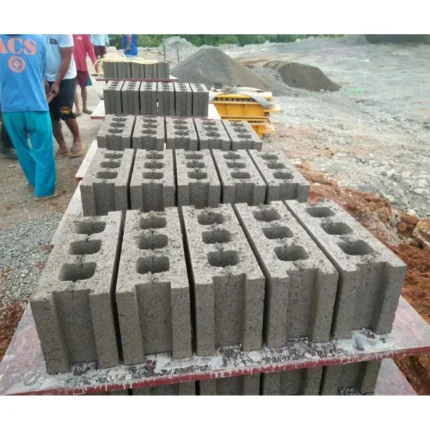
| Mould Format | 300×150×100 mm hollow block (other formats not stated in source) |
| Automation Level | Semi-automatic (manual movable / egg laying type) |
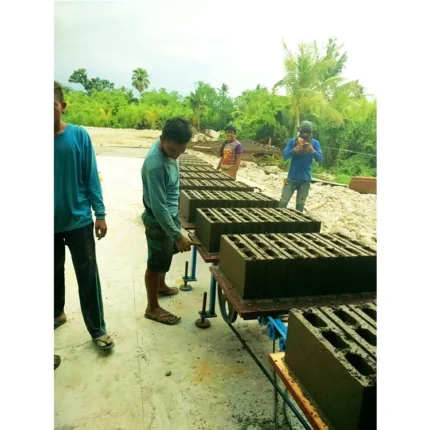
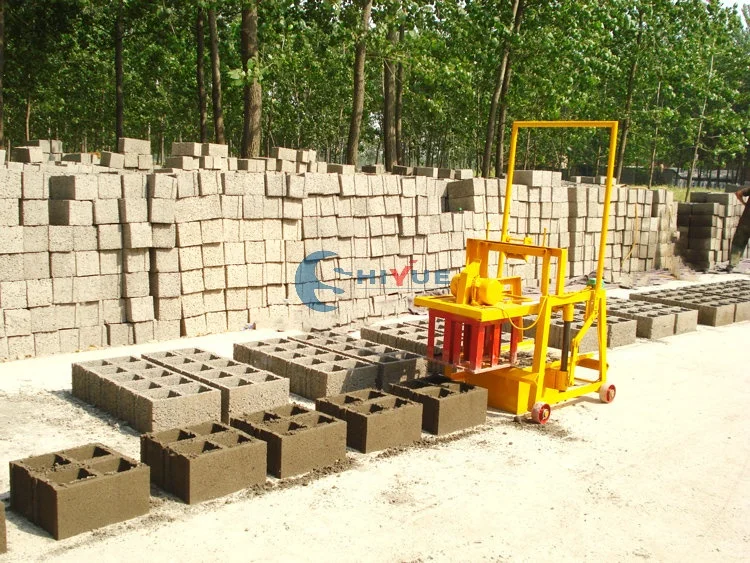
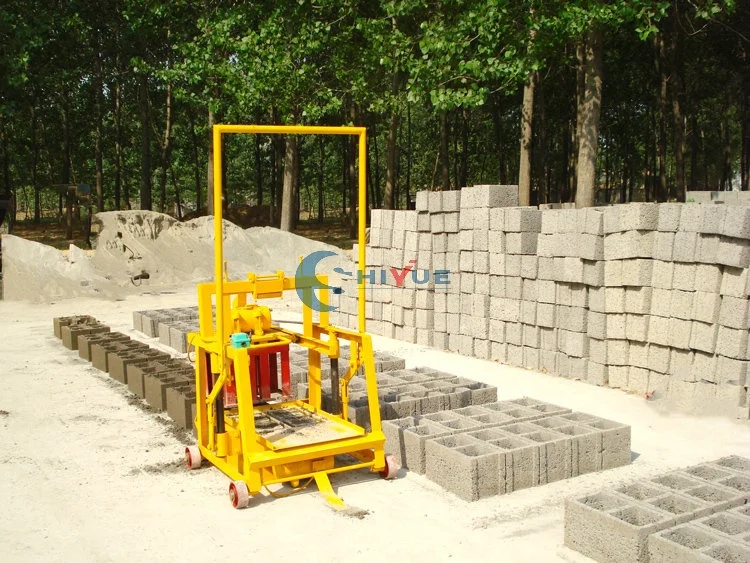
| Stacking Method | Egg laying (blocks laid directly on ground, no pallet required) |
| Assembly State | Fully assembled, mobile unit |
Application Suitability
| Application | Material or Output |
|---|---|
| Small-scale on-site block production without a fixed plant | Concrete, sand, and cement mix |
| Contractors producing hollow blocks locally at construction sites | 300×150×100 mm hollow block format |
| Entrepreneurs setting up a first block plant with low initial investment | Low-footprint mobile production |
| Mobile production for remote or temporary job sites | Concrete, sand, and cement mix |
Why "160 Blocks per Hour" Means Less Than You Think on a Semi-Automatic Line
Quoted cycle times rarely include the seconds lost to manual pallet handling, mix feeding delays, and operator fatigue across an eight-hour shift.
When I first set up egg laying machines in West Africa, buyers would take the theoretical hourly output and multiply it by eight, then wonder why the daily count fell noticeably short. The 45-second molding cycle on the QMJ2-45 is measured under ideal conditions with a consistent mix and an operator who never slows down. In real site conditions — where aggregate moisture shifts, the mixer is shared with other tasks, and the operator takes breaks — the actual throughput drifts below the catalog figure [NEED_CITE: typical deviation between theoretical and actual output in small-scale block production]. Understanding this gap before you commit to a purchase order is what separates a realistic business plan from a disappointing first month. An automatic mobile egg laying block machine PLC controlled upgrade path addresses exactly this gap by removing the manual variables from the cycle.
What Semi-Automatic Operation Actually Removes from the Operator
The QMJ2-45 in its baseline configuration handles the vibration and compression sequence without requiring the operator to time each step manually. The bed mould delivers vertical vibration while the upper mould applies compression vibration, and the 45-second cycle runs once the operator initiates it. What remains manual is the mix feeding, the machine repositioning after each cycle, and the ground-level block curing layout. This division of labor means the operator controls the pace but does not control the pressing parameters — a distinction that matters when block strength consistency is the buyer’s primary concern.
Where the Automation Upgrade Path Begins
Moving from this semi-automatic baseline toward a more controlled process starts with batching accuracy and ends with stacking. An automatic mobile egg laying block machine PLC controlled upgrade can introduce automated raw material weighing, consistent water dosing, and programmable cycle parameters that do not drift with operator attention. For a contractor producing on a construction site, the most impactful upgrade is often the batching stage: removing the shovel-and-bucket method of proportioning cement, sand, and aggregate eliminates the single largest source of strength variation between batches [NEED_CITE: impact of manual batching on concrete block compressive strength consistency]. The QMJ2-45 is designed to accept these upgrades incrementally, so a buyer does not need to replace the machine to move up the automation ladder.
Reading the Specs That Actually Matter for Block Density
The rated power of 1.5 kW drives both the vibration motor and the machine mobility on site. For a hollow block measuring 300×150×100 mm, the vibration force must be matched to the specific aggregate density and moisture content of the local mix — a parameter that varies from one quarry to the next. The two vibration units per mould work in combination with upper mould compression to compact the concrete uniformly through the block thickness. If the vibration force is too low for a dense aggregate, the block core remains porous and fails compressive strength tests. If it is too high for a lightweight mix, the fines separate and the block surface crumbles. The machine weight of 150 kg is light enough for one person to reposition, which is the defining advantage of an egg laying design: no pallets, no pallet return system, and no curing rack infrastructure required. The overall dimensions of 920 × 800 × 1258 mm allow the machine to operate in confined site conditions where a stationary press with conveyor feeding would not fit.
The Hidden Cost of Skipping Voltage and Control Language Confirmation
Arriving on site to find that the control panel displays in a language the operator cannot read, or that the voltage does not match the local grid, turns a planned commissioning week into an extended delay. The QMJ2-45 voltage is listed as configurable to local standards, but this must be confirmed and locked in before the machine leaves the factory. A PLC display in an unfamiliar language means the operator cannot adjust cycle parameters or read fault codes, which in turn means every adjustment becomes a phone call to the supplier [NEED_CITE: common commissioning delays caused by unconfirmed PLC language and voltage mismatch]. For a machine positioned as an entry point into block production, this kind of delay is disproportionately costly because the buyer typically has no backup equipment running while waiting for a resolution.
Why Buyers Choose This Configuration for On-Site Production
Block machinery as a single focus means the QMJ2-45 is supplied with moulds, vibration settings, and handling approach specified as one system. The machine is configured against the buyer’s actual mix design and local aggregate, not shipped with a default setting that assumes a material the buyer cannot source. The egg laying design eliminates the pallet investment that typically surprises first-time buyers when they read the full quotation. The automation level is selectable, allowing a buyer to start with semi-automatic operation and add batching or stacking control as production volume justifies the investment. Installation support includes operator training on the specific mix and block format the buyer intends to produce, not a generic machine walkthrough.
Documentation & Verification
- Machine specification sheet stating output per 300×150×100 mm hollow block format
- Voltage and control language confirmation document signed before production
- Factory test record run on buyer’s specified mix proportions
- Mould drawing and format list for the 300×150×100 mm cavity configuration
- Operation and maintenance manual with vibration adjustment procedures
Installation, Commissioning & Support
- Level ground surface required; no fixed foundation needed for the 150 kg mobile unit
- Power supply matching confirmed voltage and frequency with a dedicated 1.5 kW circuit
- Machine arrives fully assembled; position and connect power for first cycle
- Commissioning includes vibration force calibration to buyer’s local aggregate and mix
- Operator training covers molding cycle initiation, mould cleaning, and daily inspection
- Wear parts list provided with mould cavity components and vibration motor brushes
Before You Request a Quote
To configure the QMJ2-45 for your site, provide the target block format and daily output requirement, the local aggregate type and source, and the available voltage and frequency at your production location. If you plan to add automated batching or stacking later, state the intended upgrade timeline so the control system can be specified with that path in mind.
Frequently Asked Questions
Q: How is the 1280 pieces per day capacity verified, and which block format does it assume?
A: The 1280-piece figure is based on continuous operation over an eight-hour shift producing 300×150×100 mm hollow blocks at two pieces per mould with a 45-second molding cycle. Actual daily output depends on mix preparation speed, operator pace, and site conditions. Request a capacity calculation that names the block format explicitly rather than quoting a generic cycles-per-hour number.
Q: What automation upgrades are available from this semi-automatic baseline?
A: The upgrade path from the QMJ2-45 semi-automatic configuration can include automated raw material batching with programmable weight targets, consistent water dosing, and PLC-controlled cycle parameters. Stacking automation is typically introduced at a later stage when production volume justifies the investment. Each upgrade can be added without replacing the base machine.
Q: How do I confirm voltage, frequency, and control language before commissioning?
A: Provide your site voltage, frequency, and preferred PLC display language during the inquiry stage. The supplier confirms these parameters in writing before production begins. A voltage and control language confirmation document is included in the shipping documentation to verify the machine was built to your site specifications.
Q: How does vibration force need to match my local aggregate for consistent block strength?
A: Vibration force must correspond to the density and particle size of the aggregate available at your location. Dense crushed stone requires higher vibration energy than fine river sand to achieve full compaction through the block thickness. The QMJ2-45 vibration settings are calibrated during commissioning against your specific mix design to prevent under-compaction or surface crumbling.