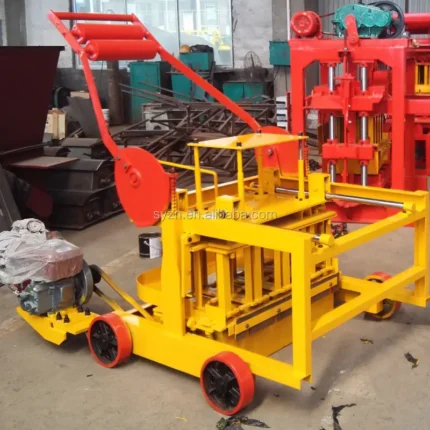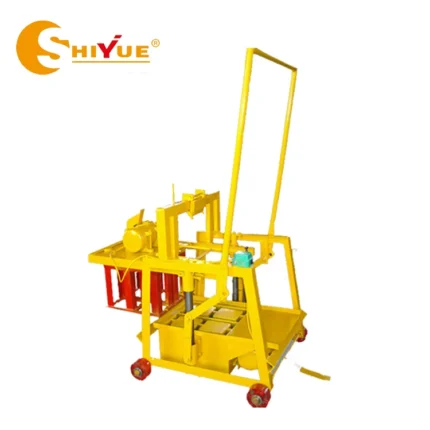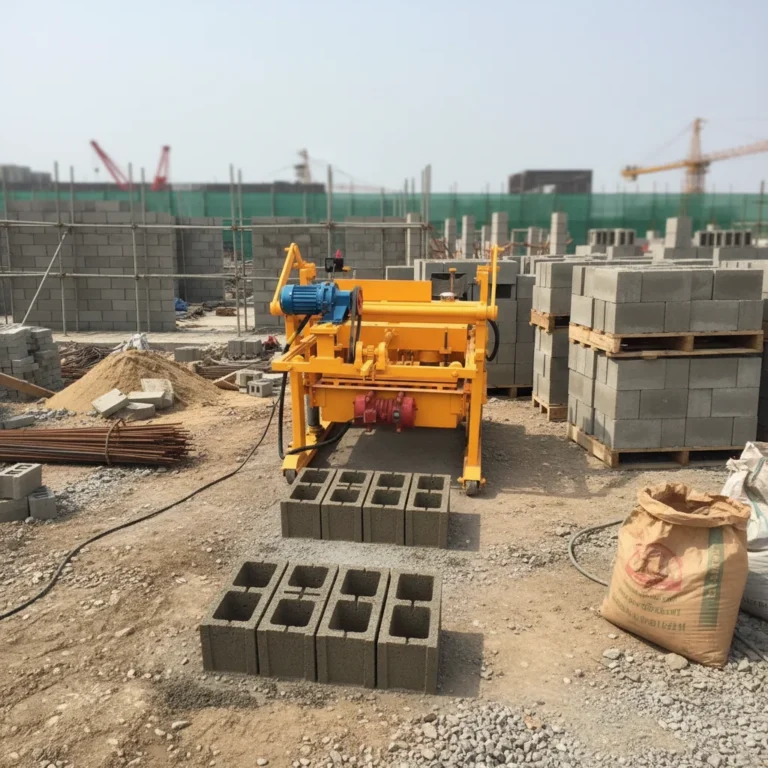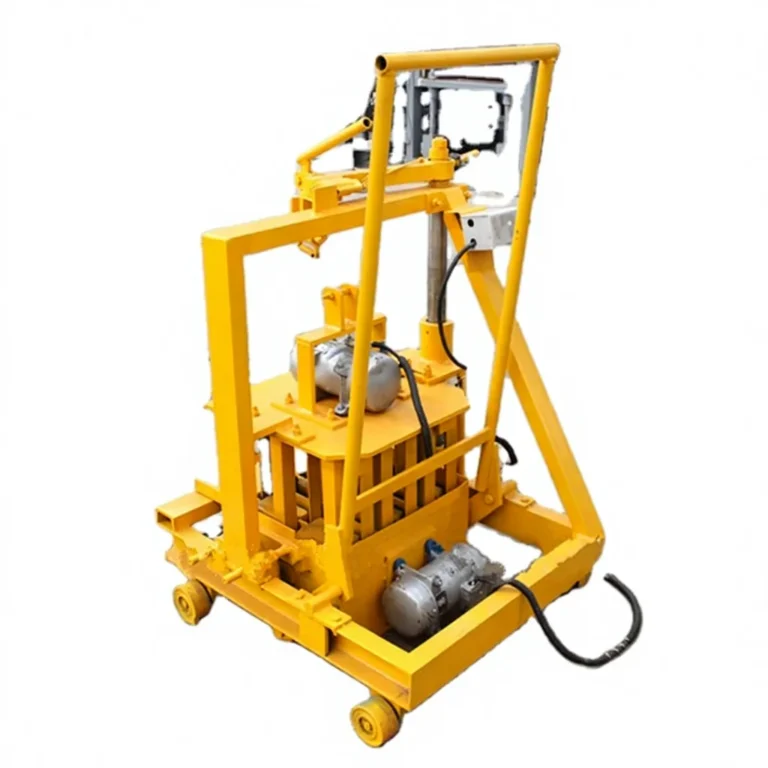

Description
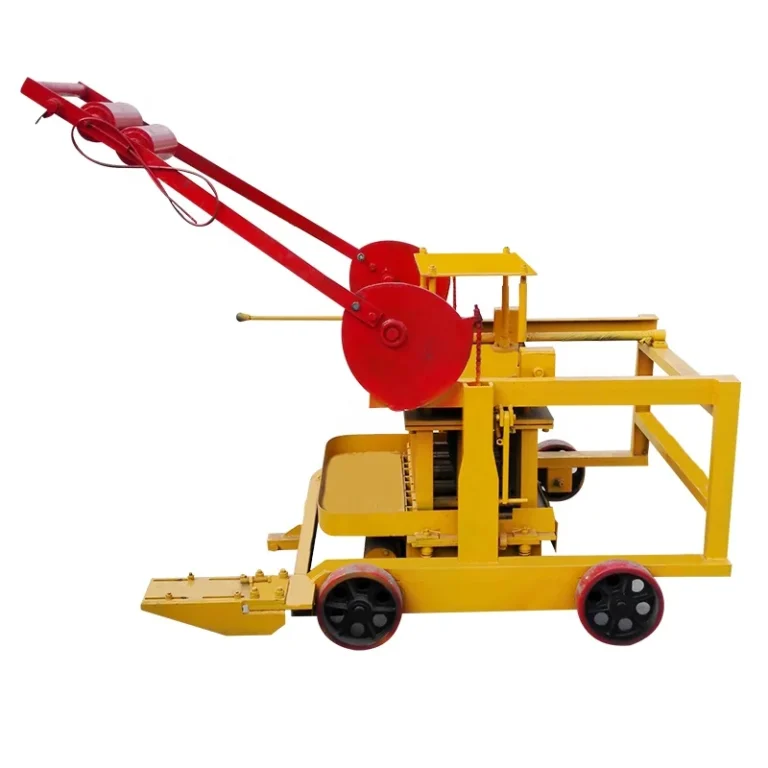
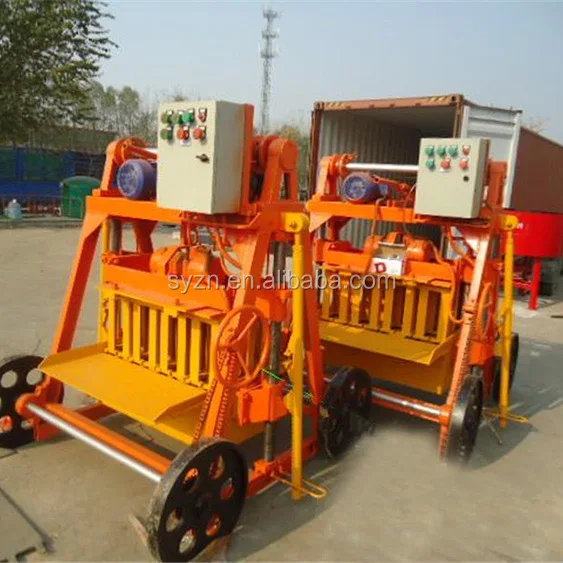
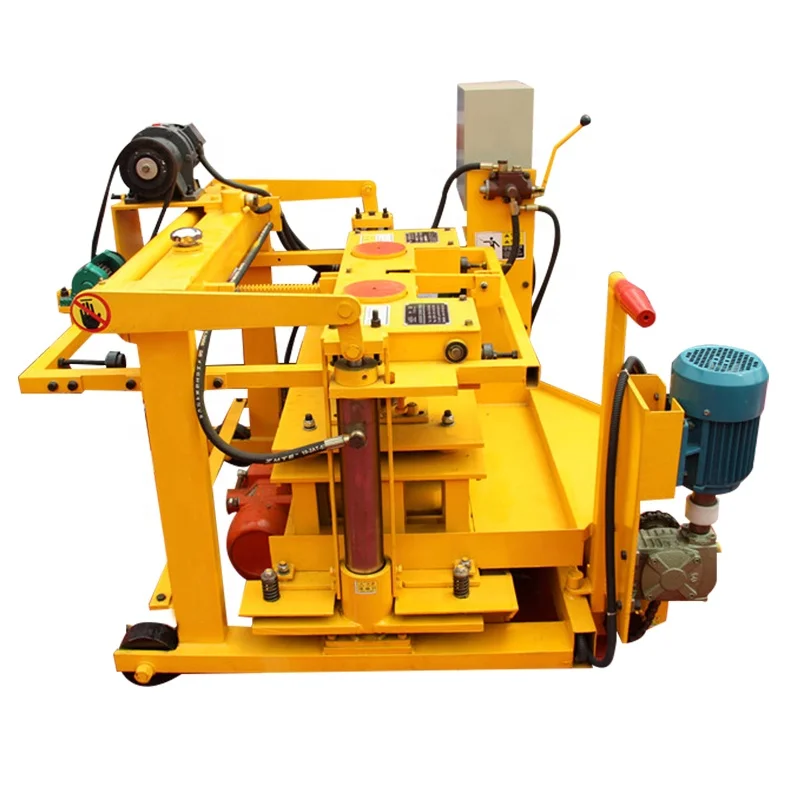
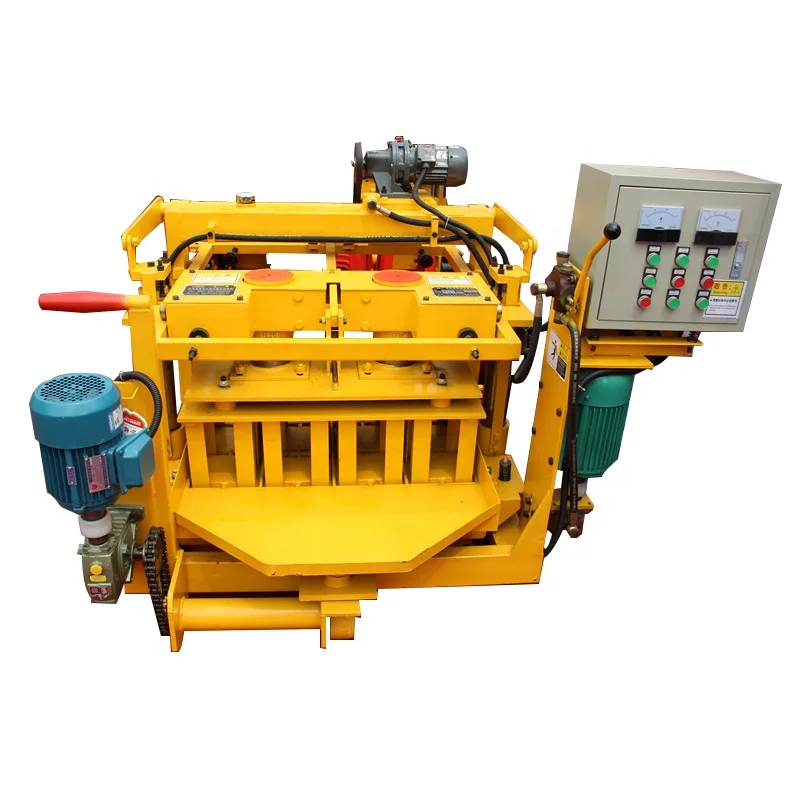
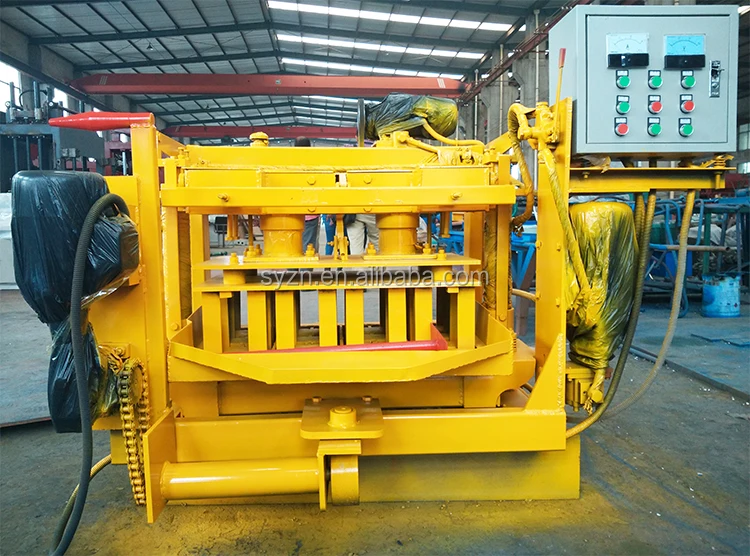
Configurable automation levels — the QMY4-30 mobile block machine pairs hydraulic assist with defined cycle steps, removing operator guesswork while leaving room to scale control as production grows.
Technical Specifications
| Parameter | Value |
|---|---|
| Model | QMY4-30 |
| Product Type | Mobile Hydraulic Block Making Machine |
| Overall Dimensions (L×W×H) | 1300 × 1500 × 1000 mm |
| Net Weight | 950 – 1000 kg |
| Vibration Method | Mold Vibration |
| Exciting Power | 28.6 KN |
| Excitation Frequency | 4500 r/min |
| Total Power | 5.95 kW |
| Molding Cycle | 30 seconds per cycle |
| Output Capacity | 3,000 pcs/day (8 hours) (basis not stated in source — confirm block format / material / thickness) |
| Raw Material Compatibility | Concrete, sand, cement, fly ash, lime, gypsum, stone dust, slag, mine tailings, river sand, construction waste, coal gangue, porcelain granule |
| Transmission | Hydraulic transmission with manual operation option |
| Machine Movement | Manual push/pull, forward, backward, cornering |
| Pallet Requirement | Not required (egg-laying mobile type) |
| Automation Level | Semi-manual with hydraulic assist |
| Control System | Manual hydraulic control |
| Mould Format Options | Customizable to buyer design |
Application Suitability
| Application | Material or Output |
|---|---|
| On-site hollow block production for housing projects | Concrete and stone dust mixed with cement |
| Remote infrastructure block manufacturing | Fly ash, slag, and locally sourced aggregate |
| Small-scale contractor block supply | River sand and cement with construction waste filler |
| Mining zone or hillside block production | Mine tailings and coal gangue with lime binder |
| Coastal or desert region masonry supply | Sandrock and porcelain granule blends |
Why the Voltage Question Should Come Before the Price
Confirming voltage, frequency, and control language before production avoids commissioning delays that no amount of on-site troubleshooting can fix quickly.
I spent years in the assembly shop wiring PLC cabinets and hydraulic stations before moving into line configuration, and one pattern repeats across export orders: machines arrive, the electrician opens the panel, and the voltage does not match the site supply. The automatic mobile block machine PLC controlled QMY4-30 draws 5.95 kW total, which means a dedicated circuit is required, and the wrong frequency will alter motor speeds and vibration output from the first cycle. On a recent Southeast Asian order, the control panel shipped with an English interface by default, but the on-site operators only read the local language — the first day of commissioning stalled until we pushed a language pack remotely [NEED_CITE: voltage and frequency standards by export market]. That is a problem you solve with a single email before production, not with a technician on a flight.
How Hydraulic Assist Replaces Operator Guesswork
On a purely manual egg-laying machine, block density depends entirely on how long the operator holds the vibration lever and how much force they apply to the mould press. The QMY4-30 introduces hydraulic transmission into that sequence, delivering 28.6 KN of exciting power at a fixed 4500 r/min excitation frequency for every cycle. The operator still initiates each step, but the hydraulic system executes it with repeatable force, reducing the variation between the first block of the shift and the last.
Defined Cycle Steps and Consistency at Scale
A 30-second molding cycle sounds simple, but breaking it into defined hydraulic stages — feed, vibrate, press, release — means the machine controls the rhythm rather than the operator’s fatigue level. For a contractor producing blocks across a multi-month housing project, this is the difference between batches that pass a compressive strength test consistently and batches that fail unpredictably. The automatic mobile block machine PLC controlled QMY4-30 gives semi-manual operation a structure that scales with the crew’s experience level [NEED_CITE: CE machinery directive requirements for block making equipment].
What the Numbers Mean on the Ground
The 28.6 KN exciting force paired with 4500 r/min vibration frequency determines how tightly the aggregate particles pack inside the mould cavity. Higher frequency with insufficient force leaves air voids; high force with low frequency cracks the block faces. This balance is set at the factory for standard concrete mixes, but when a buyer sources fly ash or construction waste as filler, the mix design changes the damping characteristics inside the mould. The hydraulic system on the QMY4-30 allows pressure adjustment within its operating range to compensate. The 950–1000 kg machine weight also contributes to mould stability during vibration — a lighter frame would transmit more energy into the ground rather than into the block. Total power consumption at 5.95 kW keeps the machine within reach of a standard site generator, which matters when the production area has no grid connection.
What Happens When Configuration Is Skipped
A buyer who orders without specifying local aggregate, target block format, and site voltage is essentially asking the factory to guess. The machine arrives configured for a default mix that may not match locally available sand or stone dust, forcing the buyer to source expensive imported material or accept weak blocks. Control labels in the wrong language slow down operator training, and incorrect voltage can damage the hydraulic pump motor before the first production run completes [NEED_CITE: industrial motor failure causes related to voltage mismatch]. These are not defects — they are configuration gaps that a two-page pre-order checklist would have prevented.
Why Configuration Support Matters Here
Block machinery is our single focus, so the QMY4-30 is specified as part of a matched system — machine, mould, and material compatibility — rather than pulled from a general catalogue. Configuration is set against the buyer’s actual mix design and local aggregate, not a factory default, which means vibration force and hydraulic pressure are adjusted before the machine ships. Mould design is available to buyer drawings, so the block formats produced match what the local market actually purchases. Automation level is selectable: a buyer can start with the semi-manual hydraulic assist on the QMY4-30 and plan an upgrade path as volume grows. Installation and commissioning support includes operator training so the crew understands the defined cycle steps from day one.
Documentation & Verification
- Machine specification sheet with confirmed voltage, frequency, and control language
- Mould drawing and format list matched to buyer’s local block dimensions
- Hydraulic and electrical schematic for on-site maintenance reference
- Factory test record run on buyer’s specified block format before dispatch
- Wear parts and hydraulic fittings list included with first shipment
- Operation and maintenance manual in operator’s confirmed language
Installation, Commissioning & Support
- Level compacted ground required; no fixed foundation or pallet return system needed
- Dedicated 5.95 kW circuit with confirmed voltage and frequency before energizing
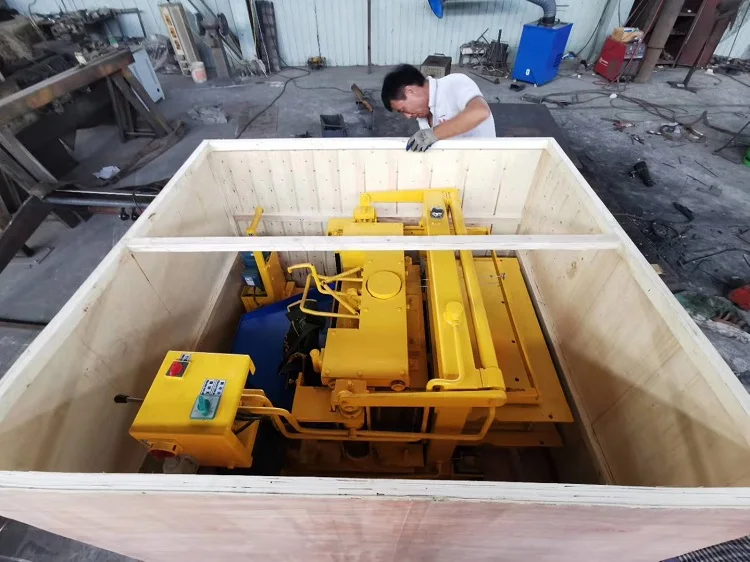
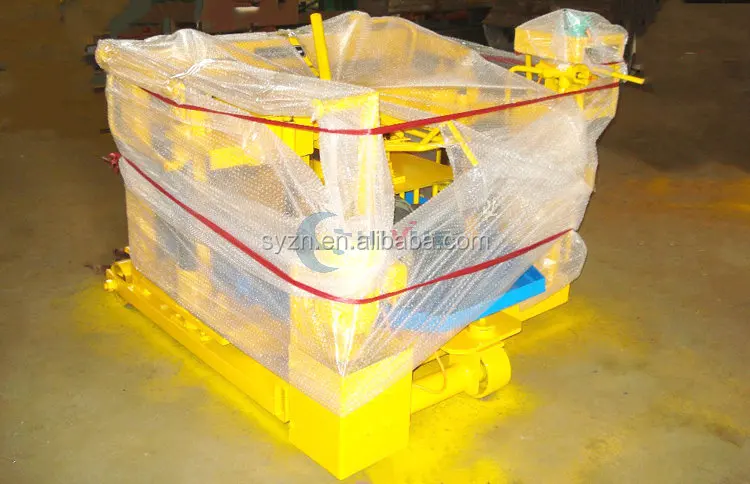
- Machine ships assembled; hydraulic lines and control panel connected on site
- First-run cycle calibration against buyer’s actual mix design and aggregate
- Operator training on defined hydraulic cycle steps and mould change procedure
- Wear parts and hydraulic seal kit included for first replacement cycle
What to Include in Your Inquiry
To configure the QMY4-30 correctly for your site, share your target block format and dimensions, the raw materials available locally with approximate proportions, and your site voltage and frequency. Let us know the language your operators read for the control labels and manuals. If you have an existing curing area or plan to produce on uneven terrain, describe the ground conditions so we can advise on machine movement and block placement spacing.
Frequently Asked Questions
Q: How is the 3,000 pcs/day capacity calculated, and which block format does it assume?
A: The 3,000 pcs/day figure is based on an 8-hour shift with a 30-second molding cycle, but the source does not state which block format, wall thickness, or mix design that number assumes. A larger hollow block takes longer to fill and vibrate than a small solid paver. We provide a capacity calculation stated per specific block format once your mould selection is confirmed, so the daily output figure you plan against is honest.
Q: What voltage and frequency options are available, and can control labels be supplied in the operator’s language?
A: The QMY4-30 total power draw of 5.95 kW can be configured for various industrial voltage and frequency standards depending on the destination market. Control labels, manual text, and hydraulic schematic annotations are all produced in the operator’s confirmed language before assembly. We verify these details in writing during the order stage to prevent commissioning delays when the machine arrives on site.
Q: How does the hydraulic assist improve consistency compared to a purely manual egg-laying machine?
A: The hydraulic transmission delivers 28.6 KN of exciting power at a set 4500 r/min frequency for every cycle, rather than relying on the operator to judge vibration duration and pressure by feel. This reduces block-to-block density variation across a shift. The defined 30-second cycle sequence ensures feed, vibration, and press stages happen in the same order every time, which directly supports consistent compressive strength.
Q: What automation upgrade path exists if production volume grows beyond semi-manual operation?
A: The QMY4-30 operates as a semi-manual machine with hydraulic assist, but buyers planning higher volume can transition to a stationary automatic line with PLC-controlled batching, pallet feeding, and stacking. The mould formats and mix design work established on the QMY4-30 carry over to the larger line, so the product development phase is not wasted. We advise on the transition timing based on your actual daily output growth.
Q: Which hydraulic wear parts are included, and what is the lead time for replacements?
A: The first shipment includes a wear parts and hydraulic fittings list covering seals, hoses, and valve components most likely to need replacement during initial operation. Specific part numbers and typical multi-week lead times are documented so you can plan reorder points. Because the QMY4-30 uses standard hydraulic components, many items can also be sourced locally once you have the specification sheet.