
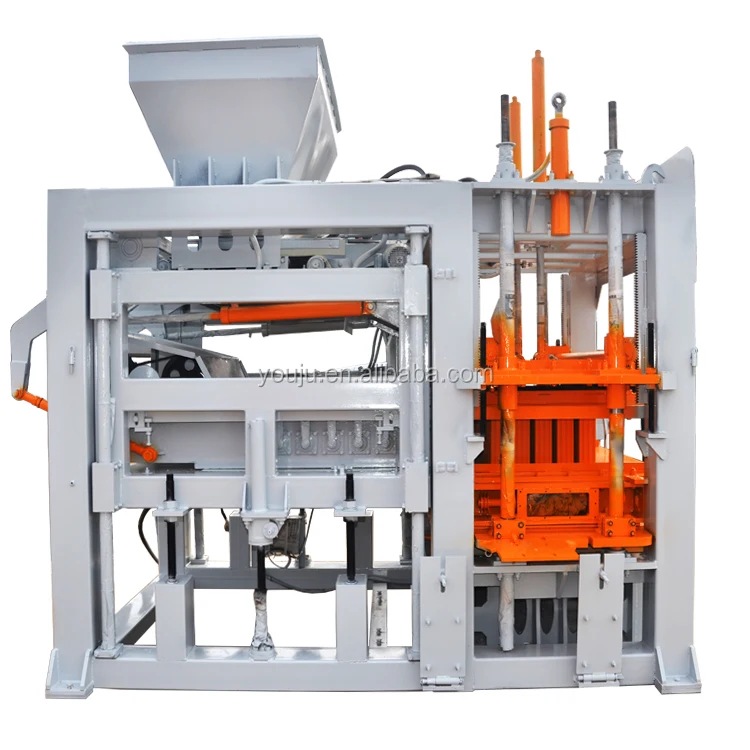

Description
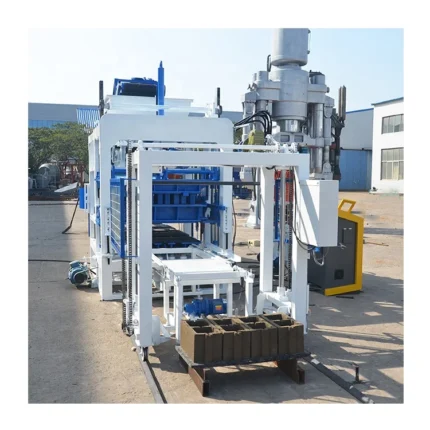
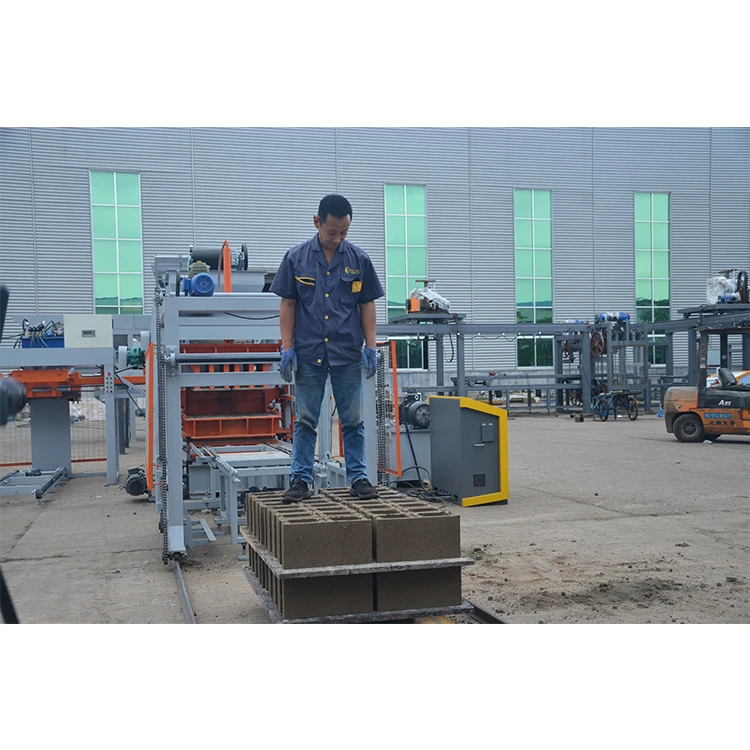
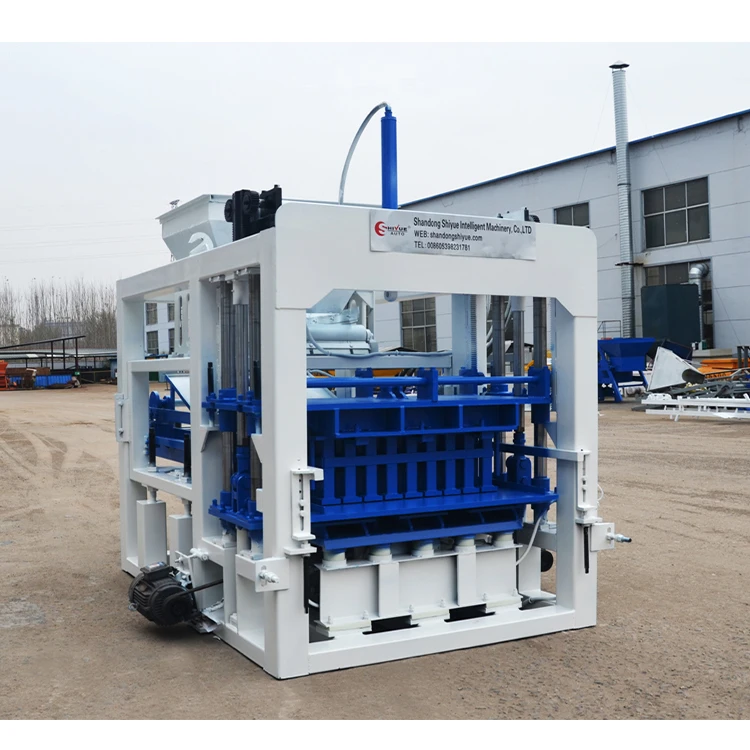
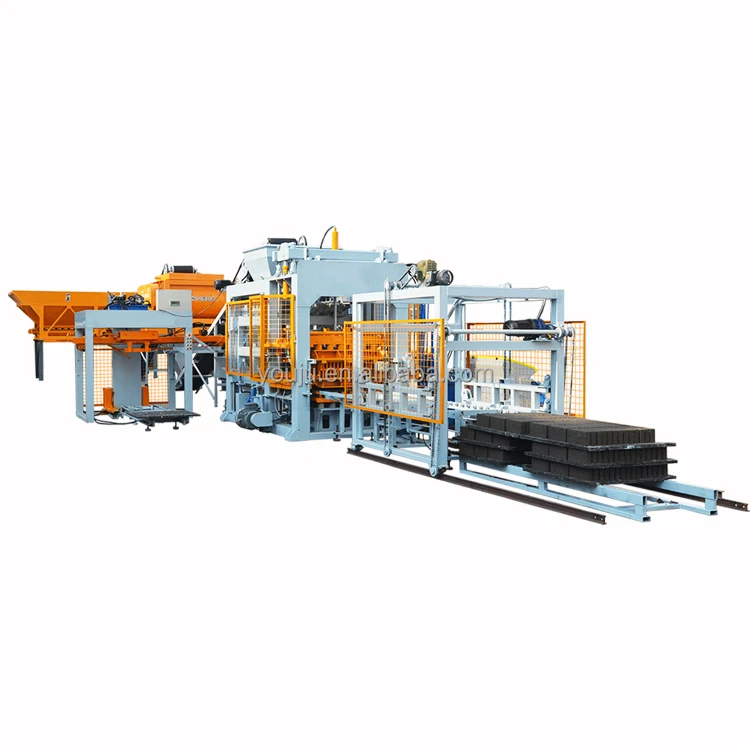
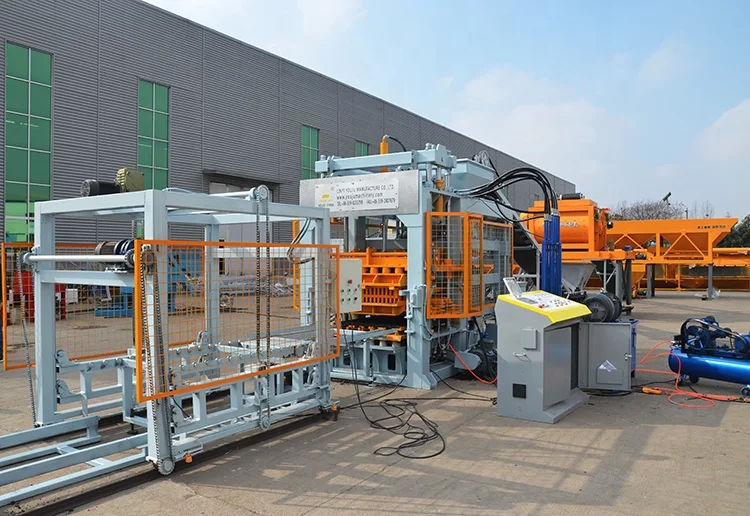
Integrated Line Automation — Every pallet feed, stacking, and control parameter on the QT 8-15 is specified as one matched system, not bolted on from separate suppliers.
Technical Specifications
| Parameter | Value |
|---|---|
| Model | QT8-15 |
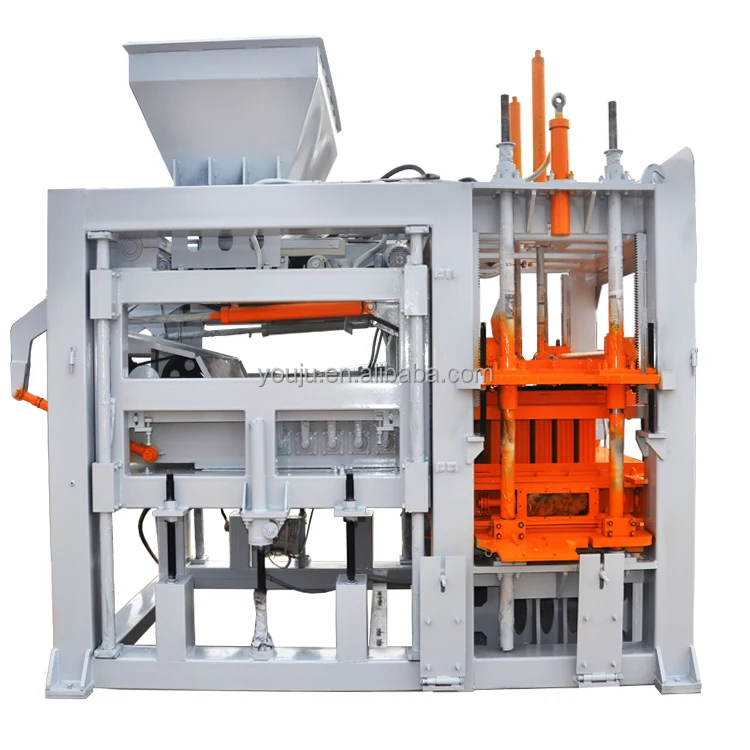
| Product Type | Fully Automatic Concrete Block Making Machine |
| Overall Dimensions (L×W×H) | 8300 x 1860 x 3000 mm |
| Rated Power | 37 kW |
| Control System | PLC with touch-screen HMI |
| Vibration Form | Platform vibration |
| Vibration Frequency | 2800–4500 RPM |
| Molding Cycle | 15–25 s (basis not stated in source) |
| Pallet Size | 950 x 900 mm |
| Brick Height Range | 50–200 mm |
| Block Compressive Strength | Up to 15 MPa (source value — verify against manufacturer catalog) |
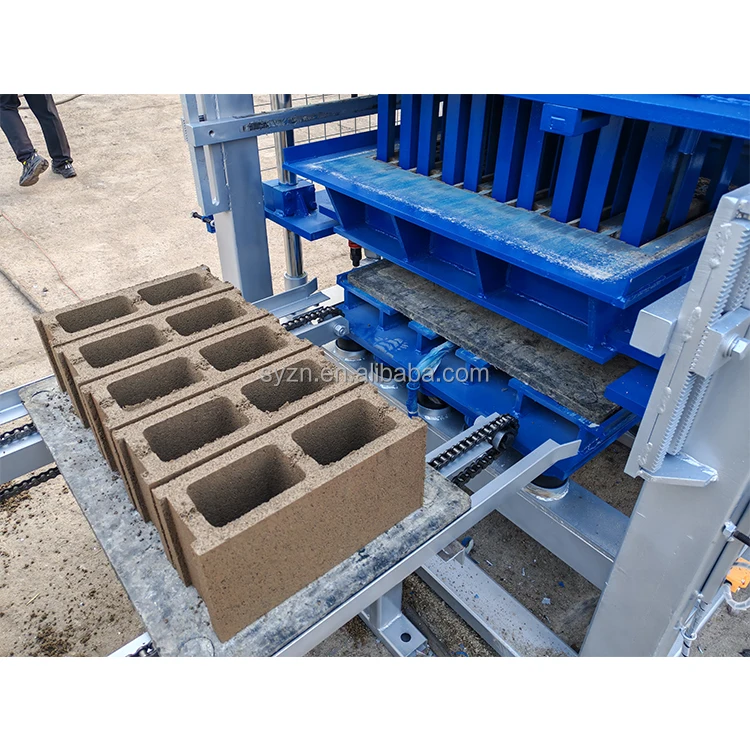
| Output — 400×200×200 mm Hollow Block | 8 pcs/mold, 1912 pcs/h, 15300 pcs/day (8 h) |
| Output — 400×150×200 mm Block | 12 pcs/mold, 2875 pcs/h, 23000 pcs/day (8 h) |
| Output — 240×115×90 mm Block | 18 pcs/mold, 4320 pcs/h, 34560 pcs/day (8 h) |
| Output — 240×115×53 mm Block | 39 pcs/mold, 9360 pcs/h, 74880 pcs/day (8 h) |
| Output — 225×112.5×60 mm Paving Block | 18 pcs/mold, 3000 pcs/h, 24000 pcs/day (8 h) |
| Output — 200×100×60 mm Paving Block | 28 pcs/mold, 4625 pcs/h, 37000 pcs/day (8 h) |
| Hydraulic System | Independent integrated hydraulic station |
| Mould Change | Interchangeable moulds for multiple block formats |
| Automation Level | Fully automatic (PLC-controlled process, automatic pallet feed, stacking) |
| Raw Materials | Fly ash, slag, gangue, river sand, gravel, cement, industrial waste |
| Color Capability | Optional color feeding machine for colored paving blocks |
| Assembly State | Stationary equipment |
Application Suitability
| Application | Material or Output |
|---|---|
| Hollow block production plants | Crushed stone, cement, fly ash, slag blends |
| Paving block manufacturing | River sand, gravel, cement with optional color feed |
| Solid and porous block lines | Gangue, industrial waste, cement mixes |
| On-site contractor block production | Local aggregate and cement for housing projects |
| Kerbstone and specialty format runs | High-strength cementitious mixes with dedicated moulds |
What "15,300 Blocks a Day" Actually Means on the Shop Floor
Every output figure on this page is tied to a named block format, mould cavity count, and an 8-hour shift.
When a quotation lists a single daily capacity without saying which block size it assumes, buyers regularly discover their real production falls short once the target format is on the line. I have walked onto sites where a machine rated for one format could not sustain the same cycle time on a thicker paver, leaving the curing racks half-empty by afternoon. The automatic concrete block making machine PLC controlled configuration here quotes each format individually — hollow, solid, paving — so the daily plan matches the machine’s actual rhythm. [NEED_CITE: block machine capacity calculation standards by format]
PLC Touch-Screen Control and Batch Consistency
The PLC with touch-screen HMI removes manual guesswork from the press cycle. Operators set vibration duration, hydraulic pressure, and feed timing once per block format, and the system repeats that recipe across every shift. This matters most when a plant runs multiple formats in a single day — the automatic concrete block making machine PLC controlled interface stores recipes so a changeover does not rely on one experienced operator’s memory.
Automatic Pallet Feed and Stacking Integration
A press that completes a cycle in 15–25 seconds will sit idle if the next pallet is not in position. The QT8-15 line includes automatic pallet feeding and stacking stations timed to the press cycle, so the press is not left waiting. For a plant owner moving up from manual pallet handling, this is where the actual throughput gain lives — not in a faster press, but in removing the bottleneck between press output and curing rack. [NEED_CITE: pallet handling automation impact on block line throughput]
Reading the Specs That Decide Block Strength
Hydraulic pressure and vibration frequency together determine how densely the mix is compacted into the mould. The platform vibration range of 2800–4500 RPM must be matched to the hydraulic pressure and the buyer’s specific mix design — a dry, low-cement mix needs more vibration force than a wetter blend. The 950×900 mm pallet size dictates how many blocks fit per cycle and must align with the curing area dimensions and the forklift already on site. Brick height range of 50–200 mm covers standard hollow blocks through to taller retaining wall units, but each height shifts the molding cycle toward the longer end of the 15–25 s window.
The Hidden Cost of Unconfirmed Voltage and Frequency
Shipping a 380 V machine to a site wired for 415 V / 50 Hz does not just delay commissioning — the variable frequency drive can lock out on over-voltage protection, idling the entire line and thirty-plus workers until a replacement arrives. I have seen this exact scenario hold up a project for weeks because the voltage question was never put in writing before dispatch. Confirming voltage, frequency, and PLC display language against the site’s actual electrical supply is a step that belongs in the purchase contract, not in the commissioning checklist. [NEED_CITE: voltage and frequency standards by export market]
Why Source the Full Line from One Specification Point
The QT8-15 is treated as one matched system — press, mould, pallet, and handling stations are sized against each other so no single station throttles the rest. Configuration is set against the buyer’s actual mix design and local aggregate rather than a catalogue default, and every output figure carries the block format it was measured on. Mould design covers the formats the buyer’s market actually sells, with custom drawings available for non-standard sizes. Automation level is selectable, so a buyer can begin semi-automatic and add stacking or cubing later. Installation support includes operator training so the PLC recipes are running correctly from day one.
Documentation & Verification
- Line layout drawing with capacity calculation tied to each named block format
- Machine specification sheet confirming pallet size, power, and vibration range
- Mould drawing and format list reviewed against buyer’s market demand
- Voltage, frequency, and PLC display language confirmed in writing pre-production
- Factory test record on buyer’s specified block format before dispatch
- Hydraulic and electrical schematic matching as-built configuration
Installation, Commissioning & Support
- Foundation plan accounts for the 8300×1860 mm footprint and vibration isolation
- Dedicated electrical circuit rated for the 37 kW load with confirmed voltage and frequency
- Machine ships in dismantled state with reassembly and alignment on site
- First-run parameter tuning on buyer’s actual mix and block format
- PLC touch-screen training for operators covering recipe storage and fault codes
- Wear parts and mould list supplied for local sourcing or reorder planning
Before You Send the Inquiry
To size this line correctly, share the block formats your market moves fastest, the daily volume you need per format, and the raw materials you can source locally. Confirm your site voltage, frequency, and the language your operators will use on the HMI. If you already have curing racks and forklifts, send their dimensions so the 950×900 mm pallet is verified against your existing layout.
Frequently Asked Questions
Q: How is capacity calculated per block format, and what cycle time does each require?
A: Each output figure lists the mould cavity count and the cycle window of 15–25 seconds for that specific block format. Thicker blocks and color-fed pavers tend toward the longer end of the cycle. Daily figures assume an 8-hour shift and do not account for pallet return time or mix preparation delays.
Q: What PLC language options are available, and is remote diagnostics supported?
A: The HMI display language is confirmed in writing before production to match the operator’s working language. Remote diagnostics availability depends on the control package selected at order stage and should be confirmed during the quotation process.
Q: How long does a mould change take, and what is the upgrade path from semi-automatic?
A: Mould change time depends on the format and whether the plant uses manual or assisted clamping. The line can start at semi-automatic pallet handling and add automatic stacking or cubing stations later without replacing the press itself.
Q: What voltage and frequency configurations are confirmed before shipment?
A: Voltage, frequency, and motor winding specification are confirmed in writing against the buyer’s site electrical data before production begins. This prevents drive lockouts and rewiring costs that delay commissioning on arrival.
Q: Which automation stations are included, and which are optional add-ons?
A: The standard fully automatic package includes PLC-controlled press cycling, automatic pallet feed, and stacking. Cubing, color feeding, and curing rack handling can be added based on the line layout agreed at the quotation stage.