Description
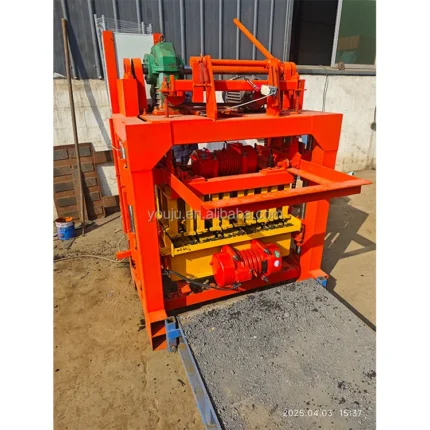
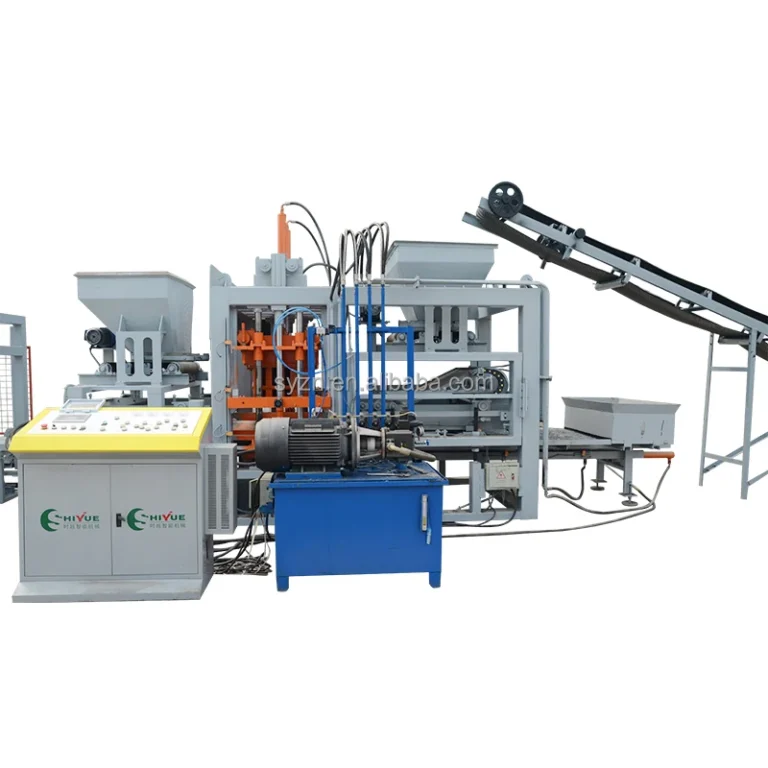
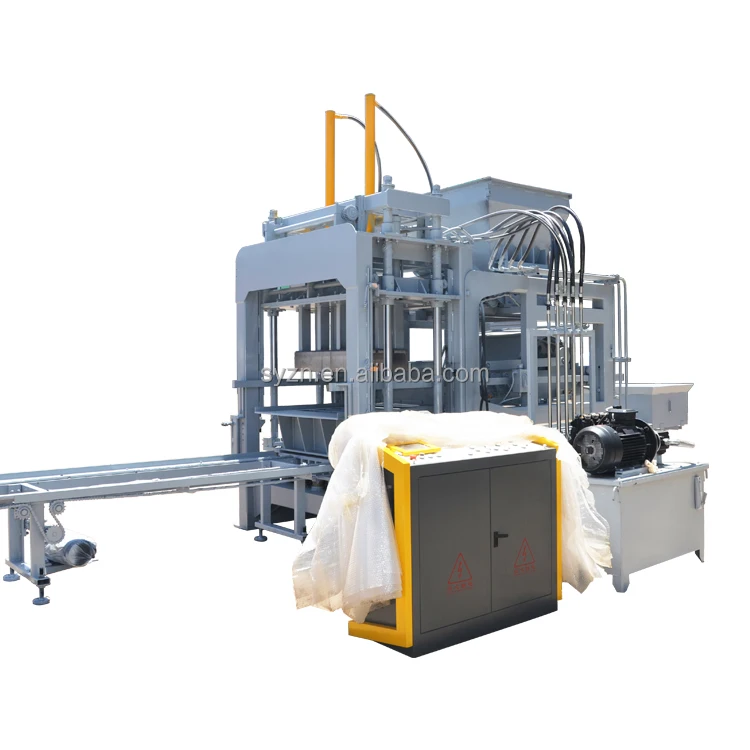
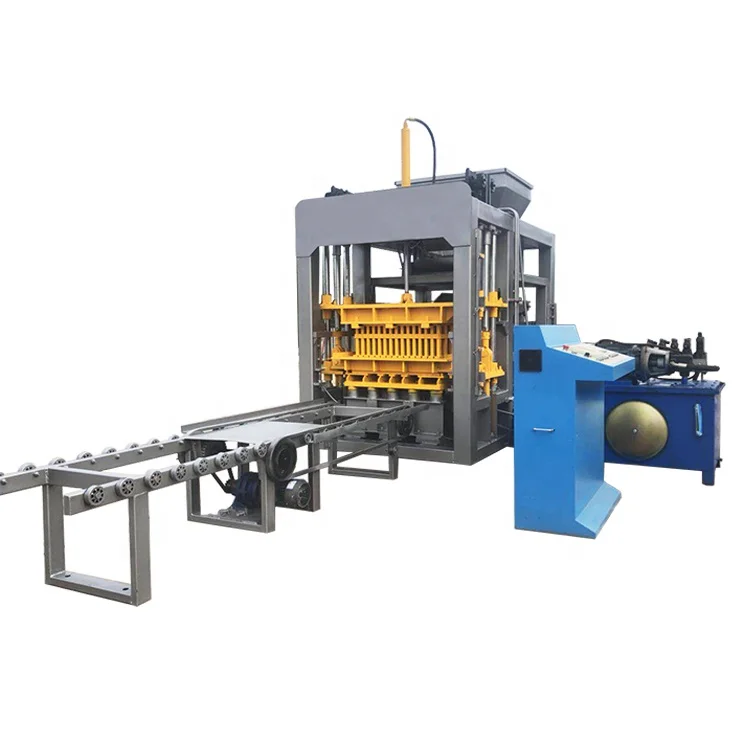
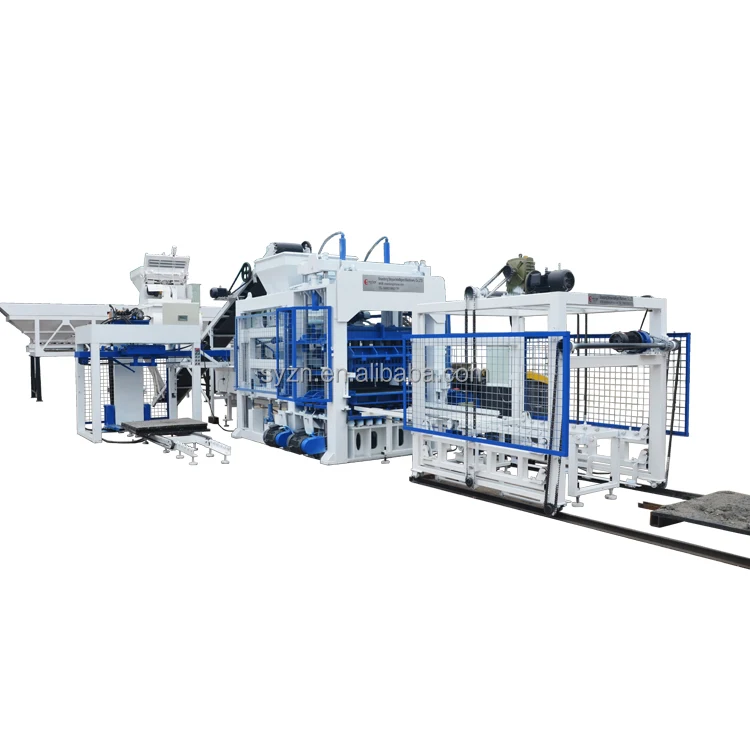
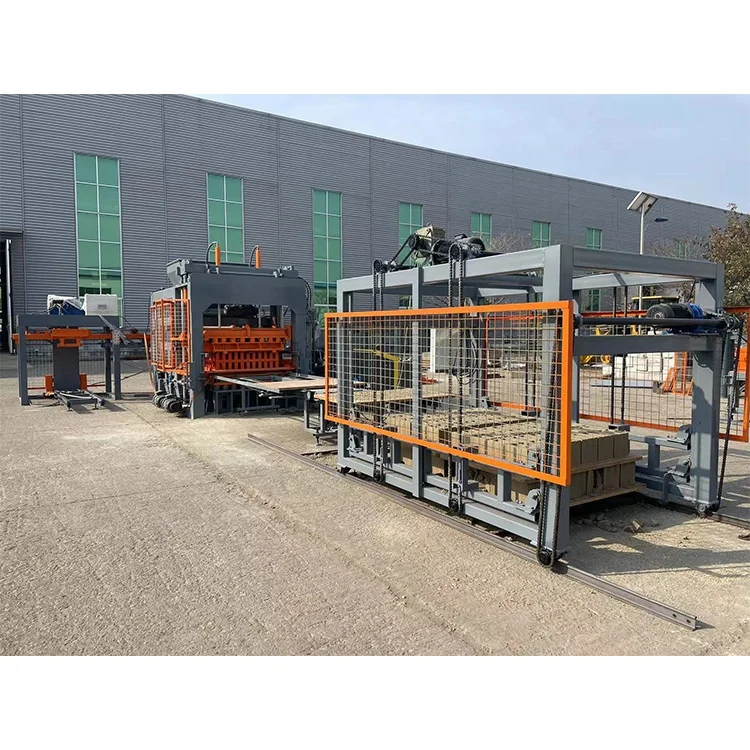
Matched System Control — The QT10-15 is configured so PLC logic, vibration frequency and hydraulic sequencing run as one coordinated routine, eliminating the mismatch between press cycle and handling stations that causes bottlenecks in fragmented lines.
Technical Specifications
| Parameter | Value |
|---|---|
| Product Type | Stationary Block Machine |
| Model | QT10-15 |
| Automation Level | Full automatic |
| Control System | PLC (brand and display language to be confirmed before production) |
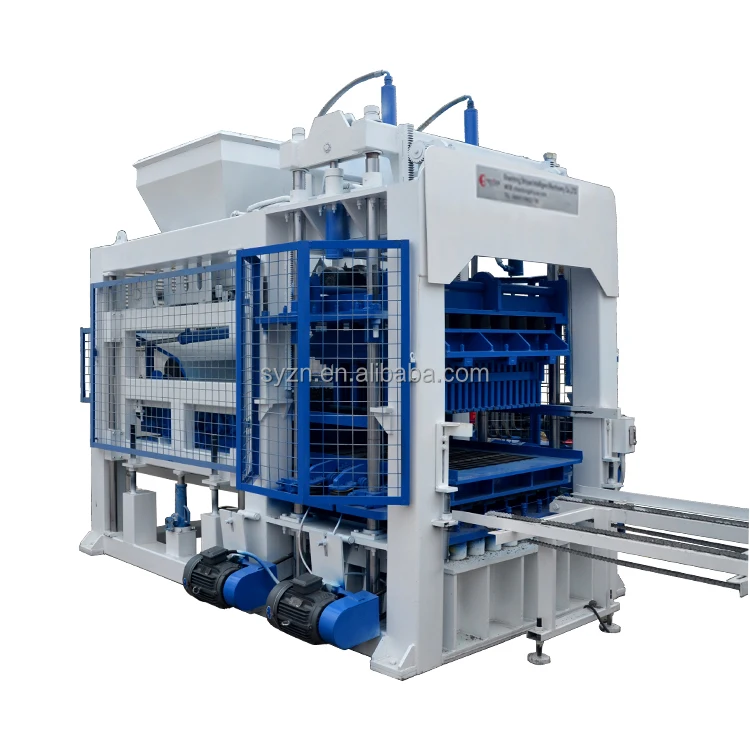
| Vibration Technology | Dynamic and static table with frequency conversion, four-axis vibration |
| Vibration Acceleration | 20g |
| Feeding System | Press-in arch breaker with 360° rotation |
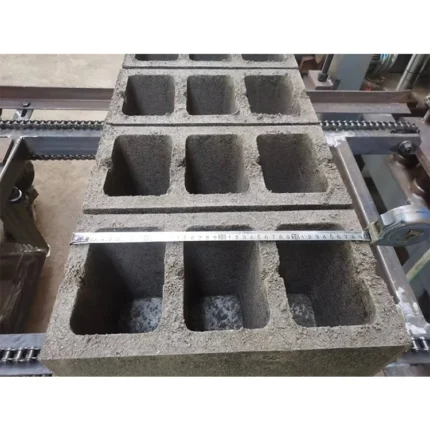
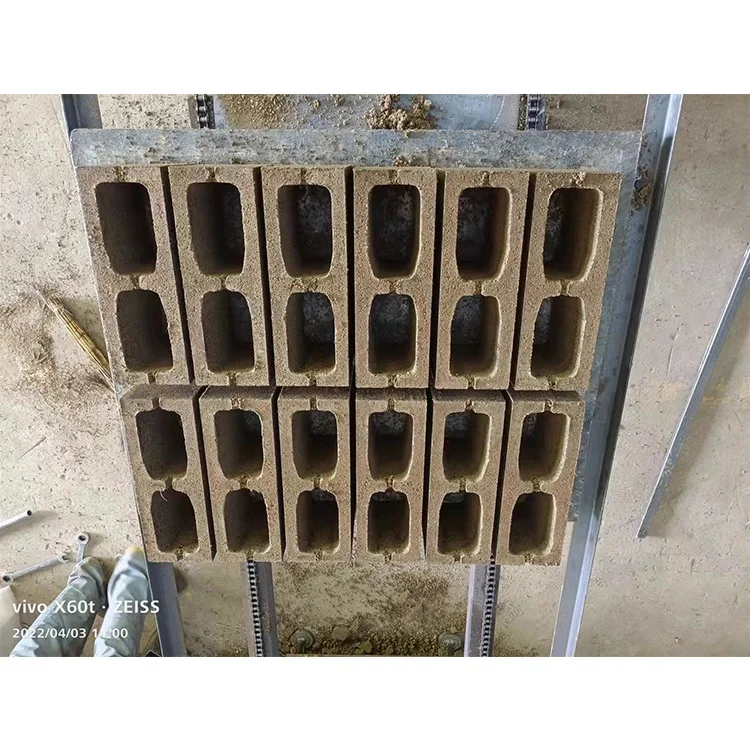
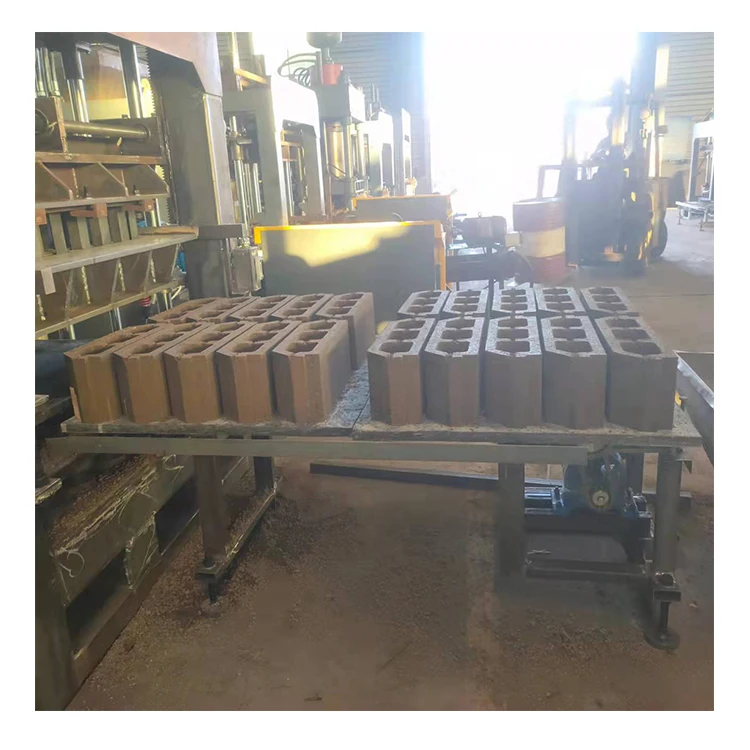
| Mould Compatibility | Multi-purpose: hollow blocks, interlocking bricks, porous bricks, pavement bricks, slope protection bricks |
| Wear Protection | Replaceable cloth platform wear-resistant plate |
| Noise & Vibration Damping | Flexible reduction on pressure head; adjustable pressure air bag in mold box |
| Hydraulic Pressure | Value not stated in source (basis to be confirmed) |
| Vibration Force | Value not stated in source (basis to be confirmed) |
| Pallet Size | Value not stated in source (basis to be confirmed) |
| Mould Change Time | Value not stated in source (basis to be confirmed) |
| Cycle Time per Format | Value not stated in source (blocks capacity table present but numerical data unreadable — basis to be confirmed) |
| Output Capacity | Value not stated in source (basis to be confirmed) |
| Rated Power | Value not stated in source (basis to be confirmed) |
| Voltage & Frequency | Value not stated in source (basis to be confirmed) |
| Overall Dimensions | Value not stated in source (basis to be confirmed) |
| Net Weight | Value not stated in source (basis to be confirmed) |
| Certification | CE declaration where applicable |
Application Suitability
| Application | Material or Output |
|---|---|
| Hollow block production for commercial and residential wall systems | Crushed stone, river sand, cement and locally graded aggregates |
| Interlocking paver manufacturing for municipal and landscape projects | Fine aggregate blends with pigment addition for colour layers |
| Porous brick production for permeable pavement specifications | Open-graded aggregate mixes requiring precise water-to-cement ratios |
| Slope protection brick forming for infrastructure embankments | Heavy-weight concrete mixes with high coarse aggregate content |
| Solid pavement brick runs for industrial yard surfacing | Standard concrete masonry mixes compacted under high vibration and pressure |
What the Control Panel Language Question Reveals About Your Commissioning Timeline
Confirming PLC display language and voltage before the machine enters production prevents a stalled first week on site.
I once watched a QT10-15 sit idle for two full days in a Middle East block yard because the HMI defaulted to Chinese characters the local operator could not read. The buyer had spent months evaluating vibration force and pallet size but never asked what language the screen would show. Commissioning stopped until we pushed an English firmware package over a remote connection at midnight. That delay cost more in idle labour and missed delivery commitments than any line-item saving on the press itself. When an automatic stationary block machine PLC controlled system arrives with the wrong interface language, the entire automation advantage collapses back to manual guesswork [NEED_CITE: PLC HMI language configuration standards for export machinery].
How PLC Sequencing Removes Operator Variables
The QT10-15 runs its full cycle — feed, vibrate, press, eject, pallet advance — through PLC logic rather than manual push-button timing. This means the automatic stationary block machine PLC controlled routine executes the same sequence whether it is the first shift on Monday or the night run before a deadline. Operators load raw material and monitor the HMI; they do not decide when the mould box lifts or how long the vibration holds. Batch-to-batch consistency follows directly from that separation of human judgement and machine timing.
Where Automation Hands Off to the Rest of the Line
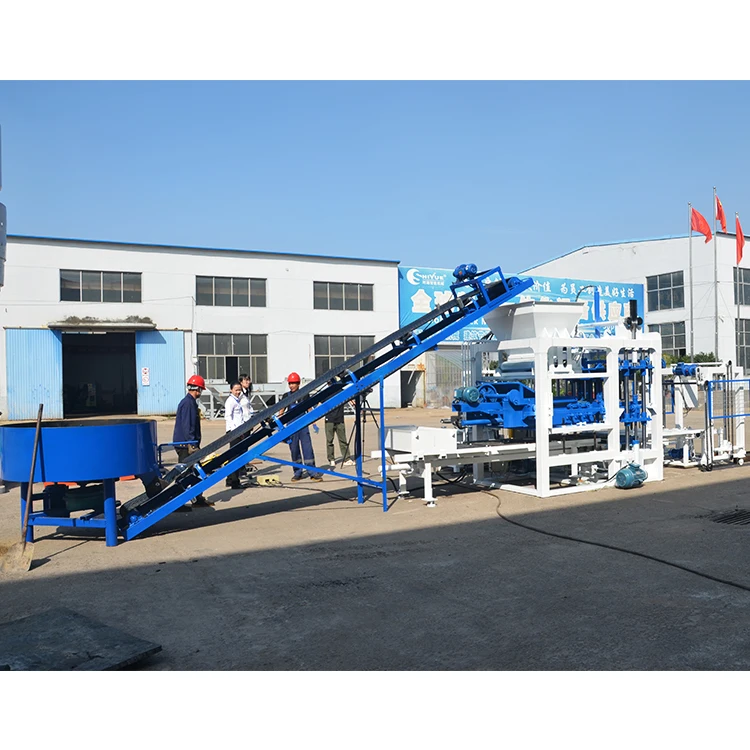
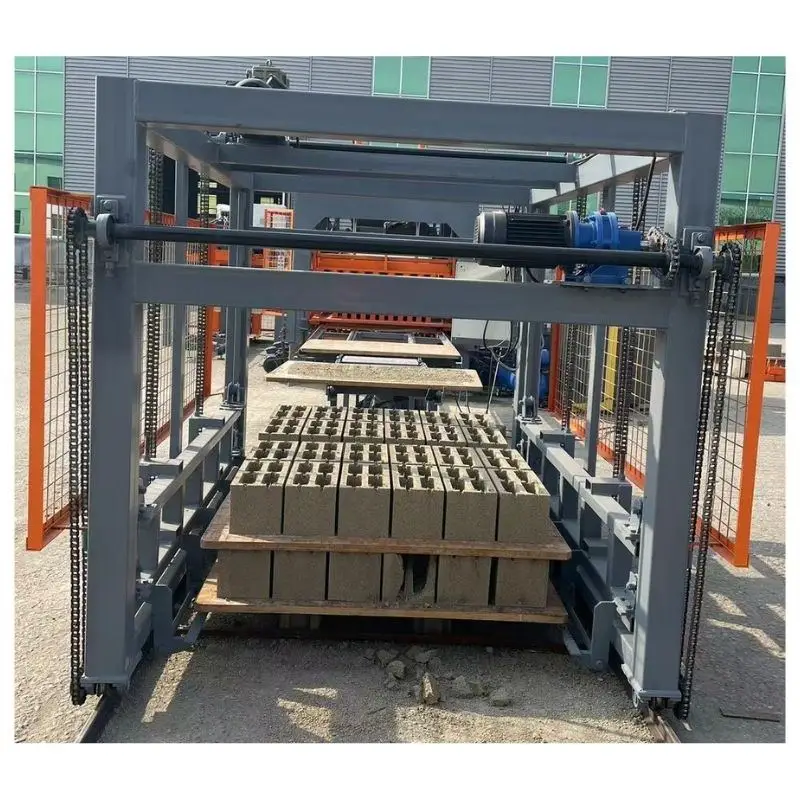
A stationary press only delivers its rated output when pallet feeding, stacking and curing rack handling keep pace. The QT10-15 is designed to integrate with automatic pallet feeders and stackers so that the press never waits for an empty pallet or a clear ejection path. When those stations are specified as one matched system, the PLC can flag a downstream jam before the press completes its current cycle, preventing wet blocks from piling on an occupied pallet. This coordination is where a plant moves from semi-automatic throughput to genuinely uninterrupted production [NEED_CITE: block line station synchronisation and PLC interlock requirements].
Reading the Specs That Actually Shape Daily Output
Vibration acceleration at 20g, delivered through four-axis dynamic and static table technology with frequency conversion, determines how densely the concrete mix packs into the mould cavity. Higher acceleration means shorter cycle times for a given block strength target, but only if hydraulic pressure is matched to the same mix design. The 360° rotating press-in arch breaker prevents material bridging in the hopper, so the mould cavity fills uniformly even with sticky or high-moisture mixes. Adjustable pressure air bag damping inside the mould box lets the operator tune vibration absorption for different block formats — a solid paver needs more damping than a thin-walled hollow block to protect mould life. The replaceable wear-resistant plate on the cloth platform means that abrasion from coarse aggregate does not force a full platform replacement, keeping maintenance predictable.
The Cost of Treating the Press as a Standalone Purchase
Buyers who spec the QT10-15 without confirming pallet dimensions against their existing curing racks and forklifts often discover on arrival that the pallets do not stack on their shelving system. The press runs fine, but every pallet must be handled twice. Similarly, ordering without locking in voltage and frequency means the motor may arrive wound for a supply that does not exist at the site, requiring a rewinding or transformer that delays commissioning by weeks. These are not machine defects — they are configuration gaps that turn a fully automatic investment into a semi-automatic reality with extra manual handling and electrical rework [NEED_CITE: common configuration mismatches in exported concrete block machinery].
Why Sourcing the QT10-15 Through a Single-System Supplier Matters
Block machinery is the only product category here, which means the QT10-15 is not bundled from a press vendor, a mould vendor and a conveyor vendor who have never tested their equipment together. Every machine is configured against the buyer’s actual mix design and local aggregate, not shipped as a catalogue default. Moulds are designed for the formats the buyer’s market actually sells, with custom drawings available when standard formats do not match. The automation level is selectable — a buyer can start with semi-automatic pallet handling and add automatic stacking later without replacing the press. Factory testing runs the complete cycle before dispatch, and installation support includes operator training on the specific PLC interface and mould change procedure for the buyer’s format set.
Documentation & Verification
- Line layout drawing showing QT10-15 station positions and pallet flow path matched to your site dimensions
- Capacity calculation document stating the exact block format and cycle time assumed for each output figure
- PLC program backup and HMI screen map in your confirmed display language before shipment
- Hydraulic and electrical schematic with component part numbers for local sourcing
- Factory test record filmed on your specified mould and mix proportion
- Mould format list and wear parts catalogue with replacement intervals
Installation, Commissioning & Support
- Foundation plan sized for QT10-15 vibration load and dynamic table footprint to prevent resonance transfer
- Dedicated power circuit matching confirmed voltage and frequency before the press arrives on site
- Machine shipped in dismantled modules with labelled reassembly sequence to reduce rigging time
- PLC parameters set to your confirmed block format, cycle time and language during first-power commissioning
- Operator training covers mould change procedure, HMI navigation and fault-code response on your format set
- Wear parts stock list reviewed with local reorder lead times so first replacement does not halt production
What to Prepare Before Requesting a Quotation
To move from a general enquiry to a firm configuration for the QT10-15, share your target block format with dimensions, your daily output target and the local aggregate you plan to use. Confirm the voltage and frequency at your site, the PLC display language your operators need, and whether you already have pallet racks and forklifts that define pallet size constraints. If you are upgrading from an existing semi-automatic line, describe which stations you currently handle manually so the automation scope can be matched precisely.
Frequently Asked Questions
Q: How is the output capacity of the QT10-15 verified, and which block format is assumed in the quoted cycle time?
A: Every capacity figure we provide states the specific block format, dimensions and mix proportion it assumes. A hollow block and a solid paver run at different cycle times on the same press, so we issue a capacity calculation document listing each format you plan to produce with its corresponding hourly and daily throughput before the order is confirmed.
Q: What automation level does the QT10-15 provide, and what is the upgrade path from a semi-automatic line?
A: The QT10-15 operates as a fully automatic press with PLC-controlled cycling, automatic material feeding and ejection. Buyers currently running semi-automatic lines can start with manual pallet handling and later add automatic pallet feeding and stacking modules. The press PLC accepts the additional I/O without a full control replacement.
Q: How does the PLC control system handle voltage, frequency and display language for the target market?
A: Voltage and frequency are confirmed against your site supply before production, and the motor and transformer are wound accordingly. The PLC display language is set to your operator’s language and verified during the factory test, so the HMI is readable from the first hour of commissioning.
Q: How is vibration force and hydraulic pressure configured to match the buyer’s local aggregate and mix design?
A: We request a sample of your local aggregate and your planned mix proportion. The vibration frequency and hydraulic pressure are then adjusted on the factory test rig to produce blocks that meet your strength target at the cycle time quoted, rather than shipping a catalogue-default setting that may not suit your material.