Description
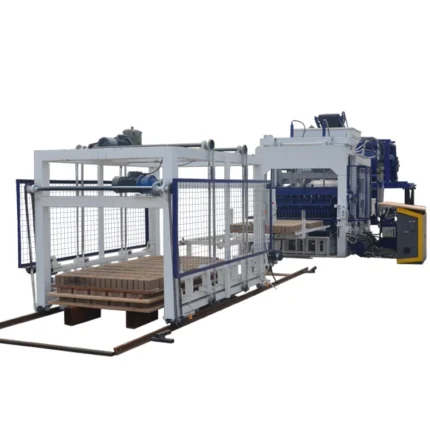
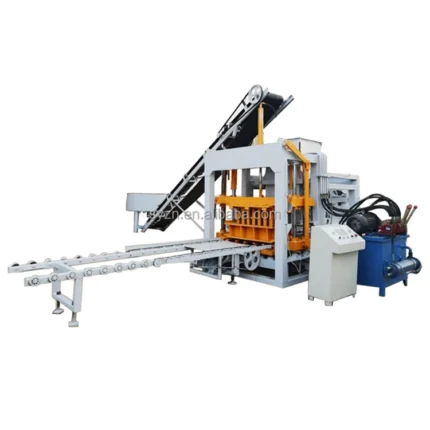
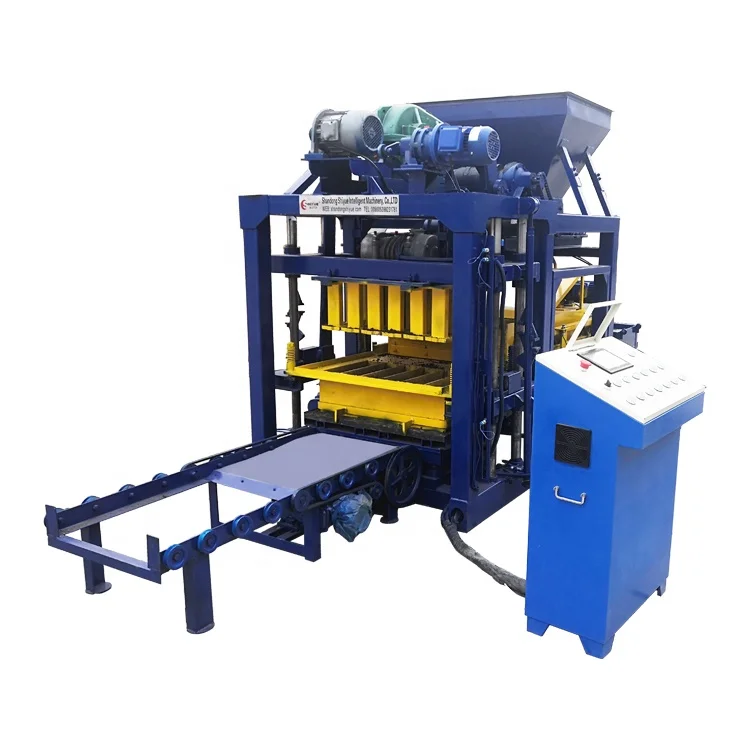
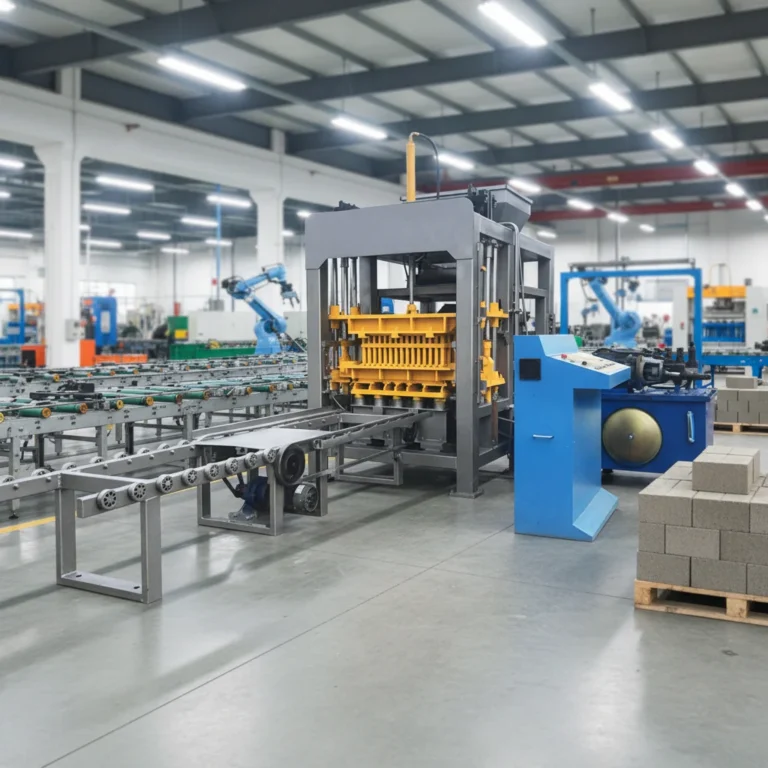
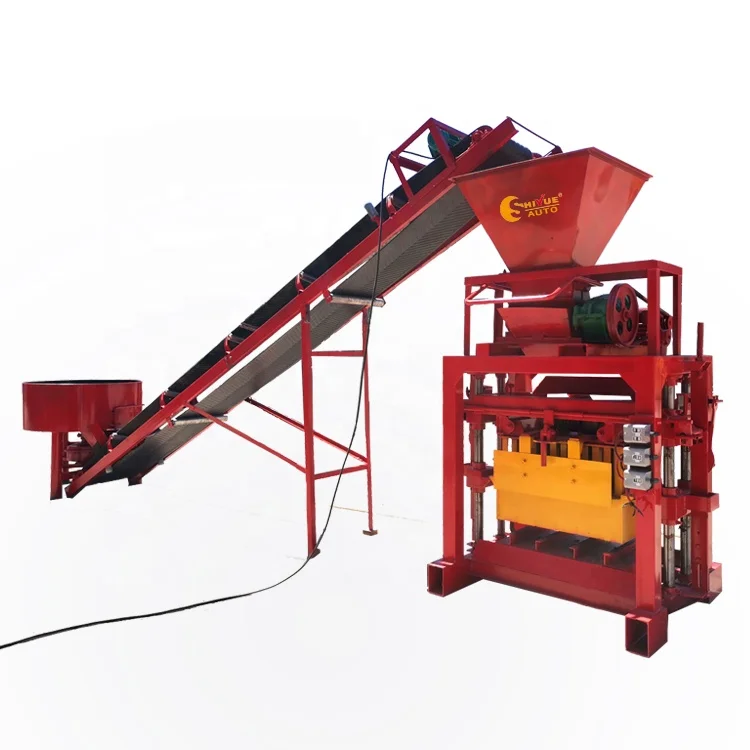
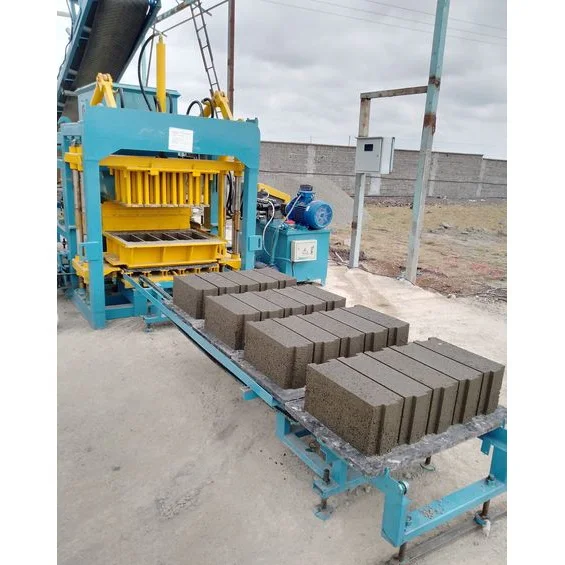
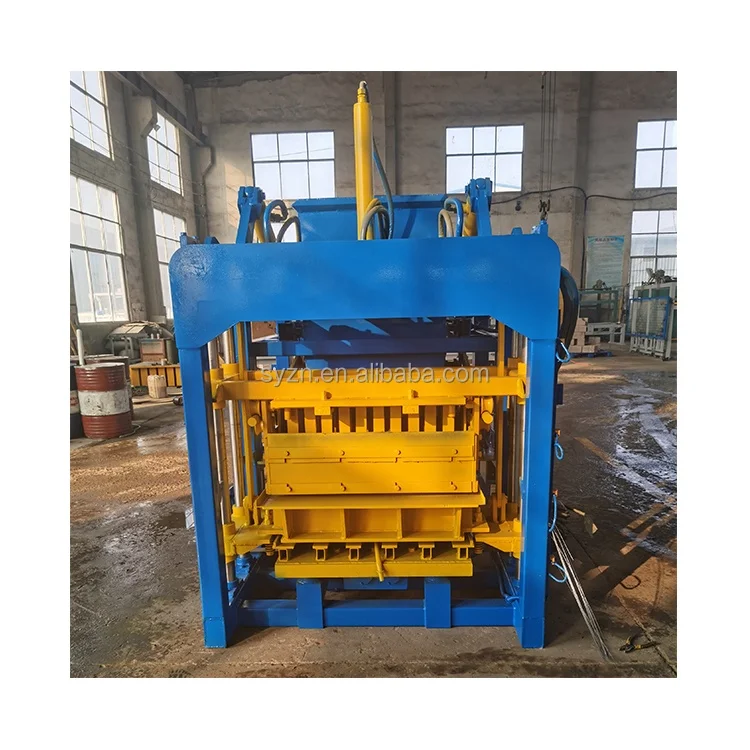
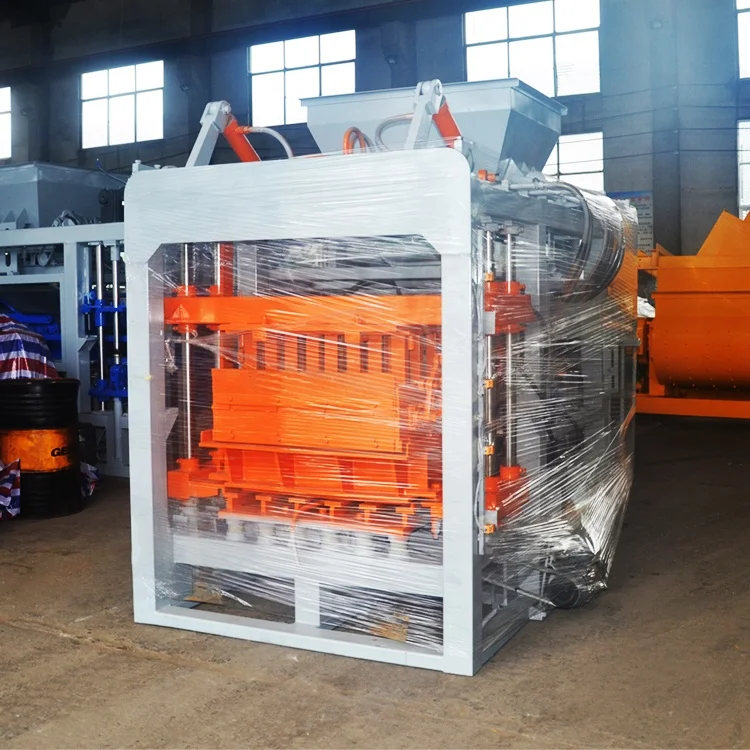
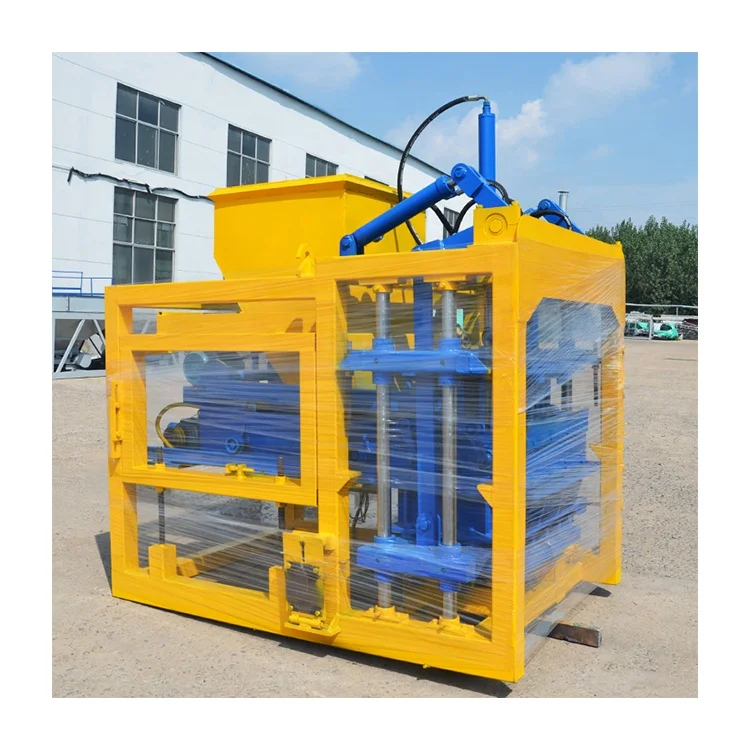
Single Focus Engineering — The QT4-15A block machine, mould, pallet and handling equipment are specified as one matched system from a manufacturer focused exclusively on concrete block machinery, not assembled from separate suppliers.
Technical Specifications
| Parameter | Value |
|---|---|
| Model | QT4-15A |
| Product Type | Automatic Concrete Block Making Machine |
| Overall Dimensions (L×W×H) | 7100×1600×2610 mm |
| Molding Cycle | 15-25s |
| Vibration Frequency | 4600 r/min |
| Exciting Power | 40-50 kN |
| Rated Power | 18.45 kW |
| Mixer Model | JQ350 |
| Pallet Size | 850×550×25 mm |
| Net Weight | 3 T |
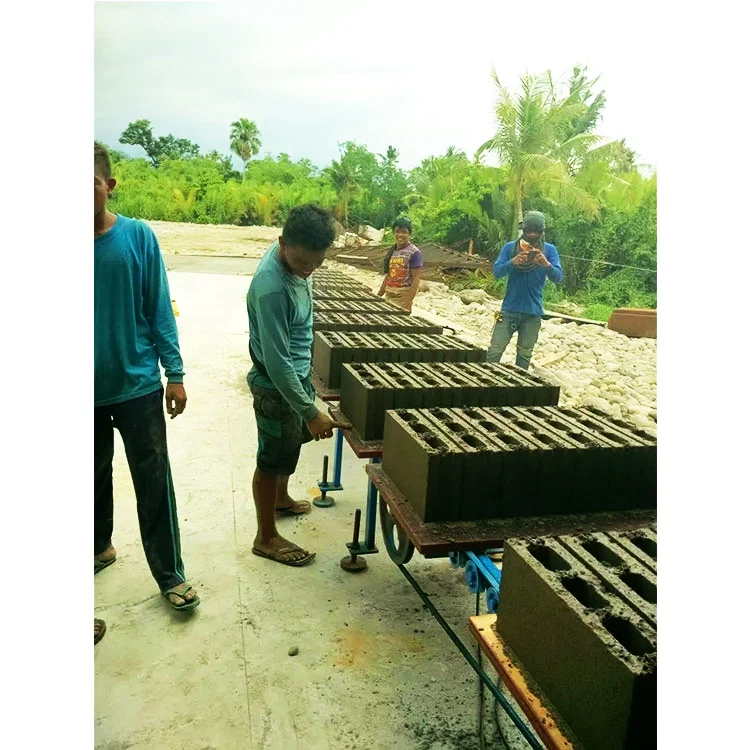
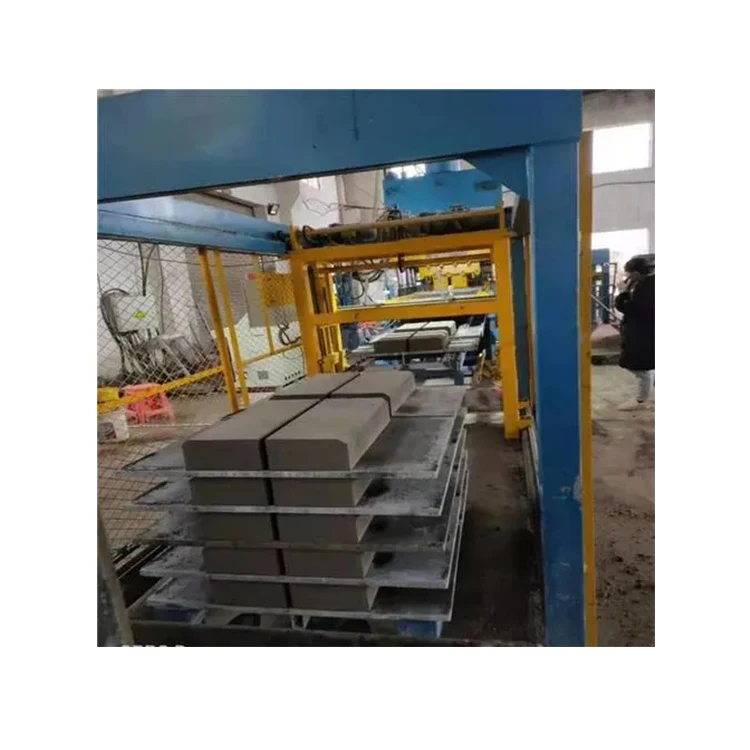
| Applied Products | Paver, solid brick, hollow block, curbstone |
| Raw Materials | Crushed stones, sand, cement, dust, fly ash |
| Output Capacity | 408 pcs/hr (basis: 400×200×200 mm hollow block, 4 pcs/mould) |
| Output Capacity | 510 pcs/hr (basis: 400×150×200 mm hollow block, 5 pcs/mould) |
| Output Capacity | 2100 pcs/hr (basis: 240×115×53 mm solid brick, 18 pcs/mould) |
| Daily Output (8 hr) | 3264 pcs (400×200×200 mm hollow block) |
| Daily Output (8 hr) | 4080 pcs (400×150×200 mm hollow block) |
| Daily Output (8 hr) | 17000 pcs (240×115×53 mm solid brick) |
| Automation Level | Semi-automatic |
| Hydraulic System | Hydraulic station equipped |
| Control System | PLC controlled (basis not stated in source — confirm PLC brand and language options) |
| Voltage & Frequency | Configurable (basis not stated in source — confirm for target market) |
Application Suitability
| Application | Material or Output |
|---|---|
| Hollow block production for small to medium plants | Crushed stones, sand, cement, fly ash, stone dust |
| Solid brick manufacturing for construction projects | Cement, sand, stone dust blends |
| Paver and curbstone production | Aggregates and cement mixes |
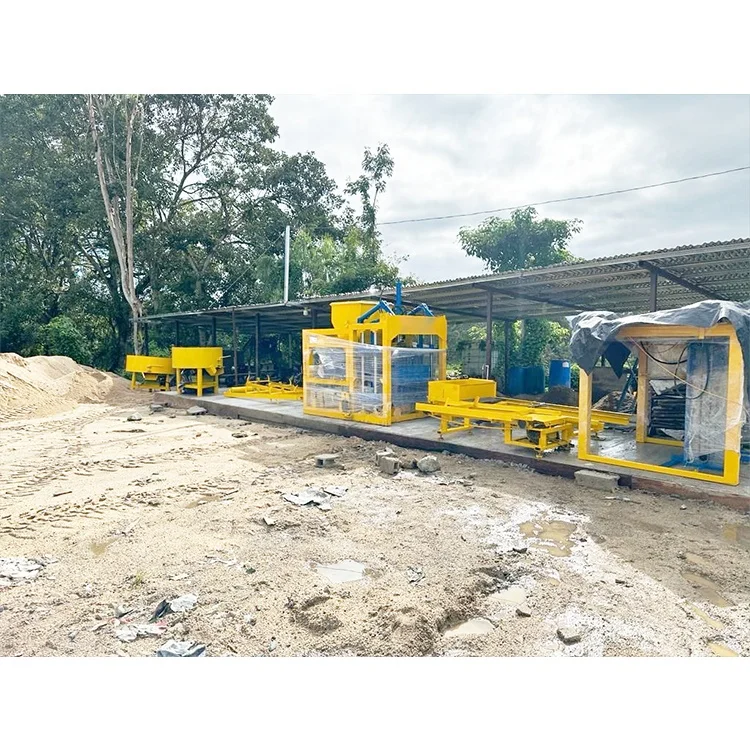
| On-site construction block manufacturing | Local raw material profiles |
What "15-25 Seconds" Really Means for Your Production
The cycle time is only as consistent as the PLC controlling it.
When buyers evaluate an automatic QT4-15 block making machine PLC controlled, they often focus on the molding cycle window without understanding what maintains that consistency across an eight-hour shift. Manual operations drift as operators fatigue, hydraulic pressure fluctuates without feedback loops, and vibration timing varies by human judgment [NEED_CITE: PLC control consistency in concrete block production]. The control system here removes operator dependency from the cycle sequence, maintaining the same dwell times and pressure application from the first block to the last. This matters when block strength must meet consistent standards and when buyers are scaling from manual methods to automated production.
Control System Precision and Batch Consistency
The automatic QT4-15 block making machine PLC controlled system manages the entire molding sequence from material feed through vibration, compression, and demolding. Each cycle follows the programmed timing without manual intervention, eliminating the variation that occurs when operators adjust sequences based on feel or habit. The PLC maintains the vibration frequency at 4600 r/min and controls the hydraulic station pressure application throughout the 15-25 second cycle window.
Hydraulic and Vibration Coordination
The hydraulic station works in coordination with the bed mould vertical vibration and upper mould compression vibration to achieve uniform material compaction. The exciting force of 40-50 kN combined with stable hydraulic pressure determines the final block density. Without PLC coordination, these systems can fall out of sync, resulting in blocks with inconsistent strength across the pallet [NEED_CITE: hydraulic vibration coordination in block making]. The control system ensures the pressure and vibration timing remain synchronized throughout production runs.
Specification Impact on Production Reality
The 7100×1600×2610 mm overall dimensions determine the floor space requirement and ceiling height needed for installation. The 18.45 kW rated power specifies the electrical supply capacity required, separate from other plant equipment. The 850×550×25 mm pallet size must align with existing curing rack spacing and forklift capacity already in the facility. The 3 T net weight affects foundation requirements and handling equipment specifications for positioning during installation. The JQ350 mixer capacity determines batch sizing and material feed rate to avoid press idle time waiting for mixed material.
The Cost of Ignoring Electrical Specifications
Buyers who skip voltage and frequency confirmation before production discover problems only when the machine arrives and fails to power up correctly. Three-phase systems vary across markets, and control panels configured for one standard cannot simply be rewired on site [NEED_CITE: voltage and frequency standards by export market]. PLC displays default to manufacturer language settings unless specified otherwise, leaving operators unable to read fault codes or adjust parameters. Commissioning delays stretch from days into weeks while replacement components ship internationally, and the production timeline the buyer committed to slips with each passing day.
Why Buyers Choose This Configuration
The machine, mould, pallet and handling equipment are specified as one matched system rather than assembled from separate suppliers with unclear integration responsibility. Configuration decisions reference the buyer’s actual mix design, local aggregate characteristics, and target block format instead of defaulting to catalogue specifications. Mould design and supply covers the formats the buyer’s market actually sells, including custom drawings for non-standard requirements. Automation level remains selectable, allowing buyers to start with semi-automatic operation and add pallet feeding, stacking, or cubing modules as production scales. Installation and commissioning support includes operator training so the crew understands the control system from day one.
Documentation & Verification
- Line layout and capacity calculation stating the block format assumed for each output figure
- Machine specification sheet with hydraulic and electrical schematic for the QT4-15A
- Mould drawing and format list showing all available block types and dimensions
- Pallet specification matched to curing area spacing and existing forklift capacity
- Voltage and control language confirmation document before production begins
- Factory test record demonstrating cycle operation on target block format
Installation, Commissioning & Support
- Foundation must support 3 T machine weight plus dynamic vibration loads during operation
- Electrical supply must provide 18.45 kW dedicated circuit with correct voltage and frequency configuration
- Machine ships dismantled for container loading with reassembly required at installation site
- PLC control language and display parameters configured during commissioning before operator training
- Operator training covers cycle adjustment, fault diagnosis, and mould change procedures
- Wear parts and mould maintenance schedule provided with recommended replacement intervals
What We Need to Configure Your Machine
Before quoting, we need to understand your target block format, daily output requirement, local raw material availability, and site conditions. Confirm your electrical supply specifications including voltage, phase configuration, and frequency. Specify the PLC display language your operators will need. Clarify which automation stations you require now versus which you plan to add as production grows. Provide details on existing pallet handling equipment, curing area dimensions, and forklift capacity to ensure pallet specifications align with your facility.
Frequently Asked Questions
Q: How do I verify the output capacity applies to my specific block format?
A: Capacity figures assume specific block dimensions and mould cavity counts. Request a capacity calculation document that states the exact block format used for each output number. Compare your target product dimensions to the basis figures. If your format differs, ask for recalculated capacity based on your actual mould configuration and local material characteristics.
Q: What automation level comes standard with this machine?
A: The QT4-15A ships as a semi-automatic configuration with PLC control managing the molding cycle. Pallet feeding, stacking, and cubing stations may require manual operation or represent optional upgrades. Confirm which specific stations are included in your quotation versus which modules are available for future addition as production volume increases.
Q: How do I ensure the PLC display language matches my operators?
A: Specify the required display language before production begins. Control panels default to manufacturer settings unless otherwise documented. Confirm this requirement during the quotation stage and verify it appears on the voltage and control confirmation document. Language changes after shipment require software updates that delay commissioning.
Q: What is involved in changing moulds between different block formats?
A: Mould change requires stopping production, removing the current mould assembly, installing the replacement mould, and adjusting PLC cycle parameters for the new format. Request documentation on mould change procedure and typical time requirements. This determines how much production time is lost when switching between hollow block, solid brick, and paver formats during the same shift.
Q: When should I add automatic stacking and cubing to my line?
A: These modules become worthwhile when manual stacking labour costs exceed the upgrade investment or when production volume makes manual handling a bottleneck. The semi-automatic configuration allows adding automation modules later without replacing the core machine. Discuss upgrade timing based on your projected production growth and available labour resources.