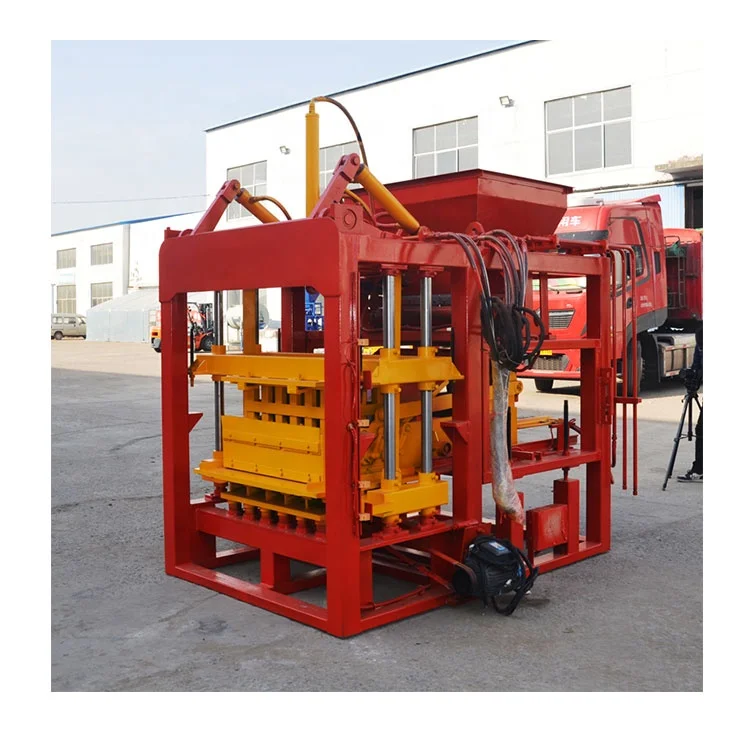
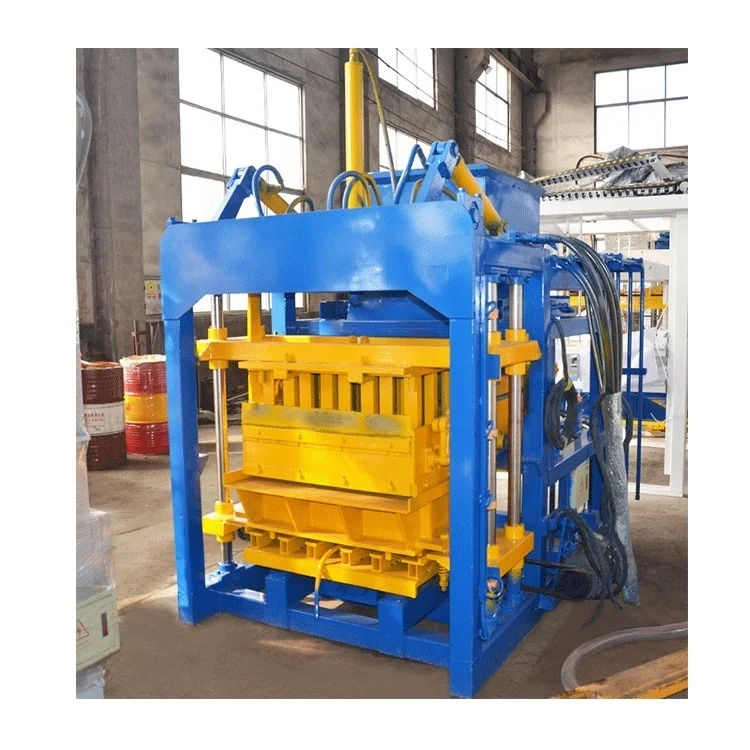
Description
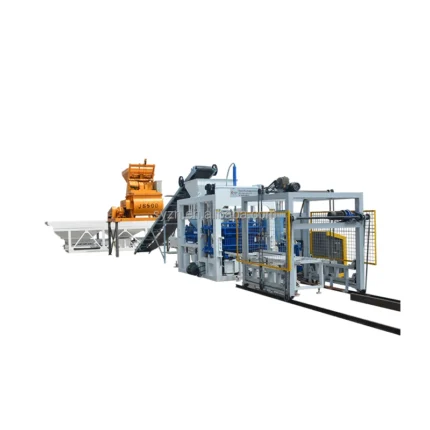
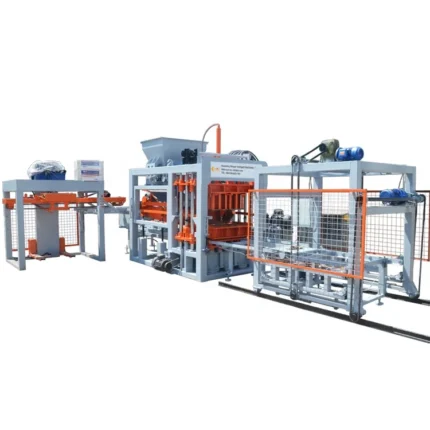
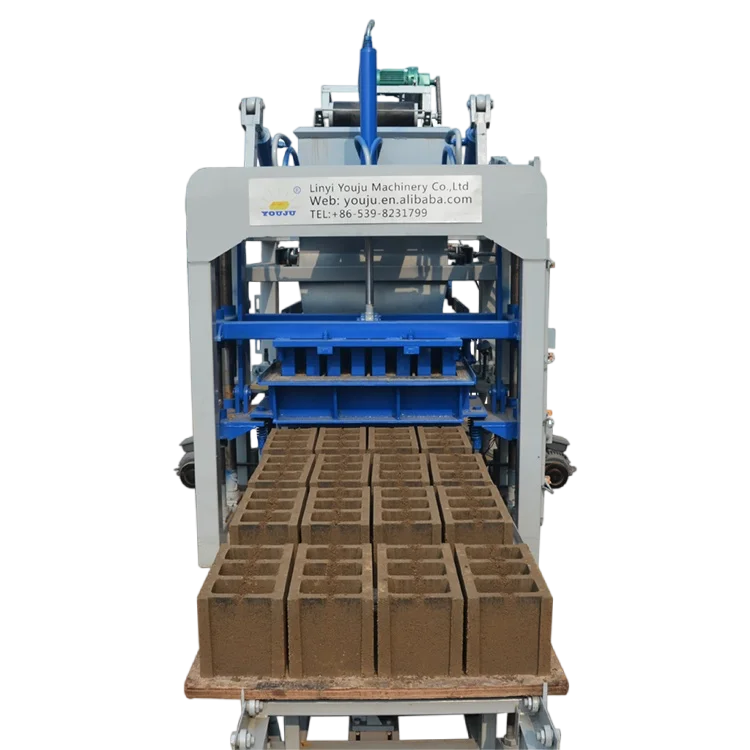
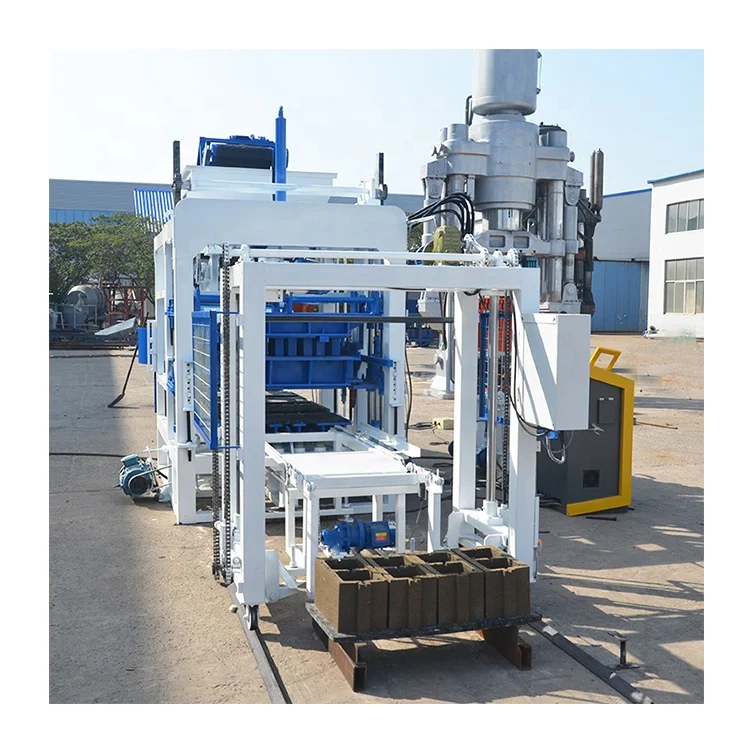
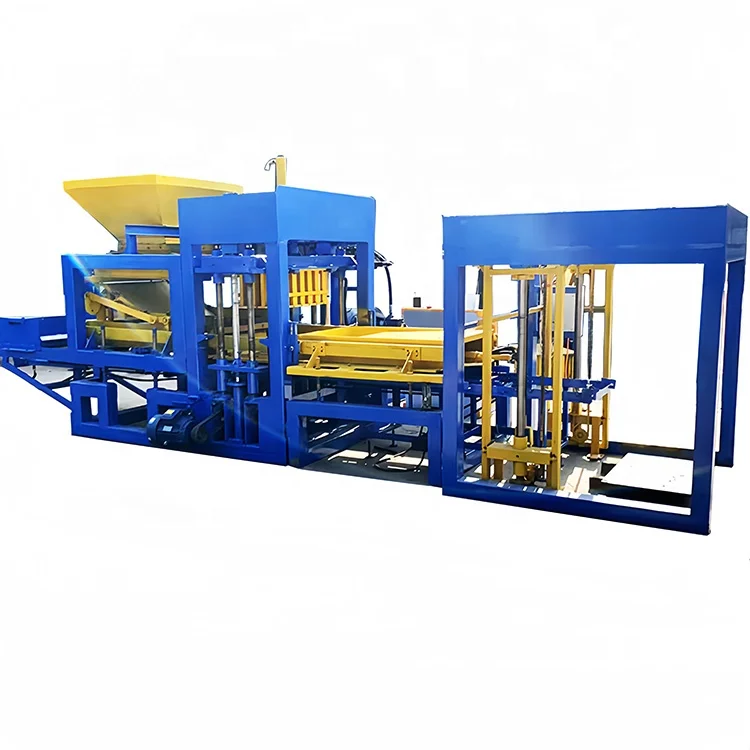
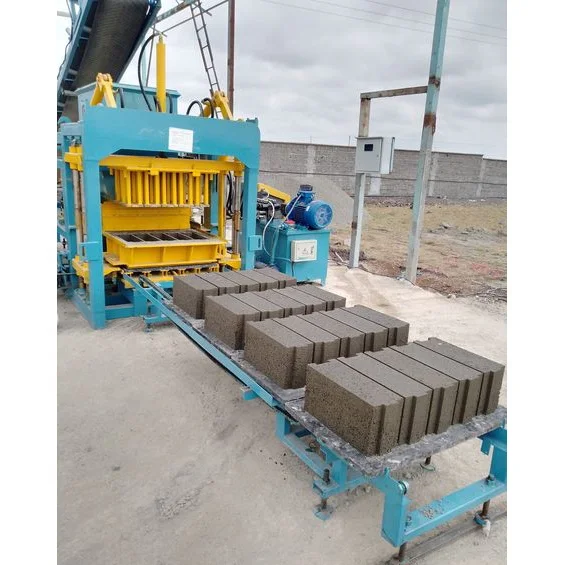
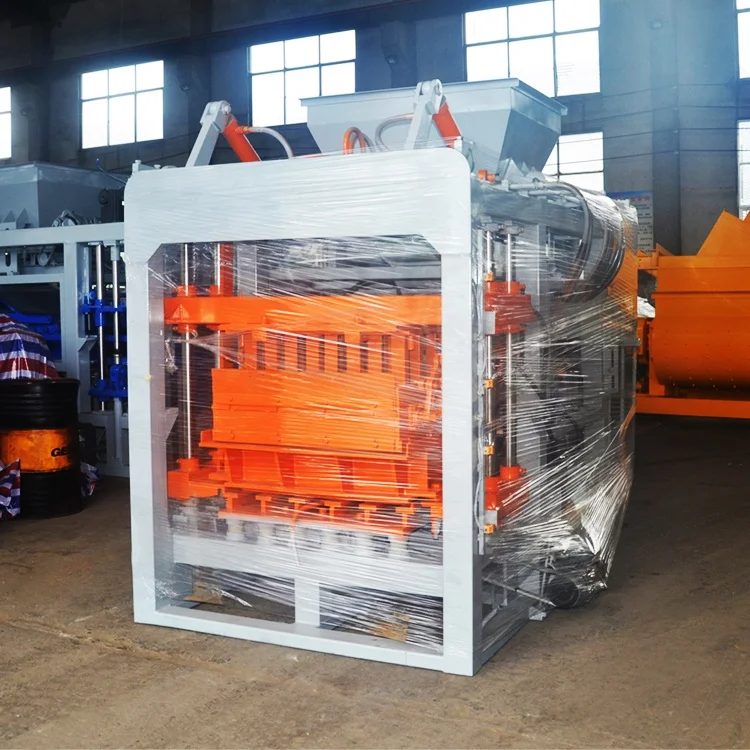
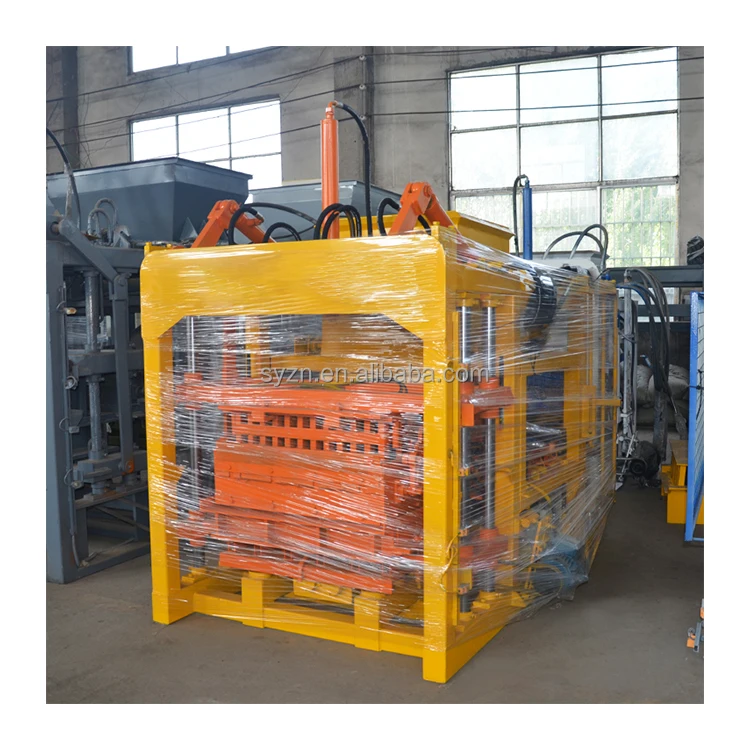
Single-Focus System Design — the QT4-15A integrates PLC control, pallet feeding, and hydraulic pressing as one matched line so the press never waits on upstream stations.
Technical Specifications
| Parameter | Value |
|---|---|
| Model | QT4-15A |
| Product Type | Hydraulic Block Making Machine |
| Overall Dimensions (L×W×H) | 7100×1600×2610 mm |
| Total Weight | 3 T |
| Vibration Frequency | 4600 r/min |
| Vibration Force (Exciting Power) | 40–50 KN |
| Molding Cycle | 15–25 s |
| Total Power | 18.45 kW |
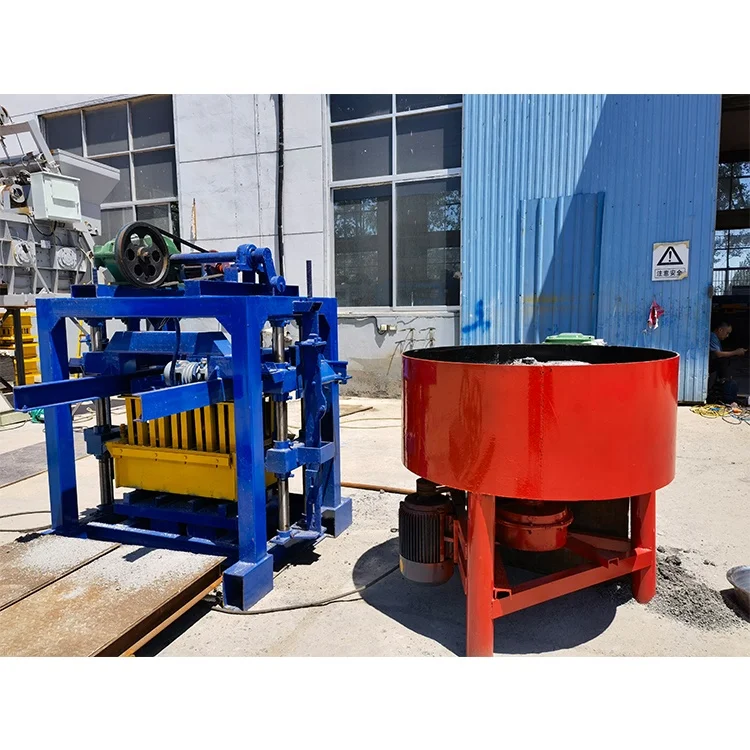
| Mixer Model | JQ350 |
| Pallet Size | 850×550×25 mm |
| Control System | PLC control system |
| Hydraulic Station | Included |
| Automation Level | Semi-automatic (PLC controlled with pallet feeder and conveyor) |
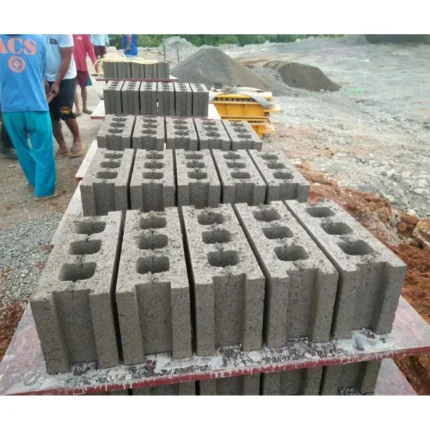
| Output (Hollow Block 400×200×200 mm) | 408 pcs/hr, 3264 pcs/8 hr |
| Output (Hollow Block 400×150×200 mm) | 510 pcs/hr, 4080 pcs/8 hr |
| Output (Solid Brick 240×115×53 mm) | 2100 pcs/hr, 17000 pcs/8 hr |
| Applied Products | Paver, solid block, hollow block, curbstone |
| Raw Materials | Crushed stones, sand, cement, dust, fly ash |
| Included Equipment | Block making machine, hydraulic station, PLC control system, pallet feeder, brick conveyor, block sweeper |
| Free Parts | Manual hydraulic trolley, spare parts and tools |
Application Suitability
| Application | Material or Output |
|---|---|
| Hollow block production for wall construction | Crushed stone, sand, cement, fly ash blends |
| Solid brick manufacturing for load-bearing structures | Sand and cement mixes with local aggregate |
| Paver production for walkways and driveways | Fine aggregate with cement binder |
| Curbstone forming for road and pavement edging | Coarse crushed stone with high cement content |
| On-site block production for housing projects | Locally sourced sand, dust, and cement |
Why the Control Language Must Be Settled Before Shipment
An automatic QT4-15A block making machine arrives with its PLC fully programmed — if the display language was never confirmed, the operator on day one cannot read a single menu.
I spent my early field years in West Africa commissioning block lines, and one job in Nigeria stands out. The QT4-15 control panel powered up in Chinese. The local crew had never seen those characters before, so every cycle parameter was a guess. We lost an entire shift just navigating to the language menu. Since then, I treat the PLC display language as a specification as critical as the voltage rating. The language, the frequency, and the control logic must all be locked down in writing before the machine enters production [NEED_CITE: PLC display language confirmation practices in export machinery].
What the PLC Actually Manages on Each Cycle
The PLC control system on the automatic QT4-15A block making machine sequences the entire molding cycle — from pallet feeding through vibration, hydraulic pressing, and block discharge. The operator sets the parameters once, and the controller repeats them identically across every batch. This removes the variation that comes from manual timing, where one operator holds the vibration two seconds longer than another.
Building a Line That Can Grow with the Plant
The QT4-15A ships as a semi-automatic line with the pallet feeder and brick conveyor already integrated. That means the press is not bottlenecked by manual pallet handling from day one. When production volume justifies it, the same PLC architecture supports adding automatic stacking and cubing modules without replacing the core controller. This upgrade path matters for buyers who want to start with a manageable investment and expand the automation level as their market grows.
How Vibration, Pressure, and Cycle Time Shape Block Density
The vibration force of 40–50 KN at 4600 r/min works together with the hydraulic station to compact the concrete mix into the mould cavity. Higher vibration frequency alone does not guarantee stronger blocks — the hydraulic pressure must be sufficient to lock the aggregate in place once the vibration stops. The 15–25 second molding cycle is the window where these two forces overlap, and the PLC holds that window constant. The 850×550×25 mm pallet size determines how many blocks form per cycle, and it also dictates the curing rack dimensions and the forklift capacity needed on the other end. Buyers should verify that their existing pallet handling equipment matches this pallet footprint before ordering [NEED_CITE: pallet size matching for block curing and transport]. The JQ350 mixer paired with this line produces a batch size that aligns with the press cycle, so the press does not sit idle waiting for the next mix.
What Happens When Automation Details Are Overlooked
A block line that arrives with the wrong voltage or an unfamiliar control language sits idle until an electrician reprograms or rewires it. I have seen machines wait weeks for a technician who could read the interface. Equally costly is receiving a quotation that covers only the press and ignores pallet feeding and conveying — the buyer then has to source and integrate those stations separately, introducing timing mismatches that reduce the actual output far below the quoted cycle rate. These gaps do not show up in a specification sheet comparison; they surface only after the containers are opened [NEED_CITE: common commissioning delays in exported block machinery].
Why Buyers Source This Line Through This Channel
The QT4-15A is specified as a matched system — machine, mould, pallet, and handling equipment are configured together rather than assembled from separate quotations. The configuration is set against the buyer’s actual mix design and local aggregate, not pulled from a catalogue default. Every format the buyer intends to produce is confirmed with a mould drawing and a capacity calculation that names the exact block dimensions behind each output figure. Voltage, frequency, and PLC display language are confirmed in writing before production starts, eliminating the most common commissioning blockers. Mould design extends to custom formats drawn to the buyer’s specifications, so the product range matches what the local market actually purchases.
Documentation & Verification
- Line layout with capacity calculation naming the block format behind each output figure
- Mould drawing and format list showing every block type the machine produces
- Hydraulic and electrical schematic for local maintenance team reference
- Voltage, frequency, and PLC display language confirmed in writing before production
- Factory test record run on the buyer’s target block format before dispatch
- Operation and maintenance manual with wear parts and mould replacement schedule
Installation, Commissioning & Support
- Foundation plan accounts for the 7100×1600 mm footprint and 3 T operating weight
- Power supply must match the confirmed voltage and the 18.45 kW total load on a dedicated circuit
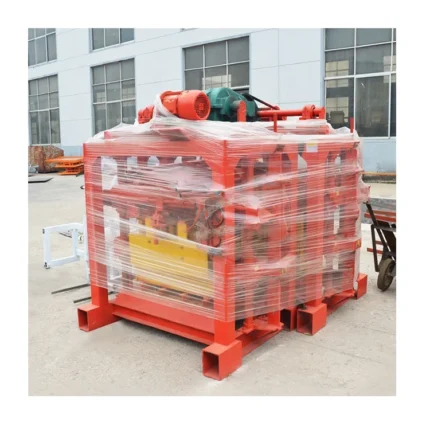
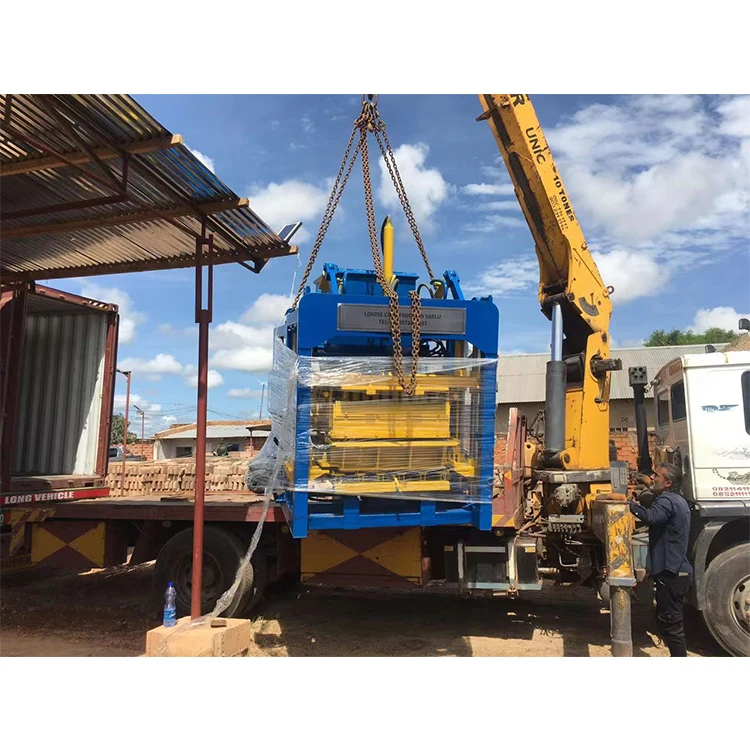
- Machine ships partially dismantled for container loading and is reassembled on-site during commissioning
- PLC parameters are set against the buyer’s mix design and target block format during first run
- Operator training covers mould change procedure, cycle adjustment, and daily maintenance routines
- Wear parts list and mould spares are provided with the initial shipment for early replacements
What to Include with Your Inquiry
To move from a general quotation to a configuration that actually fits your plant, share the block formats you intend to sell along with the daily volume you need for each. Tell us the voltage and frequency at your site, the language your operators read, and the raw materials you can source locally. If you already have curing racks, forklifts, or pallets on site, include their dimensions so the line is built around them.
Frequently Asked Questions
Q: How is the stated output capacity verified, and which block format does each figure assume?
A: Each output figure on the QT4-15A is tied to a specific block dimension — for example, 408 pieces per hour is based on a 400×200×200 mm hollow block, and 2100 pieces per hour is based on a 240×115×53 mm solid brick. The capacity calculation document provided with your quotation lists every format and its corresponding cycle time, so there is no ambiguity about what the machine produces in an eight-hour shift.
Q: What automation level does the QT4-15A ship with, and what is the upgrade path?
A: The QT4-15A ships as a semi-automatic line with PLC control, an automatic pallet feeder, and a brick conveyor included. Manual stacking is standard at this tier. When volume grows, the same PLC architecture supports adding automatic stacking and cubing modules, allowing the plant to progress toward full automation without replacing the core press or controller.
Q: How are voltage, frequency, and PLC display language confirmed before the machine leaves the factory?
A: These three parameters are confirmed in writing during the order process, before production begins. The buyer specifies the site voltage and frequency, and the operator’s preferred language for the PLC display. The factory test is then run with those exact settings loaded, so the machine powers up correctly the moment it is connected on-site.
Q: How does the PLC control system ensure batch-to-batch consistency when raw material mix varies?
A: The PLC holds the vibration duration, hydraulic pressure sequence, and molding cycle time constant across every press stroke. While the raw material mix may shift slightly between batches, the controlled forming parameters keep the compaction process stable. The operator adjusts the recipe in the mixer, and the press repeats its cycle without manual timing variation.
Q: What remote diagnostics or troubleshooting support is available through the PLC system?
A: The PLC on the QT4-15A logs cycle parameters and fault codes that can be read locally or shared with the technical team for diagnosis. When an issue arises after commissioning, the fault log and the hydraulic and electrical schematics provided with the machine allow the support team to guide on-site technicians through the resolution without always requiring a physical visit.