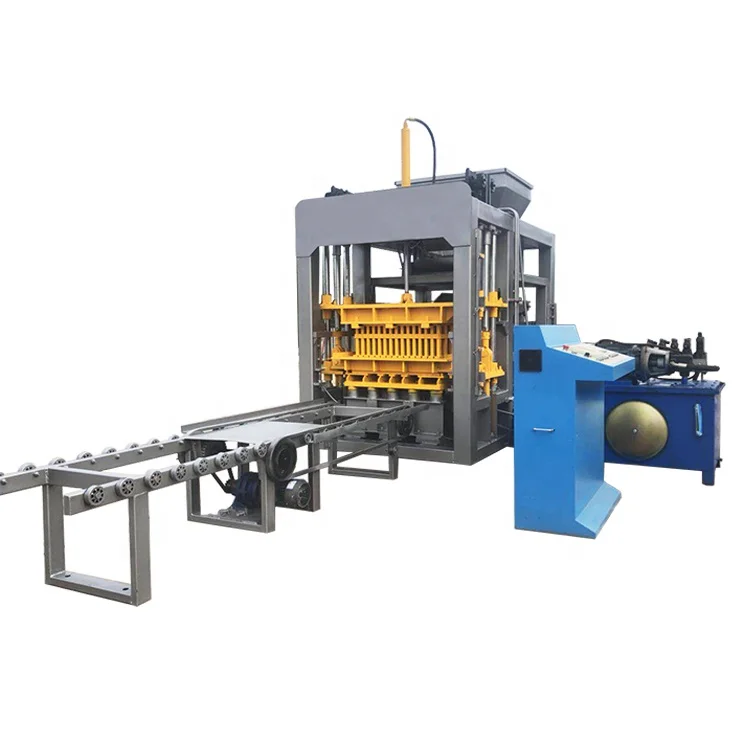


Description
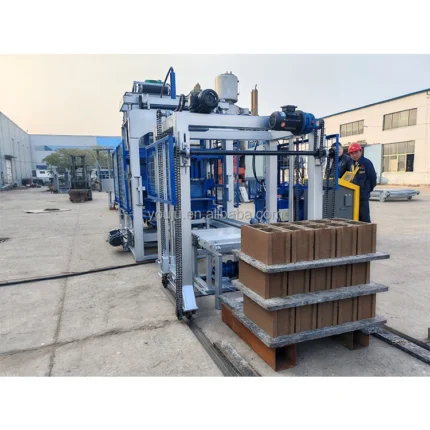
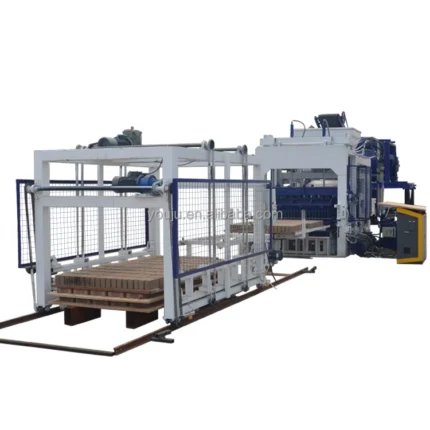
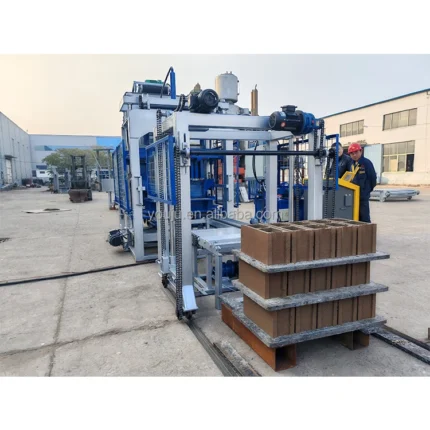
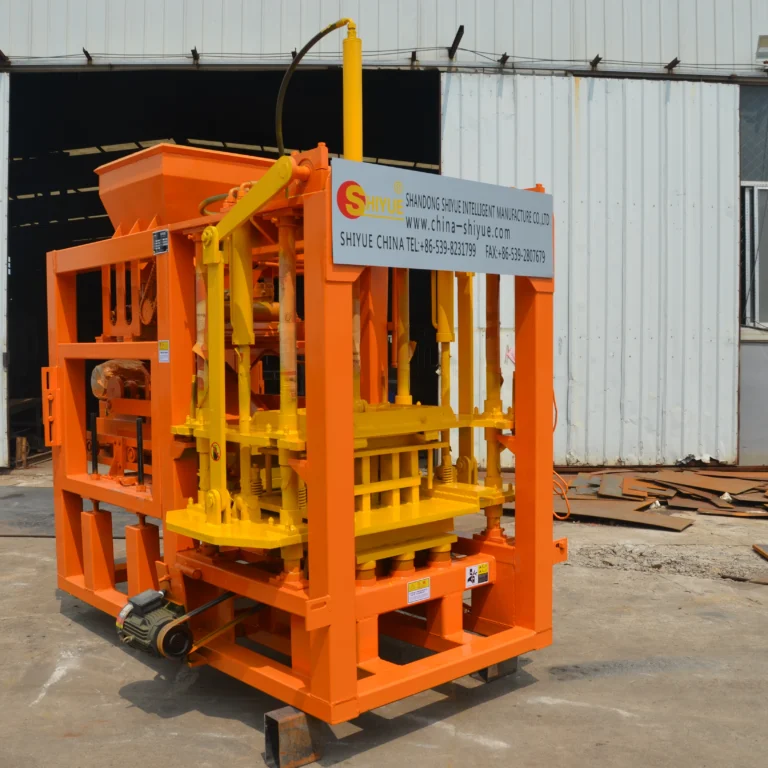
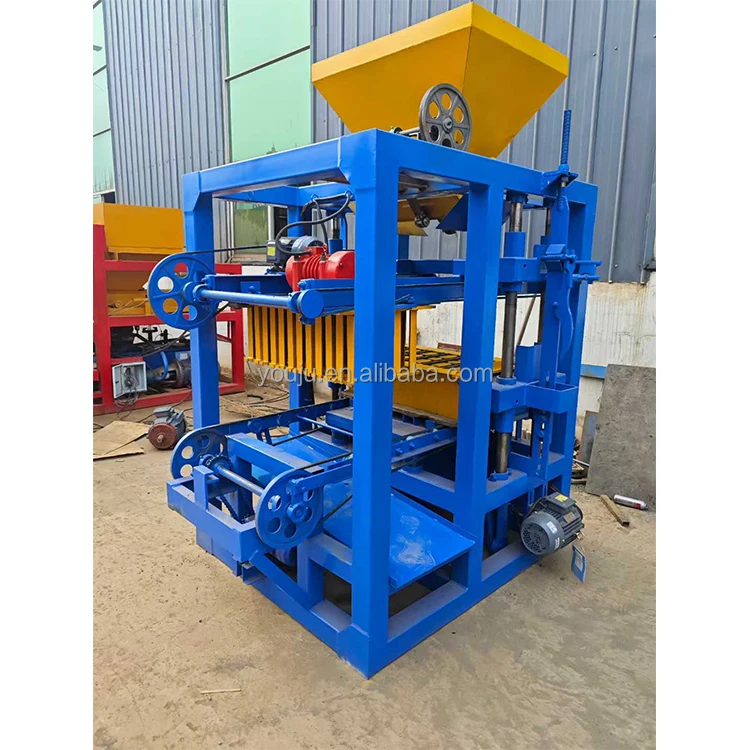
QT5-15 Automatic Block Making Machine with PLC Control – Intelligent
Intelligent cycle control — the QT5-15 PLC governs vibration timing, hydraulic pressure and pallet feed as one coordinated sequence, removing manual intervention from every press stroke.
Technical Specifications
| Parameter | Value |
|---|---|
| Model | QT5-15 |
| Product Type | Fully Automatic Hydraulic Block Making Machine |
| Overall Dimensions (L×W×H) | 7400×1950×2800 mm |
| Rated Pressure | 21 MPa |
| Main Vibration Form | Platform Vibration |
| Vibration Frequency | 2800–4500 r/min |
| Pallet Size | 1100×550 mm |
| Molding Cycle | 15–25 s (basis to be confirmed by block format, material and thickness) |
| Overall Power | 26.5 kW |
| Demolding Method | Hydraulic |
| Control System | PLC Control System |
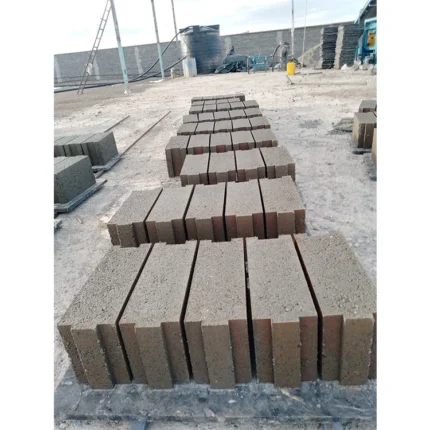
| Output Capacity (Hollow brick 400×200×200 mm) | 1800 pcs/h based on 5 pcs/mold, 16–20 s cycle |
| Output Capacity (Hollow block 400×150×200 mm) | 1300 pcs/h based on 6 pcs/mold, 15–20 s cycle |
| Output Capacity (S paver 225×112.5×60 mm) | 3700 pcs/h based on 16 pcs/mold, 15–17 s cycle |
| Automation Level | Fully Automatic |
| Key Features | CE-marked design, selectable automation level, configurable voltage and PLC language |
Application Suitability
| Application | Material or Output |
|---|---|
| Hollow and solid block production plants | Crushed stone, sand, cement, fly ash, gravel, slag |
| Paver and interlocking brick manufacturing | Cement-bound aggregates with color oxide additives |
| Kerbstone and curb production for infrastructure | Dense concrete mixes with coarse aggregate |
| On-site block production for housing projects | Locally sourced sand and crushed stone |
| Format expansion on existing block lines | Same raw material base, new mould formats added |
Why PLC Language Must Be Confirmed Before the Price Is Agreed
The control language is set in the firmware, not changed with a menu toggle on arrival.
I once watched a QT5-15 sit idle for three days on a Southeast Asian site because the PLC touch screen arrived in Chinese. The local operators could not navigate the cycle parameters, and remote firmware flashing was the only recovery path. That delay cost more than the shipping itself. An automatic PLC controlled block making machine is only as intelligent as the operator’s ability to read its display [NEED_CITE: PLC firmware language configuration in industrial machinery exports]. Voltage and frequency mismatches cause similar commissioning stalls when the local three-phase supply does not match what the factory assumed.
What the PLC Actually Removes from the Operator
The automatic PLC controlled block making machine handles the entire press cycle — feed, vibration, compression, demold and pallet advance — without manual timing input. The operator’s role shifts from pressing buttons every fifteen seconds to monitoring consistency and feeding raw material upstream. Batch-to-batch density variation narrows because the PLC holds the same vibration duration and hydraulic dwell on every stroke.
Where Automation Stops and the Buyer Decides
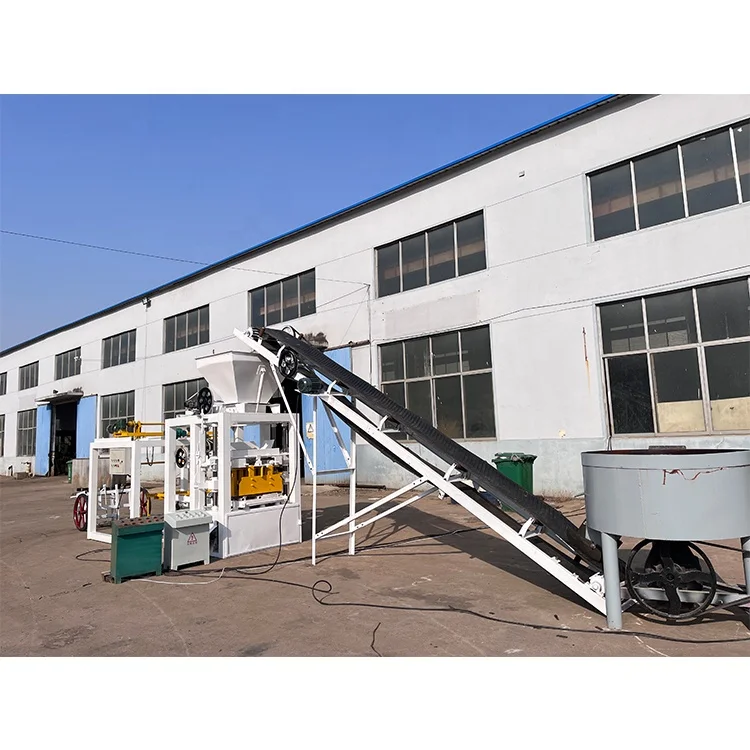
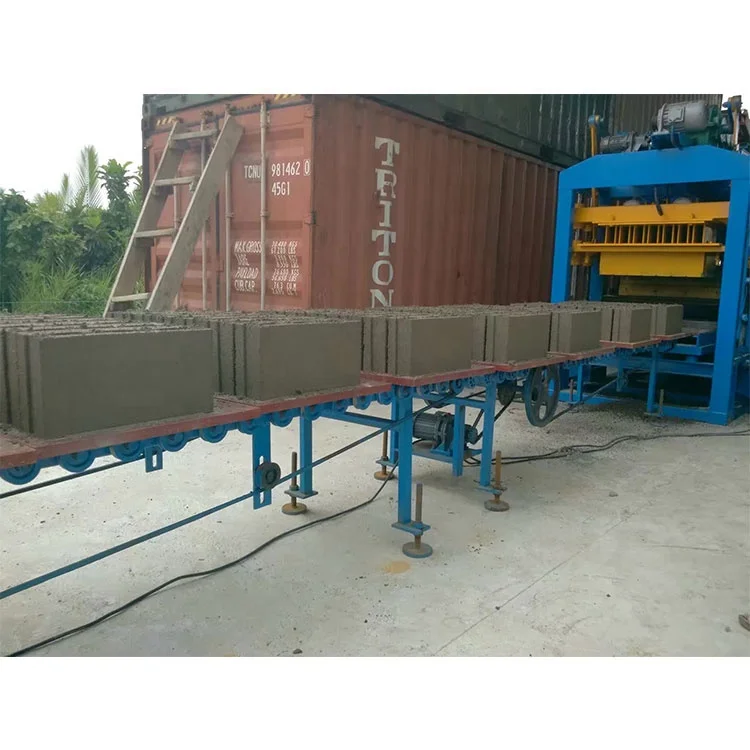
The press itself runs automatically, but the line around it can scale. Pallet feeding can start manual and add an automatic feeder later. Stacking and cubing at the wet end can be added once daily volume justifies the capital. This upgrade path matters because many first-time plant owners over-specify day one and under-invest in the mix design and curing infrastructure that actually determine block strength. The PLC on this automatic PLC controlled block making machine supports these additions through reserved I/O channels, so upgrades do not require a full control replacement [NEED_CITE: PLC I/O expansion for production line upgrades].
Reading the Numbers That Actually Matter
The 21 MPa rated hydraulic pressure and 2800–4500 r/min vibration frequency must work together against the buyer’s specific mix. A lean mix with coarse local aggregate needs higher vibration amplitude and longer dwell; a rich cement mix with fine sand needs less force to avoid segregation. The pallet size of 1100×550 mm determines how many blocks per cycle and must align with the curing racks and forklifts already on site — a mismatch here means either new racking or a machine running below its mould capacity. At 26.5 kW overall power, the electrical supply must be dedicated; shared circuits with other heavy equipment introduce voltage drops that affect hydraulic valve response. The 15–25 s molding cycle varies by block thickness and format, which is why the capacity table above states the exact format behind each figure.
The Hidden Cost of Ignoring Control Configuration
Buyers who focus on press tonnage and skip the control specification often discover problems at commissioning. A PLC display in the wrong language forces re-flashing on site, delaying production start. An incorrect voltage setting can damage the servo valves before the first block is pressed. Pallet dimensions that do not match the buyer’s curing area create a bottleneck no amount of press speed can solve [NEED_CITE: commissioning failures from unconfirmed voltage and pallet specifications]. These are not warranty issues — they are specification gaps that fall on the buyer.
Why Procurement Through This Channel Works
Block machinery is the single focus here, meaning the press, mould, pallet and handling equipment are specified as one matched system rather than sourced separately. The configuration is set against the buyer’s actual mix design and local aggregate, not a catalogue default. Voltage, frequency and PLC display language are confirmed in writing before production starts. Mould design covers the formats the buyer’s market actually sells, including custom drawings when standard formats do not match. The automation level is selectable, so a semi-automatic start with a future stacking upgrade is a planned path, not an afterthought.
Documentation & Verification
- Line layout with capacity calculation per block format
- Machine specification sheet with confirmed voltage and frequency
- PLC language and display configuration written into contract
- Hydraulic and electrical schematic for on-site maintenance team
- Mould drawing and format list matching ordered configurations
- Factory test record on buyer’s target block format before dispatch
Installation, Commissioning & Support
- Foundation must support 7400 mm length with level tolerance for platform vibration accuracy
- Dedicated three-phase circuit rated for 26.5 kW continuous load with voltage confirmation
- Machine ships dismantled for container loading; reassembly guided by hydraulic schematic
- First-run parameter tuning against buyer’s mix design and target block density
- Operator training covers PLC navigation, cycle adjustment and fault screen reading
- Wear parts and mould list supplied for long-term procurement planning
What We Need to Configure Your Line Correctly
Share the block formats your market buys most, with target daily volumes for each. Provide a sample or lab analysis of your local aggregate and sand so the vibration profile can be matched. Confirm your site’s three-phase voltage, frequency and the language your operators will need on the PLC screen. If you have existing curing racks or forklifts, send the dimensions so the pallet size is set to fit.
Frequently Asked Questions
Q: How is the quoted output capacity verified for each block format?
A: Every capacity figure above states the exact block dimensions, pieces per mould and cycle time it assumes. We do not quote a single headline number. When you specify your target format, we recalculate against the mould cavity count and the cycle time your mix design requires, so the daily output projection matches the product you actually produce.
Q: What PLC language and voltage are confirmed before shipment?
A: Both are written into the order confirmation before production begins. The PLC display language is set in firmware at the factory, and the voltage and frequency are built into the electrical panel. Changing either on site is possible but causes delays, which is why we lock these parameters during the specification stage.
Q: How does the automation upgrade path work from press to full line?
A: The PLC has reserved I/O channels for automatic pallet feeding, stacking and cubing modules. You can start with the automatic press and manual pallet handling, then add upstream and downstream automation as volume grows. Each module connects to the existing PLC without replacing the control hardware.
Q: How is vibration force matched to my local aggregate and mix?
A: The platform vibration frequency range of 2800–4500 r/min and the 21 MPa hydraulic pressure are tuned together against your specific raw materials. We request a sample or lab report of your aggregate and sand, then set the vibration duration and pressure dwell to achieve target block density without segregation.