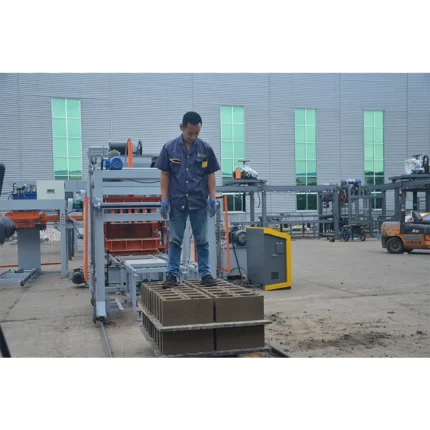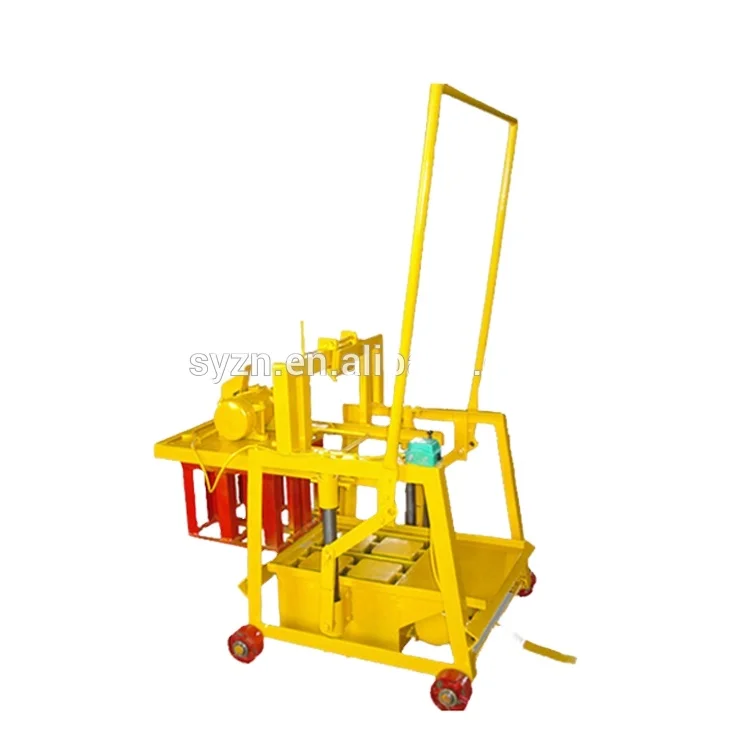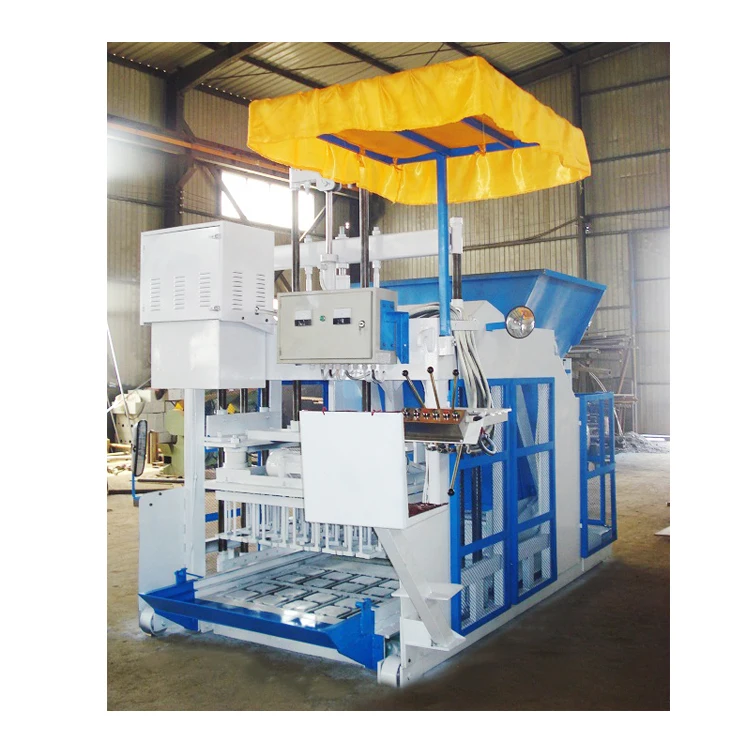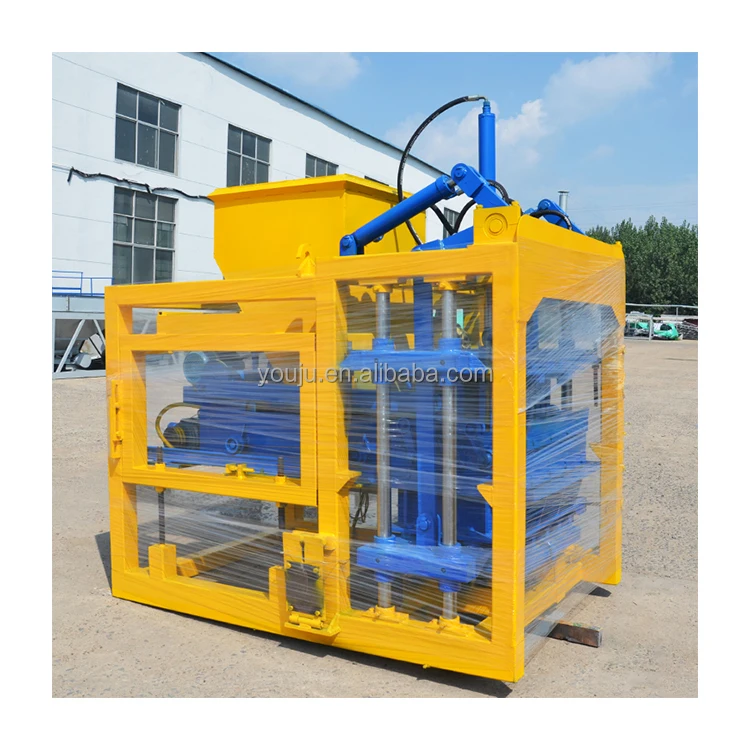


Description
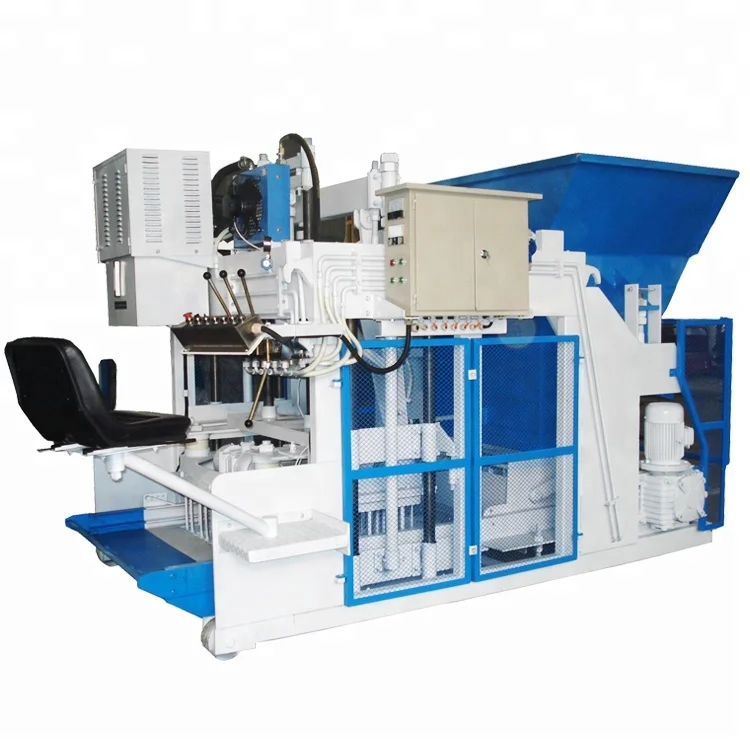
Integrated PLC sequencing — The QT5-15 ties vibration frequency, hydraulic pressure, and cycle timing into one programmable logic loop, removing operator guesswork from every production run.
Technical Specifications
| Parameter | Value |
|---|---|
| Model | QT5-15 |
| Product Type | Automatic Concrete Block Making Machine |
| Overall Dimensions | 7400 × 1950 × 2800 mm |
| Total Mass | 6 T |
| Rated Pressure | 21 MPa |
| Main Vibration Form | Platform Vibration |
| Vibration Frequency | 2800–4500 r/min |
| Vibration Force | 40 KN |
| Pallet Size | 1100 × 550 mm |
| Molding Cycle | 15–20 s (basis not stated in source) |
| Demolding Method | Hydraulic |
| Factory Area | 600 m² |
| Control System | PLC intelligent control with man-machine interface, malfunction diagnosis, and remote control function |
| Frame Material | Manganese steel (China national standard) |
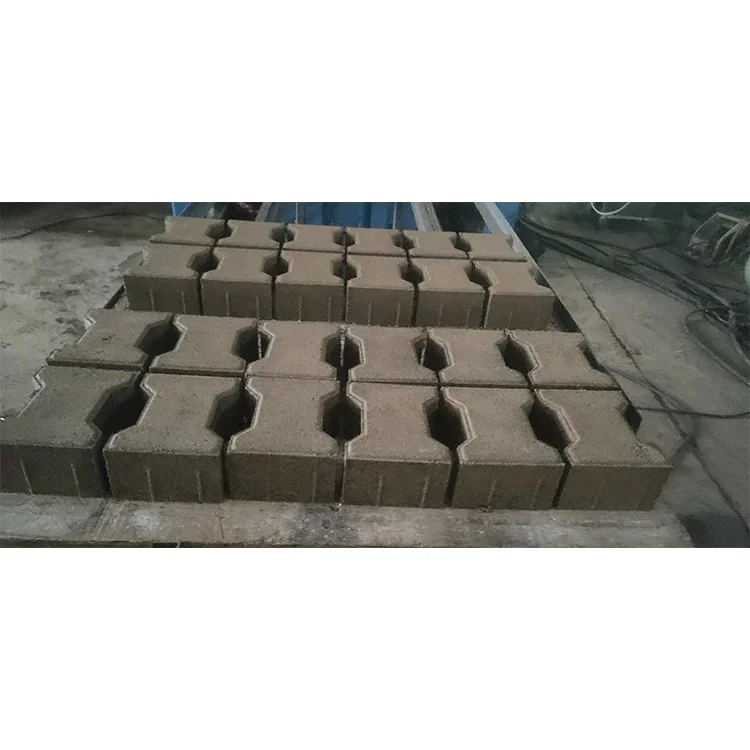
| Applied Products | Hollow blocks, solid blocks, pavers, interlocking blocks, curbstone, colored pavers |
| Raw Materials | Crushed stone, sand, cement, fly ash, gravel, slag |
| Output (Hollow Brick 400×200×200mm) | 5 pcs/mould, 15–20 s cycle, 7,200–9,600 pcs/day |
| Output (Porous Brick 240×115×90mm) | 16 pcs/mould, 16–20 s cycle, 23,040–28,800 pcs/day |
| Output (Standard Brick 240×115×53mm) | 32 pcs/mould, 13–15 s cycle, 61,440–70,892 pcs/day |
| Voltage & Frequency | Configurable — confirm before shipment |
| PLC Display Language | Configurable — confirm before shipment |
Application Suitability
| Application | Material or Output |
|---|---|
| Hollow block production for load-bearing walls | Crushed stone, sand, cement, and fly ash blends |
| Interlocking paver manufacturing | Gravel and slag aggregates with cement binder |
| Kerbstone and curb production for municipal projects | Dense crushed stone mixes requiring 21 MPa pressure |
| Porous brick production for permeable paving | Graded aggregate blends with controlled moisture |
| Solid block manufacturing for residential construction | Sand, cement, and dust composites |
| Colored paver runs for landscaping | Pigmented cement and fine aggregate formulations |
What "Automated" Really Means When the PLC Speaks a Different Language
A PLC controlled automatic block making machine only reduces downtime if the operator can actually read its diagnostics.
I have watched buyers celebrate a new fully automatic line, only to discover on day one that the malfunction diagnosis system displays error codes in a language nobody on the floor understands. Commissioning stalls. The engineer flies in weeks later just to switch the display language. Meanwhile the curing racks sit empty and the mixer runs cold. [NEED_CITE: PLC display language confirmation in industrial machinery export contracts] The QT5-15 addresses this by requiring voltage, frequency, and PLC display language to be documented and confirmed before production begins — not discovered on the factory floor.
How the PLC Removes Operator Variance
Manual and semi-automatic block lines leave vibration timing, hydraulic pressure release, and demolding speed in the operator’s hands. Two operators on consecutive shifts produce two different blocks. The QT5-15 places complete logic control inside the PLC, so every cycle follows an identical sequence — vibration ramp-up, pressure hold, demolding — regardless of who pushes the start button. This is what a PLC controlled automatic block making machine is actually for: not replacing people, but removing the variables that people introduce.
Remote Diagnostics That Actually Work on a Production Floor
The remote control and long-distance diagnosis function means our service team can inspect fault logs, review cycle parameters, and adjust timing sequences without waiting for a site visit. When a sensor fails mid-shift, the malfunction diagnosis system flags the specific fault code. We read it from Shandong and walk your operator through the replacement over video call. [NEED_CITE: remote diagnostics adoption in building materials manufacturing] This matters most in the first ninety days, when wear patterns are new and operators are still building confidence with the system.
Reading the Numbers That Matter Most
The rated pressure of 21 MPa paired with 40 KN vibration force produces the compaction density that block standards require. Platform vibration at 2800–4500 r/min ensures the energy transmits through the full mould depth, not just the surface layer. The 1100 × 550 mm pallet size determines how many blocks you cure per rack and how your forklift handles the load — a mismatch here means rearranging your entire curing yard. The manganese steel frame absorbs repeated vibration cycles without fatigue cracking, which is the structural difference between a machine that holds alignment for years and one that drifts out of tolerance.
The Cost of Skipping the Configuration Conversation
Buyers who skip confirming their local aggregate and mix design before ordering end up with a machine calibrated for materials they cannot source. The vibration frequency that compacts river sand perfectly will leave volcanic ash under-densified. The pallet material chosen without checking your curing area humidity will warp in tropical conditions and jam the feeding system. [NEED_CITE: aggregate variability effects on concrete block compressive strength] The automation becomes expensive idle time while you reconfigure everything the catalogue default got wrong.
Why Procurement Through This Channel Matters
Block machinery is our single focus, so the QT5-15 arrives as a matched system — machine, mould, pallet, and handling specified together rather than assembled from disconnected suppliers. We configure the PLC control sequence against your actual target block format and local raw material, not a factory default. Mould design covers the formats your market sells, and custom drawings are standard when your product range demands something the catalogue does not list. The automation level is selectable, so you can start with the core press and PLC, then add automatic pallet feeding, stacking, and cubing when your throughput justifies it. Installation support includes operator training on the PLC interface, malfunction diagnosis response, and routine maintenance schedules specific to the formats you will run.
Documentation & Verification
- Machine specification sheet with hydraulic and electrical schematic matched to your confirmed voltage and frequency
- Line layout and capacity calculation stating the exact block format assumed for each output figure
- Factory test record run on your specified pallet size and mould format before dispatch
- PLC display language and control logic confirmation documented prior to production start
- Mould drawing and format list covering every block type in your quotation
Installation, Commissioning & Support
- Foundation plan sized to the QT5-15 footprint of 7400 × 1950 mm with vibration isolation requirements
- Dedicated power circuit matching your confirmed voltage and frequency before machine arrival
- PLC interface configured in your selected display language with production programs pre-loaded for your formats
- On-site commissioning includes vibration frequency calibration against your local aggregate sample
- Operator training covers malfunction diagnosis system response and routine hydraulic inspection points
- Wear parts and mould maintenance schedule provided with part numbers specific to your configuration
What We Need From Your Inquiry
Send your target block formats with dimensions, your daily output requirement per format, and a description of your local raw materials including aggregate type and moisture content. Confirm your site voltage, frequency, and preferred PLC display language. Tell us your existing pallet size and curing rack dimensions so the handling system integrates with what you already have.
Frequently Asked Questions
Q: How does the PLC control system ensure batch-to-batch consistency across different block formats?
A: The PLC stores a dedicated production program for each mould format, controlling vibration frequency, hydraulic pressure hold time, and demolding speed as a fixed sequence. Once the parameters are set during commissioning, every cycle repeats identically regardless of operator, shift, or production volume.
Q: What automation level is included — is pallet feeding, stacking, and cubing part of the line?
A: The QT5-15 core package includes PLC-controlled press operation and hydraulic demolding. Pallet feeding, automatic stacking, and cubing are selectable additions. You can start with the intelligent press and expand the line automation as throughput requirements grow.
Q: How do I confirm voltage, frequency, and PLC display language before shipment?
A: These three parameters are documented in writing during the quotation stage, before production begins. We require written confirmation of your local electrical standards and preferred operator interface language so the machine arrives commissioning-ready.
Q: What does the remote diagnostics system actually monitor?
A: The malfunction diagnosis system tracks sensor status, hydraulic pressure readings, vibration motor performance, and cycle timing accuracy. When a fault occurs, the system displays a specific code. Our team can read these logs remotely and guide on-site troubleshooting without dispatching an engineer.