


Description
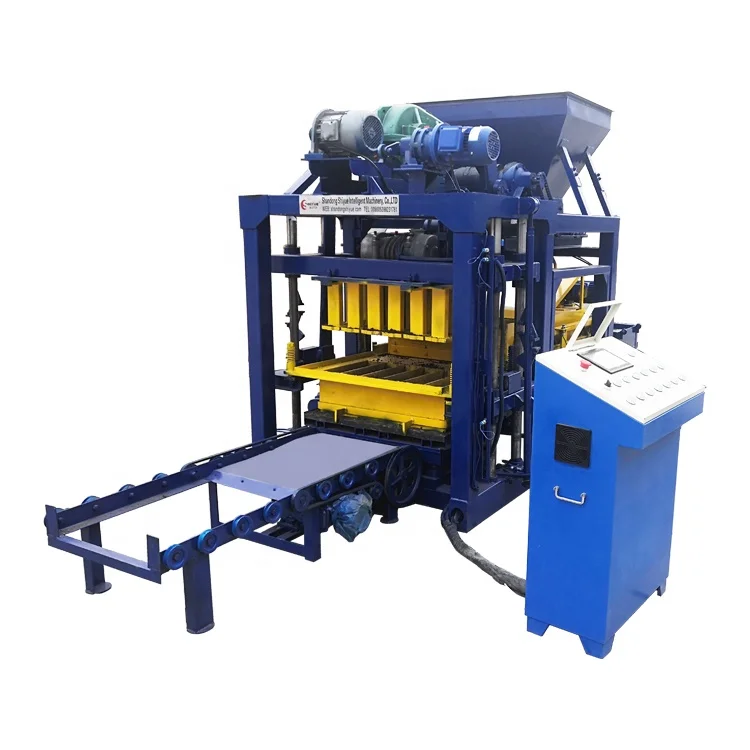
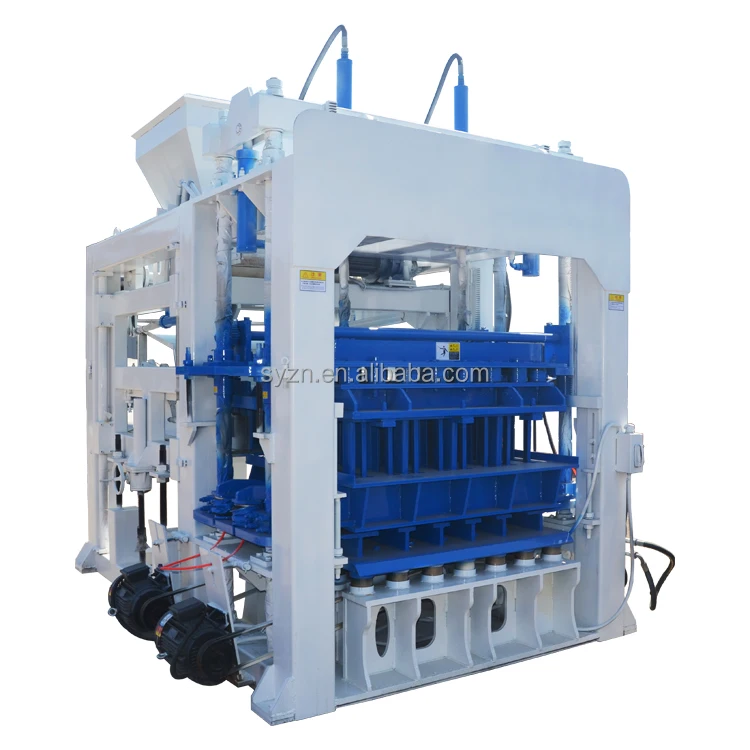
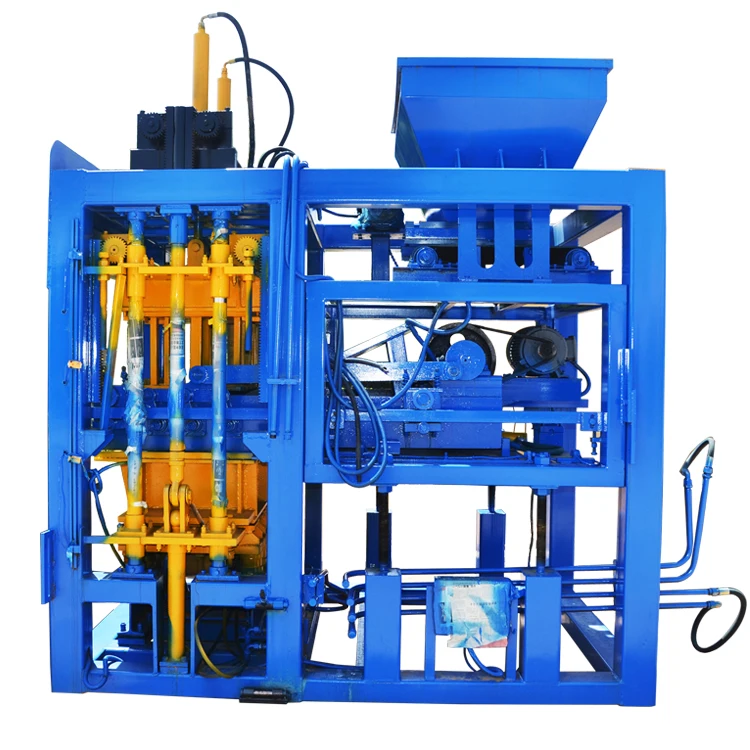
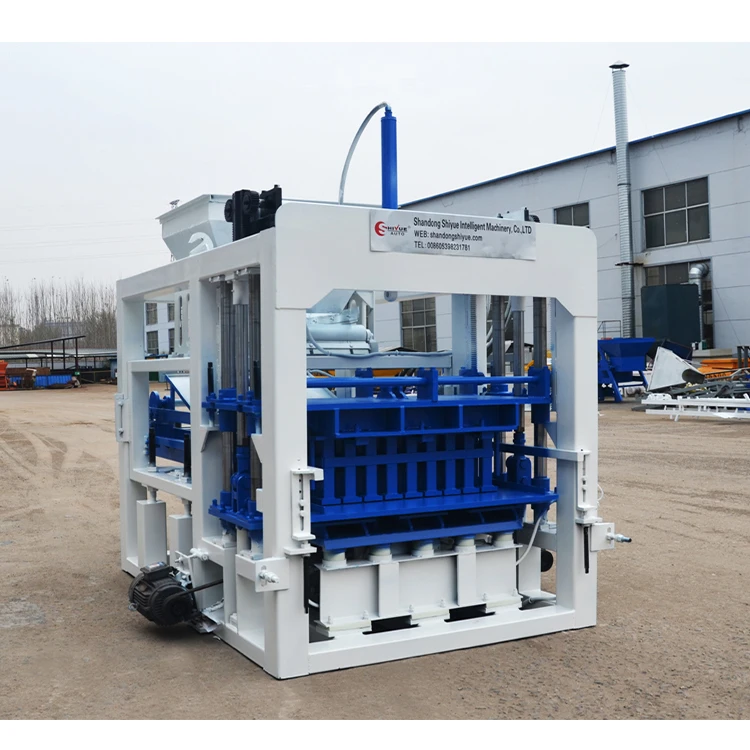
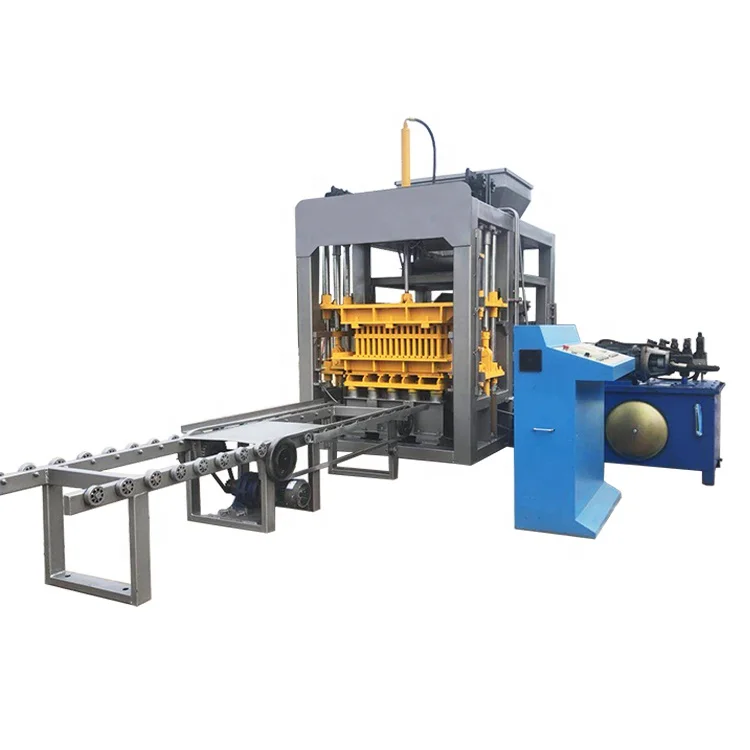
Matched System Design — The QT5-15 interlocking brick making machine integrates pallet feeding, vibration moulding, and hydraulic demoulding under one PLC-managed cycle, eliminating the mismatch between press output and handling capacity.
Technical Specifications
| Parameter | Value |
|---|---|
| Model | QT5-15 |
| Product Type | Interlocking Brick Making Machine |
| Overall Dimensions | 7400 × 1950 × 2800 mm |
| Vibration Frequency | 0–60 Hz (adjustable) |
| Vibration Form | Platform Vibration |
| Vibration Force | 80 kN |
| Moulding Mode | Automatic loading, vibration moulding |
| Pallet Size | 1100 × 550 mm |
| Molding Cycle | 15–20 s |
| Overall Power | 32 kW |
| Total Mass | 5000 kg |
| Demolding Method | Hydraulic |
| Control System | PLC (Programmable Logic Controller) with touch screen interface |
| Hydraulic System | Independent integrated hydraulic station |
| Automation Level | Automatic (pallet feeding, material feeding, vibrating, demoulding) |
| Remote Diagnostics | Supported (fault diagnosis via control system) |
| Block Compressive Strength | ≥15 MPa |
| Output Capacity (Hollow Block 400×200×200mm) | 900–1200 pcs/hour (basis: 5 pcs/mould, 15–20s cycle) |
| Output Capacity (Solid Brick 240×115×53mm) | 5760–7680 pcs/hour (basis: 32 pcs/mould, 15–20s cycle) |
| Output Capacity (Rectangular Paver 200×100×60mm) | 3600–4500 pcs/hour (basis: 25 pcs/mould, 20–25s cycle) |
| Voltage & Frequency | Configurable (confirm with supplier before production) |
| PLC Display Language | Configurable (confirm with supplier before production) |
| Warranty | 1 year (excluding spare parts) |
Application Suitability
| Application | Material or Output |
|---|---|
| Hollow block production | Crushed stone, sand, cement, fly ash (up to 70%) |
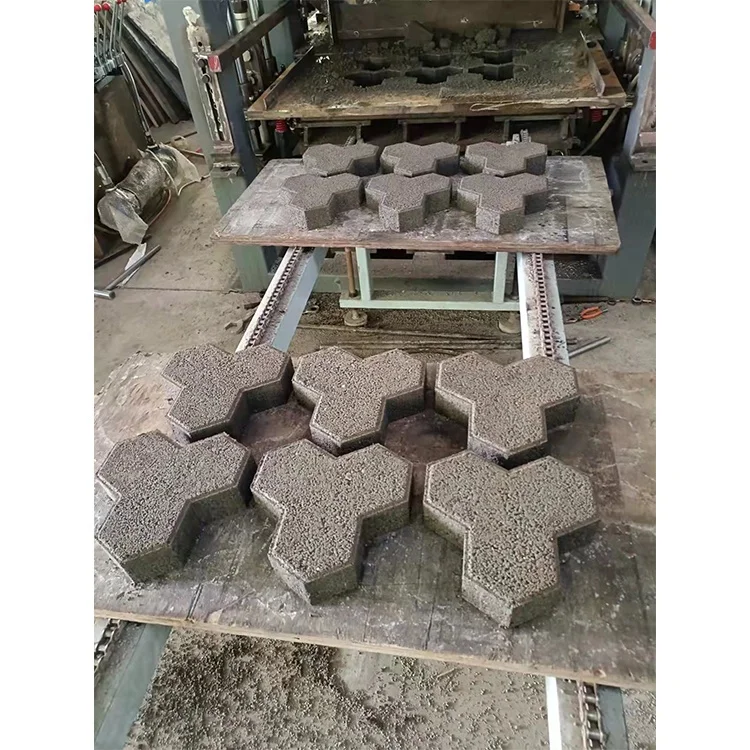
| Interlocking paver production | Sand, crushed stone, cement with pigment |
| Rectangular and zigzag paver runs | Slag, gangue, sand, cement blends |
| Solid brick manufacturing | Fly ash, sand, cement mixes |
| On-site contractor block production | Locally sourced aggregate and cement |
| First-plant entrepreneur setup | Semi-automatic start with future stacking upgrade path |
Why "Automatic" Still Needs the Voltage Conversation First
An automatic interlocking brick making machine PLC controlled only performs as expected when electrical and language specifications are locked before production begins.
I have seen plants sit idle for weeks after arrival because the PLC display arrived in a language the operators could not read, or the motor wiring did not match the local grid frequency. The QT5-15 ships with a configurable PLC interface and adjustable voltage setup, but those configurations must be confirmed during the order stage — not discovered at commissioning. [NEED_CITE: voltage and frequency standards by export market] A buyer who skips this step effectively pays for automation they cannot use on day one.
What PLC Intelligence Actually Removes from the Operator
The touch screen interface on the QT5-15 stores process recipes, allowing the operator to recall mix ratios, vibration durations, and cycle times without manual recalculation each shift. This means the automatic interlocking brick making machine PLC controlled system maintains batch-to-batch consistency regardless of which shift is running the line. The flexible interactive interface lets authorized users adjust parameters while keeping core safety limits locked.
Remote Diagnostics That Prevent Small Faults from Becoming Shift-Loss Events
The remote diagnostics capability scans the machinery, electric, hydraulic, and vibrating subsystems for anomalies before they escalate into unplanned downtime. When a vibration frequency drifts outside the configured range or a hydraulic pressure reading falls below threshold, the system flags the fault with a specific code rather than a generic alarm. This matters in regions where specialist technicians are not locally available — [NEED_CITE: CE machinery directive requirements for industrial equipment] the fault code can be shared with the supplier’s service team for guided resolution without waiting for a site visit.
Reading the Specs That Actually Determine Block Quality
The 80 kN vibration force combined with independent hydraulic demoulding determines the density and compressive strength of every block leaving the press. Platform vibration at 0–60 Hz ensures the energy reaches the full mould cavity rather than concentrating at the edges, which is where weaker blocks typically fail. The 1100 × 550 mm pallet size must align with the buyer’s existing curing rack spacing and forklift tine width — a mismatch here creates a handling bottleneck that no amount of press automation can fix. The 32 kW overall power rating requires a dedicated circuit with appropriate breaker sizing, and the independent hydraulic station is physically isolated from the vibration zone to prevent seal degradation from constant oscillation.
The Hidden Cost of Skipping Automation Configuration
A buyer who selects the QT5-15 for its automatic pallet feeding and demoulding but does not plan for the downstream stacking and curing workflow will find the press output piling up faster than manual labour can handle it. The pallet cycle is synchronised with the moulding cycle, meaning the machine does not wait — [NEED_CITE: impact of unsynchronised pallet handling on block press throughput] blocks arrive at the curing area at a rate that demands either an automatic stacker or a dedicated handling crew. Leaving this gap unaddressed cancels out the labour reduction the automation was supposed to deliver.
Why This Machine and This Supplier Match the Brief
The QT5-15 is specified as one matched system — press, mould, pallet, and hydraulic station are configured together rather than assembled from separate vendors, which eliminates interface failures at startup. The machine is set against the buyer’s actual mix design and local aggregate sample, not a catalogue default, because vibration force and cycle time only produce consistent strength when tuned to the specific material. Mould design covers the interlocking formats the buyer’s market actually sells, with custom drawings available for non-standard profiles. The automation level is selectable, so a buyer can run the QT5-15 semi-automatically at first and add stacking and cubing modules later as volume grows. Installation includes operator training on the PLC interface and remote diagnostics workflow.
Documentation & Verification
- Line layout drawing with capacity calculation stated per block format and cycle assumption
- Machine specification sheet with confirmed pallet size and hydraulic pressure rating
- Mould drawing and format list covering every interlocking profile in the order
- Hydraulic and electrical schematic matching the as-built configuration
- Voltage, frequency, and PLC display language confirmation record before production
- Factory test record on the buyer’s specified block format before dispatch
Installation, Commissioning & Support
- Foundation plan sized to the 7400 × 1950 mm footprint and 5000 kg operating mass
- Dedicated 32 kW circuit with breaker and cable sizing confirmed to local code
- Machine arrives assembled with pallet feed unit, requiring on-site alignment and utility connection
- PLC parameter setup and recipe input completed during commissioning with the buyer’s mix
- Operator training on touch screen interface, mould change procedure, and remote diagnostics
- Wear parts list and hydraulic seal kit identified for first reorder cycle
What We Need to Configure Your Machine Correctly
Share your target block formats, daily output requirement, and the specific interlocking profile your market demands so the mould and cycle time can be matched. Confirm your site voltage, frequency, and preferred PLC display language to avoid commissioning delays. Let us know your available raw materials and, if possible, send an aggregate sample so the vibration and pressure settings are tuned before the machine leaves the factory.
Frequently Asked Questions
Q: How is the output capacity verified, and which block format does each figure assume?
A: Every capacity figure for the QT5-15 states the block format, pieces per mould, and cycle time behind it — for example, 900–1200 hollow blocks per hour assumes a 400×200×200mm block at 5 pieces per mould with a 15–20 second cycle. If your target format differs, the calculation must be redone for that specific mould and cycle.
Q: What automation does the QT5-15 deliver, and what can be added later?
A: The standard configuration automates pallet feeding, material feeding, vibration moulding, and hydraulic demoulding under PLC control. Automatic stacking and cubing modules can be integrated as upgrades when production volume justifies the investment, without replacing the core press.
Q: How do I confirm electrical specs match my site before shipment?
A: Voltage, frequency, and PLC display language are confirmed in writing during the order stage and verified on the factory test record. This step is built into the sales process so the machine arrives ready to connect, not requiring rewiring or panel replacement on site.
Q: How long does a mould change take on the synchronised system?
A: The QT5-15 uses a synchronised mould mounting system designed for format switching within a shift. Actual change time depends on mould size and operator familiarity — trained crews typically complete a swap and resume production without losing an entire shift to the changeover.
Q: Can the machine be tuned to my local aggregate and mix design?
A: Yes — vibration frequency, vibration force, and hydraulic pressure are adjustable within the PLC recipe system. We request an aggregate sample and mix proportion from the buyer so the machine parameters are configured before dispatch, ensuring block strength meets the ≥15 MPa target with the buyer’s actual materials.