
Description
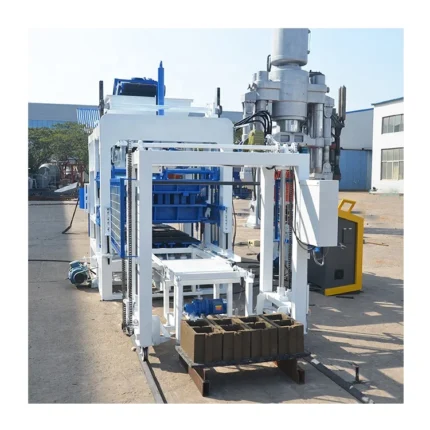
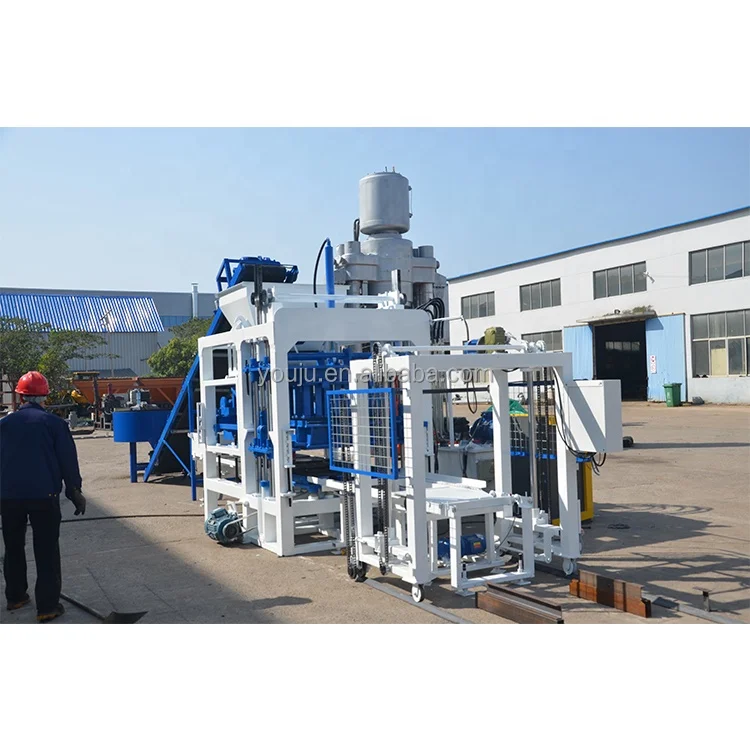
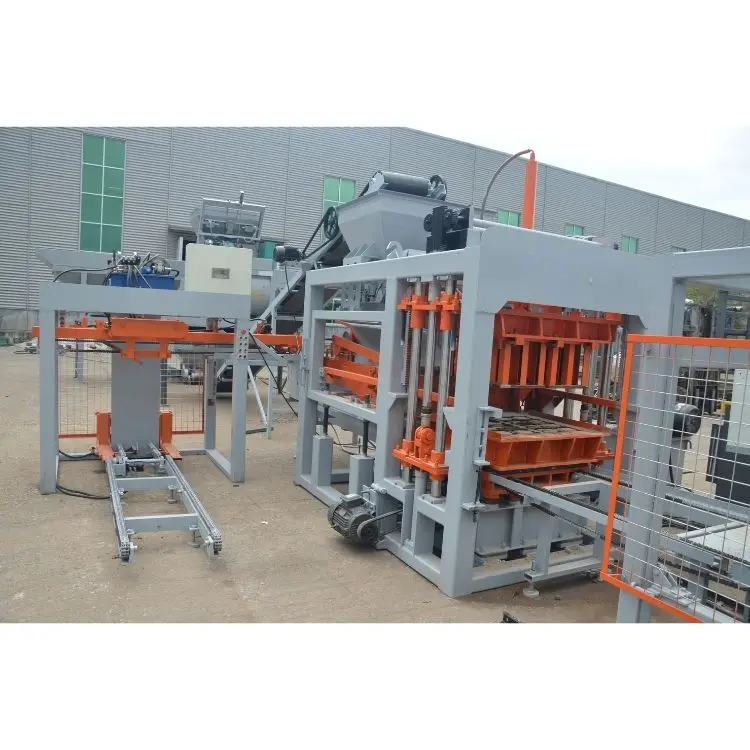
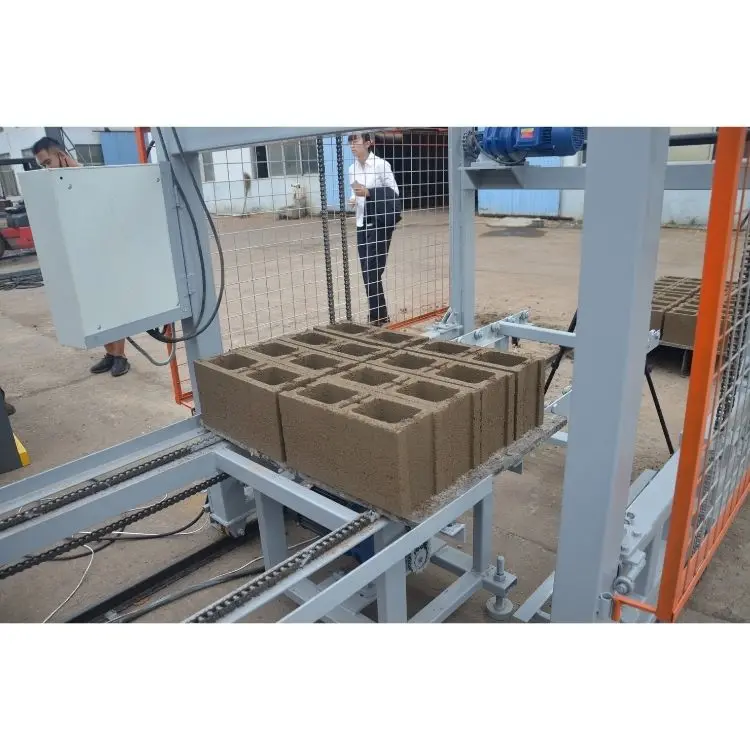
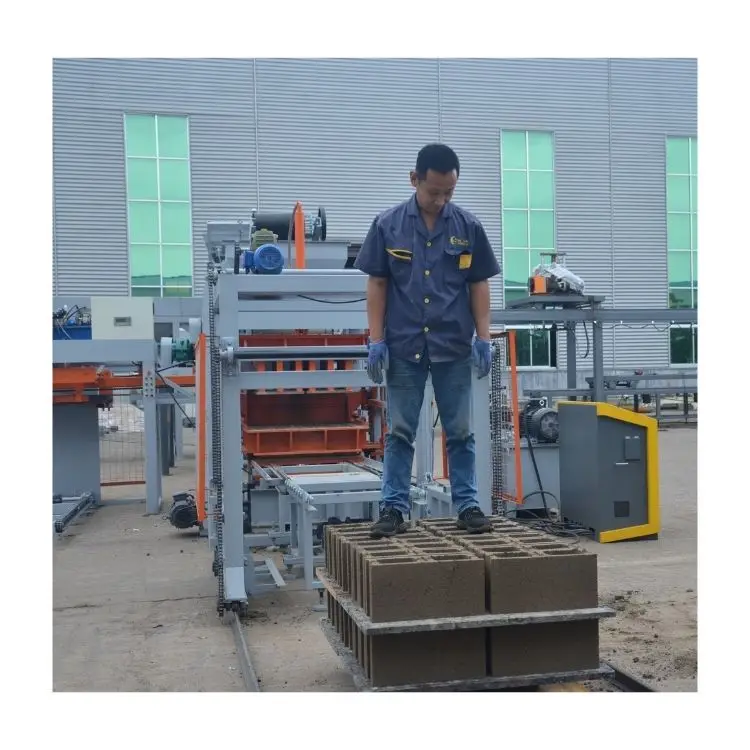
Integrated System Engineering — Machine, mould, pallet and handling are configured as one matched system with PLC logic binding every station to the press cycle, not assembled from separate suppliers.
Technical Specifications
| Parameter | Value |
|---|---|
| Model | QT6-15 |
| Product Type | Fully Automatic Hydraulic Block Making Machine |
| Molding Way | Vibration and hydraulic pressing |
| Rated Pressure | 21 MPa |
| Molding Cycle | 15 s–20 s (basis not stated in source — confirm block format / material / thickness) |
| Pallet Size | 900 × 700 mm |
| Main Machine Weight | 6000 kg |
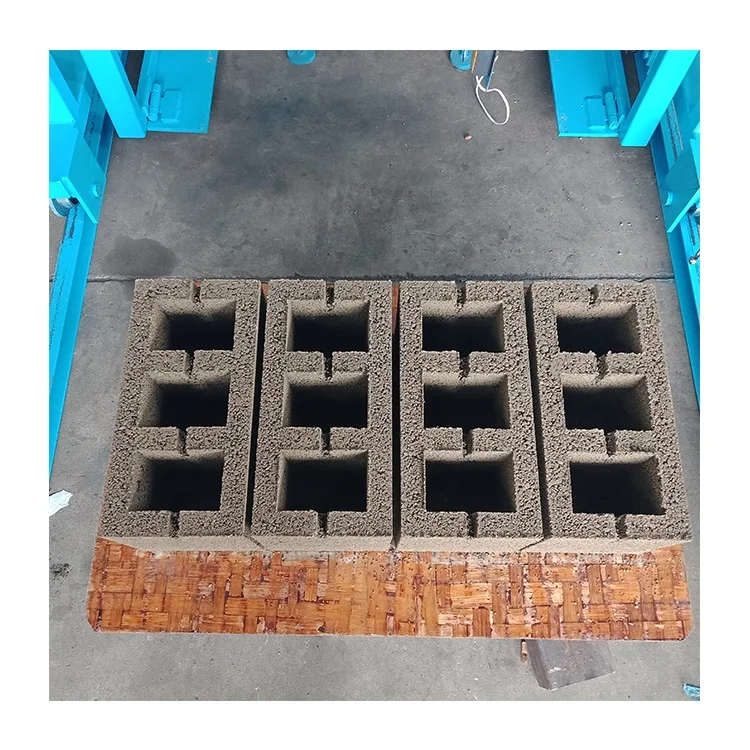
| Output Capacity (Hollow Block) | 6 pcs/pallet, 1440 pcs/h, 11520 pcs per 8 h (basis: 400×200×200 mm hollow block, in theory) |
| Output Capacity (Paving Brick) | 21 pcs/pallet, 5040 pcs/h, 40320 pcs per 8 h (basis: 200×100×60 mm paving brick, in theory) |
| Output Capacity (Solid Brick) | 32 pcs/pallet, 7680 pcs/h, 61440 pcs per 8 h (basis: 240×115×53 mm solid brick, in theory) |
| Control System | PLC |
| Voltage & Frequency | Customizable to local standard |
| Raw Materials | Cement, sand, fly ash, stone powder, slag |
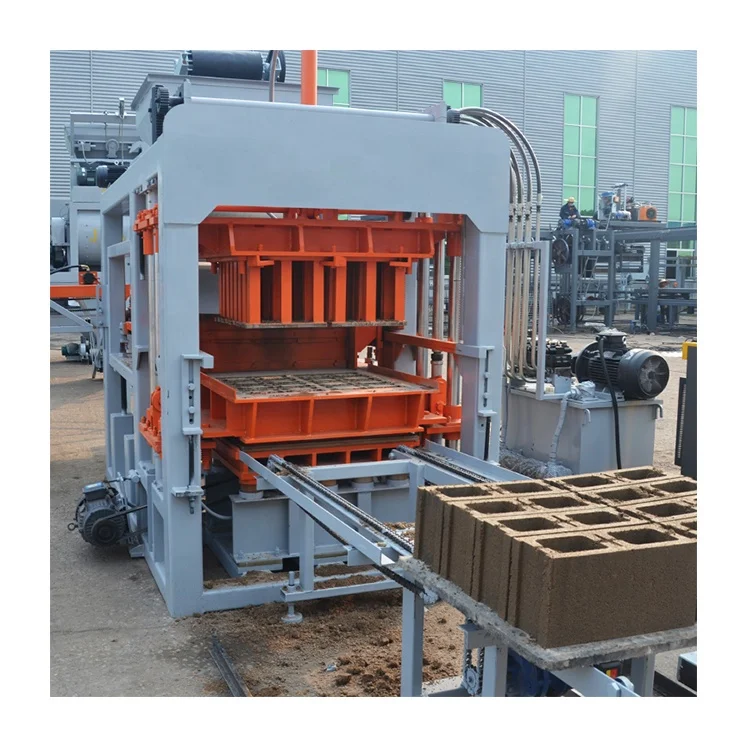
| Block Formats | Hollow blocks, paving bricks, solid bricks, curbstones (mould-dependent) |
| Key Features | Hydraulic pressure and vibration molding, PLC-controlled cycle, selectable automation level, upgrade path from semi-automatic to full automatic line |
Application Suitability
| Application | Material or Output |
|---|---|
| Hollow block production plants | Crushed stone, sand, cement and fly ash mixes for load-bearing and non-load-bearing walls |
| Paving brick and kerbstone manufacturing | High-density mixes with fine aggregate for interlocking pavers and roadside kerbs |
| On-site block production for housing projects | Local aggregate and cement blends for solid and hollow masonry units |
| Concrete product manufacturers expanding format range | Multiple mould swaps between hollow blocks, solid bricks and paving formats on one press |
Why "Cycles per Hour" Tells You Nothing Without the Block Format
The cycle time of the automatic QT6-15 block making machine PLC controlled only becomes meaningful once you state which block format and mix design it was timed against.
I have watched buyers sign contracts based on a headline output figure, then arrive at their plant to discover the machine was rated on a thin paving brick while they needed to run 400 mm hollow blocks. The cycle stretches, the vibration profile changes, and daily output lands far below what the proforma invoice implied. This is not a machine fault — it is a specification fault. When a buyer in West Africa ordered a press based on catalogue capacity, the local fly ash had high carbon content and coarse particle size. The vibration force and hydraulic pressure were set for a standard river-sand mix, and the rejection rate on the first production run was unacceptable. We now require raw material samples and run a two-week mix validation before any configuration is locked in [NEED_CITE: raw material variability and its effect on concrete block density]. The QT6-15 is no exception: its 21 MPa rated pressure and vibration amplitude must be matched to your specific aggregate, not a laboratory default.
PLC Logic That Ties Every Station to the Press
The PLC on this machine does more than sequence the press stroke. It coordinates pallet feed timing, vibration duration, hydraulic dwell and stacker hand-off so that no station waits on another. When the press completes a cycle, the PLC has already signalled the pallet loader to advance the next board and the conveyor to clear the finished block. This eliminates the dead seconds that accumulate across a shift and become the real reason a plant misses its daily target. The automatic QT6-15 block making machine PLC controlled interface lets one operator monitor all stations from a single screen rather than walking the line to check each sensor.
Upgrade Path From Semi-Automatic to Full Line Automation
A buyer starting with a JS500 mixer, an 8 m conveyor and an automatic stacker has a working plant from day one. When demand grows, the same press accepts a cement silo, screw conveyor, batching scale, pallet loader and block-pallet separator without mechanical modification to the main frame. The PLC program is expanded to incorporate the new stations, and the automation level moves from semi-automatic pallet handling to fully automatic stacking and cubing. This staged approach keeps initial capital manageable while leaving a clear path to higher throughput [NEED_CITE: phased automation investment strategies in concrete block production].
How Pressure, Vibration and Pallet Size Shape Block Quality
The 21 MPa rated pressure and the vibration system work together: pressure compacts the mix while vibration drives fine particles into the voids between aggregate. If either force is set too low for the mix design, blocks leave the press with inconsistent density and break during pallet transport. The 900 × 700 mm pallet size must match both the curing rack spacing and the forklift tine width already in your yard — ordering a pallet size without checking downstream handling means blocks stack by hand until new racks arrive. The mould change system allows format switching between hollow blocks, paving bricks and solid bricks on one machine, but the changeover time must be verified against your production schedule to ensure the format flexibility is usable within a single shift. Voltage and frequency are confirmed before production so the PLC display language and motor rotation direction are correct the day the machine is powered on — a detail that, when missed, delays commissioning by weeks while replacement contactors ship across borders [NEED_CITE: voltage and frequency standards by export market].
What Happens When the Pallet and Curing Area Are Ignored
I have seen a plant in East Africa take delivery of a block line only to discover the pallets were sized for a curing chamber they had not yet built. Blocks cured in open sunlight on mismatched racks, strength varied across batches, and the buyer blamed the press. The real gap was in the line layout: no one had mapped pallet dimensions to curing area, forklift capacity and stacker reach. When the supporting equipment is quoted as a matched set, these conflicts surface on the drawing board instead of on the factory floor [NEED_CITE: curing conditions and their effect on concrete block compressive strength].
Why Procurement Through This Channel Works for Automation Upgrades
Block machinery is our single focus, so the automatic QT6-15 block making machine PLC controlled system, its moulds, pallets and handling equipment are specified as one integrated package rather than sourced from separate vendors. Configuration is set against your actual mix design, local aggregate and target block format — not a catalogue default pulled from a different climate zone. Mould design covers the formats your market actually buys, with custom drawings when standard moulds do not match. Automation level is selectable, so you can start with semi-automatic pallet handling and add full stacking and cubing later without replacing the press. Installation support includes operator training on the PLC interface, and mould and wear parts are listed with part numbers before shipment so replacements arrive before the first change-out is due.
Documentation & Verification
- Line layout and capacity calculation stating the block format assumed for the QT6-15
- Machine specification sheet with hydraulic and electrical schematic matching quoted configuration
- Mould drawing and format list confirming every block type the machine produces on arrival
- Pallet specification matched to your curing rack spacing and forklift tine width
- PLC display language and voltage confirmation recorded before production begins
- Factory test record on your target block format with raw material samples you supplied
Installation, Commissioning & Support
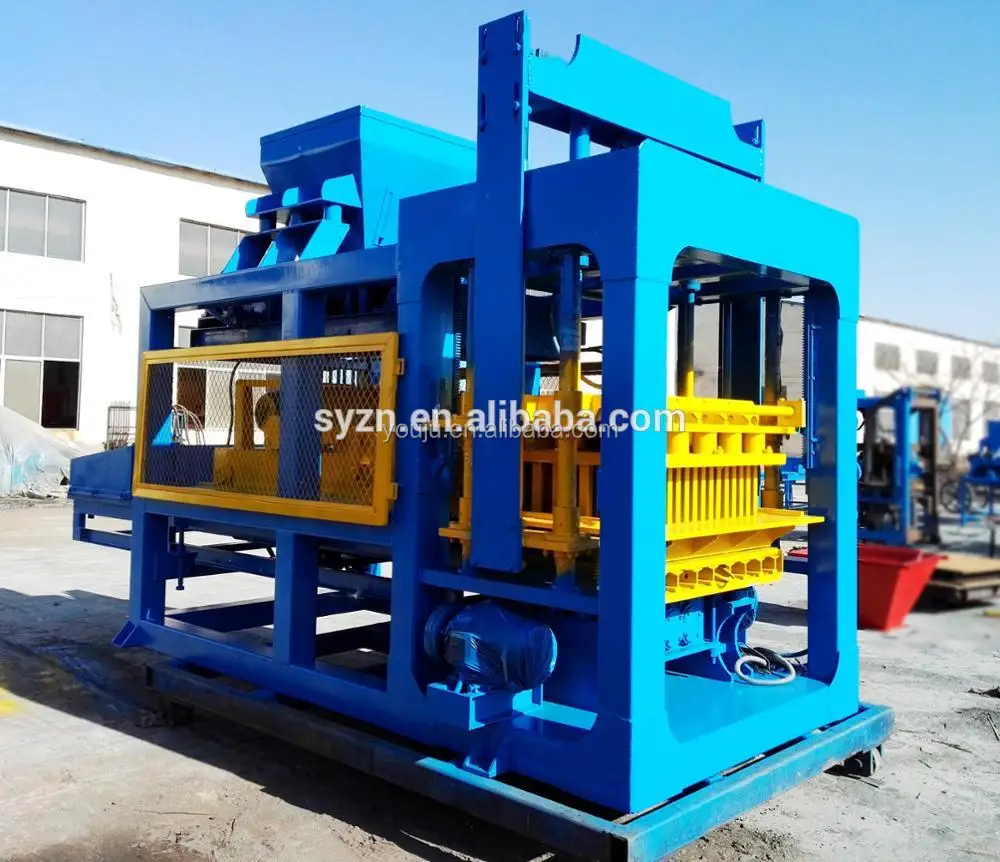
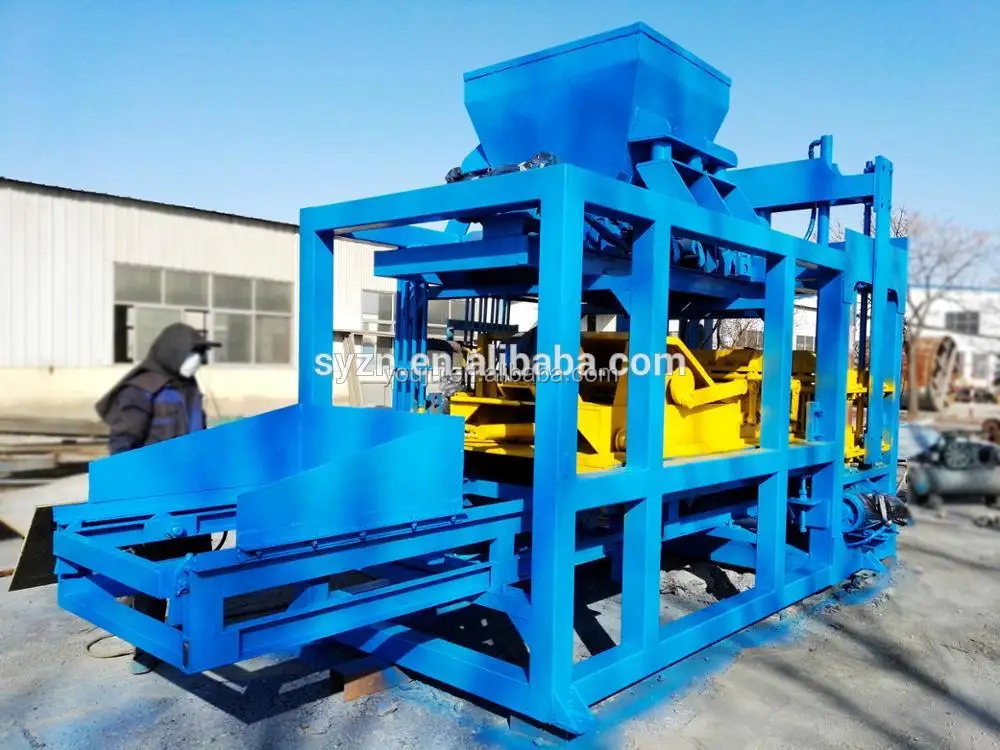
- Top cylinder removed for container loading, requiring on-site reassembly and alignment of the QT6-15 hydraulic frame
- Dedicated circuit with confirmed voltage and frequency before the 6000 kg main machine is powered on
- PLC display language verified at commissioning so operators read cycle data in their working language
- Operator training covers mould change procedure, PLC fault codes and daily vibration force checks
- Wear parts list with hydraulic seal and vibration box bearing part numbers provided before first shipment
- Daily and weekly maintenance schedule tied to the 21 MPa hydraulic system and pallet feed sensors
What to Include in Your Inquiry
Send us the block formats your market sells, the daily output you need per format, and a sample of your local aggregate. Confirm your site voltage, frequency and the PLC language your operators read. If you already have a mixer, curing racks or a forklift, include the pallet dimensions and rack spacing so the line layout accounts for what is already on the floor.
Frequently Asked Questions
Q: How is output capacity verified per block format on the QT6-15?
A: The cycle time of 15 s–20 s is a baseline that shifts depending on block thickness, mix design and mould geometry. We provide a capacity calculation that names the specific format, pallet count and theoretical hourly figure so you can compare it against your shift length and curing capacity before signing.
Q: What automation level does the QT6-15 ship with and how do I upgrade later?
A: The press can ship with a simple line of a JS500 mixer, conveyor and stacker, or as a full line with batching, pallet loader and separator. The PLC accepts additional stations later, so you can add automatic stacking and cubing without replacing the main frame or rewriting the base program.
Q: How is PLC language and voltage confirmed before shipment?
A: We record your required PLC display language, voltage and frequency on the production order and verify motor rotation and screen text during the factory test. This prevents commissioning delays caused by mismatched contactors or untranslated alarm messages when the machine arrives on site.
Q: How is the machine matched to my local aggregate rather than a default mix?
A: We ask you to ship a sample of your fly ash, sand or stone powder. The vibration force, hydraulic pressure and cycle timing are then adjusted in our test bay to your material, so the first production run at your plant uses validated settings instead of catalogue defaults.
Q: What is the mould change procedure and how long does a format switch take?
A: Mould change involves releasing the clamping bolts, lifting the old mould with the hydraulic trolley, lowering the new one and re-aligning the feed shoe. We state the expected changeover time per format pair in the quotation so you can plan whether a switch fits within a single shift or requires a dedicated changeover window.