Description
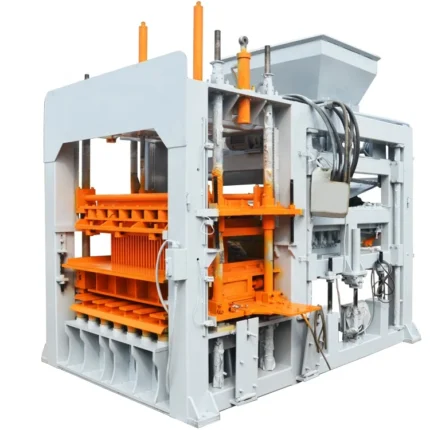
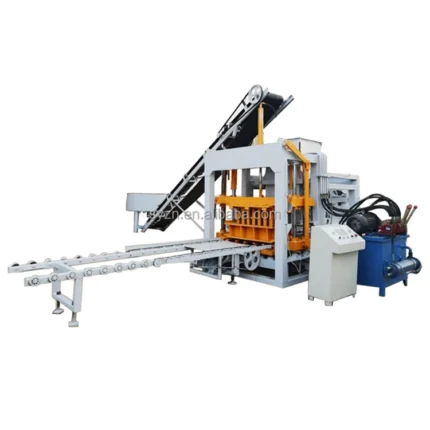
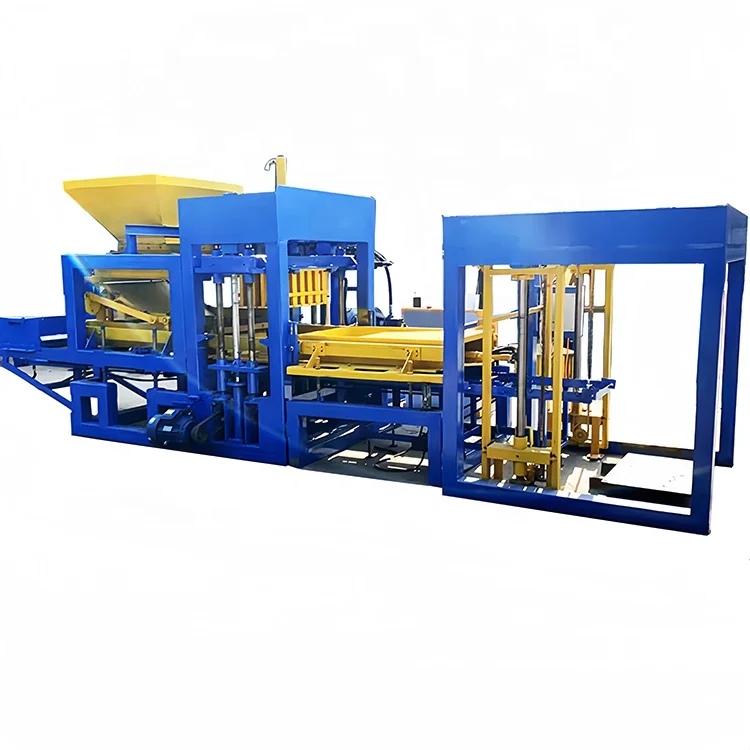
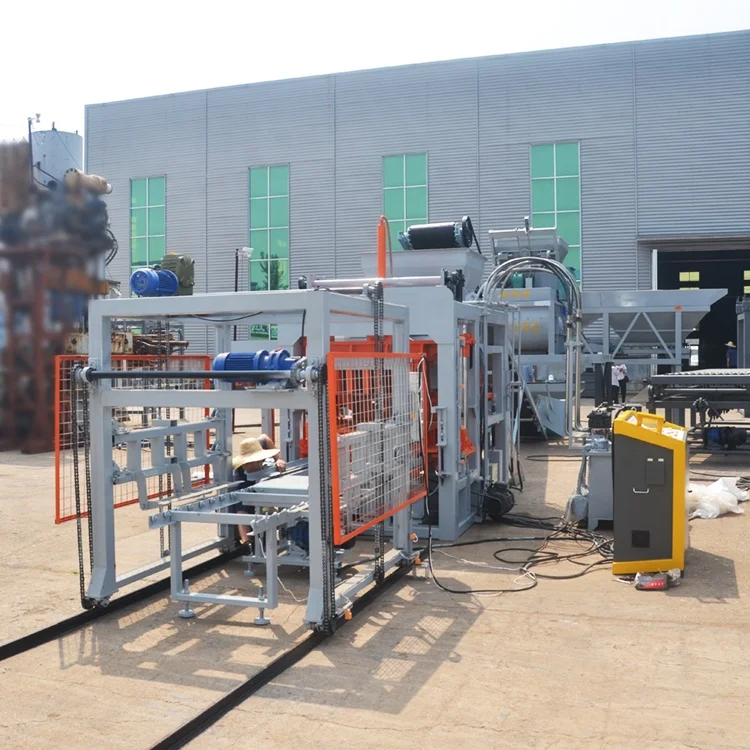
The QT8-15 automatic QT8-15 PLC controlled block making machine is engineered for plant owners transitioning from manual or semi-automatic operations, where the control layer governs cycle timing, material feed, and hydraulic sequence to deliver batch-to-batch consistency.
Technical Specifications
| Parameter | Value |
|---|---|
| Model | QT8-15 |
| Product Type | Automatic Hydraulic Concrete Block Making Machine |
| Overall Dimensions (L×W×H) | 8300×1860×3000 mm |
| Molding Cycle | 15–20 s (basis not stated in source — confirm block format / material / thickness) |
| Vibration Force (Exciting Power) | 55 kN |
| Rated Power | 37.2 kW |
| Mixer Model | JS750 |
| Pallet Size | 1020×900 mm |
| Total Weight | 8 T |
| Control System | PLC control system |
| Hydraulic Station | Included |
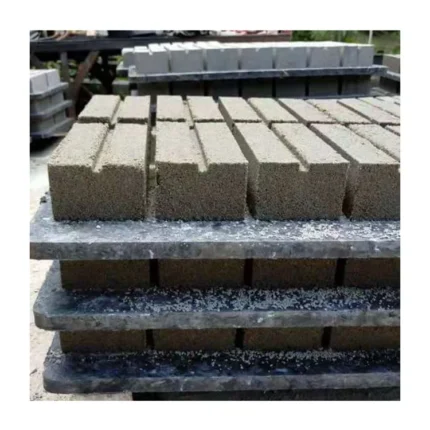
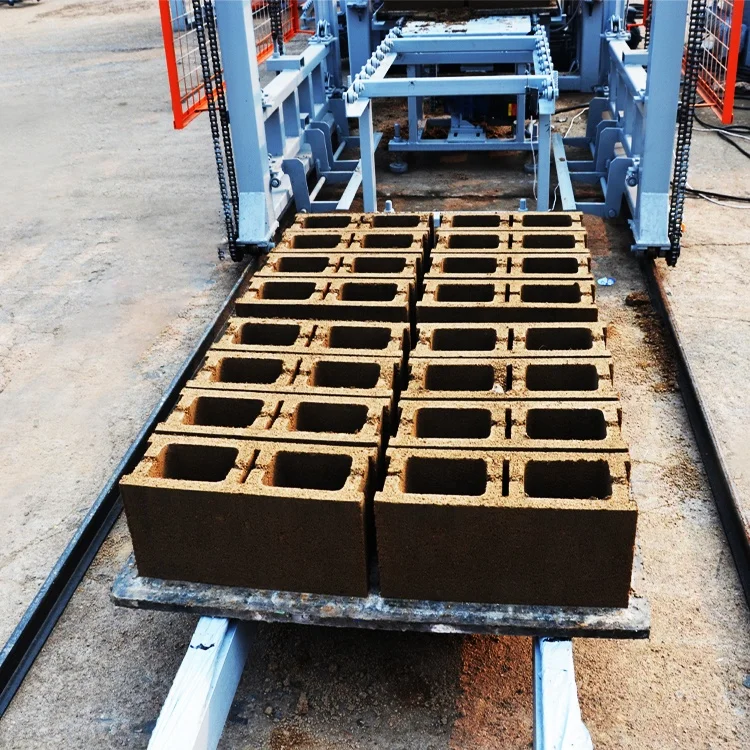
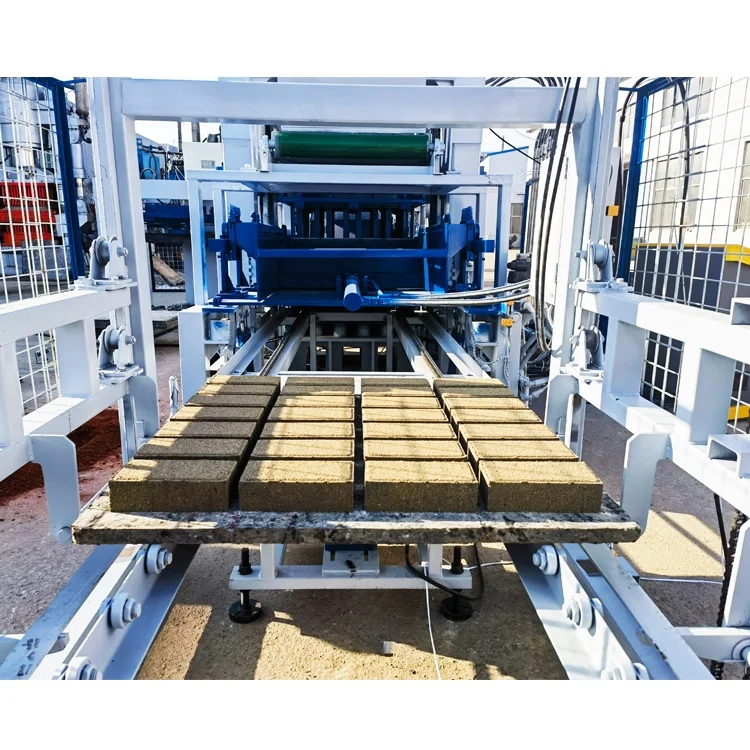
| Applied Products | Paver, solid block, hollow block, curbstone |
| Raw Materials | Crushed stones, sand, cement, dust, fly ash |
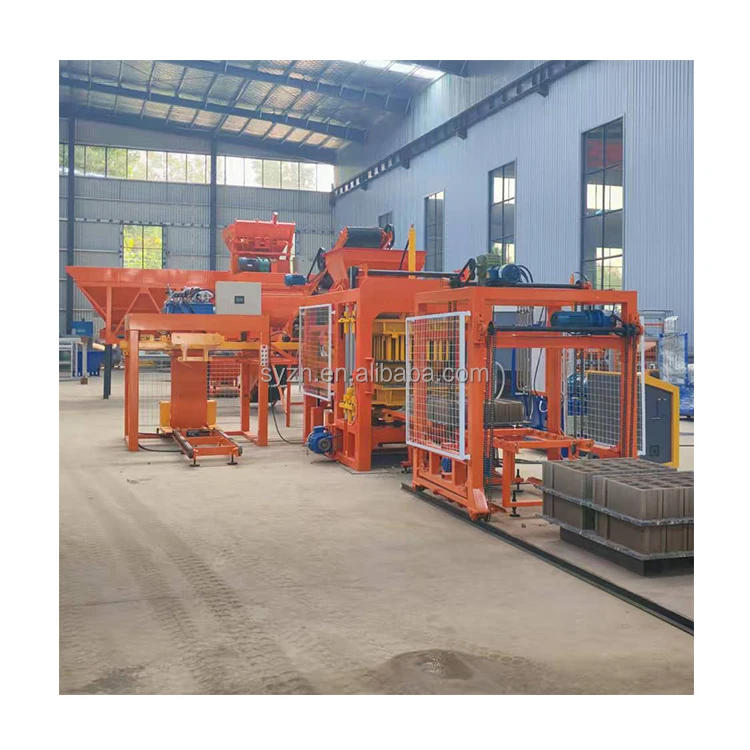
| Automation Level | Automatic (pallet feeder, material feeder, block conveyor, block sweeper included) |
| Voltage & Frequency | Configurable (basis to be confirmed) |
| Language Options | Configurable (basis to be confirmed) |
Application Suitability
| Application | Material or Output |
|---|---|
| Hollow block production | Crushed stone, sand, cement, fly ash |
| Solid block manufacturing | Local aggregate, cement, dust |
| Interlocking paver forming | Fine aggregate, pigment, cement |
| Curbstone and kerbstone | Coarse aggregate, high-cement mix |
| Porous brick for drainage | Permeable aggregate, cement binder |
Why "Cycles Per Hour" Doesn’t Tell the Whole Story
Real output depends on the block format, mix design, and how well the PLC governs the hydraulic and vibration sequence for that specific material.
Buyers often receive a single cycle time figure that assumes an ideal format and perfect material flow. When the actual block is thicker or the local aggregate is coarser, the cycle extends. On a recent housing project in West Africa, a plant owner found his daily output fell noticeably short because the quoted capacity was based on a standard hollow block, while his market demanded a denser paver that required longer vibration and pressure hold times [NEED_CITE: block format impact on cycle time and daily output].
How the Control Layer Reduces Operator Variability
The automatic QT8-15 PLC controlled block making machine places cycle timing, material feed volume, and hydraulic pressure sequencing under programmable logic rather than manual judgment. An operator selects the recipe for the target block format, and the system executes each stage — pallet indexing, material distribution, vibration, pressure, and block ejection — identically across every cycle. This removes the drift that occurs when different shifts adjust settings by feel, delivering consistent block density and dimensions from the first pallet to the last.
Matching Vibration and Pressure to Local Aggregate
Block strength inconsistency frequently traces back to vibration force and hydraulic pressure not being matched to the buyer’s mix design. The 55 kN vibration force on this press works in tandem with the hydraulic station to compact the material in the mould. When the local aggregate is angular crushed stone rather than rounded river sand, the vibration amplitude and duration must be adjusted so the mix fully settles before pressure is applied. Confirming these parameters at the configuration stage — not after arrival — prevents costly rework and rejected batches [NEED_CITE: vibration and hydraulic pressure tuning for aggregate type].
Reading the Specification Sheet Beyond the Headline Numbers
The 8300×1860×3000 mm footprint dictates the building envelope and foundation design; a plant owner must verify that the curing area and forklift turning radius accommodate the 1020×900 mm pallets exiting the conveyor. The 37.2 kW rated power determines the transformer capacity and dedicated circuit requirements at the site, especially in regions where voltage fluctuation is common. The JS750 mixer must be positioned so its discharge aligns with the material feeder, ensuring the press is never left waiting for a batch. Together, these parameters define whether the line runs as a continuous system or bottlenecks at the mixer.
The Hidden Cost of Skipping Voltage and Language Confirmation
A control panel displaying instructions in a language the operator cannot read halts production the moment an alarm triggers. Similarly, a machine wired for a voltage and frequency that does not match the local grid will either fail to start or damage the PLC and hydraulic solenoids during commissioning. These are not defects — they are configuration oversights that turn a scheduled installation into a multi-day troubleshooting exercise, delaying the first saleable block and eroding the contractor’s project timeline [NEED_CITE: voltage and PLC language confirmation before shipment].
Why Source This Machine Through a Single-System Supplier
Block machinery as a single focus means the QT8-15 press, moulds, pallets, and handling equipment are specified as one matched system, not assembled from separate vendors with mismatched cycle times. Configuration is set against the buyer’s actual mix design, local aggregate, and target block format rather than a catalogue default, so the vibration and pressure settings suit the material available on site. Mould design covers the formats the buyer’s market sells, with custom drawings available for non-standard dimensions. The automation level is selectable, allowing a plant owner to begin with the included pallet feeder and conveyor, then add automatic stacking and cubing as volume grows. Installation and commissioning support includes operator training on the PLC interface, and a documented wear parts list ensures the first mould and hydraulic seal replacements are on hand before they are needed.
Documentation & Verification
- Line layout and capacity calculation stating the block format assumed for cycle time
- Machine specification sheet with hydraulic and electrical schematic
- Mould drawing and format list covering paver, hollow, solid, and curbstone
- Voltage and control language confirmation record before production
- Factory test record demonstrating PLC-controlled cycle consistency across formats
- Operation and maintenance manual with wear parts and mould list
Installation, Commissioning & Support
- Foundation pad sized to 8300×1860 mm footprint with anchor bolt template provided
- Dedicated circuit for 37.2 kW rated power with voltage and frequency confirmed to local grid
- Machine dismantled for container shipment, reassembled and leveled on site
- PLC parameter set loaded for buyer’s confirmed block format and mix design
- Operator training on control interface, mould change procedure, and daily maintenance
- Wear parts and hydraulic seal kit supplied for initial operating period
What to Include in Your Inquiry
To size the automatic QT8-15 PLC controlled block making machine accurately, provide the target block formats and dimensions, the daily output required per format, and a sample or description of the local aggregate and cement type. Confirm the site voltage, frequency, and the preferred PLC display language. State the available workshop footprint and ceiling height, and note any existing mixers, pallets, or forklifts that the new line must integrate with.
Frequently Asked Questions
Q: How is output capacity verified per block format and what cycle time basis is stated?
A: Capacity is calculated per block format, stating the mould dimensions, material thickness, and cycle time assumed. The 15–20 second molding cycle must be confirmed against the buyer’s specific block design and mix, as denser pavers or taller hollow blocks may require extended vibration and pressure hold, adjusting the realistic daily output accordingly.
Q: What PLC language and control interface options are available for the target market?
A: The PLC display language is confirmed before production so the operator interface matches the local workforce. Options include English, French, Spanish, and other languages depending on the destination market. Confirming this during the order stage prevents commissioning delays caused by unreadable alarm messages or parameter menus on site.
Q: How is vibration force and hydraulic pressure matched to local aggregate and mix design?
A: The 55 kN vibration force and hydraulic station are tuned based on the buyer’s aggregate gradation and cement content. Angular crushed stone requires different vibration amplitude and duration than rounded sand. These parameters are set during factory testing using the buyer’s confirmed mix recipe, ensuring block strength and surface finish meet requirements from the first production run.
Q: What is the upgrade path from semi-automatic to fully automatic stacking and cubing?
A: The QT8-15 ships with automatic pallet feeding, material feeding, block conveying, and sweeping. As production volume grows, the line can be extended with an automatic stacker and cubing system. The PLC architecture supports this addition without replacing the core control hardware, allowing the plant owner to scale automation in stages.