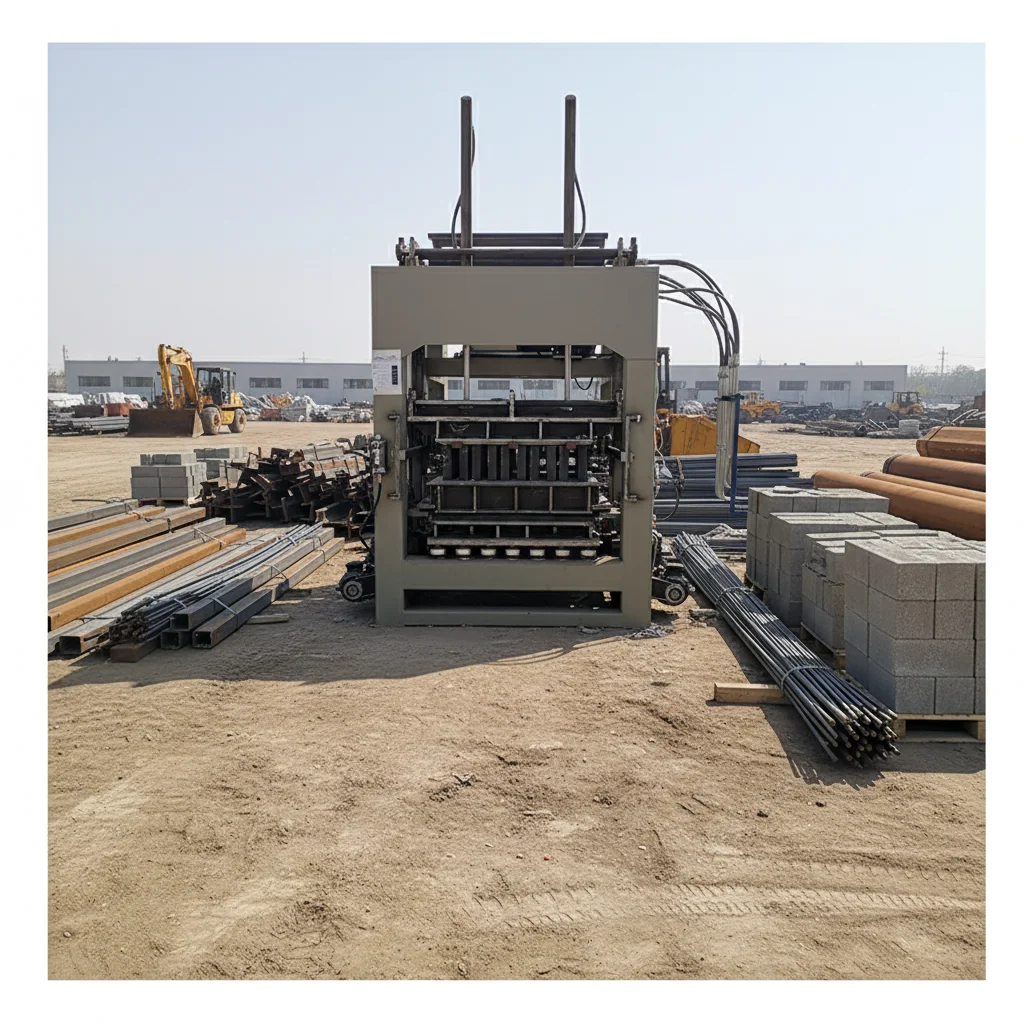
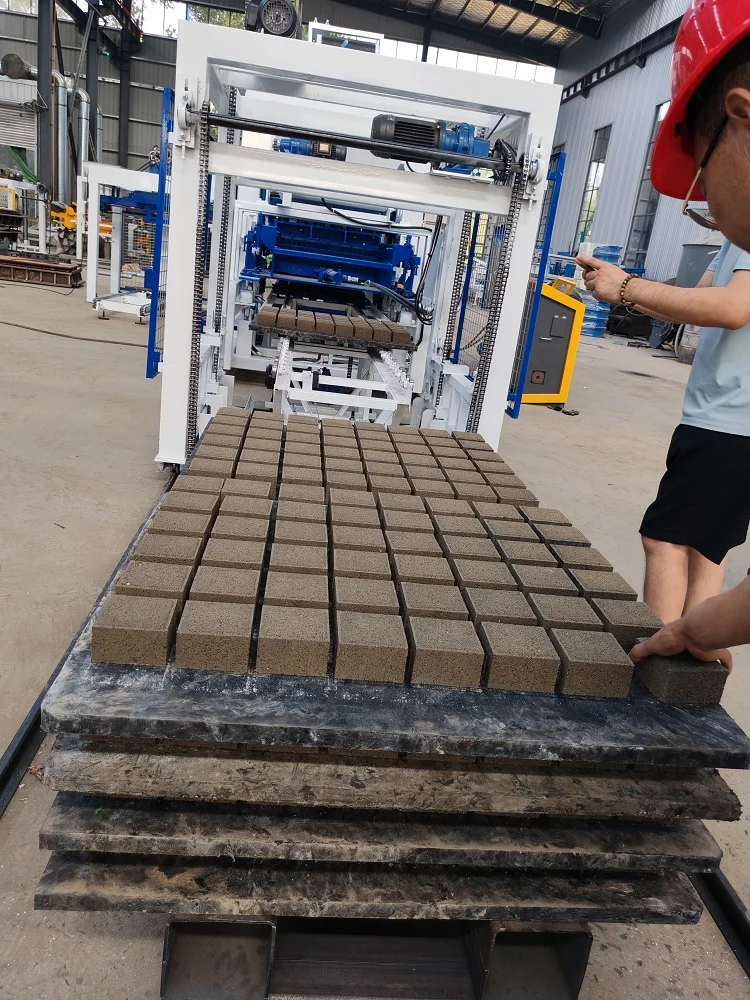


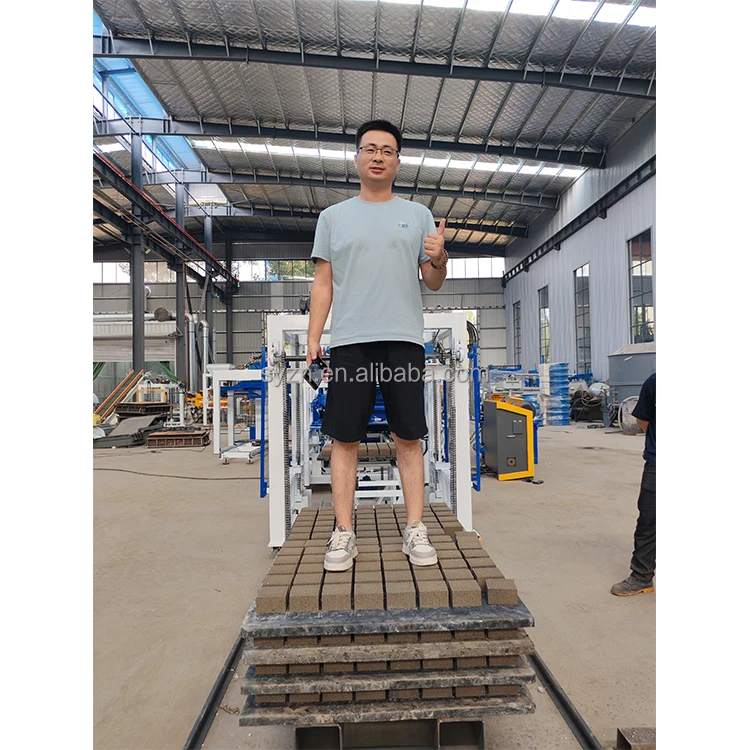
Description
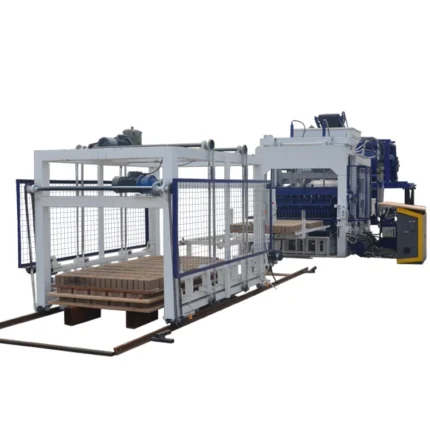
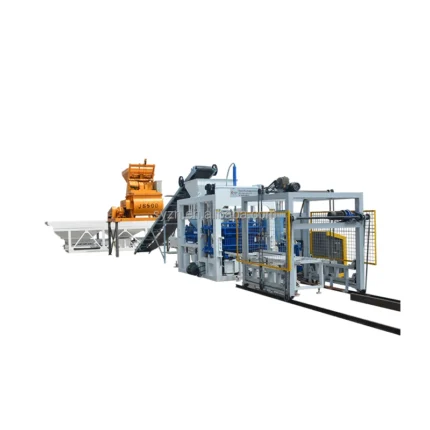
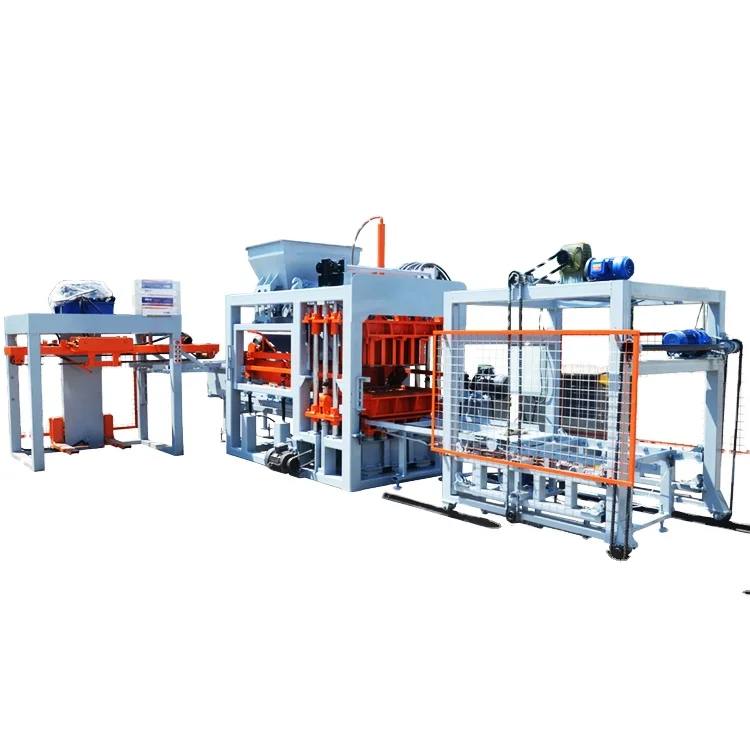
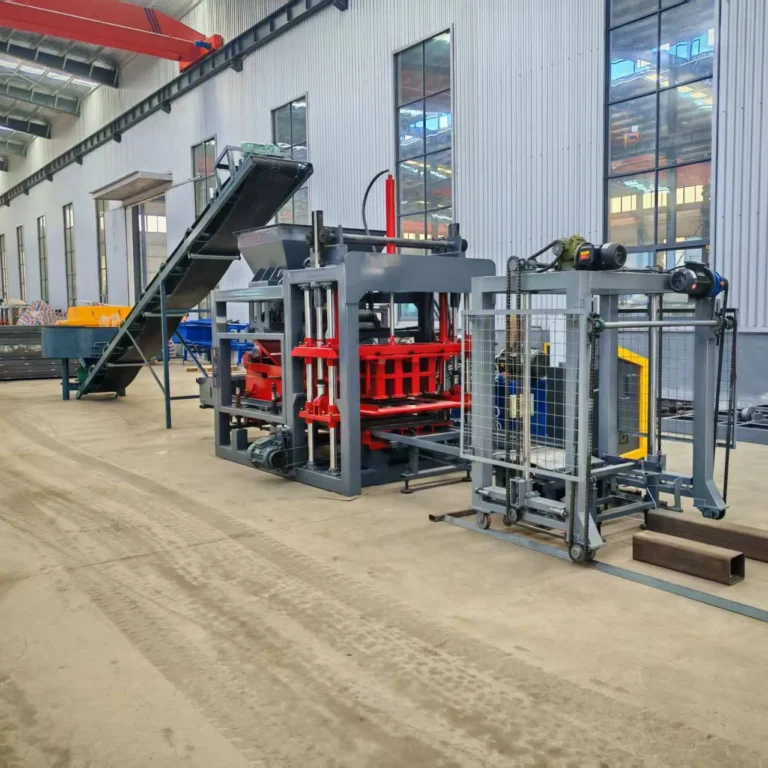
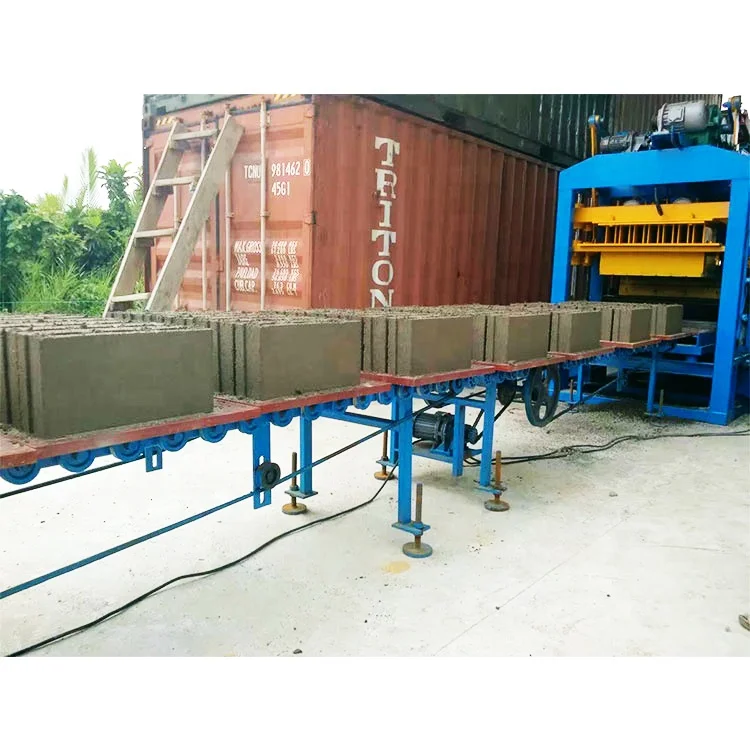
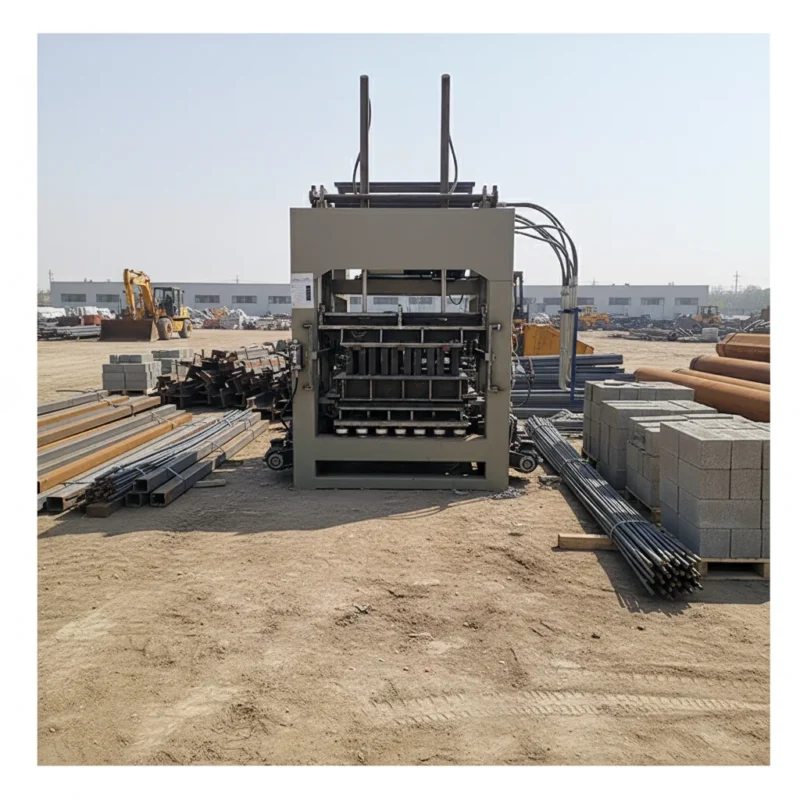
Integrated system matching — QT8-15 automation and control architecture are specified as one coordinated unit, so pallet handling, PLC logic, and press cycle stay synchronized from first block to last.
Technical Specifications
| Parameter | Value |
|---|---|
| Model | QT8-15 |
| Product Type | Hydraulic Block Making Machine |
| Overall Dimensions (L×W×H) | 8300×1860×3000 mm |
| Rated Pressure | 21 MPa |
| Main Vibration Form | Platform Vibration |
| Vibration Frequency | 2800–4500 r/min |
| Pallet Size | 950×900 mm |
| Molding Cycle | 15–20 s (basis not stated in source — confirm block format, material, thickness) |
| Overall Power | 55.5 kW |
| Vibration Force | 45 kN |
| Total Mass | 8 T |
| Demolding Method | Hydraulic |
| Control System | PLC (source value — verify against manufacturer catalog) |
| Applied Products | Hollow/solid blocks, pavers, interlocking blocks, curbstone, colored pavers |
| Warranty | 1 year (whole machine, excluding spare parts) |
Application Suitability
| Application | Material or Output |
|---|---|
| Hollow block production | Crushed stone, sand, cement, fly ash blends |
| Solid block manufacturing | Gravel, slag, cement mixes |
| Paver and colored paver runs | Fine aggregate with pigment dosing |
| Interlocking brick output | Cement-stabilized sand and dust |
| Curbstone forming | Coarse aggregate with high cement content |
What "15–20 Seconds Cycle Time" Leaves Out on a PLC-Controlled Press
Cycle time only holds meaning when the block format, mix design, and pallet handling speed are all stated together.
When I first quoted a QT8-15 to a plant in Lima, the sample sheet read 15–20 seconds per cycle. The local aggregate carried high clay content, the vibration frequency could not compact the mix within that window, and actual output dropped by roughly half. The automatic QT8-15 block making machine PLC controlled cycle logic can store parameters per mould, but it cannot compensate for a mix that does not respond to the available vibration force [NEED_CITE: effect of aggregate clay content on vibration compaction time].
How the PLC Removes Operator Variability
On manual or relay-based presses, each operator sets feed time, vibration duration, and demolding speed by feel. The automatic QT8-15 block making machine PLC controlled system stores a full parameter set per mould format, so the same hollow block recipe runs identically on morning and night shifts. Batch-to-batch density variation narrows because the PLC enforces the stored cycle rather than relying on human timing.
Remote Diagnostics and Language Configuration
PLC architecture on this class of machine supports remote fault reading, letting a technician off-site trace a sensor alarm without visiting the plant floor. Display language selection must be confirmed before production; arriving with a Mandarin HMI in a Spanish-speaking region adds days to commissioning [NEED_CITE: PLC HMI language options common in export block machinery]. The control system also logs cycle counts and alarm history, giving the plant owner data to plan mould rotation and preventive maintenance.
Reading the Numbers That Matter
Platform vibration at 2800–4500 r/min covers fine paver mixes up to coarse hollow block fills; setting the frequency too high on a dry mix causes surface cracking, while too low leaves the core under-compacted. The 21 MPa rated hydraulic pressure works with the vibration force of 45 kN to squeeze air voids out during the press stroke, directly influencing block density and edge sharpness. Pallet size at 950×900 mm defines the curing rack slot and forklift tine spacing for the entire line — changing pallet dimensions later means replacing every pallet and modifying rack geometry. Total connected load of 55.5 kW requires a dedicated circuit with voltage and frequency confirmed against local supply before the motor windings are wound.
The Cost of Skipping Automation Details
Buyers who confirm only the press and leave pallet feeding, stacking, and curing rack handling unspecified end up with a semi-automatic island inside an otherwise manual line. Operators then hand-stack wet blocks, introducing the same variability the PLC was meant to eliminate. Commissioning delays from unconfirmed voltage or control language add idle weeks on site, during which the warranty clock is already running [NEED_CITE: common commissioning delays in exported concrete block machinery].
Why Source the Control Package Here
Block machinery is our single focus, so the press, pallet system, and PLC logic are specified as one matched set rather than assembled from separate vendors. Configuration starts from the buyer’s actual mix design and target block format, not a catalogue default. Mould design covers the formats the buyer’s market sells, including custom drawings when standard moulds do not match. Automation level is selectable, allowing a plant to begin with semi-automatic pallet handling and add automatic stacking later. Installation support includes operator training on the PLC interface so the crew can read alarms and adjust cycle parameters independently.
Documentation & Verification
- Factory test record run on buyer’s specified block format before dispatch
- Hydraulic and electrical schematic matching as-built configuration
- PLC program parameter sheet listing stored mould recipes
- Voltage, frequency, and HMI language confirmation document
- Wear parts and mould list with part numbers for reordering
- CE declaration where applicable to destination market
Installation, Commissioning & Support
- Foundation plan sized to 8300×1860 mm footprint and 8 T operating mass
- Dedicated 55.5 kW supply circuit with confirmed voltage and frequency
- Press shipped partially dismantled; reassembly supervised on site
- PLC parameter sets loaded per mould format during commissioning
- Operator training on HMI navigation, alarm response, and cycle adjustment
- Mould and hydraulic wear parts list provided for first-year planning
What to Include in Your Inquiry
Send the block formats your market actually sells, along with the local aggregate type and any available sieve analysis. State your site voltage, frequency, and preferred PLC display language so the control package is built to match. Confirm the pallet handling and stacking scope you need, and note any existing curing racks or forklifts the new pallets must fit.
Frequently Asked Questions
Q: How is the QT8-15’s cycle time and daily output calculated per block format?
A: Cycle time depends on the specific block format, wall thickness, and mix design. A 15–20 second figure is meaningless without stating which block it assumes. We calculate daily output per format using the confirmed mould, pallet configuration, and your local aggregate profile, then document the premises in the capacity sheet.
Q: What PLC display language options are available before shipment?
A: The HMI can be configured to the buyer’s local language before the machine leaves the factory. This must be confirmed during the order stage; changing language after arrival may require a PLC programmer on site and can delay commissioning by several days.
Q: How does the automation level affect pallet feeding and stacking?
A: The QT8-15 platform supports configurations from manual pallet handling through to fully automatic pallet feeding, stacking, and cubing. Starting semi-automatic is possible, with the upgrade path to full automation designed into the PLC architecture so later additions integrate without replacing the base control system.
Q: How are vibration frequency and hydraulic pressure matched to local aggregate?
A: We review the buyer’s sieve analysis and mix proportions, then set the platform vibration frequency within the 2800–4500 r/min range and confirm the 21 MPa hydraulic pressure delivers adequate compaction. Factory testing on a sample mix validates the settings before shipment.
Q: What remote diagnostics does the PLC system provide?
A: The PLC logs cycle counts, alarm history, and sensor status, allowing remote fault tracing when a connection is available. Stored parameter sets per mould format let the operator recall proven recipes, reducing setup errors when switching between hollow blocks, pavers, or interlocking formats.