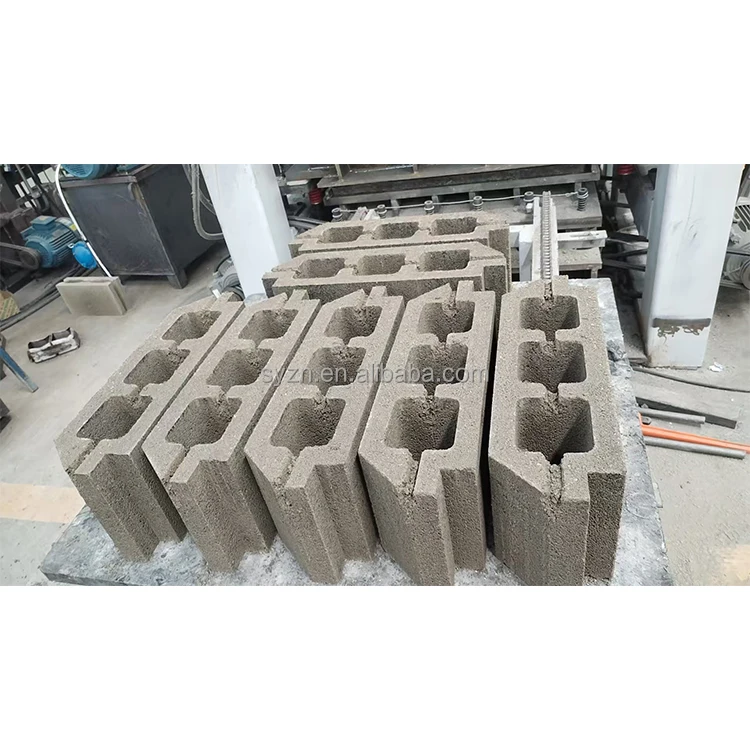
Description
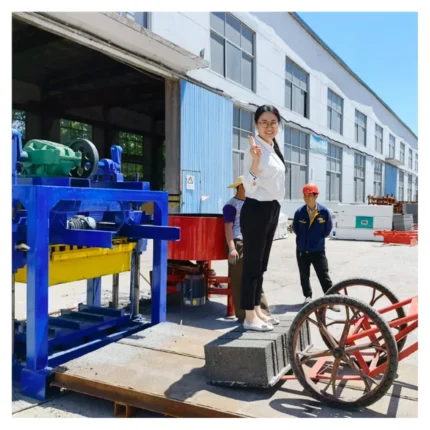
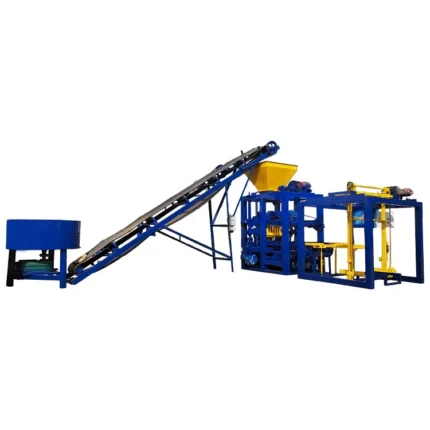
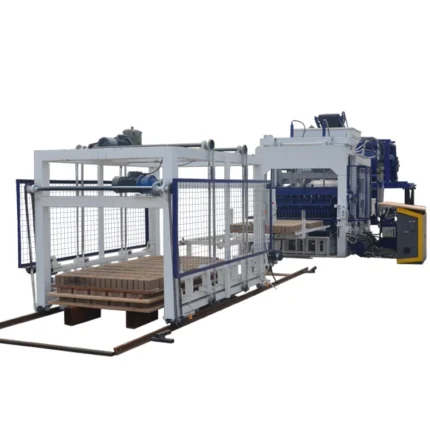
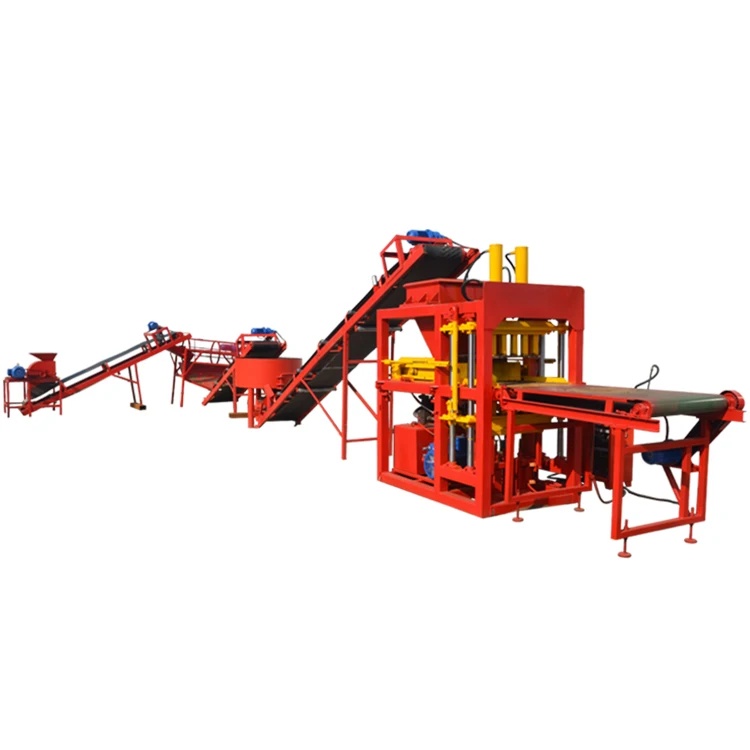
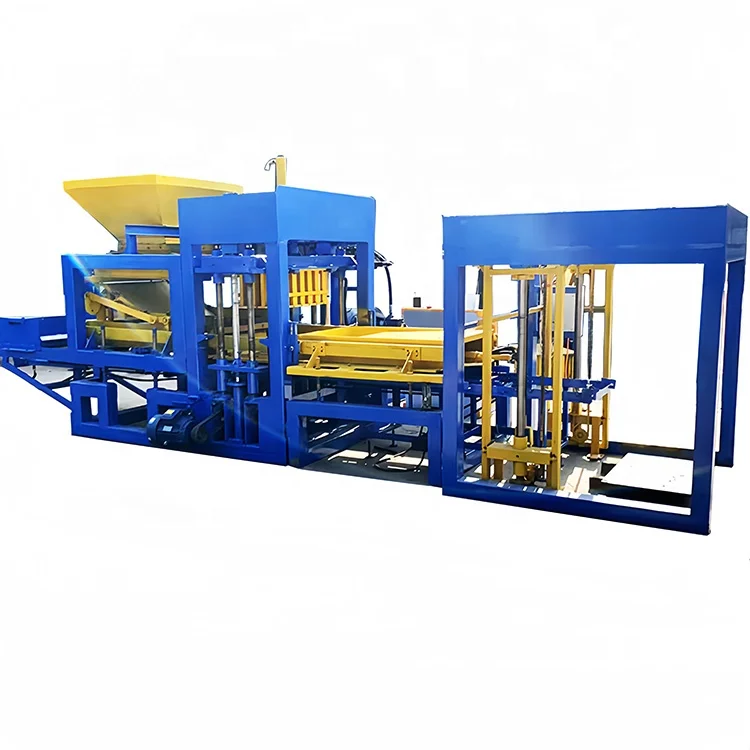
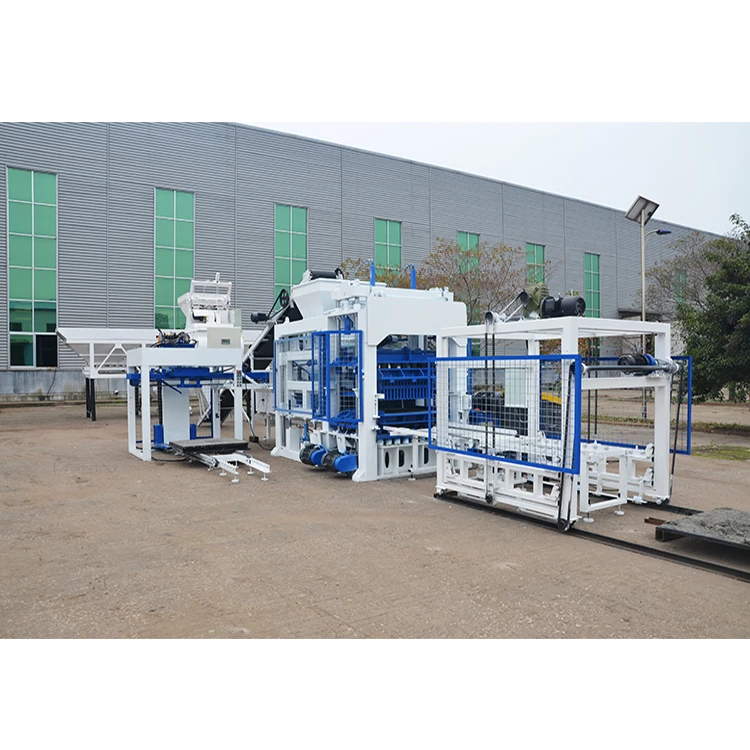
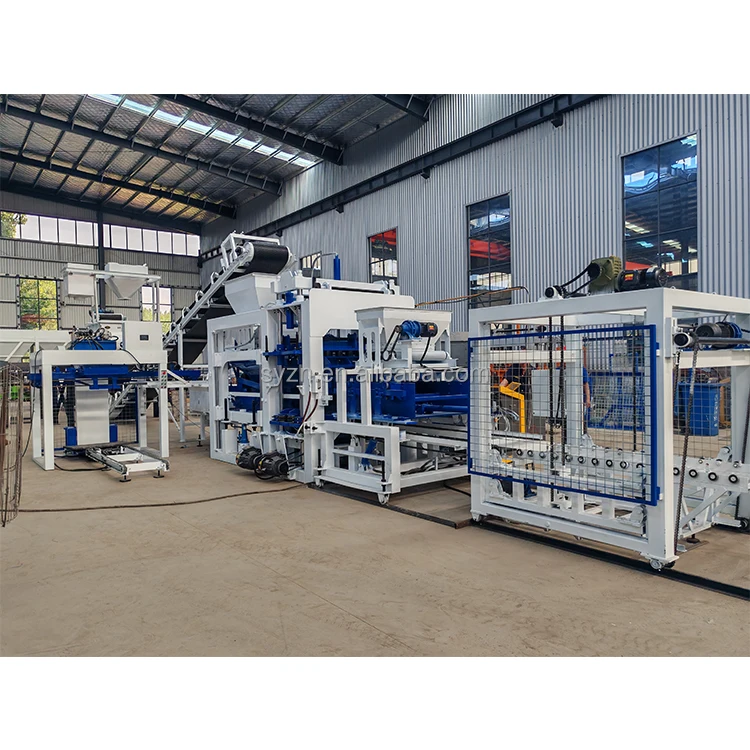
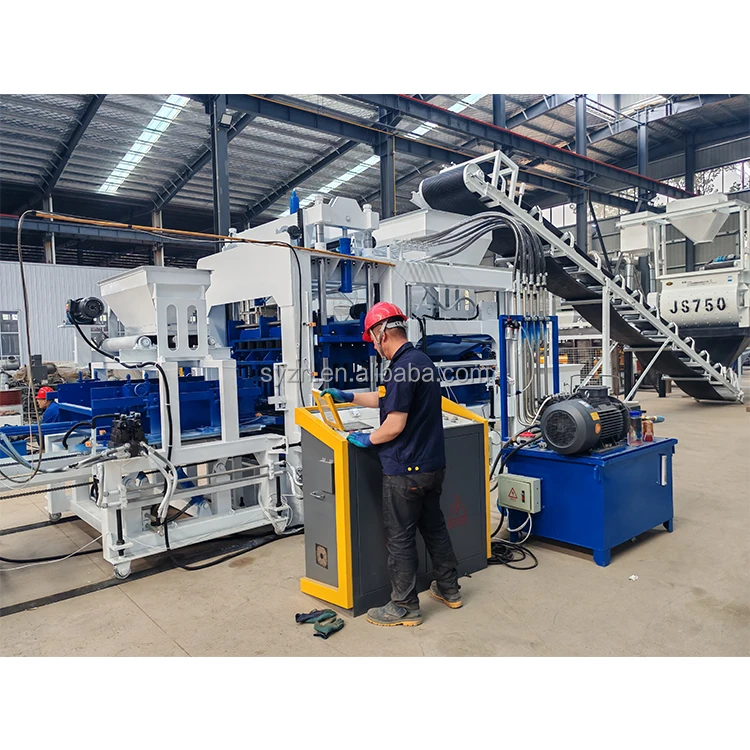
Matched Configuration Control — the QT8-15 automatic QT8-15 block making machine ships with PLC parameters, voltage, and control language set to your actual site conditions and local aggregate mix before it leaves the factory.
Technical Specifications
| Parameter | Value |
|---|---|
| Model | QT8-15 |
| Product Type | Hydraulic Paving Block Making Machine |
| Overall Dimensions | 8300 × 1860 × 3000 mm |
| Rated Hydraulic Pressure | 21 MPa |
| Main Vibration Form | Platform Vibration |
| Vibration Frequency | 2800–4500 r/min |
| Vibration Force | 45 kN |
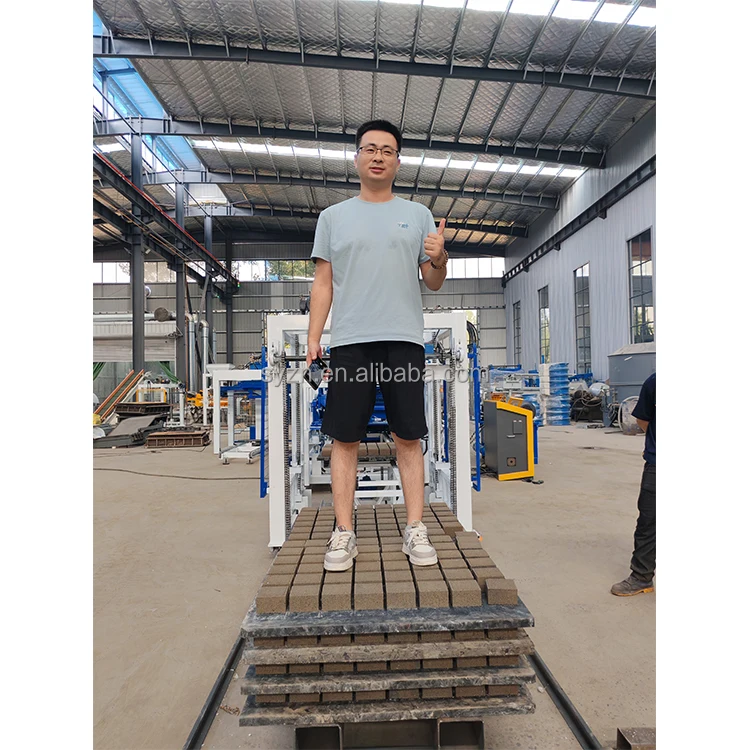
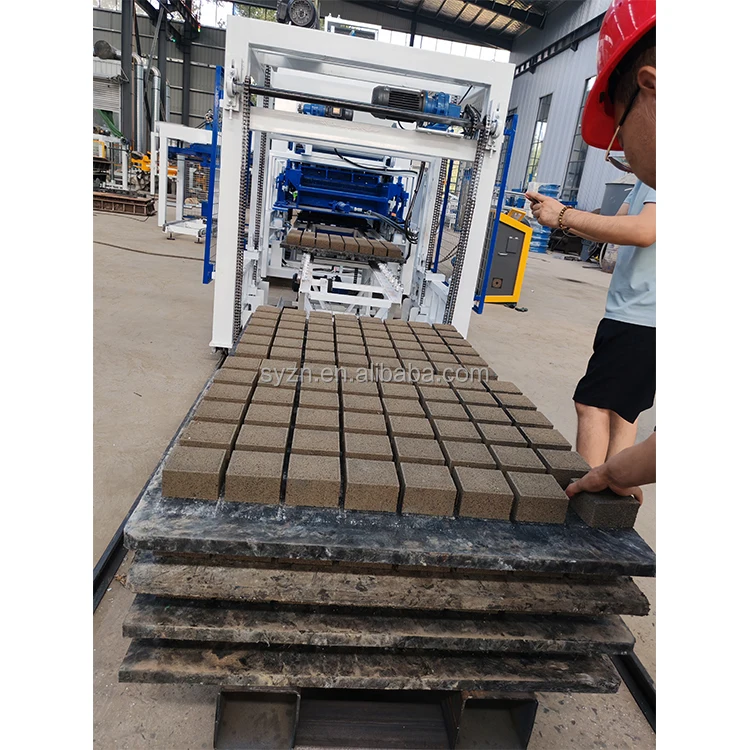
| Pallet Size | 950 × 900 mm |
| Molding Cycle | 15–20 s per press cycle (basis not stated in source — depends on block format, material, and thickness) |
| Overall Power | 55.5 kW |
| Total Mass | 8 T |
| Demolding Method | Hydraulic |
| Recommended Factory Area | 300 m² |
| Raw Material Compatibility | Crushed stone, sand, cement, fly ash, gravel, slag, dust |
| Control System | PLC (brand, language, and communication protocol to be confirmed) |
| Voltage & Frequency | Configurable to site requirement (to be confirmed before production) |
| Automation Level | Selectable — semi-automatic through to fully automatic stacking and cubing |
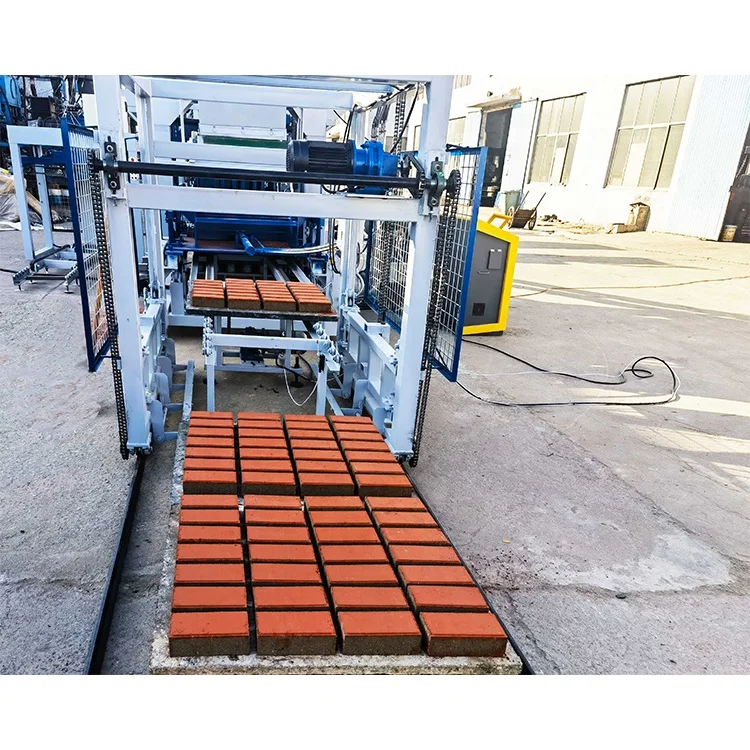
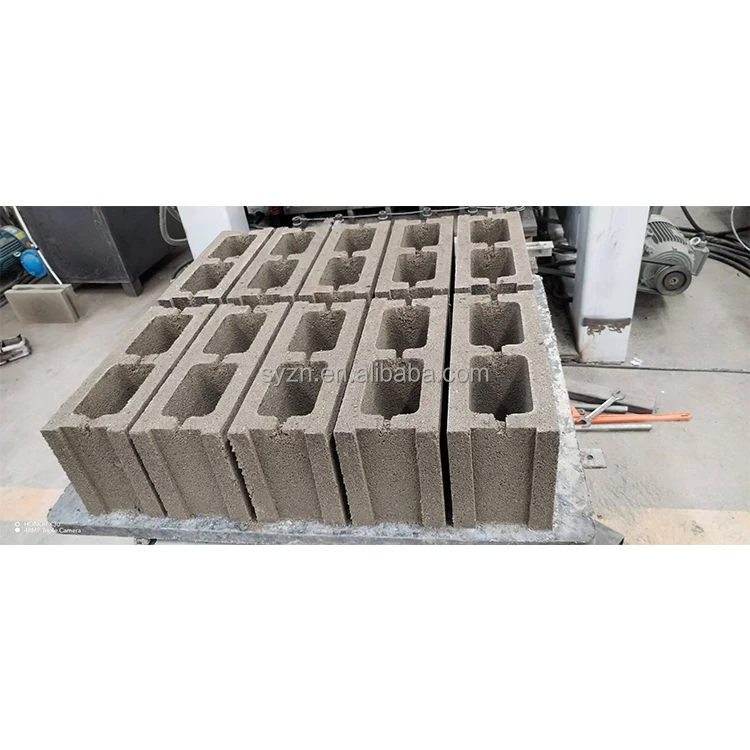
| Applied Products | Hollow blocks, solid blocks, paving blocks, interlocking bricks, kerbstones, colored pavers |
| CE Declaration | Available where applicable |
| Warranty | 1 year (whole machine, excluding spare parts) |
Application Suitability
| Application | Material or Output |
|---|---|
| Hollow block production for load-bearing and partition walls | Crushed stone, sand, cement, fly ash blends |
| Solid block manufacturing for foundation and masonry work | Gravel, cement, and locally sourced aggregate |
| Paving block and colored paver production for roads and plazas | Fine aggregate, cement, pigment additives |
| Interlocking brick and kerbstone runs for landscaping | Sand, cement, slag, and dust mixes |
| On-site contractor block production for housing projects | Site-available aggregate with cement binder |
Why the PLC Language Question Comes Before the Quotation
The automatic QT8-15 block making machine arrives with the exact PLC display language, voltage, and cycle logic your operators will use on day one — confirmed in writing before the unit enters assembly.
Too many block plants commission a machine only to find the control screen displays text in a language the floor team cannot read. Debugging halts, an interpreter is brought in, and the first production week is spent translating menus instead of making blocks. [NEED_CITE: typical commissioning delays from unconfirmed control language and voltage mismatch] A machine configured against a catalogue default rather than your site’s actual power supply and operator capability will stall before it ever reaches rated cycle time.
Removing Operator Judgment from the Press Cycle
Consistency in block density and dimensions depends on repeatable vibration, pressure, and feed timing across every cycle. On the QT8-15, the PLC governs these parameters so that the operator initiates the cycle and the system executes it identically each time. This removes the variation that occurs when different shifts adjust dwell times or pressure settings by feel. The result is batch-to-batch uniformity governed by stored recipes rather than individual habit.
Building an Upgrade Path into the Automation Level
A buyer starting with semi-automatic pallet handling and manual stacking can specify the automatic QT8-15 block making machine with provisions for later addition of automatic pallet feeders, stackers, and cubing systems. The PLC architecture and hydraulic valving are specified to accept these stations when you are ready. This means the initial capital outlay covers a machine that does not need replacement when production volume grows — it accepts the next automation module without a control system rewrite. [NEED_CITE: automation upgrade paths in mid-tier block production lines]
What 21 MPa and 45 kN Actually Mean on the Shop Floor
Hydraulic rated pressure and vibration force are the two numbers that determine whether your mix compacts into a block that meets local strength standards. The QT8-15 runs at 21 MPa hydraulic pressure paired with 45 kN vibration force at 2800–4500 r/min. Higher vibration frequency fluidizes the mix so cement paste fills voids, while hydraulic pressure compresses the aggregate skeleton to target density. If either value is mismatched to your aggregate gradation, blocks emerge weak at the core or crumble at demolding. The 950 × 900 mm pallet size must also align with your curing rack spacing and forklift fork width — a mismatch here means pallets sit in curing lanes incorrectly or require manual repositioning.
The Cost of Skipping Voltage and Language Confirmation
Arriving at a site to find the local power supply delivers a frequency the motor was not wound for causes overheating within the first hour of operation. Similarly, a PLC screen showing parameter labels in an unreadable language turns every recipe adjustment into a guessing exercise. These are not warranty claims — they are specification oversights that delay production and cost the buyer in idle labor and missed delivery deadlines. [NEED_CITE: industrial equipment commissioning failures linked to unconfirmed electrical standards]
Why Configuration Here Means Configuration for You
Every QT8-15 leaving the factory has its vibration force, hydraulic pressure curve, and PLC cycle logic set against the buyer’s submitted mix design and target block format — not a default catalogue profile. The pallet size is confirmed against the buyer’s existing curing racks and material handling equipment. Mould drawings are provided for every format the buyer intends to produce, including custom formats drawn from buyer specifications. Voltage, frequency, and control display language are locked in writing before assembly begins. Factory test records demonstrate cycle repeatability across the buyer’s requested block formats before the machine is cleared for packing.
Documentation & Verification
- Machine specification sheet listing confirmed voltage, frequency, and PLC language
- Line layout drawing showing pallet flow, curing area, and station spacing
- Mould drawing and format list for every block type in your production plan
- Factory test record covering cycle time consistency on your target formats
- Hydraulic and electrical schematic for on-site maintenance reference
- Packing photographs documenting machine condition before container loading
Installation, Commissioning & Support
- Foundation plan sized to the QT8-15’s 8300 × 1860 mm footprint and 8 T mass
- Dedicated power circuit specified for 55.5 kW total draw at confirmed voltage and frequency
- Machine arrives dismantled for container shipment with reassembly guide included
- On-site commissioning includes PLC parameter verification against your confirmed settings
- Operator training covers cycle initiation, mould changeover, and daily maintenance checks
- Wear parts list with reorder codes for hydraulic seals and vibration components
What to Include in Your Inquiry
Send your target block formats with dimensions, the daily output you need per format, and your local aggregate type and source. Confirm your site voltage, frequency, and preferred PLC display language. If you have existing curing racks, forklifts, or pallet stock, share the dimensions so pallet and automation level can be matched before the proposal is finalized.
Frequently Asked Questions
Q: How is daily output calculated, and which block format does the capacity figure assume?
A: The QT8-15 molding cycle is listed as 15–20 seconds per press cycle, but actual daily output depends entirely on the block format, wall thickness, and mix composition you intend to run. A capacity calculation must state the exact block size and material assumed. We provide this per format in the proposal so the quoted output matches your production plan rather than a generic catalogue claim.
Q: What automation level does the QT8-15 ship with, and can it be upgraded later?
A: The automation level is selectable from semi-automatic pallet handling through to fully automatic stacking and cubing. The PLC architecture and hydraulic valving are specified to accept additional automation modules when you are ready to scale. This means the machine grows with your output requirement without requiring a full control system replacement.
Q: How are PLC display language, voltage, and frequency confirmed before production?
A: These are confirmed in writing during the sales process before the unit enters assembly. The buyer provides site electrical specifications and preferred control language, and these are locked into the build order. Factory testing then verifies that the PLC screen, motor winding, and all electrical components match the confirmed configuration before dispatch.
Q: How does vibration force and hydraulic pressure match my local aggregate and mix?
A: The QT8-15 operates at 21 MPa hydraulic pressure and 45 kN vibration force across 2800–4500 r/min. These values are evaluated against the buyer’s submitted mix design and local aggregate characteristics during configuration. The goal is to set pressure and vibration parameters that produce target block density and strength with the materials you can actually source.
Q: What is the mould change procedure and how long does changeover take?
A: Mould changeover time depends on the specific mould design and the block format being switched. The QT8-15 uses a hydraulic demolding system, and moulds are supplied with drawings showing mounting points and alignment references. We confirm expected changeover duration for your format list during the proposal stage so you can plan shift scheduling around format flexibility.