


Description
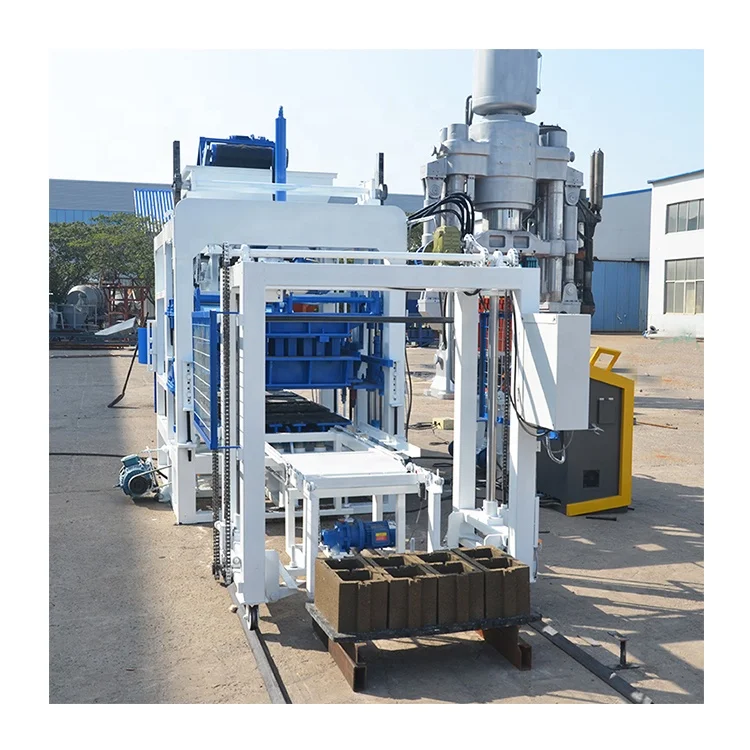
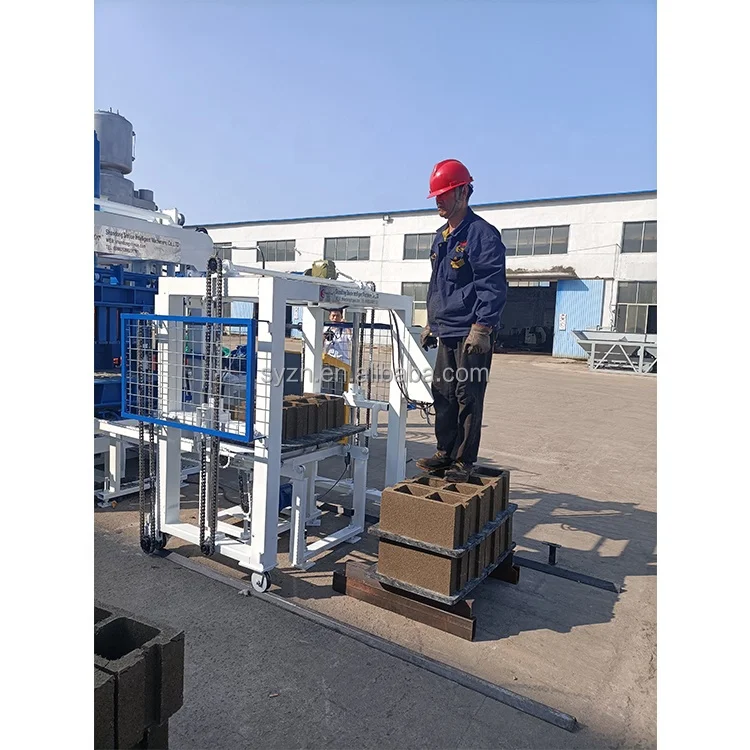
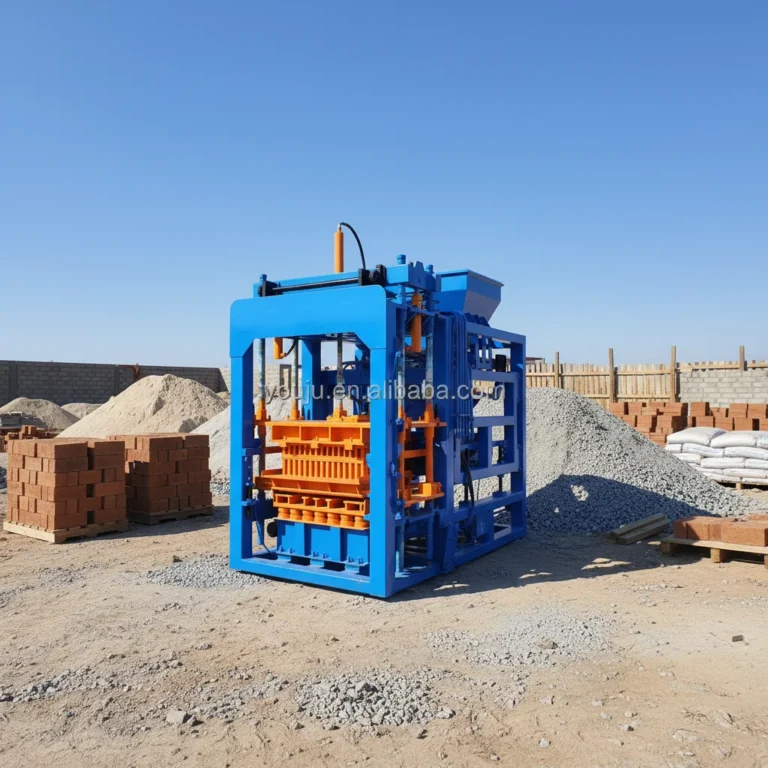
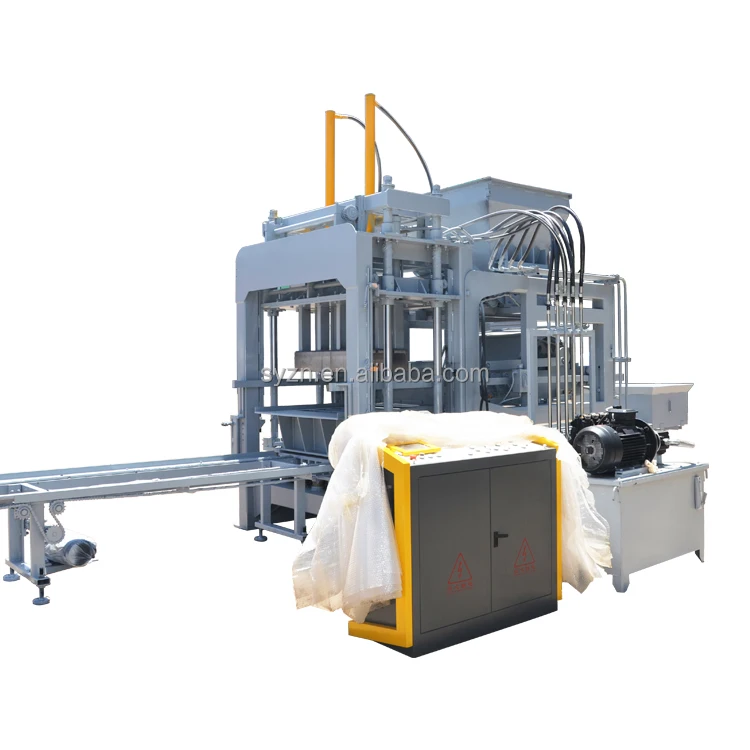
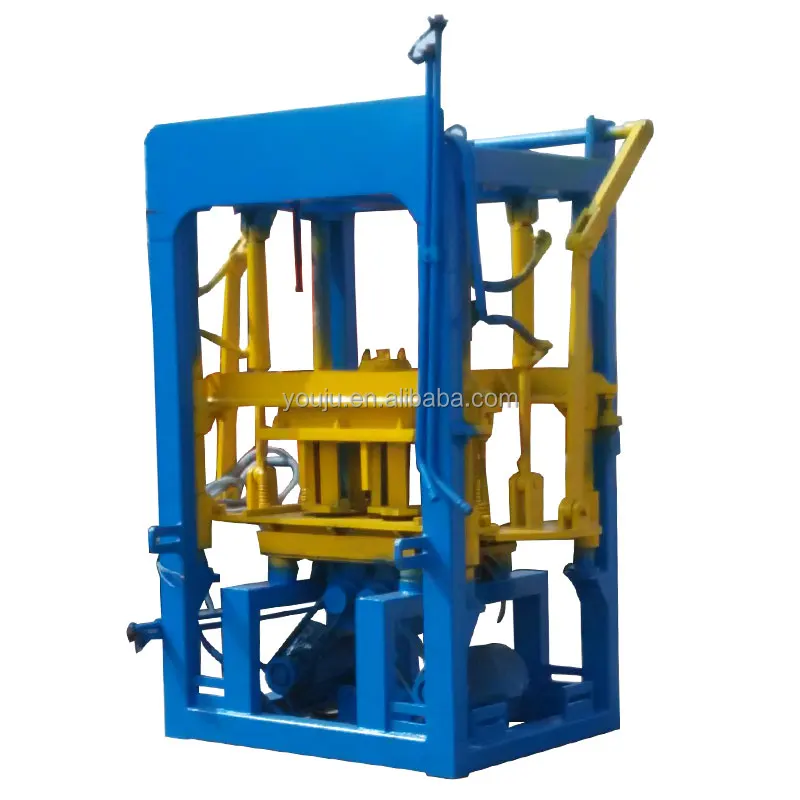
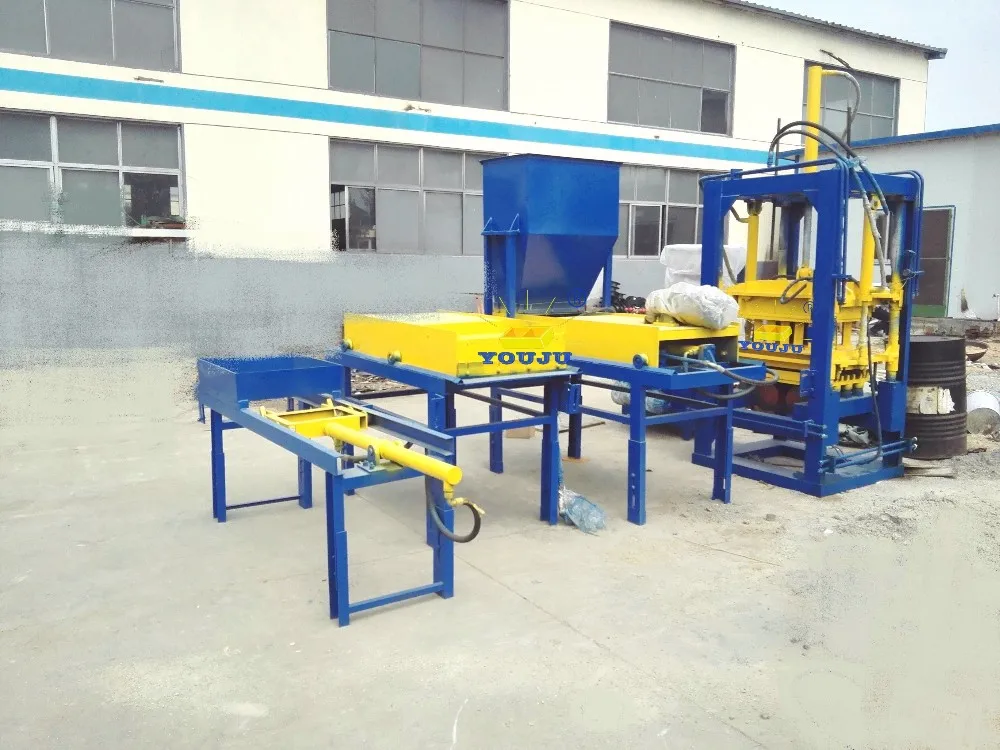
Matched system logic — The QTF3-20 automatic hydraulic concrete block machine is configured so hydraulic press, PLC control, vibration table and pallet handling are specified together as one integrated line rather than assembled from separate suppliers.
Technical Specifications
| Parameter | Value |
|---|---|
| Model | QTF3-20 |
| Product Type | Automatic Hydraulic Concrete Block Making Machine |
| Main Vibration Form | Platform vibration combined with hydraulic pressure |
| Cycle Time | 20 seconds (basis not stated in source — confirm block format, material and thickness) |
| Vibrating Frequency | 4600 rolls/minute |
| Motors Power | 14.25 kW |
| Pallet Size | 680 × 530 mm |
| Automation Level | Automatic, hydraulic drive compression molding |
| Raw Materials | Crushed stone, sand, cement, fly ash, cinder, slag, gangue, gravel, perlite and industrial waste |
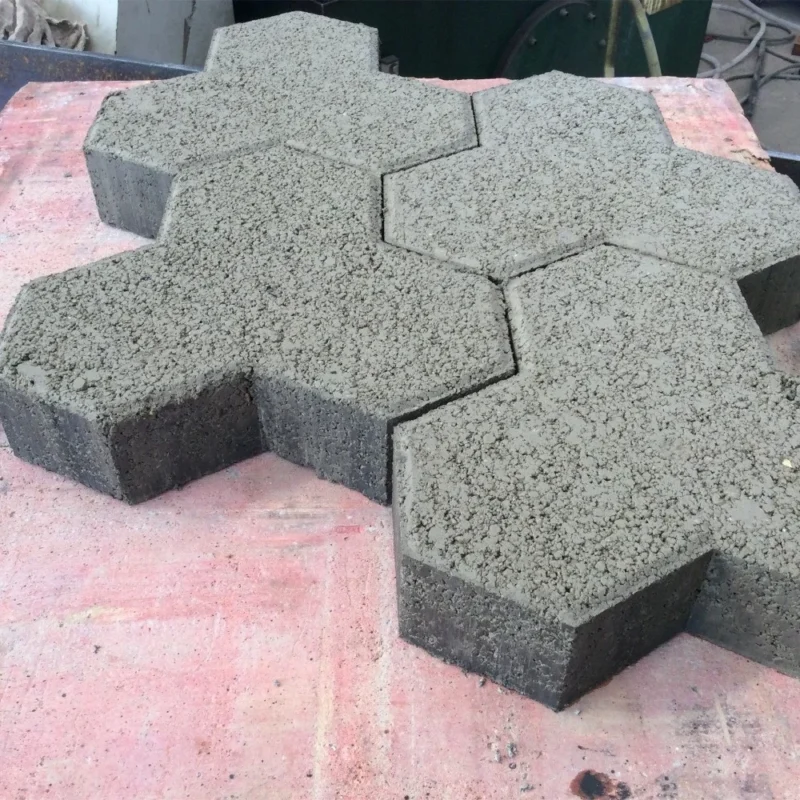
| Applied Products | Concrete blocks, hollow blocks, paving stones, interlocking blocks, kerbstones, grass blocks, slabs |
| Standards | CE, ISO 9001 (stated at company level) |
Application Suitability
| Application | Material or Output |
|---|---|
| Urban wall block production | Hollow and solid blocks from crushed stone, sand and cement |
| Roadway and pavement projects | Paving stones and kerbstones with or without face mix |
| Fly ash brick manufacturing | High-mixture fly ash solid bricks and cork bricks |
| Landscaping and garden products | Grass blocks, interlocking blocks and slope protection blocks |
| Rural construction enterprises | Cellular masonry and shadow wall blocks from local aggregate |
What PLC Control Actually Removes From Your Operator’s Daily Routine
Batch-to-batch consistency depends on the automation layer, not on operator skill alone.
When a buyer moves from manual or semi-automatic block pressing to a full automatic QTF3-20 block machine PLC controlled setup, the variable that changes most is repeatability. I have watched plants where two shifts produced noticeably different block densities on the same machine because the operator adjusted vibration duration by feel. With PLC-managed cycle parameters, the press follows the same sequence every time — material feed, vibration, hydraulic compression, demolding — regardless of who stands at the panel [NEED_CITE: PLC programming standards for industrial block presses].
How PLC Control Changes Block Output Consistency
The automatic QTF3-20 block machine PLC controlled configuration stores cycle recipes for each mould format. When the operator selects a product profile, the system recalls vibration duration, hydraulic pressure hold time and feed volume without manual re-entry. This eliminates the drift that typically appears midway through a long production run when attention fades.
The Upgrade Path From Semi-Automatic Operation
Many buyers start with semi-automatic pallet handling and add automatic stacking or cubing later. The QTF3-20 platform supports this progression because the PLC architecture can accommodate additional I/O modules for pallet feeders and stackers. A plant owner upgrading from manual operation does not need to replace the press — the control cabinet is designed for staged expansion [NEED_CITE: automation upgrade paths in stationary block production].
Reading the Specs Beyond the Catalogue Numbers
The vibrating frequency of 4600 rolls/minute must be evaluated against the buyer’s actual aggregate. Coarse crushed stone transmits vibration differently than fine sand or fly ash, and the same frequency setting that compacts one mix well may leave another under-densified. The 14.25 kW motor rating covers the vibration table and hydraulic pump together; buyers should confirm how that power is distributed between stations. The 680 × 530 mm pallet size determines the block layout per cycle, and this dimension must be checked against the curing racks and forklifts already on site — a mismatch here causes handling delays that no cycle time improvement can fix. Cycle time is listed at 20 seconds, but the block format, wall thickness and mix design assumed by that figure should be confirmed before using it for capacity planning.
The Hidden Cost of Specifying Automation in Isolation
A common mistake is selecting the highest automation level while leaving pallet handling manual. The press completes its cycle on schedule, but finished blocks sit waiting for someone to carry pallets to the curing area. Output drops not because the machine is slow, but because the downstream stations cannot keep up [NEED_CITE: production line bottleneck analysis in concrete block plants]. Voltage and frequency must also be confirmed before the control cabinet is wired — a PLC configured for the wrong supply voltage will not commission on arrival, and reprogramming on site adds days to the startup schedule.
Why Procurement Through This Channel Matters
Block machinery is the sole product focus here, so the QTF3-20 press, its moulds, pallets and handling equipment are specified as one matched system. The configuration is set against the buyer’s actual mix design and local aggregate rather than a default catalogue setting. Mould design covers the specific formats the buyer’s market sells, including custom drawings when needed. Automation level is selectable, meaning a buyer can commission the line semi-automatic and add stacking or cubing modules as production volume grows. Installation includes on-site commissioning and operator training so the PLC parameters are verified against real material before the service team leaves.
Documentation & Verification
- Machine specification sheet with hydraulic and electrical schematic for QTF3-20
- Capacity calculation stating the exact block format behind the 20-second cycle time
- Voltage, frequency and PLC display language written confirmation before production
- Factory test record on buyer’s specified mould format and pallet size
- Mould drawing and format list covering all products in buyer’s range
- CE declaration documentation where applicable to destination market
Installation, Commissioning & Support
- Foundation plan accounting for vibration load from the platform vibration table
- Dedicated electrical circuit sized for the 14.25 kW combined motor load
- PLC panel commissioning with cycle parameters tuned to buyer’s actual aggregate
- Mould change procedure training covering format switch and recalibration steps
- Pallet dimension verification against existing curing racks and forklift capacity
- Wear parts and hydraulic seal list provided with first recommended replacement intervals
What to Include With Your Inquiry
To configure the automatic QTF3-20 block machine PLC controlled system accurately, share the target block formats and daily volume you need to reach, the local aggregate and cement types available at your site, and your existing electrical supply specifications including voltage and frequency. Also confirm the PLC display language your operators require and whether you need automatic pallet feeding and stacking included in the scope or plan to handle those stages manually at the start.
Frequently Asked Questions
Q: How is the 20-second cycle time verified, and which block format does it assume?
A: The 20-second figure must be tied to a specific block size, wall thickness and mix design to give a meaningful daily output. We provide a capacity calculation sheet that states the exact format assumed, so you can compare realistic production figures rather than relying on a generic cycle number that may not match your product range.
Q: What PLC control options and display languages are available?
A: The control system supports configurable display languages matched to your operator team. Voltage and frequency are confirmed before the cabinet is wired, and the PLC program is written for your selected mould formats and automation level so commissioning on site proceeds without reprogramming delays.
Q: How does automation level affect pallet handling and labour needs?
A: At the semi-automatic level, pallets are fed and collected manually. Adding automatic pallet feeding and stacking removes operators from those repetitive tasks and improves cycle-to-cycle timing consistency. The PLC architecture allows these modules to be added later without replacing the press or control cabinet.
Q: What is the upgrade path from semi-automatic to fully automatic?
A: The QTF3-20 platform is designed for staged expansion. A buyer can start with semi-automatic pallet handling, then add automatic pallet feeders, stackers and cubing systems as volume grows. The PLC I/O capacity accommodates these additions, so the upgrade involves adding hardware modules rather than replacing the control system entirely.
Q: How is vibration frequency matched to local aggregate for consistent strength?
A: The 4600 rolls/minute vibrating frequency is a starting point that must be verified against your specific aggregate gradation and cement ratio. Coarse stone and fine fly ash mixes respond differently to the same vibration setting, so parameters are tuned during on-site commissioning using your actual raw materials to achieve target block density and strength.