Description
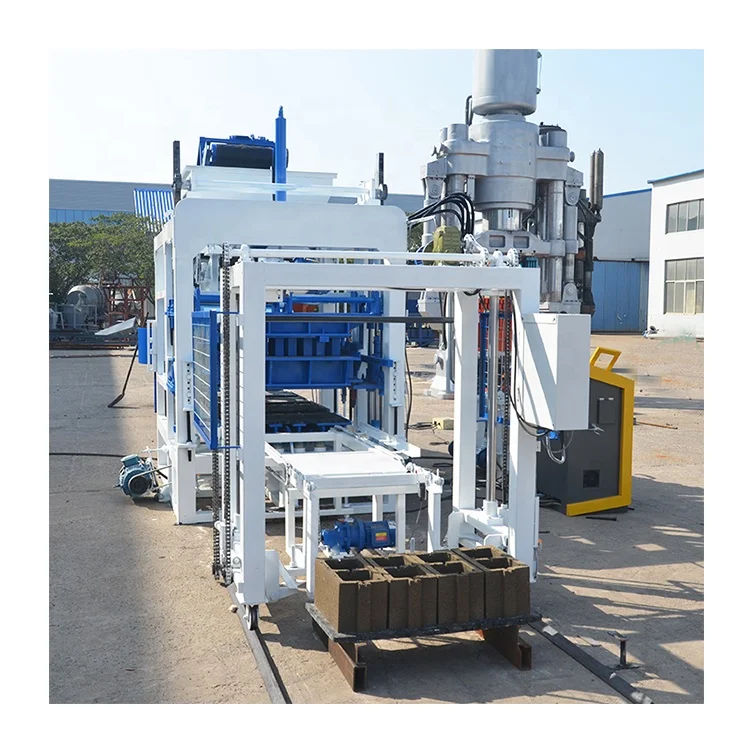
Matched System Integration — The QTF3-20 stationary block press arrives with hydraulic pressure, vibration force, and mould format configured as one verified system rather than assembled from disconnected component suppliers.
Technical Specifications
| Parameter | Value |
|---|---|
| Model | QTF3-20 |
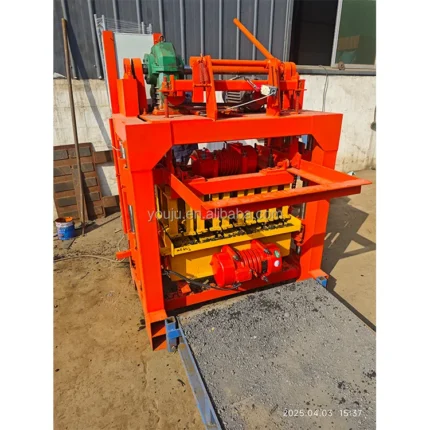
| Product Type | Stationary Block Making Machine |
| Overall Dimensions (L×W×H) | 4000 × 3500 × 2300 mm |
| Total Mass | 2870 kg |
| Total Power | 17.5 kW |
| Vibration Form | Platform Vibration |
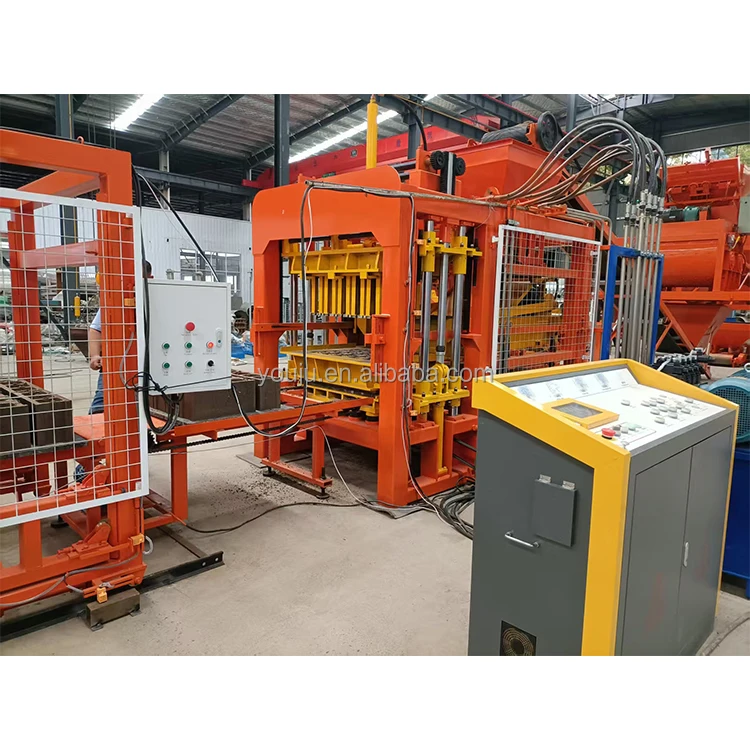
| Control System | Semi-Automatic with PLC |
| Automation Level | Semi-Automatic |
| Hydraulic System | Equipped with hydraulic station (pressure rating to be confirmed) |
| Vibration Force | To be confirmed based on buyer’s mix design |
| Raw Material Compatibility | Cement, sand, fly ash, coarse aggregate, slag |
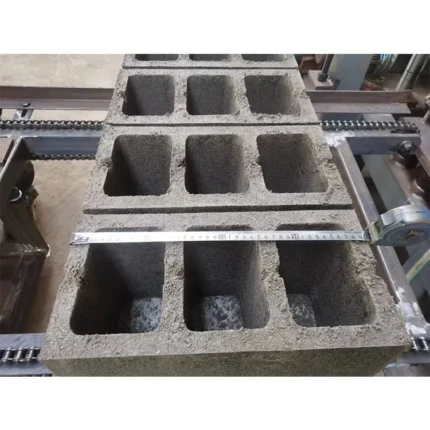
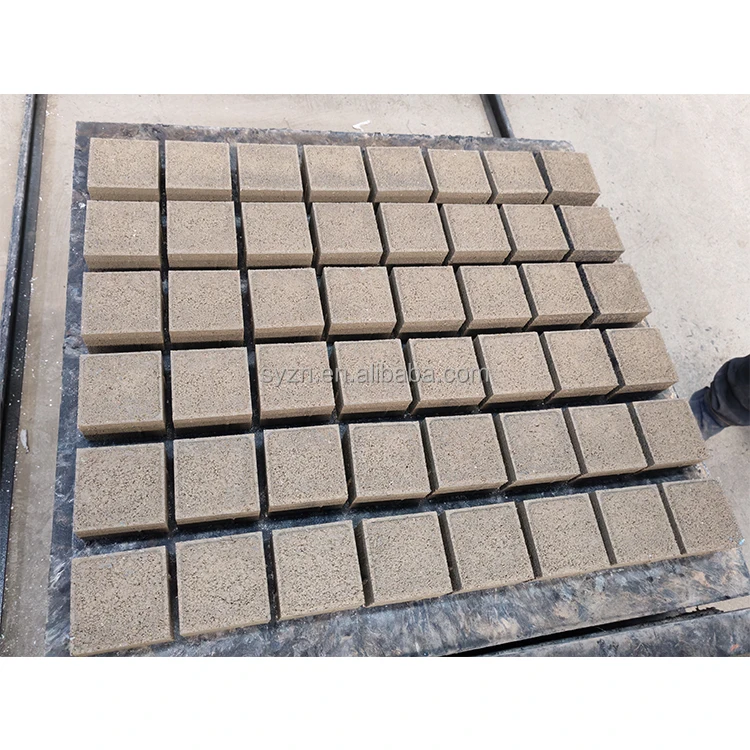
| Mould Format | Hollow brick, interlock brick, color pavers, grass brick, porous brick, standard brick |
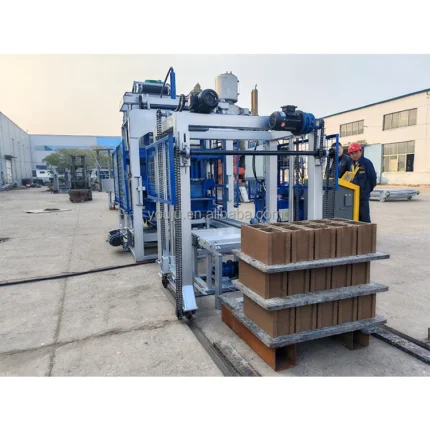
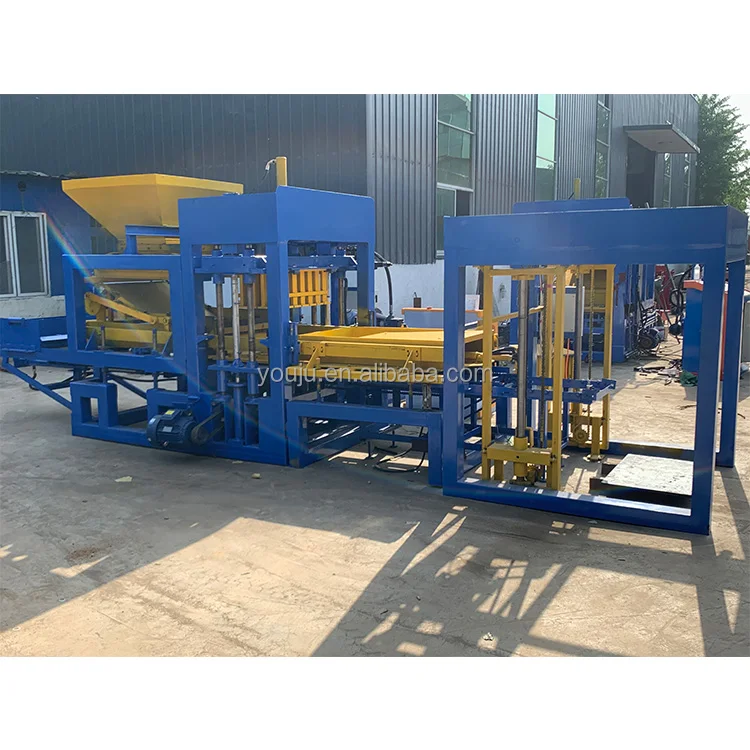
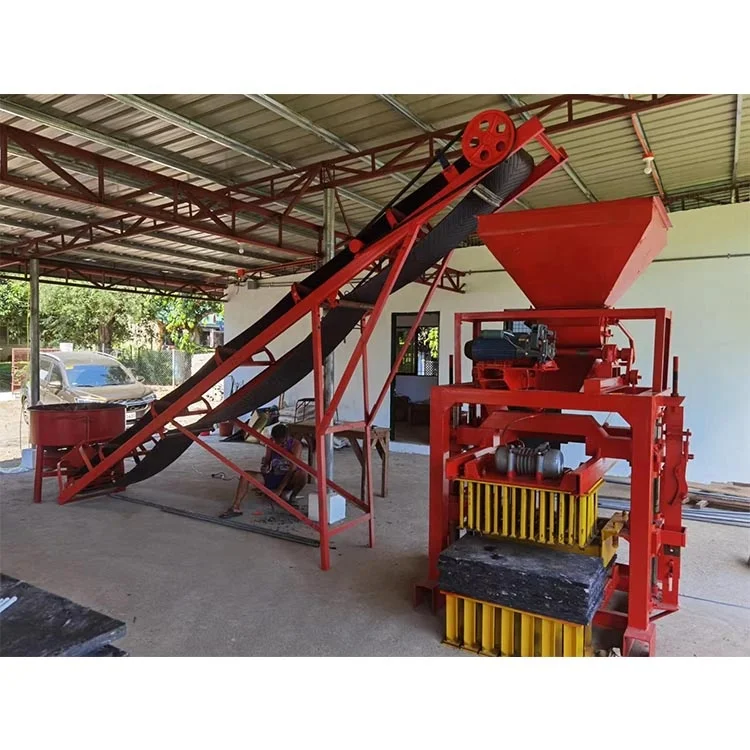
| Line Configuration | Host machine, material feeder, color material feeder, pallet feeder, block conveyor, hydraulic station, electricity box |
| Compatible Mixer | JQ350 mixer with 8 m belt conveyor |
| Electrical Components | Main components imported from Germany or Chinese reputable brands (specific brands to be confirmed) |
| Voltage & Frequency | Configurable (to be confirmed before production) |
| PLC Display Language | Configurable (to be confirmed before production) |
| Capacity | 4320 pcs/day (basis not stated in source — confirm block format, material, and thickness) |
| Certification | CE declaration (model-specific applicability to be verified) |
Application Suitability
| Application | Material or Output |
|---|---|
| Hollow block production for residential and commercial walls | Cement, sand, and coarse aggregate blends |
| Interlocking brick manufacturing for driveways and walkways | Cement, crushed stone, and pigment for color layers |
| Color paver production for landscaping and municipal projects | Face-mix cement with pigment, backed by standard aggregate |
| Grass brick and slope protection brick for erosion control | Cement and aggregate with void-forming mould geometry |
| Standard solid brick for load-bearing construction | Cement, fly ash, and slag-based mix designs |
| On-site block production for housing and development contractors | Locally sourced aggregate matched to regional building codes |
What "4,320 Pieces per Day" Actually Means When the Format Is Missing
The daily output figure is only meaningful when tied to a specific block format, mould cycle time, and pallet size.
Capacity numbers quoted without format assumptions create problems that surface only after the machine arrives on site. A buyer expecting hollow block volume based on a figure calculated for thin pavers will see real daily output fall far short. The QTF3-20 produces multiple formats — hollow blocks, interlocking bricks, color pavers, grass bricks — and each one runs at a different cycle time with different material consumption. Without a capacity calculation sheet that names the exact format, the number on the quotation becomes a source of friction rather than a planning tool [NEED_CITE: capacity calculation standards for block making machinery].
How PLC Control Removes Operator Variability from Every Cycle
The automatic stationary block machine PLC controlled system on the QTF3-20 uses proximity switches to monitor cycle position without physical contact. This means fewer mechanical wear points on sensors and more consistent timing from one cycle to the next. A semi-automatic configuration keeps the operator involved in pallet handling and stacking, but the press cycle itself — vibration duration, hydraulic pressure application, mould release — runs under program control. Batch-to-batch block density stays consistent regardless of shift changes or operator fatigue, which matters when a plant runs multiple formats across a single production day.
The Upgrade Path from Semi-Automatic to Full Line Automation
Semi-automatic operation on the QTF3-20 is a deliberate entry point, not a ceiling. The machine’s pallet feeder, block conveyor, and hydraulic station are designed to integrate with upstream mixing and downstream stacking equipment as the buyer’s volume grows. A plant that starts with manual pallet handling and hand stacking can later add automatic pallet feeding, stacking, and cubing without replacing the press itself [NEED_CITE: automation upgrade paths in concrete block production]. The electrical box and PLC architecture support expanded I/O configurations, so adding sensors and actuators for full automation is a control system extension rather than a machine replacement.
Why Vibration Force and Hydraulic Pressure Must Match Your Aggregate
Platform vibration on the QTF3-20 works in combination with hydraulic pressure to compact the mix into the mould cavity. The relationship between vibration force and hydraulic pressure determines block density, surface finish, and demoulding strength. A mix high in clay content — common in tropical laterite soils — absorbs vibration energy differently than clean river sand, requiring adjusted pressure and vibration duration to achieve the same block strength. The hydraulic station pressure rating and vibration force in kN are confirmed against the buyer’s actual mix design and local aggregate before the machine enters production. Getting this wrong means blocks crack during handling or fail compressive strength tests on site.
The Cost of Skipping Voltage and Language Confirmation
Machines that arrive with the wrong voltage or a PLC display in an unreadable language sit idle while transformers are sourced or control panels are reprogrammed. The QTF3-20 operates on configurable voltage and frequency, but those values must be confirmed before the electricity bo*rical specifications are among the most common and avoidable causes of lost production weeks [NEED_CITE: voltage and frequency standards by export market]. A two-week delay on a project with a concrete delivery schedule cascades into contractor penalties and idle labour costs that far exceed the machine itself.
Why Buyers Source the QTF3-20 Here
Block machinery is the sole product focus, so the QTF3-20 press, mould, pallet, and handling equipment are specified as one matched system. Machine configuration is set against the buyer’s actual mix design and local aggregate rather than a catalogue default. Mould design covers the formats the buyer’s market actually sells, including custom drawings for non-standard dimensions. The automation level is selectable at purchase and expandable later, letting a buyer start semi-automatic and add stacking or cubing as demand justifies it. Installation support includes on-site commissioning and operator training so the first production run meets block strength requirements.
Documentation & Verification
- Capacity calculation sheet naming the block format, cycle time, and pallet size assumed
- Mould drawing and format list showing every block the QTF3-20 produces on your mould set
- Voltage, frequency, and PLC display language confirmation recorded before production starts
- Hydraulic and electrical schematic with component brand list for local spare parts sourcing
- Factory test record run on the buyer’s specified mix design before dispatch
Installation, Commissioning & Support
- Foundation plan sized to the QTF3-20 footprint of 4000 × 3500 mm with vibration isolation requirements
- Dedicated electrical circuit rated for 17.5 kW total power with confirmed voltage and frequency
- Machine arrives dismantled for container loading with reassembly sequence documented
- First-run commissioning with vibration force and hydraulic pressure tuned to your mix design
- Operator training covering mould change procedure, PLC navigation, and daily maintenance checkpoints
- Wear parts list identifying hydraulic seals, vibration springs, and mould liners with replacement intervals
What to Include with Your Inquiry
Send your target block format with dimensions, the daily output you need for that specific format, and your local raw material composition including aggregate type and clay content. Confirm your site voltage and frequency, the PLC display language your operators need, and whether your existing curing area and forklift determine pallet size. If you have upstream mixers or downstream handling equipment already on site, include their specifications so the QTF3-20 line integration matches your current station cycle times.
Frequently Asked Questions
Q: How is the daily capacity of the QTF3-20 calculated for each block format?
A: Capacity depends on the block format, mould cycle time, and pallet size. The 4,320 pieces per day figure requires a stated format assumption to be meaningful. We provide a capacity calculation sheet naming the exact block dimensions, cycle time, and pallet used so you can verify the number against your own target product before placing an order.
Q: What automation level does the machine ship with, and can it be expanded later?
A: The QTF3-20 ships as a semi-automatic press with PLC-controlled cycle operation and manual or assisted pallet handling. The control architecture supports additional I/O for automatic pallet feeding, stacking, and cubing. Upgrading later is a system extension using the existing PLC platform, not a press replacement.
Q: How are voltage, frequency, and PLC language confirmed before production?
A: These are locked in during the quotation and order confirmation stage, before the electricity box is wired. We document your site voltage, frequency, and required PLC display language in writing. Production does not begin until these values are confirmed, preventing commissioning delays after the machine arrives.
Q: How do you match vibration force and hydraulic pressure to my local aggregate?
A: We request your mix design and aggregate sample data before finalizing the hydraulic station pressure and vibration settings. A laterite-heavy mix requires different compaction energy than clean river sand. The QTF3-20 parameters are adjusted to your actual materials so block strength meets your local building code on the first production run.
Q: What is the mould change process and how long does a format switch take?
A: The QTF3-20 mould change system is specified during configuration based on how many formats you plan to run. We provide a mould drawing and format list with the change procedure and estimated time per swap. A quick-change system minimizes downtime when switching between hollow blocks, pavers, and interlocking bricks within the same shift.