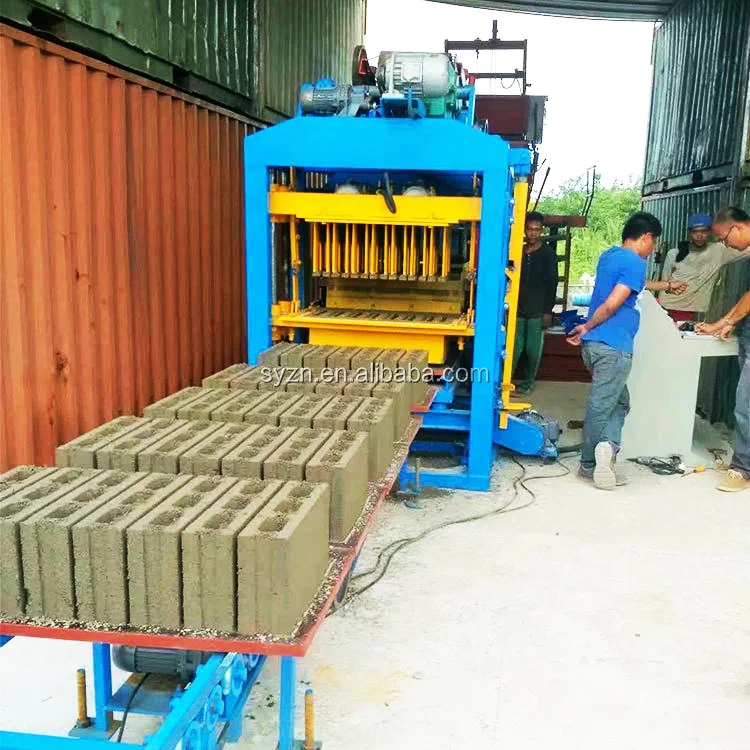
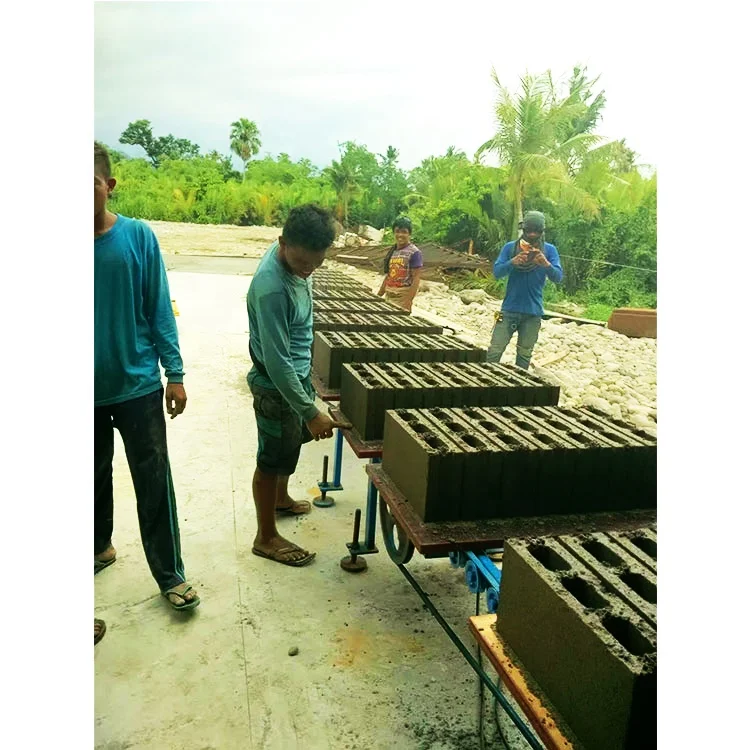
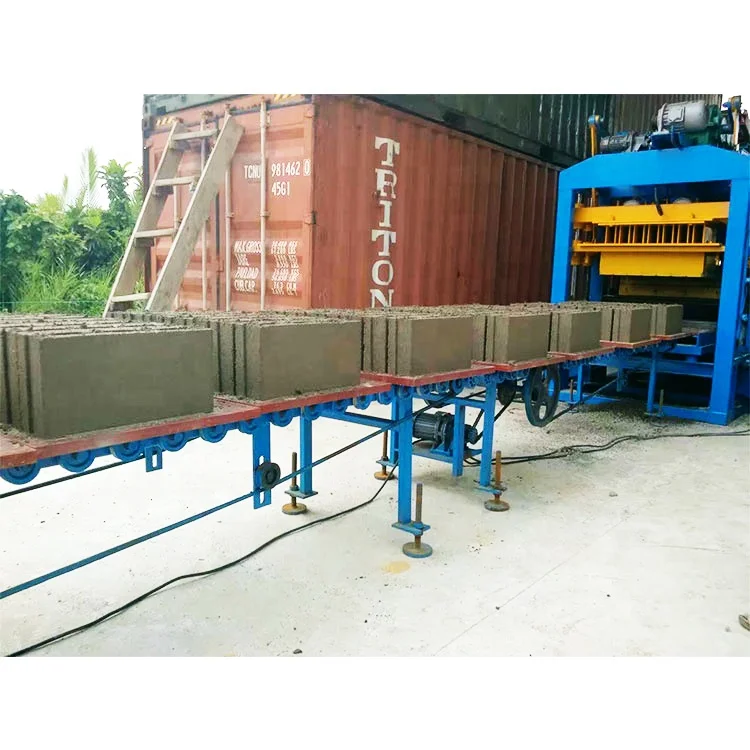
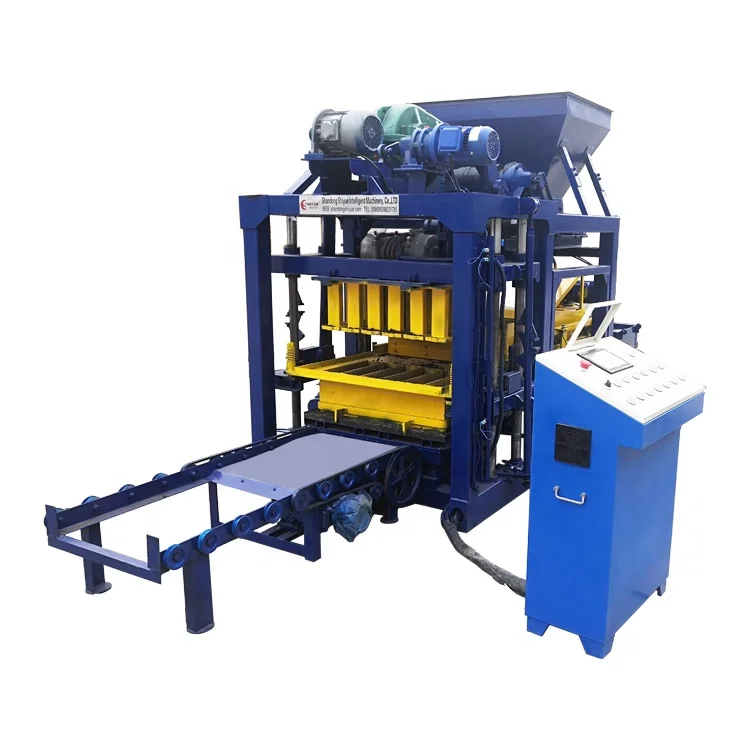
Description
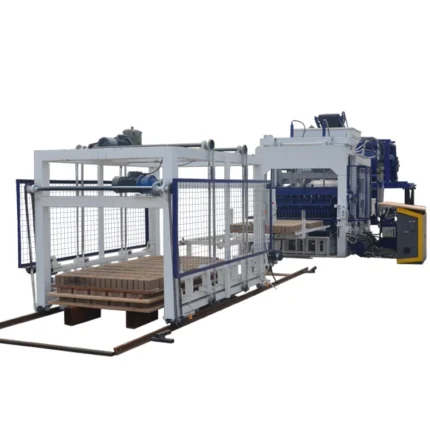
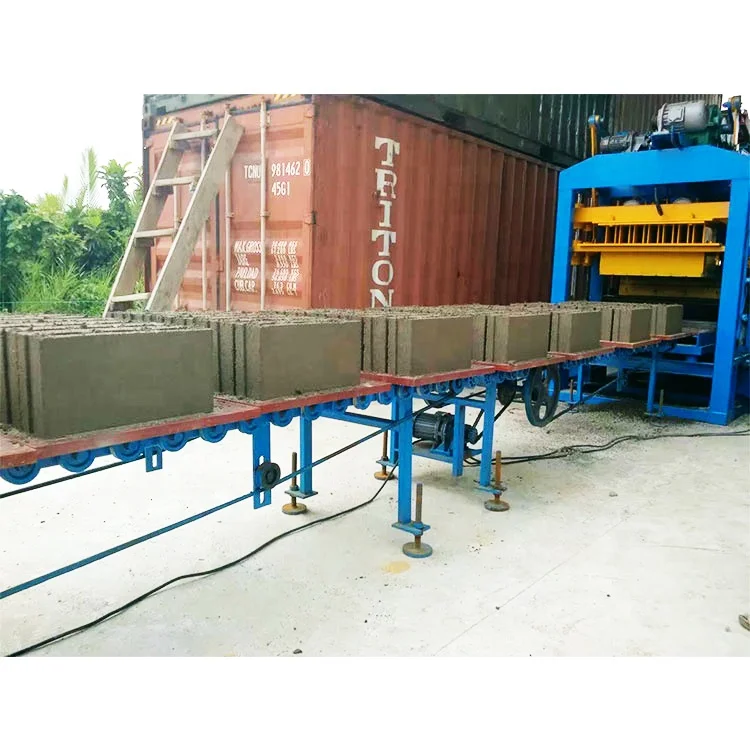
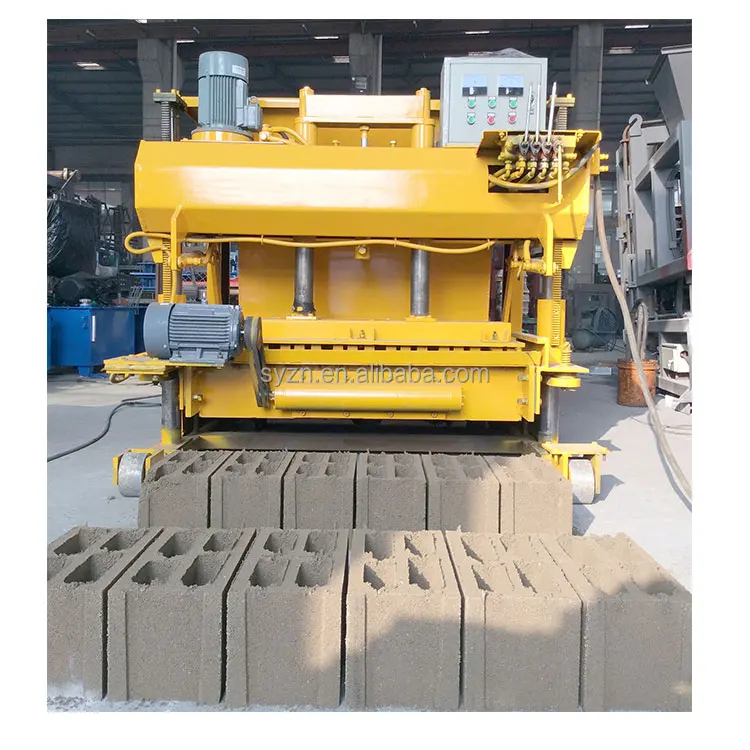
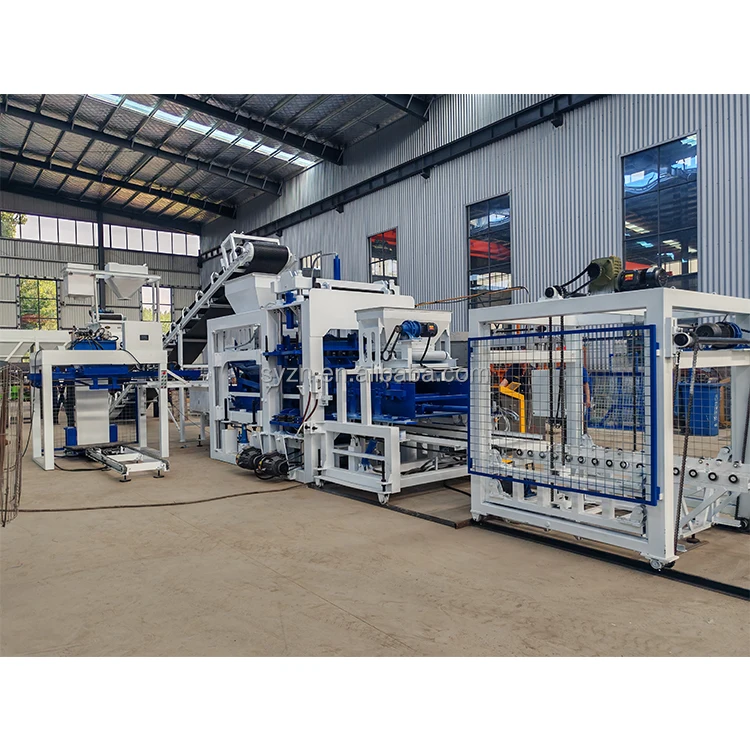
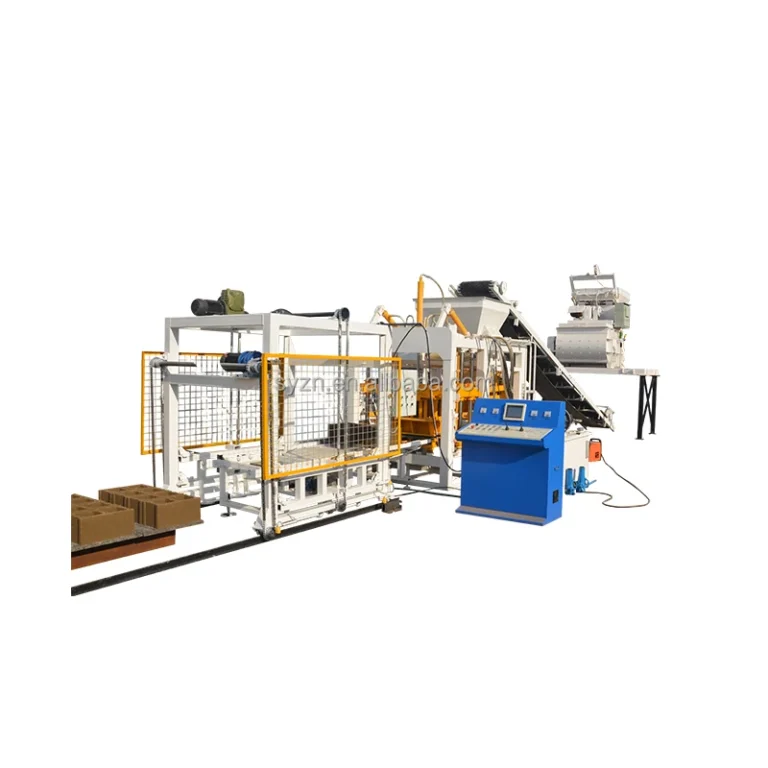
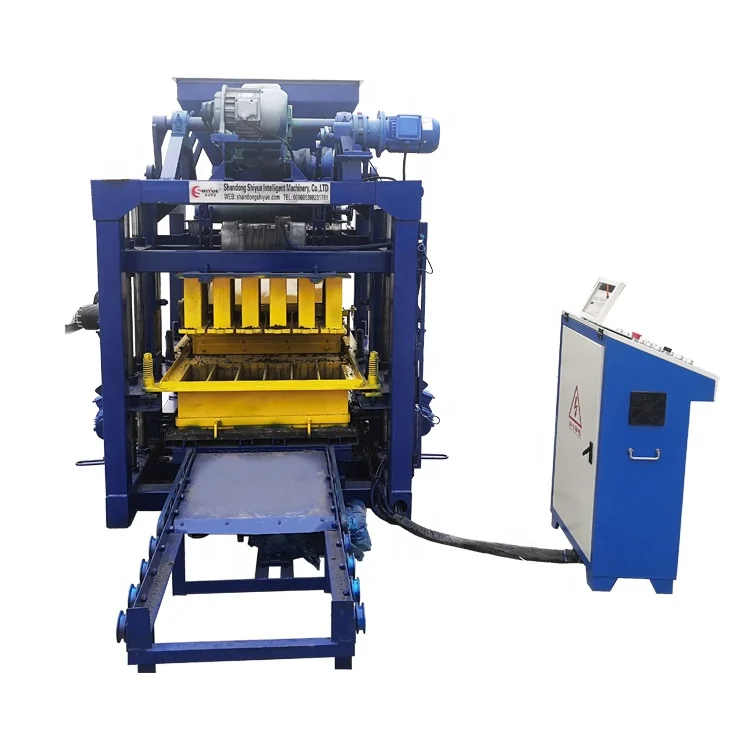
Upgrade-ready automation — the QTJ4-25 semi-automatic platform lets you add pallet feeders, stackers, and PLC batching as volume grows, without replacing the press.
Technical Specifications
| Parameter | Value |
|---|---|
| Model | QTJ4-25 |
| Product Type | Semi-Automatic Concrete Block Making Machine |
| Overall Dimensions (L×W×H) | 3060×1730×2580 mm |
| Rated Pressure | 16-21 MPa |
| Vibration Force | 45.5 kN |
| Vibration Frequency | 4200 r/min |
| Main Vibration Form | Platform Vibration |
| Molding Cycle | 25-30 s (basis not stated in source) |
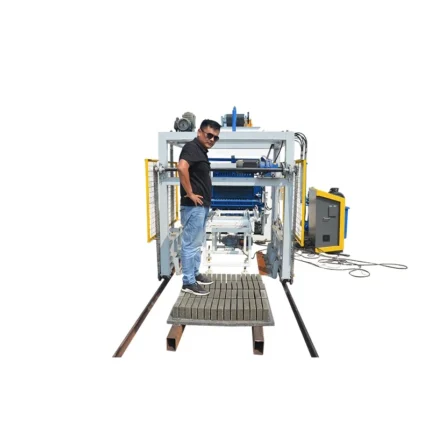
| Pallet Size | 850×550 mm |
| Overall Power | 14.9 kW |
| Total Mass | 4 T |
| Demolding Method | Vibration |
| Factory Area | 200 m² |
| Automation Level | Semi-automatic, manual pallet handling |
| Stacking Method | Manual |
| Control System | Available with PLC or relay logic |
| Voltage & Frequency | Configurable to buyer specification |
| Language Options | Selectable based on PLC configuration |
| Warranty | 1 year (whole machine, excluding spare parts) |
| Loading | 1×40HQ container (basic equipment) |
Application Suitability
| Application | Material or Output |
|---|---|
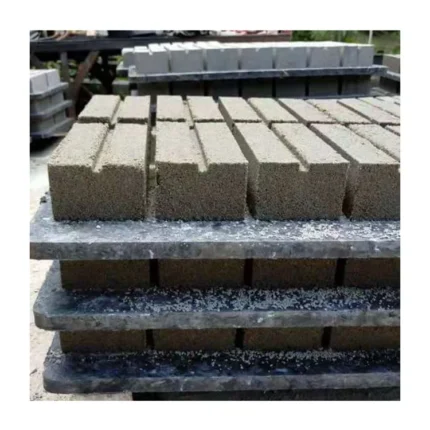
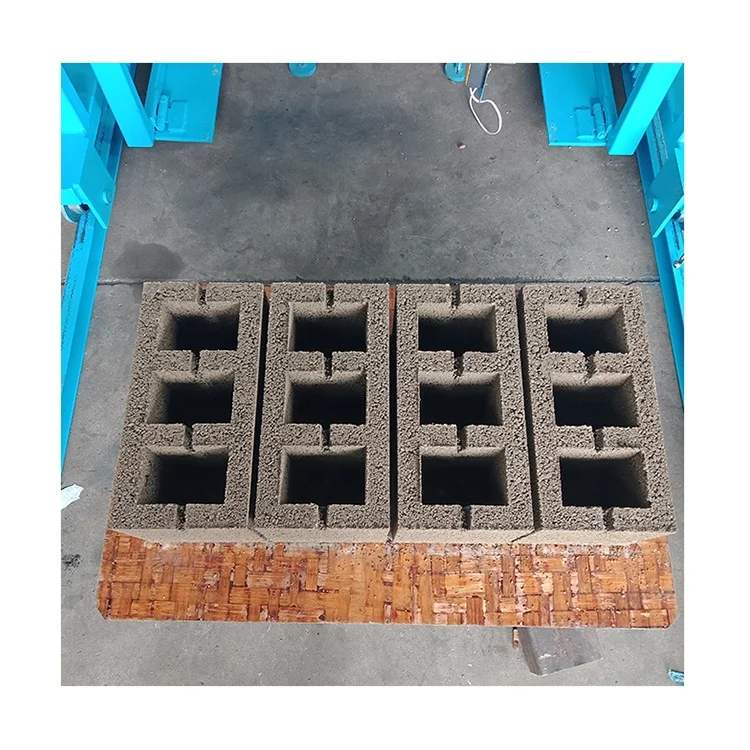
| Hollow block production | Crushed stone, sand, cement, fly ash |
| Solid block manufacturing | Gravel, slag, dust, cement |
| Paver and colored paver runs | Fine aggregate with cement and pigment |
| Interlocking brick formats | Sand, crushed stone, cement blends |
| Curbstone production | Coarse aggregate with high cement content |
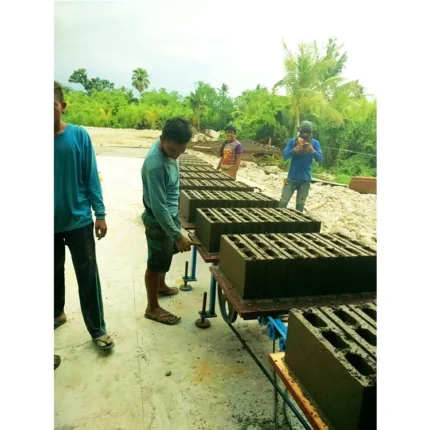
| On-site contractor block making | Locally sourced aggregate and cement |
Why the Language on the PLC Screen Matters More Than the Cycle Time
A control panel in the wrong language turns a semi-automatic machine into a fully manual one.
I once stood on a project site in West Africa watching a block line sit idle for three days. The press was fine, the moulds were fine, but the PLC display was locked to Chinese and no one on the floor could read a single parameter. The operator kept resetting defaults, and the vibration timing drifted. [NEED_CITE: CE machinery directive requirements for industrial control interfaces]. That experience sits behind every automatic QTJ4-25 block machine configuration we ship — the display language and voltage are locked in writing before the crate leaves the factory floor. When you invest in a PLC controlled block machine upgrade, the intelligence only works if your team can actually read it.
How Automation Layers Onto the QTJ4-25
The QTJ4-25 ships as a semi-automatic press with manual pallet handling, which is exactly where most first-time plant owners need to start. The platform vibration system runs at 45.5 kN, delivering consistent block density from day one without requiring an operator to master complex settings. What makes this automatic QTJ4-25 block machine relevant for growth is that the control architecture allows you to bolt on an automatic pallet feeder, a stacking unit, or a batching station later. You are not locked into the base configuration, and you are not forced to buy a full automatic line before you know your market volume.
What the Control System Actually Removes From the Operator
When a buyer adds PLC-driven batching and automatic pallet feeding to this platform, the system takes over the three tasks where human inconsistency shows up most: mix proportioning, pallet positioning, and cycle timing. [NEED_CITE: batch-to-batch consistency standards for concrete products]. The vibration frequency holds at 4200 r/min regardless of which operator is on shift, and the molding cycle stays within the 25-30 s window without manual pacing. For a plant owner moving away from egg-laying machines, this PLC controlled block machine upgrade is the difference between output that varies by the hour and output that holds steady across every shift.
Vibration Force, Pressure, and the Density Question
The rated pressure of 16-21 MPa works together with the 45.5 kN vibration force to compact the mix inside the mould cavity. Platform vibration at 4200 r/min distributes energy across the entire pallet surface, which is why the 850×550 mm pallet size matters — it defines the footprint that the vibration must cover uniformly. If the vibration force were too low for the pallet area, blocks at the edges would come out less dense than those in the center. The 4 T machine mass also contributes: a heavier frame absorbs less of the vibration energy, directing more of it into the mix rather than dissipating it through the structure. This balance between hydraulic pressure and vibration is what determines whether your hollow blocks pass a compression test consistently, not just on the day the technician visits.
What Happens When Automation Is Skipped Too Long
Buyers who run semi-automatic presses beyond the point where manual handling makes sense start seeing two problems that are hard to trace back to their root cause. First, block curing gets delayed because pallets are not moving to the racks fast enough, and early-stage strength drops. [NEED_CITE: concrete curing time and early strength development]. Second, the operator fatigue from lifting and placing pallets all shift introduces micro-variations in positioning, which shows up as uneven block edges and higher reject rates. The QTJ4-25 was designed with this transition in mind — the automation add-ons exist so you can make the move without pulling the press off the floor for a week.
Why Buyers Source This Line Here
Block machinery is the single focus of this operation, which means the press, mould, pallet, and handling equipment are specified as one matched system rather than assembled from separate suppliers. The QTJ4-25 configuration is set against the buyer’s actual mix design and local aggregate, not pulled from a catalogue default. Mould design covers the formats the buyer’s market actually sells, including custom drawings for non-standard shapes. The automation level is selectable — a buyer starts semi-automatic and adds pallet feeding or stacking as volume justifies it. Installation support includes operator training on the specific control language and voltage configuration that was confirmed before shipment.
Documentation & Verification
- Line layout with capacity calculation stating the block format assumed for the QTJ4-25
- Machine specification sheet confirming pallet size, vibration force, and pressure settings
- Voltage, frequency, and PLC display language confirmation document before dispatch
- Mould drawing and format list covering all block types in your quotation
- Factory test record on your mix design before the machine leaves the workshop
- Hydraulic and electrical schematic for on-site troubleshooting
Installation, Commissioning & Support
- 200 m² factory area requirement with level concrete foundation for the 4 T QTJ4-25 frame
- Dedicated power circuit matching confirmed voltage and frequency before the press is energized
- 1×40HQ container load with dismantling plan for reassembly on your site
- First-run commissioning with cycle timing verification across your block formats
- Operator training on the PLC display in your confirmed language
- Wear parts and mould list provided with first replacement schedule
What to Include in Your Inquiry
Tell us the block formats your market sells and the daily volume you need to hit. Share your local raw material — the aggregate type, sand source, and cement grade you can actually get on site. Confirm the voltage and frequency at your plant, and the language your operators need on the control display. If you already have curing racks and a forklift, send the dimensions so the 850×550 mm pallet spec can be checked against your setup.
Frequently Asked Questions
Q: How do I verify the real daily output of the QTJ4-25 for my specific block format?
A: Request a line layout document that states the assumed block format alongside the cycle time. The 25-30 s molding cycle shifts depending on block thickness and mix design, so a single cycles-per-hour number without a format attached does not tell you what your shift will actually produce.
Q: What automation level does the QTJ4-25 ship with, and what can be added later?
A: The base configuration is semi-automatic with manual pallet handling. Automatic pallet feeding, stacking, and PLC-driven batching are available as add-ons that integrate with the existing control architecture, so you can layer automation in stages as your production volume grows.
Q: Is the control system PLC-based, and can the display language be set before delivery?
A: The control system is available with PLC or relay logic depending on your automation requirements. The PLC display language is confirmed in writing before shipment — this step prevents the situation where operators cannot read parameters on site after commissioning.
Q: How does the 850×550 mm pallet size interact with my existing curing racks and forklift?
A: The pallet dimensions must match your curing rack spacing and forklift tine width. If your racks are built for a different pallet size, blocks will need manual re-stacking after pressing. Share your rack and forklift specs during inquiry so the pallet configuration is verified before production.
Q: What voltage and frequency confirmation is needed before the QTJ4-25 is commissioned on-site?
A: Provide your plant voltage, frequency, and phase specification during the inquiry stage. The motor and control panel are configured to your confirmed supply before dispatch, which avoids commissioning delays caused by mismatched electrical systems after the machine arrives.