

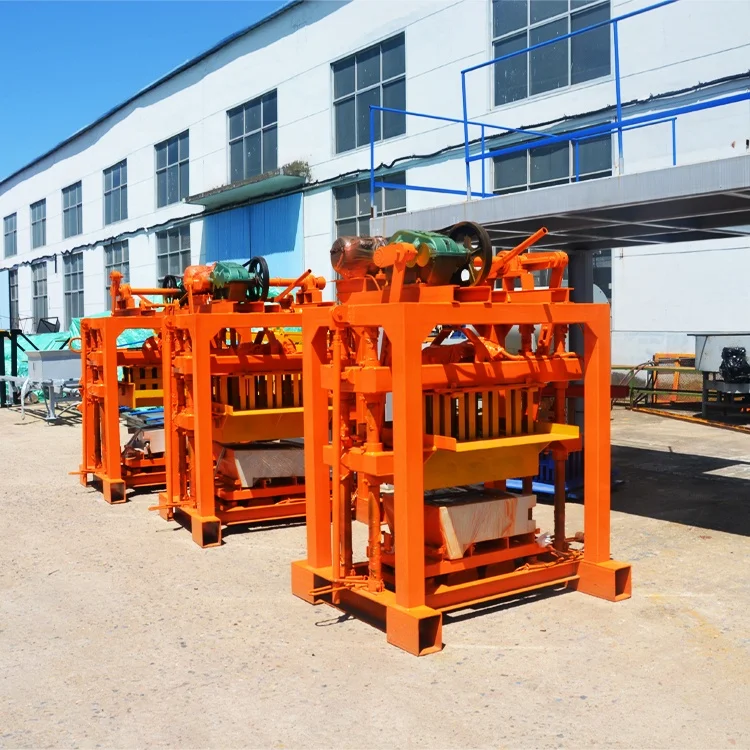
Description
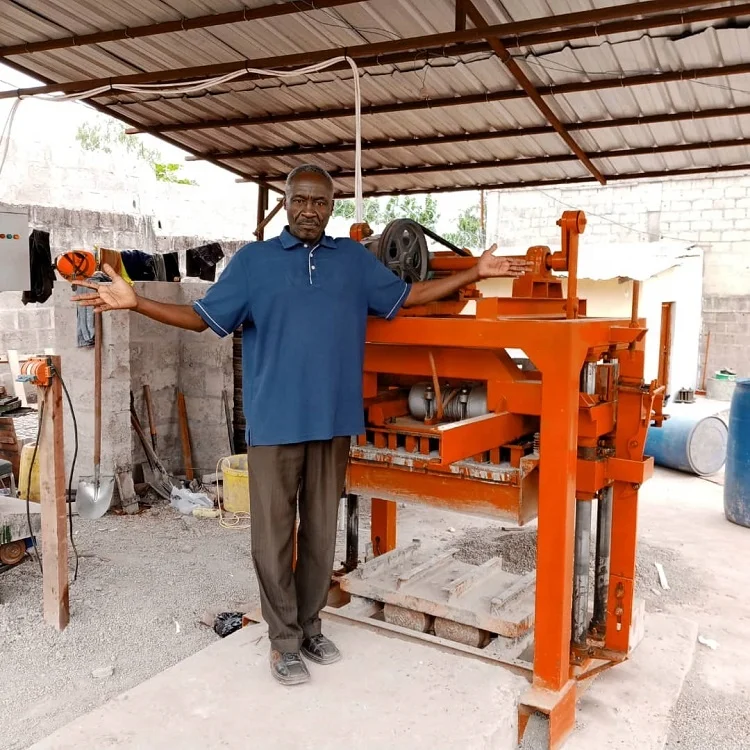
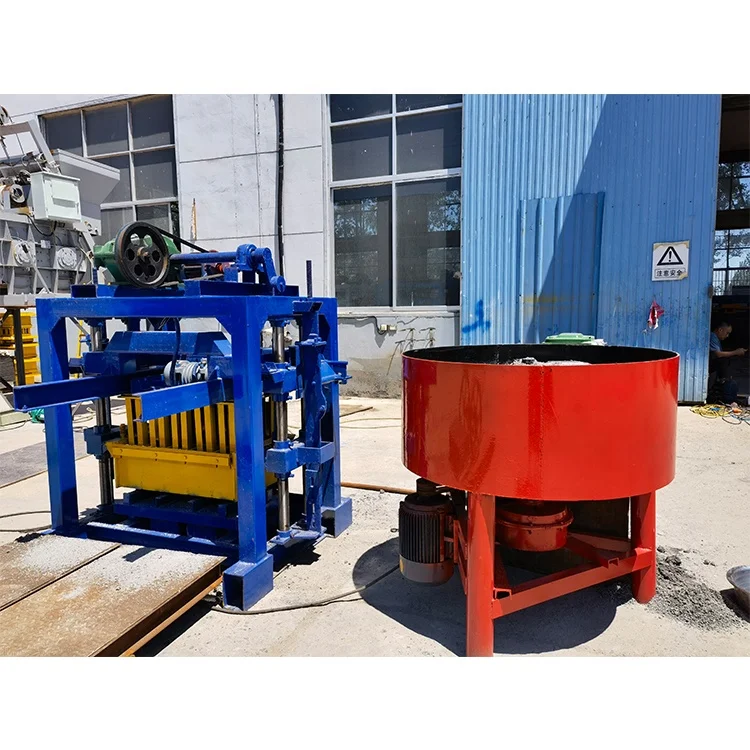
Matched System Design — the QTJ4-40 is specified as a press, mould, pallet and control package tuned to your actual mix, not assembled from standalone components.
Technical Specifications
| Parameter | Value |
|---|---|
| Model | QTJ4-40 |
| Product Type | Semi-Automatic Concrete Block Making Machine |
| Rated Power | 10.4 kW |
| Molding Cycle | 40 seconds |
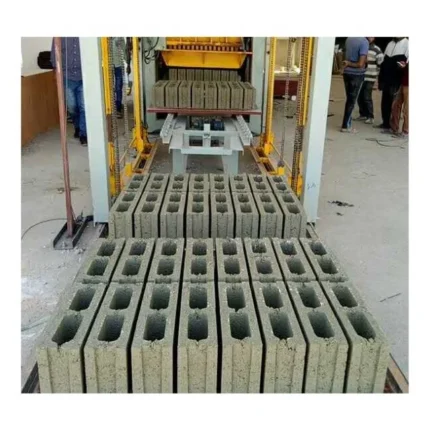
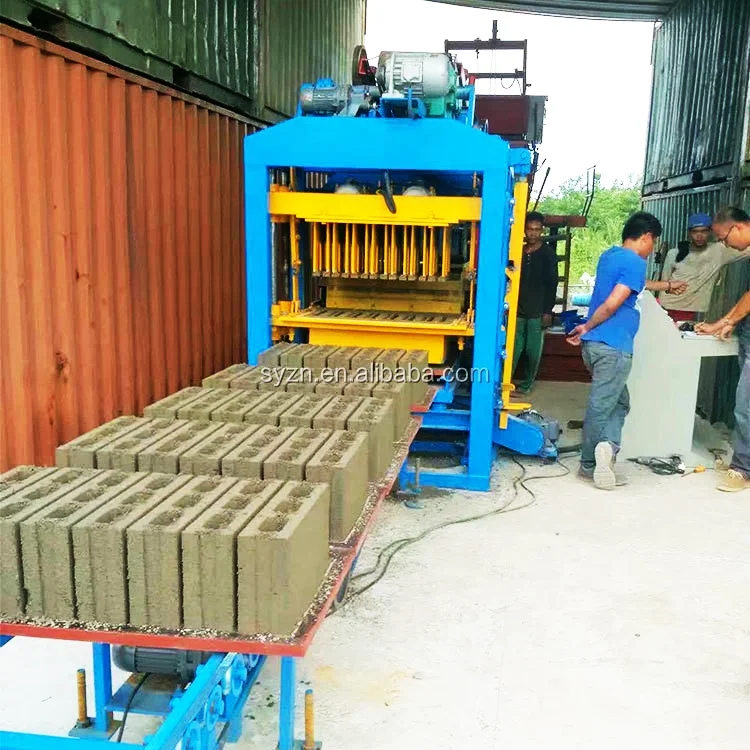
| Theoretical Output (400×200×200mm hollow block, 4 pcs/mould) | 360 pcs/hour (basis: continuous operation) |
| Theoretical Output (400×150×200mm hollow block, 5 pcs/mould) | 450 pcs/hour (basis: continuous operation) |
| Theoretical Output (225×112.5×60mm solid brick, 9 pcs/mould) | 800 pcs/hour (basis: continuous operation) |
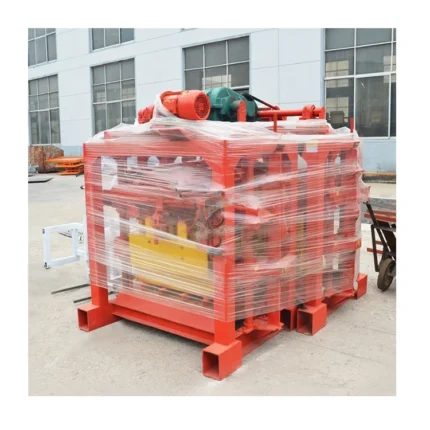
| Overall Dimensions | 1350 × 1460 × 1800 mm |
| Machine Weight | 1,000 kg |
| Pallet Size | 850 × 450 mm |
| Vibration System | Bed mould vertical vibration + upper mould compression vibration |
| Mould Operation | Top die push-pull with automatic scraper |
| Automation Level | Semi-automatic (PLC control optional) |
| Voltage | Configurable to local supply (basis to be confirmed) |
Application Suitability
| Application | Material or Output |
|---|---|
| Small to medium hollow block plants | Concrete, sand, cement, fly ash blends for 400×200×200mm and 400×150×200mm formats |
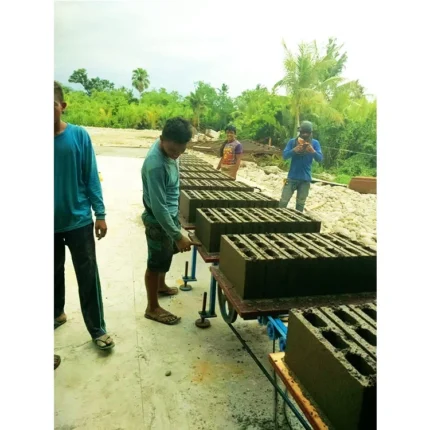
| On-site contractor block production | Local aggregate and cement mixes for structural hollow blocks |
| Solid brick manufacturing | Cement, sand, lime, and gypsum mixtures for 225×112.5×60mm bricks |
| Paving brick additions to existing ranges | Concrete and fly ash mixes for interlocking and standard pavers |
Why the Vibration Question Should Come Before the Price
The automatic QTJ4-40 block making machine pairs bed vibration with upper mould compression so density is set at the press, not left to operator feel.
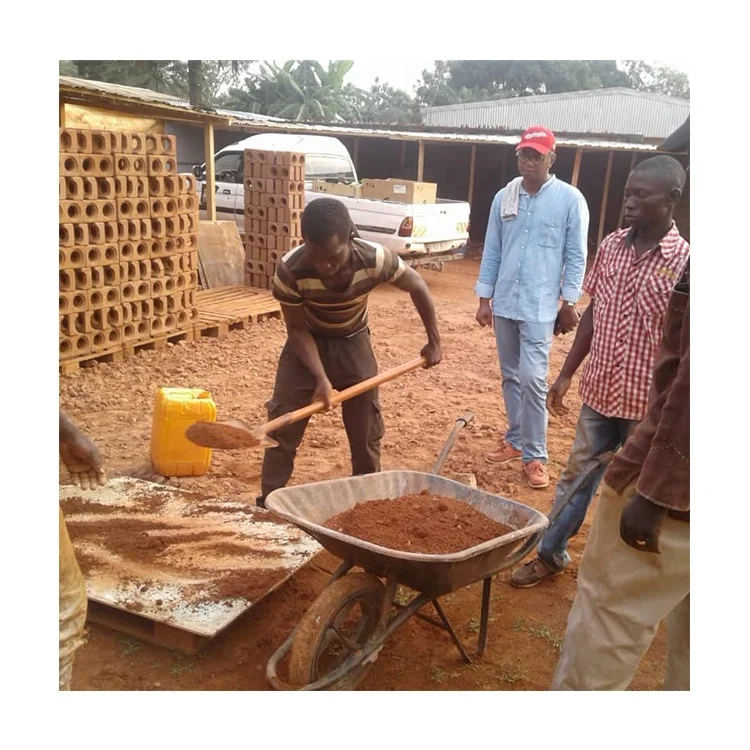
I once spent three nights on a video call re-tuning vibration parameters for a customer whose local volcanic ash weighed far less than the standard sand we used during factory testing. Blocks that should have been structurally sound were crumbling at the edges. The press was fine; the vibration profile had been matched to the wrong aggregate. A PLC controlled block machine only delivers consistency when the vibration force, frequency, and dwell time are set against the material you will actually feed it [NEED_CITE: vibration frequency tuning for lightweight aggregate in concrete block production].
Dual Vibration as a Control Variable
The QTJ4-40 applies vertical vibration through the bed mould while the upper mould adds compression vibration from above. This two-axis approach compacts the mix from both directions within the 40-second cycle, reducing density variation between the top and bottom faces of each block. For a PLC controlled block machine, having both vibration sources independently adjustable means the operator can dial in a profile for lightweight fly ash blends and then switch to a heavier crushed-stone mix without changing hardware.
Automatic Scraper and Mould Filling Precision
The top die push-pull mechanism works with an automatic scraper to level the mix across the mould cavity before compression begins. Uneven fill is one of the most common causes of weak corners and inconsistent weight across a batch. By removing manual screeding from the cycle, the automatic QTJ4-40 block making machine keeps the fill volume repeatable, which directly supports uniform block weight and strength across a production run [NEED_CITE: effect of mould fill uniformity on compressive strength variance].
Reading the Spec Sheet Beyond the Headline Numbers
The 10.4 kW rated power must cover both vibration motors and the hydraulic scraper drive simultaneously; undersizing any one motor would force the PLC to stagger operations and lengthen the cycle. The 850 × 450 mm pallet size determines how many blocks cure per rack and must match the forklift tine spacing and curing area dimensions already on site. A 40-second moulding cycle is achievable only when raw material feeding and pallet exchange keep pace — if the mixer or pallet feeder introduces a delay, the press sits idle and the stated cycle becomes theoretical rather than actual.
What Happens When Pallet and Press Are Mismatched
A buyer once ordered a block line assuming any pallet would work, only to discover the 850 × 450 mm pallets did not fit the curing racks already built on site. Blocks had to be stacked by hand for the first two weeks while new racks were fabricated, negating the semi-automatic stacking advantage the press was supposed to deliver. Pallet specification is not an accessory decision — it is part of the line layout and must be confirmed before the QTJ4-40 ships [NEED_CITE: pallet size compatibility with curing rack and forklift specifications].
The Hidden Cost of Skipping the Mix-Vibration Match
When vibration force is too high for a lightweight aggregate, the mix segregates — coarse particles sink, fines rise, and the finished block has a weak surface layer. When it is too low, the block leaves the mould under-compacted and loses shape before reaching the curing area. Both defects show up only after the block has cured, meaning an entire day’s output can be scrapped before the problem is noticed. Configuring the QTJ4-40 against a sample of the buyer’s actual raw material prevents this entirely.
Why Source the QTJ4-40 Here
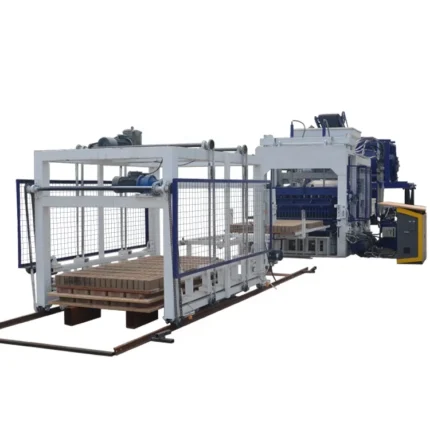
Block machinery is our single focus, so the press, mould, pallet, and handling equipment are specified as one matched system. Configuration is set against your actual mix design and local aggregate, not pulled from a catalogue default. Mould design covers the formats your market sells, including custom drawings when standard moulds do not fit. Automation level is selectable — start semi-automatic and add pallet feeding, stacking, or cubing later as volume grows. Every automatic QTJ4-40 block making machine ships with a factory test record run on your specified block format before crating.
Documentation & Verification
- Factory test record run on your target block format and mix before dispatch
- Machine specification sheet confirming vibration force, pallet size, and cycle time per format
- Voltage, frequency, and PLC display language confirmation signed off before production
- Hydraulic and electrical schematic matching the as-built configuration
- Mould drawing and format list covering every block type in your order
- Operation and maintenance manual with wear parts list and replacement intervals
Installation, Commissioning & Support
- Foundation pad must accommodate 1350 × 1460 mm footprint and 1,000 kg static load plus dynamic vibration
- Dedicated electrical circuit sized for 10.4 kW continuous draw at confirmed local voltage and frequency
- Machine ships partially assembled; vibration bed and upper mould frame bolt on site
- Commissioning includes vibration profile tuning against your delivered raw material sample
- Operator training covers mould change procedure, scraper adjustment, and PLC parameter navigation
- Wear parts list identifies high-wear vibration springs and scraper blades with recommended stock levels
Preparing Your Inquiry
To move from general interest to a firm configuration, share the block formats you plan to produce, your target daily output per format, and the raw materials available locally including aggregate type and gradation. Confirm your site voltage, frequency, and preferred PLC display language so the control panel is built correctly the first time. If you already have curing racks or forklifts on site, send their dimensions so the pallet specification aligns from the start.
Frequently Asked Questions
Q: How is output capacity verified per block format for the QTJ4-40?
A: Theoretical output is calculated from the 40-second cycle and the number of cavities per mould for each format. We provide a capacity sheet stating the assumed block dimensions and mould cavity count, so daily output projections are tied to the specific product you will run rather than a single generic figure.
Q: What automation level does the QTJ4-40 provide, and what can be added later?
A: The base configuration is semi-automatic with PLC control available as an option. Automatic pallet feeding, stacking, and cubing stations can be integrated as separate modules when production volume justifies the investment, allowing a staged upgrade without replacing the press itself.
Q: How is voltage and control language confirmed before the QTJ4-40 ships?
A: We require written confirmation of your site voltage, frequency, and preferred PLC display language before production begins. This is documented in the specification sheet and verified during the factory test, preventing commissioning delays caused by mismatched electrical or interface settings.
Q: How should vibration settings be matched to my local aggregate?
A: Send us a sample of your raw material — aggregate, sand, and any admixtures — before final assembly. We run test cycles on the QTJ4-40 to determine the vibration frequency and dwell time that produce target density, then record those parameters in the commissioning guide shipped with the machine.
Q: What is the mould change procedure and how long does it take?
A: The top die push-pull system allows the mould box to be released and swapped without dismantling the vibration bed. Actual changeover time depends on the format difference and operator familiarity; we provide a step-by-step procedure in the manual and cover it during on-site training.