

Compressed Earth Block Machine Long-Term Care for Interlocking Paver Production
Most hydraulic failures are not caused by pump wear, but by contaminated oil due to skipped daily filter checks.
High-traffic interlocking paver production demands rigorous preventive maintenance, not just reactive repairs. Proper care of hydraulic circuits and mold surfaces is the single biggest factor in extending equipment lifespan and ensuring consistent brick quality.
I still remember the heat in Lagos during a peak dry season installation. A client had just commissioned a new line, expecting immediate high-volume output. Within days, the hydraulic system overheated, and production halted. The operator insisted the machine was defective. However, upon inspection, the issue was not mechanical failure but a clogged filter that had been ignored for weeks. The temperature rise was significant, indicating severe restriction in the oil flow. This incident reinforced a critical lesson: the longevity of a compressed earth block machine maintenance routine determines profitability more than the initial purchase price.
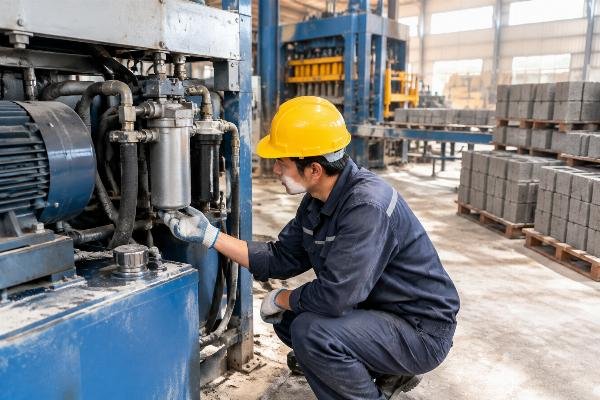
Moving from reactive fixes to proactive care requires understanding the specific stress points of heavy-duty production. The following protocols are derived from field observations across multiple high-volume plants, focusing on the components that fail most frequently under continuous operation.
Why Does My Interlocking Paver Line Keep Stopping?
Unplanned downtime usually stems from neglected minor issues like oil contamination or loose vibration bolts.
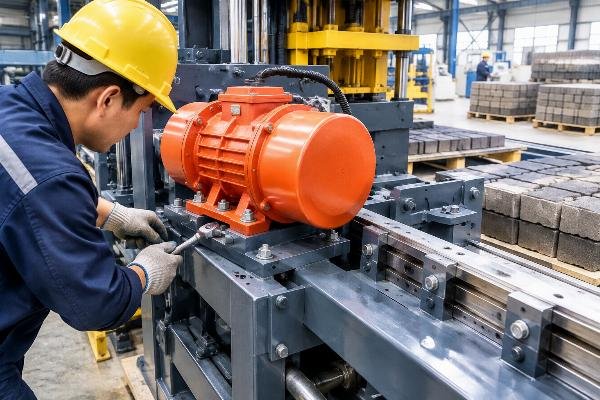
In high-output environments, the vibration unit is subjected to constant high-frequency stress. If the bolts securing the vibration motors or the mold box are not checked regularly, they can loosen, leading to misalignment and uneven compaction. This misalignment causes the interlocking edges of the pavers to form incorrectly, resulting in a high rejection rate. [NEED_CITE: common causes of mechanical vibration failure in concrete machinery]
A daily checklist should include verifying the torque on all vibration unit bolts. Using a torque wrench ensures that each bolt is tightened to the manufacturer’s specified value, preventing both under-tightening and over-tightening which can strip threads. Additionally, checking the oil level in the vibration motor bearings is crucial. Low oil levels lead to increased friction and heat, accelerating bearing wear.
Consider a case in Addis Ababa where a plant experienced frequent stoppages due to mold misalignment. The operator assumed it was a structural issue with the frame. However, a simple daily calibration check, taking less than ten minutes, revealed that the guide rails were accumulating hardened concrete residue. Cleaning these rails daily prevented the need for major realignment procedures that would have taken days. This highlights how minor neglect in compressed earth block machine maintenance can escalate into major operational disruptions.
How to Protect Your Hydraulic System Under Heavy Load?
Regular filter changes and temperature monitoring are cheaper than replacing main pumps.
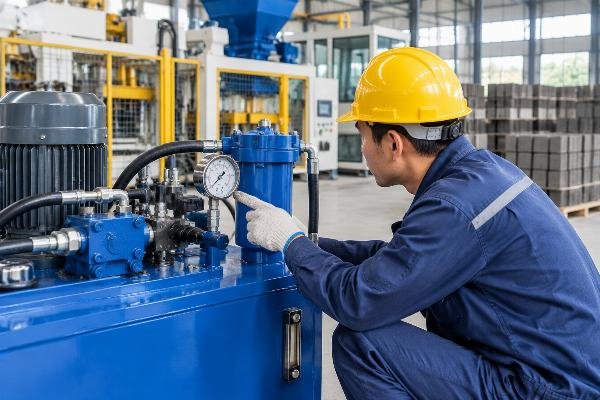
The hydraulic system is the heart of any automatic block machine. It powers the compression cycle, mold movement, and pallet transfer. Contamination is the primary enemy of hydraulic components. Even microscopic particles can score valve spools and pump gears, leading to internal leakage and loss of pressure. [NEED_CITE: ISO 4406 cleanliness codes for hydraulic fluids]
Monitoring the temperature of the hydraulic oil provides an early warning sign of potential issues. A rise in temperature above the ambient baseline often indicates restricted flow or excessive internal friction. In the Lagos scenario mentioned earlier, the temperature spike was a direct result of a clogged filter. By reducing the cleaning cycle from monthly to weekly during peak production periods, the plant stabilized its operating temperature and prevented further damage.
Weekly protocols should include inspecting hydraulic hoses for micro-cracks or bulges. These signs indicate weakening of the hose structure, which can lead to sudden bursts under high pressure. Replacing hoses at the first sign of wear is far more cost-effective than dealing with the cleanup and downtime associated with a hydraulic leak. Furthermore, using non-abrasive compounds to clean the exterior of hydraulic components prevents dirt from entering the system during maintenance activities.
Many operators believe that hydraulic failure is primarily due to pump wear. In reality, it is often contaminated oil due to skipped daily filter checks. Implementing a strict filter inspection routine ensures that the oil remains clean, protecting the expensive components within the hydraulic circuit. This aspect of compressed earth block machine maintenance is critical for sustaining high-pressure operations without unexpected failures.
What Is the Secret to Long-Lasting Molds?
Gentle cleaning and proper storage prevent edge chipping more effectively than expensive coatings.
Molds define the shape and surface quality of the final product. In interlocking paver production, the precision of the mold edges is crucial for the fitting mechanism of the blocks. Wear on these edges leads to poor interlocking, compromising the structural integrity of the paved surface. [NEED_CITE: wear mechanisms in concrete forming molds]
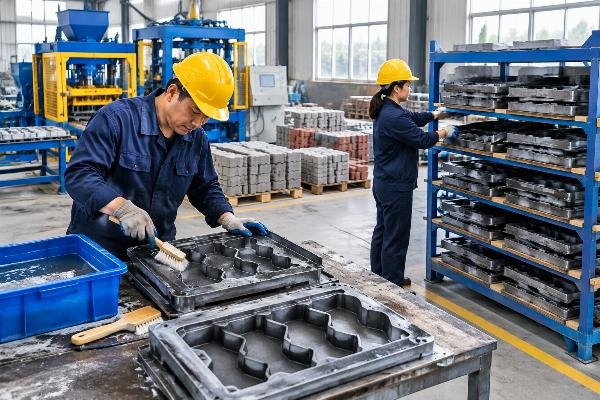
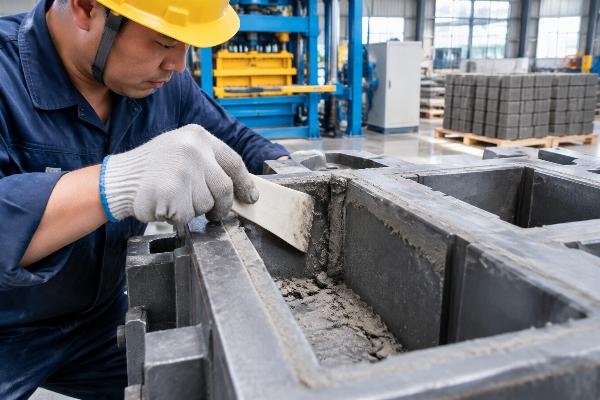
Improper cleaning techniques are a major cause of premature mold wear. Many operators use abrasive tools or harsh chemicals to remove stuck concrete. This practice damages the protective surface of the mold, making it more susceptible to corrosion and abrasion. Instead, using soft brushes and specialized non-abrasive cleaning agents preserves the mold surface. After cleaning, applying a thin layer of protective oil prevents rust formation during idle periods.
A case in a high-volume precast plant demonstrated the impact of proper mold care. The plant shortened the greasing interval for the mold guide pins by a noticeable margin under continuous two-shift operation. This adjustment extended the life of the guide pins significantly, reducing the frequency of replacements. The key was consistent lubrication, which reduced friction and wear on the moving parts of the mold assembly.
Storage conditions also play a vital role. Molds should be stored in a dry, covered area to protect them from moisture and dust. Stacking molds improperly can cause deformation, leading to alignment issues when they are reinstalled. Proper storage racks ensure that molds maintain their shape and readiness for the next production run. Integrating these practices into your compressed earth block machine maintenance schedule ensures consistent product quality and reduces tooling costs.
When Should You Call for Professional Service?
Distinguish between operator-fixable adjustments and complex PLC/hydraulic faults requiring expert diagnostics.
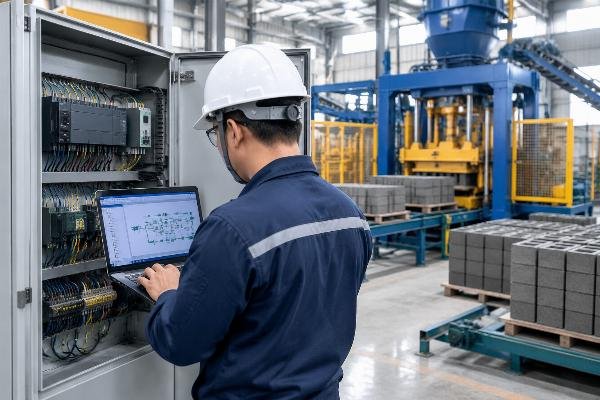
While daily and weekly maintenance can be handled by trained operators, certain issues require professional intervention. Complex faults in the PLC control system or internal hydraulic valve failures are beyond the scope of routine site maintenance. Attempting to repair these components without proper diagnostic tools and expertise can lead to further damage and prolonged downtime. [NEED_CITE: guidelines for industrial machinery service intervals]
Signs that professional service is needed include persistent error codes on the PLC display that do not clear after a reset, unusual noises from the hydraulic pump that persist after oil changes, and inconsistent block dimensions despite correct mold alignment. These symptoms indicate underlying issues that require specialized testing equipment to diagnose accurately.
For instance, a plant in Southeast Asia faced recurring issues with the automatic pallet feeder. The local team attempted various mechanical adjustments, but the problem persisted. Remote diagnostic support revealed a sensor calibration issue within the PLC program. Adjusting the sensor parameters remotely resolved the issue without the need for an on-site visit, minimizing downtime. This highlights the value of having access to technical support that can provide remote diagnostics and guidance.
Availability of original spare parts is another critical factor in minimizing wait times. Using non-original parts can lead to compatibility issues and reduced performance. Ensuring a supply chain for genuine components allows for quick replacements when wear parts reach the end of their service life. This aspect of compressed earth block machine maintenance ensures that the equipment operates as designed, maintaining efficiency and product quality.
Conclusion
Preventive maintenance is the cornerstone of profitable interlocking paver production.
Ignoring minor issues like filter clogging or mold residue leads to costly downtime and reduced equipment lifespan. By implementing rigorous daily and weekly checks, operators can prevent major failures and ensure consistent brick quality. Effective compressed earth block machine maintenance transforms equipment from a cost center into a reliable asset for long-term business growth.
Leave a Reply