

Description
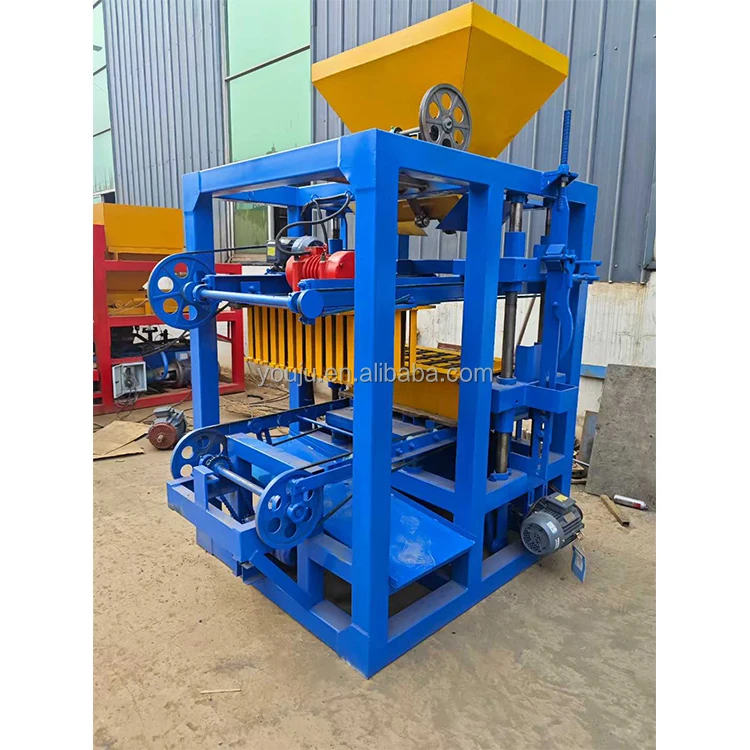
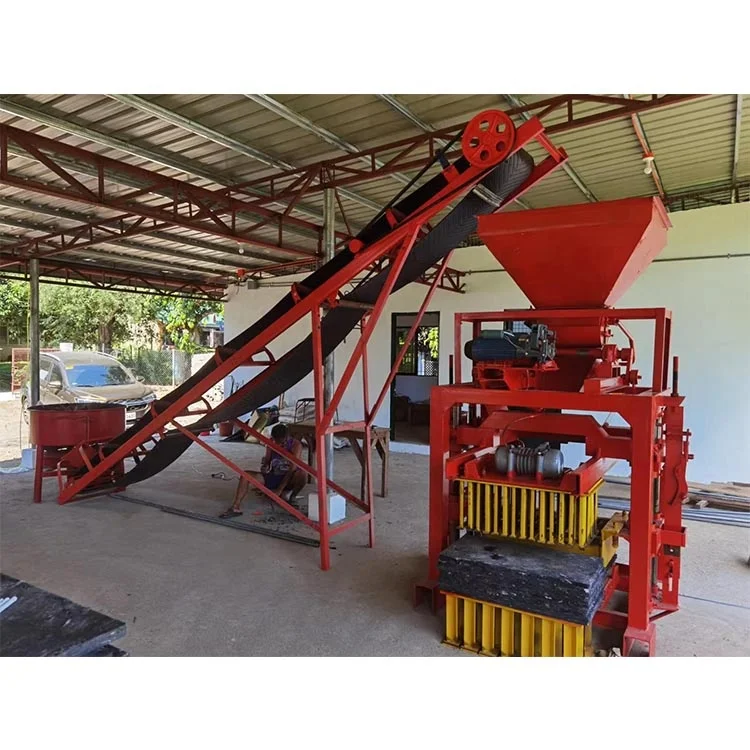
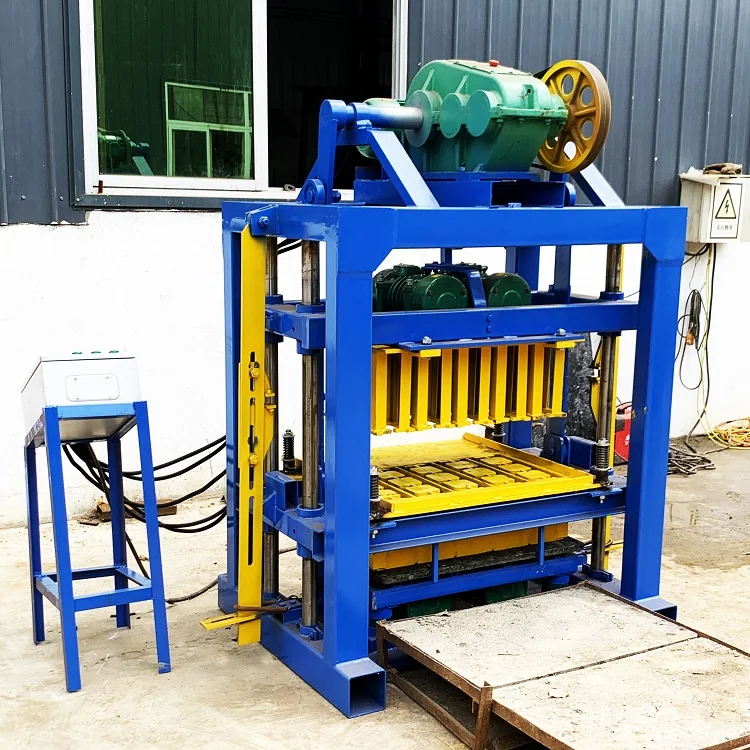
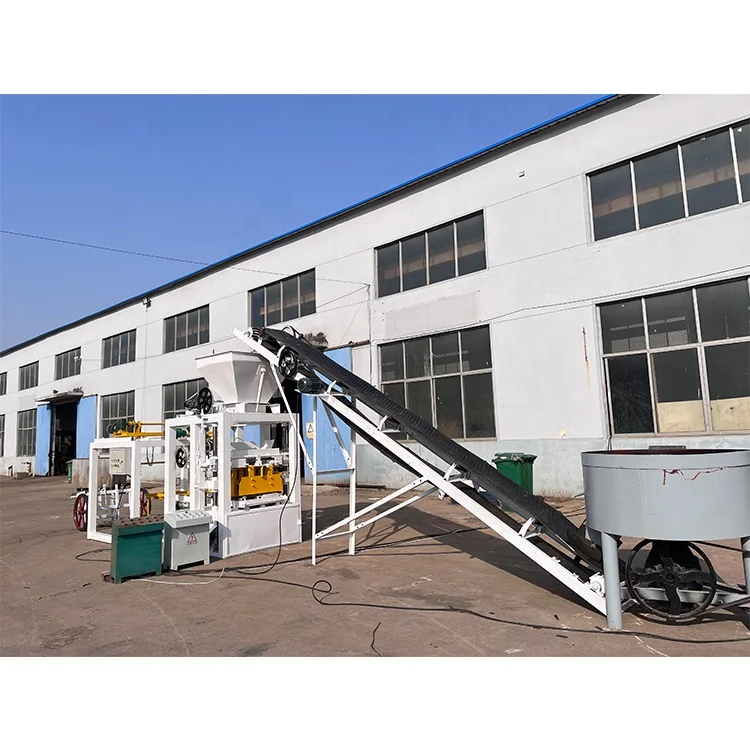
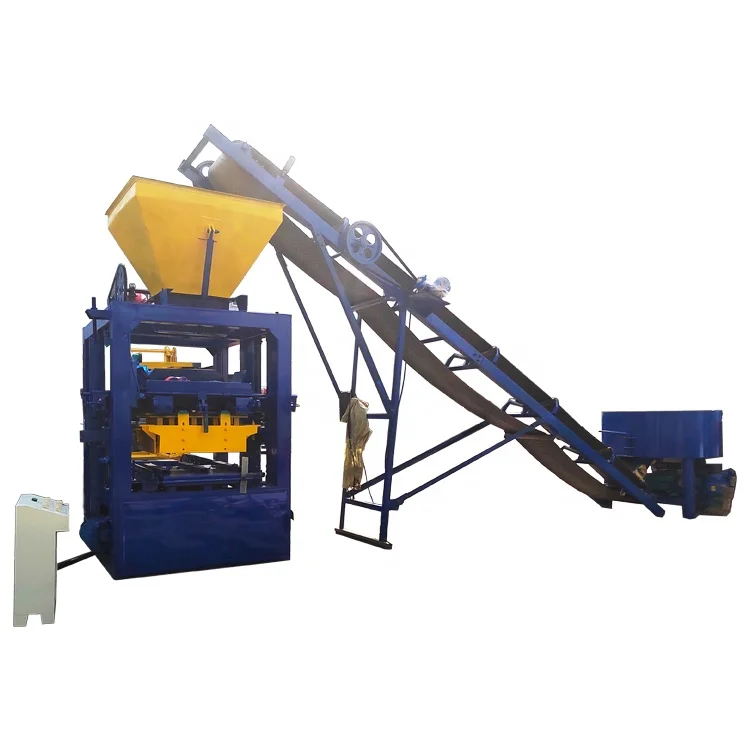
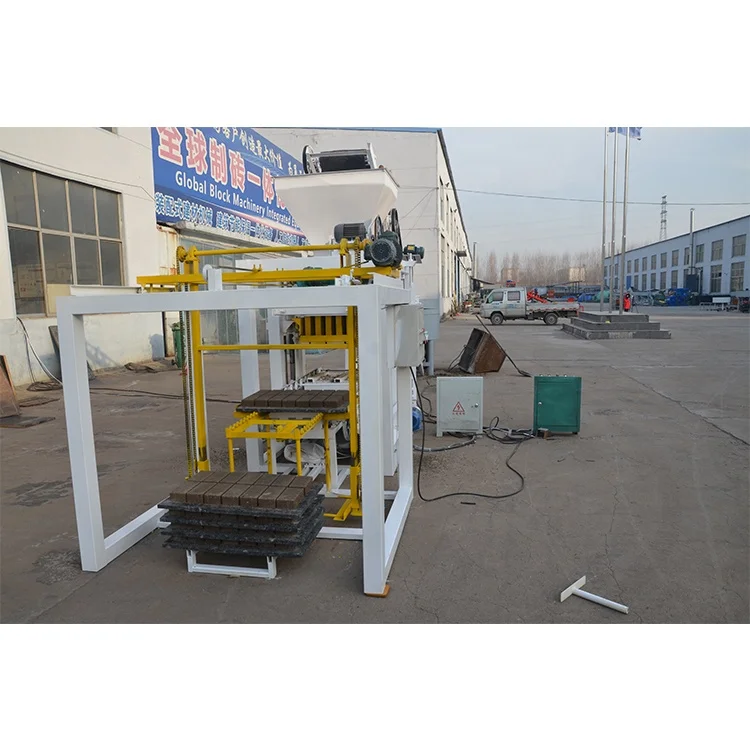
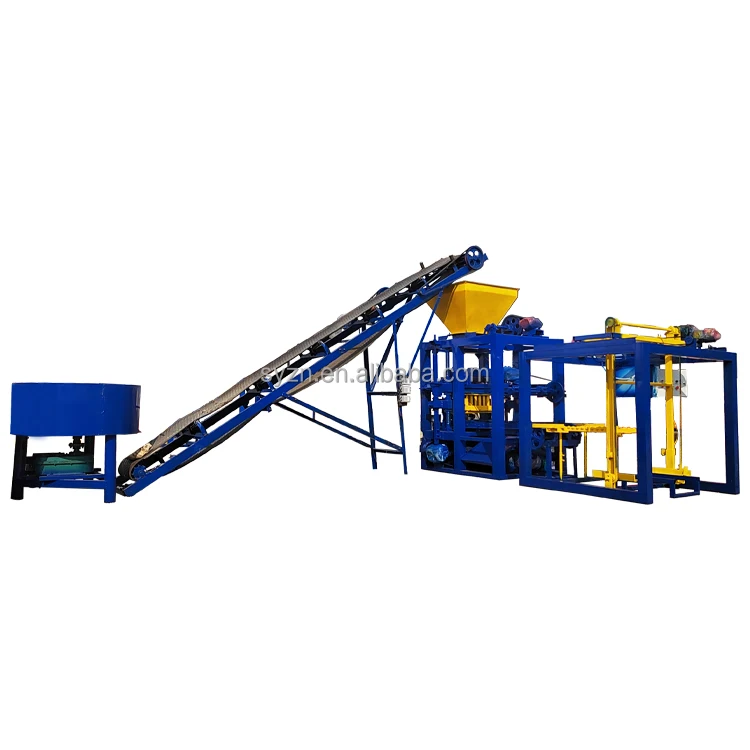
Matched Vibration Control — The QTJ4-24 pairs upper and lower vibrators with automatic spiral feeding so block density stays consistent across every cycle, removing the guesswork from manual material distribution.
Technical Specifications
| Parameter | Value |
|---|---|
| Model | QTJ4-24 |
| Product Type | Stationary Block Making Machine |
| Overall Dimensions (L×W×H) | 3600 × 1700 × 2560 mm |
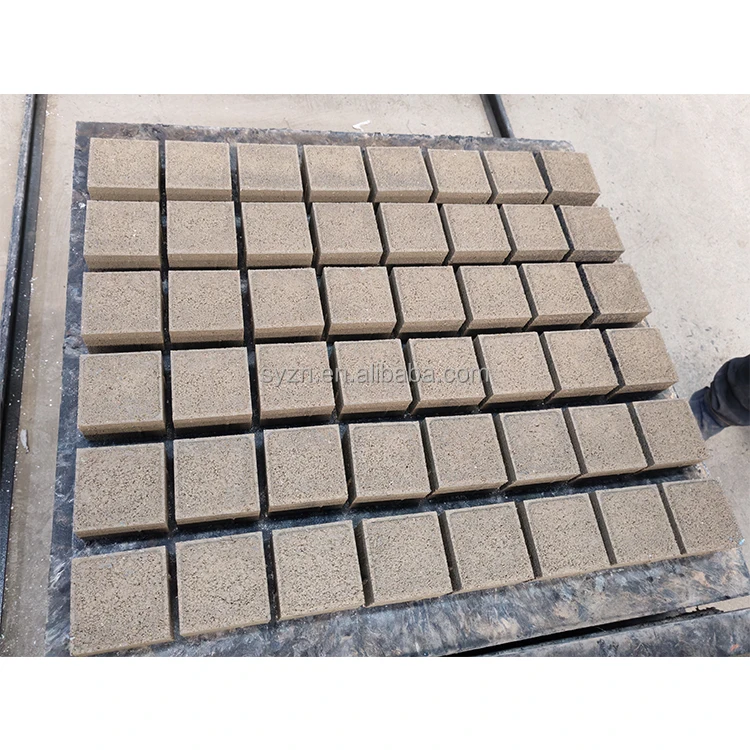
| Pallet Size | 850 × 450 mm |
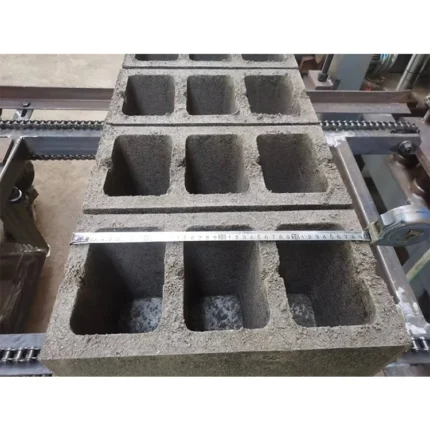
| Mould Compatibility | Hollow block, solid block, interlocking brick, paving brick |
| Cycle Time | 24–26 s (basis not stated in source — confirm block format and mix) |
| Rated Power | 11.95 kW |
| Vibration Force | 45 kN |
| Vibration Configuration | 2 × 3 kW lower vibrators + 2 × 1.5 kW upper vibrators |
| Reducer Type | 350-type for mould lifting |
| Control System | Mechanical with full-automatic spiral material distribution |
| Net Weight | 2 T |
| Raw Materials | Cement, sand, stone |
| Assembly State | Stationary |
| Warranty | 1 year (excluding spare parts) |
Application Suitability
| Application | Material or Output |
|---|---|
| Hollow concrete block production | Cement, sand, crushed stone aggregate |
| Solid block manufacturing | Standard concrete mix for load-bearing walls |
| Interlocking brick forming | Colored or standard concrete for driveway and landscape use |
| Paving block pressing | High-density mix for pedestrian and light-traffic paving |
| On-site contractor block supply | Local aggregate blended with cement for project-specific formats |
Why "24 Seconds per Cycle" Means Nothing Without the Block Format
Cycle time only matters when tied to a specific block size and mix design.
Quoting a cycle of 24–26 seconds without naming the format behind that figure is a common source of disappointment. A hollow block measuring 400 × 200 × 200 mm requires more fill time and vibration energy than a thin paving brick, so the same machine will run at a different rhythm depending on what the mould cavity demands. Buyers who plan daily output around the fastest quoted cycle often find real production falls noticeably short once the target format is loaded. The automatic QTJ4-24 block machine is rated with that 24–26 second window, yet the underlying block format and mix moisture must be confirmed before that number becomes a planning baseline [NEED_CITE: block cycle time variance by format and aggregate grading].
What Automation Removes from the Operator
Manual feeding introduces timing variation — one scoop is slightly heavier, the next arrives a second late. The full-automatic spiral material distribution on this PLC controlled stationary block machine delivers a measured volume into the mould box at a fixed interval, so the operator no longer controls the feed rhythm. This shift matters most when the local workforce has limited block-making experience, because the consistency of each block depends on the feed uniformity as much as the vibration itself.
How Dual Vibration Addresses Mix Sensitivity
Local aggregate varies in particle shape and moisture absorption, which directly affects how the mix compacts inside the mould. The dual-level system — two 3 kW vibrators beneath the mould and two 1.5 kW units above — applies energy from both directions simultaneously. Lower vibration consolidates the base while upper vibration settles the face, producing a block with even density from bottom to top. When the mix contains a higher proportion of fine sand, the upper vibrators prevent surface voids that a single-direction system would leave behind [NEED_CITE: vibration transfer mechanics in concrete block compaction].
Reading the Specs That Actually Shape Daily Output
The 45 kN vibration force must be read alongside the pallet size of 850 × 450 mm, because that pallet area determines how many block cavities the mould can hold per cycle. A larger pallet allows more cavities, but only if the vibration force is sufficient to transmit energy across the entire surface — otherwise blocks at the pallet edges emerge weaker than those at the center. The 350-type reducer controlling mould lifting is sized to handle repeated vertical travel without backlash drift, which keeps the mould alignment precise and reduces the scrap caused by dimensional deviation. Rated power of 11.95 kW covers both vibration motors and the spiral feeder, so the electrical supply must sustain that continuous draw without voltage sag, a point often overlooked when sizing the site transformer. Net weight of 2 T means the machine needs a cured concrete pad rather than a simple gravel base to maintain level operation under vibration load.
The Hidden Cost of Skipping Voltage and Language Confirmation
A PLC interface that defaults to a language the operator cannot read turns the first week of commissioning into a translation exercise. I once watched an Eastern European crew spend several days trying to adjust cycle parameters because every menu label was in a script they did not recognize. Voltage mismatch causes a different problem: a motor wired for the wrong frequency runs at an unintended speed, altering vibration amplitude and producing blocks that fail a compression test for reasons nobody connects back to the power supply [NEED_CITE: voltage and frequency standards by export market]. Both issues are preventable with a written confirmation before the machine leaves the factory, yet they remain among the most frequent causes of delayed start-up.
Why Procurement Conversations Start Here
Block machinery is the single product focus, so the QTJ4-24 arrives as part of a matched system — press, mould, pallet, and handling — rather than components assembled from separate sources. Configuration is set against the buyer’s actual mix design and target block format, not a catalogue default. Mould design covers the formats the buyer’s market sells, including custom drawings when local demand falls outside standard sizes. Automation level is selectable, so a plant currently running semi-automatic operation can specify the spiral feeder now and add stacking automation later. Installation support includes operator training at the site, ensuring the crew understands both the mechanical sequence and the control interface before the first production run.
Documentation & Verification
- Line layout with capacity calculation stating the block format assumed for the QTJ4-24
- Machine specification sheet listing vibration force, pallet size, and power rating
- Mould drawing and format list covering hollow, solid, interlocking, and paving options
- Voltage and control language confirmation signed off before factory test
- Hydraulic and electrical schematic matching the as-built configuration
- Operation and maintenance manual written for the selected PLC display language
Installation, Commissioning & Support
- Poured concrete pad required to support 2 T machine weight and 45 kN vibration without settlement
- Dedicated 11.95 kW circuit with voltage and frequency matching the confirmed motor specification
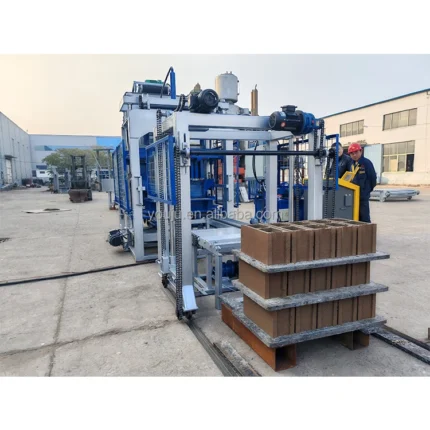
- Machine ships as a single stationary assembly; pallet feeder and mixer connect on-site
- First-run parameter setting covers spiral feed timing, vibration duration, and mould lift speed
- Operator training on control interface language and mould change procedure before handover
- Wear parts list and first-year spare mould inventory supplied with shipment
What to Include in Your Inquiry
Provide the target block format and dimensions, the local aggregate type and grading, and the daily output you need to meet your project or market commitment. Confirm the site voltage, frequency, and preferred control display language so the electrical panel and PLC are configured before dispatch. If you already operate pallets or a curing area, share the pallet dimensions and forklift capacity so the handling equipment can be matched to your existing setup.
Frequently Asked Questions
Q: How is the 24–26 second cycle time determined, and which block format does it assume?
A: The published cycle time is measured under factory test conditions, but the specific block format, mix moisture, and aggregate grading behind that figure must be confirmed for your production scenario. A hollow block and a thin paving brick will cycle at different speeds on the same machine. Request a capacity calculation that names the exact format you intend to produce so daily output projections are realistic.
Q: What automation level does the QTJ4-24 offer, and is an upgrade path available?
A: This model includes full-automatic spiral material distribution with mechanical mould control. A buyer currently running semi-automatic equipment can adopt this feeder to remove manual feeding inconsistency and later add automatic stacking or cubing stations. The control system supports stepwise automation additions without replacing the base press, keeping capital expenditure aligned with production growth.
Q: How does the dual-vibration system influence block strength across different mix designs?
A: Lower vibrators consolidate the block base while upper vibrators settle the face, distributing compaction energy evenly through the mould cavity. This arrangement compensates for variations in aggregate particle shape and fine content. When switching to a mix with higher sand content or different stone grading, the dual system maintains more uniform density than a single-direction vibrator, reducing the risk of weak edges or surface voids.
Q: Which voltage and language options are available, and how is confirmation handled before shipment?
A: Motors and control panels are configurable to match the destination site voltage and frequency. The PLC display language is selected during order confirmation and verified against the as-built unit before the factory test. A written specification sheet covering voltage, frequency, and interface language is signed off by both parties, preventing commissioning delays caused by unreadable menus or motor speed mismatch.
Q: What spare parts and wear components should be stocked for the first year?
A: The wear parts list supplied with the machine identifies high-friction components such as vibrator bearings, mould liner plates, and spiral feeder seals. Stocking these items before first production ensures that routine wear does not halt the line while waiting for international shipping. A separate mould inventory list details replaceable cavity inserts so format changes remain possible without extended downtime.