


Description
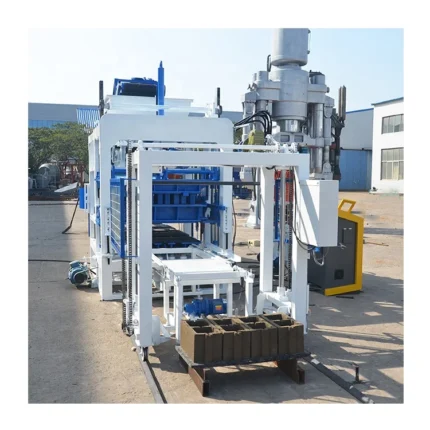
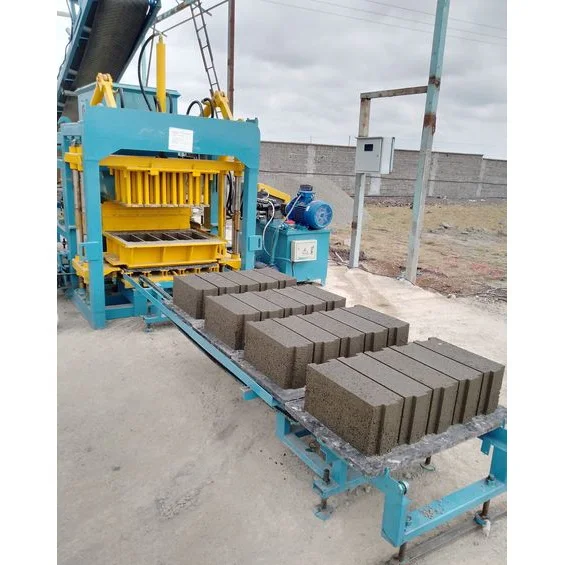
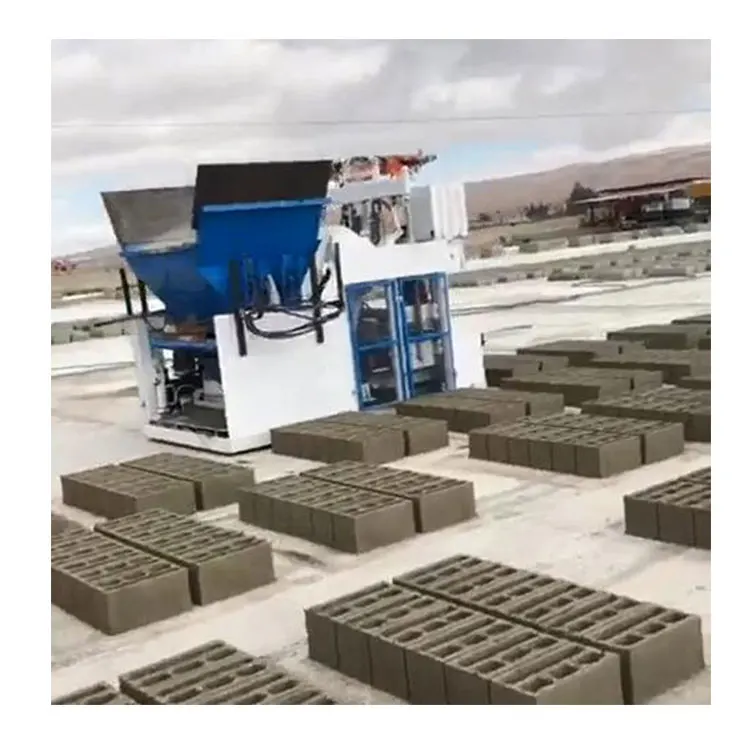
Matched Vibration and Pressure — The QMY12-15 mobile block machine is configured around the buyer’s local aggregate and mix design, not a catalogue default, so block density stays consistent across shifts.
Technical Specifications
| Parameter | Value |
|---|---|
| Model | QMY12-15 |
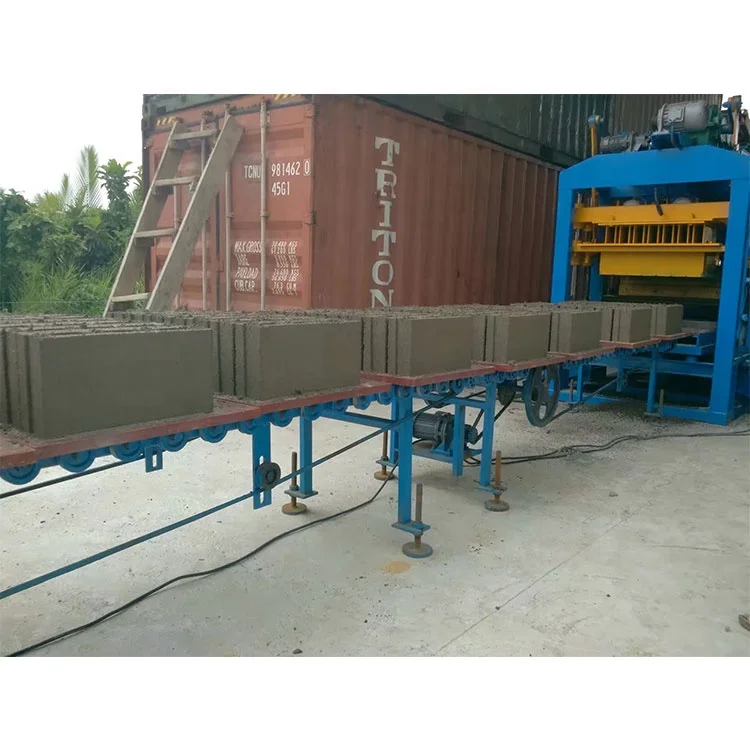
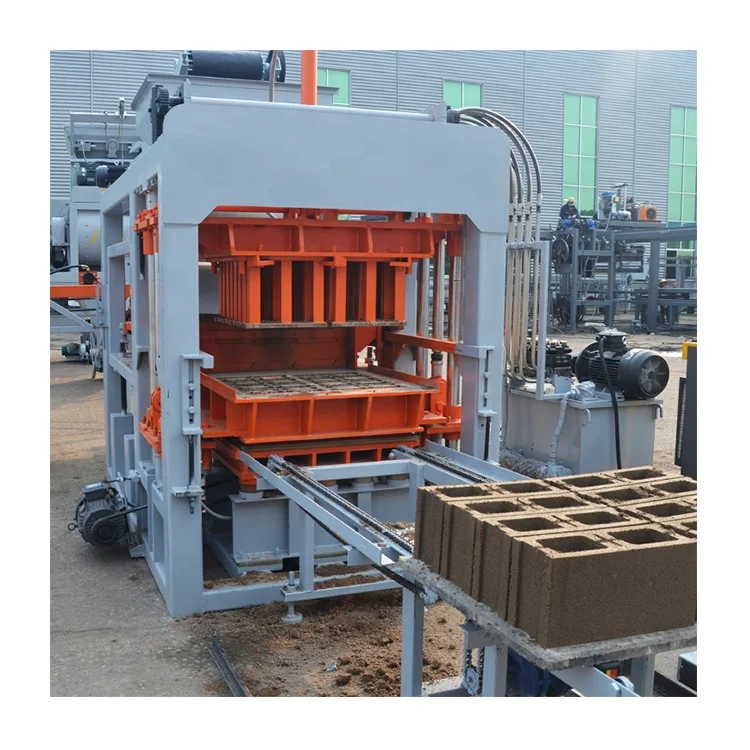
| Product Type | Mobile Hollow Block Making Machine |
| Molding Capacity | 12 pcs/mold |
| Molding Cycle | 10s–15s |
| Total Power | 16 kW |
| Output Capacity | 13,000 pcs/day (8 hours) (basis not stated in source — confirm block format) |
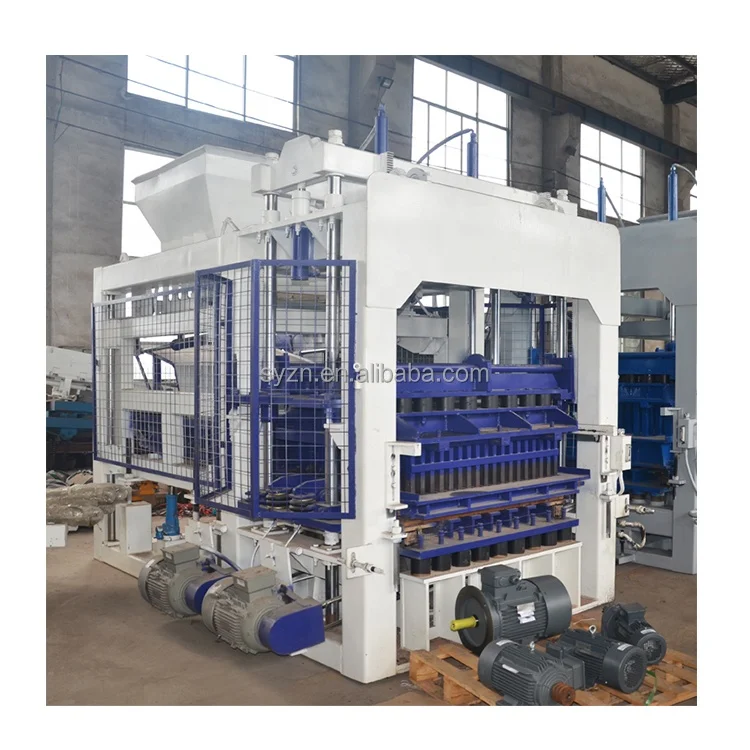
| Vibration System | Dual vibration motors |
| Hydraulic System | Upper press and demoulding control |
| Movement Control | Electric motor for travel, hydraulic for turning |
| Heat Dissipation | Hydraulic oil heat dissipator |
| Basic Equipment | QMY12-15 host machine, JS7500 concrete mixer, dump truck |
| Optional Equipment | PL1200 batching machine, cement silo, screw conveyor, loader |
| Control System | Configurable (PLC or relay logic to be confirmed) |
| Voltage & Frequency | Configurable per destination market |
| Automation Level | Mobile / egg-laying (palletless on-site production) |
Application Suitability
| Application | Material or Output |
|---|---|
| On-site hollow block production | Crushed stone, sand, cement, and local aggregate blends |
| Housing project block supply | Solid and multi-hole blocks from site-sourced raw materials |
| Paver and curbstone production | Interlocking and curb formats via supplementary moulds |
| First plant entrepreneur setup | Low-infrastructure mobile production using locally available sand and gravel |
What "13,000 Pieces per Day" Actually Assumes
Capacity figures only hold when the block format, mix design, and cycle time are all stated together.
I have watched buyers sign off on a daily output number, then arrive on site to find the machine was rated on a thin paver while they planned to run a 200mm hollow block. The QMY12-15 quotes 13,000 pieces per day, but that number shifts depending on block dimensions, wall thickness, and the compaction cycle your mix demands. Without a capacity sheet tied to your exact format, you are buying a promise, not a machine [NEED_CITE: block format assumptions in capacity calculations].
How Control Language Affects Commissioning
A PLC panel is only useful if the operator can read it. I once saw a mobile block machine sit idle for three days at an African project site because the control interface shipped in English and the local crew worked in French. Before any automatic mobile block making machine PLC controlled system leaves the factory, the display language and alarm messages must match the operators who will actually run it. This is a five-minute confirmation that prevents a week of lost production.
Matching Hydraulic Pressure to Your Aggregate
Hydraulic pressure and vibration force must work together against the specific friction and gradation of your raw material. A mix with high fines content requires different compaction energy than one with coarse crushed stone. The QMY12-15 uses a dual vibration motor system paired with hydraulic upper press control, and both parameters are adjustable. Setting them to your actual mix design — not a generic baseline — is what keeps block strength consistent from the first pallet to the last [NEED_CITE: vibration and hydraulic matching for block density].
Reading the Specs That Matter on Site
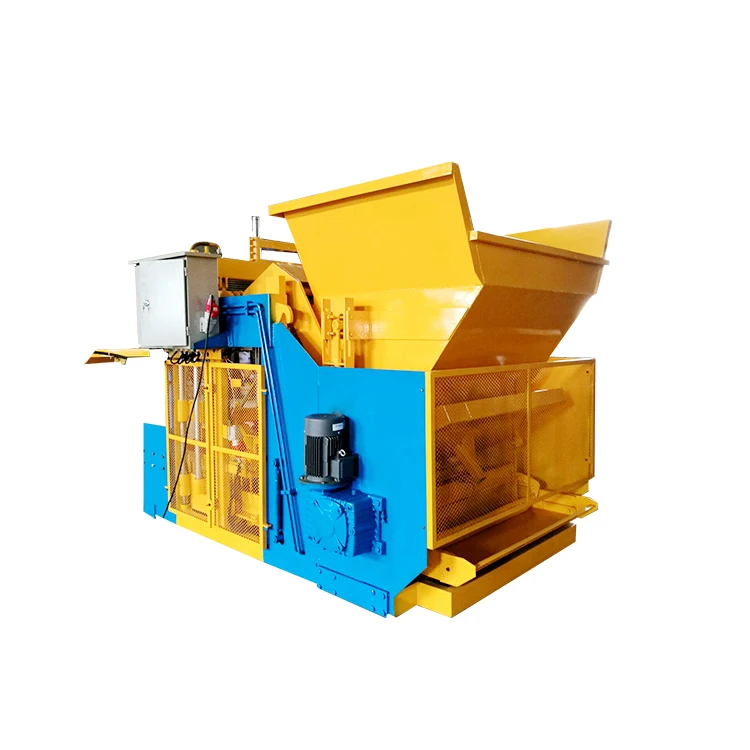
The 16 kW total power rating tells you the electrical infrastructure you need at the project site, including dedicated circuit capacity and cable sizing. The dual vibration motor arrangement distributes compaction energy across the mould cavity, reducing density variation between the block center and edges. The hydraulic oil heat dissipator matters in continuous production: without it, fluid temperature climbs during an eight-hour shift, causing pressure drift and slower demould cycles. The electric motor travel with hydraulic turning lets the QMY12-15 reposition along the casting floor without a separate forklift or fixed rail system.
The Cost of Skipping Voltage Confirmation
Voltage and frequency mismatches are among the most common reasons commissioning stalls after arrival. A motor wound for 380V/50Hz will overheat and fail on a 440V/60Hz supply within hours. Control transformers burn out, PLC boards fry, and replacement parts may be weeks away. Confirming your site’s actual supply against the machine’s electrical configuration before production starts eliminates this entirely [NEED_CITE: voltage and frequency standards by export market].
Why Buyers Specify This Machine Here
Block machinery is the single focus, so the QMY12-15 host, mixer, and optional batching equipment are specified as a matched system rather than sourced from unrelated suppliers. Configuration is set against your local aggregate and target block format, not pulled from a standard catalogue page. Mould design covers the formats your market actually sells, and custom drawings are available when standard moulds do not match. Automation level is selectable, allowing a buyer to start with manual operations and add PLC-controlled functions later. Installation support includes operator training on the specific control system your machine ships with.
Documentation & Verification
- Machine specification sheet listing confirmed voltage, frequency, and control language
- Capacity calculation stating the exact block format assumed for output figures
- Hydraulic and electrical schematic matching the shipped configuration
- Factory test record run on your specified mould before dispatch
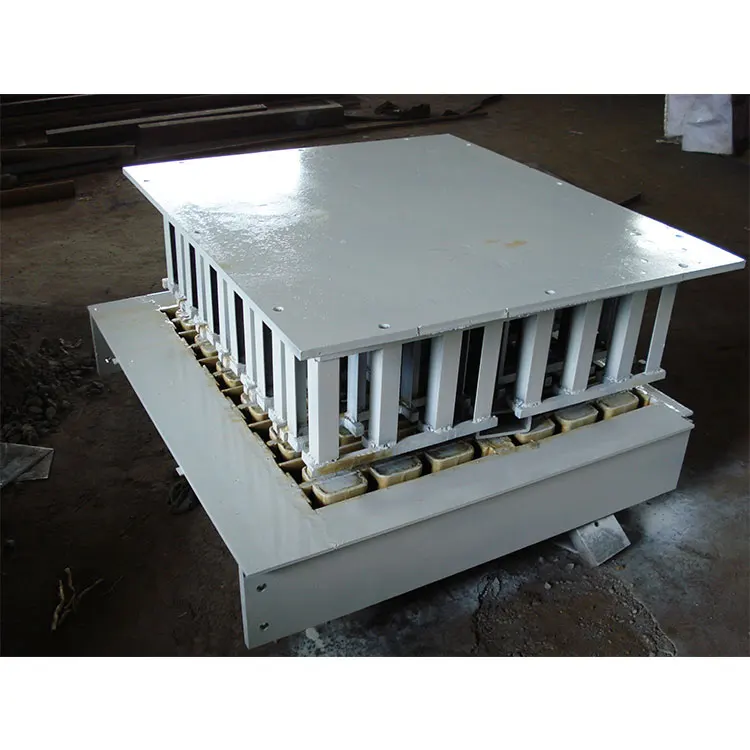
- Mould drawing and format list for every block type included in the order
Installation, Commissioning & Support
- Site ground preparation for mobile egg-laying operation with the QMY12-15 travel footprint
- Electrical supply matching the confirmed 16 kW total power draw and voltage specification
- Hydraulic oil fill and heat dissipator inspection before first production run
- Control system language and alarm verification during on-site commissioning
- Operator training covering mould change procedure and dual vibration motor settings
- Wear parts and mould maintenance schedule provided at handover
What to Include with Your Inquiry
Tell us the block formats your market sells, including dimensions and wall thickness, so we can match the mould and confirm realistic cycle times. Share your local aggregate type and available cement grade so the vibration and hydraulic settings are calibrated before the machine ships. Confirm your site voltage, frequency, and the language your operators read so the control panel arrives ready to run.
Frequently Asked Questions
Q: How is the 13,000 pcs/day capacity verified, and which block format does it assume?
A: That figure must be confirmed against a specific block dimension, wall thickness, and mix design. We provide a capacity calculation sheet stating the exact format assumed. If your target block differs from the test format, the daily output is recalculated using the adjusted mould cavity count and cycle time for your product.
Q: What control system options are available for the QMY12-15?
A: The machine can ship with PLC-controlled automation or relay logic depending on your preference and operator skill level. PLC options include configurable display language, alarm text, and cycle parameter storage. We confirm the control type and language with you before production begins so commissioning is not delayed on arrival.
Q: How are vibration force and hydraulic pressure matched to local materials?
A: We request a sample description or test report of your local aggregate, including gradation and fines content. The dual vibration motor output and hydraulic press settings are then adjusted to suit that material. This matching ensures consistent block density and compressive strength without requiring you to change your raw material source.
Q: What electrical details must be confirmed before the machine ships?
A: We need your site voltage, phase configuration, and frequency so the motors and control transformer are wound correctly. The PLC display language is confirmed at the same stage. Shipping without this confirmation risks motor burnout and unreadable controls, both of which delay production and require expensive on-site corrections.