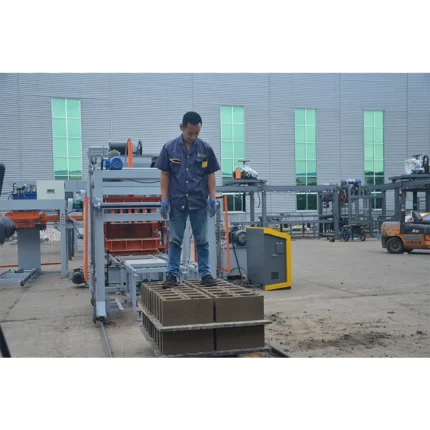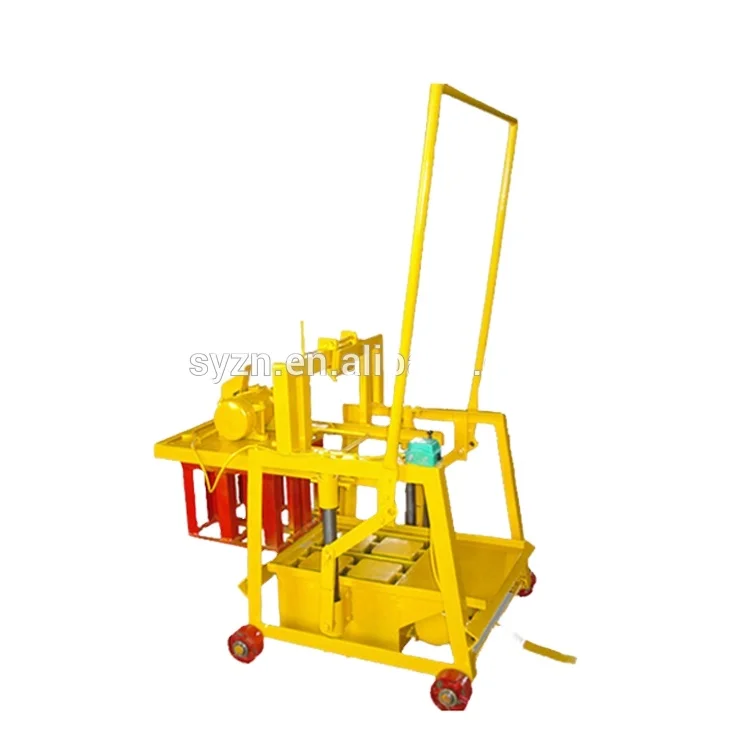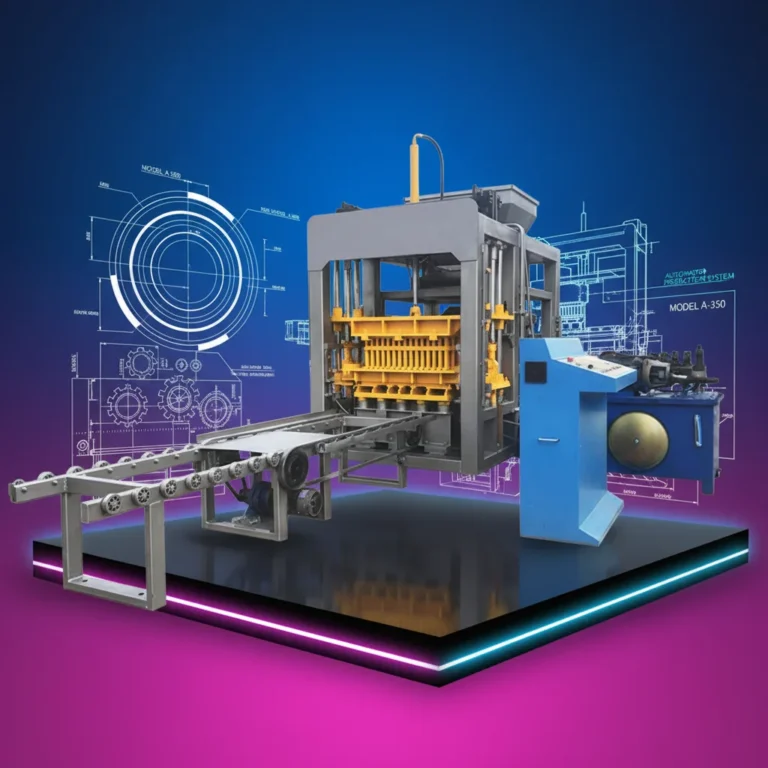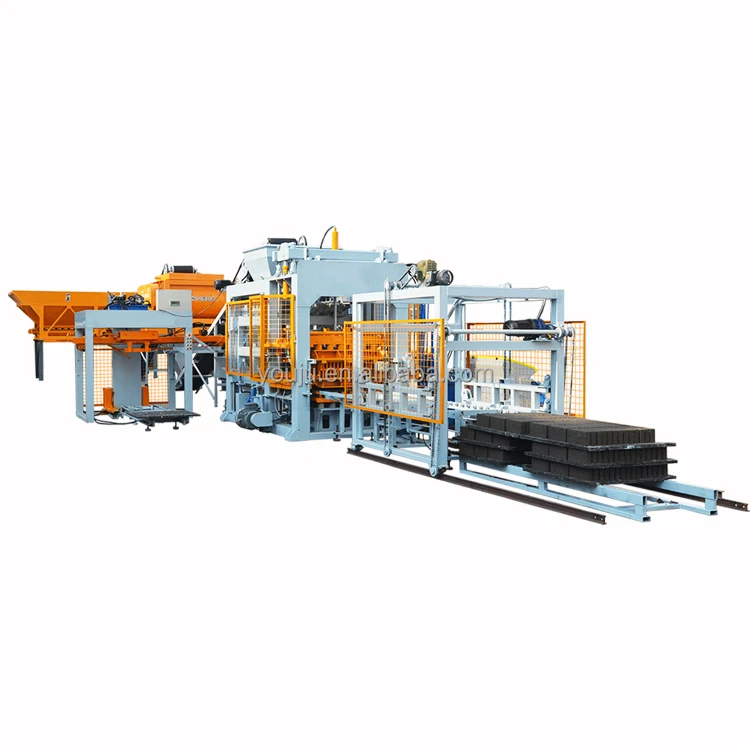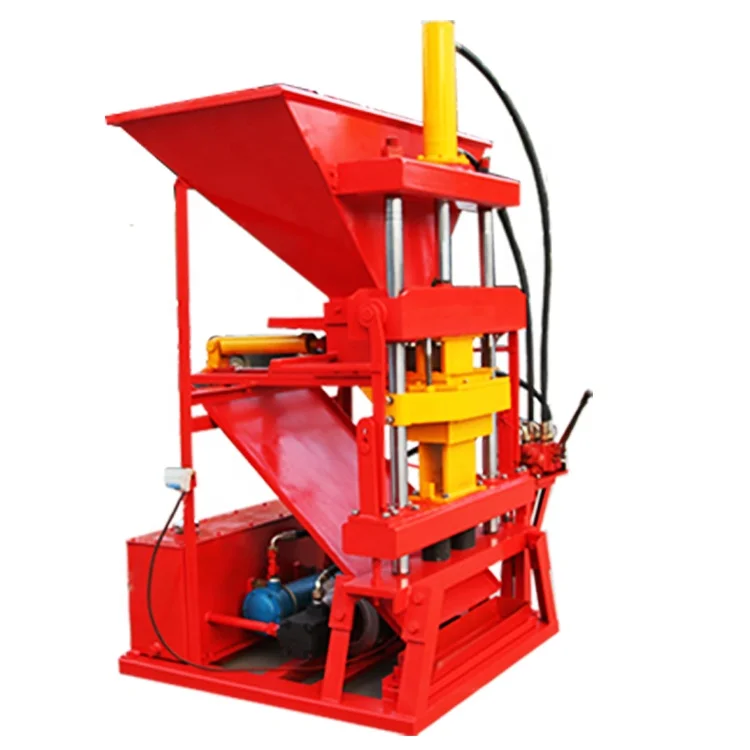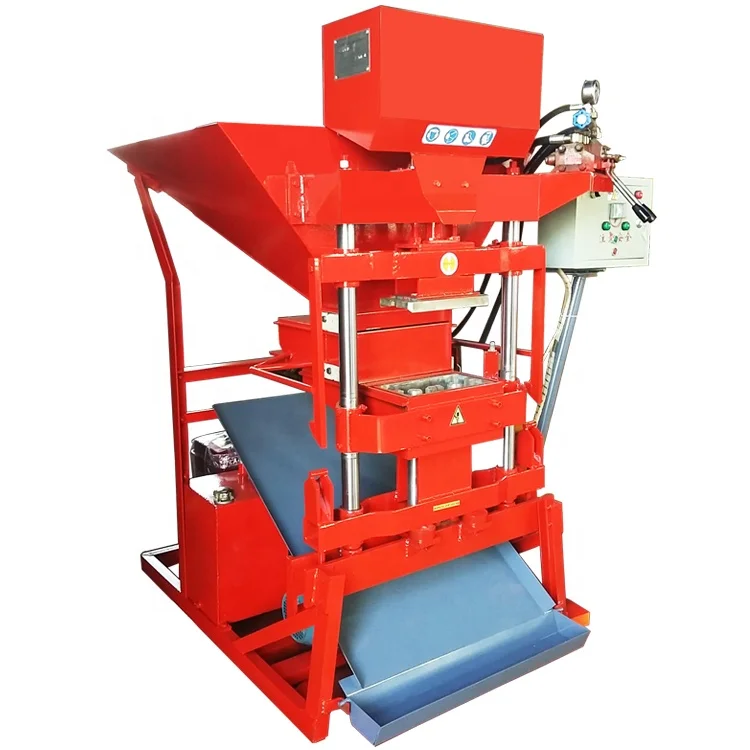


Description
Control-Ready Platform — the ECO 2700 clay block press is specified against the buyer’s automation target and local grid, not shipped as a fixed catalogue unit.
Technical Specifications
| Parameter | Value |
|---|---|
| Model | ECO 2700 |
| Product Type | Clay Block Making Machine |
| Overall Dimensions (L×W×H) | 1000×1000×1800 mm |
| Shaping Cycle | 15–20 seconds (basis not stated in source — confirm block format and material) |
| Hydraulic Pressure | 16 MPa |
| Rated Power | 5.5 kW |
| Voltage & Frequency | 380V, 3-phase, 50Hz (configurable to local supply) |
| Net Weight | 1000 kg |
| Control System | Available with PLC or manual control |
| Automation Level | Selectable from manual through semi-automatic to automatic pallet handling |
| Certification | CE |
| Warranty | 1 year |
Application Suitability
| Application | Material or Output |
|---|---|
| Small-scale clay brick production | Local clay with sand or grog additives |
| Workshop interlocking brick forming | Clay-based mixes at low moisture content |
| On-site block forming for housing projects | Locally sourced clay without fixed plant infrastructure |
| Entry-level solid brick runs | Screened clay with manual or semi-automatic feed |
What the PLC Label Actually Means for a Small Clay Press
A PLC-controlled cycle removes the operator from timing decisions, but only if the language, voltage, and sensor logic are confirmed before the machine leaves the factory.
I have watched a fully wired automatic clay block making machine PLC controlled sit idle on a West African site because the HMI was still displaying Chinese characters. The local crew would not press a single button. Two days of remote troubleshooting followed while the project deadline slipped [NEED_CITE: PLC interface language requirements for export machinery]. The ECO 2700 is small enough to ship quickly, which makes pre-shipment confirmation even more critical — there is no buffer time to fix configuration errors once the container sails.
Locking the Cycle to a Repeatable Program
The shaping cycle window of 15–20 seconds is only meaningful when a controller holds it steady across every shift. Under manual operation, an experienced operator may keep rhythm for the first few hours, then drift as fatigue sets in. A PLC removes that variable — each press stroke, dwell period, and mould release follows the same timed sequence, so block density stays within a narrow band from the first unit to the last.
From Manual Press to Phased Automation
The automatic clay block making machine PLC controlled configuration is not an all-or-nothing commitment. A buyer can start with manual pallet handling on the ECO 2700, then add automatic pallet feeding and stacking as production volume justifies the investment. The 5.5 kW power envelope keeps the electrical load within the reach of small-plant infrastructure, so adding a batching feeder or conveyor does not force a complete panel rebuild [NEED_CITE: electrical load planning for phased automation in brick plants].
Reading the Pressure and Cycle Numbers Together
The 16 MPa hydraulic pressure sets the baseline compaction force, but density also depends on how long that pressure is held and how the vibration is timed against it. A PLC coordinates both variables per cycle, which matters especially when the clay mix varies between batches. The 1000×1000×1800 mm frame footprint means the press fits into tight workshop layouts, but the compact size also limits pallet dimensions — buyers must confirm the pallet size against their existing curing racks and forklift capacity before the mould is built.
When the Wrong Configuration Reaches the Site
A clay press configured for a voltage the site cannot supply becomes dead weight until a transformer arrives. I have seen projects stall because the frequency was assumed rather than confirmed — a 60 Hz motor running on a 50 Hz grid overheats within the first production run [NEED_CITE: motor overheating from frequency mismatch in industrial equipment]. The same applies to control language, sensor calibration, and pallet material. Each mismatch adds days of idle time that compound against the project schedule.
Why This Supply Route Fits an Automation Upgrade
Block machinery is the sole focus here, so the ECO 2700 is specified as a matched system — press, mould, pallet, and handling are designed together rather than assembled from separate vendors. Configuration is set against the buyer’s actual clay mix and target block format, not a catalogue default. Mould design covers the formats the buyer’s market demands, including custom drawings. Automation level is selectable, allowing a phased rollout from manual to PLC-controlled semi-automatic operation. Installation support includes operator training on the control interface chosen for that site.
Documentation & Verification
- Line layout with capacity calculation stating the block format assumed for cycle time
- Machine specification sheet confirming hydraulic pressure and power ratings per unit
- Electrical and hydraulic schematic for site electrician integration review
- Voltage, frequency, and PLC display language confirmation document before production
- Wear parts and mould list with first replacement order planning
- Factory test record on the buyer’s specified clay mix before dispatch
Installation, Commissioning & Support
- Foundation pad sized to the 1000×1000 mm base footprint with anchor bolt template
- Dedicated 3-phase circuit matched to the confirmed voltage and 5.5 kW draw
- Machine arrives as a single-unit assembly; pallet feeder added on-site if specified
- PLC parameter set loaded during commissioning with cycle timing verified on the buyer’s mix
- Operator training covers HMI navigation, fault codes, and mould change sequence
- Spare hydraulic seals and mould wear inserts listed for first replenishment order
What to Include in Your Inquiry
Send the target block format and dimensions, the local clay source and any additives you currently use, and your site voltage and frequency. Confirm the preferred PLC display language and the automation stage you want to start with — manual pallet handling, semi-automatic feed, or full stacking. If you have existing curing racks or forklifts, include their dimensions so the pallet specification is matched before production begins.
Frequently Asked Questions
Q: How do I verify the actual daily output of the ECO 2700?
A: Request a capacity calculation document that states which block format and cycle time the figure is based on. The 15–20 second cycle range applies to a specific mould and mix; changing format or material alters throughput. Without that stated basis, any quoted number is a reference point, not a production commitment.
Q: Can the ECO 2700 be upgraded from manual to PLC-controlled operation later?
A: Yes. The machine frame and hydraulic circuit are designed to accept PLC retrofit, automatic pallet feeding, and stacking modules. Buyers often start with manual pallet handling and add automation as output volume grows, keeping initial investment proportional to early demand.
Q: What electrical details must be confirmed before production starts?
A: Voltage, frequency, and PLC interface language are confirmed in a written document before the machine enters production. This prevents commissioning delays caused by incompatible supply or an unreadable control screen once the press reaches the site.
Q: How does PLC control change the mould change procedure?
A: A PLC stores the cycle parameters for each mould format, so switching from one block type to another involves calling the stored program rather than manually resetting timers and pressure valves. Actual changeover time depends on the mould locking mechanism specified for the unit.
Q: What documents support integration with existing plant equipment?
A: Electrical and hydraulic schematics are provided so your electrician can plan connections to existing panels and feeders. The machine specification sheet lists all confirmed ratings, and the pallet specification ensures compatibility with your curing racks and handling equipment.