

Description
Matched Control Systems — Every ECO 2700 configuration locks in cycle parameters against the buyer’s actual mix design and operator language before the panel is built.
Technical Specifications
| Parameter | Value |
|---|---|
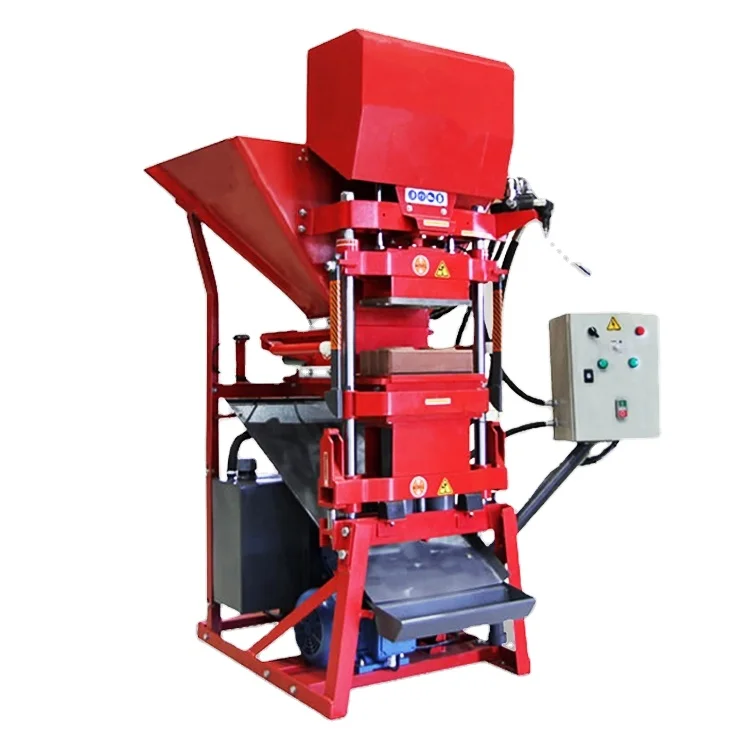
| Model | ECO 2700 |
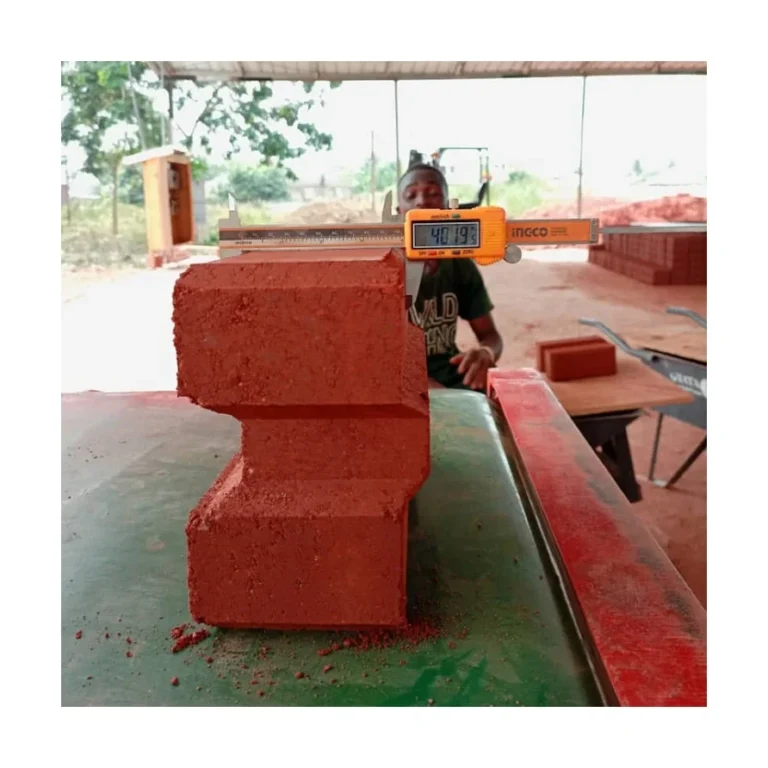
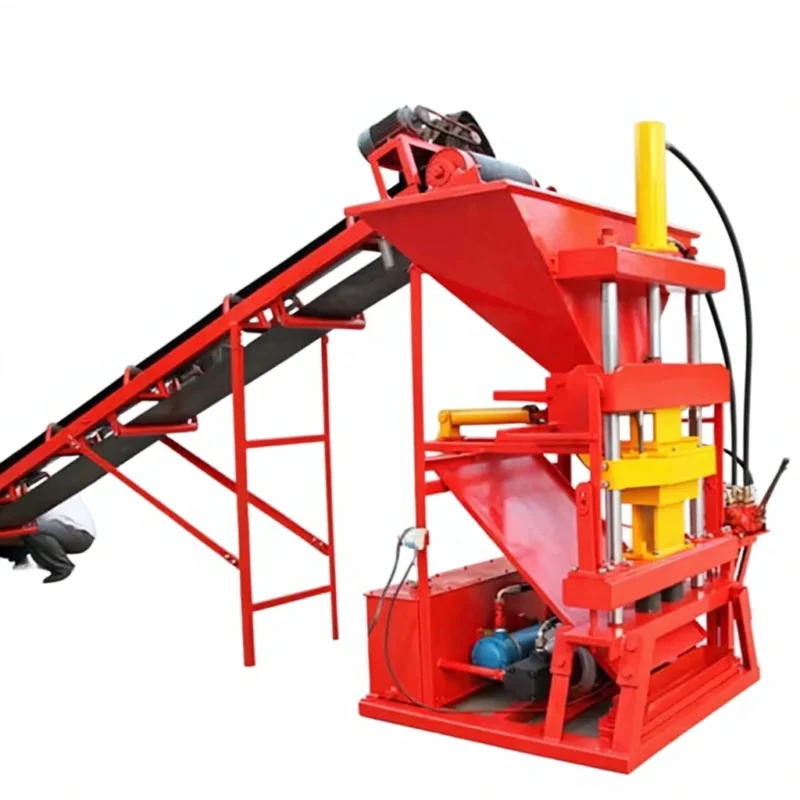
| Product Type | Clay Interlocking Brick Making Machine |
| Overall Dimensions (L×W×H) | 1600 x 1300 x 2330 mm |
| Total Mass | 1100 kgs |
| Engine | 7.5 kW / 12 hp diesel engine |
| Hydraulic Pressure | 16 MPa |
| Molding Cycle | 10–15 s |
| Output Capacity | 2,800 pcs/day (basis not stated in source — confirm block format / material / thickness) |
| Raw Materials | Clay, cement, sand, soil, shale, fly ash, white lime |
| Block Compressive Strength | Above 12 MPa |
| Hydraulic Cooling | Temperature-controlled switch, automatic operation |
| Mould Change | Manual, changeable for various interlocking formats |
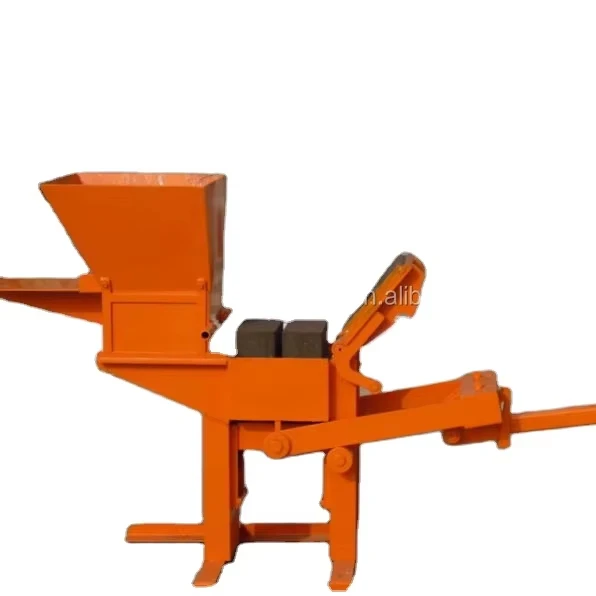
| Automation Level | Manual / semi-automatic lever operation; PLC-controlled option available |
| Control System | Lever / manual hydraulic operation; PLC panel available as upgrade |
| Voltage & Frequency | Configurable to site supply (diesel baseline requires no grid connection) |
| Warranty | 1 Year |
Application Suitability
| Application | Material or Output |
|---|---|
| On-site interlocking brick production for rural housing | Clay, soil and cement mixes using diesel power where grid electricity is unavailable |
| Small-plant interlocking paver runs | Sand, fly ash and cement blends with semi-automatic pallet handling |
| Contractor-led project block supply | Shale or white lime stabilised clay for high-volume interlocking formats |
| Entrepreneur first-plant interlocking brick startup | Local aggregate and cement combinations with upgrade path to PLC batching |
What "2,800 Bricks per Day" Actually Means on Site
Daily output depends entirely on which interlocking brick format and mix design the press is running.
I have watched buyers unpack a machine, read the capacity plate, and plan their curing racks around a number that assumed a specific block thickness their mould was never set up for. An automatic clay interlocking brick machine quoted at 2,800 pieces per day may deliver that figure on a thin paver format and fall noticeably short on a deeper interlocking block that demands longer press dwell. [NEED_CITE: block format and cycle time relationship in hydraulic press output] Without the format stated on the capacity sheet, the buyer is scheduling labour and raw material against a guess.
Where PLC Control Removes Operator Guesswork
On a manual lever machine, cycle consistency lives or dies with the operator’s rhythm. The ECO 2700 can be configured with a PLC-controlled panel that locks molding cycle timing, hydraulic pressure hold duration and pallet indexing into repeatable sequences. This is what separates a PLC controlled interlocking brick machine from one that relies on feel — every press stroke matches the last, so block compressive strength stays above 12 MPa across the entire shift.
The Language and Voltage Lock Before Dispatch
I once stood in front of a PLC screen showing English menus while the local crew spoke only French, and the first commissioning day was lost to firmware changes. Since then, every control panel leaves the factory with the display language, voltage and frequency confirmed in writing against the buyer’s site conditions. The ECO 2700 upgrade path covers diesel-to-electric conversion, PLC brand selection and I/O mapping for upstream batching and downstream stacking integration. [NEED_CITE: voltage and frequency standards by export market]
Reading the Specs That Actually Matter
Hydraulic pressure at 16 MPa defines the compaction force available to the mould, but pressure alone does not determine block density — it must be matched to the vibration profile and the buyer’s clay-to-cement ratio. A mix that is too dry for the available pressure produces brittle interlocking bricks with weak locking tongues. The 7.5 kW diesel engine keeps the press independent of grid reliability, while the temperature-controlled hydraulic cooling switch engages automatically when oil temperature rises during continuous runs, preventing pressure drop in hot climates. Mould change is manual on the standard ECO 2700, meaning format flexibility depends on the operator’s speed with bolts and alignment pins. A buyer planning frequent format switches should weigh the manual changeover time against the benefit of running multiple interlocking profiles from a single press. [NEED_CITE: hydraulic pressure and mix design matching for block compressive strength]
The Cost of Skipping Configuration Checks
Buyers who order a standard catalogue machine without confirming their local aggregate particle size and cement availability often discover on site that the mould cavity fills unevenly, producing interlocking bricks with soft corners that crack during stacking. When the PLC display language and voltage are left to default settings, commissioning delays add up while firmware is rewritten and transformers are sourced locally. [NEED_CITE: machinery commissioning delays from unconfirmed electrical specifications] Pallet handling left out of the quotation forces a crew to pull and stack by hand, erasing the cycle time advantage the press itself delivers.
Why Buyers Source the Automation Package Here
Block machinery is the single focus, so the ECO 2700 press, mould, pallet and handling stations are specified as one matched system rather than assembled from separate suppliers. Configuration starts from the buyer’s actual interlocking brick format and local clay or fly ash supply, not a catalogue default. Mould design covers the specific locking profiles the buyer’s market demands, with custom drawings accepted. Automation level is selectable — a buyer can begin with manual lever operation on diesel power and add PLC batching and automatic pallet feeding as volume grows. Installation support covers on-site commissioning with operator training in the confirmed control language.
Documentation & Verification
- Line layout showing ECO 2700 footprint with pallet flow and curing rack spacing
- Capacity calculation stating the exact interlocking brick format assumed
- Hydraulic and electrical schematic for PLC panel integration with batching
- Factory test record on buyer’s mix showing cycle repeatability and pressure hold
- Voltage, frequency and control language confirmation signed before production
- Operation manual covering manual lever and PLC-controlled modes
Installation, Commissioning & Support
- Foundation pad sized to the 1600 x 1300 mm footprint with anchor bolt plan
- Dedicated circuit matching confirmed voltage for the 7.5 kW motor or diesel fuel supply
- Machine shipped assembled with mould mounted; pallet rack bolted on site
- First-run cycle timing and hydraulic pressure set against buyer’s clay mix sample
- Operator training covering lever operation and PLC menu navigation in confirmed language
- Wear parts list with hydraulic seal and mould liner replacement intervals
What to Prepare Before Enquiry
Share the exact interlocking brick dimensions your market sells, the clay or soil type available locally, and whether your site has stable grid power or requires diesel operation. Confirm the voltage and frequency at the installation point, the control language your operators read, and whether pallet feeding and stacking will be manual or automated. If you are replacing an existing press, note the current mould format and daily volume you need the ECO 2700 to match or exceed.
Frequently Asked Questions
Q: How is realistic daily capacity verified for the ECO 2700, and which block format does the quoted figure assume?
A: The 2,800 pieces per day figure requires confirmation of the specific interlocking brick dimensions, wall thickness and mix design. We calculate capacity per format by multiplying the confirmed molding cycle against effective operating hours, then document the assumed block profile on the capacity sheet so you can schedule curing space and raw material accurately.
Q: What PLC options and display languages are available for the ECO 2700 control upgrade?
A: The PLC panel can be specified with major international brands, I/O configuration matched to upstream batching and downstream stacking, and display language set to the operator’s working language before the panel is built. Voltage and frequency are confirmed against site supply so the control cabinet arrives ready to connect.
Q: How does automation level change pallet handling and stacking on this machine?
A: The standard ECO 2700 runs with manual lever operation and hand-fed pallets. Adding PLC control opens the path to automatic pallet indexing, stacking and curing rack handling. Each station is timed to the press cycle so the mould is never left waiting, and the upgrade can be staged as production volume grows.
Q: How are mix design and hydraulic pressure matched to keep block strength consistent?
A: We test the buyer’s local clay, cement and aggregate sample against the 16 MPa hydraulic pressure to confirm the mix achieves above 12 MPa compressive strength. Cycle parameters are then locked into the PLC so every press stroke repeats the same pressure hold and dwell time across the production run.
Q: What electrical confirmation is needed before the control panel is built?
A: We require written confirmation of site voltage, frequency, phase and the operator’s preferred display language. The hydraulic and electrical schematic is supplied so the buyer’s electrician can plan the dedicated circuit and integrate the PLC with any existing batching or conveying equipment on site.