



Description
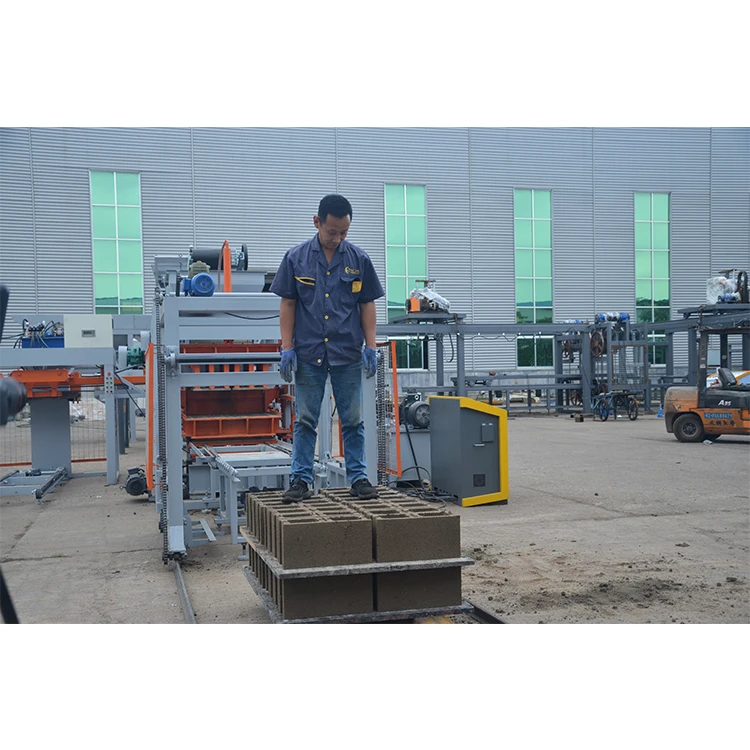
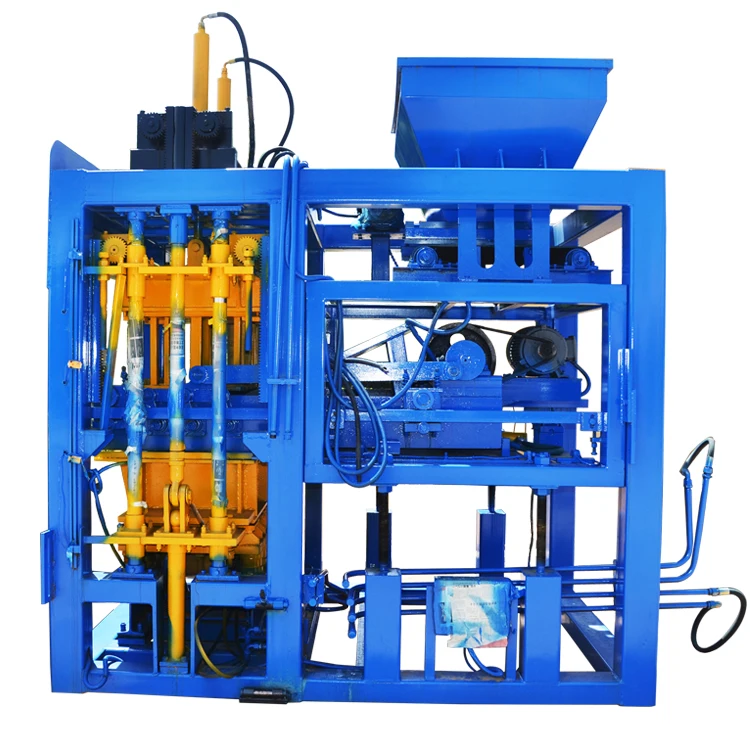
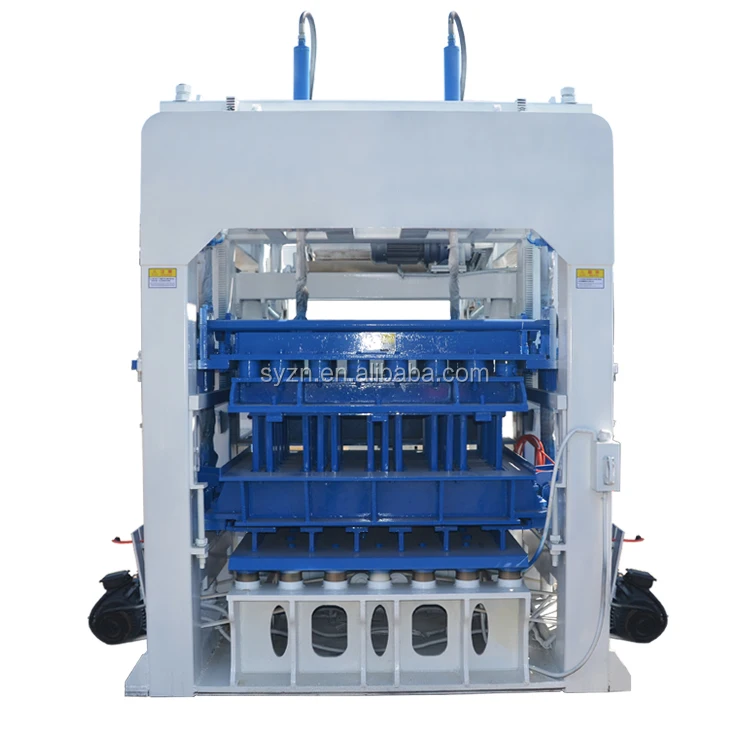
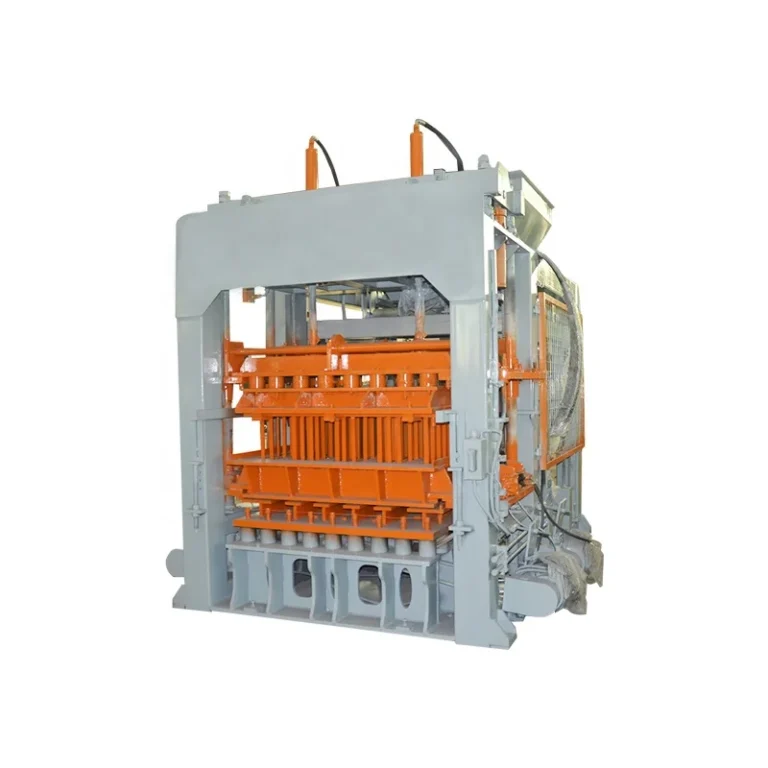
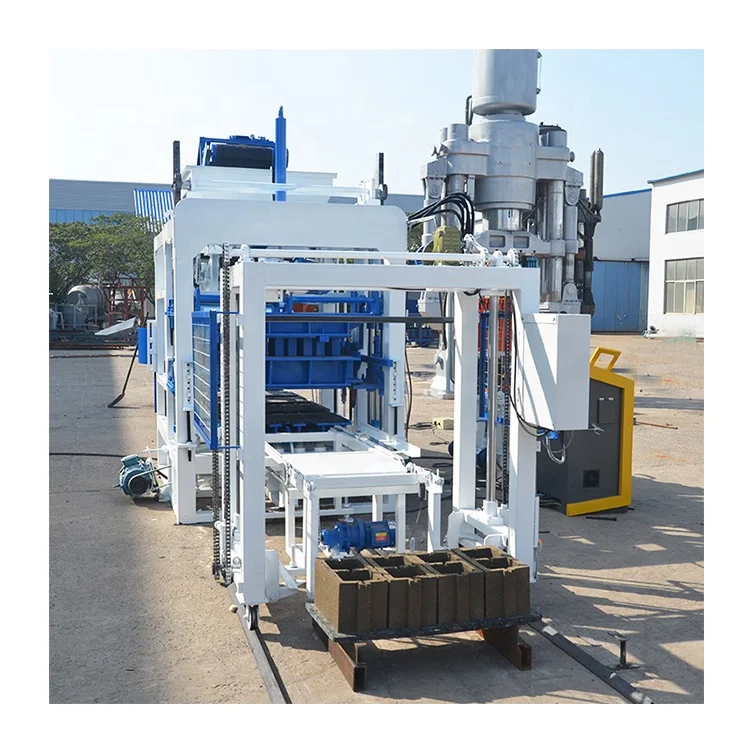
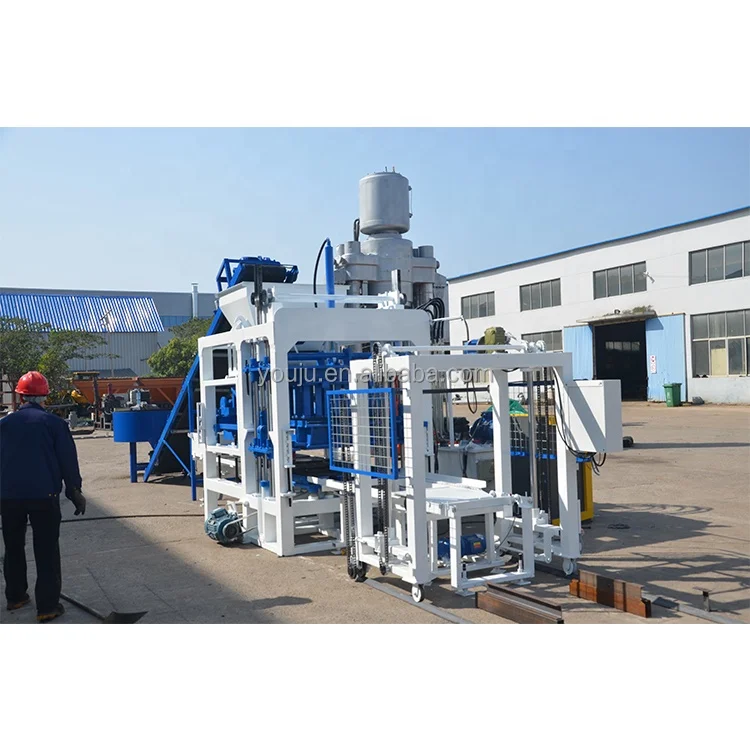
Integrated Automation Scope — the QT4-18 automatic concrete block making machine PLC controlled setup is configured as a matched line where pallet feeding, pressing, and block receiving are sequenced from one console, so the operator manages the full cycle rather than isolated stations.
Technical Specifications
| Parameter | Value |
|---|---|
| Model | QT4-18 |
| Product Type | Automatic Concrete Block Making Machine |
| Overall Dimensions (L×W×H) | 2500 × 1750 × 2200 mm |
| Rated Pressure | 16 MPa |
| Vibration Form | Platform Vibration |
| Pallet Size | 950 × 550 mm |
| Molding Cycle | 18–25 s (basis to be confirmed per block format) |
| Overall Power | 27.5 kW |
| Control System | PLC with frequency converter |
| Electrical Components | Schneider |
| Mould Lifting Mechanism | Double-sided synchronous gears |
| Automation Level | Automatic (mixer, pallet conveyor, press, block receiver, hydraulic station, console) |
| Material Feeder | Hopper, feeding box, distribution belt hopper |
| Block Receiver | Frame, conveyor, idler wheels, motor with reducer |
| Supporting Equipment Options | JQ500 pan mixer, 8 m / 6 m belt conveyor, stacker, block clamper, extra moulds, trolley, cement silo, batching plant |
| Mould Change Method | Manual bolt release (M24), pallet-assisted via block conveyor |
Application Suitability
| Application | Material or Output |
|---|---|
| Hollow block production | Crushed stone, cement, sand, water |
| Solid block production | Dense aggregate mix for load-bearing walls |
| Paver and kerbstone runs | Fine aggregate with pigment for coloured surfaces |
| Small to mid-scale block plant | Semi-automatic through automatic line integration |
Why PLC Language Confirmation Must Happen Before Shipping
The automatic concrete block making machine PLC controlled interface is only useful if the operator can read it.
Buyers upgrading from semi-automatic operation often focus on the press cycle and overlook the human side of the control panel. I once shipped a QT4-18 unit to a plant in Pakistan where the PLC display language defaulted to Chinese; the local operator could not navigate a single screen, and commissioning stalled on day one. That trip could have been avoided with a two-minute confirmation before the crate left the factory [NEED_CITE: PLC display language options by export market]. Voltage and frequency mismatches cause similar delays — the machine arrives, the electrician opens the panel, and the contactors are rated for a supply the plant does not have.
How the PLC Orchestrates the Full Press Cycle
The automatic concrete block making machine PLC controlled system links the mixer feed, pallet conveyor, press vibration, demould lift, and block receiver into one timed sequence. The operator selects the mould profile, sets the feed and vibration durations on the console, and the PLC steps through each stage without manual intervention between stations. Frequency converter control allows vibration intensity to be adjusted per mould, which keeps block density consistent when switching between a lightweight hollow format and a dense solid format.
Where Automation Stops and Labour Still Begins
Automation on the QT4-18 covers pallet feeding, material distribution, pressing, and block conveying — but stacking, curing rack handling, and cubing remain configurable add-ons. A plant that adds the optional stacker removes the heaviest manual lift from the line, yet pallet return and curing area logistics still need planning. The upgrade path from semi-automatic pallet handling to a conveyor-based receiver lets a buyer start with the core press and add downstream stations as production volume justifies the investment [NEED_CITE: typical labour allocation in small automatic block plants].
Reading the Numbers That Matter for Your Mix
The 16 MPa rated hydraulic pressure combined with platform vibration determines the green strength of every block that leaves the mould. Higher pressure alone does not guarantee a denser block — the vibration must match the aggregate particle size and moisture content of the local mix. The 950 × 550 mm pallet size sets the maximum mould footprint; choosing a pallet dimension that aligns with the curing racks and forklift already on site avoids a second round of handling equipment purchases. Mould change relies on M24 bolt release rather than quick-clamp tooling, so format changeover takes operator time that must be factored into shift planning. Double-sided synchronous gears lift the mould box evenly, reducing the risk of a half-drawn block that would be scrapped.
The Cost of Overlooking Pallet and Voltage Alignment
When the pallet specification is chosen without checking the curing area, blocks arrive on racks that do not fit, forcing a manual restack that negates the conveyor investment. Similarly, specifying the QT4-18 without confirming the local voltage and frequency can delay energisation for weeks while replacement transformers or motor contactors are sourced. Moulds ordered in a format the local market does not buy sit idle, and the machine runs only one product — the exact opposite of the flexibility the buyer paid for [NEED_CITE: common causes of commissioning delay in exported block machinery].
Why Source the QT4-18 Through This Configuration Approach
Block machinery is the single focus here, so the press, mould, pallet, and handling stations are specified as one matched system rather than assembled from separate suppliers. The configuration is set against the buyer’s actual mix design and target block format, not a catalogue default. Mould design covers the formats the buyer’s market sells, with custom drawings available. Automation level is selectable, allowing a semi-automatic start with a defined upgrade path to full stacking and cubing. Installation support includes operator training and a wear parts list so the first replacement does not become a downtime event.
Documentation & Verification
- Line layout stating the block format assumed for the 18–25 s cycle
- Voltage, frequency, and PLC language confirmation sheet signed before production
- Hydraulic and electrical schematic matching the shipped component list
- Factory test record run on the buyer’s specified mould and pallet size
- Wear parts and mould list with part numbers for reordering
Installation, Commissioning & Support
- Foundation pad sized for the 2500 × 1750 mm footprint and vibration load
- Dedicated 27.5 kW circuit with voltage and frequency confirmed at order
- Press, hydraulic station, and console shipped as separate modules for container loading
- On-site commissioning includes PLC parameter tuning for the buyer’s mix design
- Operator training covers mould change procedure and daily lubrication points
- Spare M24 bolts and hydraulic seals included in the first shipment
What to Share Before Requesting a Quotation
Provide the block format you sell most, the daily output target, and the local aggregate type so the mould and vibration settings can be matched. Confirm your plant voltage, frequency, and preferred PLC display language to avoid commissioning delays. Share the curing area dimensions and existing forklift capacity so the pallet size and stacking options are specified correctly.
Frequently Asked Questions
Q: What does the PLC actually control, and which actions still require an operator?
A: The PLC sequences the mixer feed, pallet conveyor, press vibration, demould, and block receiver. The operator sets cycle parameters and monitors the console. Manual tasks remain where automation options are not selected, such as pallet return or block stacking, depending on the configuration chosen at order.
Q: How is the 18–25 s molding cycle verified, and which block format does it assume?
A: The cycle range is measured during the factory test using the specific mould ordered. A 400 × 200 × 200 mm hollow block may sit at the shorter end, while a tall paver with a face-mix layer extends the cycle. The test record states the format and time achieved before dispatch.
Q: Can I start semi-automatic and add full stacking later?
A: Yes. The QT4-18 frame and PLC are designed to accept the pallet feeder and stacker modules at a later stage. Electrical and hydraulic interfaces are pre-positioned so the upgrade does not require a press rebuild, only module installation and PLC programme update.
Q: What voltage, frequency, and PLC language options are available?
A: Voltage and frequency are configured to match the buyer’s plant supply, typically confirmed at order stage. PLC display language is selected from available options before the control panel is assembled, ensuring the operator can navigate menus on day one of commissioning.
Q: How does the automatic pallet feeder sync with the press to prevent idle time?
A: A hydraulic cylinder pushes the next pallet onto the press table the moment the finished block is conveyed away. The PLC times this movement to the demould cycle, so the press is never waiting for a pallet and the overall line rhythm stays consistent.