

Description
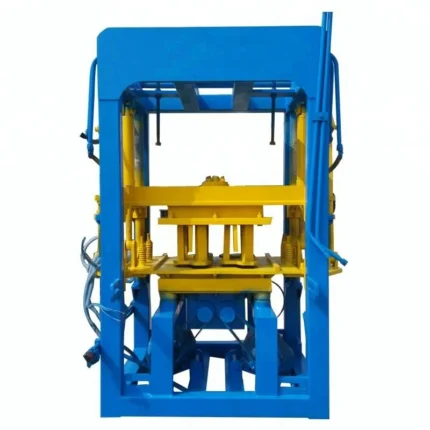
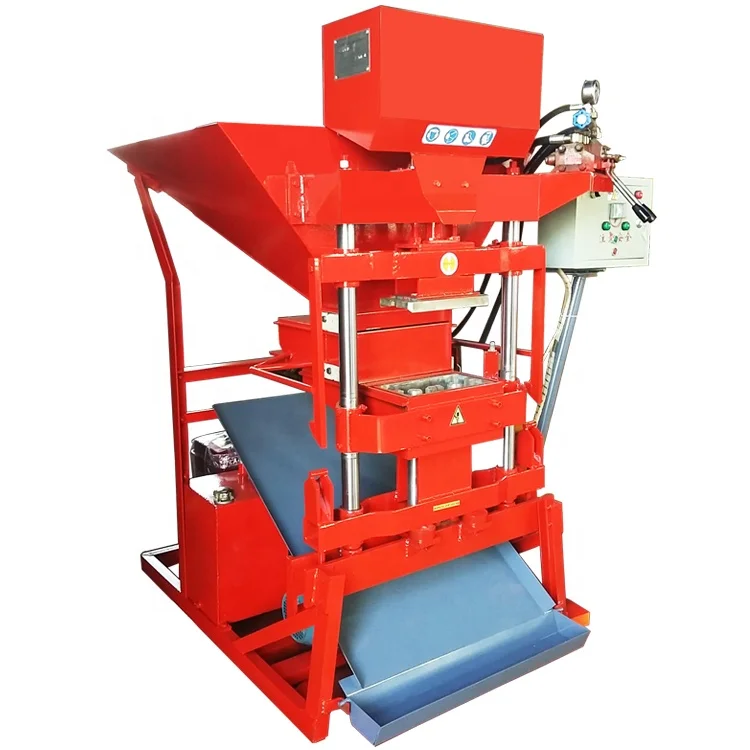
System-Matched Intelligence — the ECO 2700 is specified as a semi-automatic clay block press where every control, hydraulic, and pallet variable is confirmed against your site conditions before production begins.
Technical Specifications
| Parameter | Value |
|---|---|
| Model | ECO 2700 |
| Product Type | Clay Block Making Machine |
| Overall Dimensions (L×W×H) | 1000 × 1000 × 1800 mm |
| Shaping Cycle | 15–20 seconds (basis to be confirmed) |
| Rated Power | 5.5 kW |
| Hydraulic Pressure | 16 MPa |
| Net Weight | 1000 kg |
| Control System | Manual / semi-automatic operation, PLC upgrade available |
| Voltage & Frequency | 380V, 3-phase, 50Hz (customizable) |
| Output Capacity | Basis not stated in source — confirm block format and dimensions |
| Pallet Size | To be confirmed per line layout |
| Mould Format | Clay block (specific formats to be confirmed) |
| Automation Level | Semi-automatic with selectable upgrade path |
| Stacking Method | Manual (upgrade options available) |
| Warranty | 1 year |
| Certification | CE |
Application Suitability
| Application | Material or Output |
|---|---|
| Small-scale clay block plant startup | Local clay mixed with minimal binder, formed at 16 MPa |
| On-site brick production for housing projects | Compact 1000 × 1000 mm footprint, 5.5 kW power draw |
| Workshop brick forming for building material distributors | High-density clay blocks, operator-assisted pallet handling |
| Adding clay format to existing concrete block range | Mould swap on existing semi-automatic line |
Why "15–20 Seconds per Cycle" Means Nothing Without the Block Format
A cycle time only becomes a daily output figure once the exact block dimensions and clay density are locked in.
Buyers regularly receive quotations quoting a shaping cycle as if it were a production guarantee. The ECO 2700 completes a press cycle in 15–20 seconds, but that number assumes a specific block format and clay mix that must be confirmed before you project throughput. I have stood on project sites in the Gulf where the daily count fell well short of expectation simply because the quoted cycle was measured on a smaller solid brick while the buyer was running a larger hollow format. The automatic clay block making machine PLC controlled setup only delivers consistency when the cycle, the mix, and the format are all agreed on paper before the machine ships [NEED_CITE: block format assumptions in capacity quotations].
What the Operator Still Does — and What Automation Removes
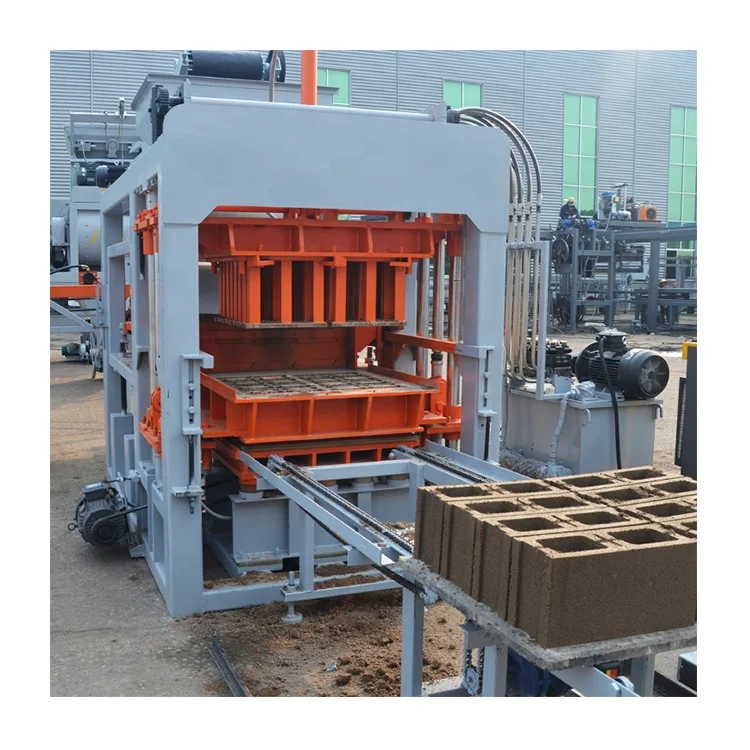
On the ECO 2700 in its standard semi-automatic configuration, the operator manages pallet placement and block removal by hand. The press itself cycles under hydraulic control at 16 MPa, but material feeding and stacking remain manual tasks. This keeps the connected load at 5.5 kW and the footprint at a single square metre of floor space. The key decision for a plant owner is not whether to automate fully, but which specific tasks to remove from the operator first.
Where the PLC Upgrade Path Actually Matters
Adding a PLC to the ECO 2700 changes what the machine does between cycles. Instead of the operator watching a timer and triggering each stage, the automatic clay block making machine PLC controlled system sequences the hydraulic press, vibration, and return stroke with repeatable timing. This matters most when block strength depends on consistent press duration — a variable that human operators drift on across a long shift. The upgrade path lets a buyer start with semi-automatic operation and add intelligent sequencing later, without replacing the press itself [NEED_CITE: PLC retrofit on semi-automatic hydraulic presses].
Reading the Specs That Actually Shape Your Block
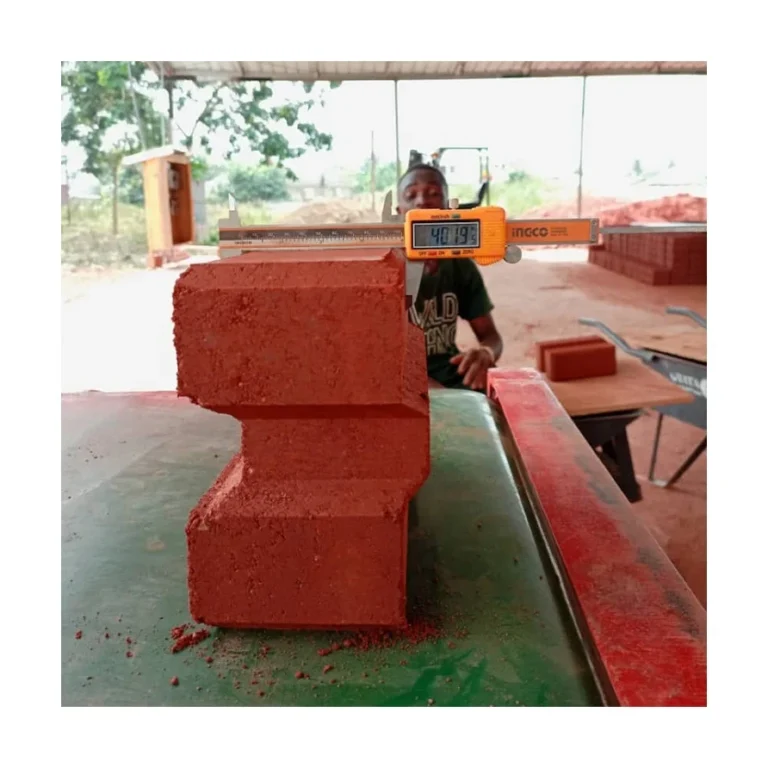
The 16 MPa hydraulic pressure is the number that determines whether your clay reaches the density your market requires. Clay blocks demand higher forming pressure than concrete pavers because the material lacks coarse aggregate that locks mechanically. If your target block strength calls for a density that 16 MPa cannot achieve with your local clay, the issue surfaces as crumbling blocks, not as a machine fault. The 15–20 second shaping cycle must be read alongside the block thickness — a 150 mm solid block fills and compresses differently from a 100 mm clay brick, changing both cycle time and daily count. The 380V three-phase supply at 50 Hz is standard across much of the Middle East and Africa, but sites in regions running 60 Hz need the motor and pump matched to that frequency before the machine leaves the factory.
The Hidden Cost of Skipping the Control Language Confirmation
I once spent two days on a site in the Levant because a control panel arrived in English and the operators read only Arabic. The machine sat idle while firmware was re-flashed and new labels printed. On a semi-automatic press like the ECO 2700, the operator interacts with the control panel on every cycle — an unreadable interface is not an inconvenience, it is a production stop. Voltage mismatches compound the problem: a 380V machine connected to a 415V supply without transformer adjustment burns the pump motor within the first week. These are not warranty claims; they are installation errors that a confirmed pre-shipment checklist prevents [NEED_CITE: electrical commissioning standards for exported industrial machinery].
Why Buyers Source This Machine Here
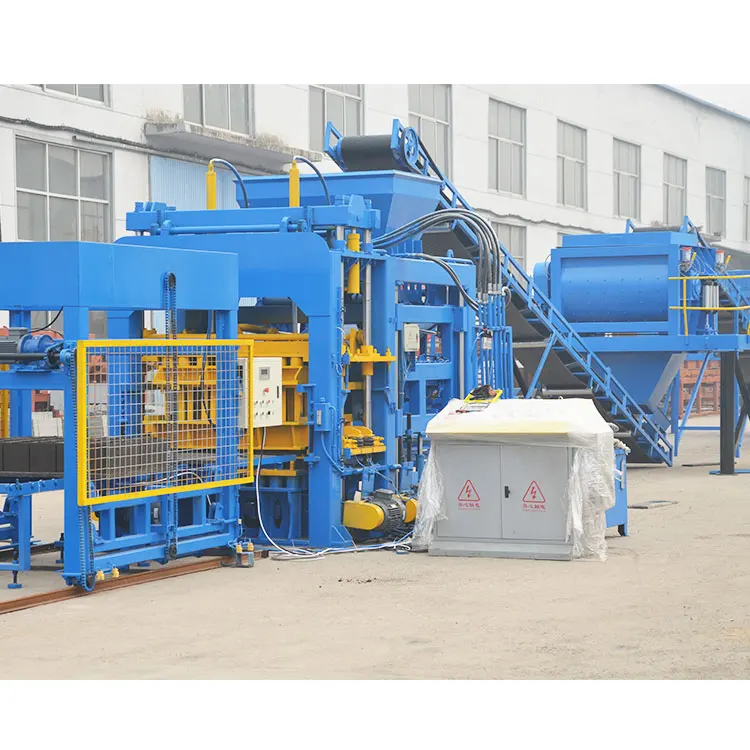
Block machinery is the single focus of this production line, so the ECO 2700 is specified as part of a matched system — press, mould, pallet, and handling — rather than assembled from separate suppliers. The automation level is selectable, meaning a buyer can commission the machine semi-automatic today and add PLC sequencing or automatic pallet feeding later without replacing the frame. Configuration is set against the buyer’s actual clay mix and local aggregate, not a catalogue default. Mould design covers the clay block formats your market sells, with custom drawings supported for non-standard dimensions. Pre-shipment documentation confirms voltage, frequency, and PLC display language so commissioning starts on day one, not day three.
Documentation & Verification
- Capacity calculation stating the clay block format and dimensions the cycle assumes
- Hydraulic and electrical schematic confirming control architecture and PLC type
- Voltage, frequency, and control display language confirmation sheet signed before production
- Factory test record on your specified clay mix and mould format before dispatch
- Mould drawing and format list showing available and custom clay block profiles
Installation, Commissioning & Support
- 1000 × 1000 mm footprint requires a level concrete pad with anchor points for the 1000 kg frame
- 5.5 kW rated power at 380V three-phase needs a dedicated circuit with confirmed frequency match
- Machine ships assembled; on-site work is limited to hydraulic fluid fill and electrical connection
- First-run commissioning includes cycle timing adjustment against your clay density target
- Operator training covers PLC navigation, mould change procedure, and daily hydraulic check routine
- Wear parts list identifies hydraulic seals and mould wear surfaces with replacement intervals
What to Send With Your Inquiry
Provide the exact clay block dimensions and target density your market requires so the cycle time and hydraulic pressure can be verified against your material. Confirm your site voltage, frequency, and preferred control panel language. If you plan to integrate the ECO 2700 into an existing line, share your current pallet size and curing rack dimensions so the handling configuration matches what you already have on the floor.
Frequently Asked Questions
Q: How do I verify the ECO 2700 output against my clay block format?
A: Request a capacity calculation that names the exact block dimensions and clay density used in the 15–20 second cycle figure. Without that stated format, the cycle time cannot be converted to a reliable daily output. The calculation should also account for pallet handling and curing time in your specific plant layout.
Q: What automation is included and what can I add later?
A: The standard ECO 2700 runs semi-automatic with manual pallet handling and stacking. PLC-controlled cycle sequencing, automatic pallet feeding, and stacking systems are available as upgrades. The upgrade path is designed so you can add intelligent control modules without replacing the hydraulic press or frame structure.
Q: How is the PLC display language confirmed before shipment?
A: The control language is confirmed during the quotation stage and documented on a signed specification sheet before production begins. The PLC firmware is loaded and tested in the factory with your chosen language active, and the interface is verified during the pre-shipment factory test to avoid on-site delays.
Q: Can I order a custom mould for my local clay block format?
A: Custom mould design is supported from buyer-supplied drawings or dimensional specifications. The mould is built and tested on the ECO 2700 frame before shipment to confirm block dimensions and release quality with your clay mix. Standard clay block moulds are also available from the existing format catalogue.
Q: How does the ECO 2700 cycle integrate with mixing and curing?
A: The 15–20 second press cycle must be synchronized with upstream mixer discharge rate and downstream pallet transfer speed. If the mixer cannot deliver material fast enough, the press waits; if curing racks are full, pallets queue on the floor. Line layout documentation maps each station timing to prevent bottlenecks.