


Description
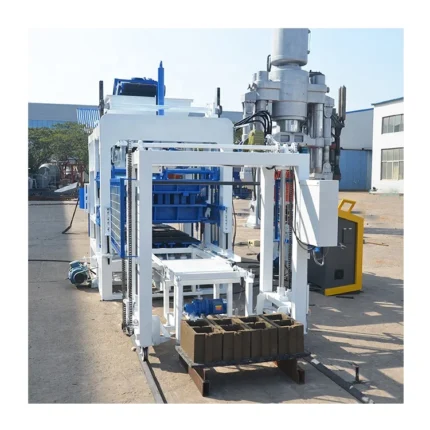
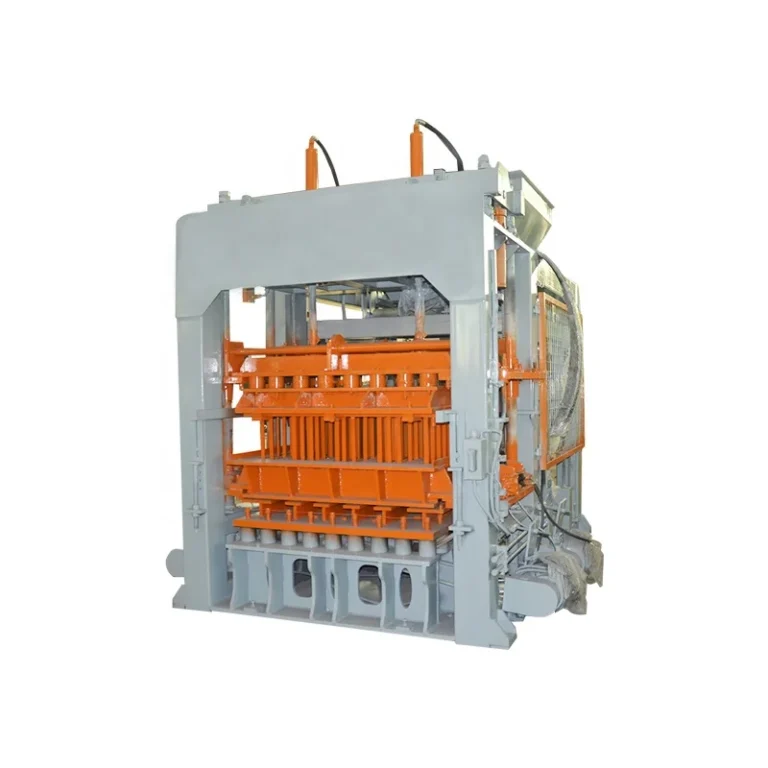
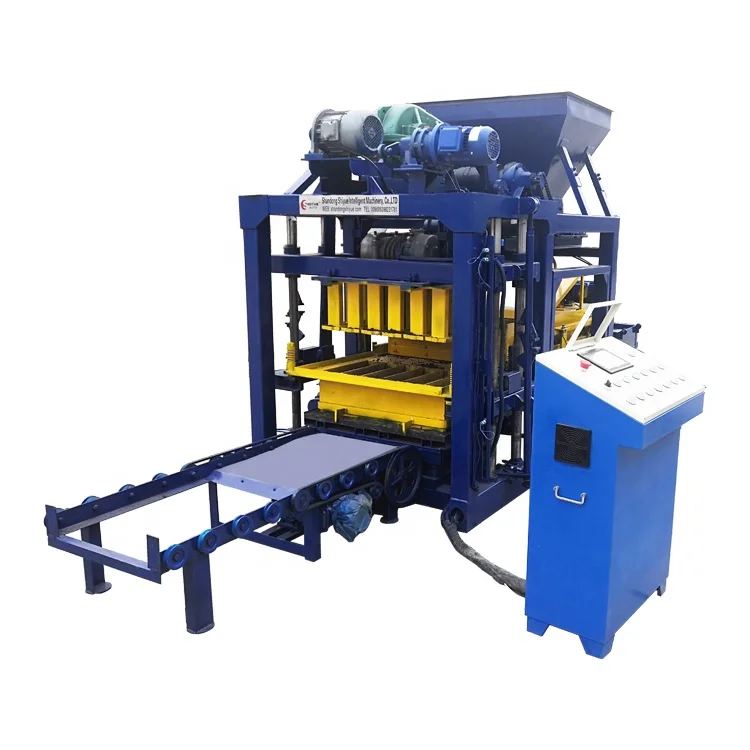
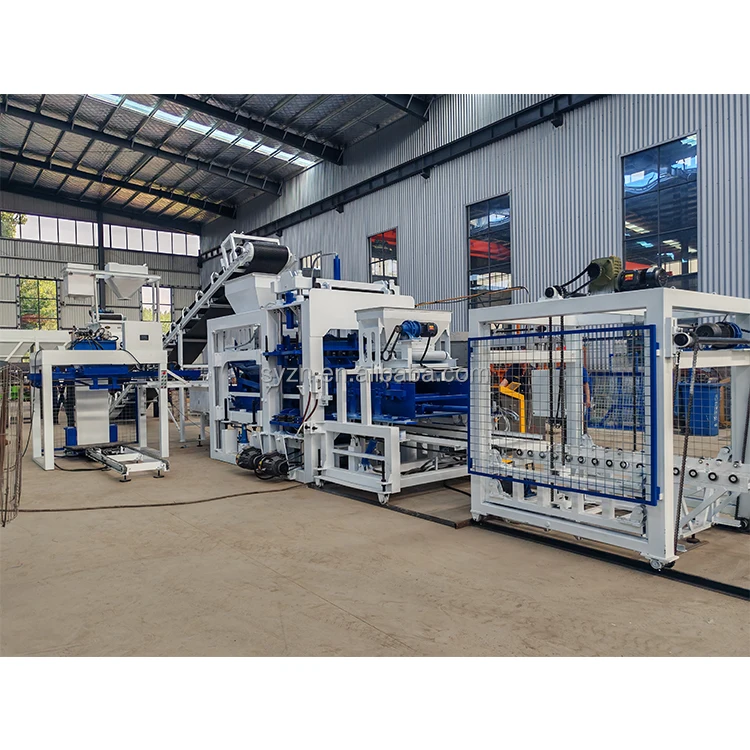
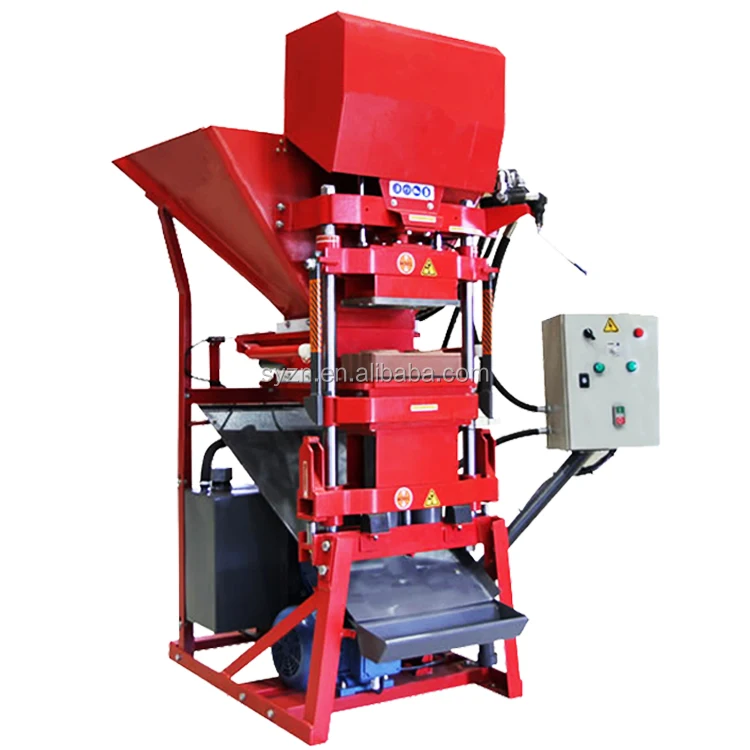
Selectable Automation Tiers — The Eco Master 7000 lets you begin with semi-automatic pressing and scale to full hydraulic PLC control, removing manual variables from each interlocking block cycle as your site output demands grow.
Technical Specifications
| Parameter | Value |
|---|---|
| Model | Eco Master 7000 |
| Product Type | Automatic Interlocking Block Machine |
| Overall Dimensions (L×W×H) | 1660×1400×2380 mm |
| Total Mass | 1300 kg |
| Power Source Option | Electric motor or Diesel engine |
| Rated Power (Electric) | 7.5 kW |
| Rated Power (Diesel) | 12 HP |
| Hydraulic Pressure Range | 16–21 MPa |
| Cycle Time | 10–15 s |
| Productivity (300×150×100 mm block) | 2 pcs/mould, 720 pcs/h, 5760 pcs/day (8h) |
| Productivity (250×125×60 mm block) | 2 pcs/mould, 720 pcs/h, 5760 pcs/day (8h) |
| Output Capacity Note | 4000–6000 pcs/day (basis not stated in source — confirm block format and mix) |
| Automation Level | Semi-automatic or automatic configuration |
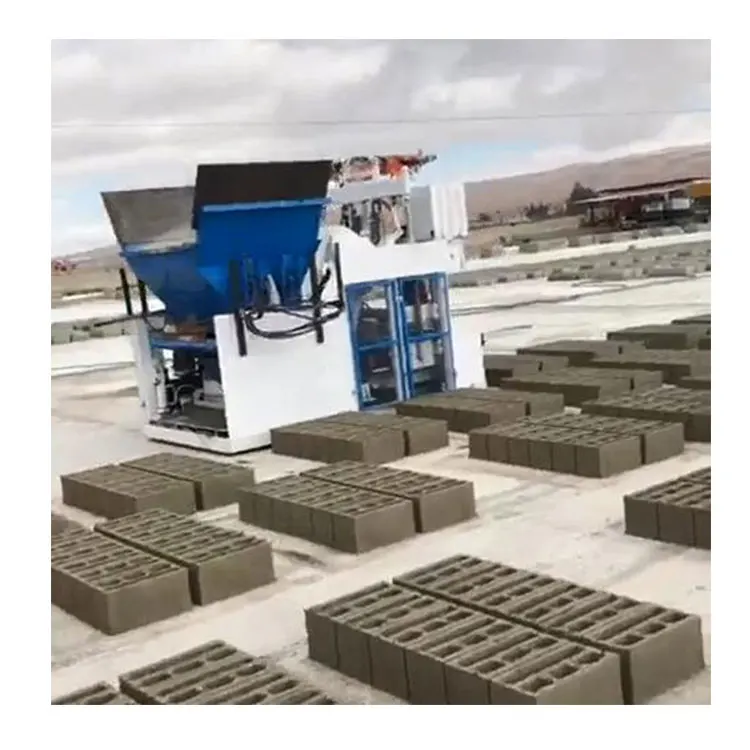
| Pallet Requirement | Pallet-less (egg-laying / mobile operation) |
| Voltage & Frequency | 380V, 3-phase, 50Hz (customizable) |
| Raw Material Compatibility | Clay + Cement (6–8% cement) or Full Clay (97% clay, 3% water) |
| Mould Formats Listed | 300×150×100 mm; 250×125×60 mm interlocking |
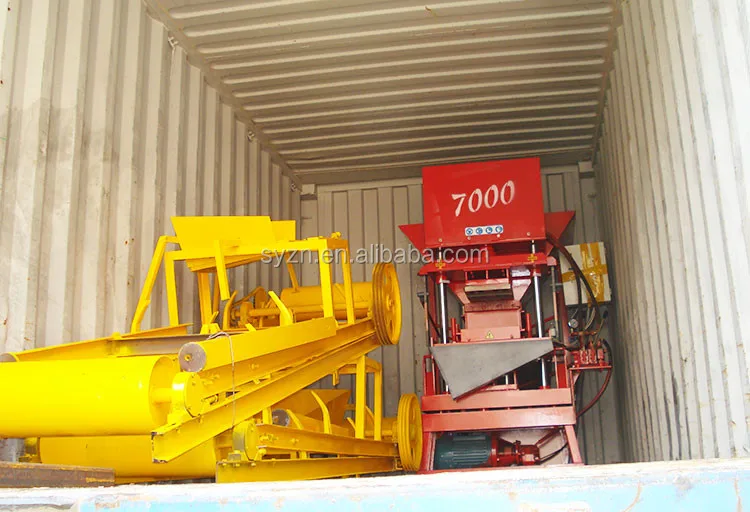
| Assembly State | Fully assembled, nude packing |
| Warranty | 1 year (excluding wearing parts) |
Application Suitability
| Application | Material or Output |
|---|---|
| On-site housing project block production | Clay-cement interlocking blocks laid directly on prepared ground |
| Remote construction camp block making | Diesel-powered operation where grid electricity is unavailable |
| Small-scale paver and wall block supply | Full clay or clay-cement interlocking formats for local sale |
| Contractor self-supply for masonry walls | 250×125×60 mm and 300×150×100 mm interlocking blocks produced at the build location |
Why the Control Language Question Must Come Before the Price
An automatic interlocking block machine PLC controlled in the wrong language is a 1300 kg paperweight on day one.
I once watched three operators stand in front of a control cabinet in Riyadh for an entire shift because the HMI displayed English prompts and the crew read only Arabic. The hydraulic circuit was fine, the mould was aligned, the mix was correct — none of that mattered. The machine sat idle while we sourced a translator to walk the crew through each screen. That delay cost more than the language option would have added to the build. When you specify an automatic interlocking block machine PLC controlled for your site, the display language, voltage, and frequency must be locked before the first weld. [NEED_CITE: common commissioning delays caused by control language mismatch on exported machinery]
Automation Levels That Match Your Crew and Your Budget
The Eco Master 7000 ships in semi-automatic or automatic configuration, and the difference is not just a PLC panel. Semi-automatic operation requires an attendant to trigger each press cycle and manage the egg-laying travel path, which suits a small crew producing for a single housing project. Automatic mode sequences the hydraulic press cycle, travel, and block release through the PLC, so the operator monitors rather than initiates. This selectable automation path means you can start with the semi-automatic setup on a tight project budget and add full automatic interlocking block machine PLC controlled sequencing later when volume justifies the upgrade.
Removing the Operator Variable from Every Block
Block-to-block density depends on consistent hydraulic pressure and cycle timing. A manual operator will vary the press hold by a second or two between cycles, which compounds across a 5760-block day into noticeable strength scatter. The automatic configuration holds the 16–21 MPa hydraulic pressure for the exact programmed duration every cycle. That consistency matters most when your interlocking blocks must pass a compressive strength test for a housing authority or infrastructure tender. The PLC logs each cycle, giving you traceability that manual operation simply cannot provide. [NEED_CITE: effect of press cycle consistency on concrete block compressive strength variance]
What the Hydraulic Pressure and Cycle Time Mean on the Ground
The 16–21 MPa hydraulic range exists because clay-cement and full-clay mixes compact differently. A 6–8% cement mix needs less pressure to reach target density than a 97% clay mix, and the adjustable range lets you dial in the right compaction for your local material. The 10–15 second cycle time is achievable because the pallet-less egg-laying design eliminates the pallet feed and return loop that slows stationary machines. Two blocks per mould at 720 pieces per hour for both the 300×150×100 mm and 250×125×60 mm formats gives you documented output to plan against, not a generic cycles-per-hour claim that ignores the block you actually sell.
What Happens When Voltage and Frequency Are Assumed
Export machines often leave the factory set to 380V/50Hz because that is the default in the manufacturing region. Arrive at a site running 440V/60Hz — common across parts of the Middle East and South America — and the electric motor overheats within the first week. The Eco Master 7000 voltage is customizable, but only if you state your site supply during the order stage. A 7.5 kW motor rewound after arrival costs more than specifying the correct winding upfront. Diesel-powered units sidestep this issue entirely, which is worth considering if your project site relies on generators with unstable frequency output. [NEED_CITE: motor failure rates from voltage and frequency mismatch on exported industrial equipment]
Why Sourcing the Press Alone Is Not Enough
The Eco Master 7000 is configured against your actual clay-cement ratio, local aggregate, and target interlocking format — not pulled from a catalogue default. Block machinery is a single focus here, so the machine, mould, and hydraulic settings are specified as one matched system. The mould design covers the interlocking formats your market sells, with custom drawings available when standard sizes do not fit your specification. Installation support includes on-site commissioning and operator training so the crew understands the PLC interface before the first production run. Documentation, spare parts, and mould replacement support are defined before shipment, not negotiated after something breaks.
Documentation & Verification
- Factory test record run on your specified clay-cement ratio and block format
- Hydraulic and electrical schematic showing the confirmed voltage and motor winding
- PLC screen language confirmation signed off before the control panel is wired
- Operation and maintenance manual in the operator’s working language
- Wear parts and mould list with part numbers for first-year replacements
Installation, Commissioning & Support
- Level compacted ground required; the 1660×1400 mm footprint needs no poured foundation for egg-laying operation
- Dedicated 3-phase circuit at confirmed voltage for the 7.5 kW electric motor variant
- Machine ships fully assembled; position, connect power, and the press is ready for commissioning
- Hydraulic pressure calibrated to your mix during on-site startup and first production run
- Operator training covers PLC navigation, mould change, and daily maintenance checkpoints
- Wear parts list provided so local procurement can begin before first replacement is due
Before You Request a Quote
Tell us which interlocking block format your site or market requires, the daily volume you need to sustain, and whether your raw material is clay-cement or full clay. Confirm your site voltage, frequency, and the control display language your operators read. If you already have a curing area or handling workflow in place, describe it so the automation level recommendation fits your existing layout.
Frequently Asked Questions
Q: How is output capacity verified for each block format?
A: Capacity is calculated per mould cavity count, cycle time, and operating hours. For the 300×150×100 mm and 250×125×60 mm interlocking formats, two blocks per mould at a 10–15 second cycle yields 720 pieces per hour. We state the block format, mix design, and shift length behind every output figure so you can verify against your production target.
Q: What automation options exist and how does the upgrade path work?
A: The Eco Master 7000 is available in semi-automatic or automatic configuration. Semi-automatic requires operator-triggered cycles; automatic sequences pressing and travel through the PLC. Upgrading later involves adding the PLC panel and sensors to the existing hydraulic frame, so the machine you buy first does not become obsolete when your output needs grow.
Q: How are voltage, frequency, and control language confirmed before shipment?
A: We collect your site supply specifications and operator language during the inquiry stage. The motor winding, transformer, and PLC display language are then locked on the specification sheet before production. A signed confirmation prevents commissioning delays caused by a mismatch between factory defaults and your site conditions.
Q: What is the mould change procedure and how long does a switch take?
A: The interlocking mould is unbolted from the press head, lifted out, and the replacement mould is positioned and secured. The procedure is mechanical — no hydraulic line disconnection is required. We walk your crew through the change during commissioning so a format switch does not consume an entire shift.
Q: How are replacement moulds and hydraulic wear parts supplied after year one?
A: A wear parts and mould list with part numbers ships with the machine. Replacement moulds can be produced to the original drawing or to a new format you specify. Hydraulic seals and hoses are standard industrial sizes available locally in most markets, and we supply part numbers so your procurement team can source them without waiting for an overseas shipment.