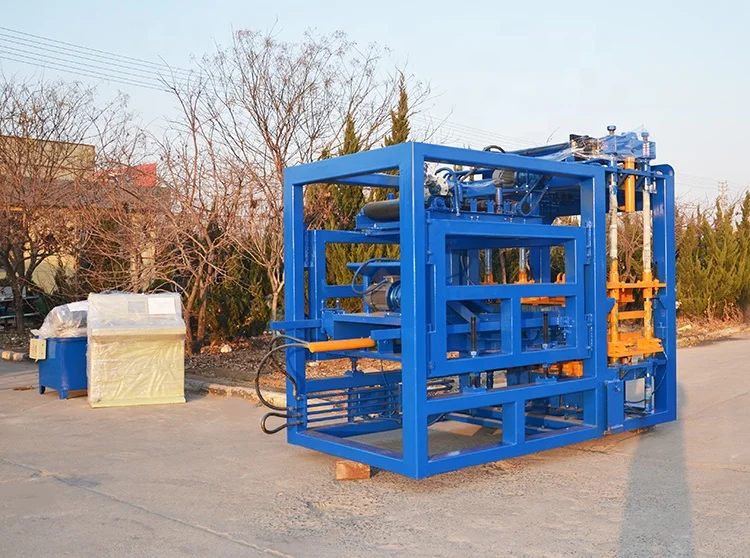


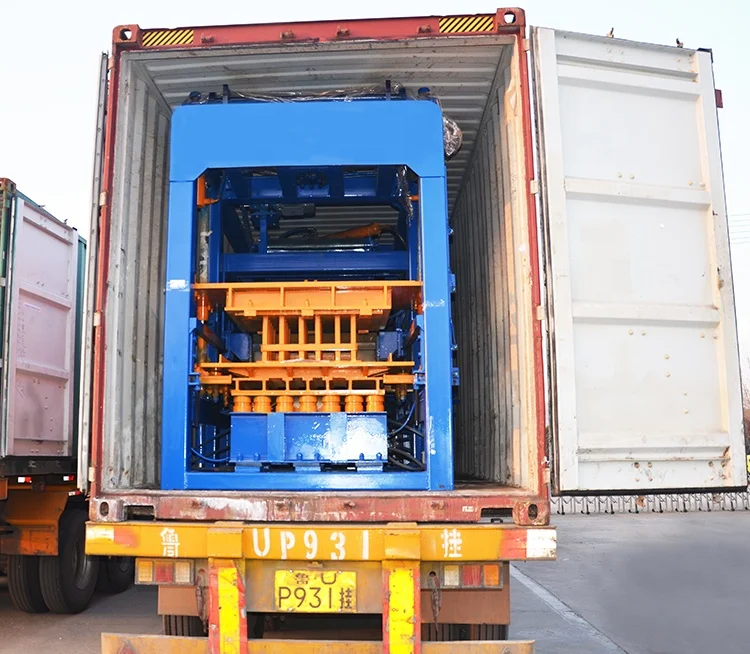
Description
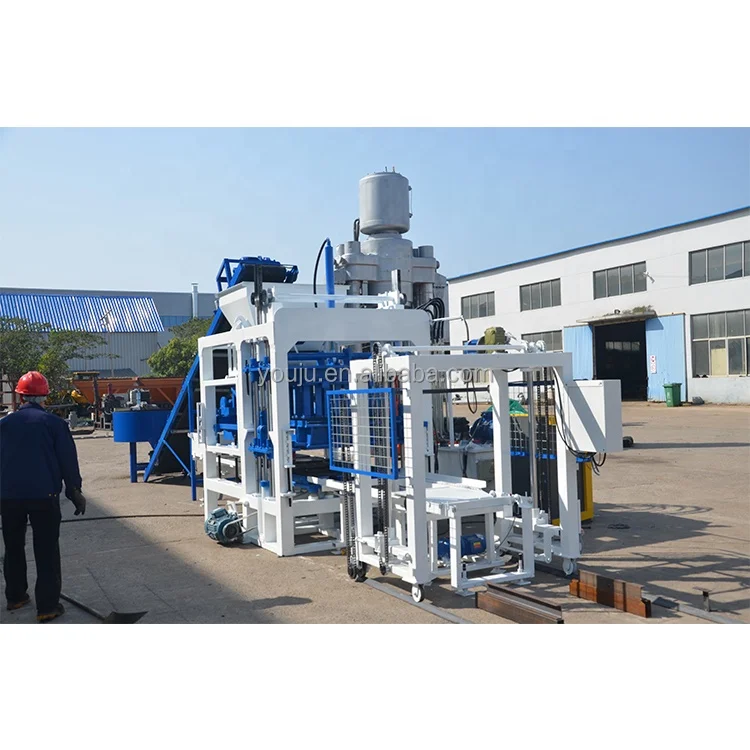
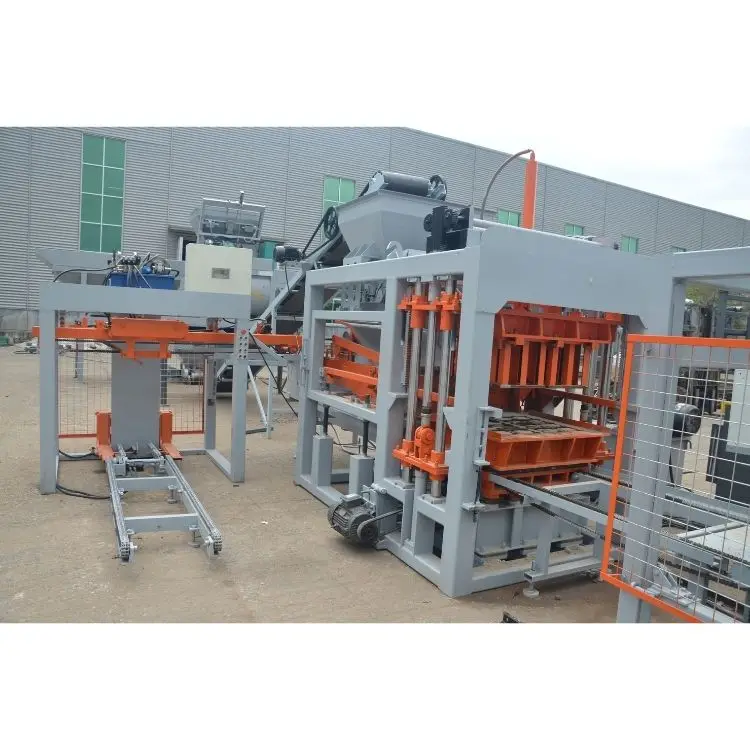
Matched System Integration — Every QT6-15 semi-automatic line ships with PLC parameters pre-loaded for your exact block format, so the automation you specify is the automation you commission.
Technical Specifications
| Parameter | Value |
|---|---|
| Model | QT6-15 |
| Product Type | Semi-Automatic Concrete Block Making Machine |
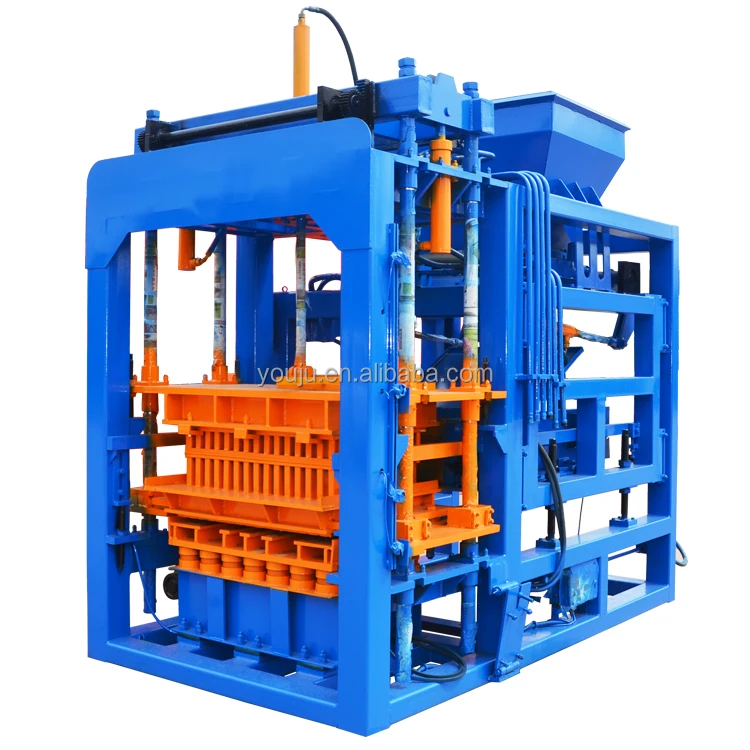
| Molding Method | Vibration and hydraulic pressing |
| Rated Hydraulic Pressure | 21 MPa |
| Molding Cycle | 15 s – 20 s (basis not stated in source — confirm block format, material, and thickness) |
| Pallet Size | 900 × 700 mm |
| Main Machine Weight | 6000 kg |
| Automation Level | Semi-automatic with selectable upgrade stations |
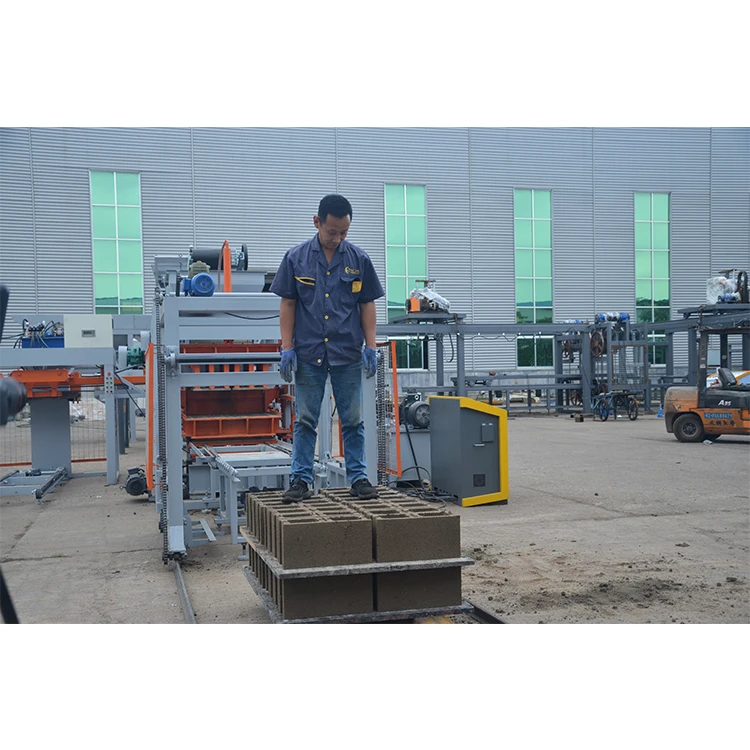
| Output – Hollow Block (400×200×200 mm, 6 pcs/pallet) | 1440 pcs/h, 11520 pcs/8h |
| Output – Paving Brick (200×100×60 mm, 21 pcs/pallet) | 5040 pcs/h, 40320 pcs/8h |
| Output – Solid Brick (240×115×53 mm, 32 pcs/pallet) | 7680 pcs/h, 61440 pcs/8h |
| Control System | PLC (voltage and HMI language configurable) |
| Compatible Raw Materials | Cement, sand, fly ash, stone powder, slag |
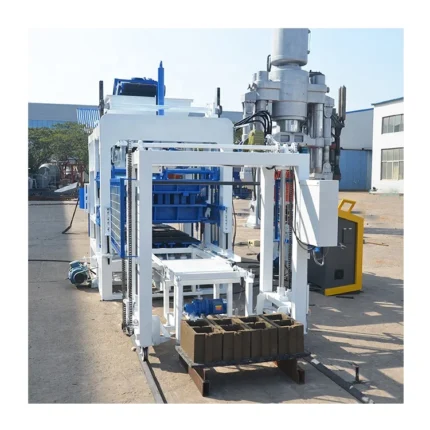
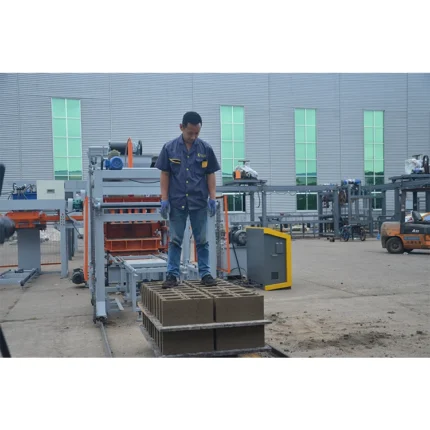
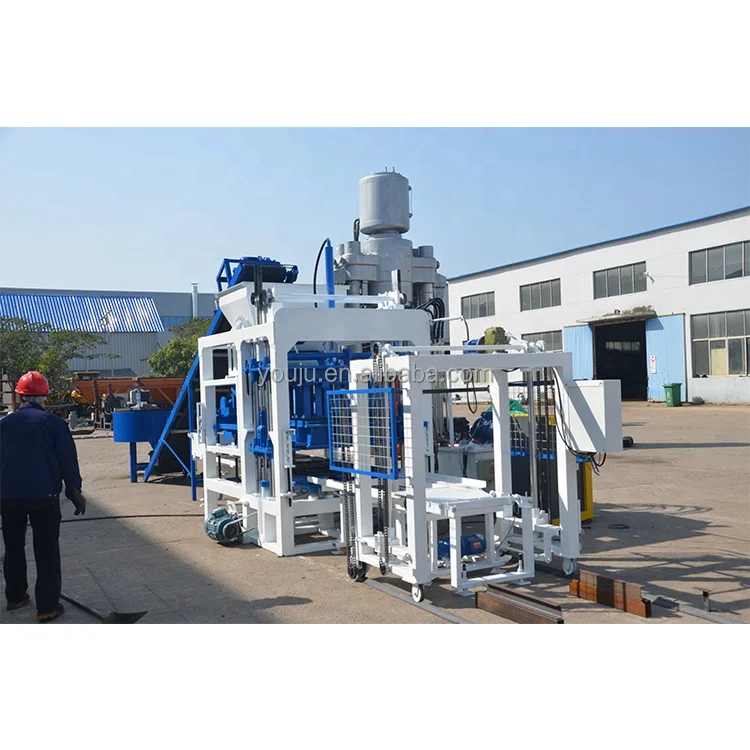
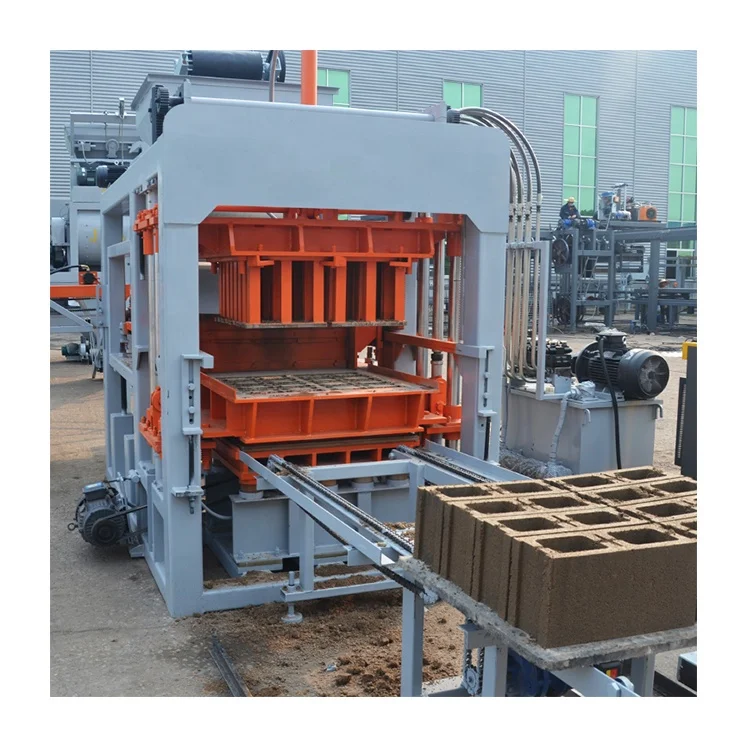
| Standard Line Configuration | JS500 mixer, 8 m belt conveyor, automatic stacker, one hollow block mould, two hydraulic trolleys |
| Optional Stations | Cement silo, screw conveyor, cement scale, batching machine, pallet feeder, pallet separator |
| Warranty | 1 year (excluding wear parts) |
Application Suitability
| Application | Material or Output |
|---|---|
| Hollow block production for wall construction | Cement, fly ash, sand, and stone powder blends |
| Paving brick manufacturing for sidewalks and roads | Cement and aggregate with optional color pigment feeding |
| Solid brick production for load-bearing structures | Cement, slag, and crushed stone powder mixes |
| Kerbstone and interlocking paver production | High-density aggregate mixes at 21 MPa hydraulic pressure |
| Small-to-medium plant startup with future automation growth | Semi-automatic line upgrading to automatic pallet handling |
| On-site block production for housing projects | Locally sourced fly ash, slag, and stone powder |
Why the Language on Your PLC Screen Matters Before the Machine Ships
The automatic QT6-15 block making machine arrives with HMI language and voltage locked in before it leaves the factory, not discovered on the first day of commissioning.
I once stood in a block plant in Saudi Arabia watching an operator stare at a PLC screen full of Chinese characters. The alarm log was unreadable, the parameter labels meant nothing, and the electrician had no schematic in a language he could follow. Three days of production vanished before anyone thought to confirm the display language at the ordering stage. That same plant had also wired the wrong frequency into the control cabinet, which meant the vibration motor ran at the wrong RPM and block density dropped below the buyer’s specification [NEED_CITE: voltage and frequency standards by export market]. With this PLC controlled semi-automatic block machine, the voltage, frequency, and HMI language are documented and confirmed during the sales process so the control panel speaks the operator’s language from the first shift.
How PLC Control Removes Operator Guesswork
The QT6-15 uses a PLC to govern the full molding cycle — vibration duration, hydraulic press stroke, and dwell time — across every pallet that enters the press. On a manual or egg-laying machine, cycle consistency depends entirely on the operator’s rhythm, and fatigue shifts that rhythm by mid-shift. Here the automatic QT6-15 block making machine holds the same 15-to-20-second cycle window regardless of who is at the control panel, which keeps block density uniform from the first pallet to the last.
Building Your Automation Level Around Actual Output Needs
A semi-automatic line does not mean a fixed ceiling. The QT6-15 starts with a JS500 mixer, an 8 m belt conveyor, and an automatic stacker as its base configuration. When daily volume grows, you add a pallet feeder to remove the manual pallet-loading station, then a pallet separator to automate the return loop, and finally a batching machine with cement scale to close the raw material loop. Each station plugs into the existing PLC architecture, so the PLC controlled semi-automatic block machine grows with your plant rather than requiring a full replacement [NEED_CITE: typical automation upgrade paths in block plants].
Reading the Specs That Actually Determine Your Block Quality
The 21 MPa rated hydraulic pressure works in combination with the vibration system to compact the mix into the mould cavity. Pressure alone does not determine block strength — the vibration force must match the aggregate particle size in your local mix, which is why the QT6-15’s vibration-to-pressure ratio is set against the buyer’s stated raw material profile rather than a default catalogue setting. The 900 × 700 mm pallet size dictates how many blocks form per cycle: six hollow blocks, twenty-one paving bricks, or thirty-two solid bricks per pallet. That pallet size also has to match the curing rack dimensions and the forklift tine spacing already in your yard, because a mismatch there means double-handling every pallet after it leaves the press. The automatic QT6-15 block making machine specification sheet documents the pallet material and size alongside the mould drawing so the curing area and handling equipment are planned before the machine arrives.
What Happens When Configuration Is Skipped
Ordering a block press without confirming the local aggregate profile leads to a machine tuned for a mix you cannot source. The vibration force that compacts river sand effectively may leave fly ash blends under-pressed, producing blocks that fail the drop test at the curing rack [NEED_CITE: aggregate variability effects on block compressive strength]. Skipping the voltage and frequency confirmation means the vibration motor and hydraulic pump may run outside their rated range, shortening component life and voiding warranty coverage. And when the mould change procedure is not documented per format, a machine sold for its format flexibility spends half a shift in changeover instead of producing.
Why Procurement Here Reduces Commissioning Risk
Every QT6-15 is specified as a matched system — press, mould, pallet, and handling equipment are selected together rather than assembled from separate suppliers after the contract is signed. The configuration is set against the buyer’s actual mix design and target block format, not a catalogue default that assumes ideal conditions. Mould design covers the formats the buyer’s market actually sells, and custom mould drawings are available when standard formats do not match local building codes. The automation level is selectable at order and upgradable afterward, so a buyer can start with semi-automatic pallet handling and add automatic stacking as volume justifies the investment. Voltage, frequency, and PLC display language are confirmed in writing before production begins, which eliminates the most common commissioning delays I have encountered on site.
Documentation & Verification
- Capacity calculation sheet stating the block format and pallet count assumed for each output figure
- Hydraulic and electrical schematic in the operator’s language for independent local servicing
- Voltage, frequency, and PLC HMI language confirmation documented before production starts
- Mould drawing and format list with cycle time stated per block format
- Factory test record run on the buyer’s specified pallet and mould configuration
- Operation and maintenance manual with wear parts and mould replacement schedule
Installation, Commissioning & Support
- Foundation plan sized for the 6000 kg main machine weight and vibration load transfer
- Electrical supply confirmed for the specified voltage and frequency before cabinet wiring
- JS500 mixer and 8 m belt conveyor positioned to match the press feed height and cycle timing
- PLC parameters loaded with the buyer’s block format cycle times during factory testing
- Operator training covers mould change procedure, alarm response, and daily lubrication points
- Wear parts list and hydraulic seal kit shipped with the first container for on-site stock
Preparing Your Inquiry
To size the automatic QT6-15 block making machine to your plant, share the block formats you sell today and the ones you plan to add, along with your target daily output per format. Include the raw materials available locally — whether fly ash, slag, river sand, or stone powder — and the curing area dimensions and forklift specs already on site. State your local voltage, frequency, and the preferred PLC display language so the control system is configured correctly before dispatch.
Frequently Asked Questions
Q: How is the QT6-15 cycle time verified per block format, and what happens when I switch moulds?
A: The molding cycle of 15 to 20 seconds is a baseline range. The actual cycle for each block format — hollow, paving, or solid — is confirmed during configuration based on your mix design and target density. When you switch moulds, the PLC stores the cycle parameters for each format, so the operator selects the programme rather than manually adjusting timers. The mould drawing and format list document the specific cycle time for every mould supplied.
Q: Can I start semi-automatic and upgrade to automatic pallet feeding and stacking later?
A: Yes. The QT6-15 base line includes a JS500 mixer, belt conveyor, and automatic stacker. You can add a pallet feeder and pallet separator as separate stations afterward, both of which integrate with the existing PLC architecture. The batching machine and cement scale are also available as later additions. This staged approach lets you match capital spending to actual output growth.
Q: What PLC language and voltage options are confirmed before the machine leaves the factory?
A: The PLC display language and electrical specifications — voltage, frequency, and phase — are confirmed in writing during the sales process, before production begins. This confirmation is documented alongside the machine specification sheet so the control panel arrives in the operator’s language and the electrical cabinet matches the site supply. This step eliminates the most frequent cause of delayed commissioning.
Q: How do I match vibration force and hydraulic pressure to my local aggregate and mix design?
A: The 21 MPa hydraulic pressure and vibration settings are configured against the buyer’s stated raw material profile — whether fly ash, slag, sand, or stone powder — and the target block strength. Providing your local aggregate sieve analysis and cement ratio during the inquiry stage allows the machine to be set correctly before dispatch, rather than adjusted through trial and error on site.
Q: What remote diagnostics or troubleshooting support is available after commissioning?
A: The hydraulic and electrical schematics are supplied in the operator’s language so local technicians can trace faults independently. The PLC alarm log uses the confirmed display language, which speeds diagnosis. For issues that require factory support, the PLC system allows parameter review and adjustment guidance to be communicated based on the alarm codes and cycle data the operator reads from the screen.