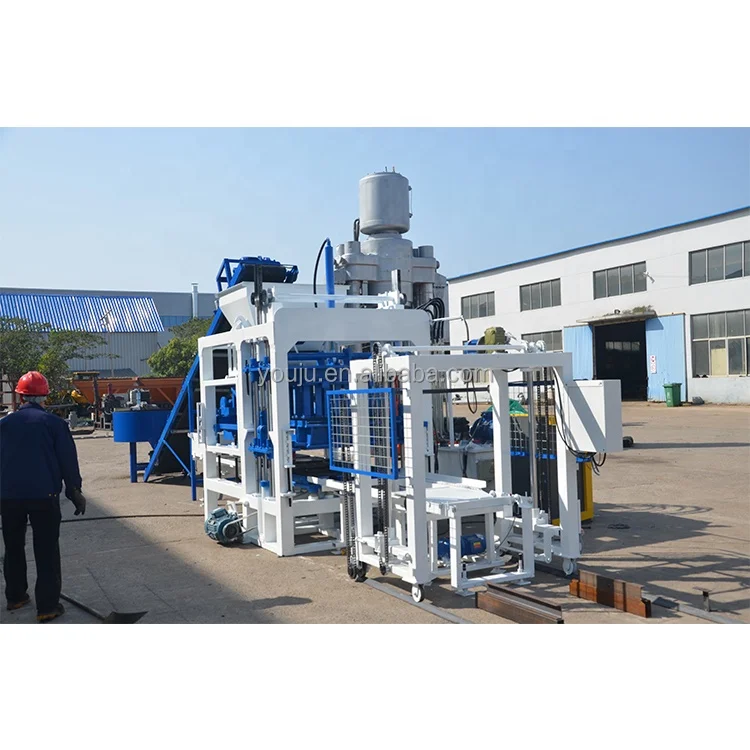


Description
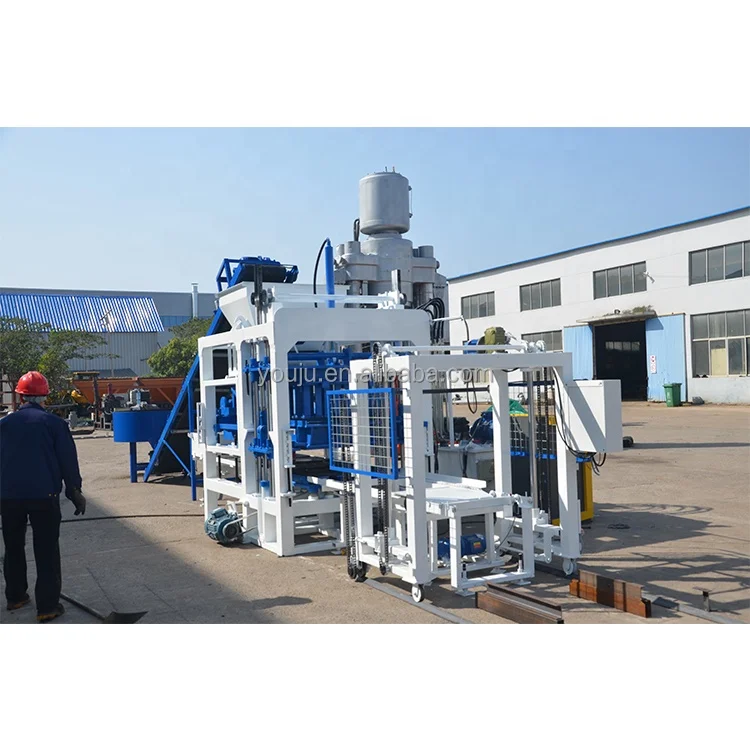
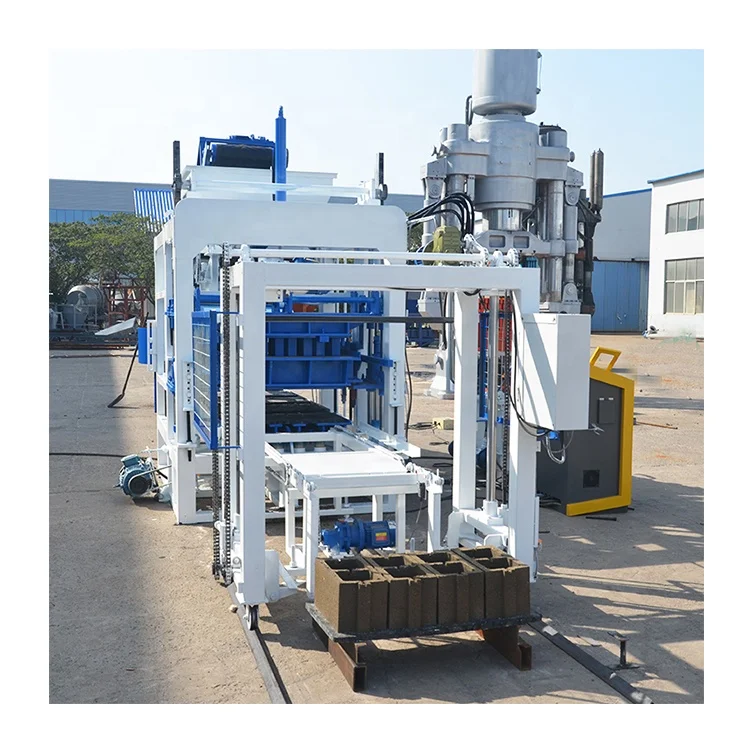
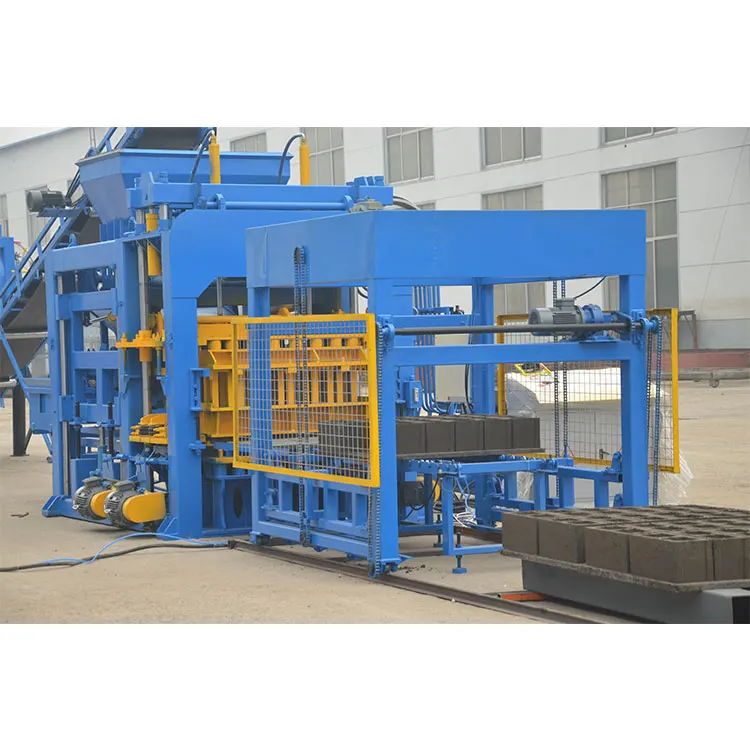
Configuration Matched to Your Automation Phase — The QT4-18 pairs PLC logic with a frequency converter, letting a single operator lock repeatable cycle timing while leaving the stacking and cubing stations open for future addition.
Technical Specifications
| Parameter | Value |
|---|---|
| Product Type | Semi-Automatic Concrete Block Making Machine |
| Model | QT4-18 |
| Overall Dimensions (L×W×H) | 2500 × 1750 × 2200 mm |
| Rated Pressure | 16 MPa |
| Vibration Form | Platform Vibration |
| Pallet Size | 950 × 550 mm |
| Molding Cycle | 18–25 s (basis to be confirmed per block format) |
| Overall Power | 27.5 kW |
| Control System | PLC with frequency converter |
| Electrical Components | Schneider (source value — verify against manufacturer catalog) |
| Automation Level | Semi-automatic (PLC-controlled, single-operator capable) |
| Mold Lifting Mechanism | Double-sided sync gears |
| Material Feeding System | Hopper with distribution belt conveyor |
| Pallet Loader Actuation | Hydro-cylinder |
| Output Capacity | (basis not stated in source — confirm block format / material / thickness) |
Application Suitability
| Application | Material or Output |
|---|---|
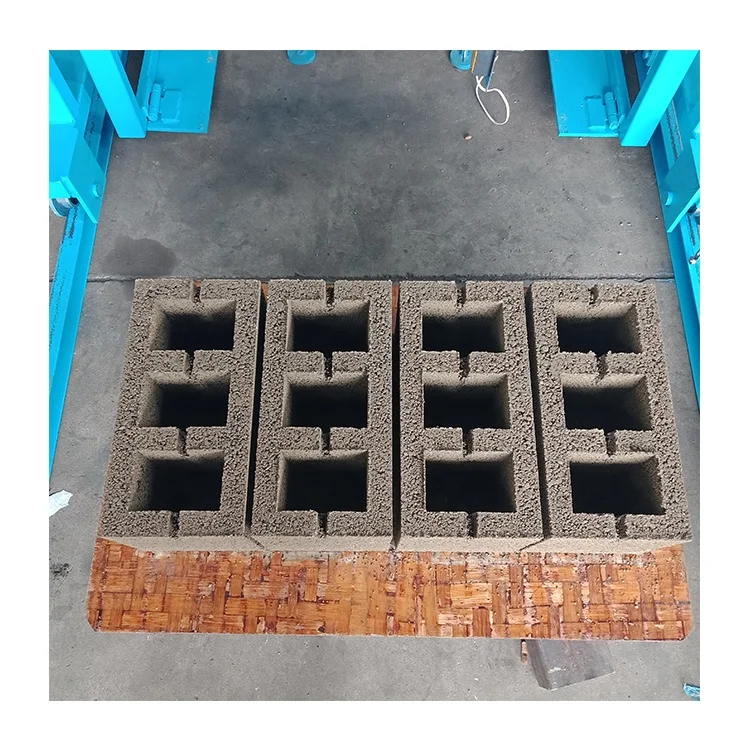
| Hollow block production | Crushed stone, river sand, and cement blends |
| Solid block production | Dense aggregate mixes requiring high compaction |
| Paver production | Fine-sand face mix over a coarse base layer |
| On-site contractor production | Local quarry sand and gravel with variable moisture |
What "Cycles Per Hour" Leaves Out About Semi-Auto Presses
The PLC with frequency converter lets you set and lock vibration force and cycle timing per format, removing the guesswork that causes inconsistent block strength from one batch to the next.
When I first started commissioning semi-automatic block lines in Southeast Asia, a common complaint was that the quoted cycles-per-hour figure assumed a specific hollow block format, while the buyer’s actual market demanded pavers with a different compaction profile. The operator would manually adjust timing, and block strength drifted across a single shift. The QT4-18 addresses this by governing the cycle through programmable logic rather than relay switching, so the parameters you validate on day one remain the parameters running on day thirty [NEED_CITE: block strength variation caused by manual cycle timing].
Dialing In Vibration for Your Local Aggregate
A PLC controlled semi-automatic block making machine replaces the fixed relay timers of older presses with adjustable frequency output. The converter modulates the vibration motor speed, allowing you to match the vibration force to the density and moisture content of your specific sand and aggregate blend rather than accepting a factory default setting.
Keeping the Pallet Feed in Phase with the Press
The hydro-cylinder pallet loader operates under the same PLC sequence as the molding cycle. This synchronization ensures the press is never left idling while an operator manually positions the next pallet, which is a frequent source of lost cycles on purely manual lines. The sequence can be adjusted if you later add an automatic stacker downstream [NEED_CITE: hydraulic synchronization in semi-automatic block presses].
Reading the Molding Cycle into the Control Logic
The rated pressure of 16 MPa and the platform vibration form a matched pair that determines the final density of the block. The 950 × 550 mm pallet size sets the maximum mold footprint, while the 18–25 s cycle range reflects the time needed for different formats to reach full compaction under this pressure. The double-sided sync gear mechanism lifts the mold evenly, reducing the risk of dragging a partially cured block edge during demolding. The 27.5 kW overall power budget covers the hydraulic pump, vibration motor, and distribution belt conveyor simultaneously, so you do not need to sequence the feeder independently.
The Hidden Cost of a Mismatched Control System
Buying a press configured for a voltage or frequency that differs from your plant supply forces a transformer installation that adds cost and delays commissioning. I have seen operators bypass PLC alarms because the display language was set to a default they could not read, leading to ignored warnings about hydraulic pressure drops [NEED_CITE: voltage and frequency standards by export market]. Confirming these details before production begins avoids a scenario where the machine arrives and sits idle while waiting for an electrician.
Why Source This Configuration Here
Shandong Shiyue Intelligent Machinery focuses exclusively on block making machinery, meaning the QT4-18 press, mold, pallet, and handling equipment are specified as one matched system rather than assembled from separate suppliers. The configuration is set against your actual mix design and target block format, not a catalogue default. Automation level is selectable, so you can start with this semi-automatic PLC-controlled setup and add automatic stacking and cubing as volume grows. Custom mold design is available to buyer drawings, and documentation includes hydraulic and electrical schematics for independent local servicing.
Documentation & Verification
- Line layout drawing with capacity calculation stated per your specific block format
- Hydraulic and electrical schematic enabling local PLC and frequency converter service
- Voltage and control language confirmation signed off before dispatch
- Factory test record showing cycle time per block format tested
- Mould drawing and format list matching your market requirements
- Operation and maintenance manual in your specified language
Installation, Commissioning & Support
- Foundation pad sized for the 2500 × 1750 mm footprint and 16 MPa operating vibration
- Dedicated circuit rated for the 27.5 kW overall power draw at your confirmed voltage
- Machine arrives dismantled; hydraulic and electrical connections completed on-site
- PLC parameters set during commissioning to match your aggregate and mix design
- Operator training covers mold change procedure using the double-sided sync gears
- Wear parts and hydraulic seal list supplied for first-year maintenance planning
Next Steps for an Accurate Configuration
To size the QT4-18 correctly for your line, share your target block formats with dimensions, your daily output requirement, and a sample of your local sand or aggregate. Confirm your plant voltage, frequency, and preferred PLC display language. Let us know your existing pallet size if you plan to integrate with a current curing area, and whether you intend to phase in automatic stacking later.
Frequently Asked Questions
Q: How does the PLC with frequency converter improve consistency compared to relay-only controls?
A: The PLC stores exact vibration duration and motor speed for each block format, while the frequency converter adjusts the vibration force to match your mix. This removes manual timing adjustments between batches, so block density and strength remain stable across a full shift without the operator having to interpret relay clicks.
Q: What is the upgrade path from this semi-automatic setup to full automation?
A: The PLC logic already includes I/O points for downstream equipment. You can add an automatic pallet feeder, stacker, and cubing station at a later date without replacing the press control cabinet. The hydro-cylinder pallet loader is designed to integrate with a motorized return conveyor when you are ready to expand.
Q: How are vibration force and pressure matched to my local aggregate?
A: During commissioning, we run test batches with your actual sand and cement blend. The frequency converter adjusts vibration amplitude while the hydraulic pressure is tuned within the 16 MPa rating until the demolded block holds its edge and meets your strength target. These settings are then saved to the PLC as named recipes.
Q: What PLC display languages can be set before shipment?
A: The interface can be configured to your preferred language before the machine leaves the factory, provided you confirm the requirement during the voltage and control confirmation step. This avoids a situation where the operator ignores alarm messages because the default text is unreadable on the shop floor.
Q: How does the double-sided sync gear affect mold change time?
A: The sync gears lift the mold box evenly on both sides, preventing the binding that occurs with bolt-only or single-sided setups. This reduces the physical effort and alignment adjustments needed when switching formats, meaning a format change takes a fraction of a shift rather than consuming most of the morning.