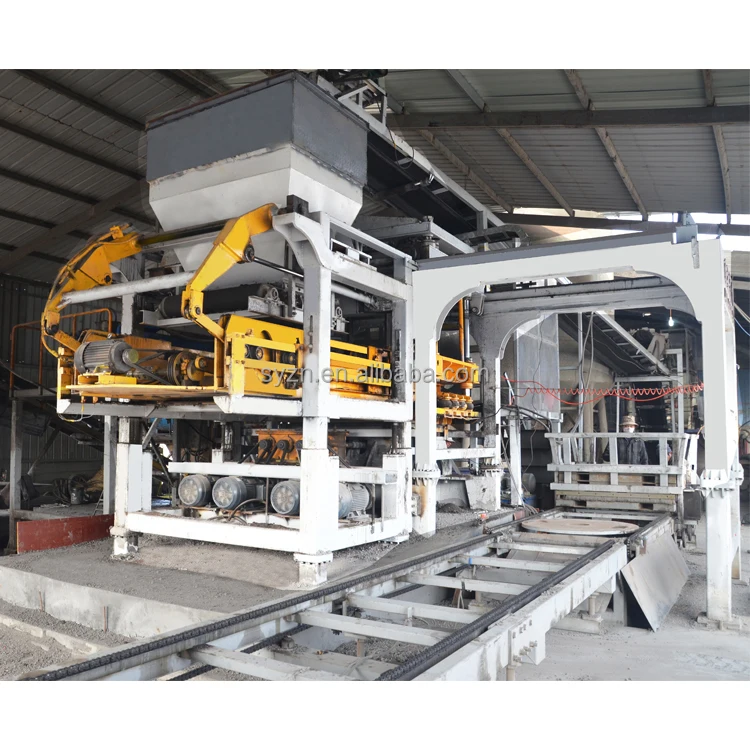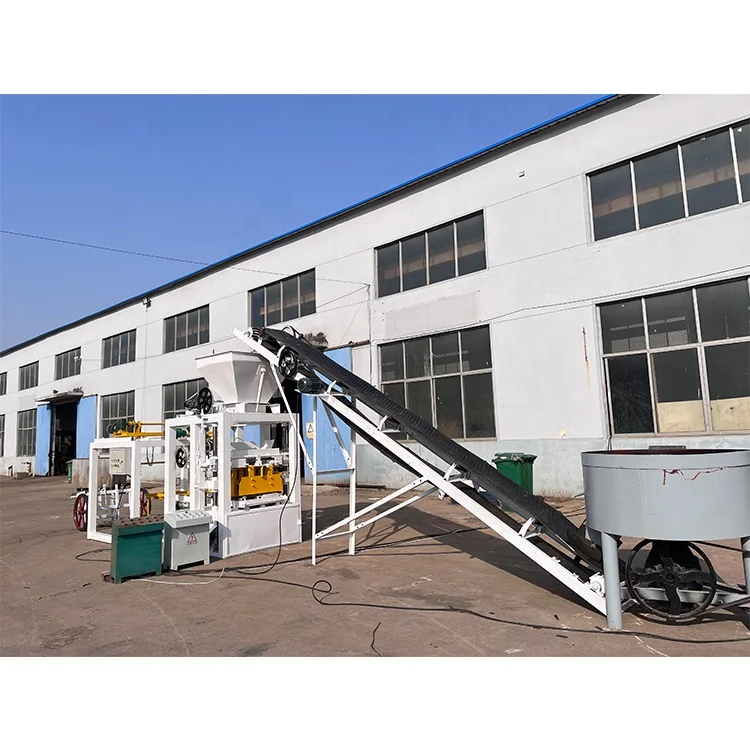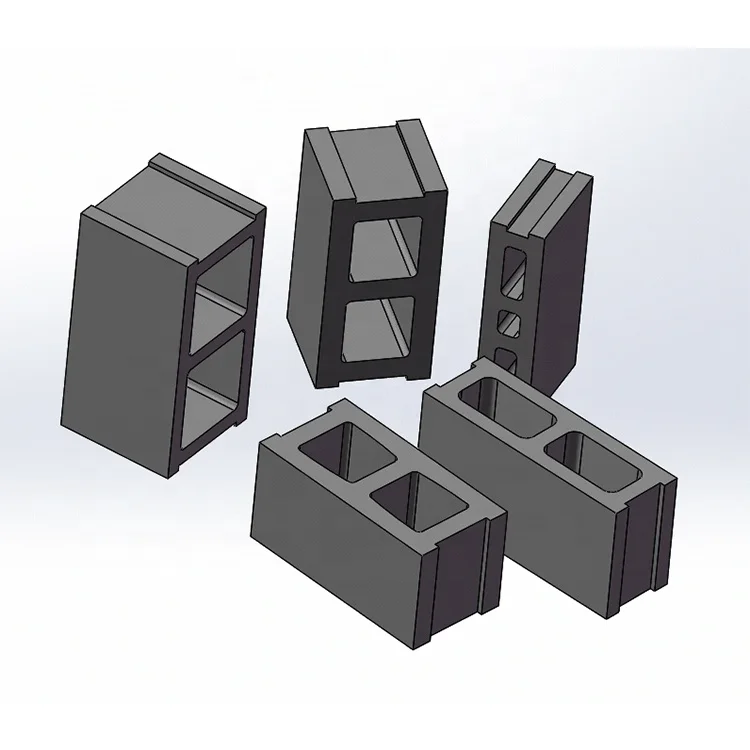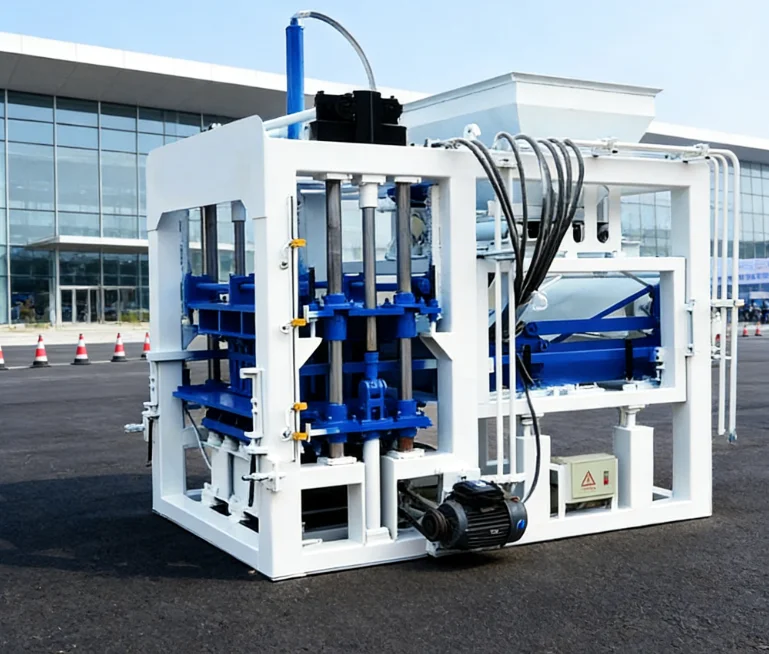
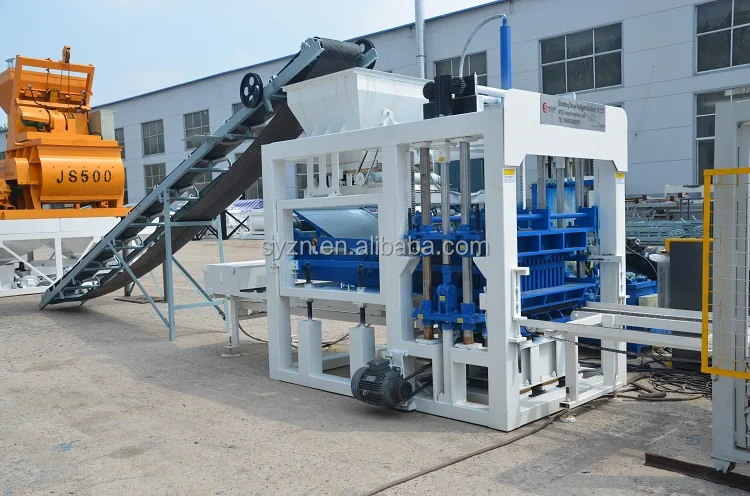
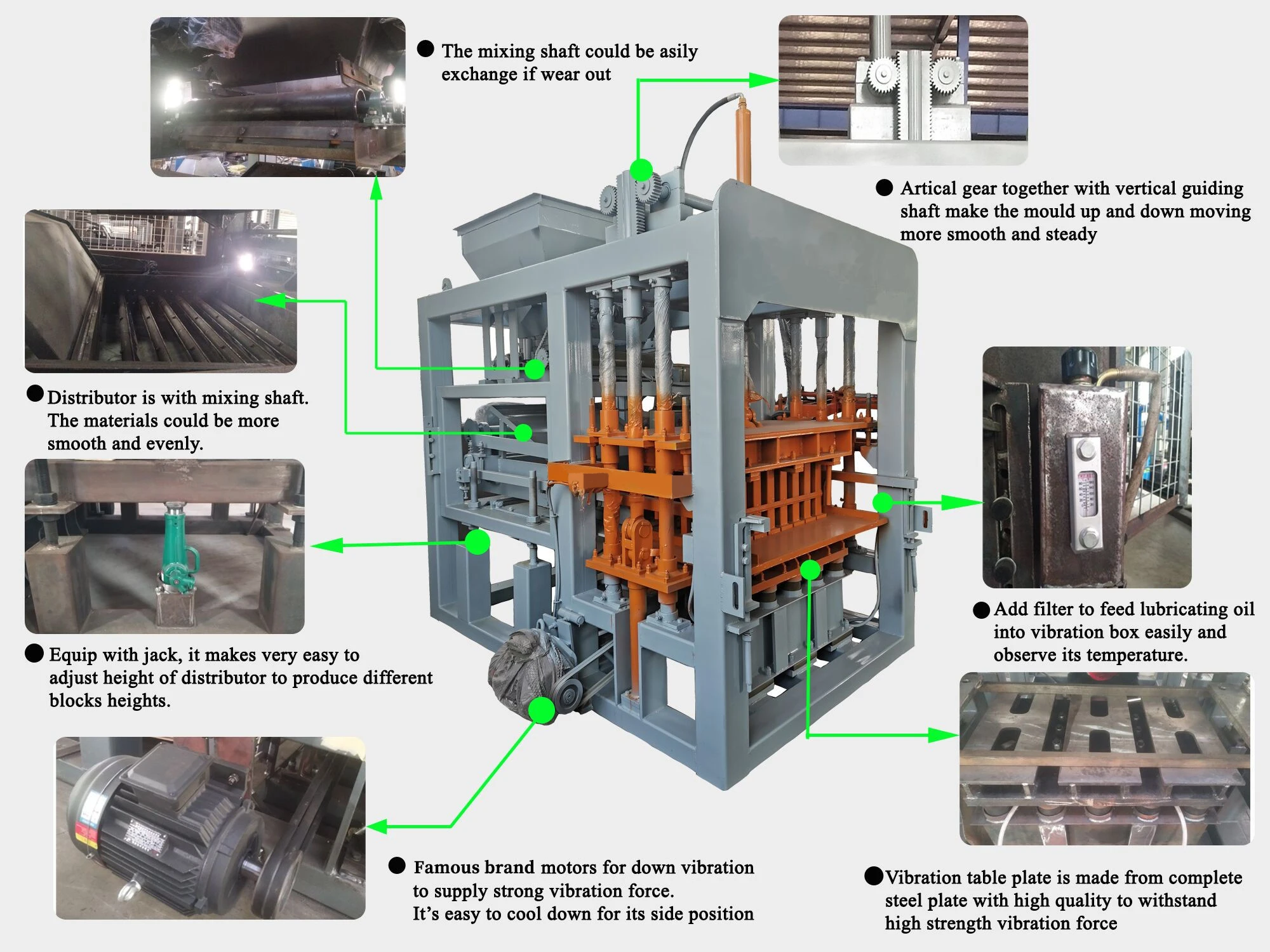
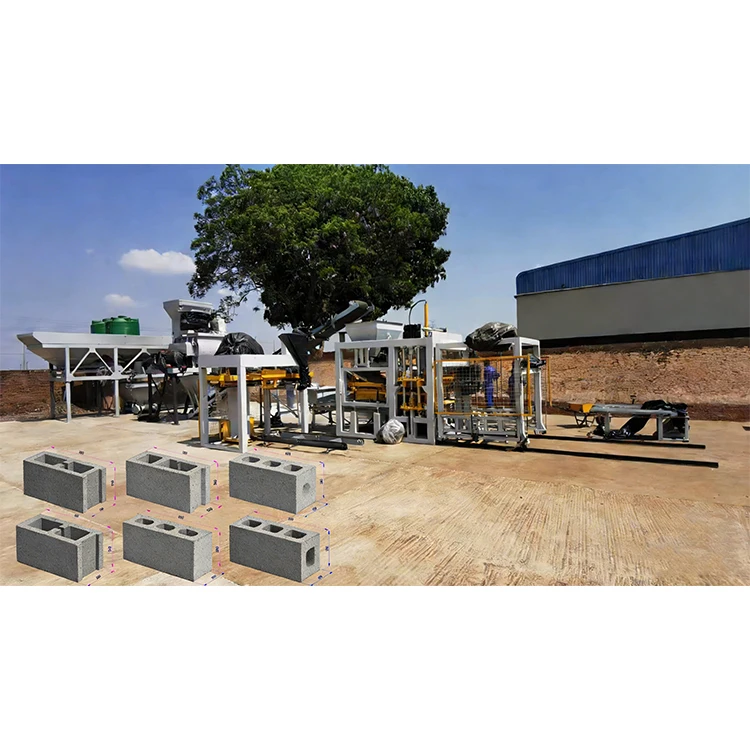
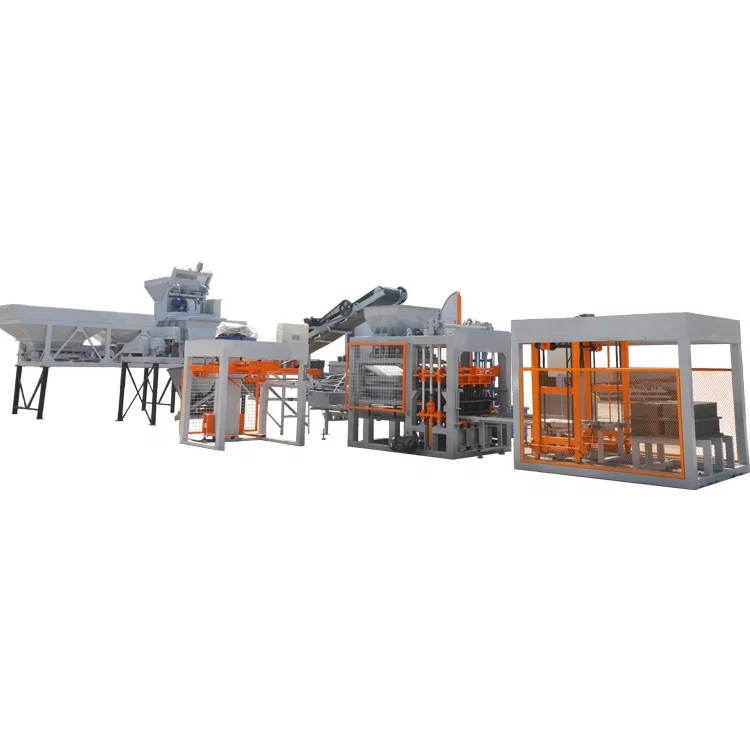
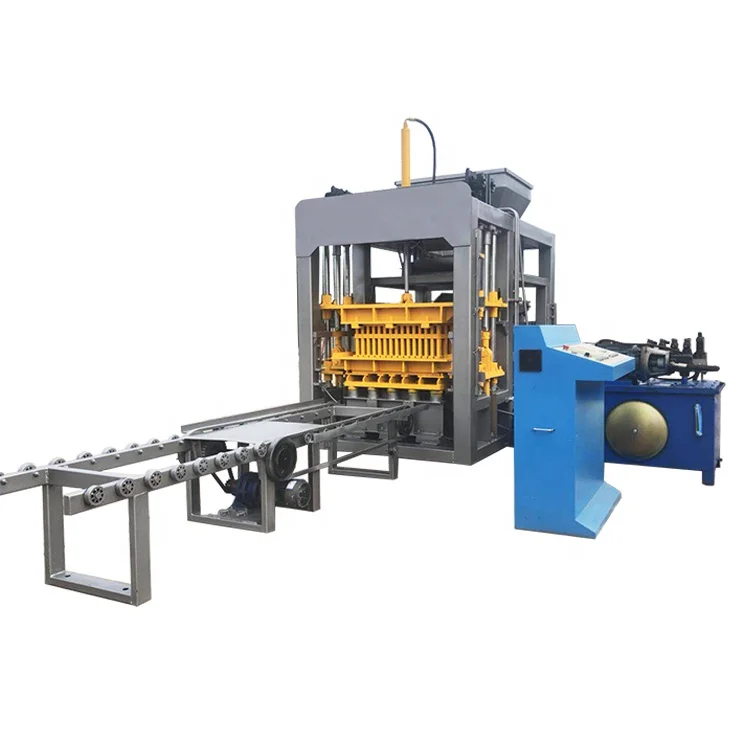
Description
Intelligent Control — PLC parameters tuned to your actual mix design before dispatch, not left at factory defaults.
Technical Specifications
| Parameter | Value |
|---|---|
| Model | QT5-15 |
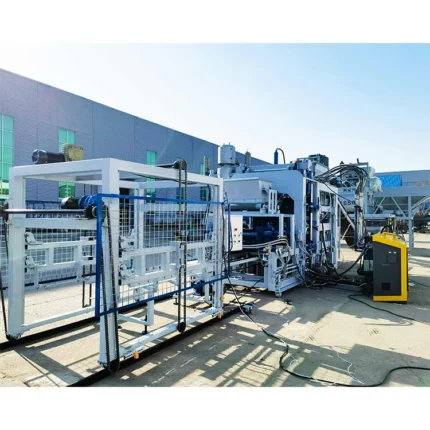
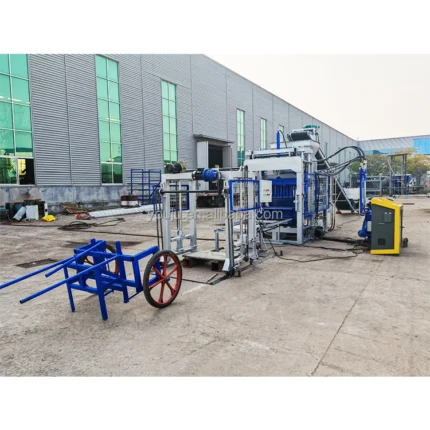
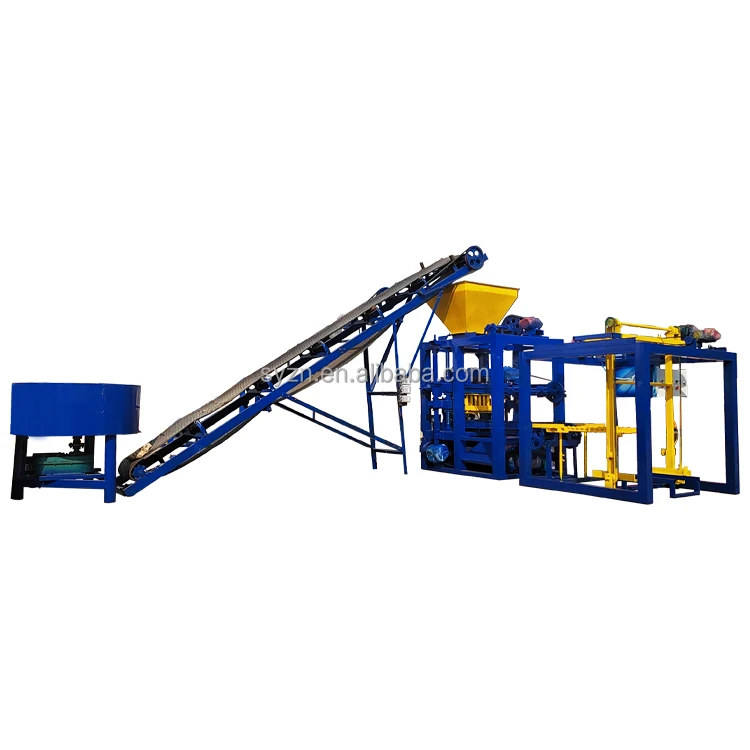
| Product Type | Automatic Concrete Block Making Machine |
| Overall Dimensions (L×W×H) | 7400×1950×2800mm |
| Rated Pressure | 21 MPa |
| Main Vibration Form | Platform Vibration |
| Vibration Frequency | 2800–4500 r/min |
| Pallet Size | 1100×550mm |
| Molding Cycle | 15–25 s |
| Overall Power | 26.5 kW |
| Demolding Method | Hydraulic |
| Control System | PLC (language and automation level configurable) |
| Voltage & Frequency | Configurable to target market (basis to be confirmed) |
| Output Capacity | 1800 pcs/h based on 400×200×200mm hollow block, 5 pcs/mold, 16–20s cycle |
| Output Capacity | 1300 pcs/h based on 400×150×200mm hollow block, 6 pcs/mold, 15–20s cycle |
| Output Capacity | 3700 pcs/h based on 225×112.5×60mm S paver, 16 pcs/mold, 15–17s cycle |
| Raw Materials | Crushed stone, sand, cement, fly ash, gravel, slag |
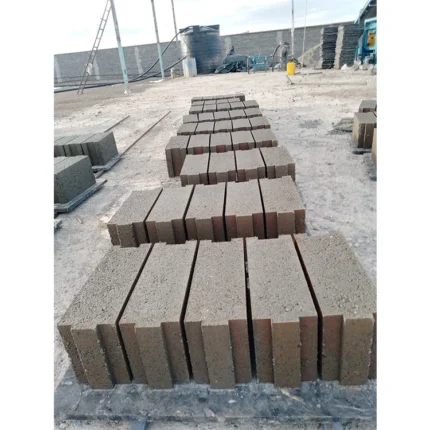
| Applicable Products | Hollow/solid blocks, pavers, interlocking blocks, curbstone, colored pavers |
| Standards | CE (declaration availability to be confirmed) |
Application Suitability
| Application | Material or Output |
|---|---|
| Hollow block production for load-bearing walls | Crushed stone, cement, sand at standard aggregate grading |
| Solid block manufacturing for partition walls | Fly ash, sand, cement blends |
| Paving stone and interlocking brick runs | Fine aggregate with colored cement or pigment additives |
| Curbstone and kerb production | Coarse aggregate with higher cement content mixes |
| Porous and permeable paver formats | Open-graded aggregate with controlled cement ratio |
What "Automatic" Really Means on the Shop Floor
The automatic QT5-15 block machine PLC controlled removes the single largest source of shift-to-shift variation — human timing. A PLC holds cycle parameters constant whether it is the first pallet at 6 a.m. or the last at 4 p.m.
I once stood in a block yard in Eastern Europe where the operator was manually overriding cycle times to chase a quota. The vibration window drifted, blocks came out under-compacted on one end, and the rejection pile grew quietly behind the curing racks. Nobody recorded the loss because nobody measured it. A controlled cycle eliminates that silent drift [NEED_CITE: PLC cycle consistency in concrete block production].
Tuning Vibration to Your Aggregate, Not a Catalogue Default
Platform vibration on this press covers a wide frequency band from 2800 to 4500 r/min. That range matters because the resonance point shifts with aggregate density, moisture content, and cement ratio. The automatic QT5-15 block machine PLC controlled stores the tuned frequency as a recipe per mould, so a change from hollow block to paver does not mean guessing a new setting — it means loading the correct profile and letting the press execute.
Hydraulic Demolding Across the Full Pallet Width
Ejecting a fully compacted pallet without edge damage requires uniform force across the 1100×550mm surface. The hydraulic demolding circuit on this press distributes pressure evenly, so corner blocks release at the same rate as centre blocks. This reduces chipping and keeps rejection rates down without requiring the operator to slow the cycle manually [NEED_CITE: hydraulic demolding force distribution in stationary block presses].
Reading the Numbers That Actually Matter
Rated pressure at 21 MPa and adjustable vibration frequency work together to set the compaction density of every block. Higher pressure without matched vibration leaves the core under-consolidated; higher vibration without sufficient hydraulic clamp force causes flash and dimensional drift. The 15–25 s molding cycle window gives the system time to reach full compaction on denser paver mixes while still holding a short cycle on lighter hollow blocks. Molding cycle varies by format — 16–20 s for a standard 400×200×200mm hollow brick, 15–17 s for a 225×112.5×60mm S paver — and each figure is tied to the specific mould and mix. The 26.5 kW overall power rating covers vibration motors, hydraulic pump, and pallet feed in a single circuit, which simplifies the electrical layout on site.
The Cost of Skipping the Control Language Check
A press arriving with a PLC menu in a language the local operator cannot read becomes a manual machine by default. Operators bypass the interface, revert to push-button timing, and the consistency the system was designed to deliver disappears within the first week [NEED_CITE: operator interface language and automation compliance]. Voltage and frequency mismatches compound the problem — a 50 Hz motor running on a 60 Hz supply overheats, and the resulting downtime is blamed on the machine rather than the specification gap. These issues are preventable with a confirmation step before production begins.
Why This Press, From This Line
Block machinery is our single focus, so the QT5-15 is specified as part of a matched system — press, mould, pallet, and handling equipment sized together rather than assembled from separate suppliers. Configuration is set against your actual mix design and target block format, not a catalogue default. Mould design covers the formats your market sells, and custom drawings are accommodated. The automation level is selectable, meaning you can begin with semi-automatic pallet handling and add stacking or cubing later without replacing the press. Installation support includes on-site commissioning and operator training so the PLC recipes are loaded and verified before the first production shift.
Documentation & Verification
- Line layout with capacity calculation stated per block format and mould
- Machine specification sheet with voltage, frequency, and PLC language confirmed
- Mould drawing and format list showing cycle time for each product
- Hydraulic and electrical schematic for local maintenance team reference
- Factory test record run on your target mix before dispatch
- Operation and maintenance manual with wear parts and mould list
Installation, Commissioning & Support
- Foundation pad sized to the 7400×1950mm footprint with anchor bolt plan provided
- Dedicated 26.5 kW circuit with voltage and frequency matched to your local grid
- Press shipped in dismantled modules for standard container loading and on-site reassembly
- PLC recipes loaded and verified against your mix during commissioning
- Operator training covers mould change procedure and cycle parameter adjustment
- Wear parts list and hydraulic seal kit supplied for first-year maintenance
Before You Request a Quote
Send us the block formats you plan to produce, your daily output target, and the raw materials available locally — including aggregate type and typical moisture content. Confirm your site voltage, frequency, and preferred PLC display language. If you already have pallets, curing racks, or a forklift in place, share the dimensions so the press configuration fits your existing layout.
Frequently Asked Questions
Q: How is capacity verified per block format, and what cycle time applies to each mould?
A: Every output figure on the specification sheet names the block format, mould cavity count, and cycle time it assumes. We provide a capacity table with your chosen formats before order confirmation so daily output expectations are set on real numbers, not catalogue peaks.
Q: Can I start semi-automatic and add stacking automation later?
A: Yes. The QT5-15 supports a selectable automation path. You can begin with manual pallet handling and add automatic stacking or cubing modules later. The PLC architecture accommodates the upgrade without replacing the main control unit.
Q: How do you confirm PLC language and voltage before shipment?
A: We request your site voltage, frequency, and preferred display language during the proposal stage and confirm them in writing before production begins. The factory test then runs the PLC in your specified language so you can verify the interface before dispatch.
Q: What is involved in a mould change, and how long does it take?
A: Mould change uses standard tools and follows a documented sequence covering hydraulic clamp release, mould extraction, and new mould alignment. The procedure is covered during on-site operator training, and the time depends on the format transition planned.
Q: How are vibration frequency and pressure matched to my local aggregate?
A: We request a sample of your mix design and aggregate data, then set the vibration frequency within the 2800–4500 r/min range and adjust hydraulic pressure to reach the required block density. These values are saved in the PLC as named recipes per format.